Croatia: Coastal Hype, Hidden Everyday Value
Croatia’s coastal price headlines mask neighbourhood bargains and steady inland value; match seasonal lifestyle with local data, reciprocity rules and expert help.
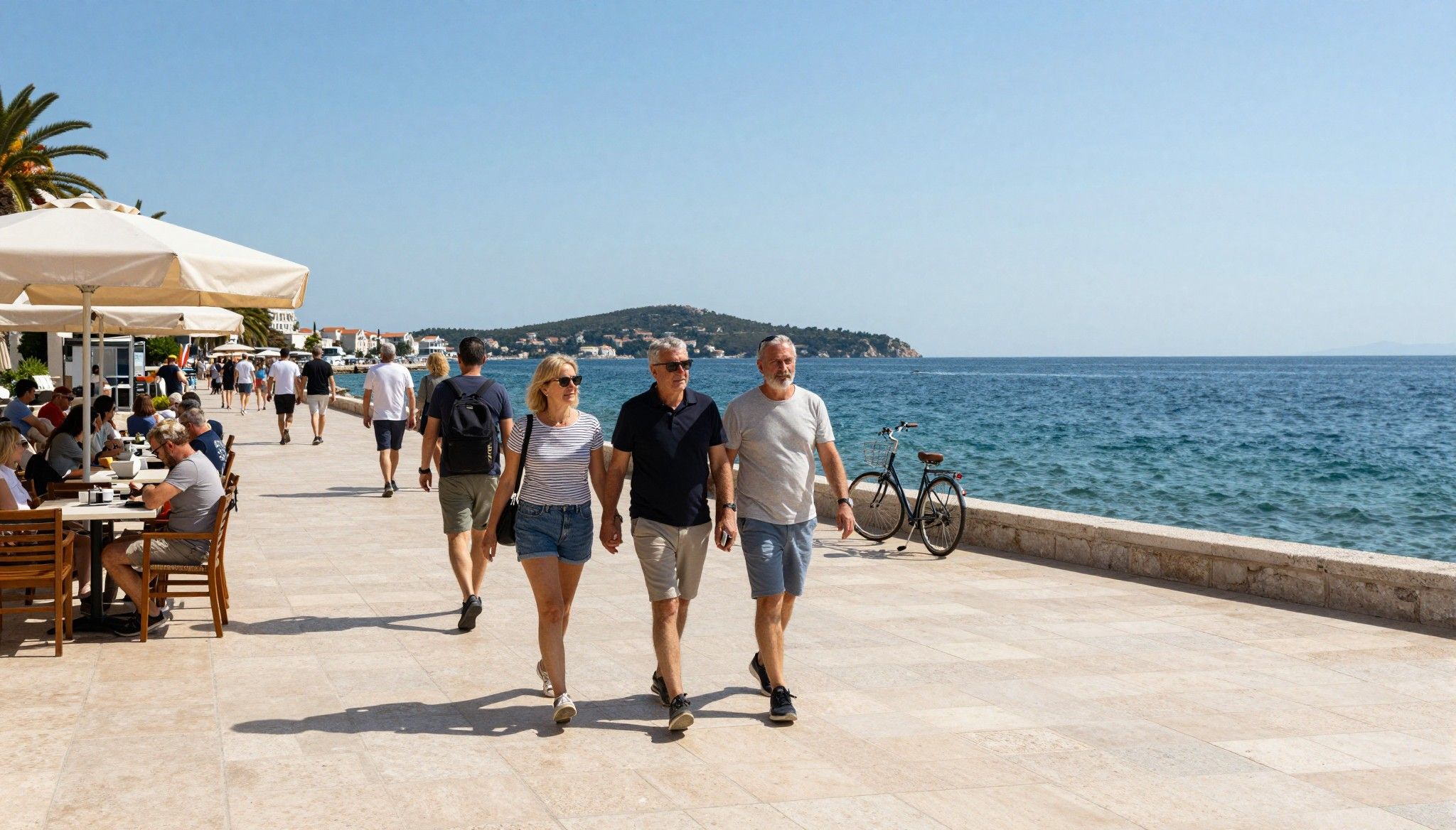
Imagine sipping an espresso on Split’s Riva as fishermen stack their catch and bicycles hum past ancient stone facades. Croatia moves at two tempos: a sunlit, coastal leisure where afternoons stretch into long dinners, and an industrious, year-round rhythm in Zagreb, Rijeka and inland towns. These rhythms shape what life feels like — and where value hides.
Living Croatia: daily rhythms, neighborhoods and seasons
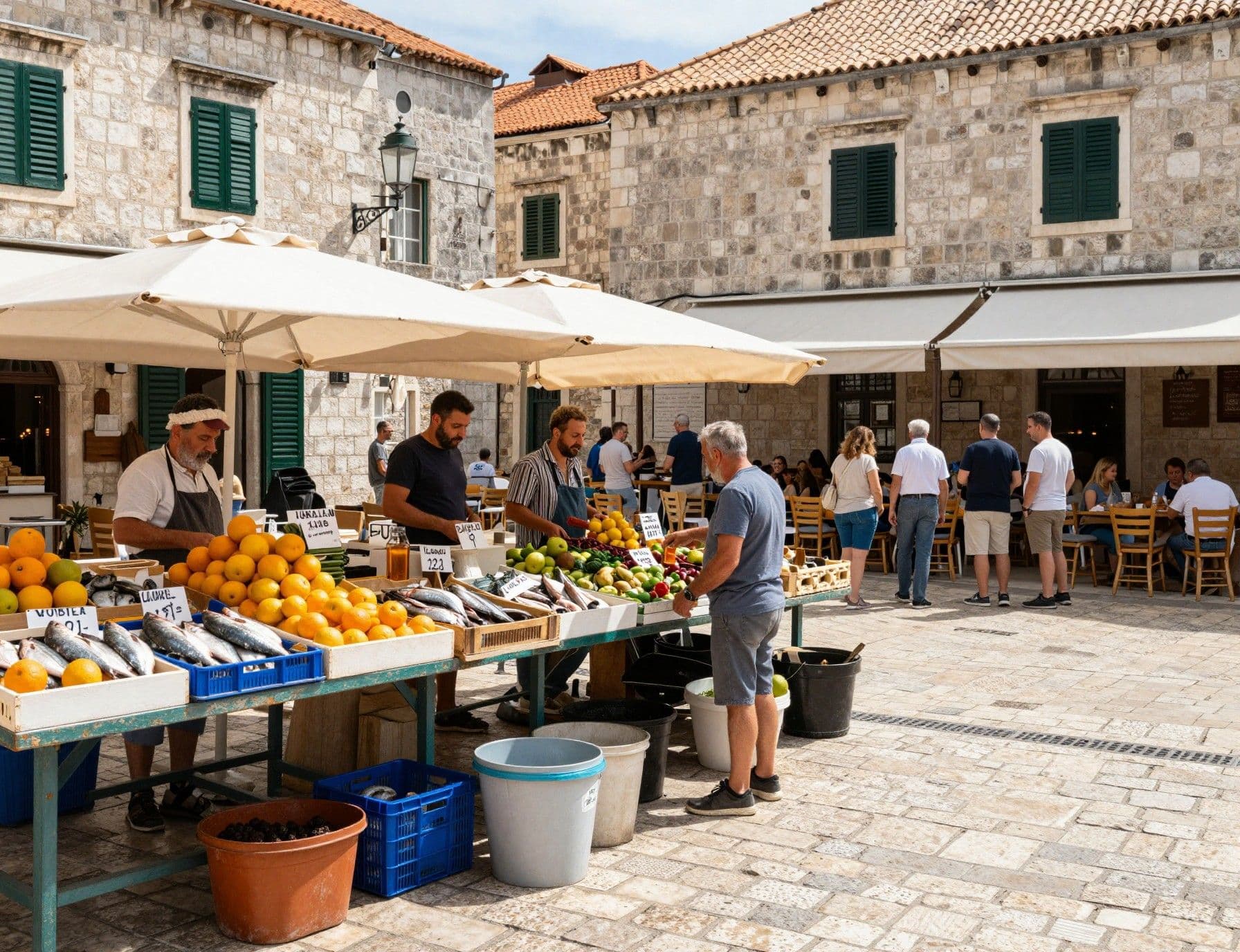
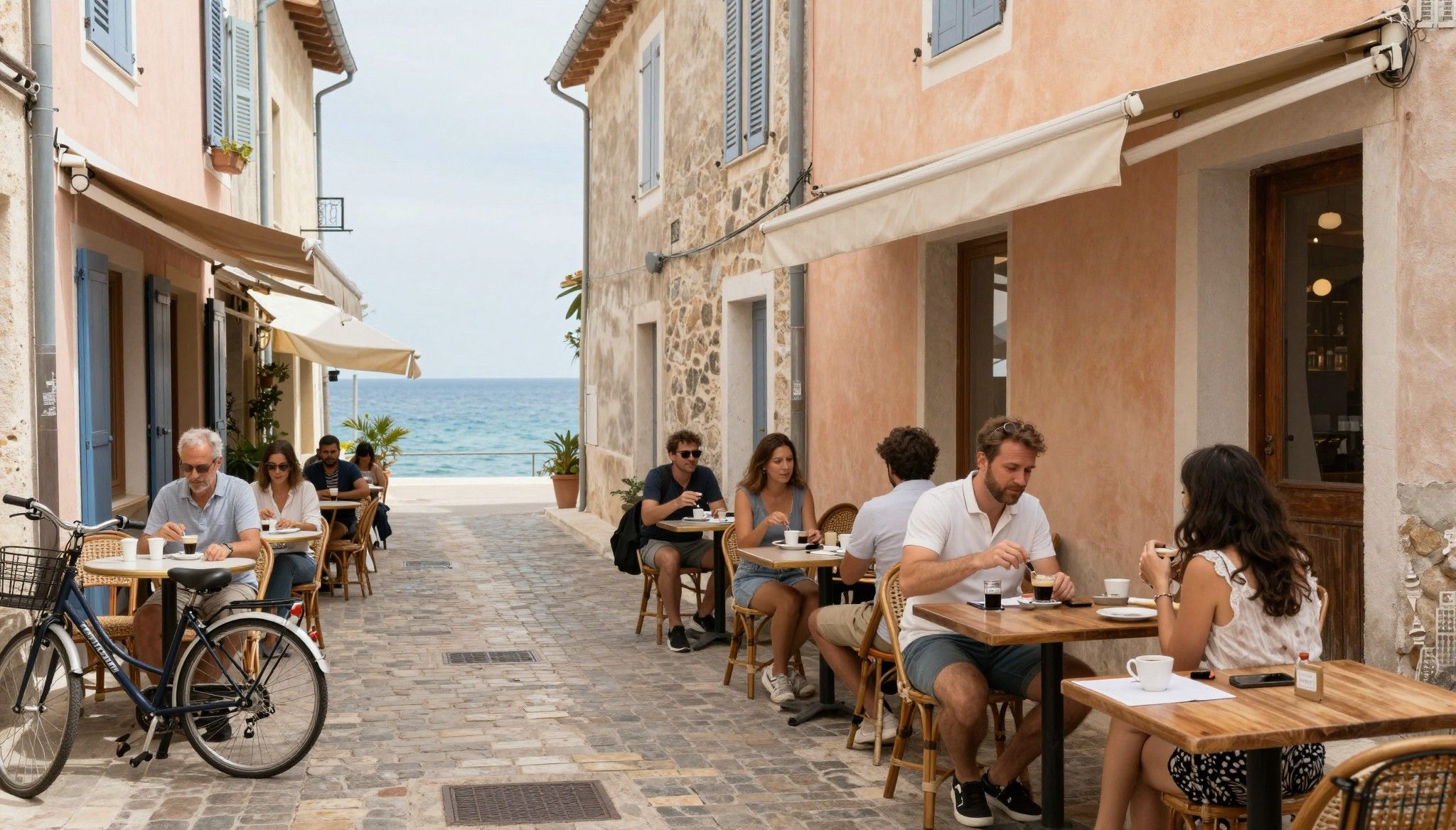
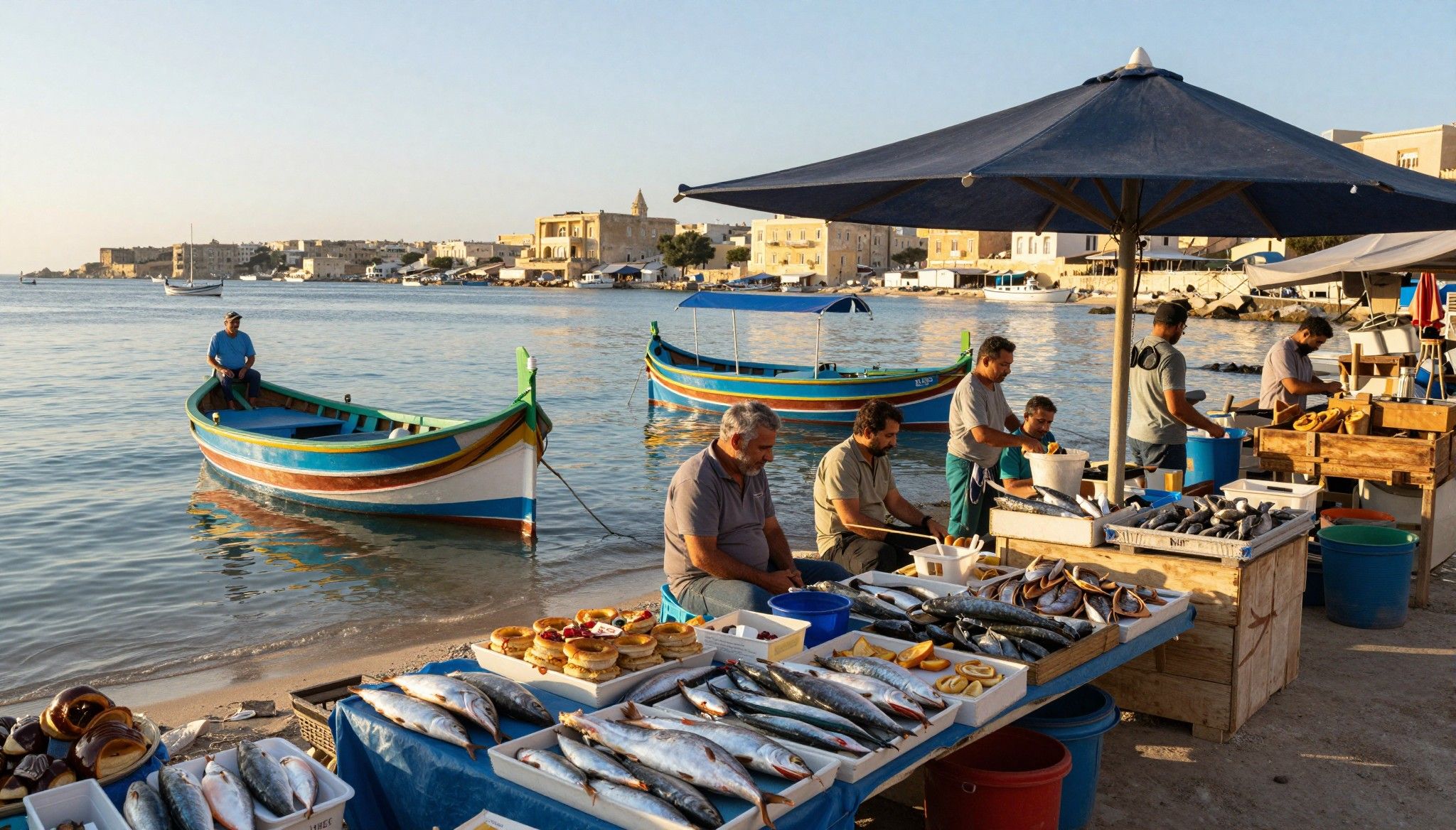
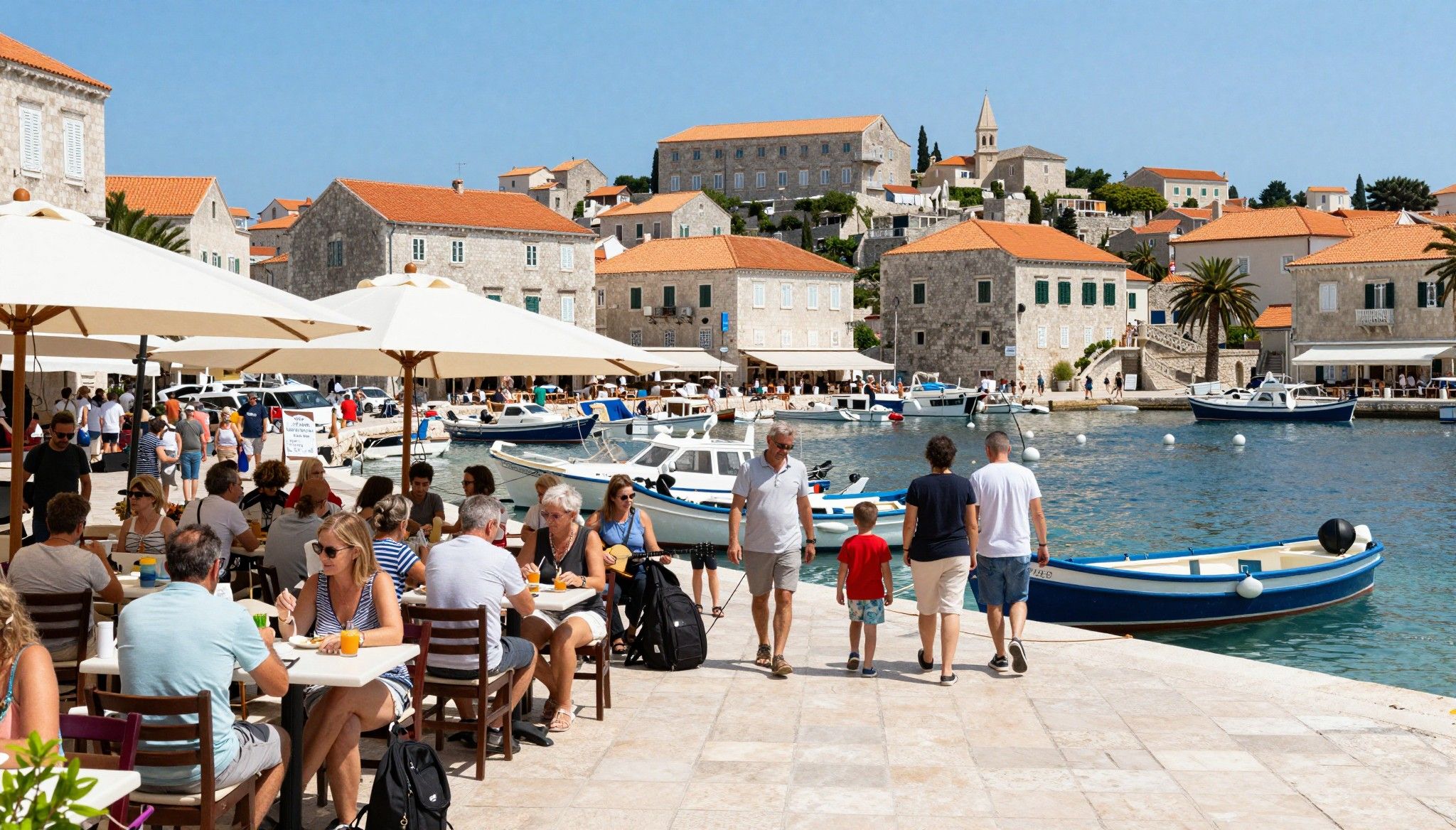
Life in Croatia is sensory and local. Mornings mean market stalls — citron, oysters, slow-roasted coffee — while evenings are for promenades and family tables. Coastal towns (Dubrovnik, Split, Zadar, Rovinj) pulse with tourism from May to September, but quieter months reveal community markets, coastal trails and lower rental churn. Inland cities layer more predictable year-round life, schools and services.
Neighborhood spotlight: Split’s Varoš vs. Zagreb’s Maksimir
Varoš in Split is narrow stone streets, terraces, and immediate sea proximity — great for short-term rental demand and a holiday lifestyle. Maksimir in Zagreb offers tree-lined avenues, parks, and stable family living with schools and clinics nearby. Both deliver coastal or urban life, but they answer different needs: seasonal income and access to islands versus predictable community life.
Food, festivals and seasonality: how climate shapes property use
The Adriatic summer concentrates guests, events and short-term lets, while autumn and spring are when locals reclaim beaches and terraces. That seasonality affects occupancy and maintenance costs, and it helps explain why average asking and sold prices have climbed in recent years; official statistics show noticeable year-on-year increases in housing prices driven by coastal demand. Buyers should match season-driven income expectations with the reality of off-season occupancy.
- Lifestyle highlights — actual places and experiences
- Morning market at Dolac (Zagreb) and sea urchin stands at Bačvice (Split)
- Sunrise walks along Zadar’s waterfront and evening jazz at Lauba (Zagreb)
Making the move: practical considerations that protect the lifestyle
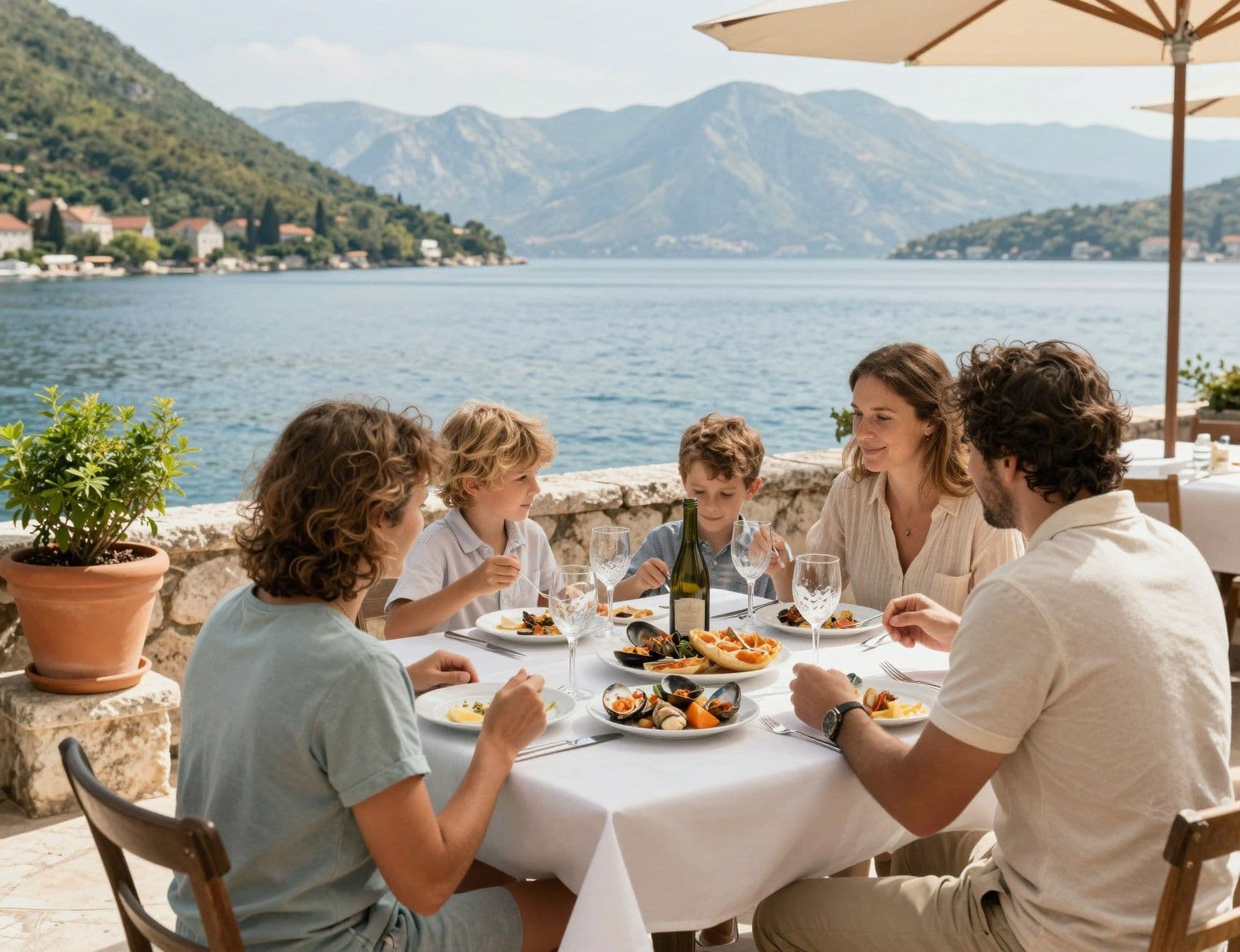
The dream — a terrace with sea breeze — collides with paperwork, reciprocity rules for foreigners, and regional market cycles. Croatia’s legal framework allows foreign buyers under reciprocity or via local companies, and market reports point to slowing transaction volumes even as prices remain elevated in many coastal pockets. Understanding local regulations and recent market data will let you aim for a property that supports the life you want rather than a seasonal illusion.
Property styles and what they mean for daily life
Stone historic apartments offer authentic location and tight maintenance budgets but can carry renovation surprises: damp proofing, insulation and utility upgrades. New builds bring warranties and modern insulation standards, lower running costs and easier management for remote owners, but often come at a coastal premium. Think in terms of use-case: a retreat used six weeks a year needs different features than a long-term rental or full-time residence.
Working with local experts who speak lifestyle and law
- Steps to align lifestyle goals with a secure purchase: 1. Define your rhythm: full-time, seasonal, or rental-first and shortlist regions accordingly. 2. Get local price benchmarking from official stats and a market report to test the asking price. 3. Confirm reciprocity or set up a Croatian company if required, using a lawyer familiar with property transfers. 4. Inspect seasonality costs — heating, summer staff, winter maintenance — and factor them into running costs.
Insider knowledge: what expats wish they’d known before buying
Expats often tell a similar story: they fell for a coastal scene and later learned the neighbourhood’s rhythm — noise, seasonal rental turnover, or municipal planning — matters more than the view. Recent market commentary documents a cooling in transactions even as prices in sought-after areas rose, which means negotiation room exists off‑season and in less touristed towns. Use that to your advantage.
Cultural integration and everyday life
Learning basic Croatian phrases opens doors at markets and local councils. Community life still centers around neighborhood cafés, churches and clubs; participating in local festivals and market days accelerates belonging. For families, researching schools and healthcare access in advance prevents lifestyle disappointments once you arrive.
Long-term view: how lifestyle choices affect value
Buying for the life you intend to live — not only the postcard — reduces regret and increases resilience to market turns. Coastal micro-markets may show higher peaks and deeper off-season troughs; inland and capital-city assets tend to be steadier. Cross-check lifestyle priorities against market reports and official price indices to balance enjoyment with long-term value.
Conclusion — fall for the life, buy with context. Picture morning markets, island ferries and community feasts as the reasons you came. Then use local data, lawyers and agencies to make that life durable: verify reciprocity rules, benchmark prices with official DZS statistics and time viewings for off-season negotiation. An agent who knows which streets hum year-round and which are seasonal will turn a postcard into a sustainable everyday.
Norwegian market analyst who relocated to Mallorca in 2020. Focuses on data-driven market insights and smooth relocation for international buyers.