Malta: Buy the Neighbourhood Rhythm, Not the Postcard
Malta condenses Mediterranean daily life into compact neighbourhoods; prices have risen but lifestyle‑led buyers who prioritise local rhythm and due diligence find lasting value.
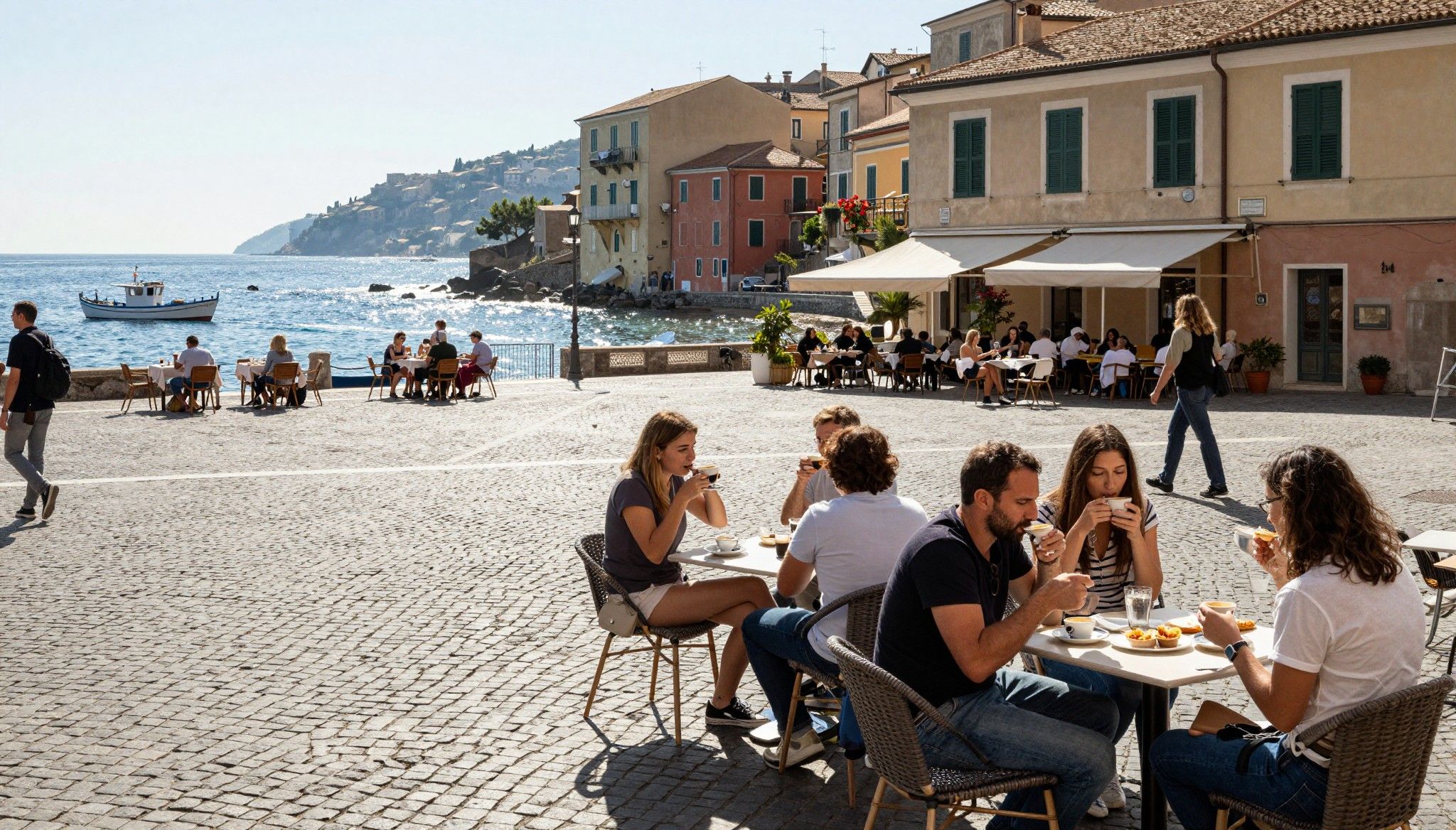
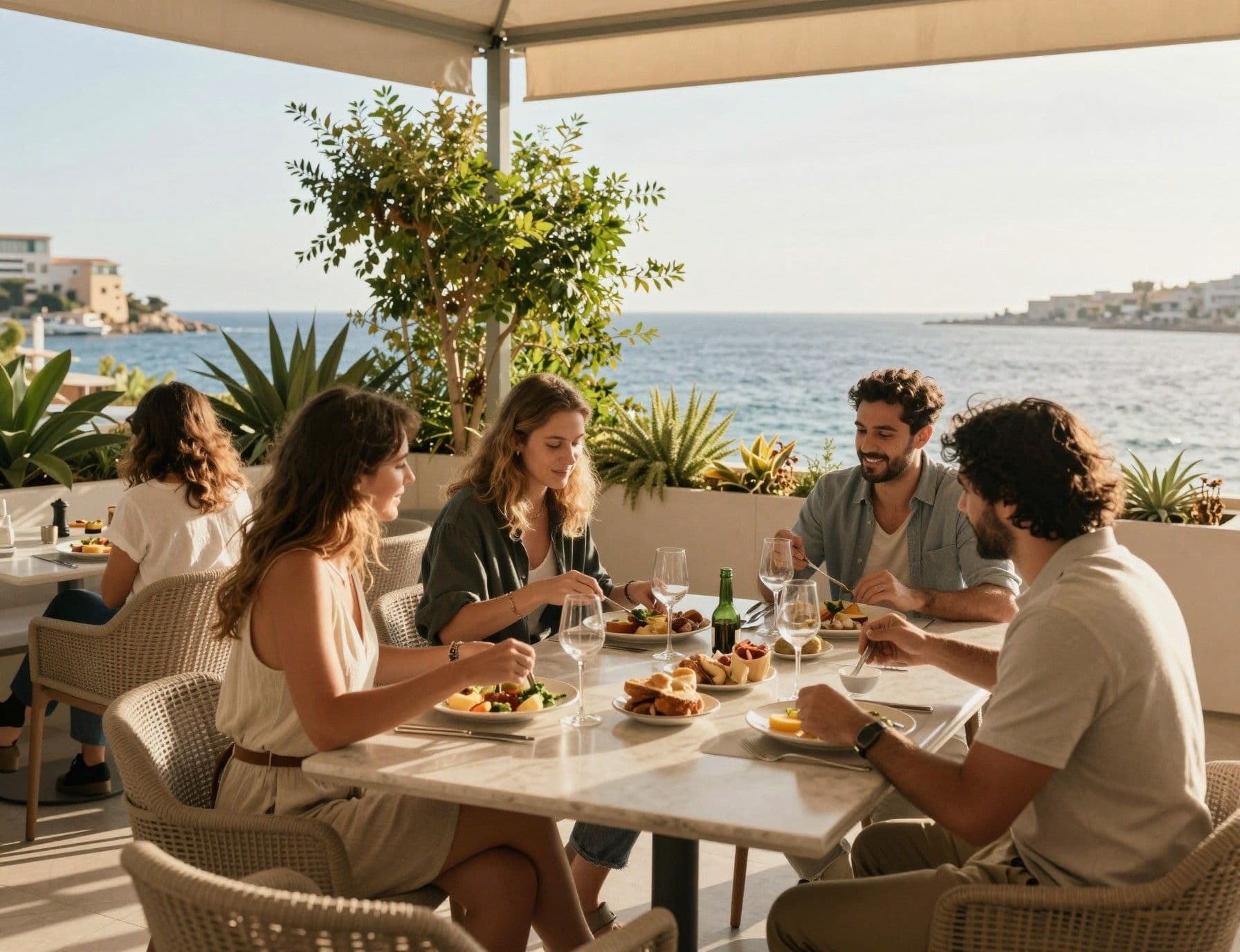
Imagine early morning in Valletta: a small café on Triq ir-Repubblika fills with the scent of freshly brewed espresso, ferries putt across the Grand Harbour, and limestone buildings warm in the sun. Malta compresses Mediterranean life into walking distances — compact neighbourhoods, late dinners, and weekends that shift from market stalls in Marsaxlokk to cliff swims at St Peter’s Pool.
Living the Malta Lifestyle
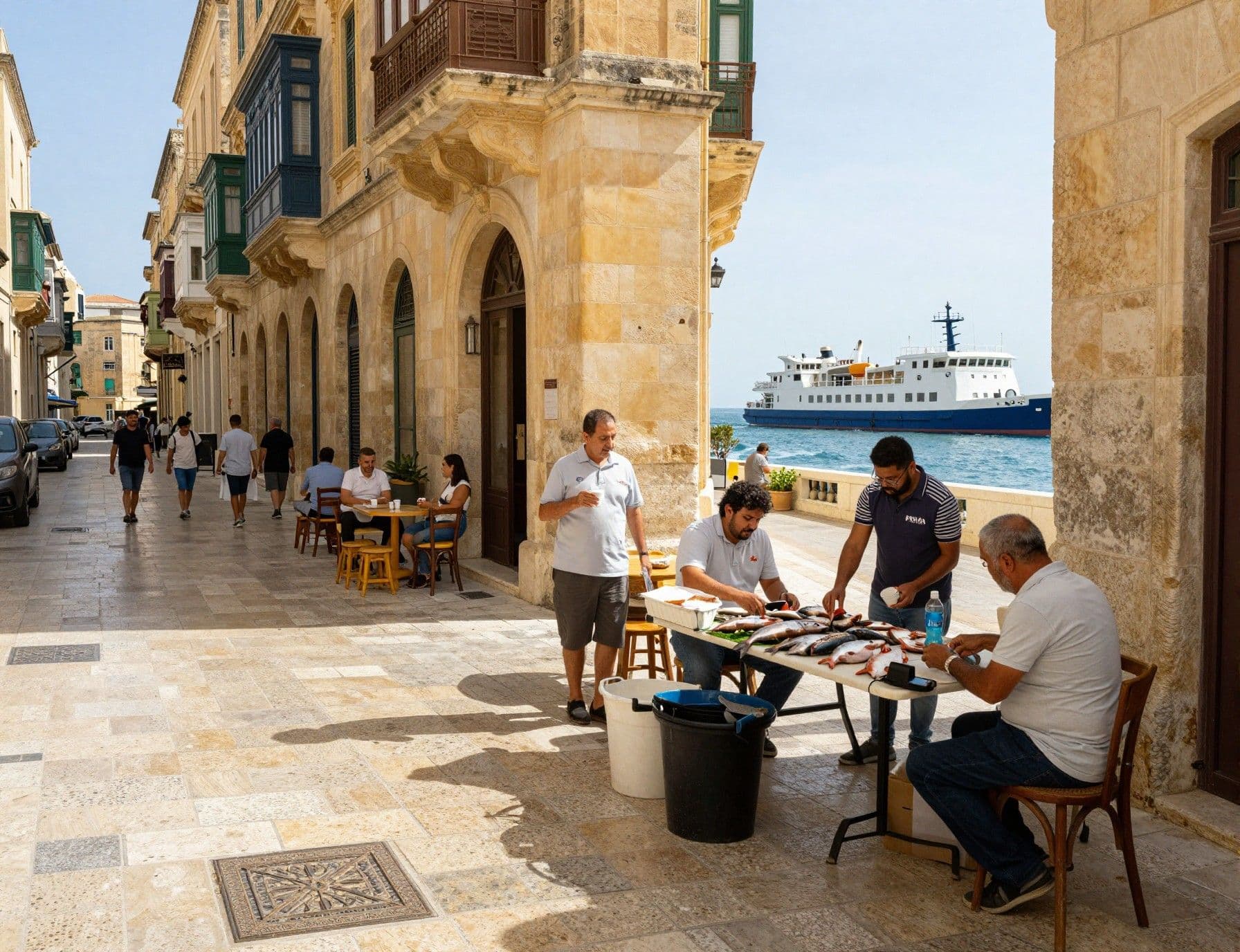
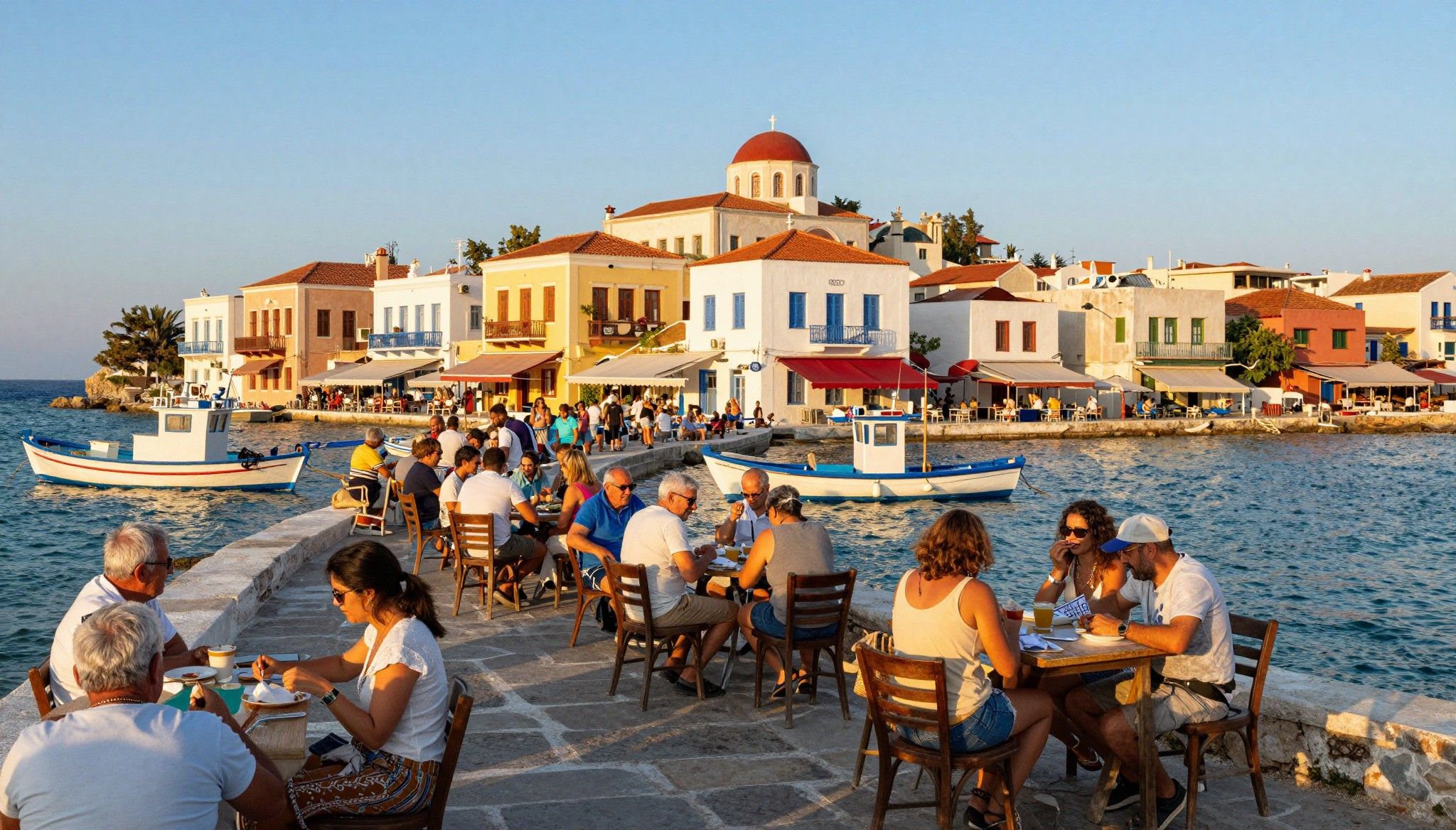
Living in Malta feels like living inside a well‑worn travel photograph: limestone façades, narrow alleys that open to sunlit piazzas, and a blend of Mediterranean ritual and British practicality (English is an official language). Days are measured by espresso, the afternoon passeggiata and late suppers on terraces. The scale — the whole island is 316 km² — means short commutes and highly local neighbourhood identities.
Valletta & The Three Cities: History, calm mornings
Valletta’s grid of baroque streets offers museums, boutique bars and harbourfront promenades — perfect if you want history on your doorstep and ferry commutes. Across the water, the Three Cities (Vittoriosa, Senglea, Cospicua) feel more lived‑in: boatyards, fish restaurants and quiet squares where neighbours know each other. For daily calm, Balluta Bay in St Julian’s has a morning rhythm of swimmers and cafes that suits active buyers who still want proximity to social life.
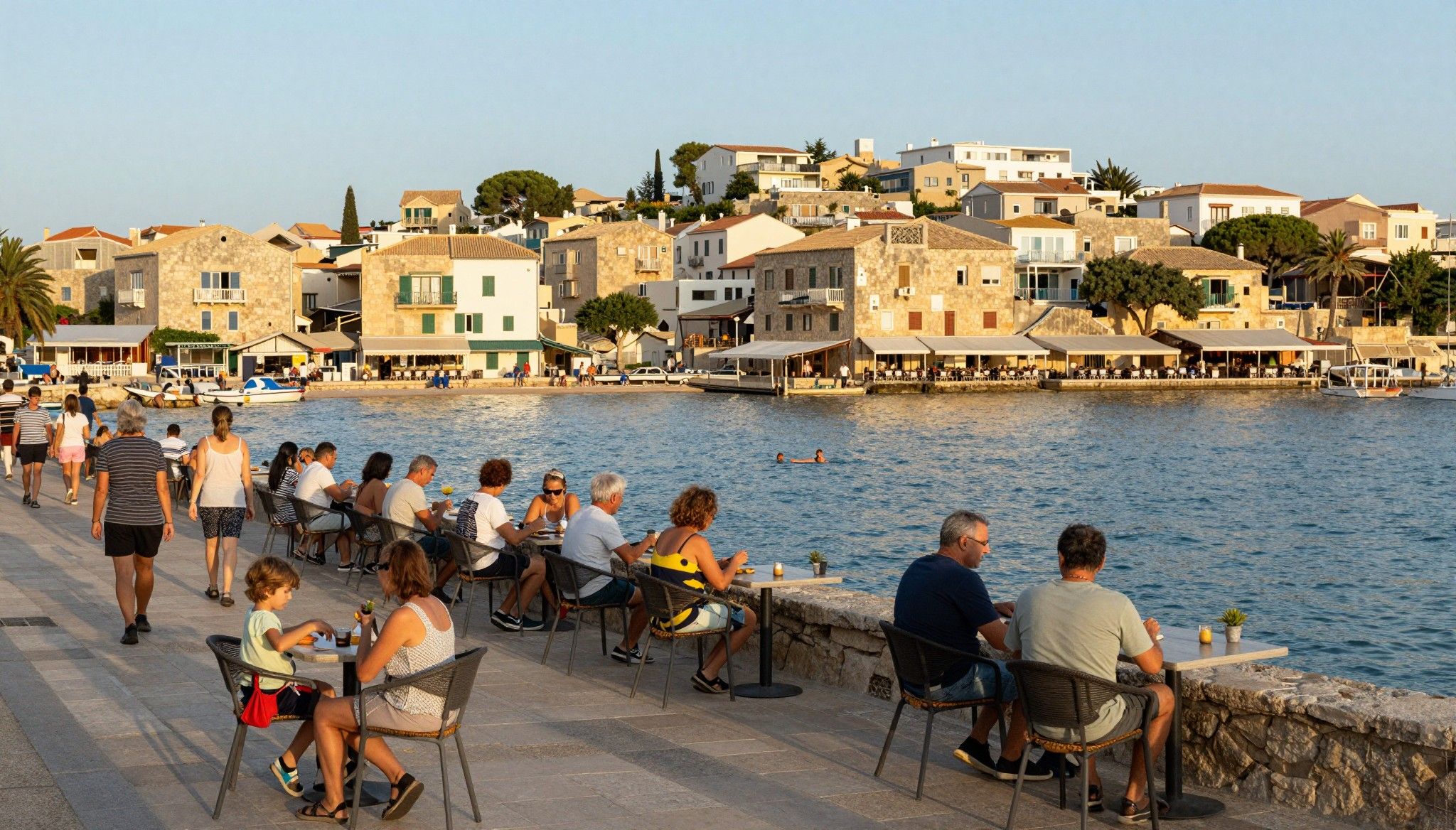
Sliema and St Julian’s are the island’s social cores: waterfront promenades, cafés that spill onto the pavement and apartment living with views. For families and quieter rhythms, Swieqi, Naxxar and parts of Mellieħa offer garden townhouses and short drives to beaches. Gozo, Malta’s sister island, trades pace for pastoral lanes and community life — a different proposition if you want rural calm within easy reach.
Daily highlights that make Malta sing:
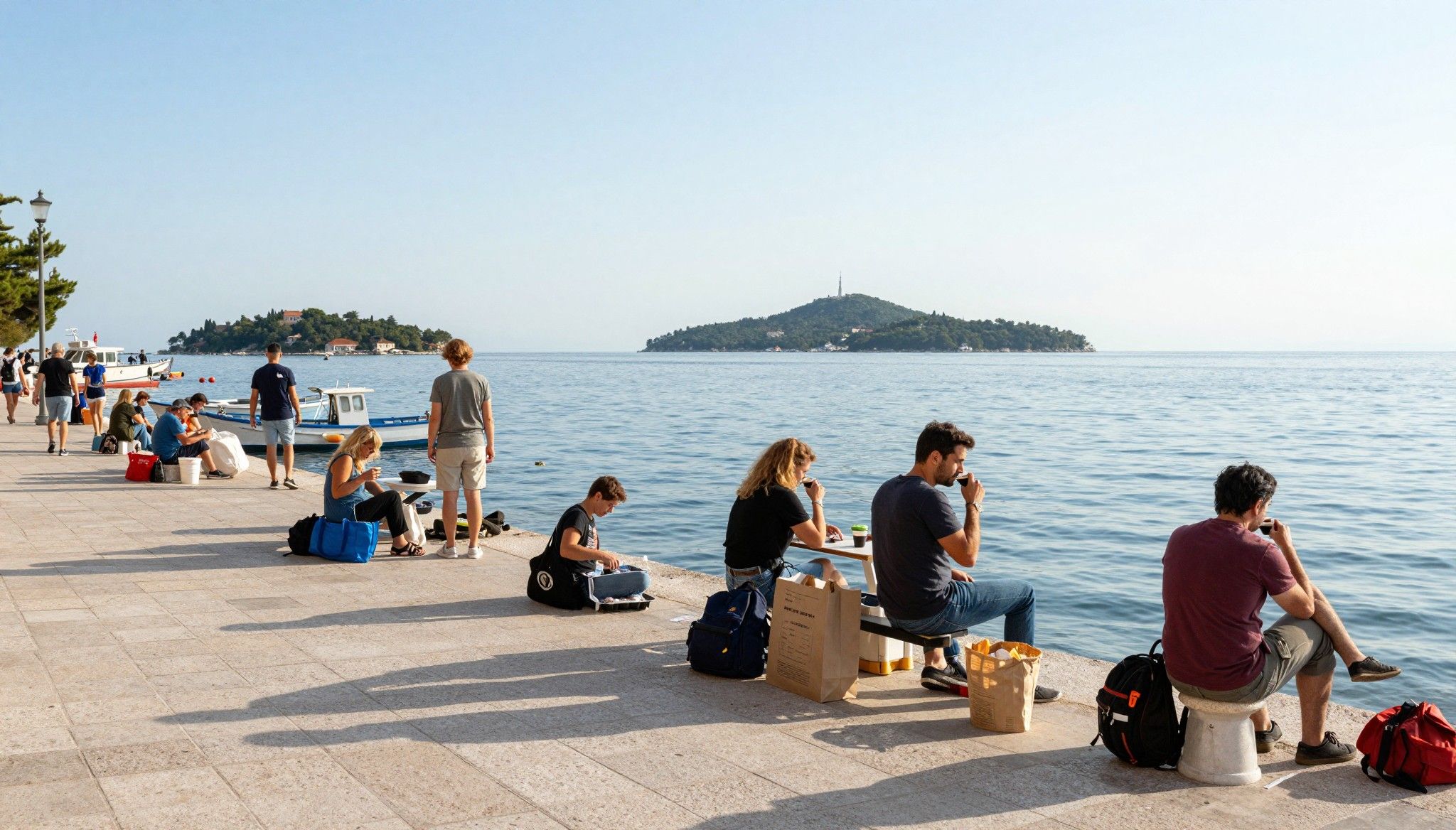
Morning fish market in Marsaxlokk; ferry commute to Valletta; cliff swims at St Peter’s Pool; aperitifs around Balluta Bay; weekend hikes on the Dingli Cliffs; late summer festas in village squares.
Making the Move: Practical Considerations
Dreams meet paperwork quickly in Malta because the market is compact and prices have risen steadily: the National Statistics Office shows a sustained climb in the Residential Property Price Index, and local reporting has highlighted year‑on‑year increases. That means being ready — paperwork, local counsel and a clear prioritised wish list — gives you an advantage.
Property types and how they shape life
From converted Valletta townhouses (high ceilings, internal courtyards) to modern Sliema flats with balconies and sea views, property form dictates lifestyle. Maisonettes and terraced houses give outdoor space for families; penthouses and new‑build apartments optimise sea views and lock‑up‑and‑leave living for seasonal owners. Older dwellings often require retrofitting for insulation and modern plumbing — factor renovation time and local trades into any plan.
Working with local experts who know the rhythm
A good local agent or conveyancer is more than a transaction specialist; they translate neighbourhood rhythms — where festas cluster, which streets flood after storms, and which developers are reliable. Expect agents to guide on planning constraints (Malta’s limited land and strict planning raise supply issues) and to coordinate local trades for any renovations.
Practical steps that preserve lifestyle and value:
1) Visit neighbourhoods at different times (morning market, late evening) to feel real rhythms. 2) Prioritise walkability and ferry links if you favour a car‑light life. 3) Get a local structural survey — older limestone properties can hide damp or roof issues. 4) Ask agents about building permits and developer track records before reserving off‑plan units.
Insider Knowledge: What Expats Wish They’d Known
Expats often arrive enchanted and then learn the island’s quirks: parking can be scarce, festas can fill a week with late night fireworks, and seasonal rental demand spikes around summer. Affordability has been a rising concern locally, so long‑term owners who choose neighbourhoods with steady local demand (not just tourist hotspots) tend to keep value and enjoy quieter everyday life.
Language, community and small‑island etiquette
English and Maltese coexist in daily life; knowing a few Maltese phrases opens conversations at market stalls. Neighbourhood networks matter — builders, plumbers and assembly‑day help come through local contacts. Respect for church and festa schedules goes a long way toward integration, and weekend market mornings remain the best way to meet neighbours.
Long‑term lifestyle and investment realities
Malta’s market benefits from limited land and steady demand from Europeans and third‑country nationals, which supports capital growth prospects. That said, supply constraints and strict planning mean buyers should align lifestyle choices with realistic exit strategies: neighbourhoods with strong everyday life (schools, shops, commuting links) tend to outperform purely tourist locations over time.
Red flags and local pitfalls to watch for:
Old electrical systems without certification; properties sold off‑plan with unclear completion guarantees; lack of parking where local permits are hard to secure; unusually high service charges on communal developments; developers with no local references.
Before you sign: visit peak season and off‑season, ask for recent utility bills, insist on a local structural and pest survey, and request a written summary of any outstanding permits. These small steps keep the lifestyle you fell for intact while avoiding unpleasant surprises.
If you’re thinking seasonally: contrary to intuition, house‑hunting in peak summer can mislead. Many properties are dressed for summer, neighbours are away, and important tradespeople are booked. Late autumn or spring visits reveal the real rhythms and let you meet local contacts who will be present year‑round.
Conclusion: Malta condenses Mediterranean life into compact, serviceable neighbourhoods — it’s about terraces, ferries, markets and limestone light. For international buyers, the island’s scale is both the appeal and the constraint. Work with local agents who can read neighbourhood rhythm, verify permits, and connect you to reliable trades. Visit in both high and low season, prioritise walkability and everyday services, and you’ll buy a home that feels lived‑in from day one.
Norwegian market analyst who relocated to Mallorca in 2020. Focuses on data-driven market insights and smooth relocation for international buyers.