Greece: Streets, Seasons and Smart Market Signals
Experience Greece’s daily rhythms — markets, islands, city life — while matching lifestyle choices to current market signals and local regulations.
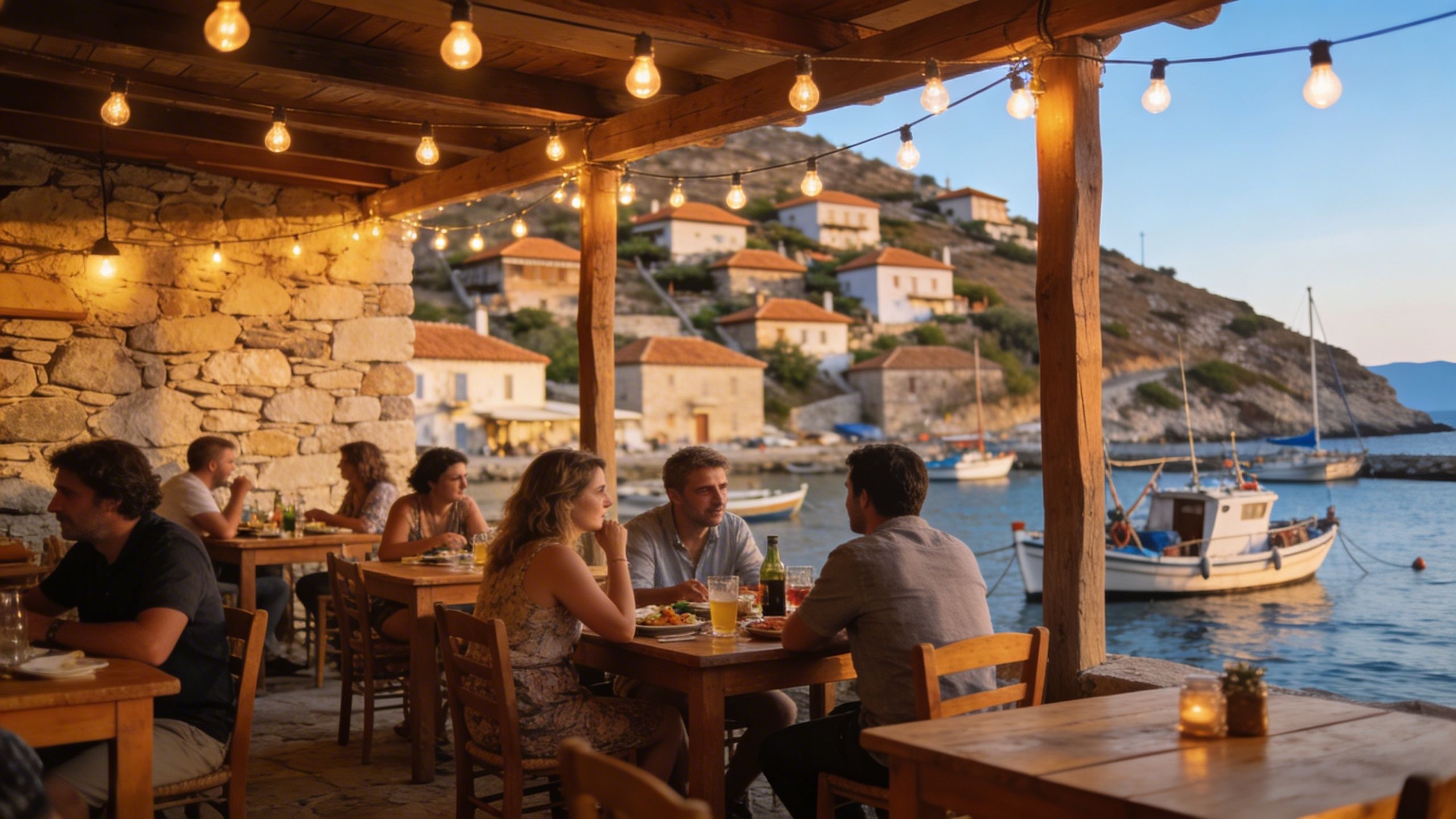
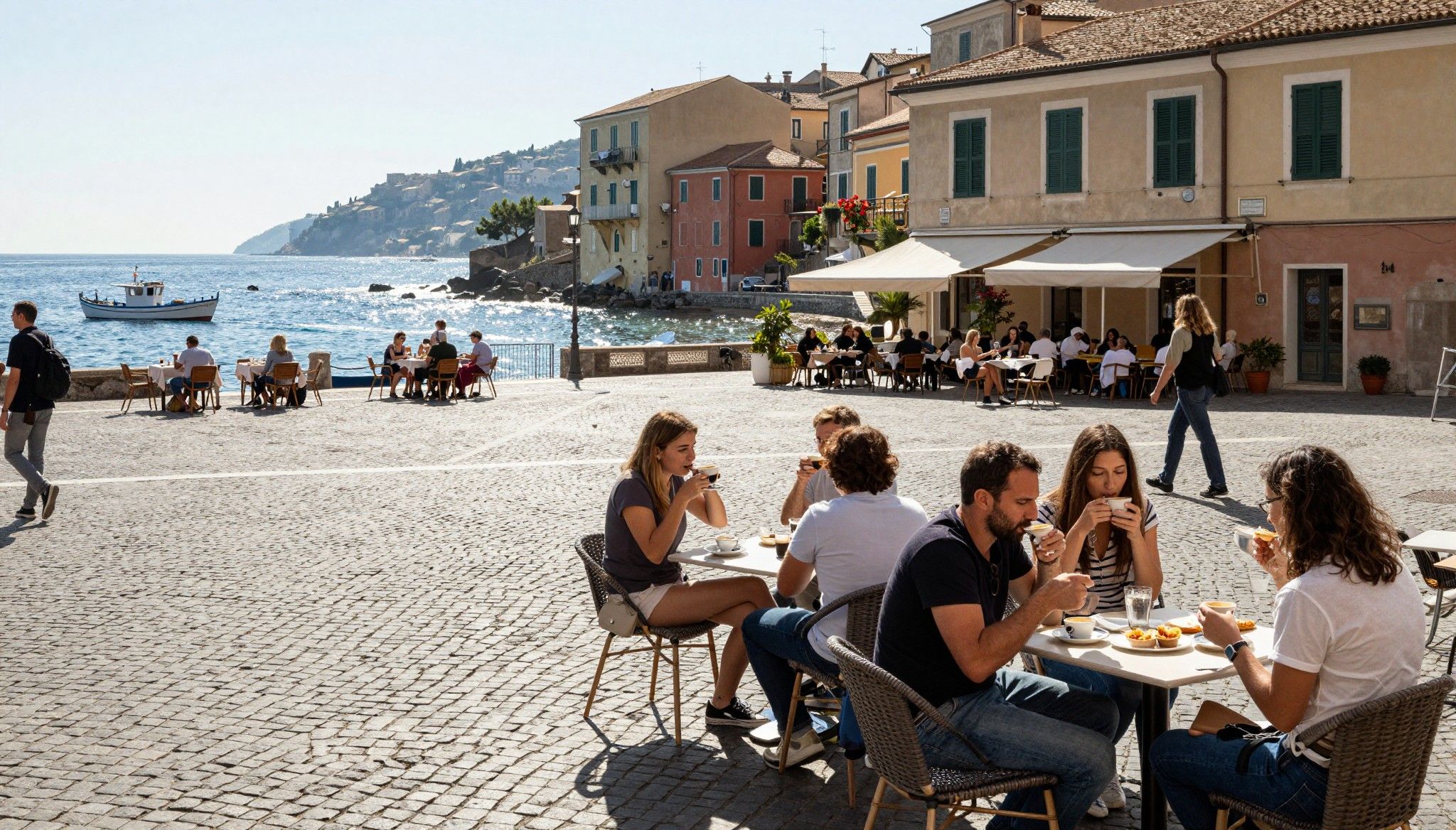
Imagine sipping an espresso on a sun-warmed pavement in Koukaki, then walking five minutes to a Byzantine church, the sea glinting beyond the rooftops. That intimacy — the city’s human scale, the islands’ pocketed beaches, the markets where fishmongers call out the morning catch — is what draws people to Greece. But lifestyle and headlines diverge: while tourism booms and some islands report overcrowding, other parts of the country offer quieter, undervalued pockets where life still feels local. This piece stitches the scent, sound and seasonality of Greek life to the real, current market signals international buyers should know.
Living the Greece lifestyle
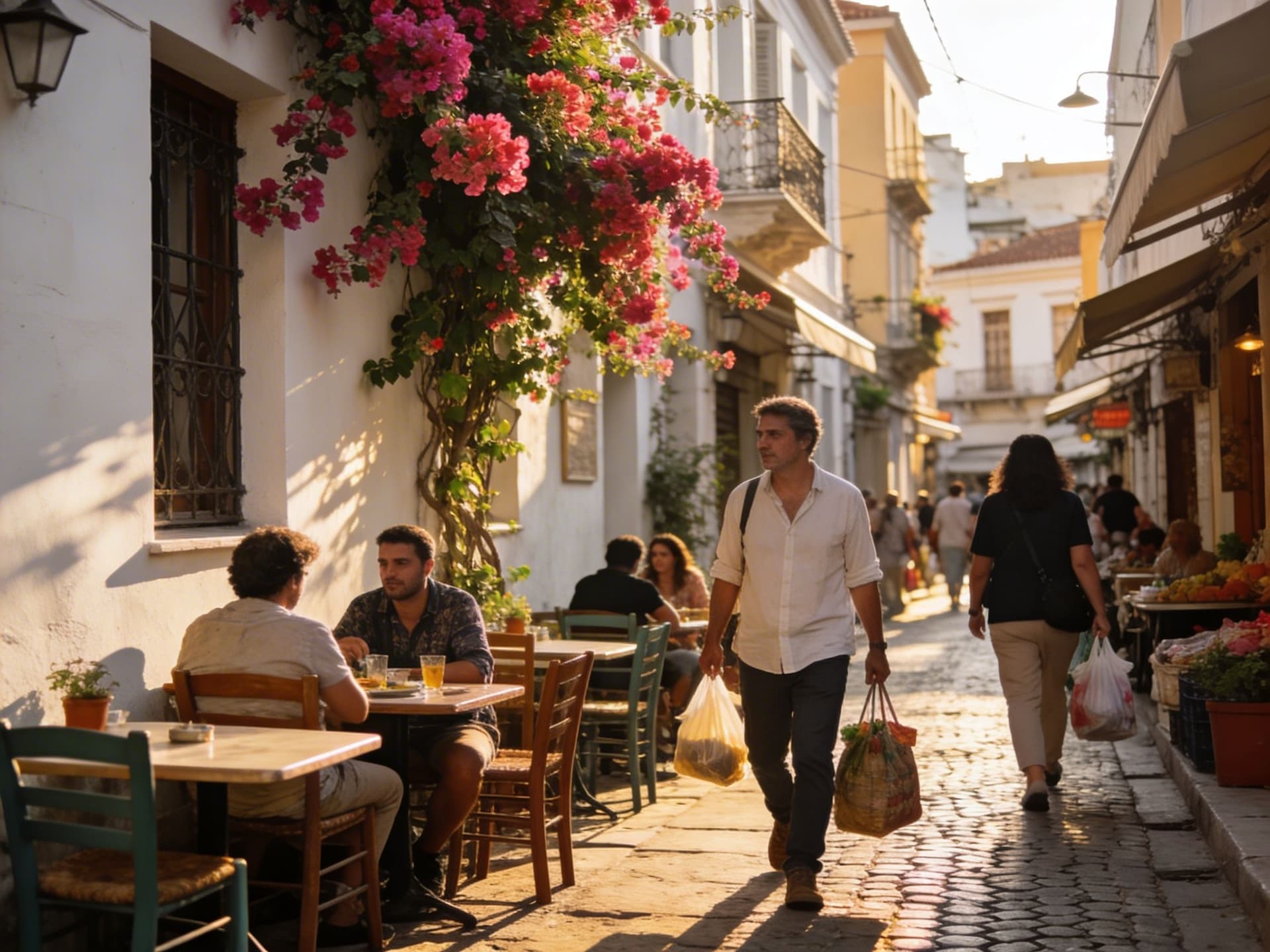
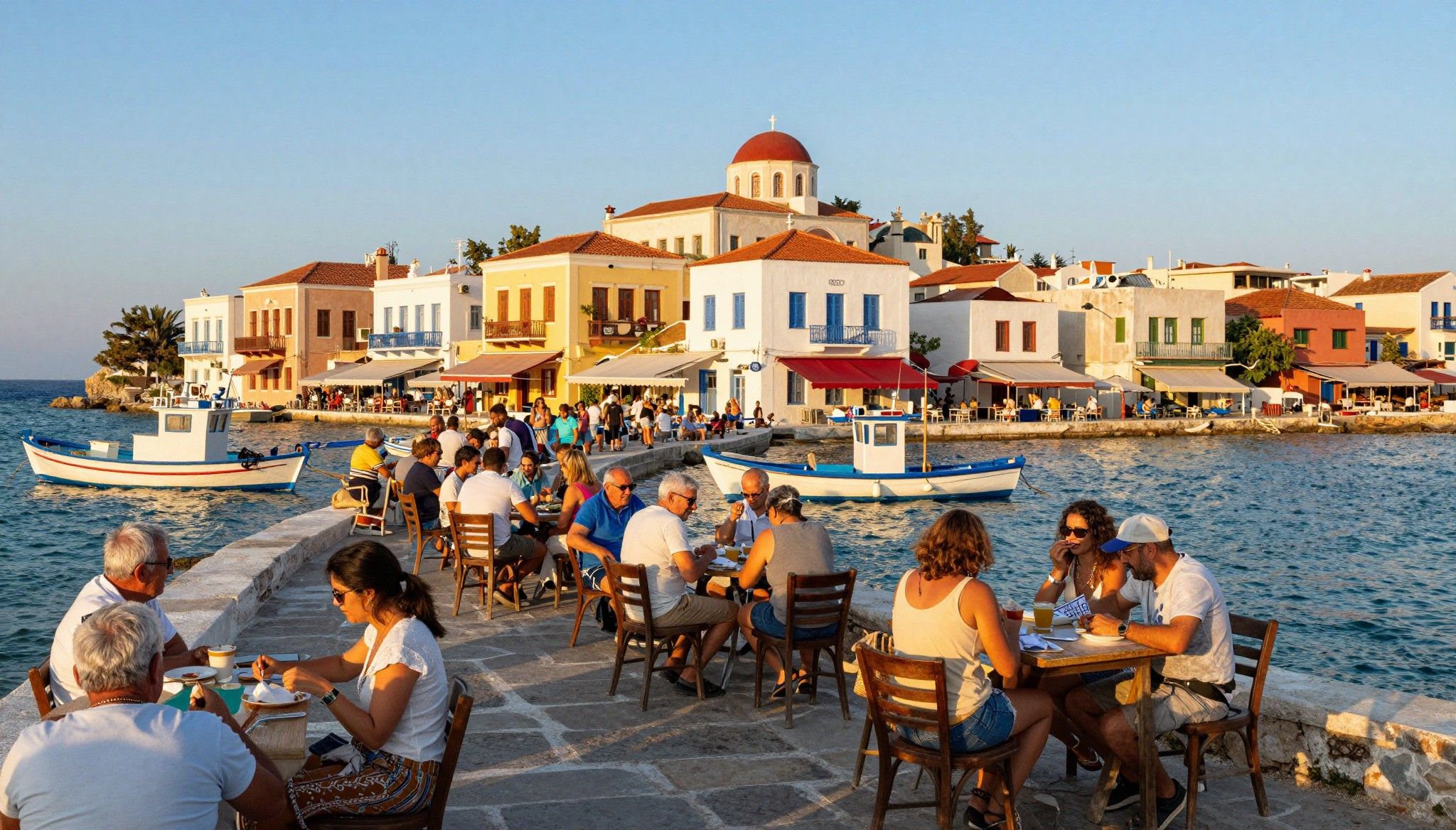
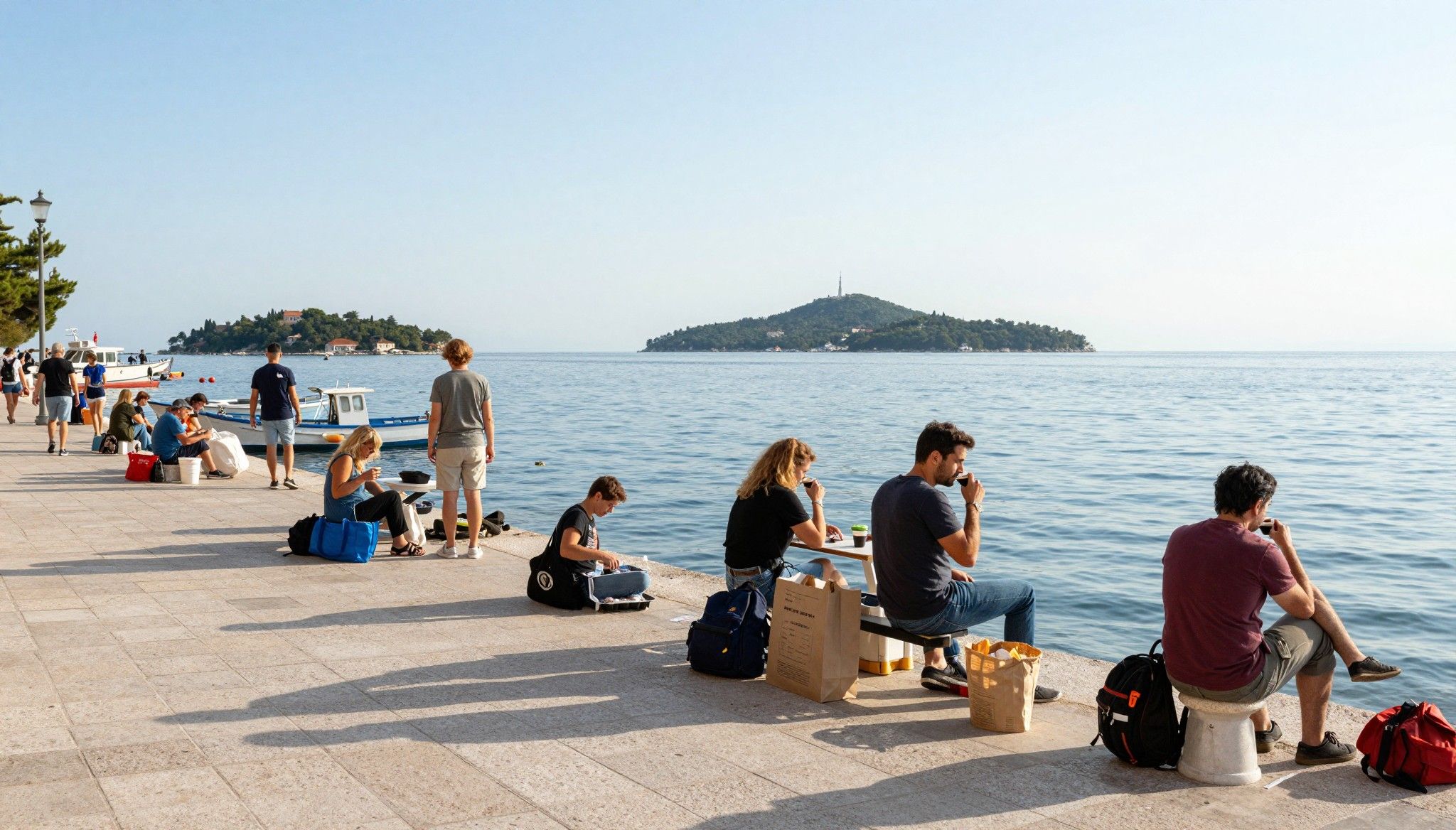
Greek life is shaped by light and timing: mornings for markets and coffee, lengthy lunches in neighbourhood tavernas, and late evenings that unfurl around piazzas or seaside promenades. In Athens you’ll find a layered rhythm — Kolonaki’s refined cafés, Psyri’s music venues, and Koukaki’s community bakeries — while islands like Naxos trade nightlife for quiet fishing harbors. These are not abstract clichés; recent price reports show clear demand clustering along the Athenian Riviera and island hotspots, which affects both lifestyle availability and investment calculus.
Neighbourhood spotlight: Koukaki, Anafiotika, Plaka
Koukaki offers narrow streets, independent bakeries and a 20‑minute walk to the Acropolis — it feels lived‑in, not a postcard. Anafiotika and Plaka deliver cobbled lanes and rooftop views but also tourist peaks that change the day-to-day quiet. On islands such as Santorini and Mykonos, overtourism has reached local tipping points, prompting restrictions that alter both lifestyle and rental dynamics; these are places where sunset crowds can overwhelm the calm that attracted buyers in the first place.
Food, markets and seasonal life
From the Varvakios central market’s early morning bustle to seaside tavernas serving grilled octopus, food anchors social life in Greece. Seasonality matters: fresh vegetables flood markets in summer and autumn brings chestnuts and local festivals. Tourism numbers remain strong — recent data show record arrivals and revenue — so plan for seasonal swings in neighbourhood energy and service availability when choosing where to live.
- Lifestyle highlights and hidden gems:
- Morning espresso at TAF (Athens) then a stroll through Kifissia’s tree‑lined avenues
- Evening swims at Vouliagmeni followed by seafood at a family-run taverna
- Farmer’s markets in Crete and Thessaly for farm-to-table weekends
- Off-season island stays (Naxos, Kefalonia) for real local life and better value
Making the move: practical considerations
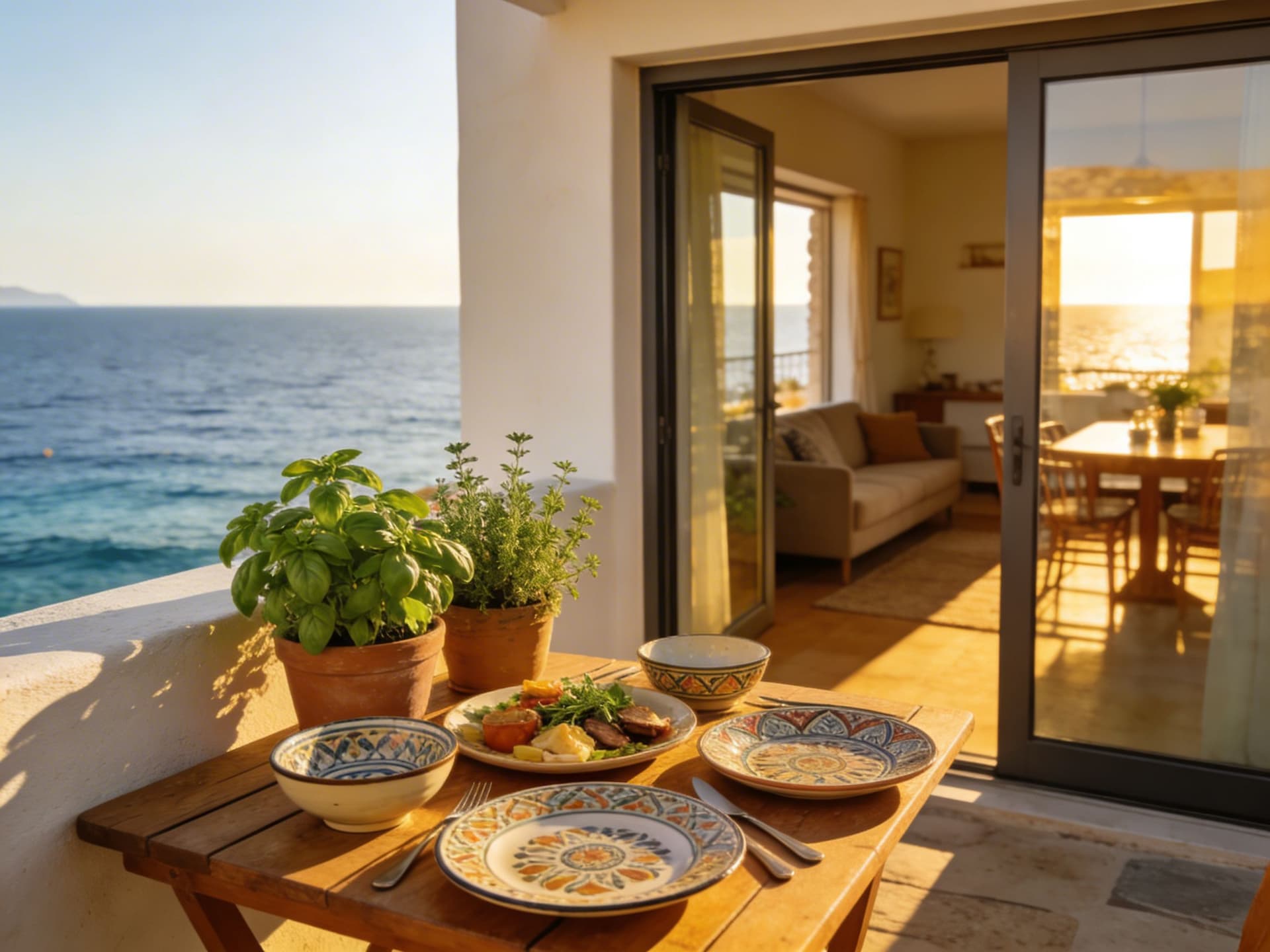
The romance must coexist with reality: Greek property values climbed strongly in recent years, driven by tourism, constrained supply and foreign demand. Reports from local agencies and national indices show mid‑single‑digit to double‑digit annual gains in many regions, which means timing, neighbourhood choice and property type directly shape investment outcomes. Understanding where demand concentrates — prime Athens districts, island centres versus quieter inland towns — is critical before making an offer.
Property styles and how you’ll live in them
Stone townhouses in Hydra or Cycladic cave houses on Milos offer immediate character but often require ongoing maintenance and seismic‑proofing. Modern apartments along the Athenian Riviera provide insulation, parking and resale appeal to international buyers. Newer builds increasingly advertise energy ratings — a practical advantage in Greece’s summer heat and a positive signal for long‑term value retention.
Working with local experts who speak lifestyle
- 1. Hire an agent who knows the street, not just the postcode: ask for three sold comparables on the block.
- 2. Insist on a local engineer’s survey and a clear energy‑performance certificate before signing.
- 3. Match the property type to intended use: holiday rental, full‑time living, or mixed income — each has different neighbourhood signals.
- 4. Understand seasonality: check utilities, water supply and transport access in winter as well as summer.
Insider knowledge: what expats wish they'd known
Expats often discover that daily life is governed by small, local rules: shop hours that close mid‑afternoon, municipal water restrictions on some islands, and neighbour relationships that matter more than HOA documents. Many buyers also underestimate the impact of overtourism in headline islands — measures like ferry caps or cruise passenger fees can quickly change rental dynamics and local living quality. Those who visit in both high and low season before buying avoid the common regret of choosing the postcard over the lived experience.
Language, community and daily integration
You don’t need perfect Greek to feel at home, but small efforts — learning basic phrases, joining a local kafeneio conversation, or shopping weekly at the market — accelerate integration. Expat communities cluster differently: Athens attracts professionals and families; islands draw seasonal homeowners and hospitality entrepreneurs. Local volunteer associations, municipal cultural centres and cooking classes are reliable shortcuts to real friendships and practical support.
Long‑term lifestyle and value levers
Investors who pair lifestyle with market facts win: choose neighbourhoods with improving infrastructure, energy upgrades or limited new supply to protect upside. Recent market reports show national price growth concentrated in cities and established island hubs, so look one step beyond the headline location for value — suburbs with ferry access, inland towns with restored architecture, or islands with controlled tourism policies.
- Red flags to watch for before you buy:
- Unclear land registry (Ktimatologio) entries or missing permits — insist on title clarity.
- Properties relying on bulk water tanking with no municipal supply plans.
- Unrealistic rental income projections based on peak‑season performance alone.
Conclusion: Greece is a place where everyday texture — food stalls, neighbourly cafés, late summer festivals — defines the real value of a home. Pair that sensory vision with sober, local intelligence: ask for street-level comparables, validate utilities and permits, and experience the area in multiple seasons. Work with an agent who can translate lifestyle wants into verifiable market facts; done well, buying here is both an emotional and financially sound decision.
Danish relocation specialist who has lived in Barcelona since 2016. Helps families move abroad with onboarding, schooling, and local services.