Croatia: Street‑Life, Tax Truths & Purchase Checklist
Fall in love with Croatia’s street‑level rhythms — then make the purchase count by comparing VAT vs 3% transfer tax, municipal property tax bands and reciprocity rules.
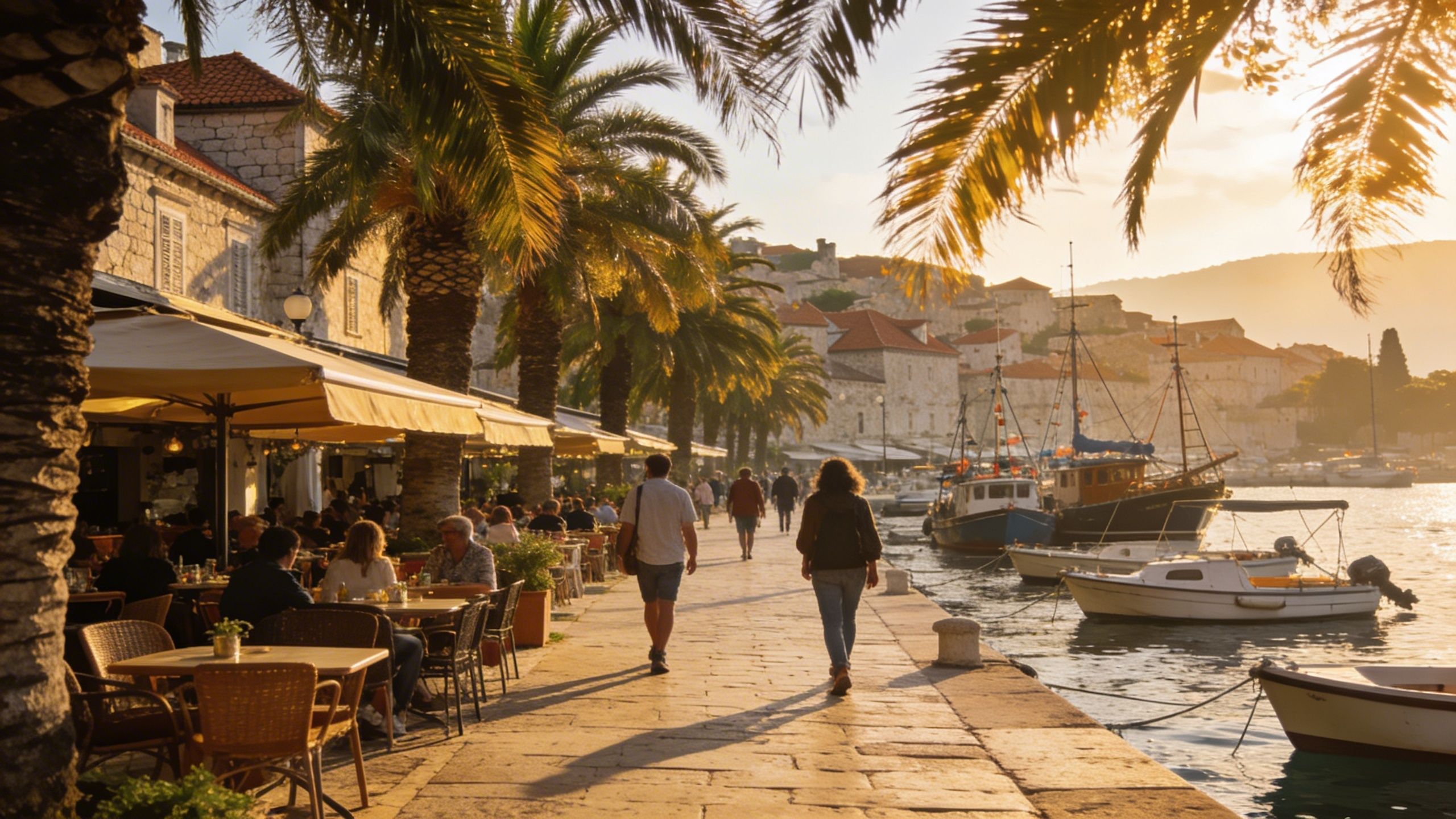
Imagine starting your day with a short walk from a stone‑paved apartment in Split’s Veli Varoš to a café where fishermen debate the morning catch. Salt in the air, church bells, and a marketplace that still closes by midday — this is coastal Croatia. But beneath the postcard is a changing tax landscape that shapes whether that seaside apartment is a lifestyle win or a budget headache. Read on for the insider mix of life‑first detail and hard numbers that international buyers need to decide with confidence.
Living the Croatia lifestyle
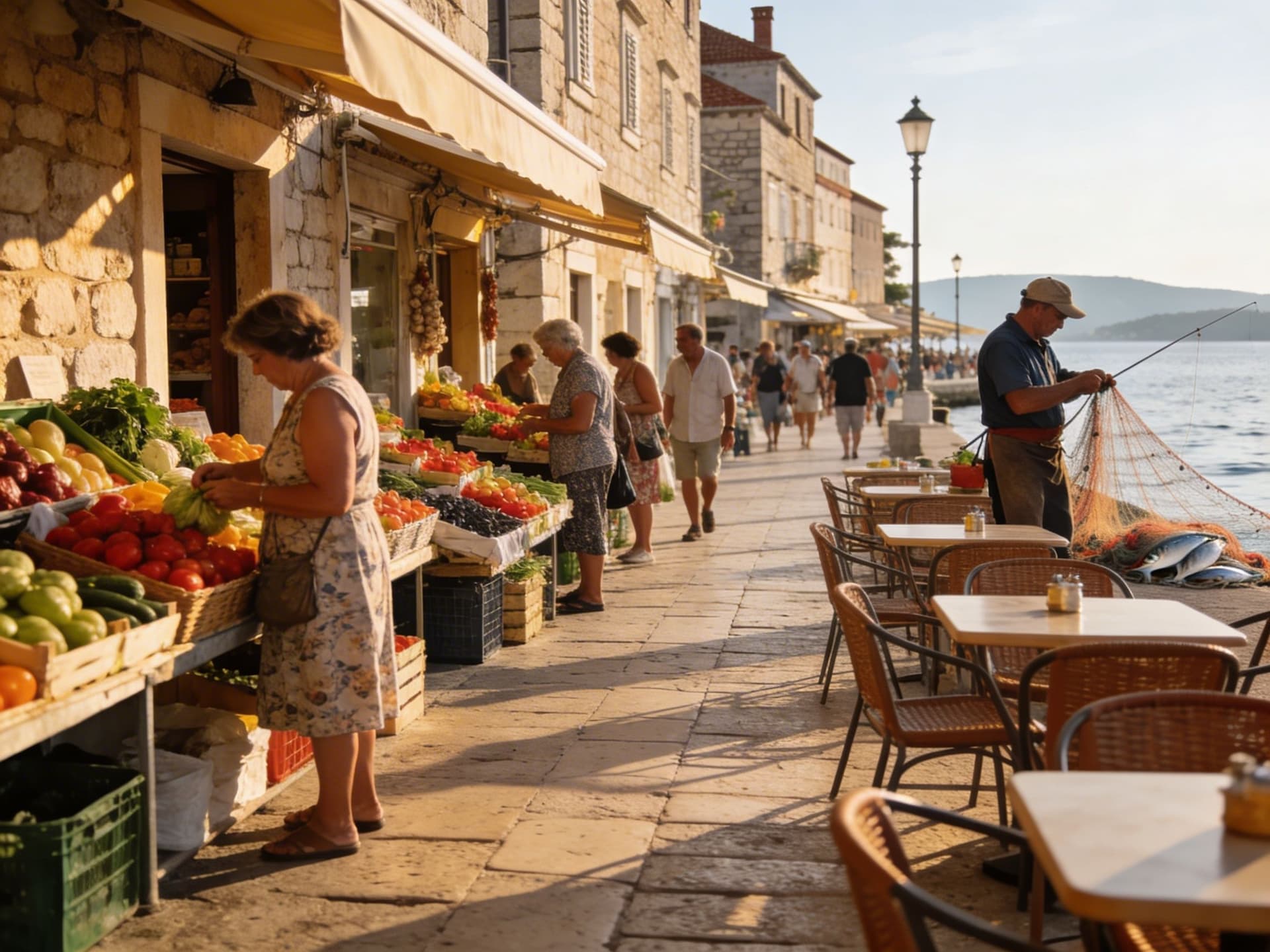
Croatia is not one image but a handful of rhythms — morning markets in Zagreb, summer terraces in Dubrovnik, island time on Hvar. Life here favors human scale: cafés where baristas know your name, marinas that hum with seasonal energy, and neighbourhoods where a baker’s opening hour sets the day. For international buyers this means lifestyle choices are tightly linked to micro‑location: which street, not just which town, will shape daily life, and sometimes the legal paperwork (for non‑EU buyers) too.
Split: historic lanes and sea‑front routines
Picture living on Ulica Ivana pl. Zajca: espresso at 07:30, a jog along the Riva, afternoon shade in Peristil. Apartments here trade square metres for character — thick stone walls, high ceilings, and balconies with sea glimpses. Practical note: coastal municipalities tend to set higher annual property tax rates under the 2025 reform, so factor stronger carrying costs into budgets if you want to be central and walkable.
Dubrovnik & islands: seasonal life, concentrated demand
Dubrovnik and the Adriatic islands present picture‑perfect summers and thin off‑season streets. That seasonal rhythm drives strong short‑term rental demand — but it also means your ownership costs (tourist levies, property tax bands, and management) can spike. New builds may be subject to 25% VAT instead of the 3% transfer tax that applies to resale homes — a decisive factor when comparing total acquisition costs.
Making the move: practical considerations
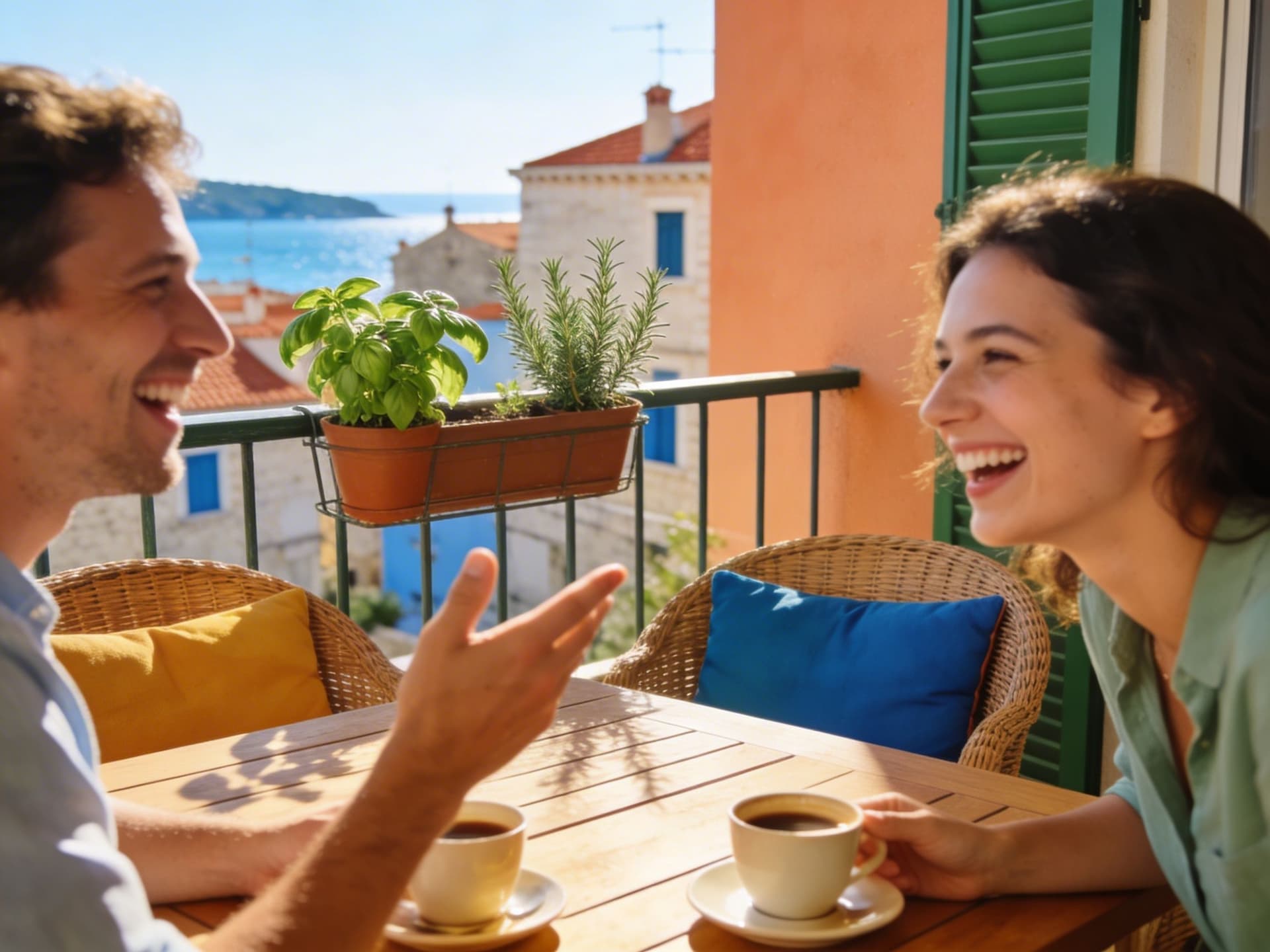
The dreamy scene meets paperwork at the notary. Croatia’s system is straightforward compared with some markets, but there are three practical pivots buyers miss: (1) whether a sale is subject to VAT or the 3% transfer tax, (2) the new annual property tax system introduced in 2025, and (3) reciprocity rules for certain foreign buyers that require Ministry approvals. Get these aligned early and you’ll preserve both capital and sanity.
Property types & tax implications
If you're buying a new build from a developer you'll often face VAT (standard rate 25%) instead of the 3% transfer tax charged on most resale deals. That difference can be tens of thousands of euros on coastal units — so compare identical floor plans across new and resale with taxes built into the all‑in price, not just the headline price per square metre.
Working with experts who know both life and law
A local lawyer plus a neighbourhood‑savvy agent is the practical minimum. Lawyers handle title checks, notary filings and, where needed, reciprocity approvals for non‑EU nationals. Agents focused on coastal towns will also flag municipal rules that affect rentals and renovations — knowledge that saves time and prevents surprises after you sign.
Quick checklist before signing
Before you commit, confirm: the tax regime (VAT vs transfer tax), municipal property tax band and exemptions, whether short‑term rental is permitted, and any heritage or coastal restrictions that limit renovations. These four items change both the lifestyle you can enjoy and the total cost of ownership.
- Confirm VAT vs transfer tax on the contract (new vs resale).
- Check the municipality’s annual property tax rate and exemptions for primary residence or long‑term rentals.
- Verify short‑term rental licensing and tourist tax schedules for the exact town and street.
- Ask about coastal/heritage restrictions that affect alterations and usable square metres.
Insider knowledge: what expats wish they'd known
Expat veterans often say the same thing: choose the street before the view, budget for seasonal life, and don’t underestimate municipal variation. A compact apartment in Rovinj’s Old Town will feel different, cost different in annual tax, and attract a different tenant profile than a new sea‑view unit five kilometres outside town. Those differences become clear only when you walk the neighbourhood across seasons.
Language, community and everyday integration
Learning basic Croatian phrases opens doors — from market sellers to municipal clerks. Join local activities (volunteer beach cleanups, seasonal klapa music nights) to build friendships. For families, international schools concentrate in Zagreb and Split; for retirees, smaller coastal towns offer close medical facilities but fewer English‑speaking services.
How lifestyle choices change tax strategy
If you plan to live in your purchase most of the year and register it as your primary residence, you may access exemptions under local property tax rules. If your plan is short‑term holiday letting, expect tourist taxes, stricter local licensing and higher effective annual taxes in towns that prioritise seasonal tourism. Match tax planning to the lifestyle you truly want to live, not the income you hope to make.
Practical ranked steps for first‑time international buyers
- 1) Choose life first: spend a week living in your target neighbourhood across seasons.
- 2) Get a local lawyer to run title checks and advise on reciprocity approvals if you’re non‑EU.
- 3) Compare all‑in costs (price + VAT/transfer tax + municipal property tax + tourist levies) for each candidate property.
- 4) Negotiate with the developer or seller on net price and timing of VAT registration or transfer tax liability.
Conclusion: live the life, structure the purchase
Croatia rewards buyers who pair sensory knowledge of place with disciplined tax and legal planning. Walk the streets, taste the food, and then run the numbers: VAT vs transfer tax, municipal property bands, and rental rules. With the right local team you can secure a home that delivers the Adriatic life you imagined, without unwelcome surprises on tax day.
Swedish strategist who relocated to Marbella in 2018. Specializes in legal navigation and tax planning for Scandinavian buyers.