Italy: South vs Tuscany — Where Lifestyle Meets Value
Italy’s appeal is lifestyle-first: choose your daily rhythm (city, coast, countryside) then match property type, seasonality and local expertise for a confident purchase.
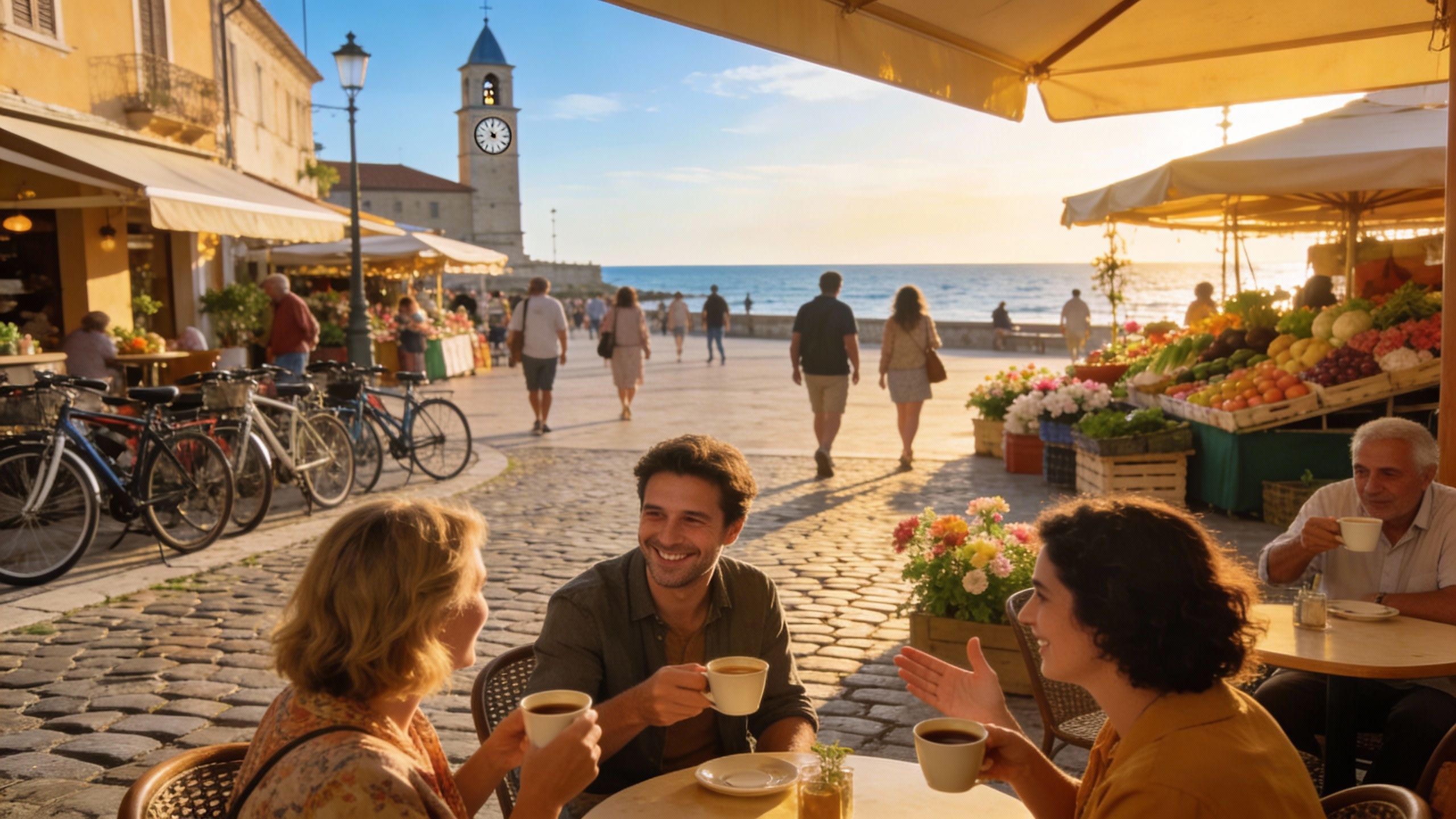
Imagine a Saturday morning in Lecce: espresso at a bar on Via Vittorio Emanuele, sun warming limestone façades, a market stall selling orecchiette. That sensory patchwork — food, history, the slow cadence of Italian life — is why buyers cross oceans for Italy. But the country is not a single market; it’s a mosaic of coastlines, lakes, hill towns and cities, each with different rhythms, price dynamics and opportunities. Understanding those contrasts is the short-cut to both a life you want and a smart purchase.
Living the Italy lifestyle

Italy’s daily life blends small rituals and wide-open pleasures: markets at dawn, late lunches that bleed into passeggiata, and neighbourhood cafés where baristas remember your order. Cities pulse — Milan’s focused mornings and aperitivo evenings — while regions like Puglia and Sardinia trade bustle for unhurried seaside living. For buyers, the choice is about which daily rhythm you want to inhabit, not just about square metres.
City pulse: Milan, Rome, Florence
Choose a central flat in Milan and your mornings will be espresso, design shows and efficient transit. In Rome and Florence you trade speed for layers of history — cobbled streets, piazzas that animate at sunset. These cities attract international buyers for work, culture and schools; idealista data shows strong interest from the US and Germany in prime urban stock, which explains persistent demand in core neighbourhoods.
Coast and countryside: Puglia, Lake Como, Amalfi
The coast offers a different tempo: morning swims, evening seafood, and villages that hum with seasonal tourism. Puglia’s white towns and trulli are rising in popularity — inquiries jumped substantially in recent years — while Lake Como and the Amalfi Coast remain premium lifestyle magnets. Each area’s seasonality affects occupancy, maintenance and the kind of property that actually feels lived-in rather than staged.
- Lifestyle highlights (places to taste, walk, and belong)
- Milan’s Navigli for evening aperitivo and canalside cafés
- Lecce’s Baroque streets and Sunday markets on Piazza Sant’Oronzo
- Monopoli’s fishing port and seafront promenades in Puglia
- Lake Como villages (Bellagio, Varenna) for boating and quiet luxury
Making the move: practical considerations
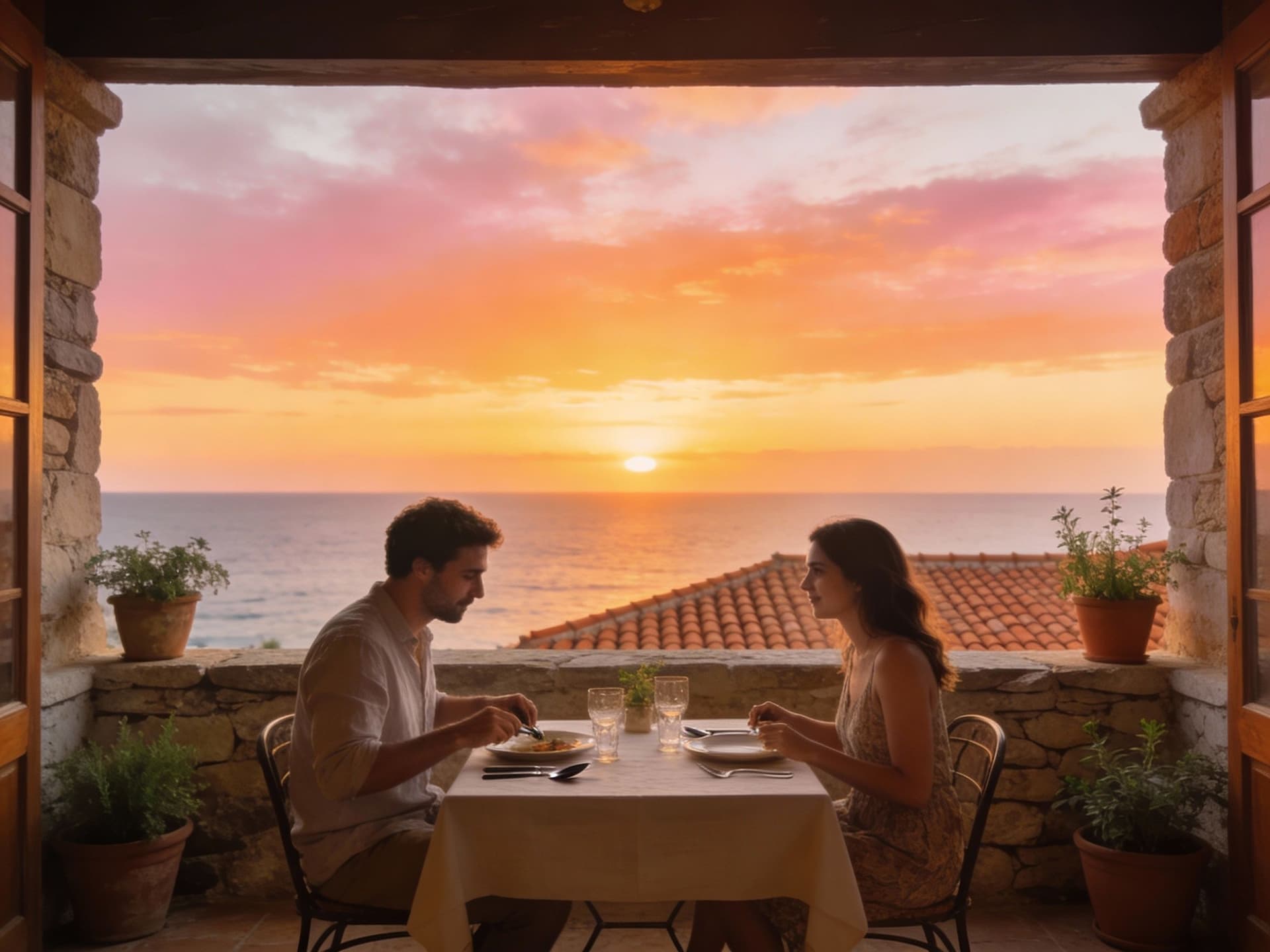
Living like a local starts with a property that aligns with your routine. That means thinking beyond photos: consider how the house performs in different seasons, access to healthcare or flights, and whether the neighbourhood supports the lifestyle you imagine. Market reports show rising foreign interest across both luxury and mid-market segments, so act with curiosity and verification.
Property styles and how they shape daily life
A restored trullo in Puglia gives you character and outdoor rooms for summer living, but expect smaller kitchens and renovation limits due to heritage rules. A new apartment in Milan delivers efficient heating, storage and year-round convenience but less outdoor space. Match the building type to how you want to spend time — mornings at cafes, afternoons at the sea, or home-focused winters.
Working with local experts who know the lifestyle
Agencies with hyperlocal knowledge help translate lifestyle into practical checklists: which heating system is reliable in hill towns, where a water table complicates basements, or which renovations trigger heritage approval. Use local agents to test assumptions and to access on-the-ground facts — flight times, seasonal maintenance costs and typical rental demand for your chosen micro-market.
- Six steps that balance life and logic when buying in Italy
- 1) Spend a week living in your preferred neighbourhood to test daily routines and noise, not just a weekend visit.
- 2) Ask for local utility bills and condominium minutes to understand recurring costs and building rhythms.
- 3) Confirm renovation limits for heritage properties before assuming convertible space or planning extensions.
- 4) Check seasonal rental demand if you plan to let; coastlines can be highly seasonal, city flats show steadier occupancy.
- 5) Use a local notary and lawyer to verify title, cadastral records and that permissions match the listed floor area.
- 6) Build a maintenance calendar: terracotta roofs, salt exposure and stone façades have predictable upkeep needs.
Insider knowledge: what expats wish they'd known
Expats often arrive enchanted and then encounter small, recurrent friction points: municipal bureaucracy, seasonal service slowdowns in small towns, and the particularities of Italian condo governance. Successful buyers adapt: they prioritise community fit over image, plan for off-season life, and accept that a slower pace can be precisely the benefit they sought.
Cultural integration: language, customs and community
Learning basic Italian opens doors — from market vendors to the neighbourhood bar — but shared activities matter more: volunteer at a local festa, join a language exchange, or enrol in a cooking class. Community relationships often determine whether you feel at home in winter months when beaches and squares are quiet.
Long-term lifestyle and investment realism
Regions such as Puglia have seen fast-rising interest and price growth recently, while established prime markets remain resilient. For long-term satisfaction, weigh local infrastructure improvements (flight links, schools), rental demand profiles, and how a location ages as a place to live — some seaside towns peak in summer but offer limited year-round services.
- Red flags to watch for in listings
- Ambiguous floor area vs cadastral records — verify with the notary
- Unclear permission history on renovations in heritage zones
- High seasonal service costs in coastal towns (heating, water, pest control)
After an earnest visit and due diligence, buyers who pair lifestyle clarity with local expertise tend to avoid regret. Agencies that can translate neighbourhood character into verified facts — bills, condo minutes, vendor history — become the difference between a dreamy purchase and a costly surprise.
Ready to make Italy a daily reality? Start by deciding which daily rhythm you can’t live without — coastal mornings, city culture, or countryside quiet — then book a longer stay in that micro-market, gather local documents, and meet two specialist agencies for competing assessments. The life you seek is as measurable as any market metric; combine both and you’ll buy with confidence.
Norwegian market analyst who relocated to Mallorca in 2020. Focuses on data-driven market insights and smooth relocation for international buyers.