Croatia: The Affordable Adriatic Nobody Talks About
Croatia’s allure is lifestyle-first but the market is shifting; coastal price growth and seasonality create hidden opportunities off the main promenades.
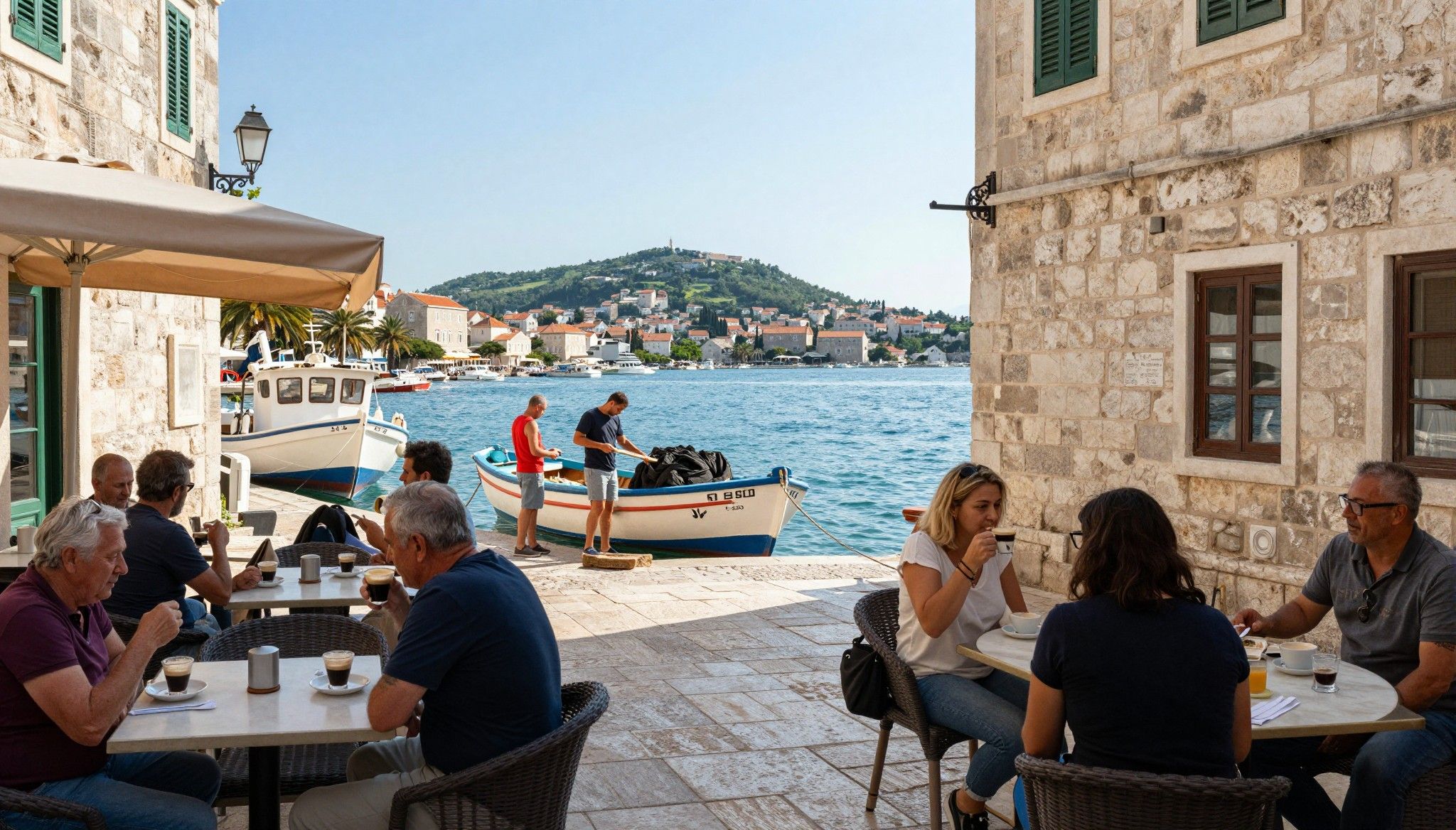
Imagine starting your day with espresso at Split’s Riva, then wandering down a limestone alley to a fish market where fishermen haggle in Dalmatian dialect. That sensory, slow‑tempo Adriatic life is exactly why buyers dream of Croatia — white stone, shallow seas, late dinners and city rhythms that pulse between high summer tourism and restful shoulder seasons. But the glossy postcards hide a bolder story: prices are rising, seasonality skews local markets, and opportunity exists off the main tourist drag. This guide blends the lived experience with data so you can fall for Croatia and still make a clear-headed property decision.
Living the Croatian rhythm
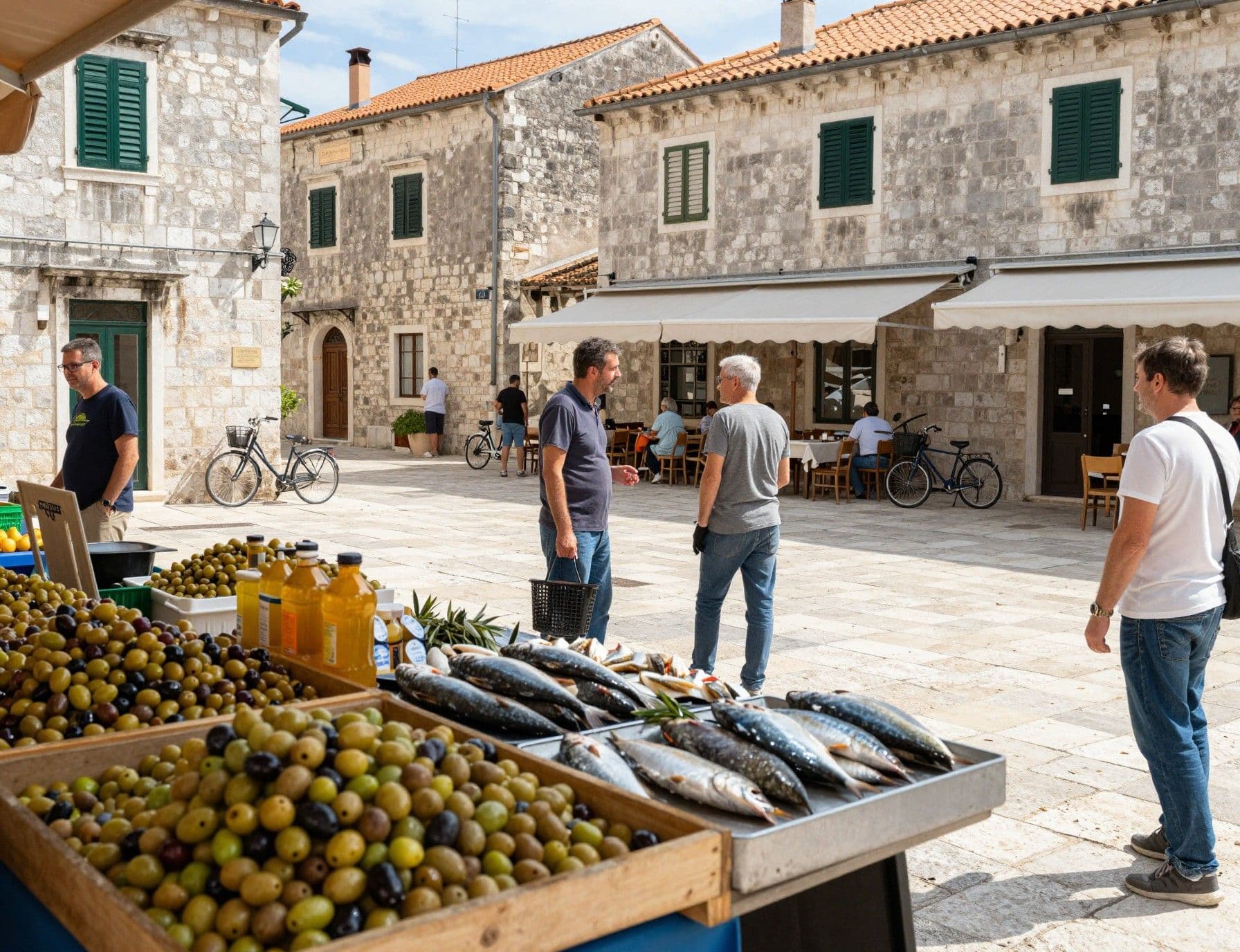
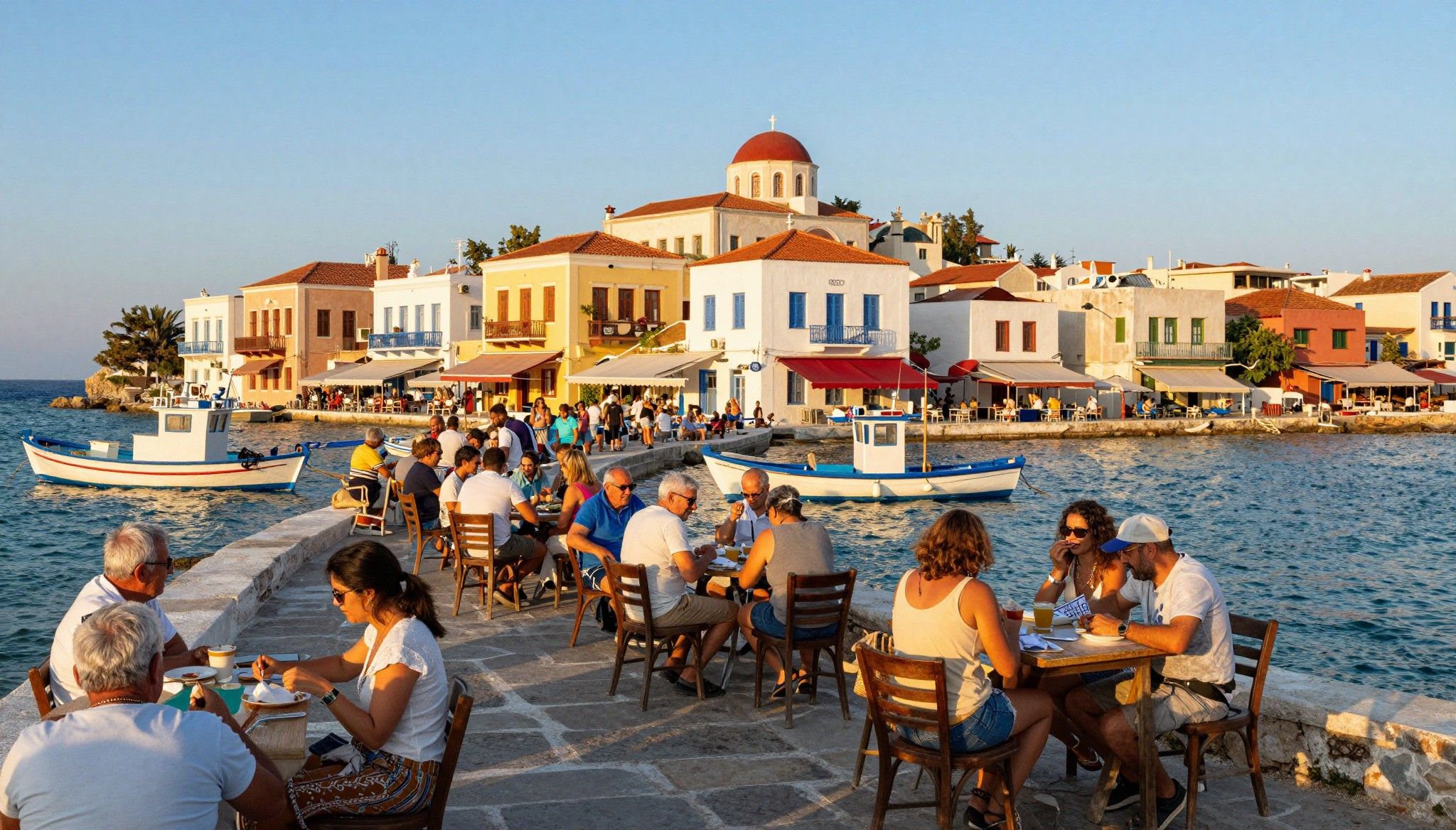
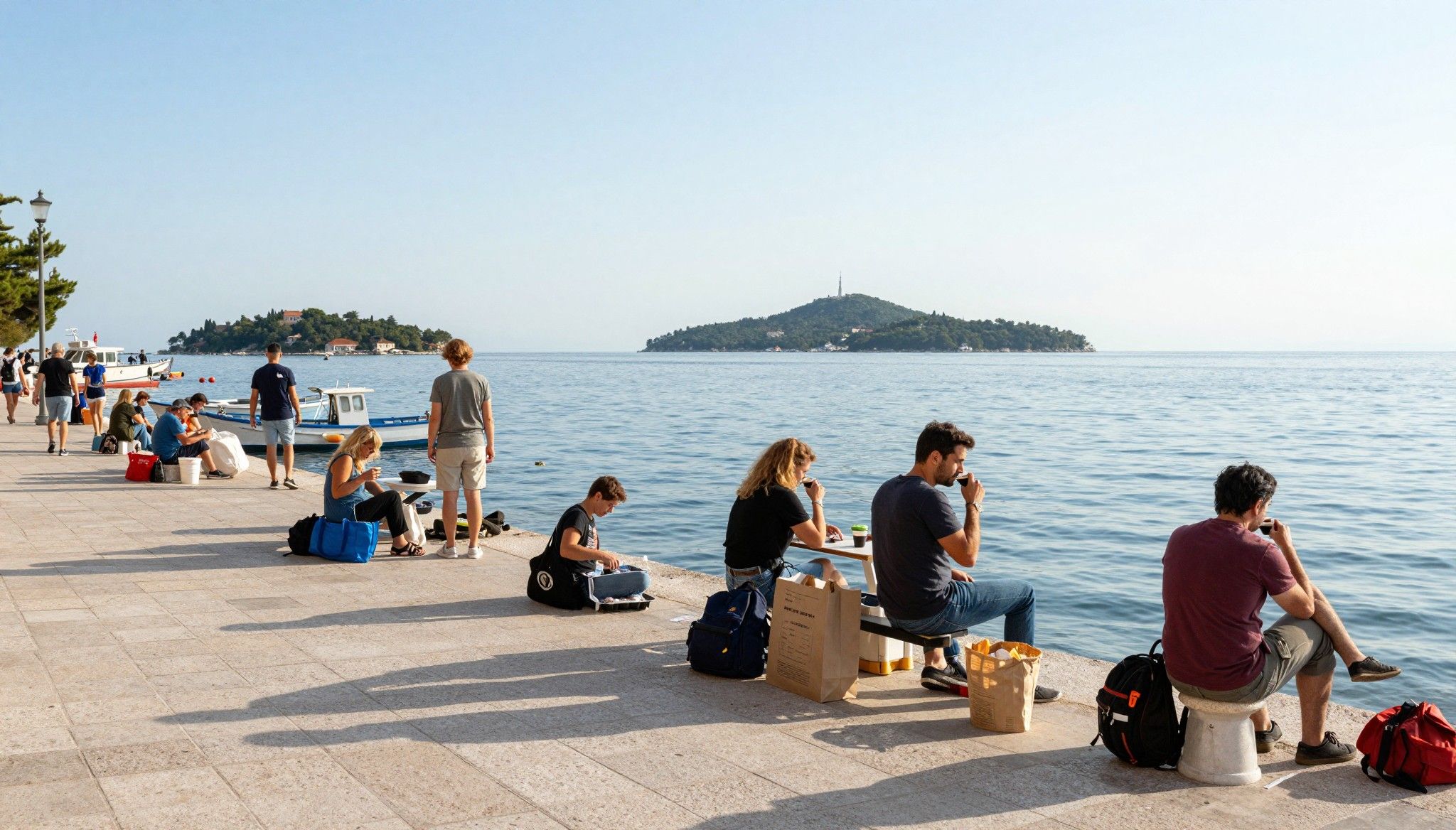
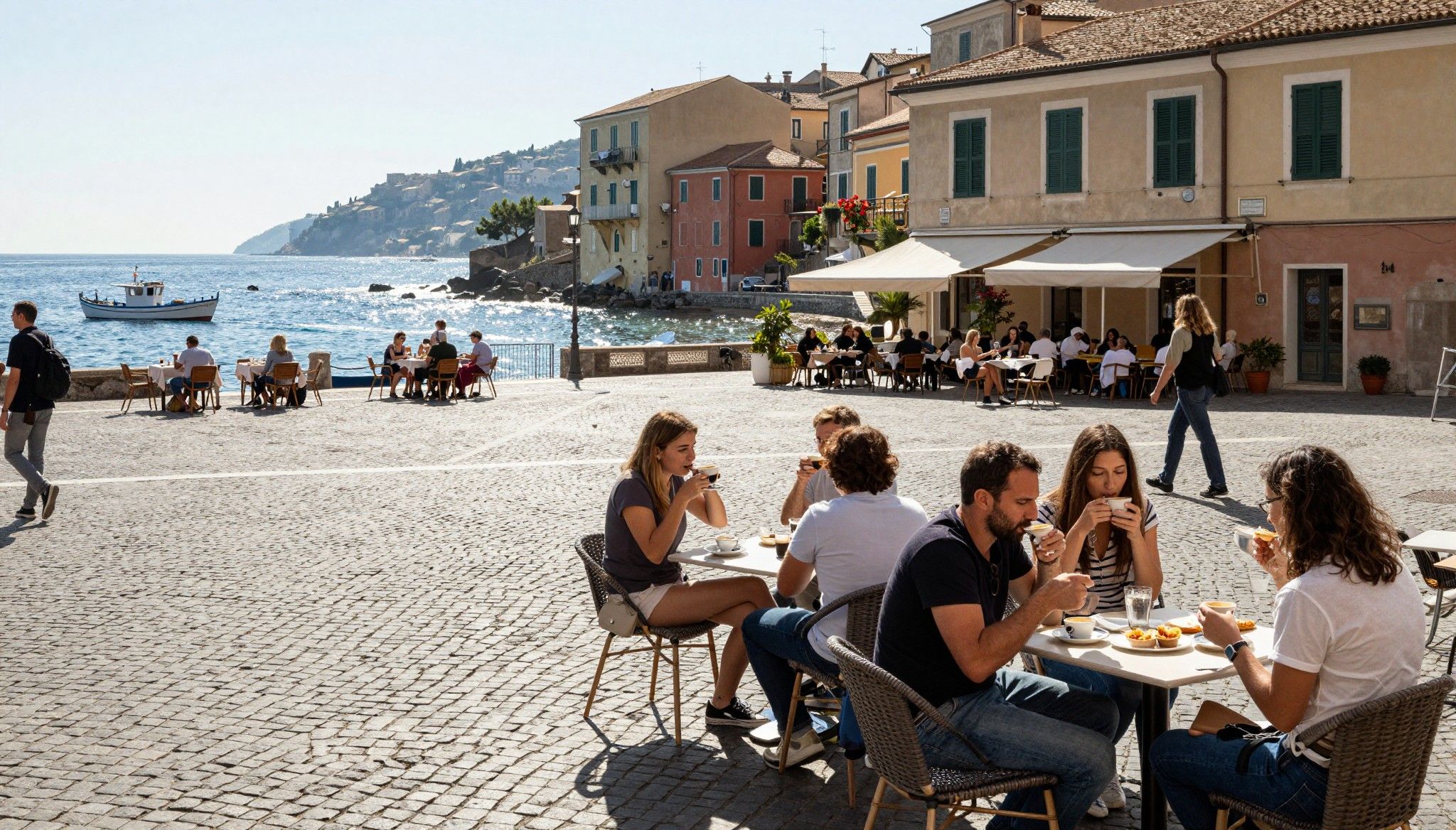
Life in Croatia is stitched from small rituals: a morning market run in Pula, an aperitif on Korčula’s waterfront, a weekend braciole and homegrown olive oil in Istria. Neighborhoods are legible — Zagreb’s leafy avenues and café terraces contrast with the raw sea-scented lanes of Trogir — and each delivers a different daily tempo. The coastal towns hum with tourism between May and September, then move into a calm local pace which many expats find restorative. Practical note: coastal asking prices rose materially in recent years, so where you choose to live will determine both lifestyle and cost exposure.
Split & Trogir: sea‑front living with urban convenience
Picture breakfasts at Marmontova in Split, afternoons walking Marjan hill and evenings in stone courtyards — that is the daily cadence for many buyers choosing Split. Trogir, by contrast, feels like living inside a UNESCO postcard: narrow streets, historic façades and a compact community where cars rarely dominate. Both places deliver café culture and coastal access within short walks, but Split has a more year-round service base, while Trogir’s hospitality calendar is more seasonal. For buyers who want walking‑everywhere life, central Split or Trogir’s old town are the obvious choices; expect higher per‑square‑metre prices and smaller living footprints.
Istria & Dubrovnik: two different coasts
Istria trades on olive groves, vineyards and a mixed Italian‑Croatian culinary culture; properties here suit buyers after countryside calm within easy ferry or road links. Dubrovnik is the theatrical Adriatic: medieval walls, cruise-ship days and a concentrated luxury market that pushes prices higher and inventory lower. Croatia’s official house price index shows coastal areas have outperformed inland regions in recent quarters, which explains why coastal towns both attract attention and require more deliberate search tactics. If you want community year‑round, Istria’s small towns or inland villages near Umag or Rovinj often offer better value than tourist hubs.
- Lifestyle highlights to look for (real places to visit before you buy)
- Morning market at Dolac (Zagreb); seaside espresso at Bačvice (Split); olive oil tasting in Motovun (Istria); sunset swims at Zlatni Rat (Brač); local konoba dinner in Ston (Pelješac).
Making the move: lifestyle meets market reality
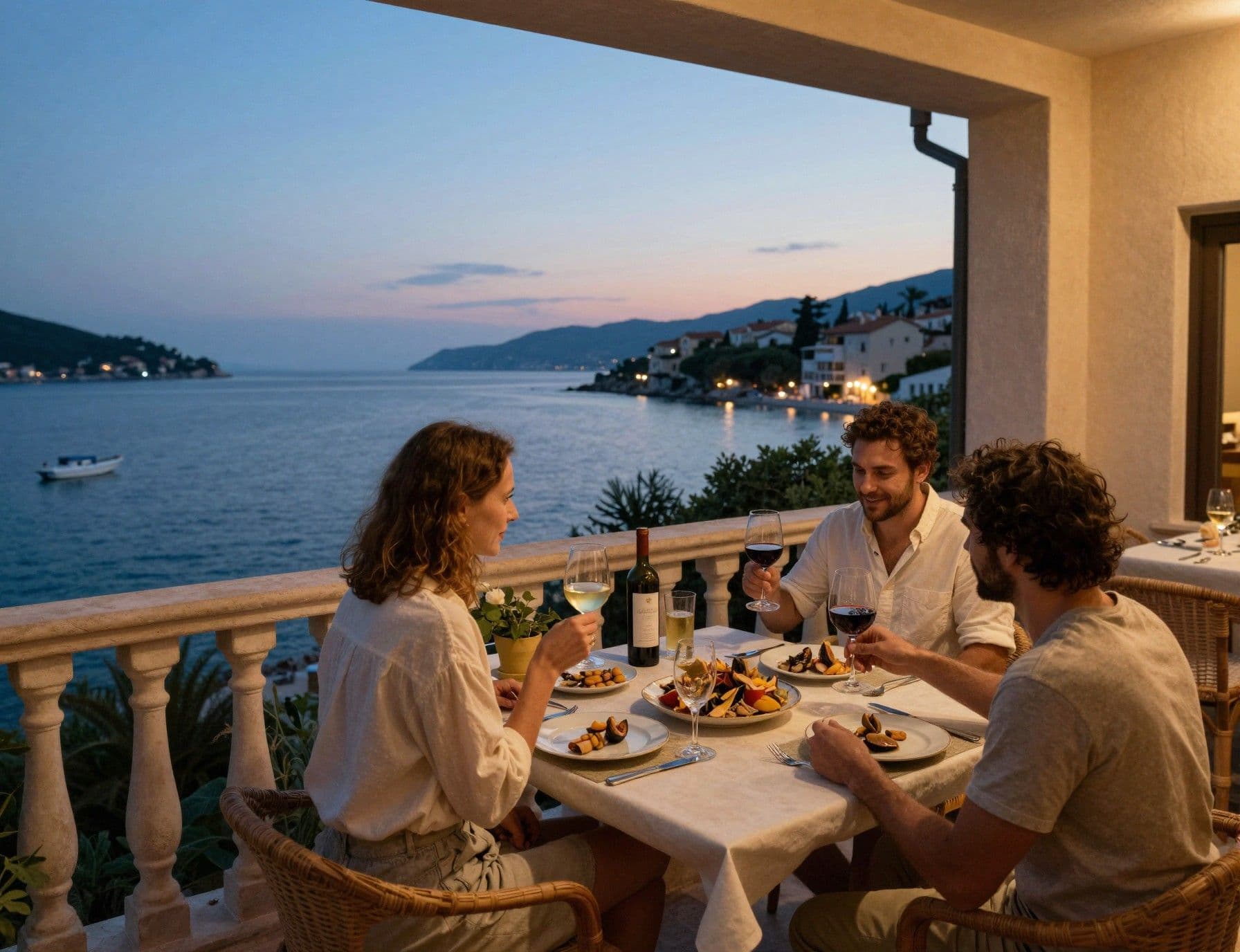
Once the romance of islands and piazzas settles, buyers face concrete tradeoffs: ownership rules, season‑driven rental demand, maintenance on stone properties and the variability of coastal services outside summer. Market reports show that residential prices increased notably across 2024–2025, especially in coastal counties, so timing and location matter more than ever. That doesn't mean Croatia is unreachable — it means your strategy should combine lifestyle priorities with market facts. A local expert who understands seasonality, pipeline supply and municipal nuances is worth their weight in olive oil.
Property styles and how you’ll actually live in them
Stone townhouses around Split or Dubrovnik come with historic character and small courtyards but often require renovation, damp control and bespoke tradespeople. Modern apartments in Zagreb or new coastal developments give easier maintenance and better year‑round heating, but sacrifice some of the old‑world charm buyers crave. For island living, terraces and solar orientation are vital; for inland or continental properties, insulation and solid heating systems matter more. Match the property type to how you will use it: full‑time, seasonal, short‑let, or hybrid living, and budget for the lifecycle costs accordingly.
Working with local experts who know the rhythm
Real estate agents, local notaries and surveyors will help you translate lifestyle wants into legally sound purchases — especially if you are a non‑EU buyer who may need official consent to buy certain land. Good agents surface pockets where locals buy (often quieter streets away from the promenade), manage renovation contracts, and advise on rental potential versus lifestyle fit. Ask agencies for examples of recent sales in the exact street or micro‑neighborhood you prefer; that data is more telling than national averages. Expect to pay for quality local advice — it reduces the chance of a romantic purchase that becomes a practical headache.
- Steps to align lifestyle with market reality
- Visit in shoulder seasons (April–May or October) to see the true year‑round life; compare asking prices in the exact street, not broad postal areas; commission a local survey before offer; discuss short‑let restrictions and municipal rules with your agent; model lifecycle costs (utilities, maintenance, insurance) for three use scenarios: full‑time, part‑time, rental hybrid.
Insider knowledge: what expats wish they'd known
Expats tell a common story: the first summer feels glamorous, the second winter reveals service gaps, and by year three routines set in — grocery runs, school routes, local mechanics. Cultural integration hinges on small choices: learning basic Croatian phrases opens doors at markets, joining a local sports club or language exchange accelerates community ties, and using local trades for repairs keeps older properties functioning. Expect municipal calendars — olive harvests, patron saint days, and tourist festivals — to shape your social life, and to discover that many of the best places are intentionally off the beaten path.
Language, community and the small rules that matter
Croatian is the social key: a few phrases at the butcher, a thank-you in Croatian at a konoba, and neighbours warm to you quickly. Many public services and paperwork remain Croatian‑language heavy; hire a translator or bilingual lawyer for purchase contracts and municipal interactions. Social norms favour reciprocity and patience — bureaucracy can feel deliberate, so factor extra time into any transaction or renovation. For families, seek towns with established international school options (Zagreb, Dubrovnik area options growing) or be ready to blend local schooling with language support.
Long-term rhythms: sustainability and value
Croatia’s housing market has seen strong growth in recent years, which makes younger coastal towns less cheap than a decade ago but also suggests solid mid‑term demand. Long‑term value tends to cluster where infrastructure is improving — reliable ferry links, upgraded marinas, and improved road connections. Sustainable upgrades (insulation, solar panels, rainwater management) not only lower running costs but increase marketability in a climate‑aware buyer pool. Think of purchase price plus planned capital works as the true entry cost to the lifestyle you want.
- Red flags and local realities (what to watch for)
- Properties listed without cadastral details; unusually low price relative to street averages; water supply or title issues on small islands; offers from sellers asking for cash-only transfers; agents who cannot produce recent local comparables.
If a street visit and a local agent’s recent sale‑history don't clear those points, pause. It’s far better to miss one impulsive buy than to inherit legal or service problems that remove the joy from your Adriatic life. A final practical: always insist on seeing paid utility bills and the land registry extract (izvadak iz zemljišnih knjiga) before signing.
Croatia can feel like an endless summer in postcard photos, but the real attraction is quieter: a life that values food, sea and neighborhood rituals. Use the country’s rich regional variety — Zagreb’s cultural calendar, Istria’s slow‑food culture, Dalmatia’s island tempo — to narrow your search. Combine shoulder‑season visits, comparison of street‑level data and trusted local advisors, and you’ll find properties that deliver the life you pictured and the practical durability you need. Take the next step: visit the streets you love twice, ask for recent comparable sales, and bring a local agent who truly knows that micro‑street rhythm.
Danish relocation specialist who has lived in Barcelona since 2016. Helps families move abroad with onboarding, schooling, and local services.