Croatia’s Pipeline: Buy the Life, Not Just the View
Discover Croatia’s lifestyle‑first pipeline: how tourism, tightening new‑build supply and neighbourhood amenities shape which developments deliver real life—year‑round.
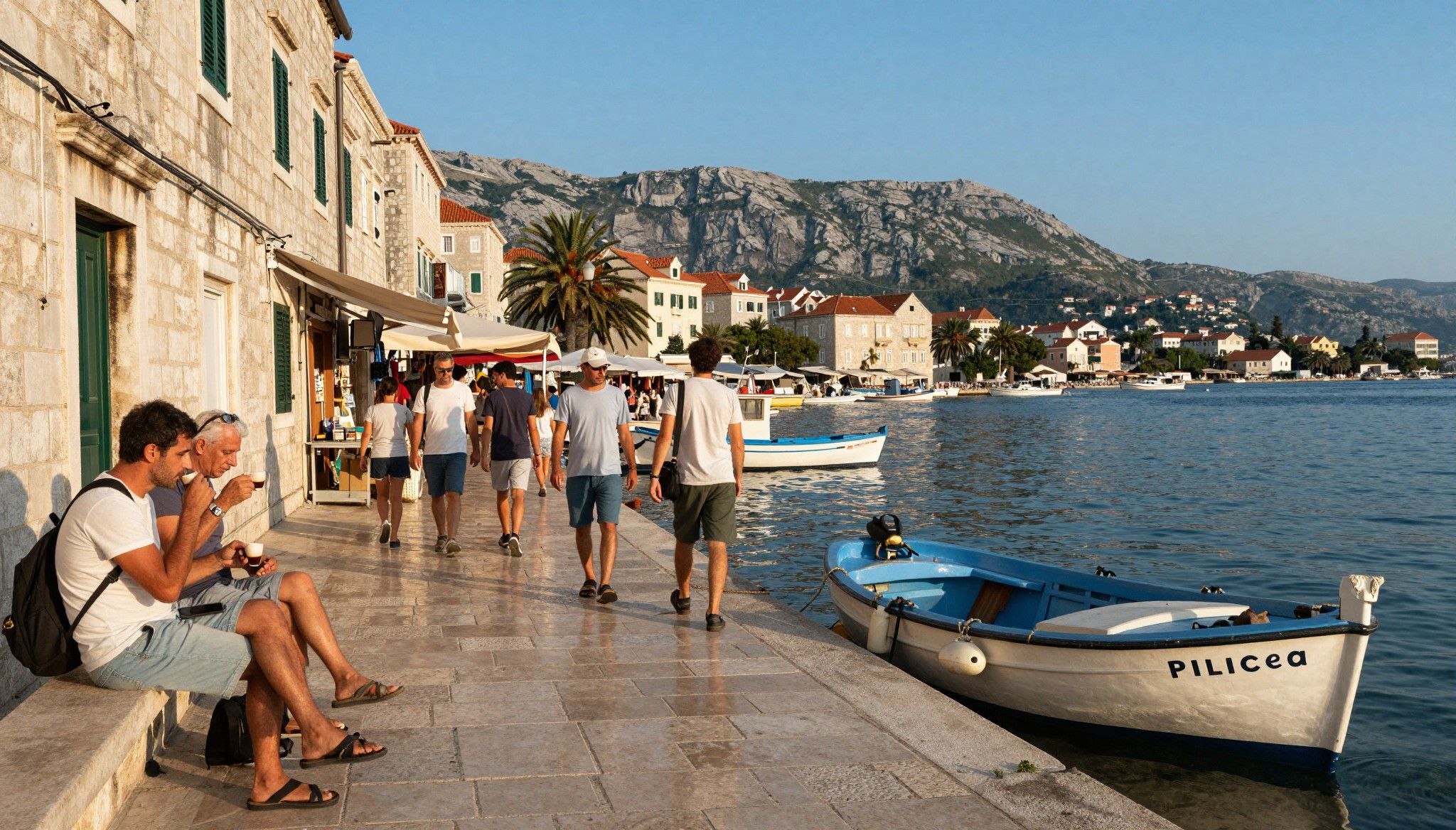
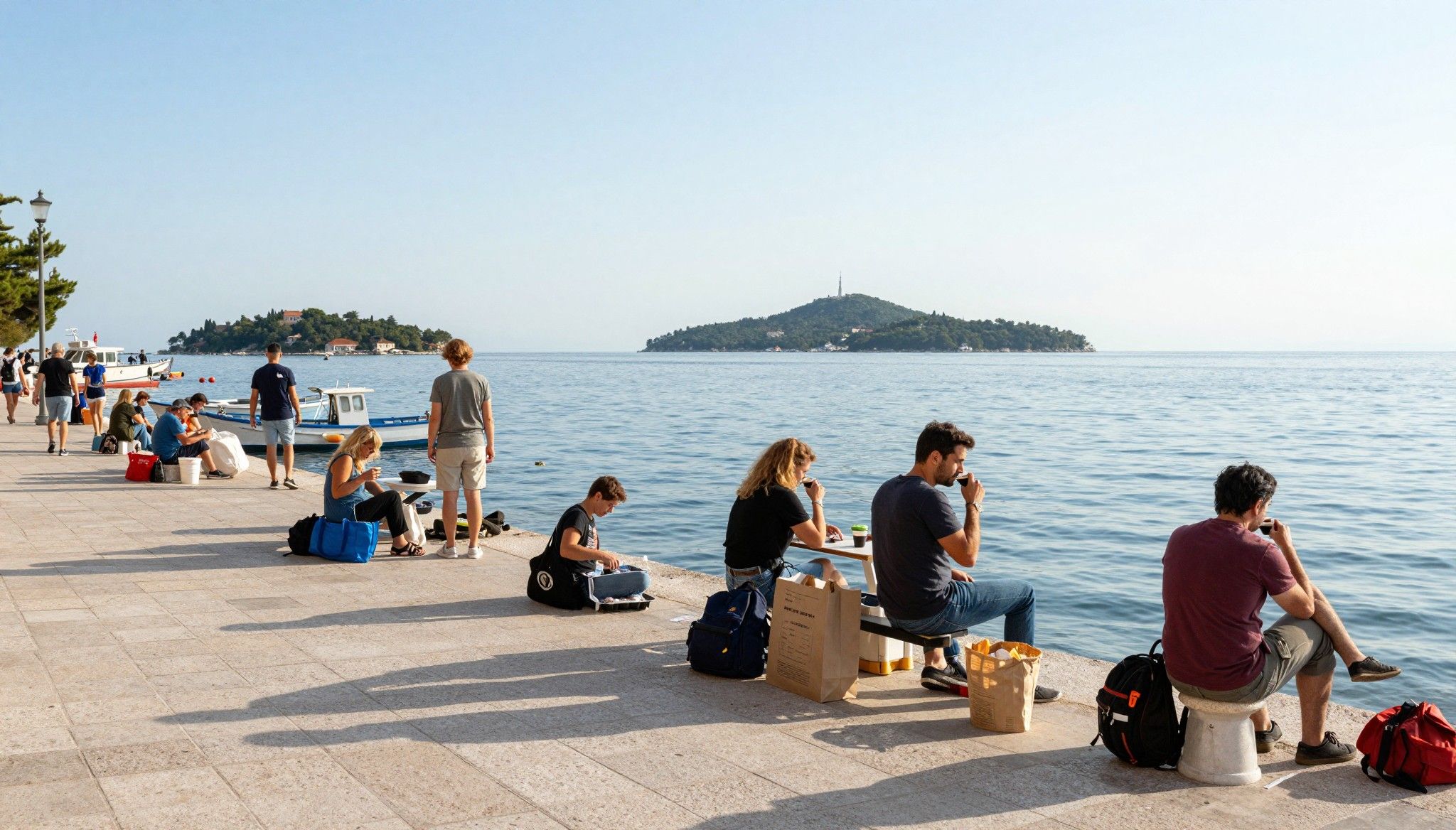
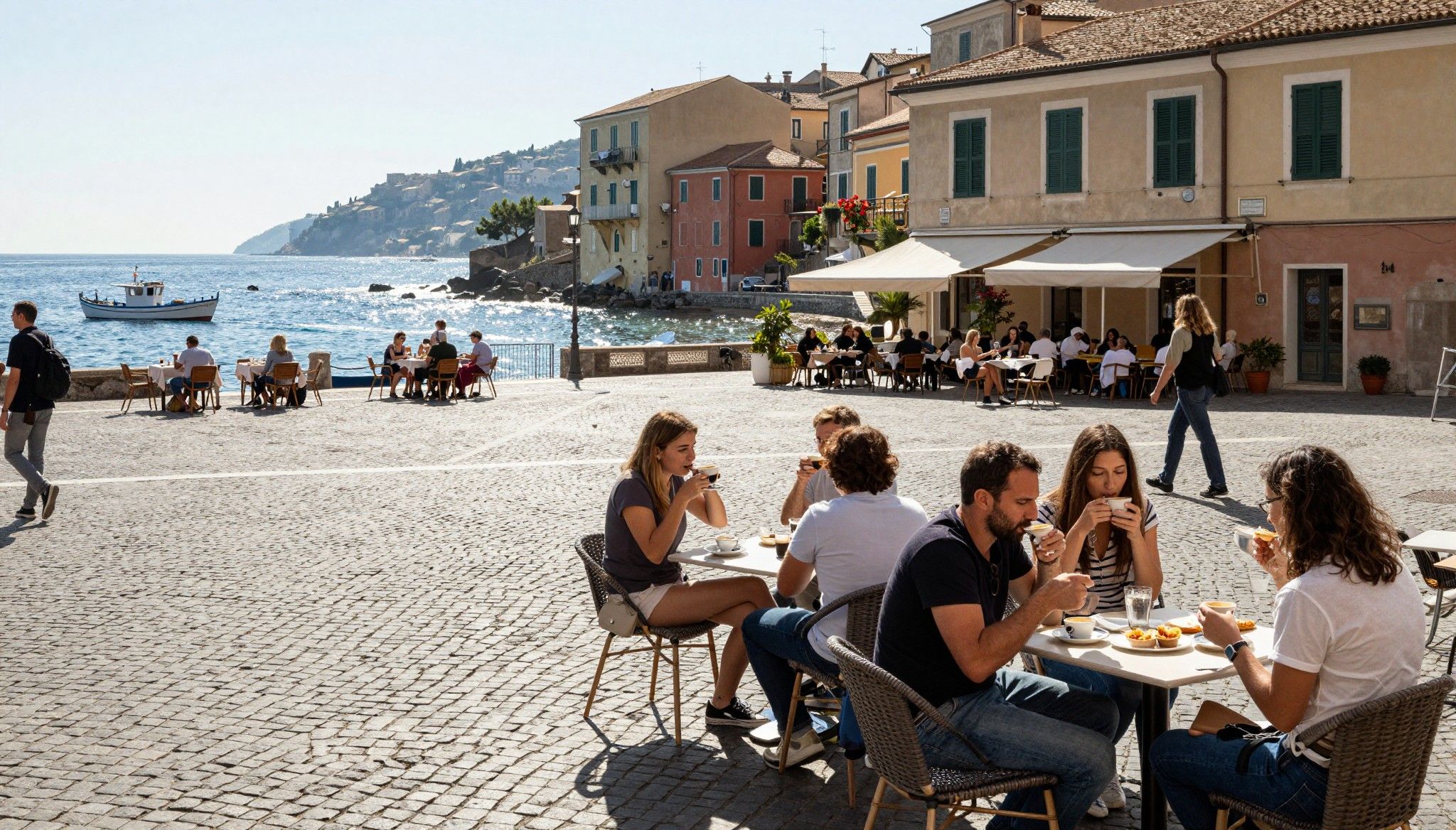
Imagine waking to the smell of espresso and fresh bread on a seaside street in Split, then walking five minutes to a pebble cove where swimmers finish their morning laps. Croatia’s coast moves slowly and precisely: market mornings are for cafes, afternoons for boats and markets, evenings for neighbourhood tavernas. For international buyers the question isn’t only “can I buy?” — it’s “where will I belong?” and whether the incoming pipeline of new homes will deliver that belonging without costing you the lifestyle you moved for.
Living the Croatian lifestyle — everyday scenes that shape value
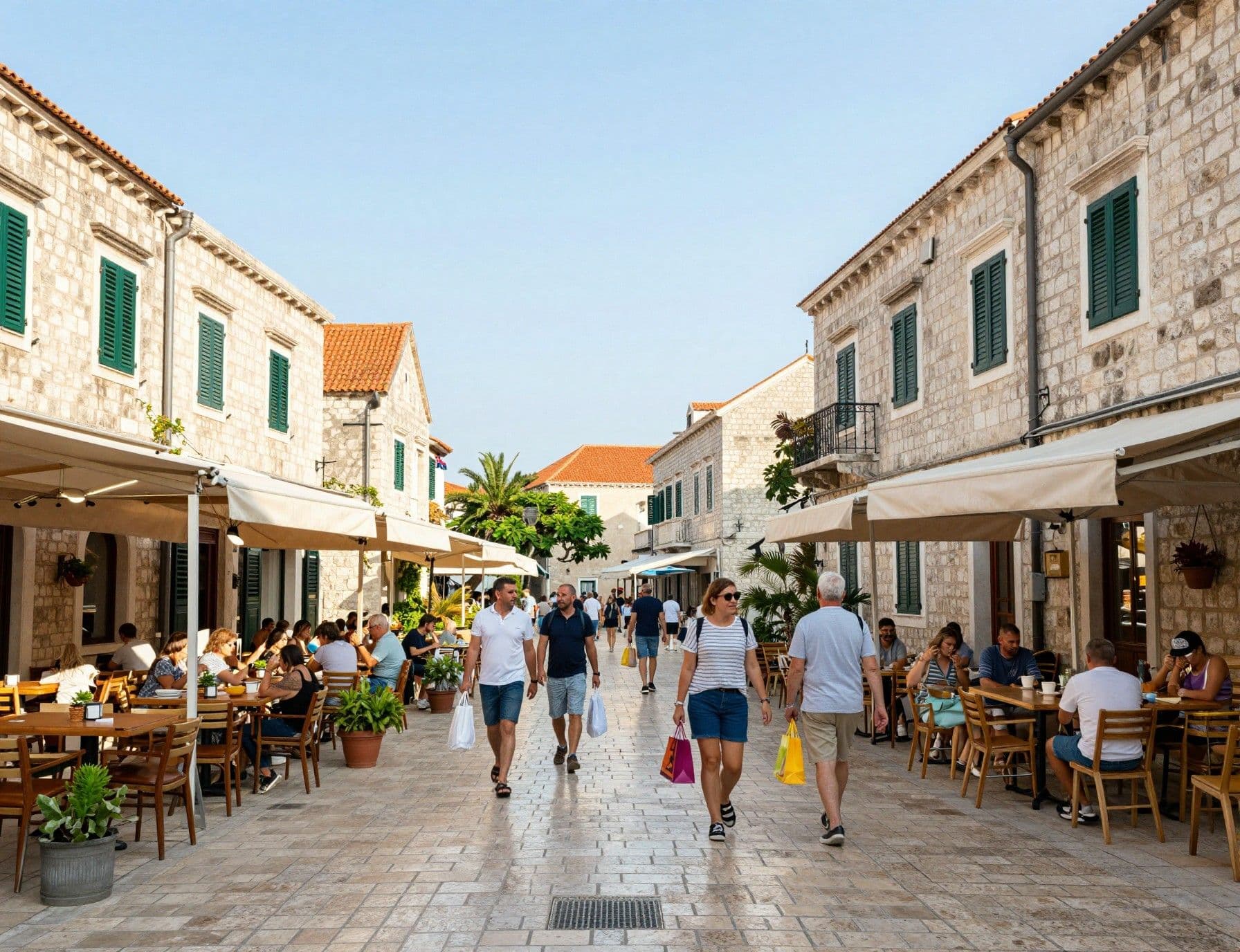
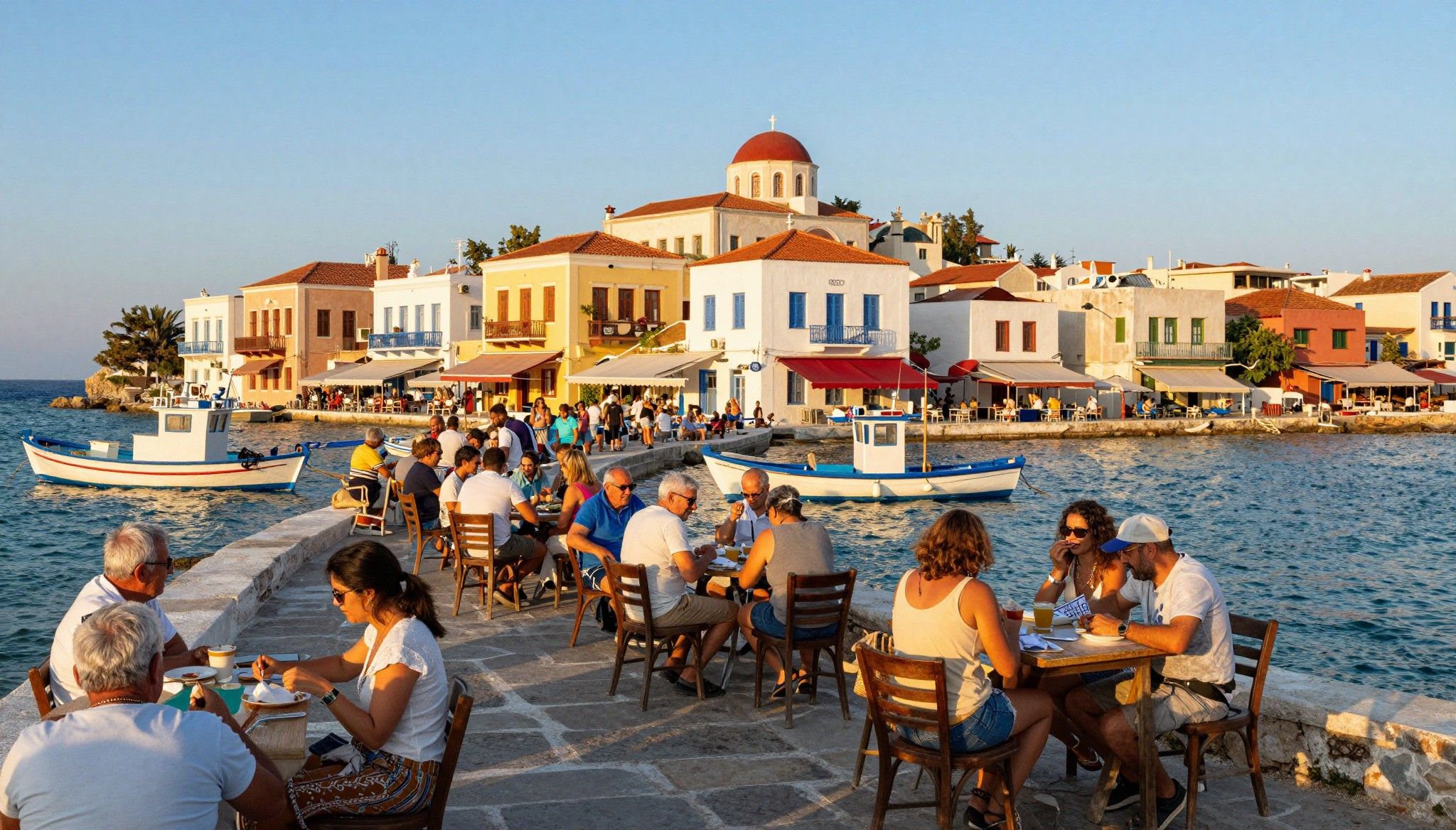
Croatia is a mosaic of rhythms: Zagreb hums with year-round cafés and cultural programming; Istria smells of olive groves and weekend markets; Dalmatian towns like Trogir and Split pulse with summer festivals and a steady stream of sailors. New developments that succeed here are the ones that respect these rhythms — small public squares, ground-floor cafés, terraces aligned to sunset — and that is exactly what pipeline analysis should focus on when matching a buyer to a project.
Coastal neighbourhoods: where postcards meet everyday life
Walk the Riva in Split at 07:30 and you’ll see runners, an old man selling fish, coat-clad baristas setting out chairs. In Dubrovnik the Old Town is cinematic — but choose quieter Gruž or Lapad for daily shopping and a calmer residential pace. In Istria, Rovinj’s cobbled streets feed into olive terraces and newer low-rise developments that prioritise courtyard light and year-round comfort over seasonal density.
Food, markets and the social fabric — why location beats square metres
A good address in Croatia often means being close to a market or konoba (tavern). Picture buying at Zagreb’s Dolac market on Saturdays, or enjoying seaside fish grills in Split’s Veli Varos. New-build projects that provide accessible ground-floor retail or nearby market connections tend to attract both locals and long-staying visitors, which supports rental demand outside high season.
- Lifestyle highlights: neighbourhood features that matter
- Dolac market (Zagreb) — weekend community and fresh produce
- Riva promenade (Split) — daily social spine and short walks to beaches
- Lapad Bay (Dubrovnik) — practical seaside living with local services
Making the move: pipeline realities and how they shape decisions
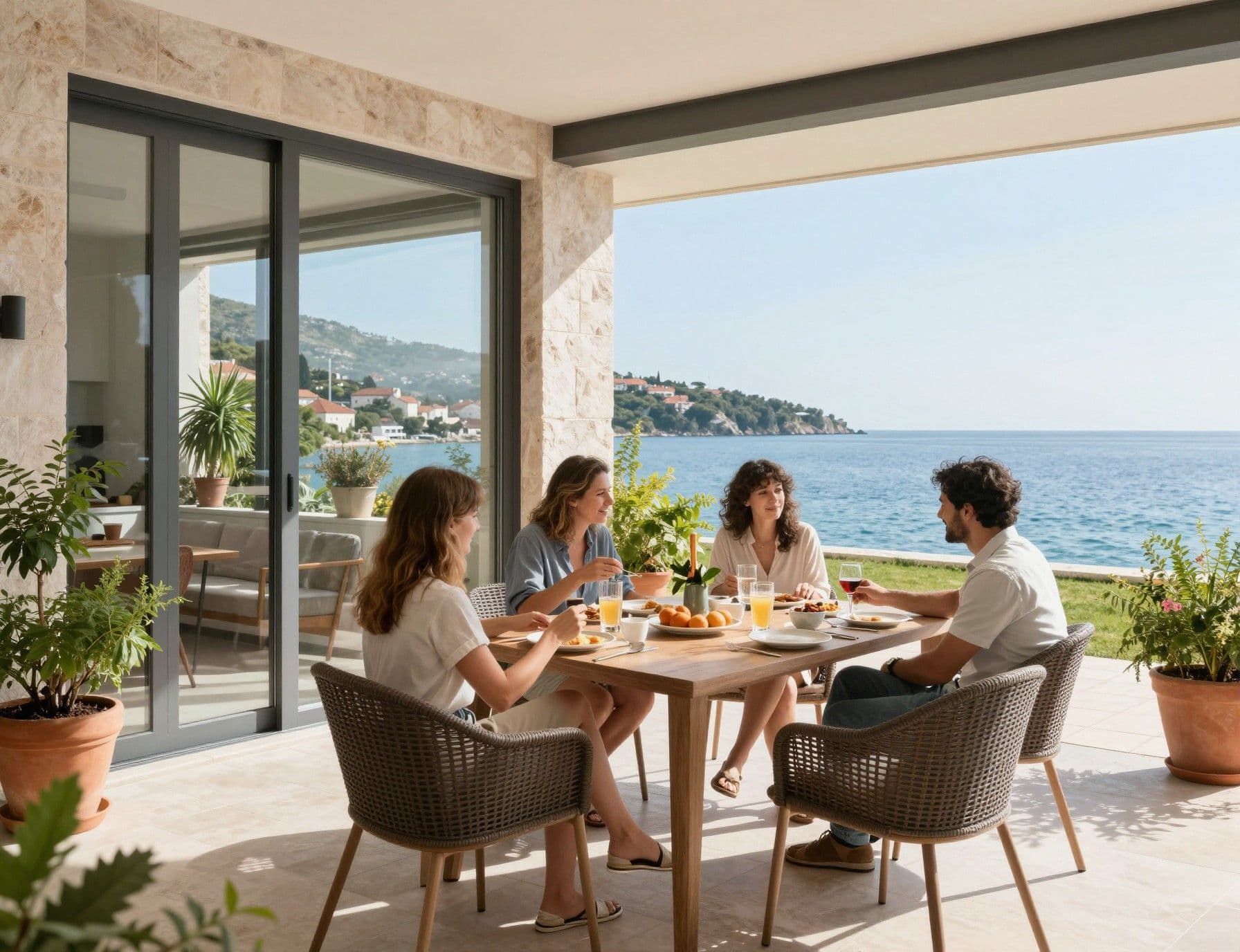
Dreams must meet supply. Recent official tourism numbers confirm growing year-round visitation to coastal and continental hotspots, which keeps demand steady beyond the summer months. At the same time, DZS and market reports show swift rises in new-apartment prices — a pipeline that is tightening in prime coastal areas and widening in selected inland pockets. That mismatch is the single biggest practical factor for buyers who want lifestyle without speculative risk.
Property styles: what new builds offer (and what they don’t)
New developments range from compact coastal flats with shared terraces to low-rise villa clusters on Istrian hills. Many recent projects emphasise energy efficiency and outdoor living—roof terraces, pergolas, and integrated storage for boats or bikes. But beware cookie‑cutter beachfront blocks: they deliver seasonal rental income but often lack the local integration that makes everyday life pleasant in winter.
Working with local experts who understand pipeline nuance
Select agents and developers who can show both the micro (street-level amenity plan) and macro (municipal pipeline, planned marinas, new roads). A local expert should provide delivery timelines, reservation penalties, and realistic off‑season occupancy forecasts — not just glossy renderings. Their knowledge turns a lifestyle wish into a workable purchase plan.
- Steps to match lifestyle to pipeline (practical + tangible)
- 1) Map daily rhythms: identify cafés, markets and healthcare within 10–15 minutes’ walk.
- 2) Inspect pipeline: request municipal permit timelines and a developer’s delivery record.
- 3) Stress-test seasonality: ask for real winter occupancy and utility-cost estimates.
Insider knowledge: red flags, myths and expat truths
Myth: Croatia’s coastal prices are only for holiday investors. Reality: price rises in new apartments—reported across official channels—are pushing locals and long-term residents into smaller towns and inland areas. The contrarian opportunity is in supply-constrained coastal neighbourhoods where authentic community amenities remain and new developments are small-scale.
What expats wish they’d known
Expats often say they underestimated offseason life: shops close earlier, ferries reduce frequency and the social calendar thins. That’s not a problem if you’ve chosen a neighbourhood with year-round residents — look for local schools, clinics and municipal services on the developer’s location brief. These are the signs a place will feel lived-in, not staged.
Red flags in new-builds — practical checks
- Ambiguous delivery dates or shifting payment schedules
- No local amenity commitments (shops, waste collection points, public space)
- Renderings that show dense private parking but lack pedestrian connections
Long-term view: how your lifestyle changes and what to expect
Five years after moving you’ll value local networks—your grocer, the barista who knows your order, the neighbour who waters your plants—far more than a marginal view premium. When you buy from the right pipeline project, you’re buying the infrastructure for that life: stable neighbours, year-round services and a design that supports community routines.
Conclusion: fall in love thoughtfully — lifestyle first, pipeline second
Croatia offers a rare blend: compact historic streets, a vibrant food culture and a coast that supports both leisure and daily life. Use pipeline intelligence — permit timelines, developer track records and amenity plans — to make that lifestyle durable. If you want to explore projects that match your daily rhythm, start with a short list of neighbourhood must-haves and ask local experts for the municipal pipeline; the right new build should feel like an upgrade to your life, not a seasonal stage.
Norwegian market analyst who relocated to Mallorca in 2020. Focuses on data-driven market insights and smooth relocation for international buyers.