France: Street‑Level Life and the Tax Truth
Pair the daily life of France — markets, cafés, coast — with tax realities: departmental transfer taxes, notaire fees and non‑resident rules that shape real costs and choices.

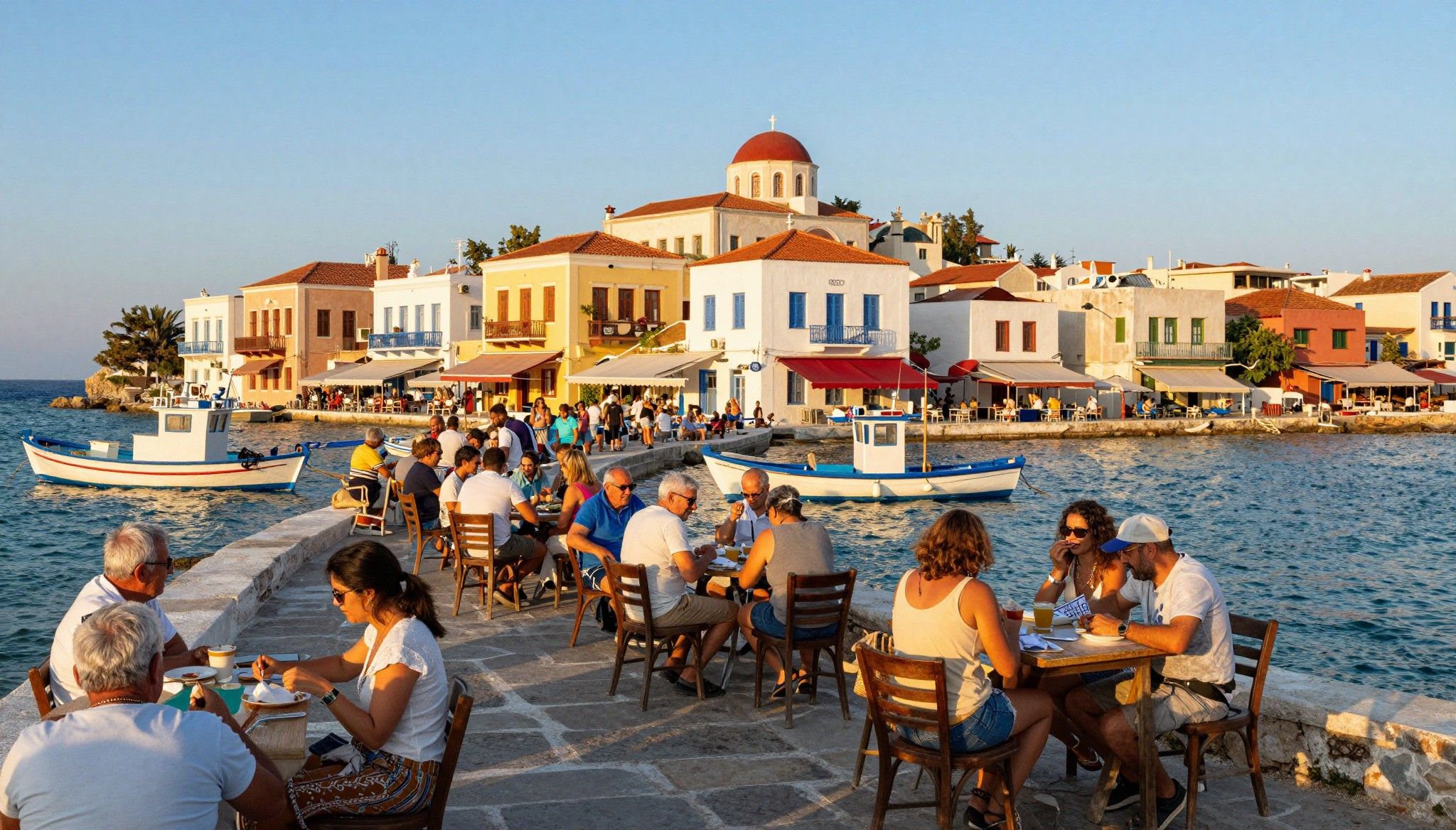
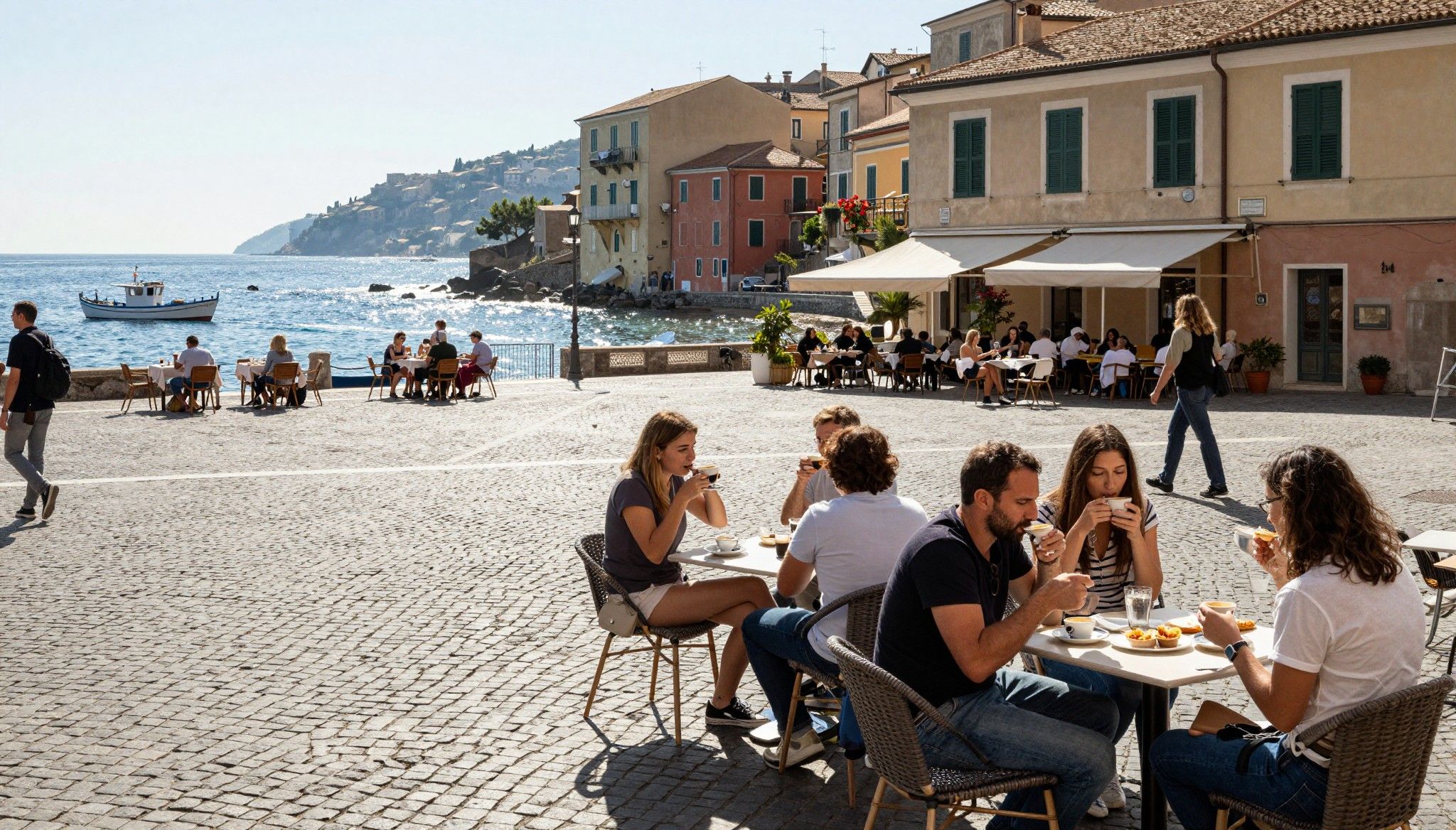
Imagine a Saturday morning in Aix‑en‑Provence: bicycles clatter, lavender and warm bread scent the air, and a small terrace cafe fills with neighbours debating the market price of a two‑bed on Cours Mirabeau. France feels like a collection of local rhythms — coastal mornings in Biarritz, evening markets in Lyon, and slow Sundays in Dordogne villages — and those rhythms shape where and how people buy. For international buyers, falling in love with a place usually comes first; understanding the fiscal realities must follow. This guide pairs the sensory life of France with precise, research‑backed tax and regulatory points you’ll need to plan smartly.
Living the France lifestyle
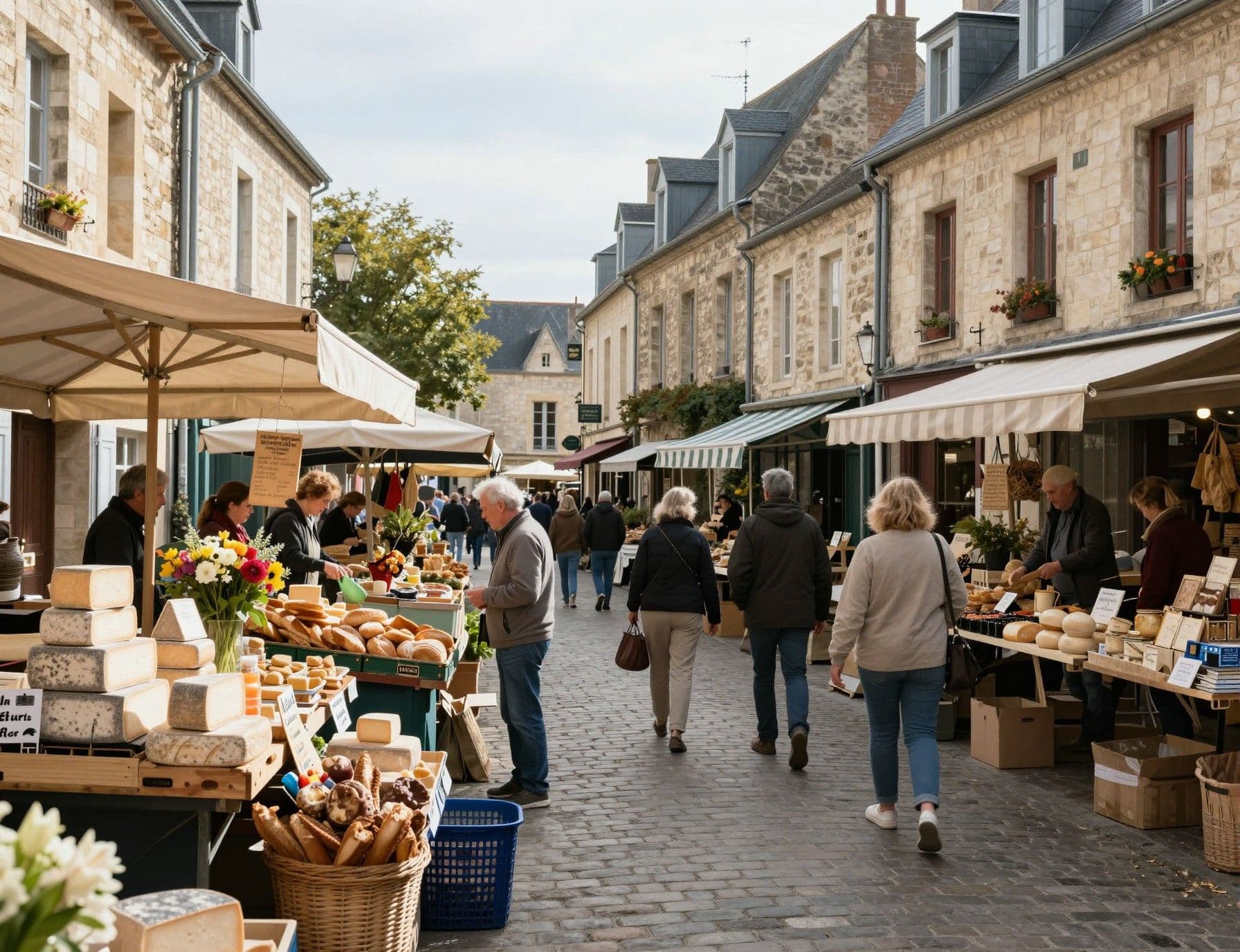
France is best understood as neighbourhoods stitched to seasons. In Marseille the early morning fish market sets a tempo; on the Côte d’Azur summers mean terrace life and later hours; in Lille winter cafes become social engines. These daily rhythms determine what property features matter: proximity to a market, a small garden, or a street that stays quiet after 10pm. When you imagine life in France, consider not just a view but the street where that view will shape weekends, markets, and friendships.
Neighbourhood spotlight: Le Marais to Saint‑Tropez
Le Marais in Paris is compact, walkable, and full of quiet courtyards — ideal if you want galleries and cafés within five minutes. Contrast that with Saint‑Tropez where summer streets pulse and many owners treat homes as seasonal retreats rather than full‑time living spaces. Where you buy determines more than price: it determines whether you’ll shop daily at the marché, host long dinners, or commute to a co‑working hub twice a week. Pick the rhythm first; the right property type follows.
Food, markets and local life
Food anchors life in France: think fish mongers in Marseille’s Vieux‑Port, morning boulangeries in Nantes, and the sprawling marchés in Nice. Buying near a reliable market often means day‑to‑day life is cheaper and more social, and these micro‑habits affect resale appeal. For buyers dreaming of a farm‑to‑table routine, coastal towns with weekly fish markets or inland towns with food festivals are premium lifestyle bets. These choices also shape practical needs like storage, kitchen layout and proximity to public transport.
Making the move: the fiscal reality

Here’s where romance must meet numbers. The headline costs that surprise most buyers are transfer taxes (DMTO), notaire collection fees, property taxes and, for investors, rental income and capital gains rules. Recent departmental choices permit higher transfer tax rates in some areas — that can raise closing costs by several thousand euros on a typical home. Read the fine print for the department where you buy; a 0.5 percentage‑point difference in DMTO is an immediate cost you can’t negotiate away.
Property transfer and notaire fees — what to expect
For a resale property expect total acquisition costs of roughly 7–8% of the purchase price; new builds are lower, typically 2–3%. The lion’s share is the state registration/transfer tax (DMTO) collected by the notaire; only a small regulated portion is the notaire’s emolument. Since 2025 some departments have adopted higher DMTO ceilings, so always ask the notaire for a written breakdown before signing. These costs are predictable and can be modelled into returns or living budgets from day one.
Taxation for non‑resident owners and rental income
Non‑resident owners pay the same local property taxes (taxe foncière) and must declare rental income in France. Rental income is taxed under French rules; social contributions and the withholding regime depend on your country of residence and treaties. Capital gains for non‑residents can include surtaxes for ownership under certain durations; international treaties alter the final tax. Work with a French fiscal adviser early — small structural choices (buy in personal name vs. SCI, for example) materially change tax treatment and probate pathways.
Insider knowledge: myths, tradeoffs and local rules
Myth: 'France is uniformly expensive.' Reality: price dispersion is wide — inner Paris and Côte d’Azur command premiums, while many western and rural towns offer historic stone houses for a fraction of coastal prices. Recent INSEE and notaires data show recovery and localized price increases, particularly around dynamic regional centres. The tradeoff is lifestyle: a low‑price village buy usually means a car, slower services, and different social life than in a provincial city. Know which tradeoffs you accept before you sign.
Practical red flags expats often miss
Unclear occupancy history or multiple short lets that hide maintenance issues
Assuming all departments apply the same transfer tax rate — they don’t
Ignoring energy performance (DPE) and future retrofit costs on older properties
How local experts protect lifestyle value
Ask an agency to provide a neighbourhood dossier including: 1) recent sales in the street; 2) DMTO rate applied by the department; 3) typical service and maintenance costs for the building; 4) market rental comparables if you plan to let the property.
Commission a pre‑purchase technical survey and an energy audit to estimate renovation and compliance costs before exchange of contracts.
Use an independent fiscal adviser to model tax scenarios (personal vs. SCI ownership) and check treaty impacts on rental income and capital gains.
Negotiate conditional clauses in the compromis de vente that protect time to secure finance, obtain certificates, and confirm occupancy.
Long‑term lifestyle lens
Think beyond the purchase year: schools, local medical access, and seasonal community dynamics determine whether a property continues to serve your life plan. For retirees, proximity to health services and mild microclimate matter; for remote workers, reliable broadband and coworking nodes are essential. The places that sustain happiness are walkable, social and resilient to regulatory change — local agencies with deep roots can flag those signals early.
Conclusion — fall for the life, plan for the numbers. France offers richly varied daily lives: coastal café culture, market‑driven country living, and urban neighbourhood intimacy. To protect that lifestyle, model departmental transfer taxes, estimate notaire fees, check energy performance and tax regimes for non‑residents before you commit. Your next step: ask your local agency for a street‑level dossier, a written fee breakdown from a notaire, and a tax scenario from a qualified fiscal adviser — then decide which rhythm of French life you want to live.
British investor turned advisor after buying in Costa del Sol since 2012. Specializes in cross-border compliance and data-driven investment strategies for UK buyers.