Don't Visit Greek Properties in July: When to Buy Instead
Visit Greece outside peak summer: spring and late autumn reveal true neighbourhood rhythms, better bargaining leverage, and clearer long‑term value for international buyers.
Imagine arriving in Athens on a sultry July afternoon: open‑air cafés are full, ferries sell out, and every open house feels like a festival. What you experience in peak summer—crowds, inflated asking prices, staged viewings—isn’t the full story. For international buyers, the best way to see what life in Greece truly looks like is to visit when the place breathes: spring and late autumn.
Living the Greece lifestyle
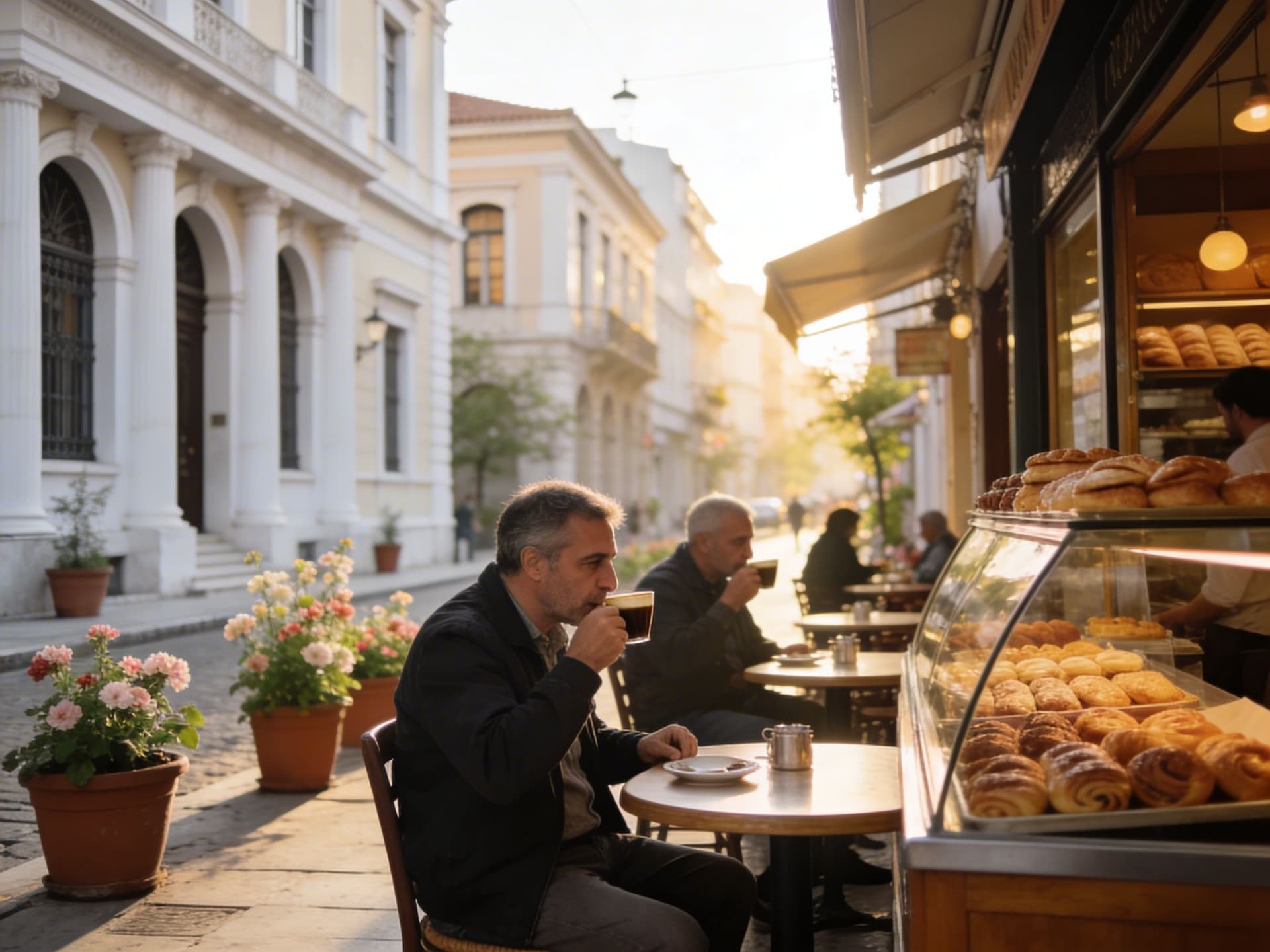
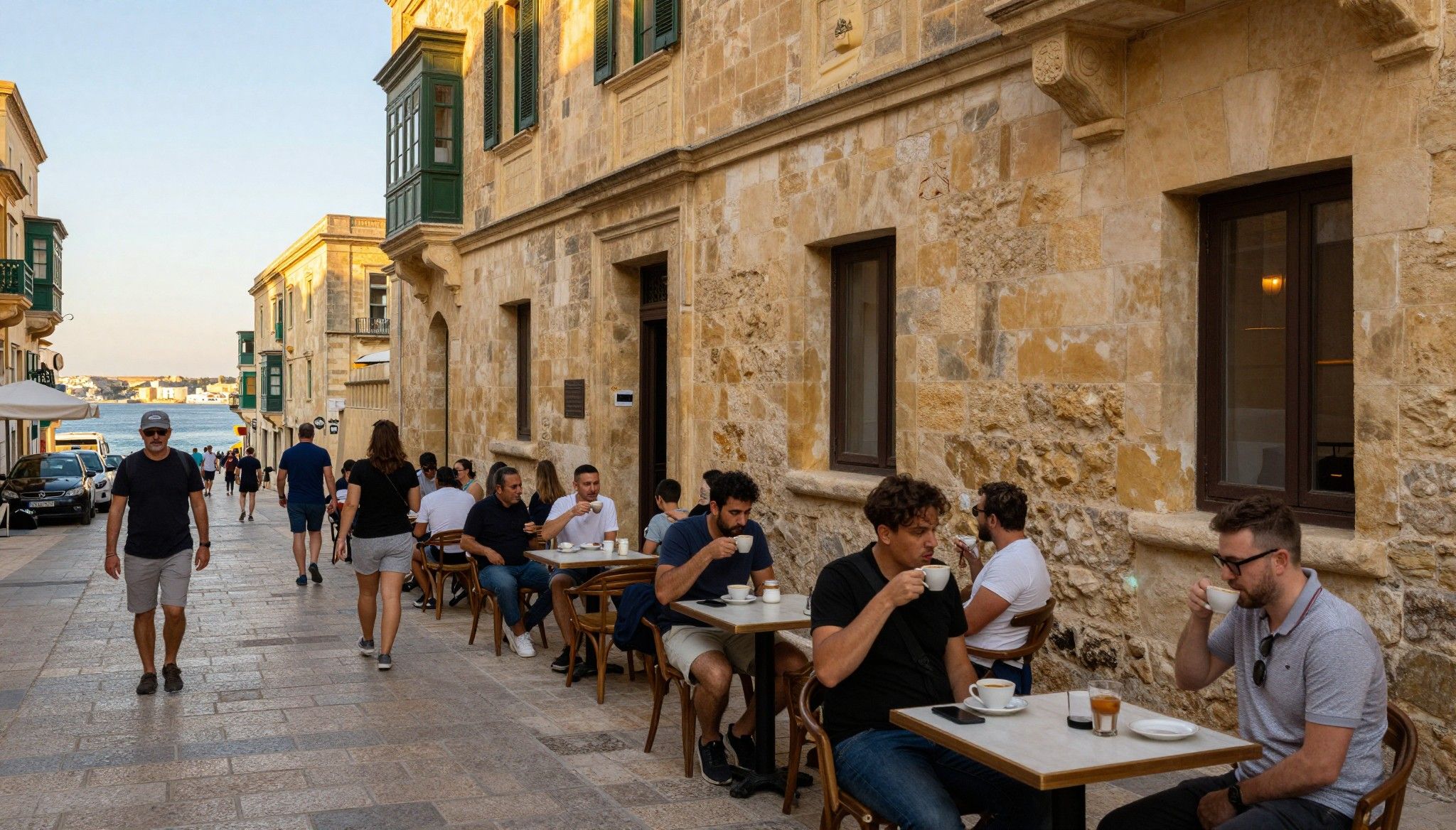
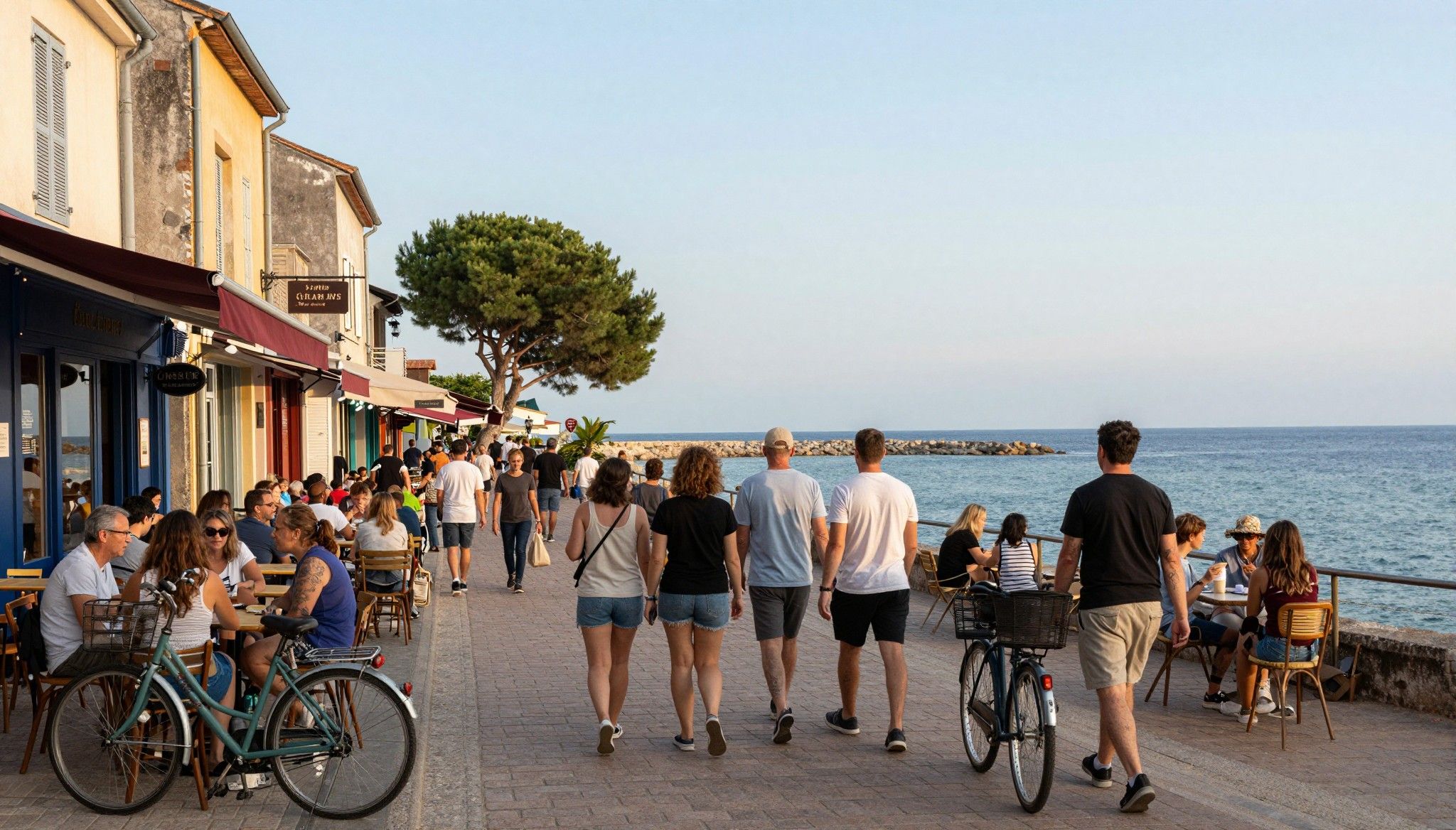
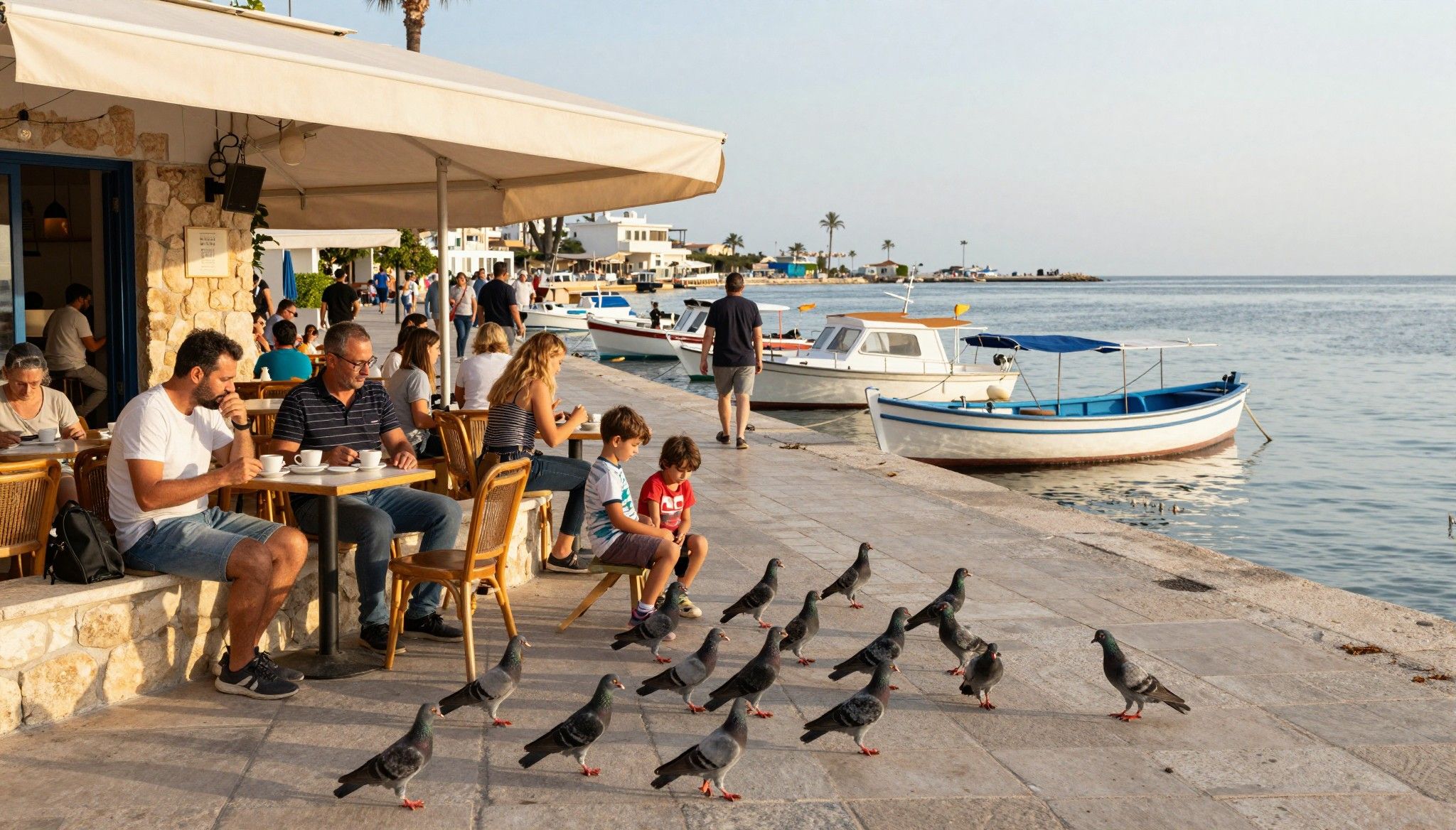
Greece moves to the rhythm of daylight and seasons. Morning espresso on a narrow street in Koukaki, a siesta‑light lull in many island villages by mid‑afternoon, and long dinners that begin after 21:00. Coastal towns like Glyfada feel different from Cycladic islands: the former blends beach clubs and mainland convenience, the latter trades convenience for blue‑white calm. Weather and pace shape which property suits you—terrace living in the islands, courtyard apartments in historic Athens neighbourhoods, or contemporary villas near Crete’s beaches.
Neighbourhood spotlight: Athens — Koukaki, Psirri, Kolonaki
Koukaki is for slow mornings and walking to the Acropolis; cafes spill onto pedestrian lanes and renovated neoclassical buildings house modern apartments. Psirri’s nightlife means later evenings and narrow streets full of artisans; buy here if you want city energy on foot. Kolonaki, upmarket and leafy, offers galleries and quiet terraces—expect higher price per square metre but notable resale liquidity.
Island contrasts: Cyclades vs. Ionian vs. Crete
Mykonos and Santorini carry strong seasonal demand and premium pricing; look to smaller Cyclades (e.g., Serifos, Sifnos) for quieter year‑round life and lower entry points. The Ionian—Corfu, Lefkada—leans greener, with longer shoulder seasons and family communities. Crete mixes scale and services, so properties there can be used year‑round and are attractive to buyers seeking local markets and amenities beyond summer tourism.
Making the move: practical considerations

Market momentum matters. Greece’s national house price index has climbed steadily through 2024–2025, with strong pockets of growth in Thessaloniki and Athens suburbs, and asking prices up in many coastal areas. At the same time, a high number of vacant properties—often in need of renovation—creates opportunities for value buyers who inspect outside high season and seek projects with long‑term rental or lifestyle plans.
Property styles and how they shape daily life
Stone townhouses and neoclassical flats give character and cool interiors in summer; modern seafront apartments offer ease and low maintenance. If you dream of terraces and outdoor dining, prioritise south‑facing balconies and wind‑protected courtyards. For remote work, check fibre availability and quiet streets; islands may require backup power or inverter systems for peak summer use.
How local experts turn lifestyle ideas into listings
- 1. Shortlist neighbourhoods based on daily routines (markets, schools, commuting). 2. Ask agents for winter/shoulder‑season photos and neighbourhood footfall data. 3. Commission a local energy and maintenance audit for older buildings. 4. Use lawyers to confirm technical file (topographiko) and building permits before deposit. 5. Negotiate season‑aware closing dates—delays are more likely across islands in August.
Insider knowledge: what expats wish they'd known
Two surprises often catch buyers: seasonal price distortion and evolving residency rules. Summer can mask true value—owners list at premium where demand spikes. Separately, post‑2024 Golden Visa thresholds and region rules changed the calculus for investors: buying in high‑demand zones now requires higher minimums, so consider secondary islands and mainland regions for better entry points.
Cultural integration and everyday life
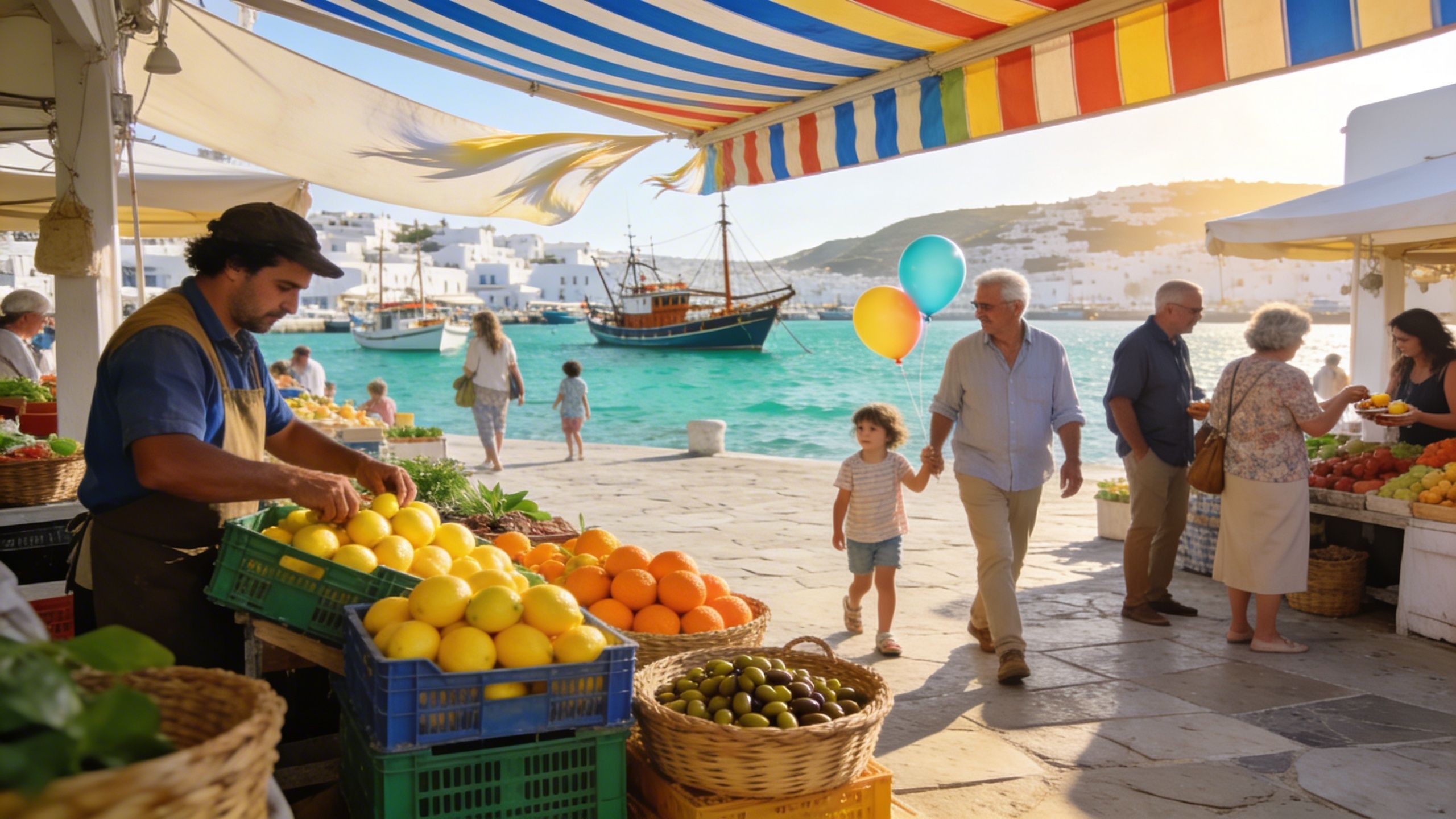
Language barriers fade quickly when you join local routines: the fruit market on a Tuesday morning, volleyball at the beach on Sundays, and a neighbourhood taverna that remembers your order. Learn simple phrases, accept a slower tempo for official appointments, and enjoy that community introductions—hosted by neighbours rather than by institutions—open doors far faster than formal networking.
Practical long‑term considerations
- • Expect maintenance needs in older masonry buildings; budget 5–10% of purchase price for immediate works if restoring. • Factor seasonality into rental revenue expectations—island yields spike in summer but require year‑round strategy for stability. • Check local planning rules for extensions; coastal setback rules are strict in many regions. • Use a local property manager to handle seasonal turnovers and compliance with short‑term rental regulations.
Conclusion: fall for the life, but inspect the numbers. Visit in spring or late autumn to understand pace, test daily routines, and see properties in realistic use. Work with agencies that provide off‑season data, local contractors, and legal teams versed in recent Golden Visa and planning changes. Do that, and Greece can deliver both a distinct Mediterranean life and resilient value.
Danish relocation specialist who has lived in Barcelona since 2016. Helps families move abroad with onboarding, schooling, and local services.