When Italy Feels Pricey — Where Value Hides
Italy’s lifestyle hides neighbourhood value: test streets across seasons, prioritise daily rituals over postcard addresses, and use local experts to translate life into property value.
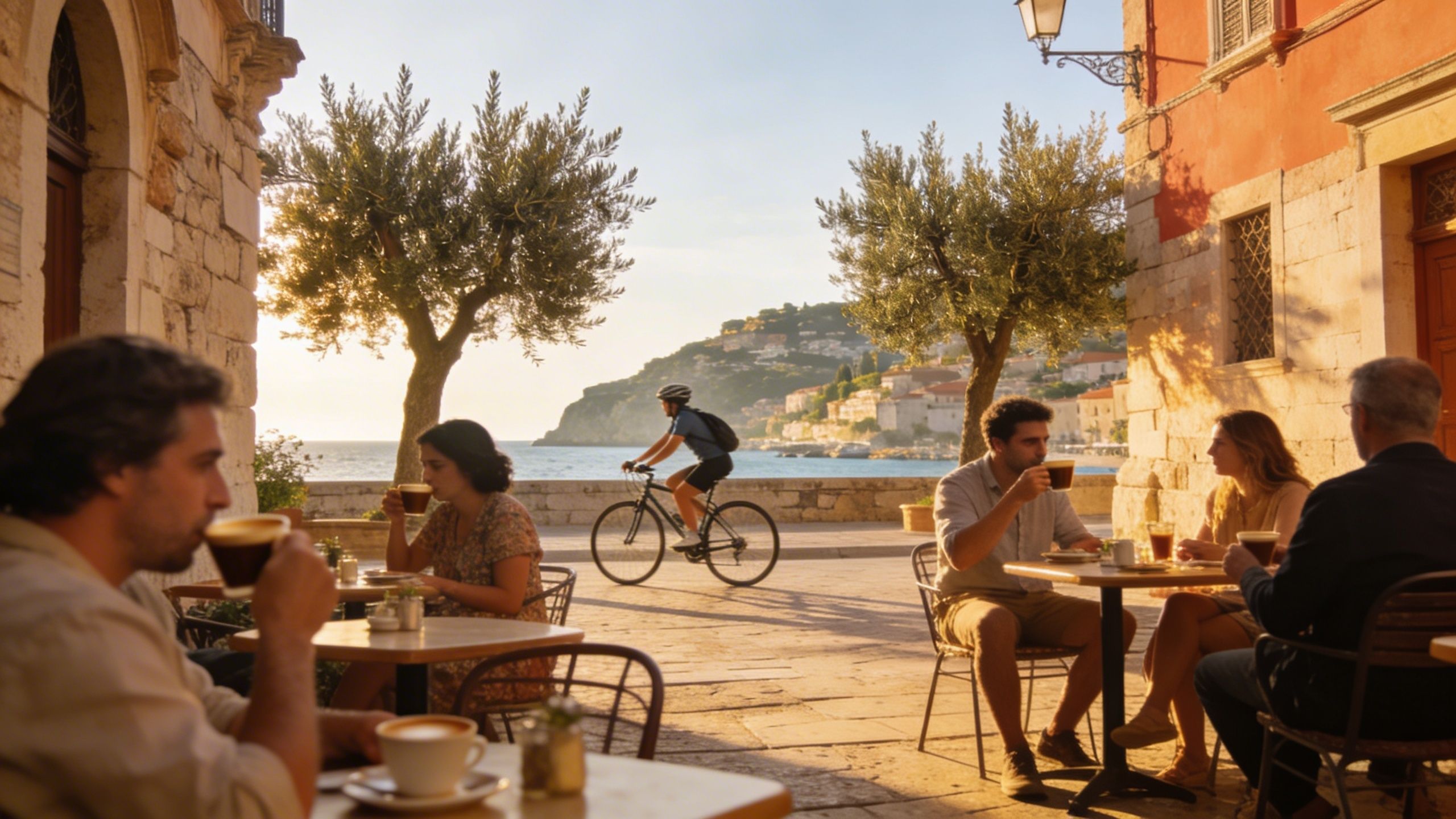
Imagine waking to an espresso in a tiny piazza in Lecce, cycling past olive groves at sunset in Puglia, then finishing the week with a weekday opera night in Turin. Italy is not one place but a dozen lifeways stacked close together — historic centres, soft coasts, working countryside — and that variety is exactly what international buyers fall for.
Living the Italy lifestyle
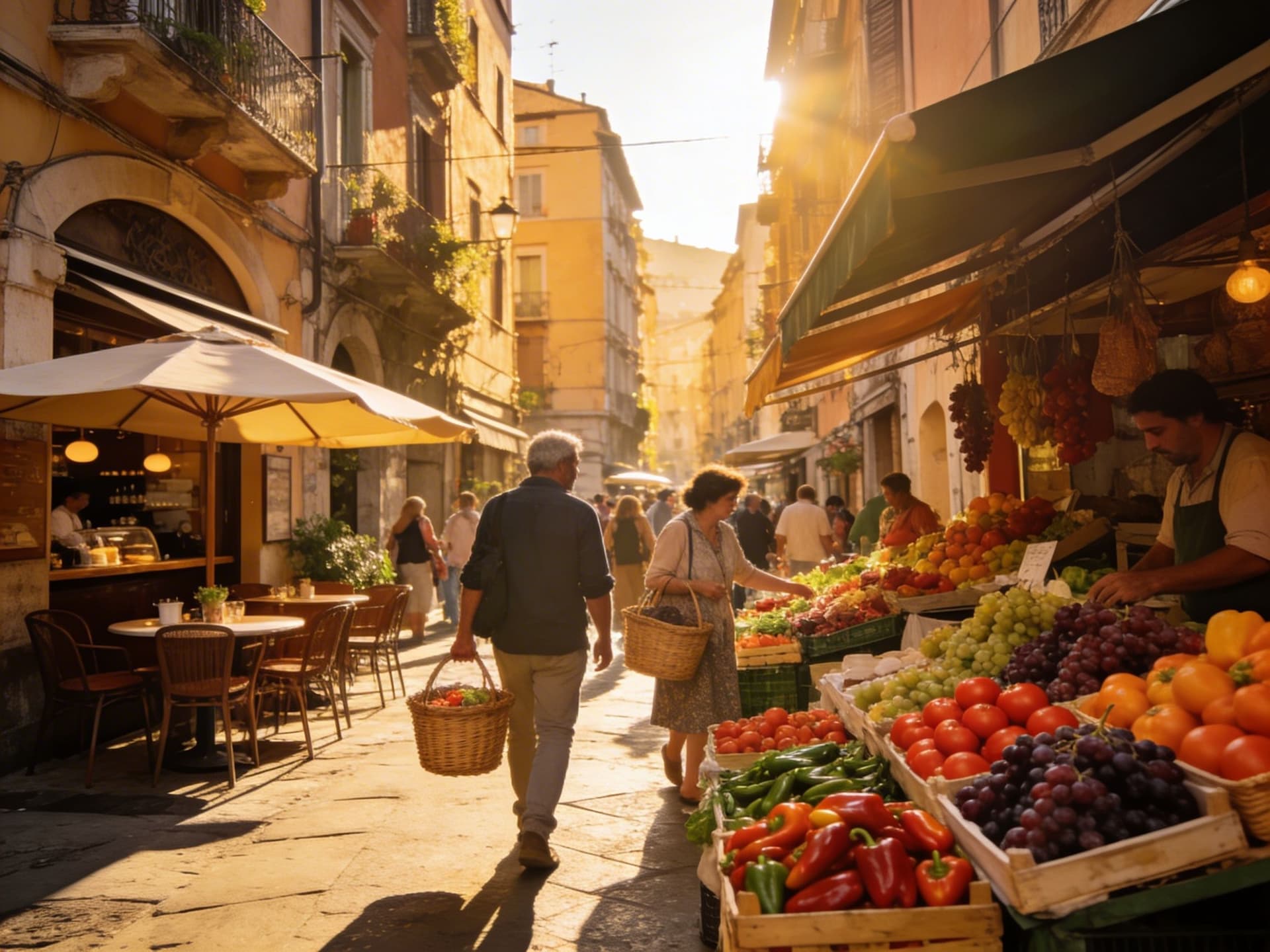
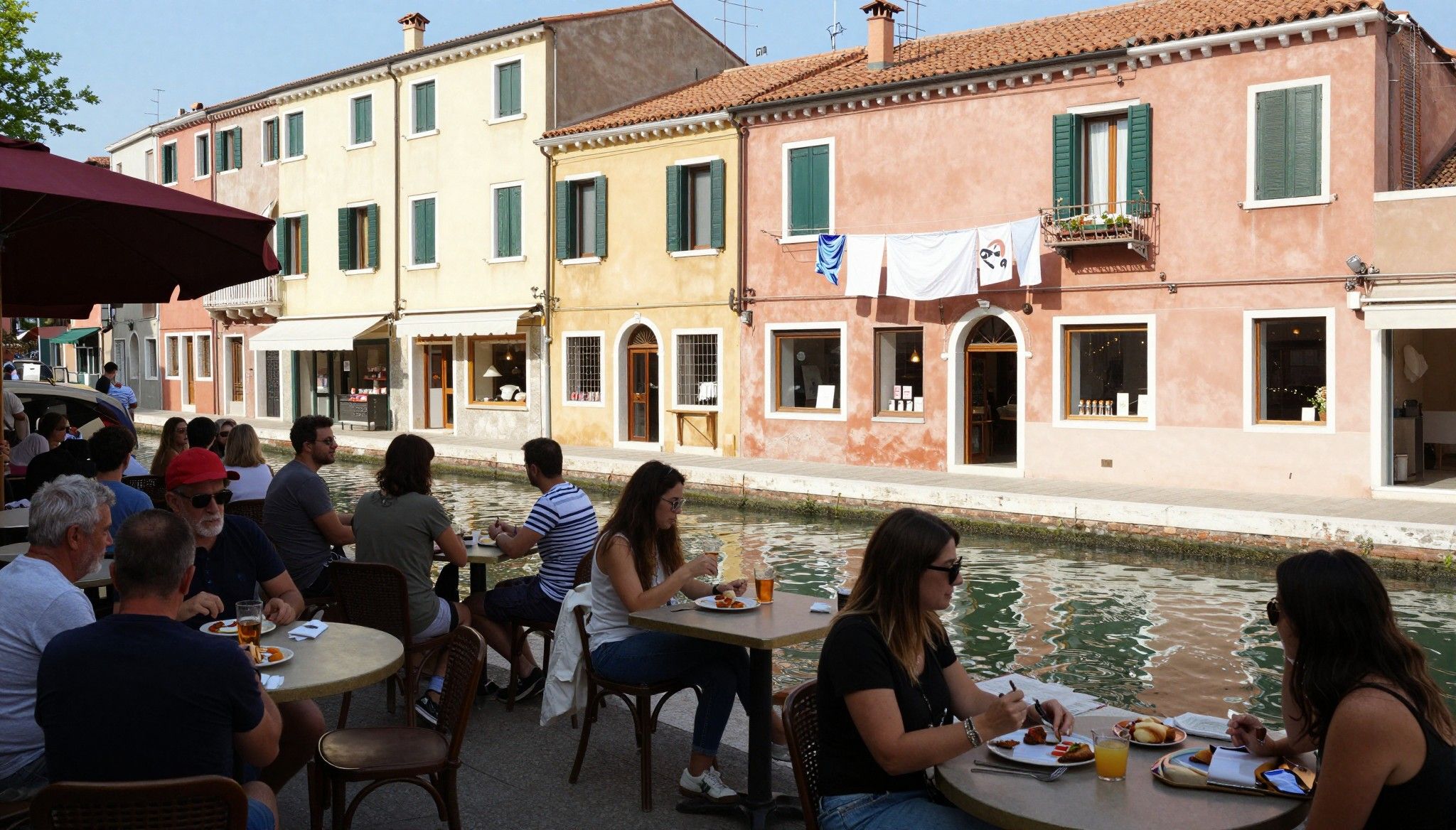
Daily life in Italy is tactile: morning bread from a forno, a slow lunch on market produce, late afternoons lingering over wine. Each region carries its own rhythm — the north’s precise workaday cadence, central Italy’s ritual of coffee and aperitivo, the south’s relaxed hours. For property buyers this means your neighbourhood defines your calendar as much as the house does.
Neighbourhood spotlights: where lifestyle and price diverge
Rome’s Trastevere charms with cobbled lanes and trattorie but commands a premium; step two tram stops out to San Saba and you find similar street life at lower prices. In Milan, Brera has gallery energy — yet pockets like Lambrate or Isola reward buyers seeking community, coffee culture and still-improving transport links. In Florence, the Oltrarno quarter feels lived-in compared with the tourist-saturated Duomo perimeter.
Food, markets and the social glue
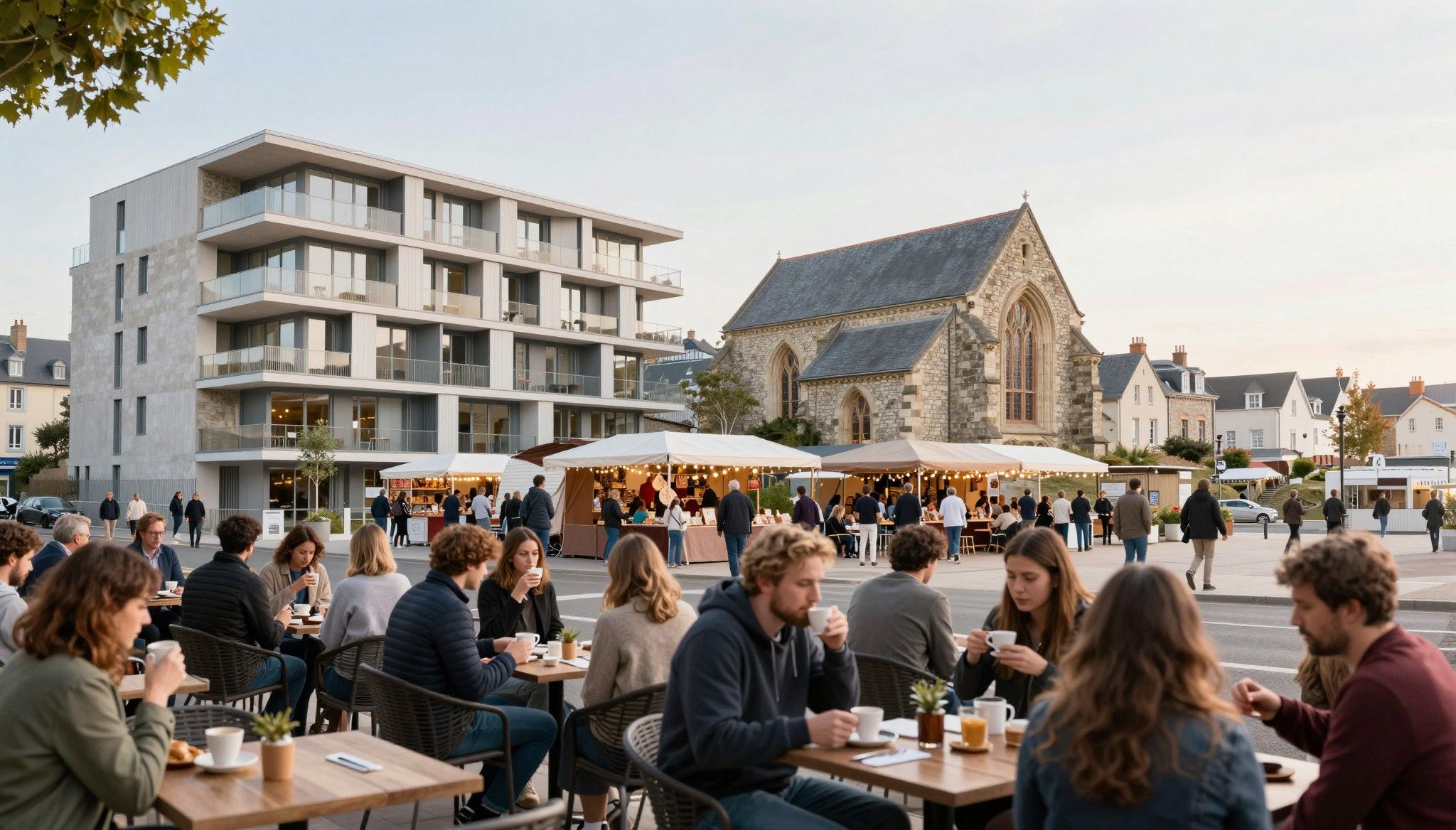
Markets are the heart of neighbourhood life: Mercato di Testaccio in Rome or Campo di Fiori (early morning) set the week’s menu and friendships. Tourism data from ISTAT shows non-resident tourist nights grew substantially through 2024, which reshapes where short-term rental income is realistic and where locals push back against overtourism. That matters when choosing a street versus a landmark address.
- Local highlights to taste and test the lifestyle
- Early-morning market run: Mercato Centrale (Florence) or Porta Palazzo (Turin)
- Coffee and conversation: Bar Pasticceria in an Oltrarno side street
- Beach afternoons: Giardini Naxos near Taormina or the less crowded stretches around Pesaro
- Sunday paseggiata: main square in a small hill town (e.g., Montepulciano or Orta San Giulio)
Making the move: lifestyle meets market reality
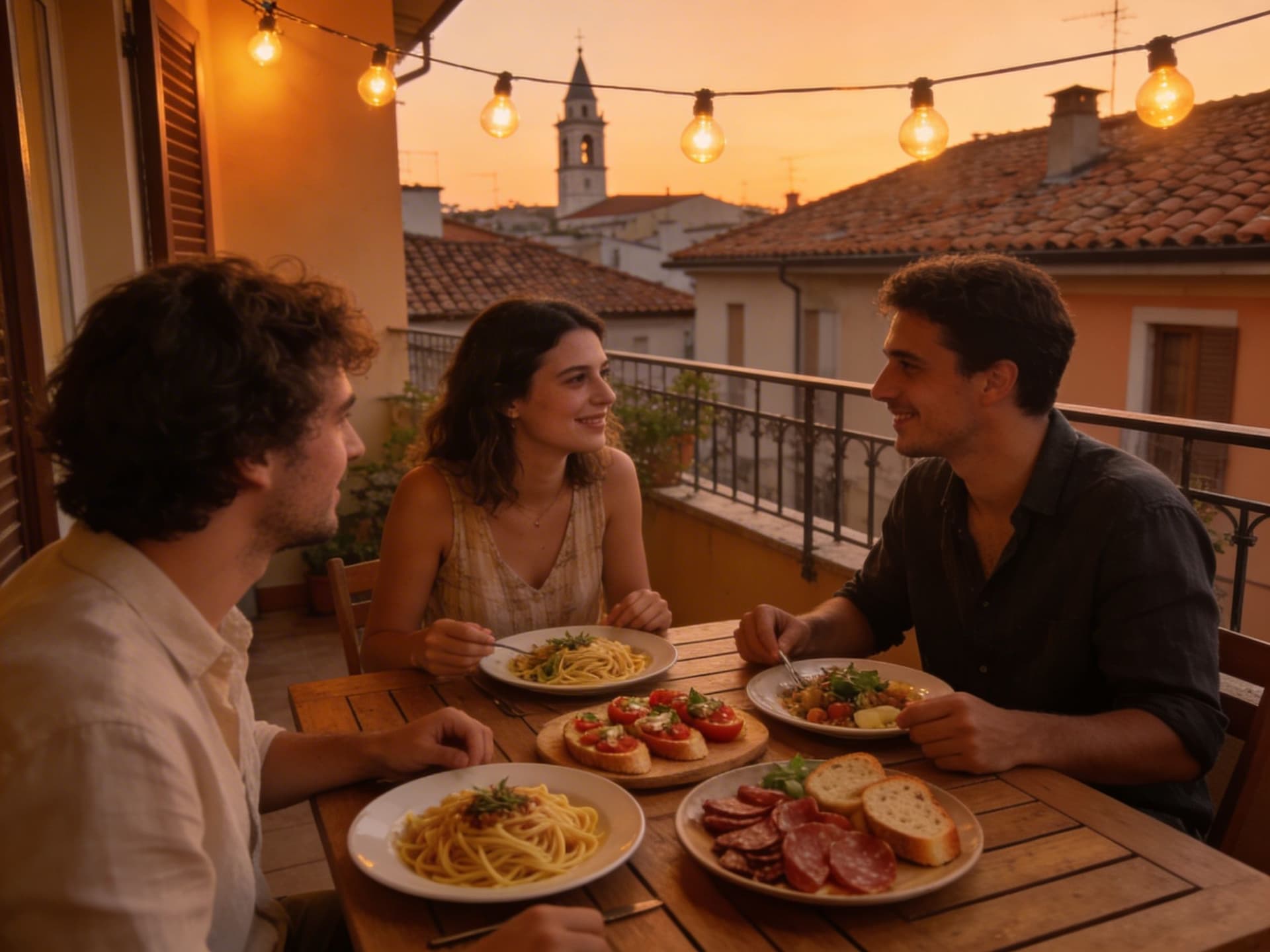
The dream and the spreadsheet must agree. Recent market reporting points to steady demand for renovated, energy-efficient homes in central locations — but price diverges sharply from city centre to inner-urban neighbourhoods. That gap creates opportunity for buyers willing to prioritise daily life over headline addresses.
Property types and how they shape life here
A palazzo apartment gives you history and high ceilings; a converted farmhouse outside Siena gives space, olive trees and a different pace. New-builds in Milan or Bologna typically offer better insulation and easier management but trade off character. Choose by how you want to spend mornings and weekends, not just by price per square metre.
Working with local experts who know the life you want
An agency that knows the neighbourhood’s rhythms — where markets open, which streets fill with students, where councillors are restricting short-term rentals — saves weeks of trial-and-error. Ask agencies about local rules on holiday lets, typical renovation costs, and the neighbour profile (families, students, retirees).
- Steps to match a lifestyle to a property
- 1. Spend three separate days in the neighbourhood at different times (market morning, weekday evening, weekend afternoon).
- 2. Test commute times: drive, public transport and bicycle at the hours you will use them.
- 3. Meet a local agent, a renovator and a property manager before making an offer.
Insider knowledge: what expats wish they'd known
Expat buyers often underestimate seasonality and local reactions to tourism. ISTAT data show tourism nights are concentrated and growing; in art cities that can mean summer crowds and municipal responses such as zoning limits or short-term rental restrictions. That affects rental income predictability and daily life — the quiet, lived-in feel of a neighbourhood can change across months.
Cultural integration and everyday civility
Language matters less for everyday kindness than willingness to join local rhythms: learn the routine of baristas, shopkeepers and the municipal office hours. Volunteering at a local festival or joining a mercato early will introduce you quicker than online groups. Small courtesies — a simple buona giornata or knowing local recycling rules — go far.
Long-term life: how places evolve and where value grows
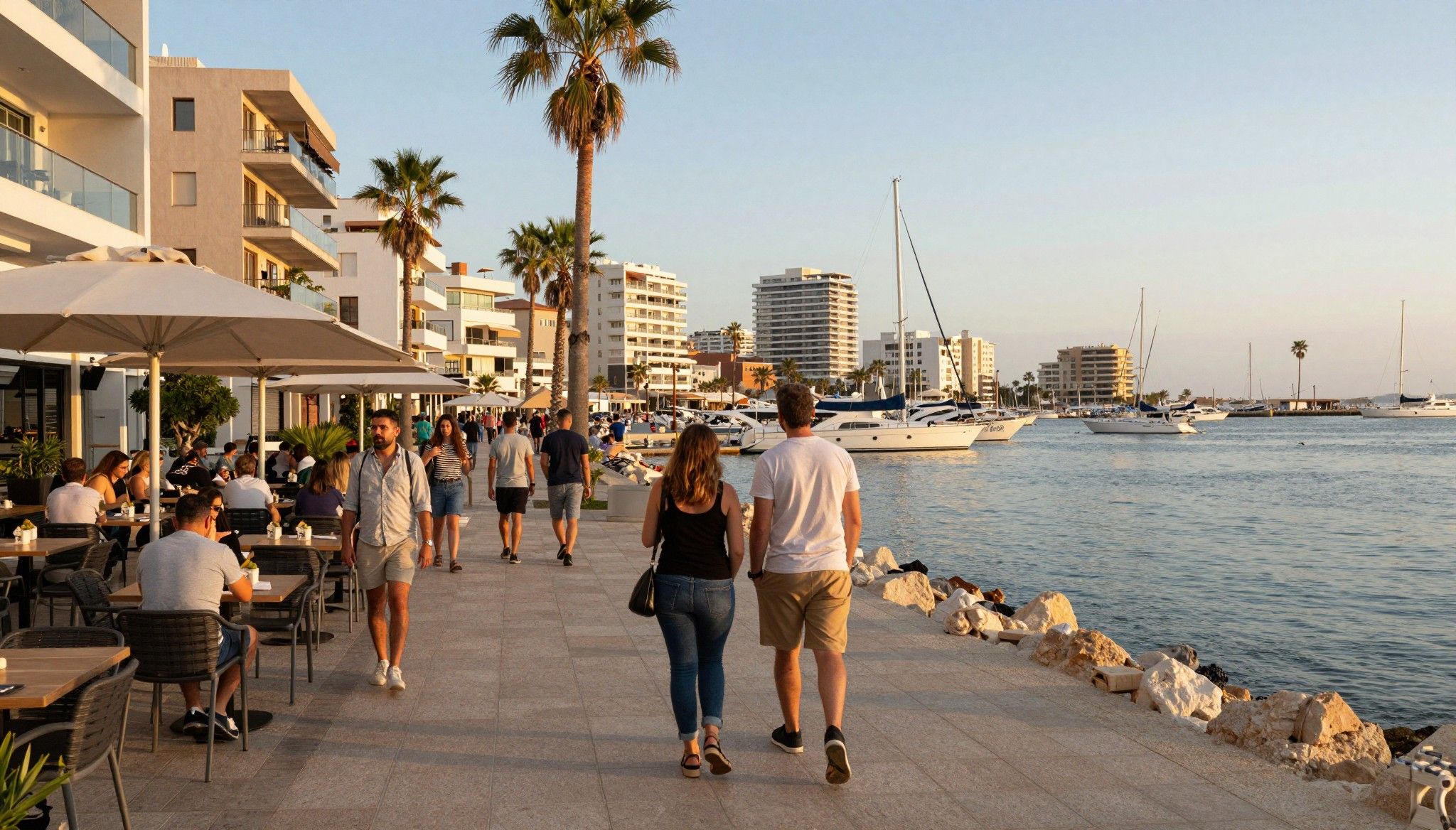
Investment often follows quality of life improvements: improved transport links, a new market, or a regenerated waterfront frequently preface price gains. Central Italy has seen renewed interest in renovated homes; in many cases buyers who chose neighbourhood life over headline views captured better mid-term returns.
- Red flags local buyers avoid
- Properties with repeated short-term lets but no proper licences — a signal of potential municipal sanctions.
- Buildings without recent energy upgrades in colder northern areas — expect higher running costs and renovation levies.
- Streets where daytime commerce collapses out of season — good for bargains, harder for year-round life.
Before you sign: check licences for short-term rentals, confirm recent energy upgrades, and ask neighbours about seasonal rhythms. These three checks preserve both lifestyle and upside.
Conclusion: Italy invites a practical romance. Fall in love with the street, the market and a local barista, then use empirical checks to protect that life: test the neighbourhood across seasons, work with agencies who know local rules, and prioritise property features that let you live the life you pictured. When lifestyle and due diligence align, Italy becomes both joy and a durable holding.
British investor turned advisor after buying in Costa del Sol since 2012. Specializes in cross-border compliance and data-driven investment strategies for UK buyers.