Croatia: Seasonal Scenarios That Change Where You Buy
Discover Croatia’s lived rhythms—coast, islands and inland—and three scenario tests that turn seasonal romance into a sustainable property decision.
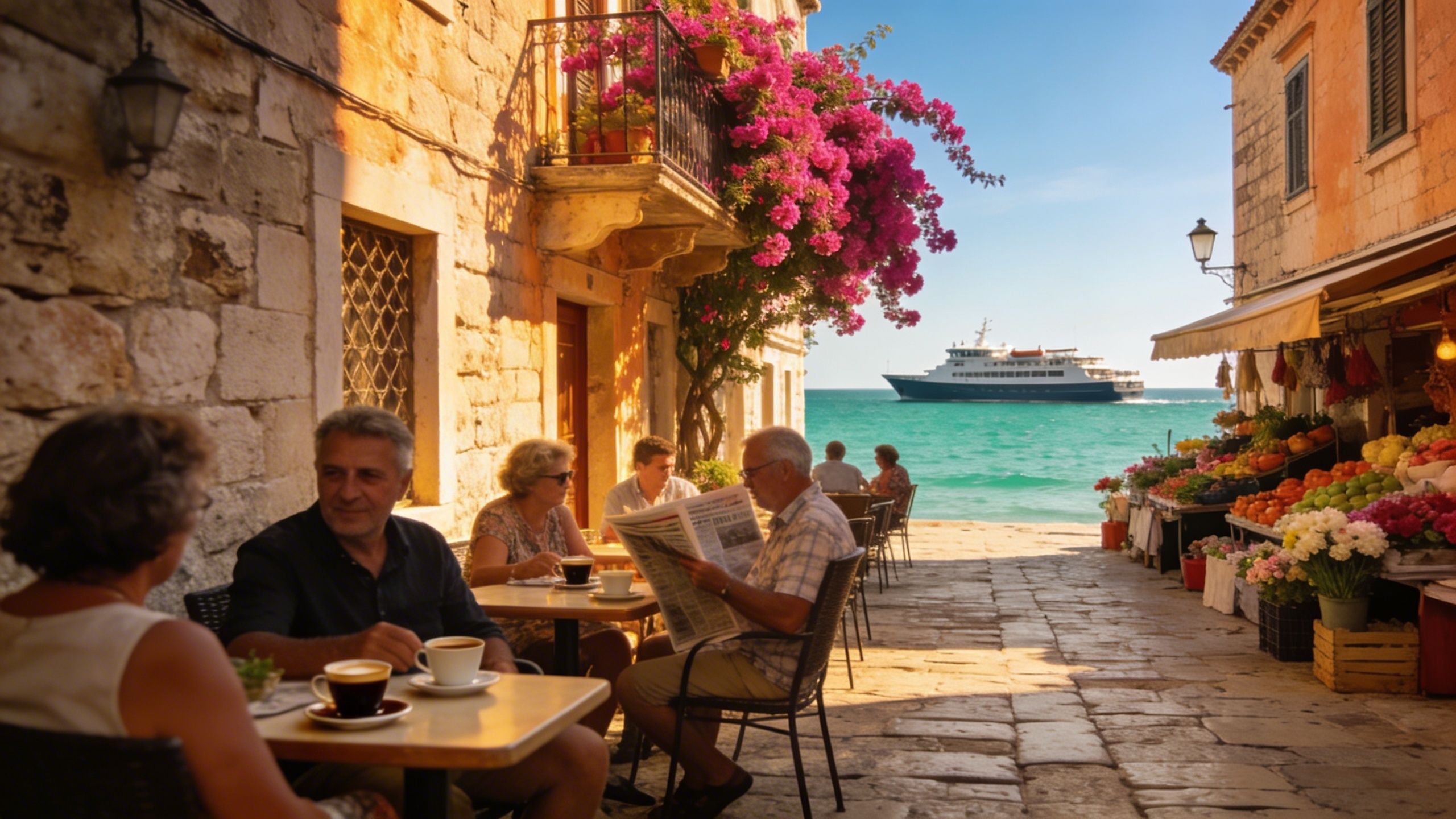
Imagine strolling an Adriatic morning: espresso at a corner café in Split, fishermen hauling nets near a stone quay, and bougainvillea shading narrow streets that still keep the day cool. In Croatia life moves between islands and inland olive groves, between late‑night konobas and day‑long beach rhythms; for many international buyers the country is less a single product and more a set of lived scenes. This guide pairs that sensory life with hard market thinking—seasonal signals, where demand really sits, and the scenarios that turn a seaside daydream into a sustainable home or investment.
Living the Croatia lifestyle
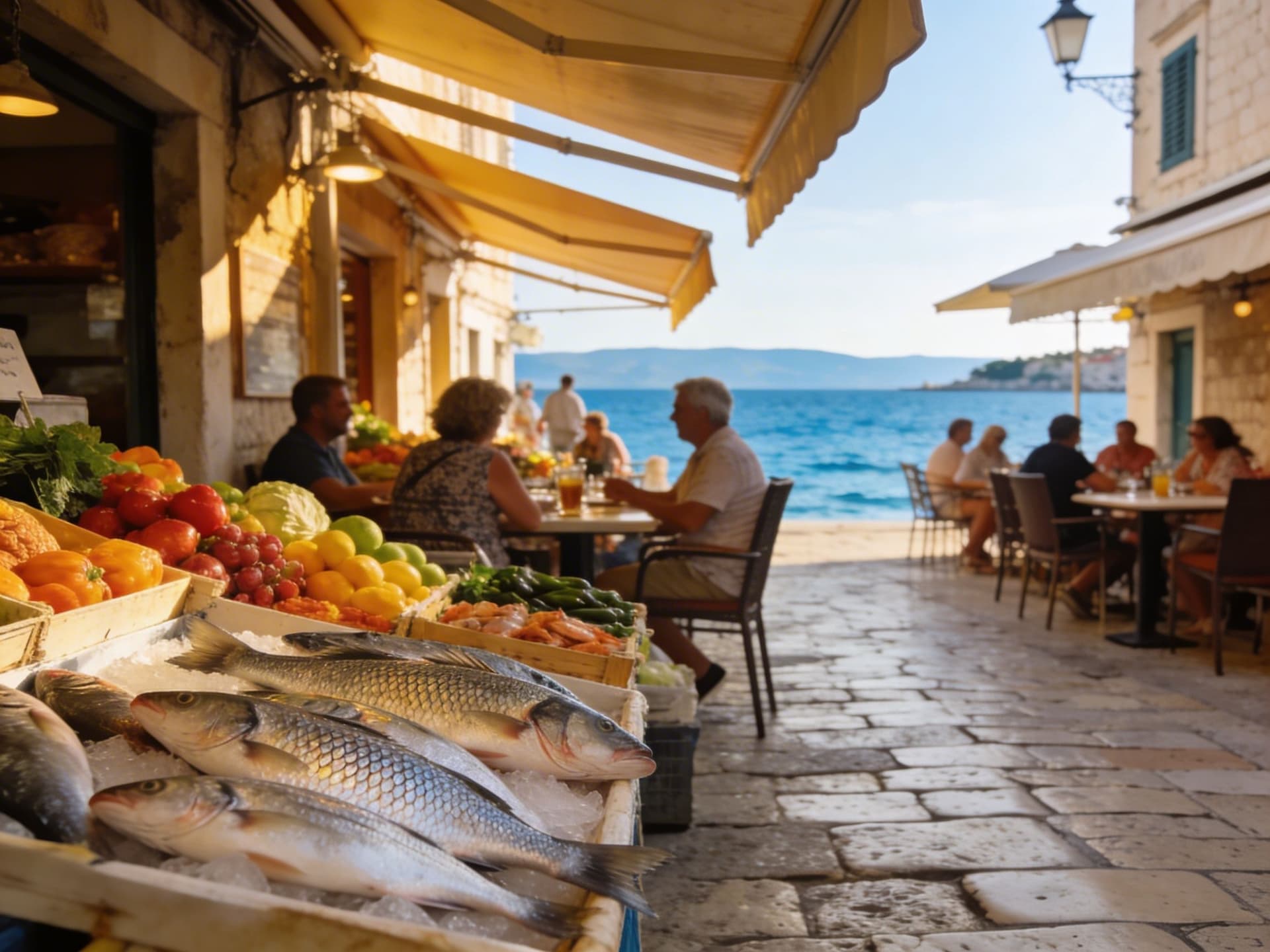
Wake up in Istria and your morning might be truffle markets and cycling lanes; wake up in Dubrovnik and the day will smell of salt and grilled fish. Croatia’s life is strongly local: coastlines pulse in summer with international visitors while continental towns like Varaždin or Samobor hum year‑round with local markets and cafés. Knowing which rhythm you want—island calm, coastal bustle or quiet inland life—changes not only where you buy but what property type will deliver the life you imagine.
Coastal pockets: from Dubrovnik lanes to Split’s Riva
The coastal towns each have a distinct tempo: Dubrovnik’s Old Town is historic and highly seasonal; Split balances a UNESCO centre with a growing marina and year‑round cafés on the Riva; Trogir and Šibenik offer quieter harbour life with easier access to mainland services. Small islands—Hvar, Brač, Korčula—deliver postcard summers but require winter planning for supplies, maintenance and rental demand shifts. Practical note: seaside demand is still the main driver of prices and liquidity, but it’s concentrated in a few hotspots rather than evenly spread across the coast.
Continental and Istrian life: markets, wine and calmer calendars
Istria and inland Croatia reward buyers who want a year‑round community: open‑air markets in Poreč, slow wine bars around Motovun and town festivals that extend the social season into autumn. Policy changes—Schengen and euro adoption—have already smoothed travel and payments, nudging more continental towns into longer‑season tourism and second‑home demand. As the OECD observes, tourism underpins a large share of service exports and local employment, so inland lifestyle choices are increasingly viable as the country broadens its offer beyond summer sun.
Making the move: practical considerations
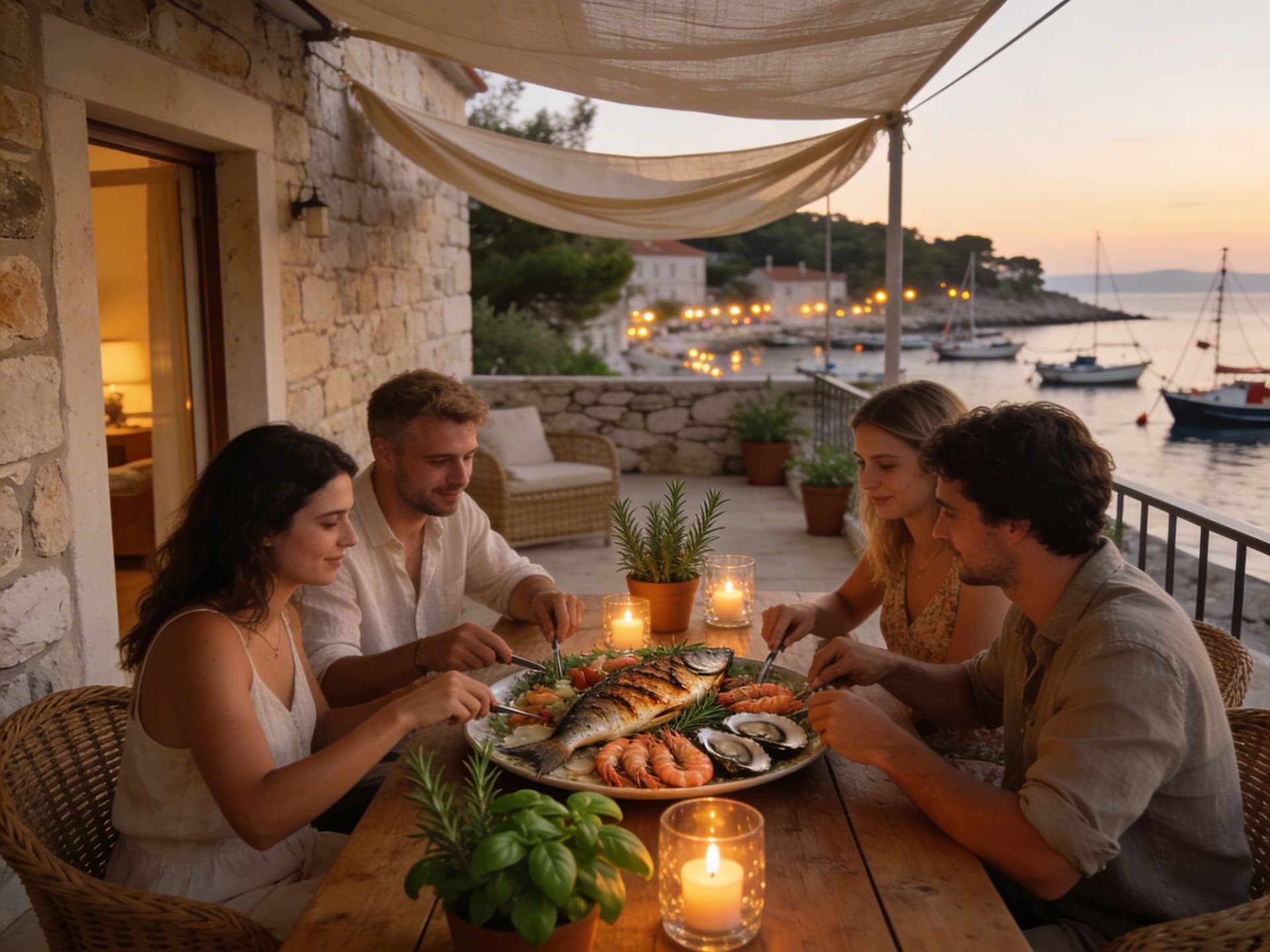
The dream—sea views, cafés and neighbours who wave—meets reality through three variables: seasonality of demand, local infrastructure, and legal/transactional clarity. Croatia’s tourism rebound and strong visitor numbers (record years in 2024) mean summer rental returns can be attractive, but they also concentrate short‑term demand into months that require active management. A property that delivers everyday comfort in October as well as July is often the better long‑term buy for life and liquidity.
Property styles and how you'll live in them
Stone townhouses in Dalmatia suit someone who wants morning markets and an urban rhythm; modern new builds with terraces work for remote workers seeking fast broadband and low maintenance. Inland renovated farmhouses bring land and privacy but demand renovation budgets and sometimes modern heating or insulation upgrades. Choose by how you intend to use the property: full‑time home, seasonal getaway, or hybrid live/rent—each has different structural and running‑cost priorities.
Working with local experts who know the life
A good local agency does more than show listings: they surface quieter streets where locals buy, explain winter access to an island, and introduce you to reliable managers. Expect agencies to offer seasonal demand maps, connections to trusted builders and local accountants, and references from other internationals. Don’t hire the loudest marketer—hire the agent who knows where the post office, ferry, and best grocery each town relies on are located; those details shape daily life.
Insider knowledge: scenarios most buyers miss
Many buyers assume Croatia is either 'always busy' or 'quiet off‑season'—the reality is a patchwork. 2024 recorded strong visitor growth and rising revenues, which creates opportunity but also concentrated pressure on services in peak months. Smart buyers model three scenarios—holiday rental upside, shoulder‑season stabilisation and full‑time residency—to stress‑test cashflows and lifestyle outcomes before committing.
Cultural integration and daily life
Croatian communities value slow introductions: greetings at the bakery, a lunch‑time coffee handshake and gradual trust building. Learning basic Croatian phrases and attending local events—village festivals, wine fairs, or market mornings—accelerates integration and unlocks local advice about tradespeople and services. Expect different paces: islanders prioritise supply planning, urban residents prize convenience, and inland towns focus on family networks.
Long‑term lifestyle and market signals to watch
Watch for infrastructure lifts (airport links, ferry frequency), policy shifts that affect tourist flows, and local planning permissions that open or close supply. These variables change both living convenience and resale liquidity. Rely on data from official sources and local registries when modelling scenarios and ask your agent for historical booking patterns and off‑season occupancy rates.
Conclusion: how to turn affection into a resilient purchase
If Croatia’s lifestyle pulled you in, make sure the numbers keep you there. Build three scenarios—holiday upside, shoulder‑season living, and full‑time residency—check local infrastructure and agency referrals, and prioritise properties that feel lived in across seasons. When you pair the sensory pleasures of market mornings, island ferries and seaside terraces with scenario planning and local expertise, you buy both a life and an asset that can weather the seasons.
Quick action checklist:
1. Visit in shoulder season (April/May or September/October) to test daily life and services. 2. Request 3 years of local booking data if considering short‑term rental. 3. Ask an agency for a neighbourhood running‑costs breakdown (energy, water, maintenance). 4. Verify ferry/airport frequency for islands and remote coasts—winter accessibility matters. 5. Obtain references for local property managers and builders before signing.
Swedish strategist who relocated to Marbella in 2018. Specializes in legal navigation and tax planning for Scandinavian buyers.