Why Croatia’s “Expensive” Label Hides Opportunities
Croatia’s coastal charm masks tax and regulatory patterns that create unexpected buying opportunities—compare VAT vs. transfer tax, check reciprocity, and prioritise year‑round neighbourhoods.
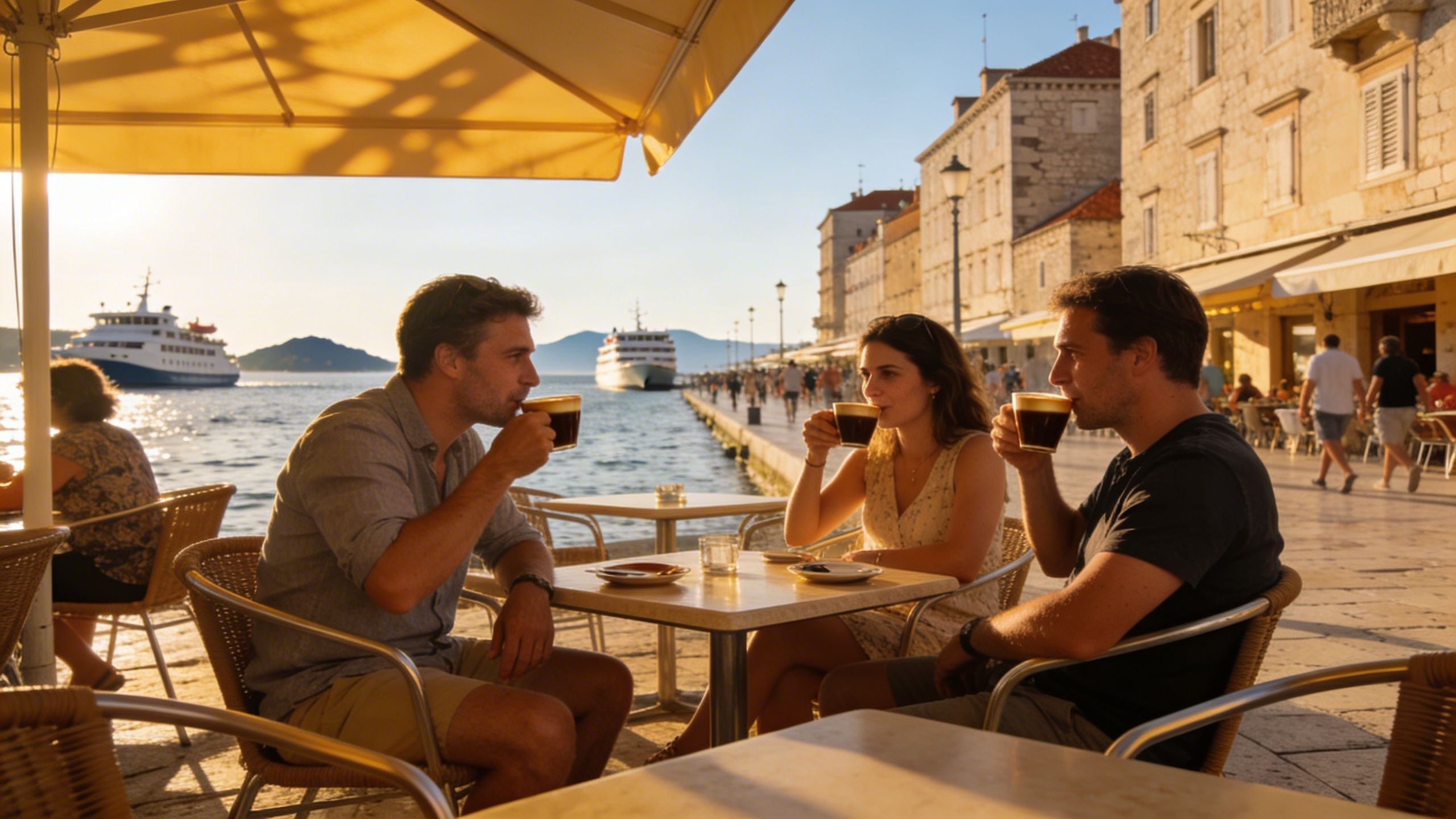
Imagine sipping espresso at a sunlit table on Split’s Riva, then walking five minutes to a limestone alley where a 19th‑century stone house hides a modern apartment with sea breezes and surprisingly reasonable taxes. Croatia’s coastline feels cinematic — fishermen, island ferries, and markets heaving with mandarins — but headlines often reduce the market to “expensive coastal hotspots.” The truth is more nuanced: policy changes, VAT rules on new builds, and reciprocity laws shape where value sits. This guide mixes that lived-in coast-life with the legal and tax signals every international buyer should know before making an offer.
Living the Croatian lifestyle
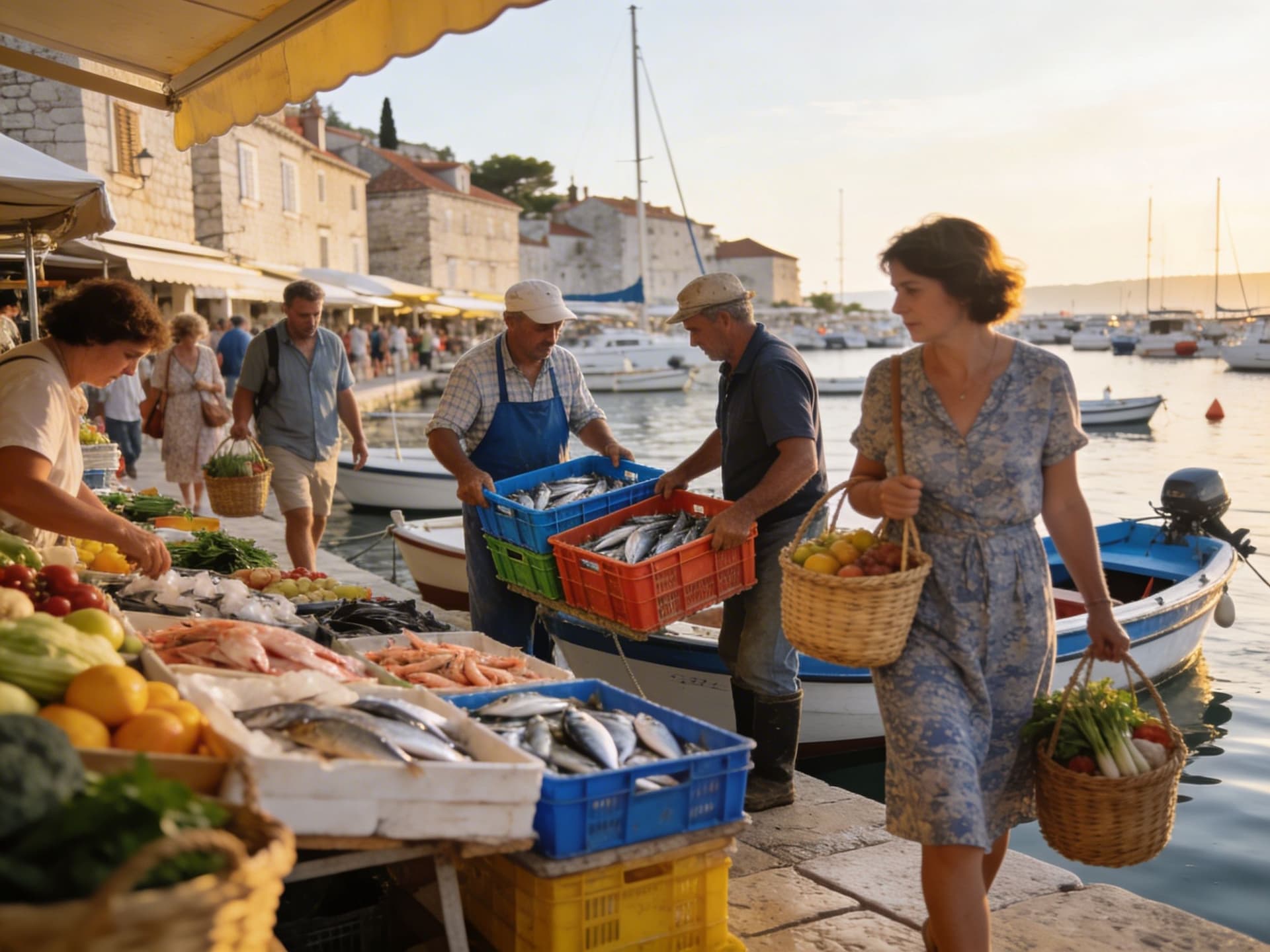
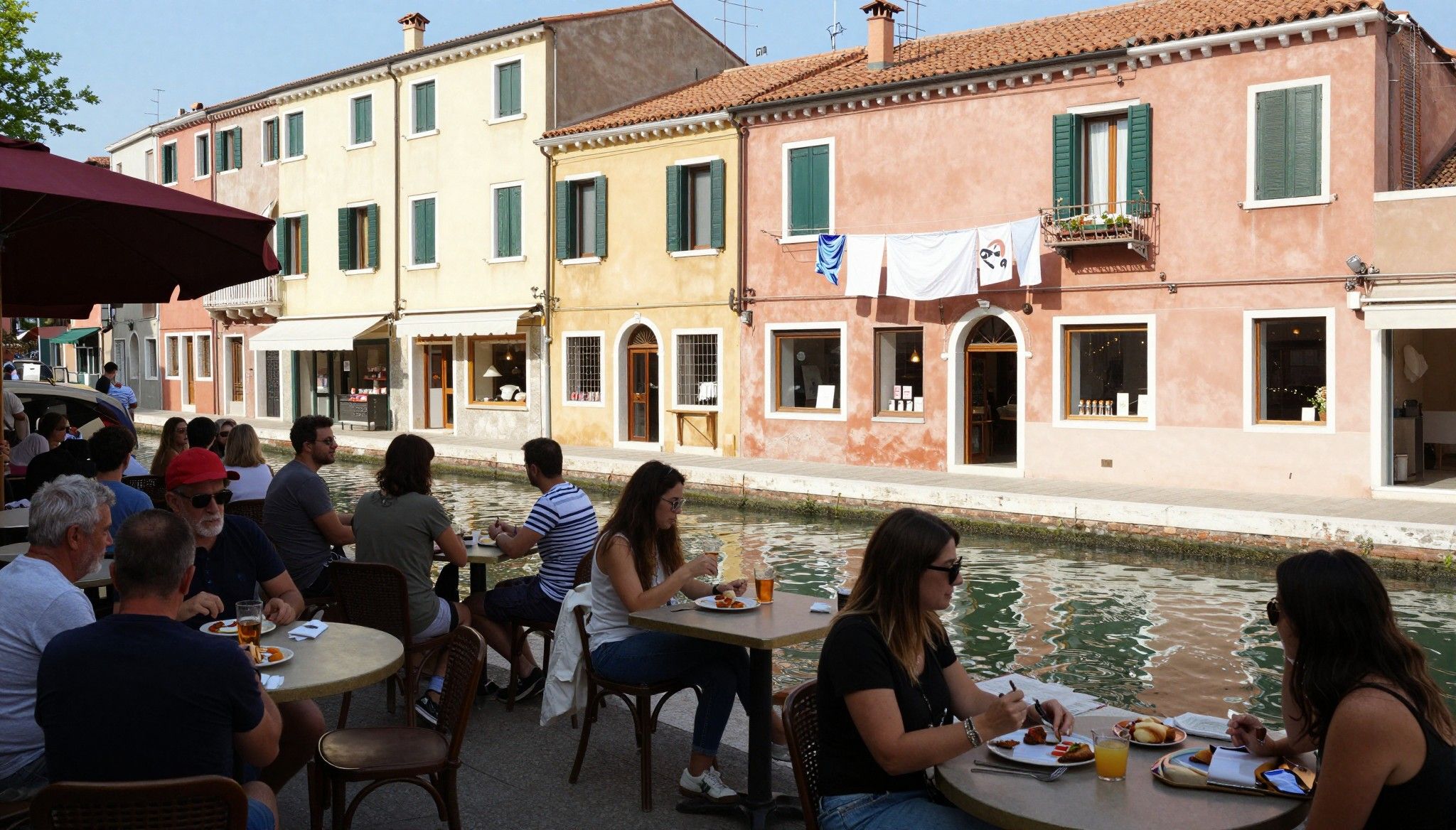
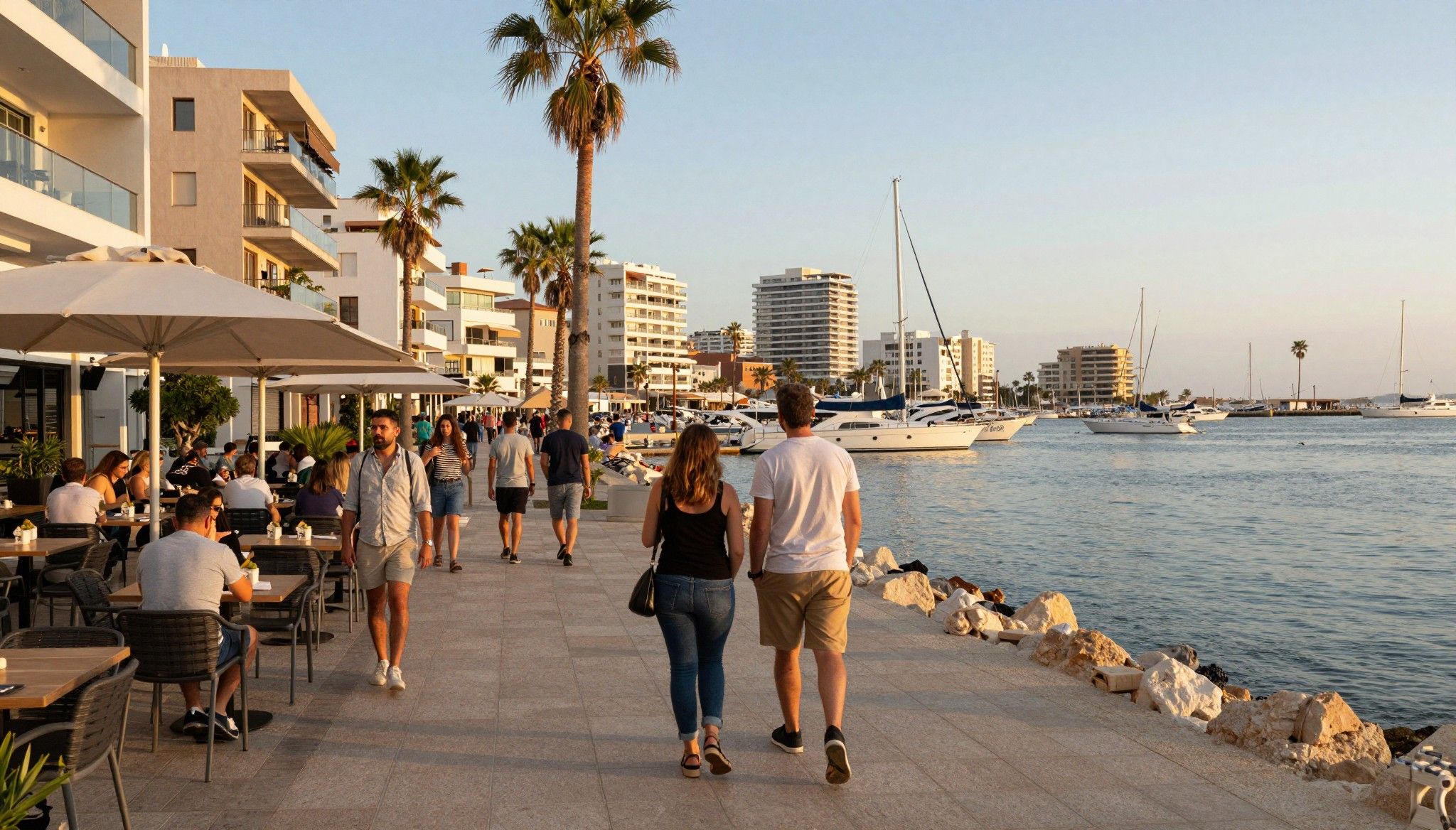
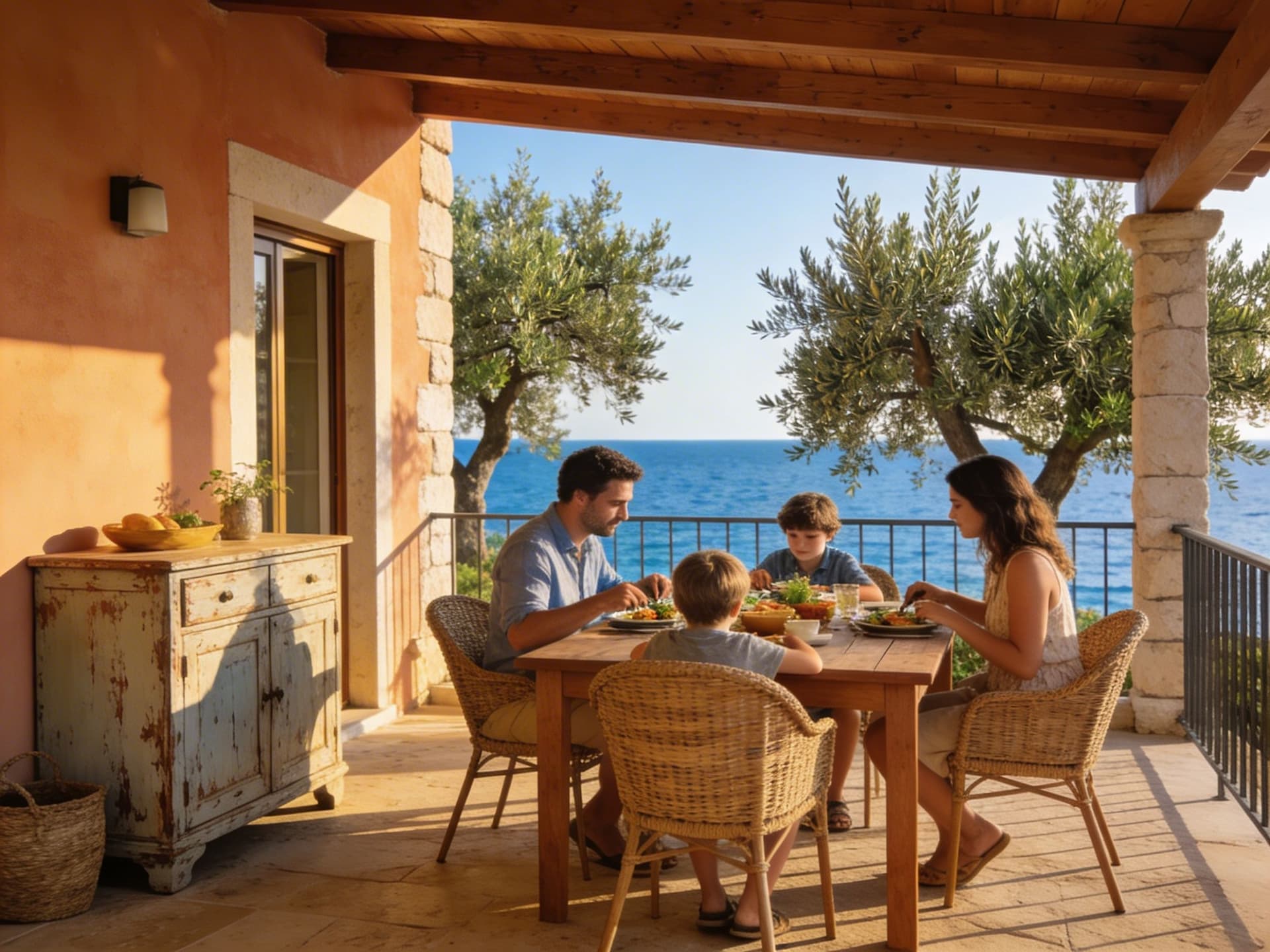
Croatia’s tempo moves between lively summer days and calm off-season rhythms. Coastal towns like Hvar, Split and Rovinj pulse with tourism from May to September, but mornings in winter bring neighborhood markets, local cafes, and a pace that rewards slow discovery. Inland, places such as Dubrovnik’s hinterland and Istria trade palm-tree glamour for truffle restaurants, olive groves, and year-round communities. For buyers imagining daily life, picture weekday markets, weekend island hops, and the easy social life that forms around neighbourhood konobas and seaside promenades.
Neighborhoods that surprise
Split’s Veli Varoš offers narrow streets, family-owned bakeries and a genuine local community a short walk from the port, while in Dubrovnik the Lapad peninsula delivers calmer, greened residential streets with cafés used by residents year-round. In Istria, Rovinj’s old town remains touristy but quieter pockets like Punta Corrente (Golden Cape) host a mix of year-round residents and quality new-build apartments. These are not postcard zones only; they are places where you can buy into everyday life rather than a summer-season façade.
Food, markets and the social calendar
Weekend rituals matter: from the Pazar in Split’s Pazar District to fish stalls under Zadar’s waterfront, the market is where neighbours meet and seasonal bargains appear. Istria’s truffle fairs and island lavender markets shape local economies and attract buyers interested in agritourism or small-scale hospitality investments. For lifestyle buyers, neighborhoods near markets and small marinas deliver day-to-day convenience and a social network that makes integration faster than moving to isolated villas.
Lifestyle highlights
Morning espresso in Split’s Veli Varoš; harbour stroll to the fish market.
Island weekend: Hvar’s Pakleni isles for swimming, Brac for quiet coves.
Truffle season in Istria—experiential dining and small‑scale investment opportunities.
Making the move: practical tax and regulatory signals
The bridge between romantic life and a legal purchase is simple: residency and nationality rules matter. EU/EEA and Swiss citizens can buy without reciprocity checks, but many non‑EU buyers face restrictions unless their country has reciprocity or special exceptions are in force. Check Croatia’s official reciprocity list early — the ministry publishes which nationalities can acquire property and under what conditions — because this determines whether a property is immediately purchasable or requires ministry approval.
Tax signals that change a deal
Two rules reshape deal economics more than headline prices. First: resale transactions are typically subject to a real estate transfer tax of 3% on market value, while new-builds sold by developers commonly carry VAT (standard rate 25%) instead — and where VAT applies, transfer tax does not. Second: recent reforms introduced a recurring property tax framework and targeted first‑time buyer refunds in some schemes, so acquisition costs can vary substantially by property type and buyer profile. Use recent official guidance and your agent’s breakdown to compare net costs between resale and new builds.
Work with experts who speak both languages — local and legal
An agency that knows islands, municipal tax regimes, and the ministry’s reciprocity process saves weeks in approvals and protects deposits. Expect notary and legal fees around 1–2% and agency fees that are usually negotiable; for cross‑border buyers, insist on an independent lawyer to verify ownership, rateability of the plot, and whether VAT or transfer tax applies. Clear cost modelling — showing purchase price, transfer tax or VAT, notary fees, and the new annual property tax — will tell you whether a coastal bargain is actually a fiscal trap.
Practical checklist before signing
Confirm your nationality on the official reciprocity list and any ministry approvals required.
Ask for a VAT vs. transfer tax breakdown — new-build vs. resale changes net cost materially.
Request the seller’s recent utility and municipal tax bills and an estimate of the new annual property tax.
Insider knowledge: expat lessons and red flags
Expats we spoke to consistently name three surprises: seasonality in liquidity, paperwork delays for non‑EU nationals, and the maintenance reality of stone properties. A summer‑centric market means good rental income but limited off‑season buyer traffic. If you want year‑round life rather than a seasonal rental play, choose neighbourhoods with schools, healthcare access and resident communities rather than those built purely for tourist occupancy.
Cultural signals that change where you buy
Locals value proximity to the konoba, market and harbour over a postcard view when buying a permanent home. This means neighbourhoods that feel ordinary to tourists may sustain stronger year‑round demand. Learn a few phrases, attend a market day and prioritise walkable streets: social capital translates to resale resilience and a more integrated daily life.
Red flags: what to watch for
No clear evidence VAT or transfer tax treatment — ambiguous tax treatment raises post‑sale liabilities.
Unregistered extensions, unclear land registry entries, or disputed co‑ownership on coastal plots.
Too‑good‑to‑be‑true rental yield promises for off‑season months without occupancy data.
Work with an agent who will show you both the summer postcard and the Tuesday morning reality. Ask for comparable sales, municipal tax records and a clear statement of whether the seller has charged VAT previously. These steps turn an emotional decision into a measured purchase.
Conclusion: Croatia rewards buyers who marry lifestyle curiosity with tax-savvy diligence. The coast is not uniformly expensive; transfer tax vs. VAT, municipal property levies, and reciprocity rules create pockets of opportunity. Start with a neighbourhood you can see yourself living in through an ordinary week, then use local legal and tax experts to confirm the deal economics. When lifestyle and paperwork align, Croatia stops being merely a holiday view and becomes a place to live well.
British investor turned advisor after buying in Costa del Sol since 2012. Specializes in cross-border compliance and data-driven investment strategies for UK buyers.