Italy: Choose the Neighbourhood Rhythm, Not the Postcard
Italy’s appeal is lifestyle-first: pick the neighbourhood rhythm (markets, cafés, seasons), then match it to street-level data and local expertise to balance emotion with durable value.
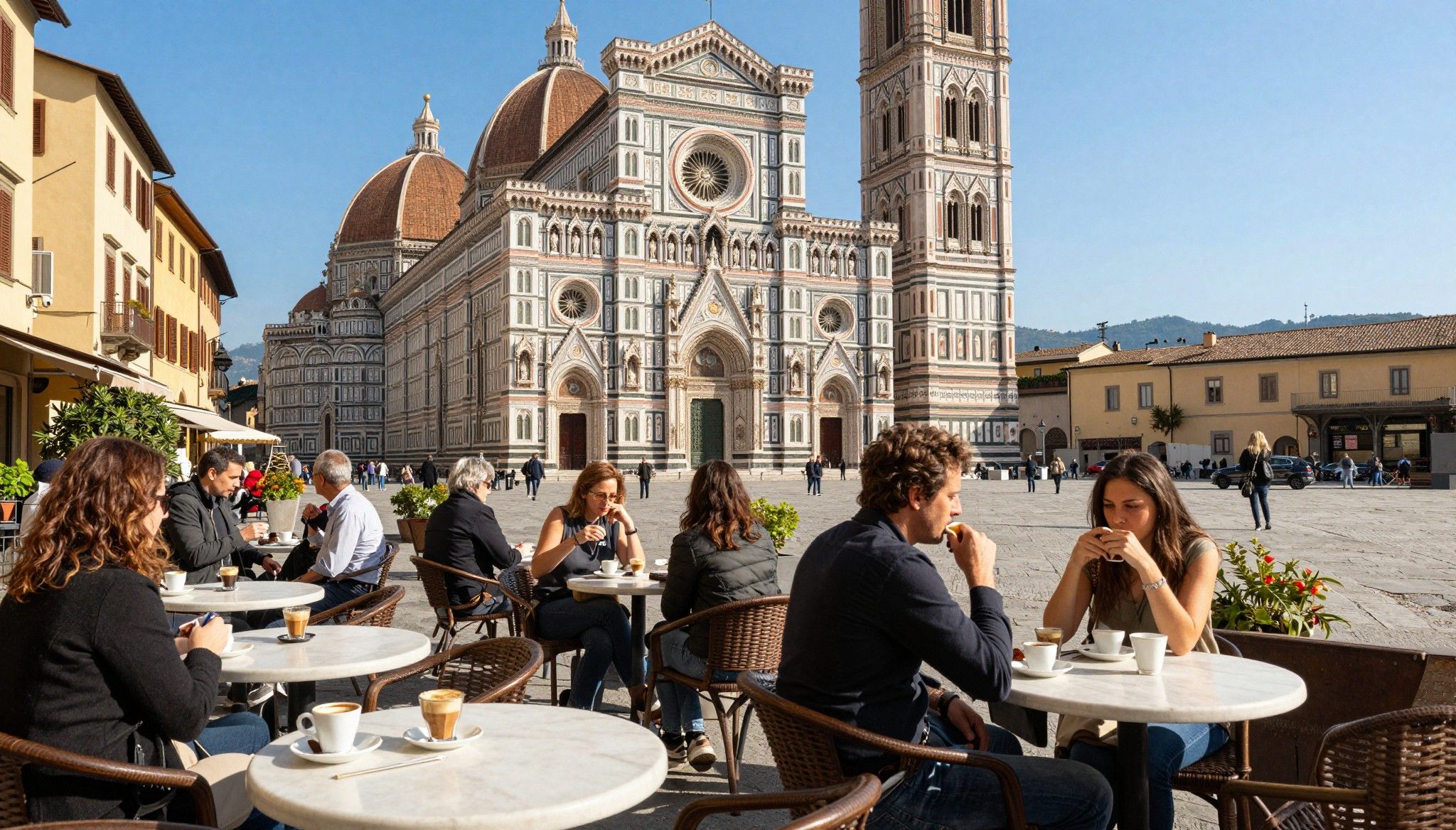
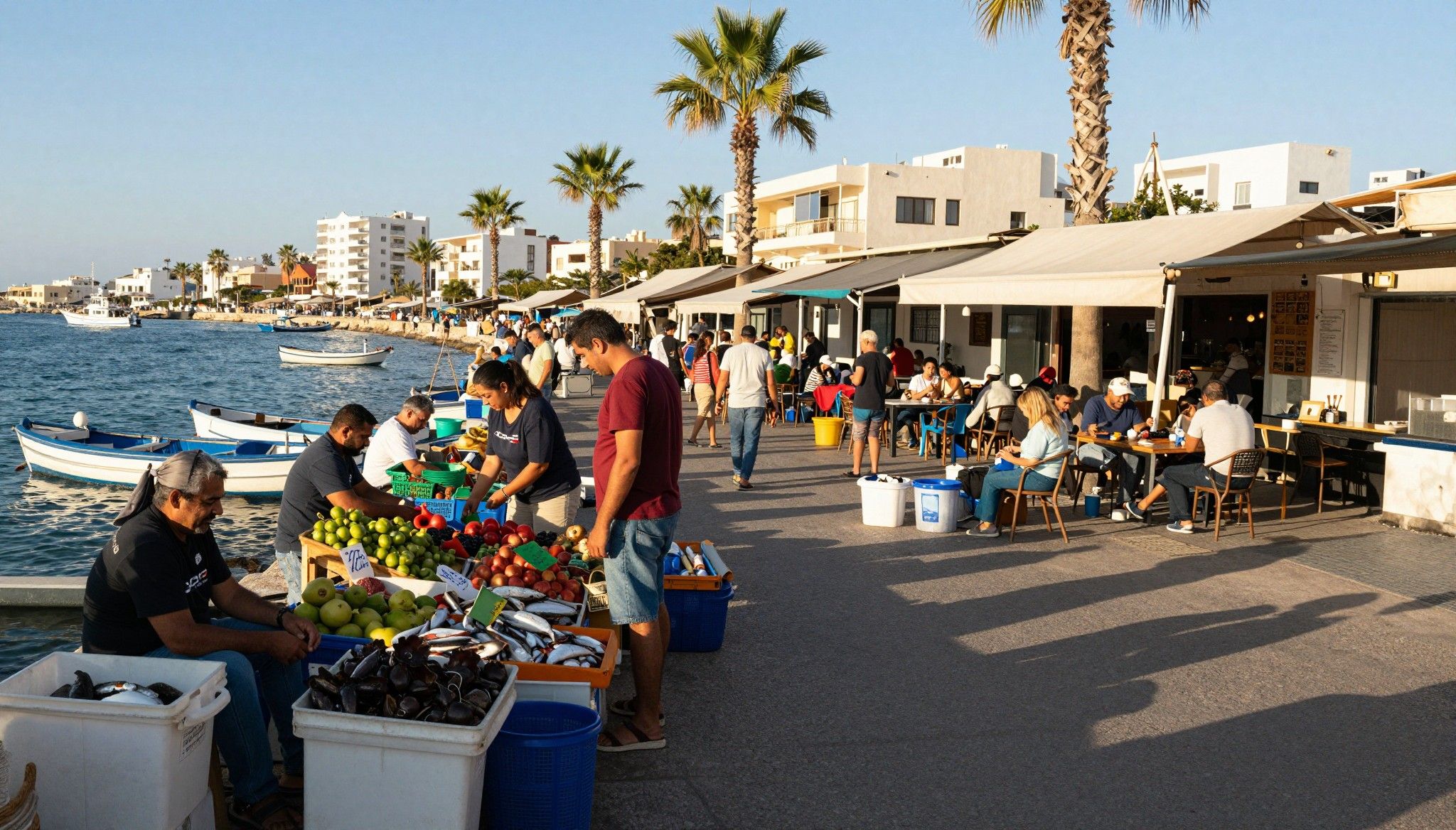
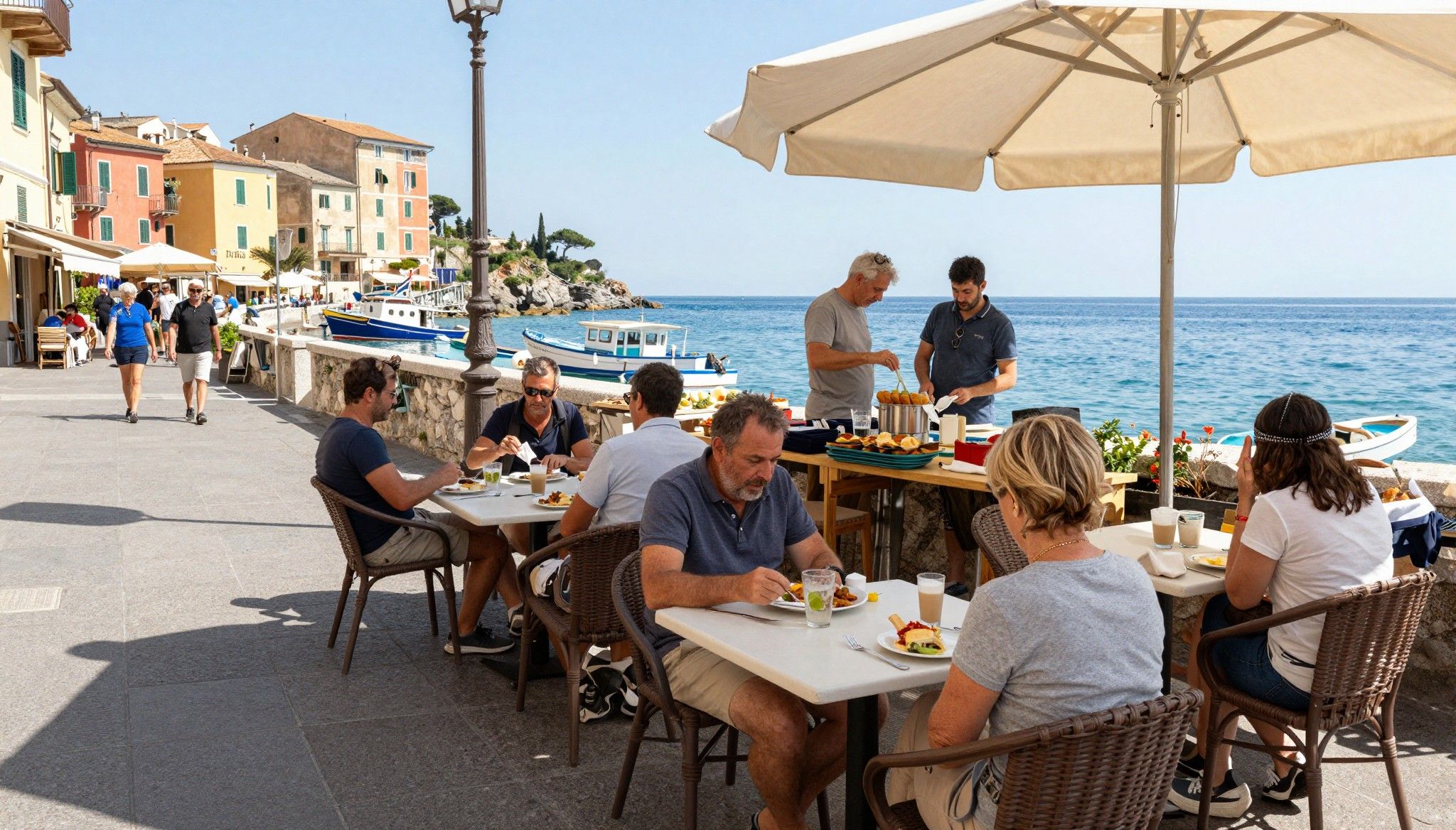
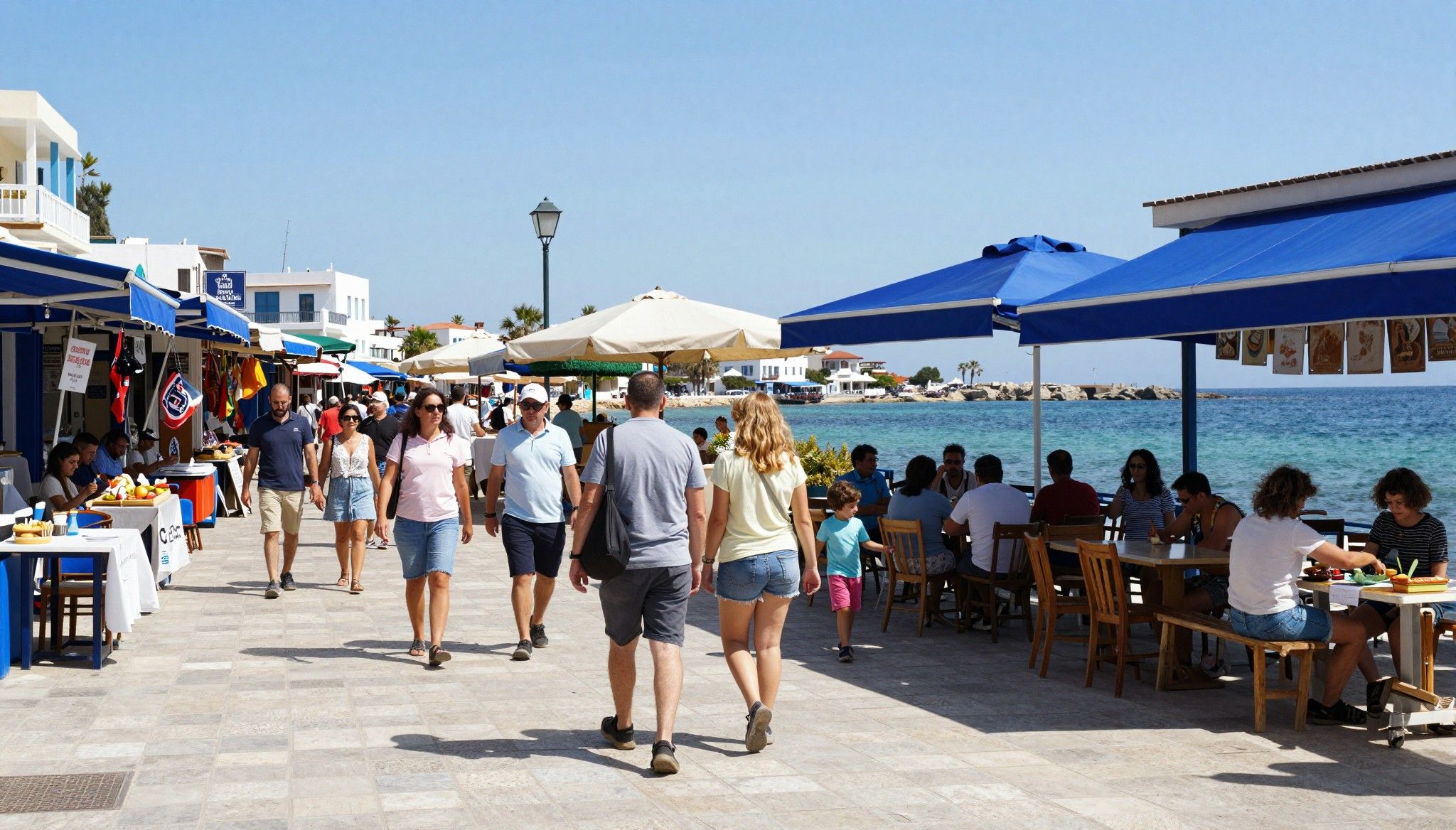
Imagine stepping out at 09:00 on a bright morning in Naples’ Santa Lucia, the smell of espresso and sfogliatelle drifting from a corner bar while fishermen at the port mend nets. Picture aperitivo crowds in Milan’s Navigli at dusk, narrow cobbled streets in Siena where seniors sit by the cathedral, and turquoise pockets of sand on Liguria’s hidden coves. Italy’s daily rhythm is a collage of ritual and seasonality — market stalls at dawn, long lunches, and neighbourhood cafés that double as community centres. For international buyers, those details define value as much as square metres: lifestyle explains why some streets command premiums while others surprise with upside.
Living the Italy lifestyle: mornings, markets and la dolce routine
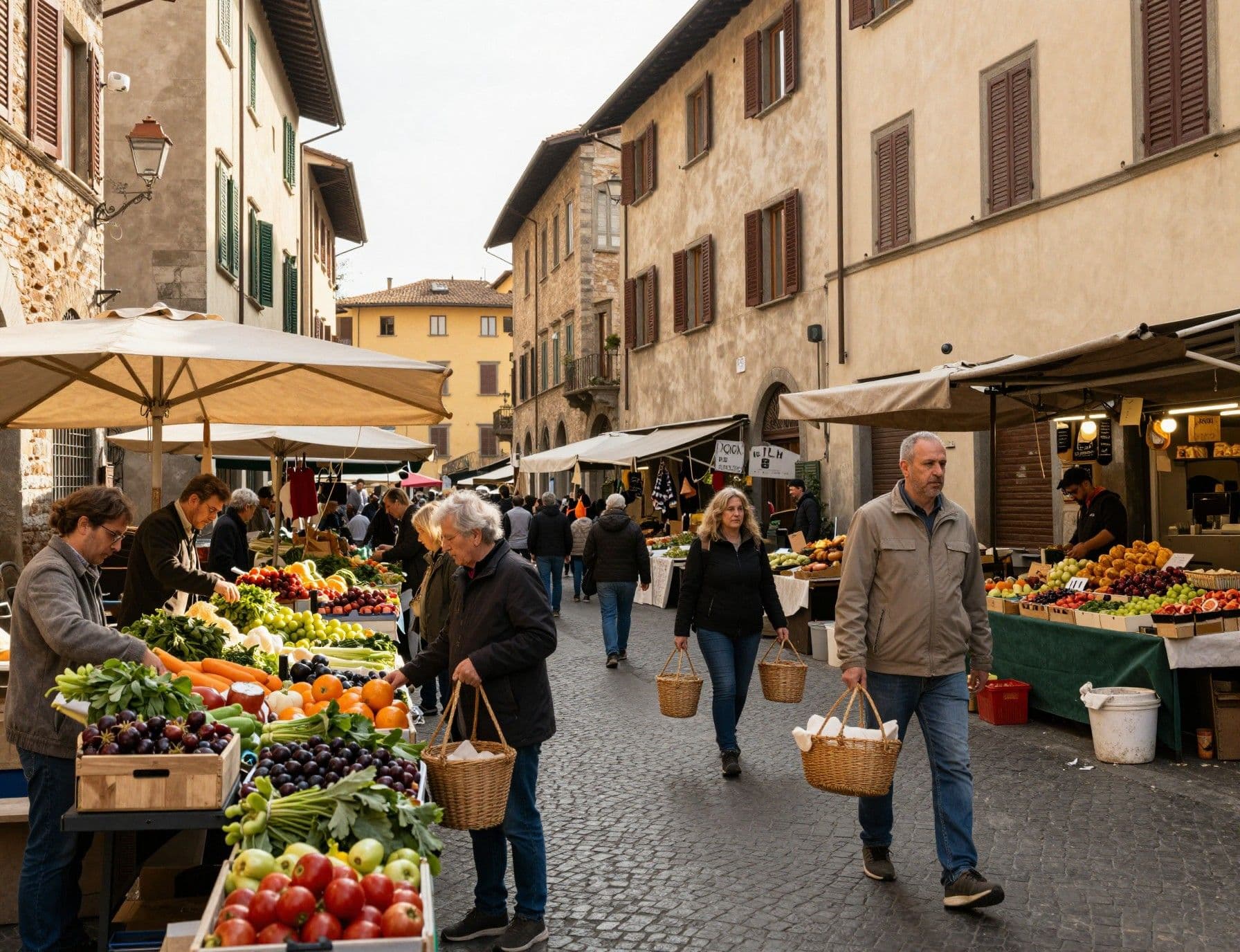
Daily life in Italy is tactile: open-air markets at 08:00, bakeries with warm focaccia by mid-morning, and piazzas that swell with families in the evening. Neighborhoods have distinct personalities — historic centre, modern periphery, coastal promenade — and those rhythms shape how you’ll use a home: a terrace for summer dinners on the Ligurian Riviera, a compact apartment near a tramline in Turin, or a restored farmhouse outside Florence for weekend escapes. These lifestyle choices also align with recent market signals: modest national price growth and stronger activity in city and resort hotspots mean demand closely follows lived experience rather than headline averages. For buyers, that means shopping by rhythm — pick where you want your days to happen, then back it with data.
Neighborhood spotlights: where locals actually live
In Rome, Trastevere still offers winding lanes and trattorie that keep a strong local core despite tourist traffic; in Milan, Isola balances design studios and family apartments with genuine neighbourhood cafés; on the Amalfi coast, Praiano feels lived-in where Positano reads like a postcard. Walk the streets: in Palermo’s Ballarò market you’ll hear Sicilian dialects and see daily life; in Bologna’s Santo Stefano the food culture dominates evenings. These micro-areas matter because they determine rental demand, seasonal occupancy and long-term resale appeal — not simply whether a place has a ‘sea view’ sticker on the listing.
Food, markets and weekends: the true currency of neighbourhood choice
Markets and cafés are social infrastructure: weekly markets supply fresh produce, mercatos in cities form meeting points, and restaurants can turn quieter streets into hubs that lift local values. Weekend routines — a morning at Mercato Centrale in Florence, an afternoon swim on Sardinia’s Cala Goloritzé, or a late-night passeggiata in Vicenza — define where buyers decide to live. Nomisma’s recent commentary links demand to lifestyle clusters: where community life persists, transaction volumes and price resilience follow. For international buyers this means prioritising proximate amenities and seasonal life over headline price-per-square-metre figures.
Making the move: practical considerations that keep the lifestyle intact
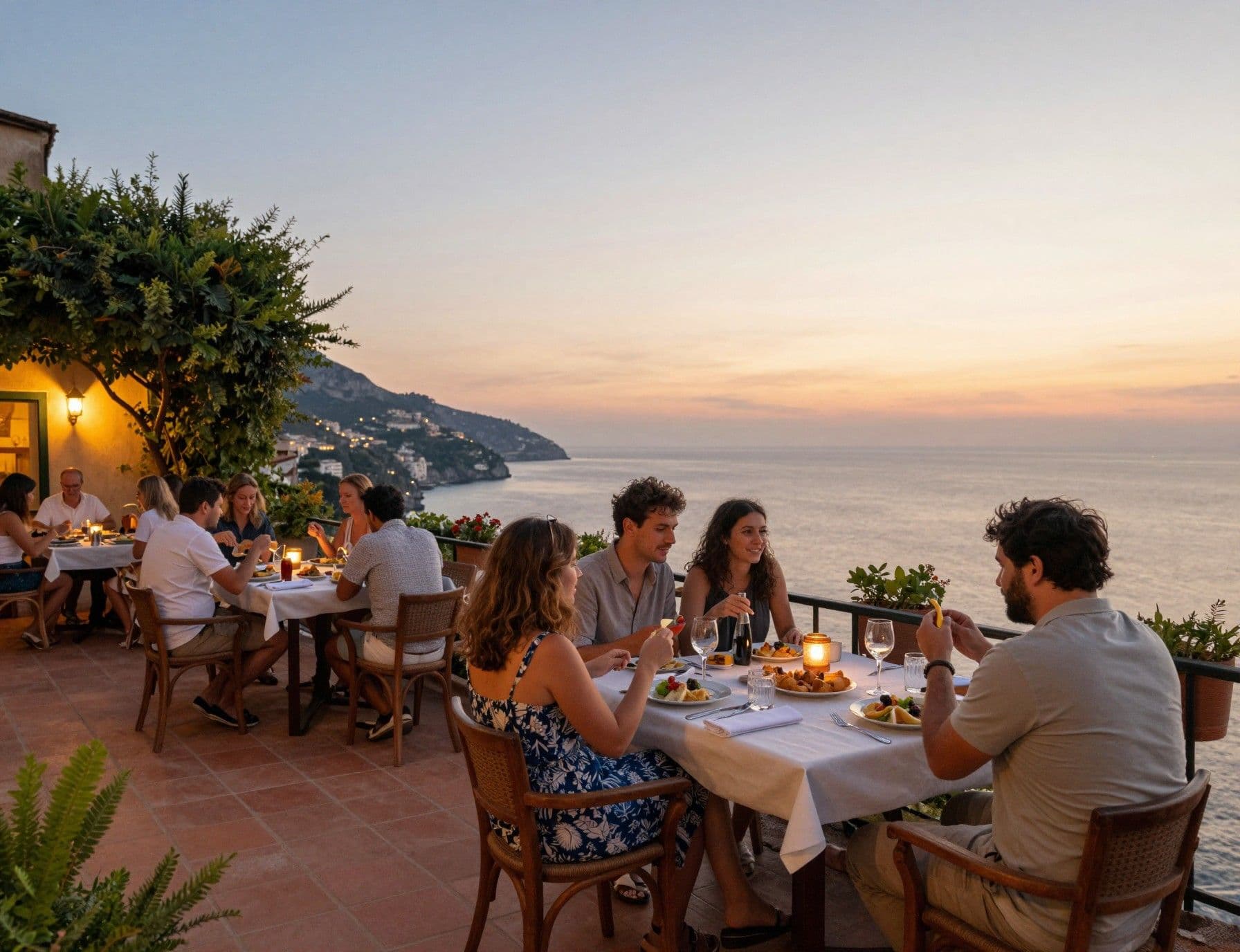
Turning the dream into a purchase in Italy requires matching lifestyle priorities with practical checks: seasonality of rental demand, energy-efficiency rules for renovations, and regional differences in transaction pace. Recent surveys from the Bank of Italy and ISTAT show rising transactional activity since 2024 with steady price increases concentrated in major cities and tourist coasts. That mix creates opportunity — and risk — for international buyers who pick by postcard instead of by pattern: choose streets where locals live year-round if you want steady rentals, and accept seasonal volatility if you want high summer yield.
Property types and what they mean for daily life
Historic centre apartments deliver immediate immersion: high ceilings, old beams, and a walk-to-everything life, but often limited light and higher maintenance. New developments in suburbs or redeveloped docks offer modern insulation, parking and communal facilities that suit families or remote workers. Country villas bring space and privacy at the cost of daily services and longer commutes; coastal flats trade compact living for proximity to beaches and seasonal tourists. Think about how you’ll spend time: if café culture matters, favour central tratti; if privacy matters, look to inland villages or gated developments with mature landscaping.
How to work with local experts to keep the lifestyle promise
Hire an agent who knows the block, not just the city. Verify energy and seismic compliance early — these determine renovation cost and time. Ask for local rental comparables by street and season to understand true yield. Use a bilingual notary or lawyer for contract clarity and to spot clauses that affect use (short‑term rentals, condominium rules). Arrange a neighbourhood observation: spend mornings and evenings on the street to sense rhythm before you sign. These steps blend lifestyle priorities with practical protection.
Insider knowledge: myths, red flags and cultural rhythms
Let’s debunk two persistent myths: first, that coastal Italy is uniformly overpriced; second, that historic centres are always better investments. Coastal demand is highly localised — small ports and less-known coves often offer lower entry prices with strong seasonal rental potential, while headline hotspots command premiums. Similarly, heritage apartments can stagnate if they lack daylight, insulation or parking; conversely, well-located modern conversions often outperform old stock in rental consistency. ISTAT shows price growth concentrated in select provinces, reinforcing the need for street-level research rather than national assumptions.
Cultural cues that change where you buy
Social life in Italy is neighbourhood-centric: having a local barista who knows your order is part of integration and raises quality-of-life more than an extra bedroom. Language matters but practical fluency opens doors: market vendors, building managers and neighbours are easier to work with if you can greet and ask basic questions. Expect different rhythms — long August closures, late-night social hours, and slow public office processes — and plan timelines accordingly. Buyers who respect these rhythms find renovations, municipal permits, and community acceptance move more smoothly.
Red flags and local quirks to watch for
A sold sign but no utility check: confirm water and sewage connections before offer. Long-term absentee ownership in a block: can mean neglected common areas and surprise levies. Lack of daylight in historic cores: impacts livability and resale. Ambiguous condominium rules about short-term rentals: affects income plans. Promises of “fast permits” from unverified builders: always verify with the comune. These are small red flags that cost time and lifestyle comfort if ignored.
Putting it together: Italy offers a mosaic of experiences — urban vigour, coastal languor, and countryside calm — and market data supports prudent optimism. Nomisma’s recent commentary points to steady transaction volumes and moderated price growth, while ISTAT’s house price index highlights regional divergence: cities and select coastal provinces lead gains. For an international buyer, the strategy that blends lifestyle fidelity (pick the rhythm you want) with street-level due diligence (verify permits, rental comparables, and condominium rules) reduces risk and enhances satisfaction.
Quick practical checklist before you buy
Visit the neighbourhood at different times of day and across seasons. Obtain a local rental comparable by street and month for at least two years. Have a notary or bilingual lawyer review the preliminary contract (compromesso). Request energy performance certificate and seismic class documents. Confirm condominium minutes for past levy decisions and short‑term rental policy. Budget for 10–15% extra for renovations and compliance upgrades.
Italy can change your daily rhythm: breakfast standing at the bar, slow summer afternoons, and lively local festivals. If you let lifestyle lead procurement, and then shore it up with the right local expertise and data, you get the best of both worlds: a home that fits your life and an asset with clear expectations. Book a local observation week, speak to at least two neighbourhood agents, and request concrete comparables — then choose the street, not the postcard.
Norwegian market analyst who relocated to Mallorca in 2020. Focuses on data-driven market insights and smooth relocation for international buyers.