Cyprus New‑Builds: Where Lifestyle Meets Pipeline
Cyprus’s 2025–26 new‑build wave favors apartments; buyers who match lifestyle priorities to pipeline timing and developer records capture better value.
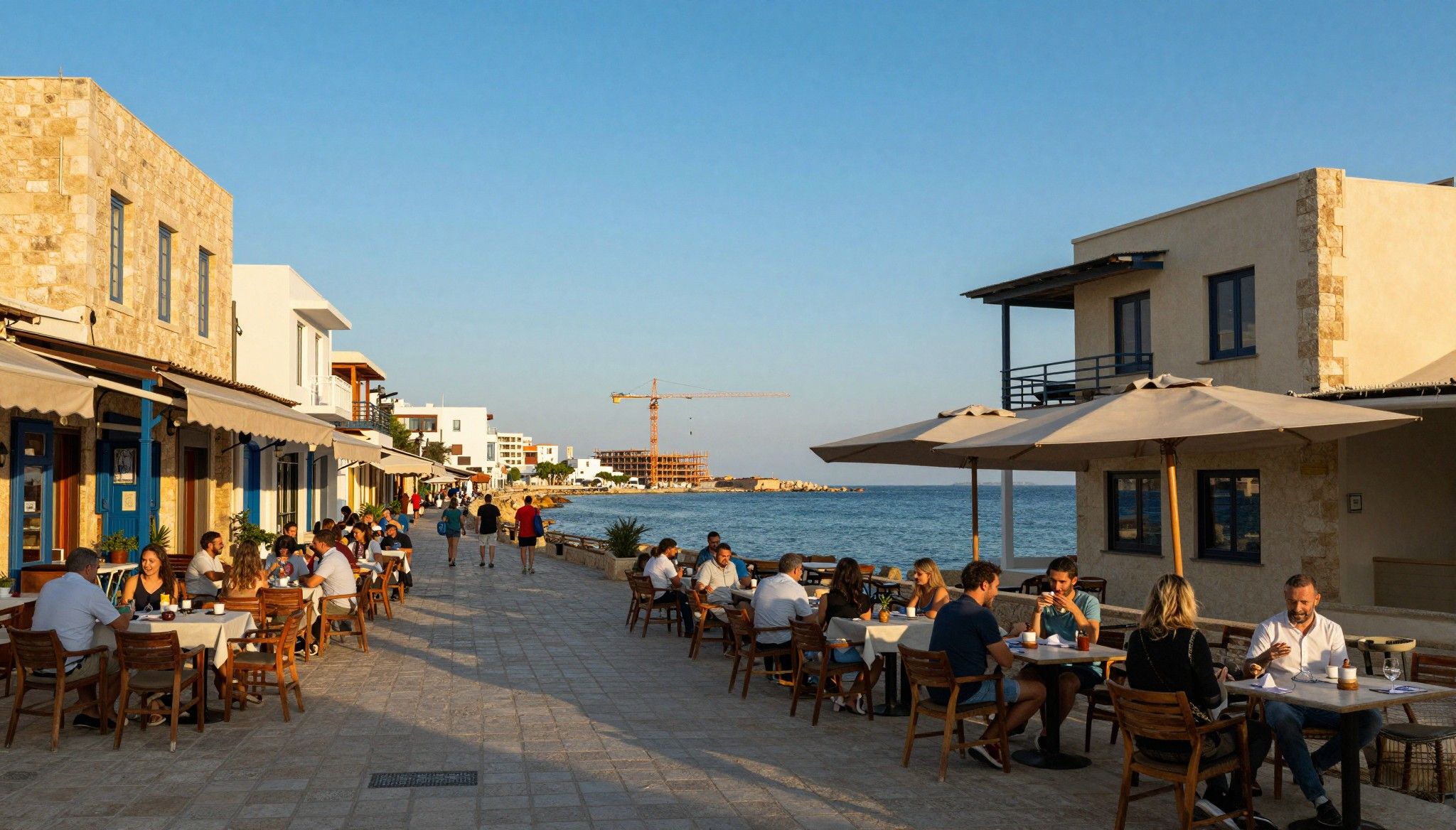
Imagine stepping out at dawn onto Limassol’s Molos promenade with warm stone underfoot, a baker arranging fresh koulouri, and the harbor cranes at work in the distance. That sensory contrast — local ritual and quiet construction — is Cyprus in 2026: sunlit lifestyle woven tightly with an active new‑build pipeline that international buyers can use to their advantage. Recent islandwide indices show steady price gains, but the real opportunity for buyers is reading where supply, seasonality and neighbourhood character converge.
Living the Cyprus life — mornings, markets and coastline
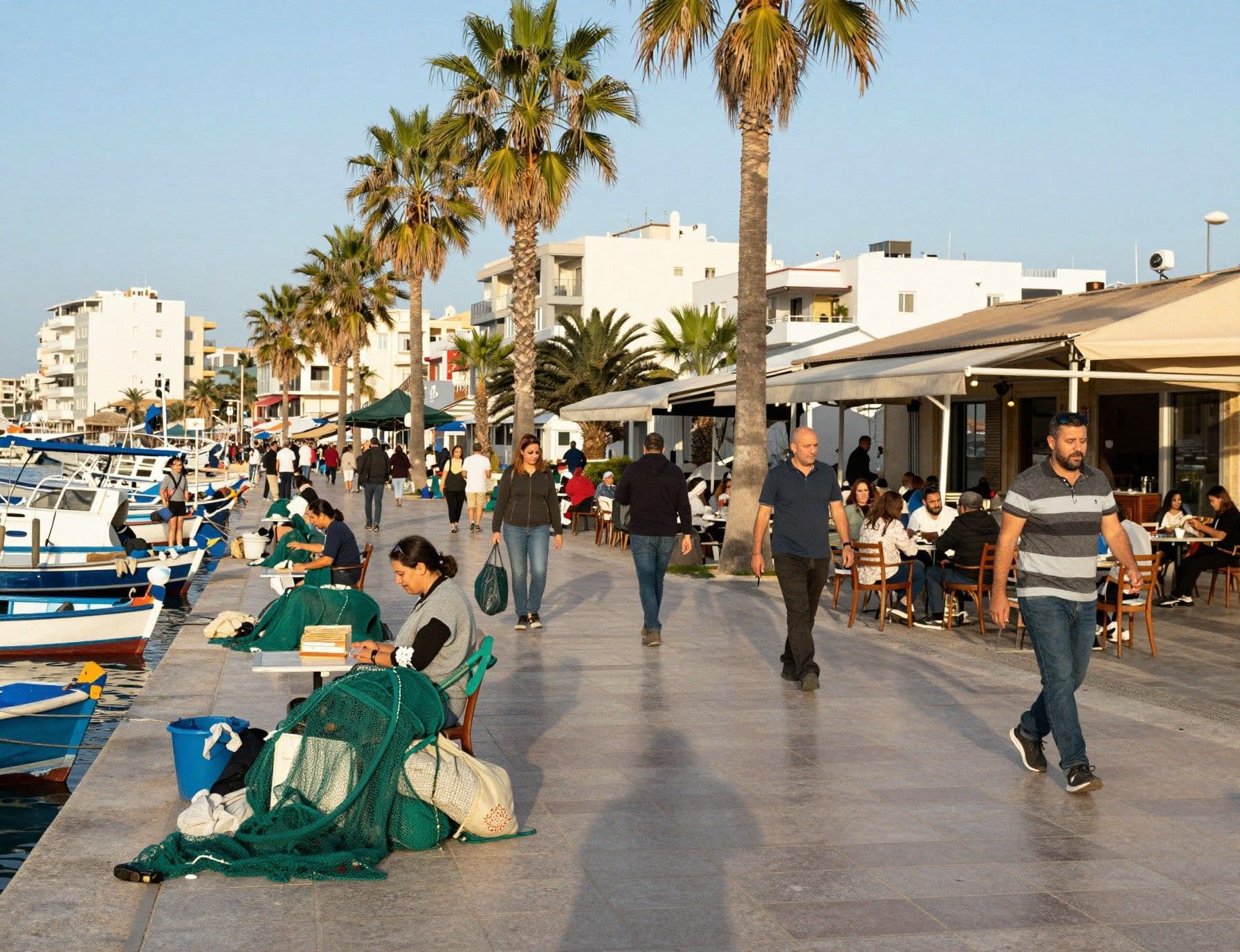
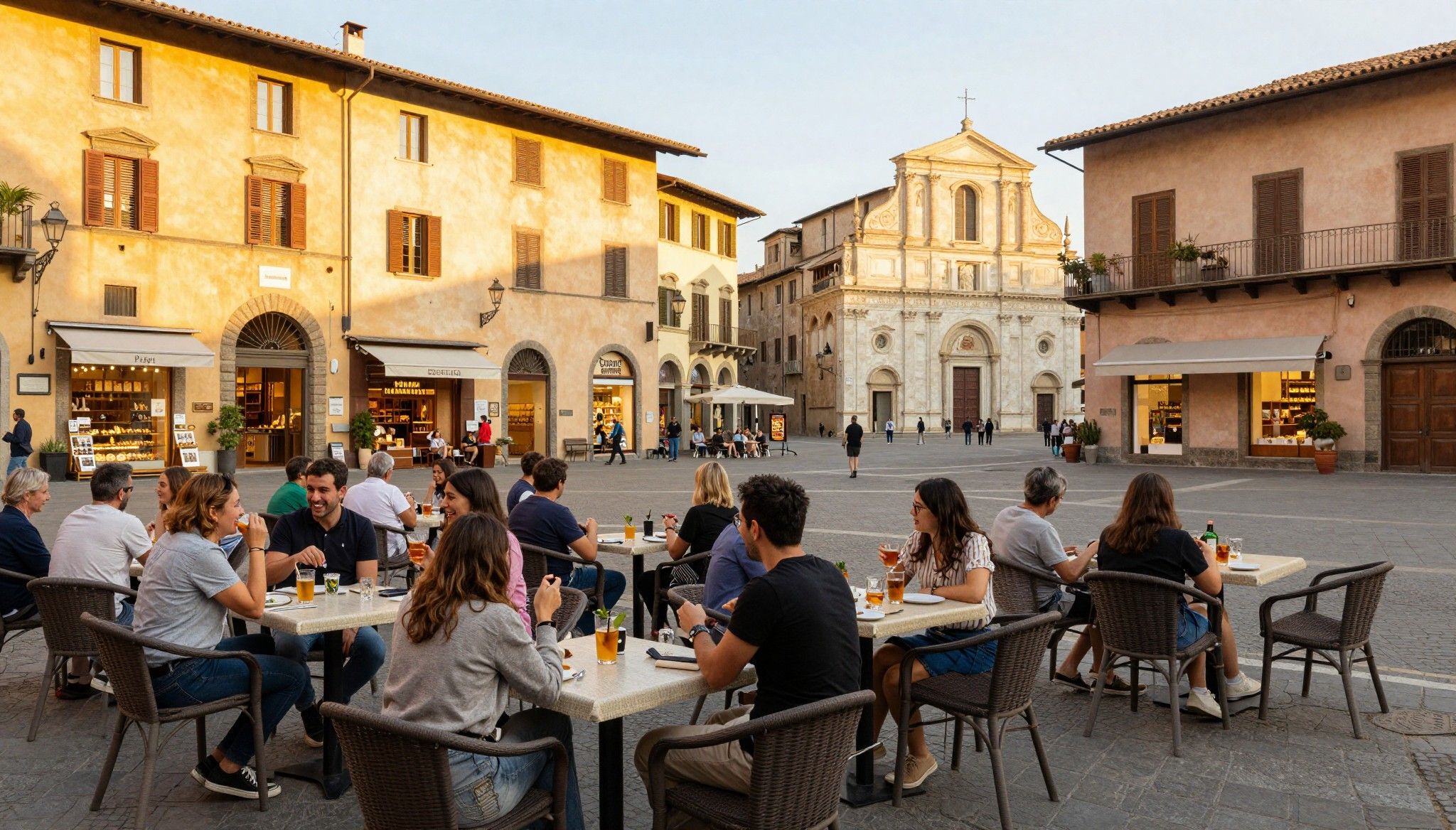
Life here moves at Mediterranean tempo: café culture in the morning, family beaches in the afternoon, tavernas filling up after sunset. English is widely spoken in expat hubs, and recent population figures show modest growth driven by migration and returning Cypriots — a steady base for new developments near transit and services. Picture weekend farmers’ markets, small vineyards inland, and neighbourhoods where builders are now replacing single houses with modern apartment blocks.
Limassol: coastal energy and high‑amenity new builds
Limassol is the island’s engine for luxury apartments, mixed‑use developments and marina‑side living. Developers target waterfront plots and infill around Agios Tychonas and Germasogeia, delivering concierge amenities and courtyard living that suit seasonal and year‑round residents. If your dream is a café‑sipped morning and a short walk to yacht moorings, new developments here convert lifestyle into deliverable product.
Paphos and Larnaca: quieter value corridors
Paphos combines heritage streets and seaside developments; Larnaca is benefiting from infrastructure upgrades and a steady stream of apartment schemes near the seafront. These districts often offer larger floorplans and lower per‑square‑metre prices than Limassol, making them attractive for buyers who prioritise living space, quieter neighbourhoods, or rental yield potential from long‑stay tourists and digital nomads.
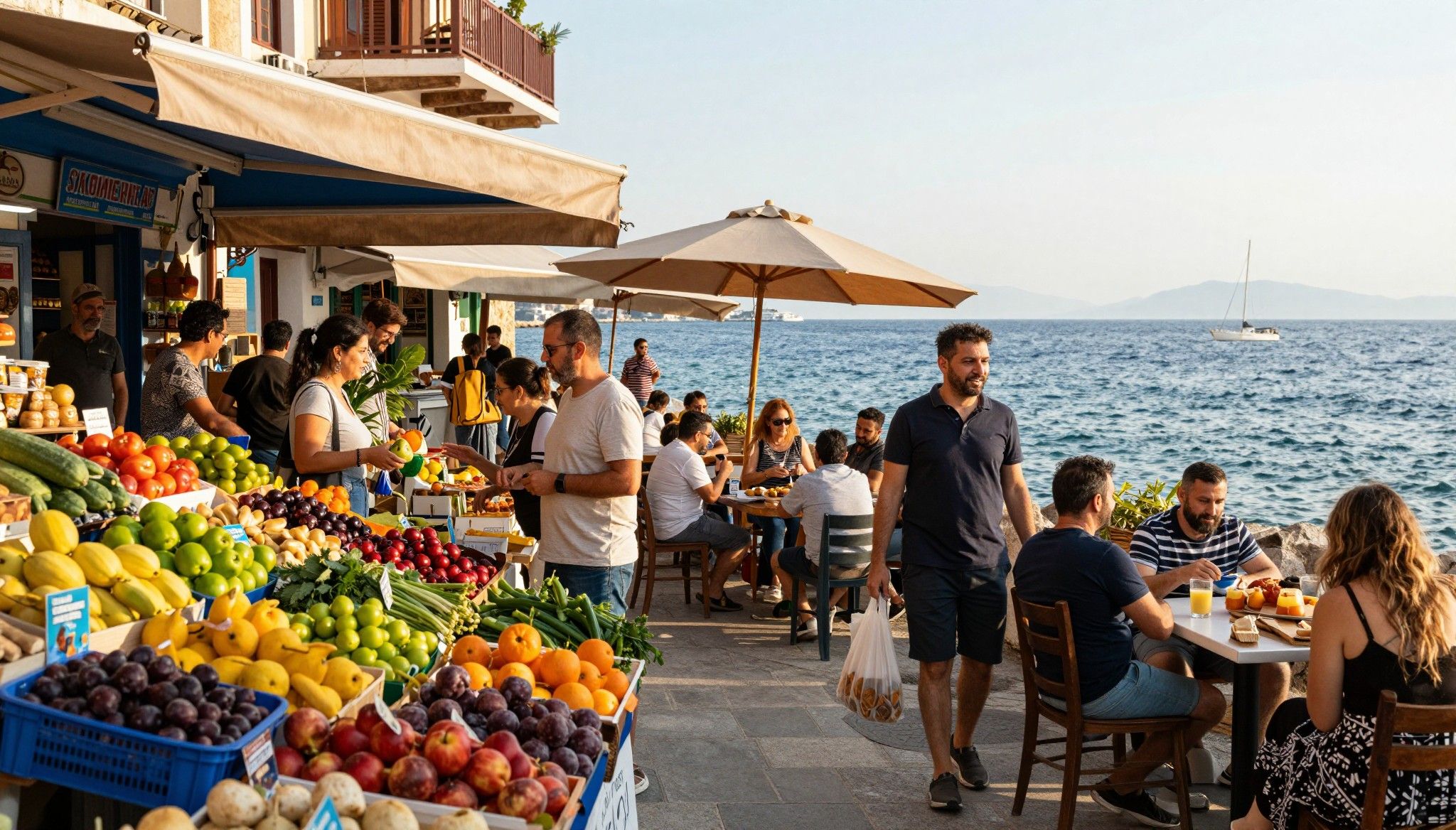
- Morning markets at Faneromeni (Nicosia), espresso and sea views at Molos (Limassol), weekend tavernas in Tala (Paphos), kite surfing at Mackenzie Beach (Larnaca), sunset strolls at Kourion archaeological park, vineyard tours in the Troodos foothills.
Making the move: how the new‑build pipeline shapes choices
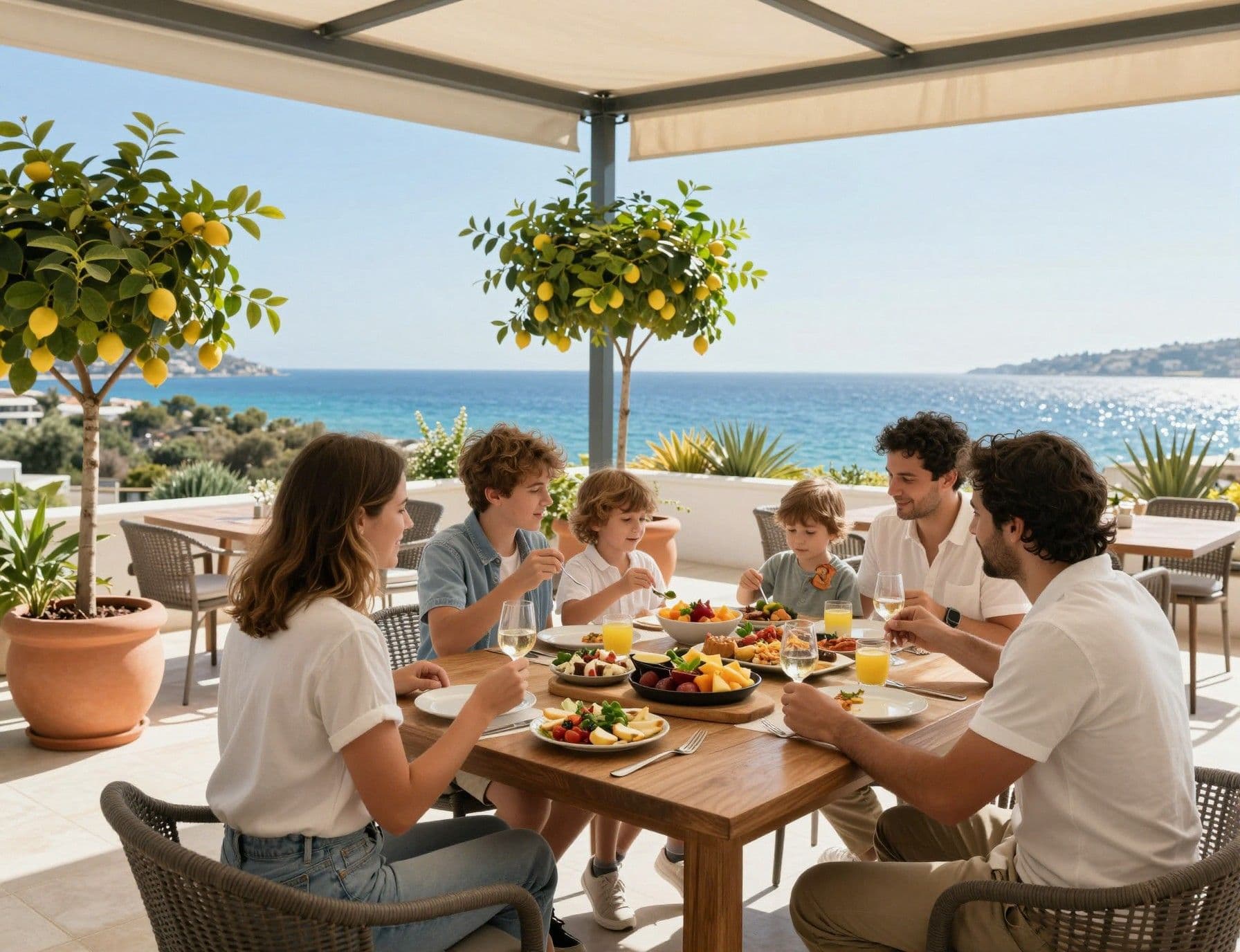
Dreams meet contracts here. The Central Bank’s Residential Property Price Index reports islandwide growth through 2025, with apartment momentum particularly strong — a sign that the new‑build pipeline (much of it apartment-led) is meeting demand. For buyers, the pipeline changes negotiation levers: completion timing, developer guarantees and staged payments become as important as price per m².
Property types: what a new Cyprus apartment actually gives you
Modern developments favour energy‑efficient layouts, covered parking and communal amenities — gyms, pools, rooftop terraces. Apartments trade private garden space for maintenance ease and rental flexibility; duplexes and gated villa pockets still appear on the fringes if you want land. Think beyond square metres: orientation, insulation for summer heat, and outdoor living areas determine comfort and running costs.
Work with the right local expertise
- 1) Prioritise an agent who understands the developer’s track record and the timing of handovers; 2) Ask for completed project references and H&S certificates; 3) Require a clear snagging and warranty schedule in the contract; 4) Insist on an independent survey before final payment.
Insider knowledge: what expats wish they'd known
Expats often arrive enchanted by sunlit squares and quiet lanes, then face the practicalities: variable municipal services, seasonal staffing in healthcare and trades, and the island’s fragmented planning history that leaves pockets of rapid development beside preserved villages. Knowing which streets retain year‑round community life versus those built primarily for holiday lets will change both your experience and return on investment.
Language, integration and the social calendar
Greek is the local language, but English works in most professional and service contexts. Small habits — like shops closing mid‑afternoon, tavernas bustling late, and festival weekends for panigiria — define how community bonds form. Join local associations, volunteer at markets, or enrol in a cooking class to accelerate integration and discover neighbourhoods that will feel like home.
Longer‑term view: where the pipeline points next
- Look for: coastal infill near marinas, Larnaca’s peri‑urban apartment projects tied to transport upgrades, and mixed‑use schemes in Limassol that combine short‑stay rental potential with condominium management. These trends suggest steady demand for well‑managed apartments and premium finishes rather than speculative land plays.
If you’re imagining life on a veranda, morning markets and easy sea access, Cyprus offers that life — but the best buys are where lifestyle and supply-line logic align. Start by visiting the neighbourhood at different times, inspect developer track record, and insist on clear contractual protections. Work with a local advisor who speaks both your language and the municipality’s planning codes.
Ready to look? Ask for recent completion photos, a copy of the project’s building permit and warranty, and a neighbourhood occupancy report showing full‑time residents versus holiday lets. Those three documents separate lifestyle dreams that become daily life from glossy brochures that stay postcards.
Danish relocation specialist who has lived in Barcelona since 2016. Helps families move abroad with onboarding, schooling, and local services.