Cyprus: Love the Life, Mind the Fees
Fall for Cyprus’s sunlit rhythms — then plan around transfer fees, VAT rules and non‑dom tax benefits to keep the lifestyle affordable.

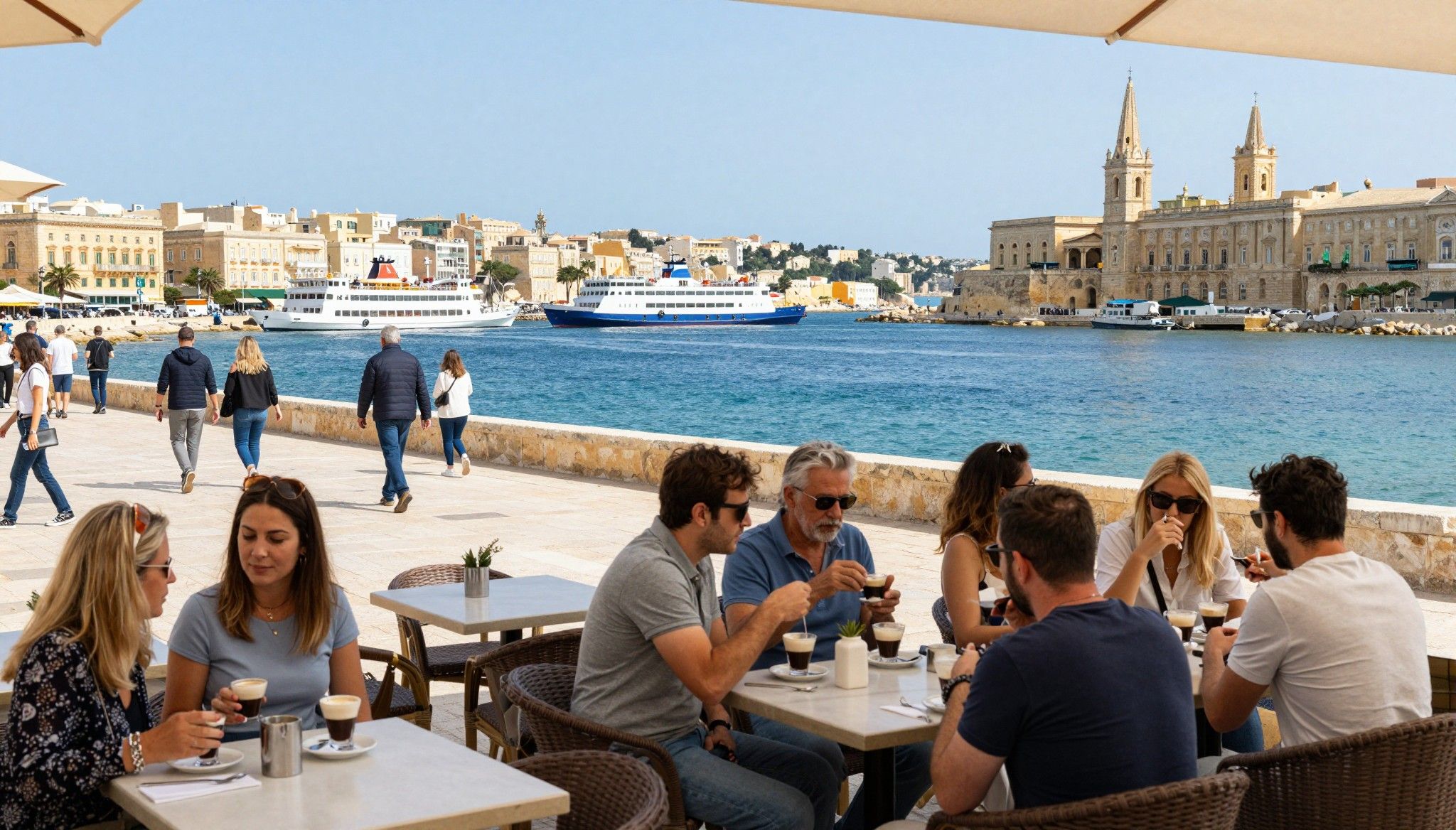
Imagine sipping an espresso on Limassol’s old marina while the sea lifts a mild breeze and a neighbour greets you in three languages. Cyprus moves at island time—sunlit, social, and surprisingly direct about money. For many buyers the romance is immediate; for others the tax and title paperwork is the part that steals sleep. The smart move? Fall in love first, plan the paperwork second.
Living Cyprus: sunlit streets, village rituals and coastal tempo
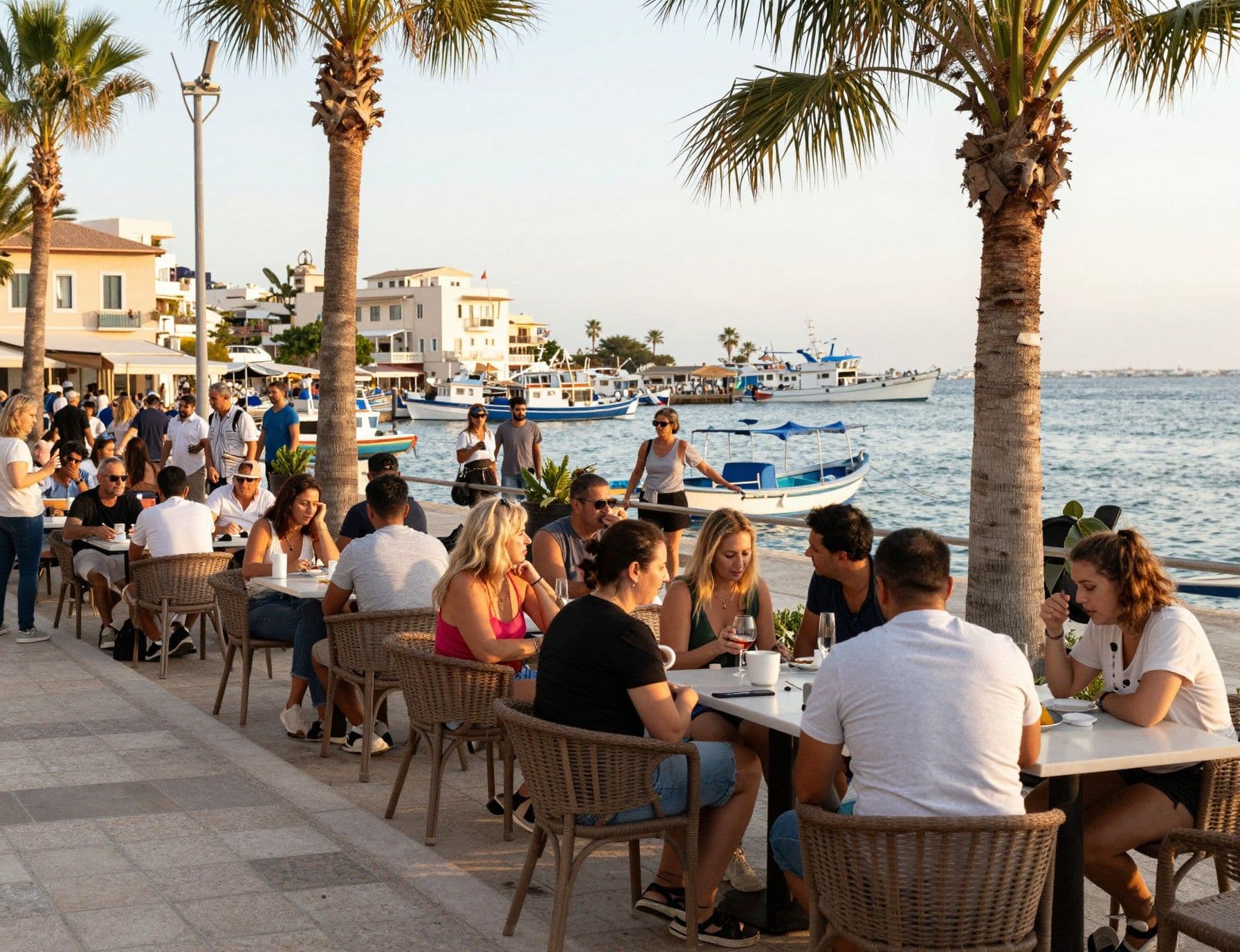
Cyprus is both Mediterranean resort and island of villages. Mornings in Nicosia mean bakeries inflating their bread and a steady trickle of professionals; afternoons on Paphos’s promenade are families, fishermen and long conversations at kafeneia. The island’s rhythm affects what you want from a property — a tucked townhouse in Larnaca offers daily intimacy, while a seafront apartment in Limassol trades privacy for social immediacy.
Neighborhood spotlight: Limassol Marina and Molos promenade
Walkable, compact and cosmopolitan, Limassol Marina is the island’s busiest living room. Luxury new builds sit beside independent cafés (try Scolpio for espresso) and weekend farmers’ stalls. For buyers who want nightlife, international schools nearby and quick access to ports and highways, this is where lifestyle and liquidity intersect — note that strata costs and service charges here can be higher than inland.
Village life: Tala and Polis for slow‑paced residency
If you imagine sunlit stone lanes and neighbourly tavernas, look inland to Tala (near Paphos) or Polis (northwest). Properties here are often traditional houses or small developments with gardens. You trade daily services for tranquillity, but you gain space, lower purchase prices and a different tax cost profile (smaller municipal rates and lower service charges).
Lifestyle meets ledger: the real cost picture

The headline: buying in Cyprus is cheaper than many assume — but only if you understand which charges apply. Transfer fees follow a progressive Land Registry scale and many resale purchases benefit from a 50% statutory discount; new-builds often pay VAT instead of transfer fees. Tax residency and the island's non‑dom regime influence your long‑term income profile, especially for dividends and rental receipts. Data-backed references are essential before you sign. Source links below will help you check current rates.
Why timing and classification matter
Two identical apartments can carry different acquisition costs depending on whether VAT was charged, whether the seller holds title deeds, and how the Land Registry values the plot. For resale bargains, the 50% transfer‑fee discount can materially improve net cost. For developers and buyers of new builds, VAT (when applicable) replaces transfer fees — and VAT thresholds or reduced VAT for primary residences can shift the decision to buy now or wait.
Property styles and the tax lifestyle they support
If you want lock‑and‑leave city life choose a modern apartment in Limassol or Larnaca: higher service charges, easier rental management, shorter vacancy cycles. If you want a home with gardens and lower recurring costs, village houses or suburban villas reduce monthly outgoings but require hands‑on management. Your choice changes how local taxes, municipal rates and rental yields behave — factor that into yield calculations rather than relying on advertised prices alone.
Insider knowledge: what expats wish they'd known
Expats often under‑estimate three things: title‑deed timing, the administrative rhythm of Land Registry processes, and local cultural expectations in negotiation. Title deeds can take months to transfer; asking an agent for proof of title (not just a seller’s promise) and seeing prior registry entries will save heartache. Local lawyers and bilingual agents remove friction — but demand transparent fee schedules up front.
Cultural rules that change where you buy
Cypriots treat hospitality as currency; a slow negotiation and shared coffee often precede signatures. This social style favors neighbourhoods with active street life (Molos, old Limassol) if you want integration. Conversely, if privacy is your priority, consider gated developments or inland villages where life is quieter and community ties are local rather than expatriate.
Step-by-step checklist before you put down a deposit
1) Verify seller’s title deeds and whether the property was VAT‑charged. 2) Obtain Land Registry valuation estimate to model transfer fees. 3) Confirm non‑dom/exemption implications with a tax advisor if you plan to become tax resident. 4) Budget for notary, legal fees, municipal rates and potential service charges. 5) Ask for a written schedule from the developer or management company detailing future service charge forecasts.
Quick practical tips
• If title deeds are missing, treat the purchase as higher risk and negotiate price or escrow arrangements. • Check whether resale transfer‑fee discounts apply — they’re real and sometimes overlooked. • For rental income modelling, use conservative occupancy (50–60% for holiday areas) unless you have proven management. • Non‑dom status can exempt you from certain defence contributions on passive income — confirm eligibility with a firm like KPMG or PwC.
When to call an agent — and what to ask
Call an experienced local agent when you need neighbourhood nuance: where the morning market is best, which streets flood in heavy rain, and where management companies actually deliver on service. Ask for comparable recent sales (not just asking prices), average service charges, and proof of developer warranties. A good agent turns lifestyle desires into a realistic shortlist that respects tax and transfer dynamics.
Forward-looking note: Cyprus keeps refining tax rules and land administration practice. Before you commit, check official Land Registry rules on transfer calculation and consult recent tax guides to confirm non‑dom and VAT positions. These small verifications preserve both the island’s lifestyle and your investment upside.
Ready to see how life feels in Limassol over a long weekend, or to compare village living in Polis with marina life? Start with two viewings in different zones, bring your tax advisor for a short call, and insist on written fee schedules. The island will charm you — but the numbers must hold up.
Sources: Land Registry guidance on transfer fee calculation; PwC 2026 Tax Facts for Cyprus; KPMG overview of tax residency and non‑dom rules. These references reflect the latest publicly available guidance and are essential to confirm exact rates and eligibility before purchase.
Dutch investment strategist with a Portugal-Spain portfolio. Expert in cross-border financing, rights, and streamlined due diligence for international buyers.