Italy: Choose the Neighbourhood Rhythm, Not the View
Italy sells a lifestyle first: choose the neighbourhood rhythm, match property type to how you’ll live, and pair national data (Istat, Nomisma) with local agency insight.
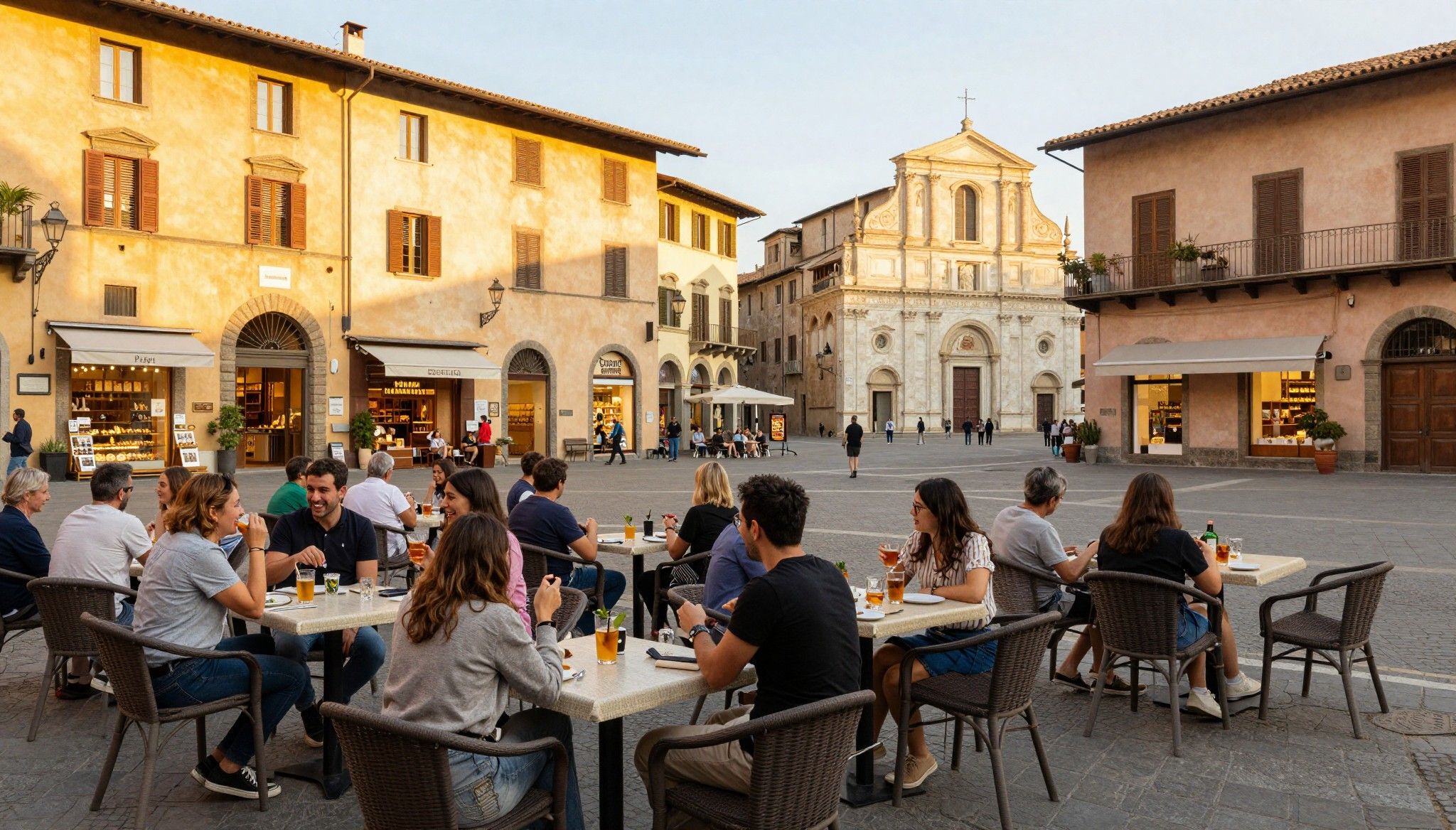
Imagine sipping an espresso on a narrow cobbled lane in Trastevere, the church bells folding into the conversation at a corner table while the sun moves across lime-washed façades. Italy lives at human scale: mornings in markets, afternoons on small piazzas, and evenings that stretch into late dinners. That rhythm shapes how you choose a home here — location, access to local life and the tiny details that make a neighbourhood feel like yours matter as much as square metres. For international buyers, the choice is as much about joining a social tempo as it is about an investment.
Living the Italy lifestyle
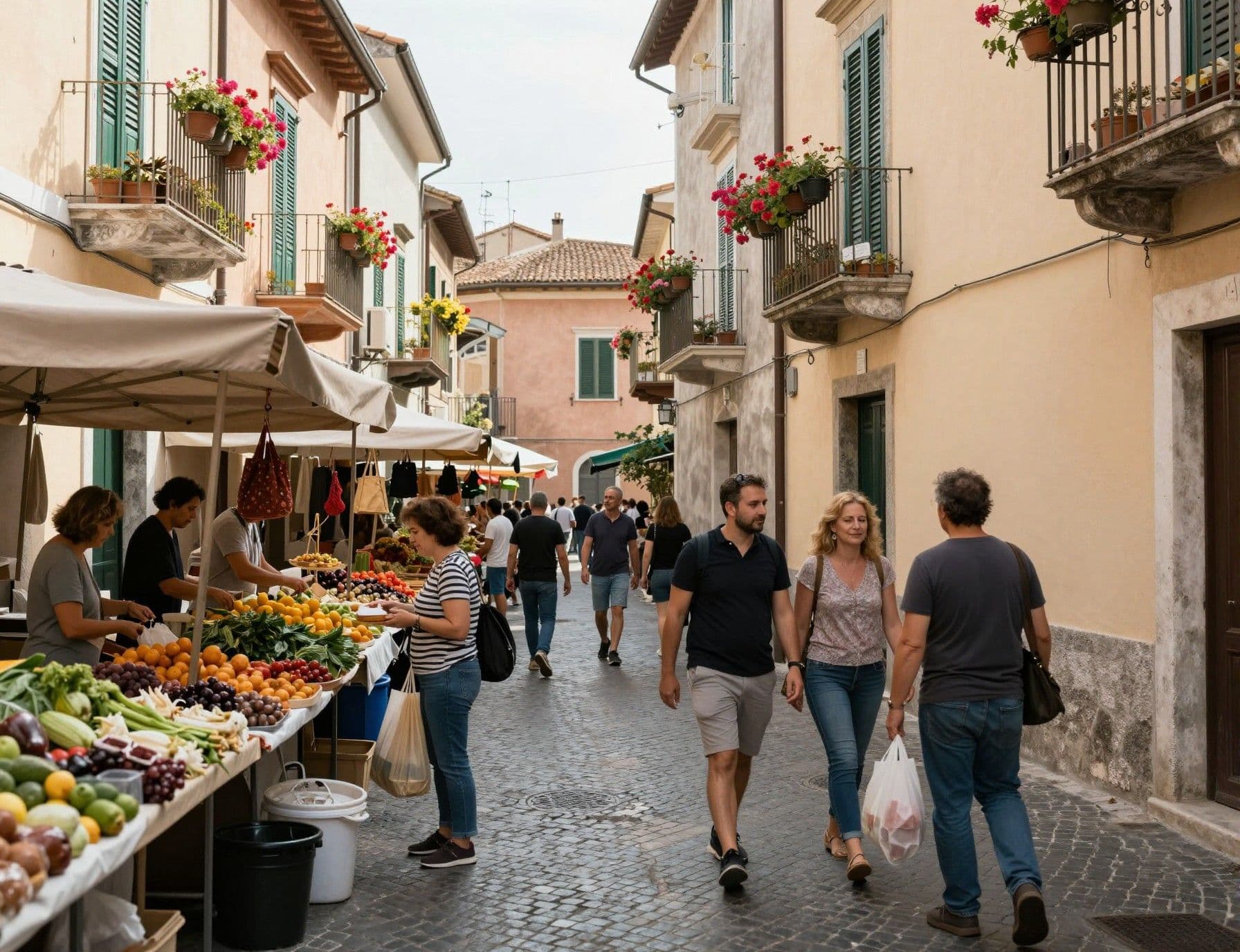
Daily life in Italy is intensely local. From Venice’s sestieri to Naples’ historic lanes, each neighbourhood delivers its own rhythm: morning markets that vanish by noon, bakeries that still bake by tradition, and family-run restaurants where owners know your name after a few Sundays. This localism is why many buyers choose a smaller apartment close to services rather than a large, isolated property; walkability and community access translate directly into long‑term enjoyment and, often, rental appeal. Recent national market data also shows steady transaction activity, reflecting sustained buyer interest across regions.
Neighborhood spotlight: Trastevere, Navigli, and Oltrarno
Each classic neighbourhood tells a story. In Rome’s Trastevere you’ll find narrow alleys, late-night osterie and small artisan shops; Milan’s Navigli combines canal-side cafés with design boutiques and a lively aperitivo scene; Florence’s Oltrarno offers artisan workshops, quieter squares and immediate access to the Arno. These are not interchangeable postcards — they are functioning communities where daily conveniences, local clubs and the cadence of street life shape how a property is used and enjoyed. For buyers, choosing a neighbourhood means choosing a lifestyle template.
Food, markets and weekend rituals
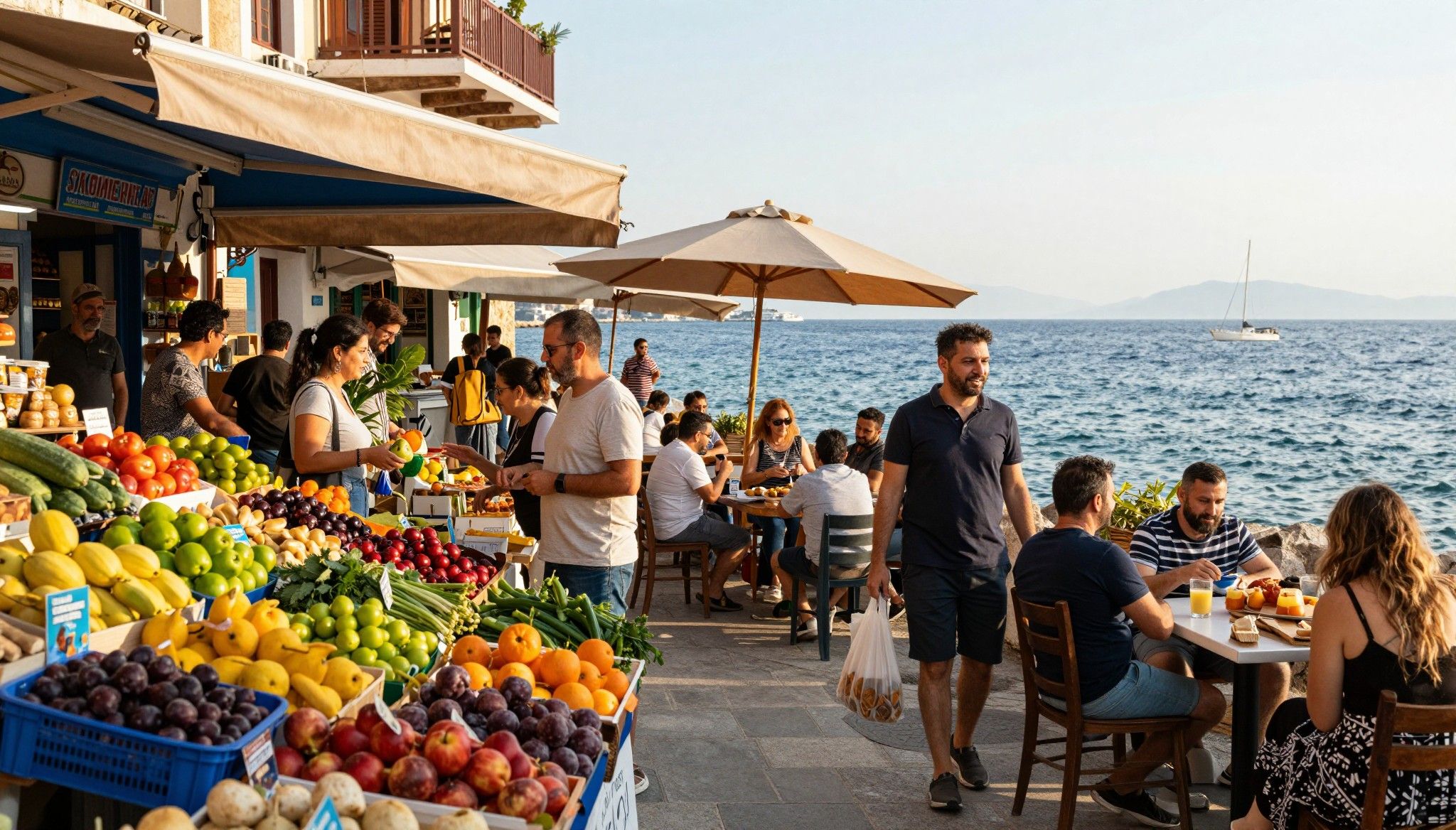
Weekends are for markets: Campo de' Fiori in Rome, Mercato Centrale in Florence, the fish market in Palermo. Buying in Italy means access to seasonal produce, small neighbourhood cafés and the ritual of aperitivo — cultural anchors that change how you use kitchen space, terraces and local shops. These lifestyle routines influence property priorities: a compact, well-equipped kitchen and a balcony for herbs can matter more than a larger, poorly connected living room. Seasonal festivals and market calendars also affect short-term rental demand in different towns.
- Campo de' Fiori market (Rome) — morning food stalls and Sunday life
- Navigli canals (Milan) — evening aperitivo culture and design boutiques
- Mercato Centrale (Florence) — artisanal food vendors and lunch crowds
Making the move: lifestyle meets practical reality
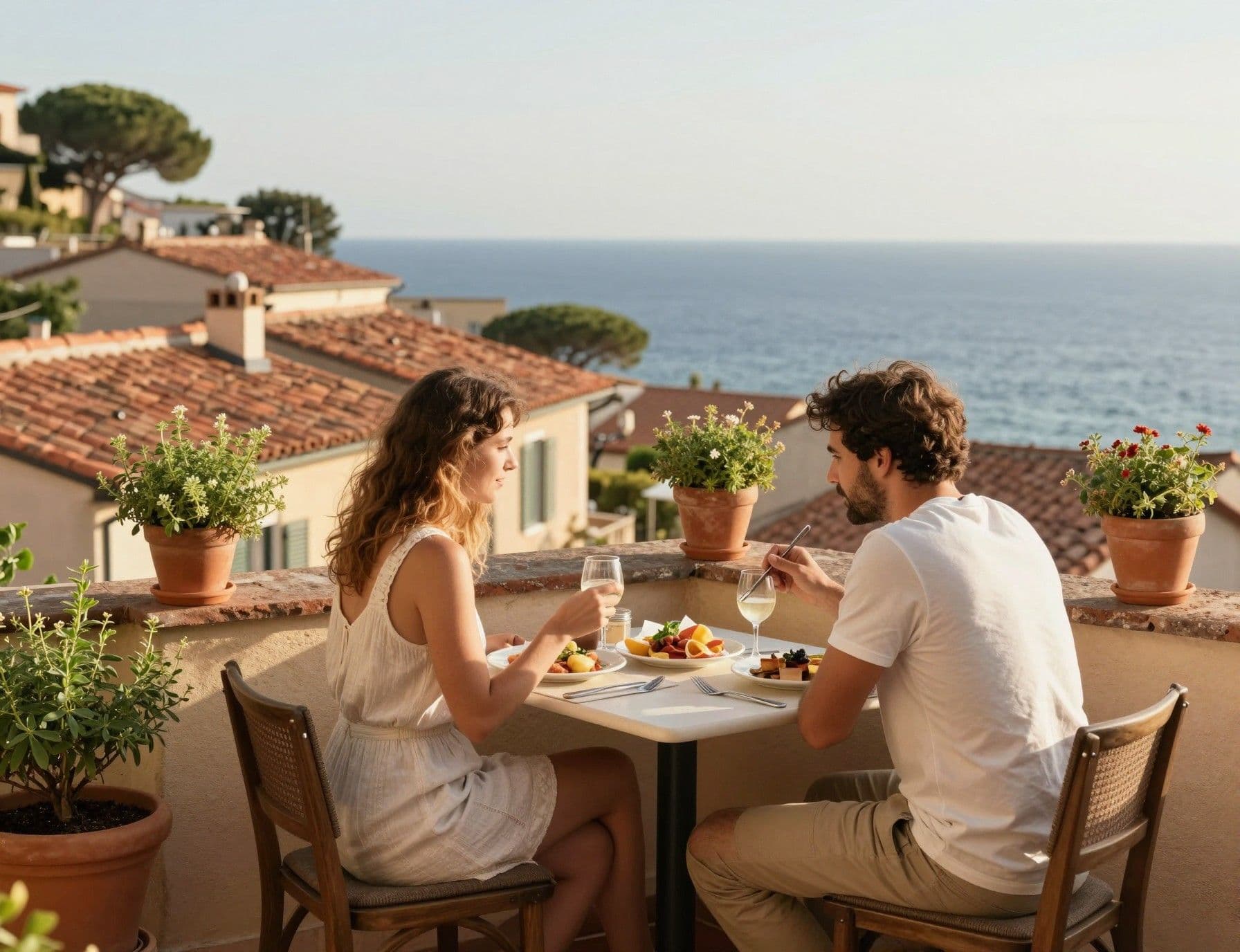
Italy’s market shows resilience but with regional contrasts. National statistics report rising house prices and steady transaction volumes in recent periods, yet momentum differs between big-city centres, provincial towns and coastal areas. Translating lifestyle desires into a purchase requires mapping local seasonality, rental patterns and renovation norms — and pairing that map with current market indicators to avoid surprises. Work with local experts who translate data into neighbourhood-level sense.
Property styles and how you’ll live in them
Italy offers palazzos and apartments in historic centres, modern lofts in redeveloped districts, seaside villas and rural farmhouses. A central apartment places you in daily street life; a seaside villa gives outdoor space and privacy but often requires a car and seasonal management. Think in use-cases: will you host long weekends, run short-term rentals, or move year-round? Your intended lifestyle should dictate the property type before price, because it determines running costs, renovation scope and the local services you’ll need.
Work with local experts who understand life, not just listings
A local agency or adviser who knows where neighbours meet, which streets go quiet after August, and which balconies catch the evening light is indispensable. Agencies with local roots can spot red flags — tricky co-ownership rules in historic blocks, maintenance-heavy roofs, or planning restrictions on terraces — that raw data won’t reveal. Choose professionals who combine market analysis with lived local insight so choices align with your daily life expectations.
- Decide lifestyle priorities (daily routine, hosting, rental) and let them guide neighbourhood choice.
- Ask agents about seasonality: demand peaks, months when the area quiets, and parking/transport realities.
- Inspect building services: heating, roof health, condominium funds — these affect comfort and long-term cost.
- Match property to use: small central apartment for everyday living; seaside villa for part-time life and rentals; farmhouse for slow-country living.
Insider knowledge: what expats wish they’d known
Expats often arrive charmed and then stumble on small, predictable issues: the time it takes to secure a local tax code, the patience needed with renovation permits in historic centres, and the habit of businesses closing for long summer pauses. Others underestimate the social integration needed to feel at home: joining local clubs, learning neighbourhood rhythms and embracing language basics accelerates belonging. On the upside, many find local services — bakers, fishmongers, artisan repairers — rapidly become indispensable parts of daily life.
Cultural integration and neighbourhood belonging
Language helps beyond bureaucracy; it unlocks invitations to supper, local market tips and friendships. Volunteer at a neighbourhood association, attend parish fêtes, and frequent a single café to become known rather than anonymous. Those small choices convert an apartment into a life. For buyers, the long-term value of a property often correlates with how quickly and deeply you integrate — properties near active community hubs hold their appeal longer.
How life changes over five years
After five years in Italy many buyers report a different set of priorities: from instant access to cafés to valuing local friends and weekday routines. Market-wise, price growth and transaction volumes have been positive in recent years according to national statistics and industry reports, but returns vary by city and coast. Planning for medium-term changes — family needs, mobility, and rental use — keeps decisions flexible and avoids forcing a sale for lifestyle reasons.
- Expect quieter towns in August; major cities remain active with cultural programmes.
- Historic homes often require higher maintenance but reward with unique character and location premiums.
- Seaside properties can offer strong seasonal rental income but need active management and weather-proofing.
Conclusion: Italy is not a single market; it is a collection of lived-in places where lifestyle and neighbourhood rhythm matter as much as headline prices. Use national data to map macro trends — for example Istat’s house price releases and Agenzia delle Entrate transaction reports — but ground decisions in street-level knowledge from agencies and neighbours. If you’re dreaming of markets with consistent local life, focus first on where you want to live each morning, then align that with the market and practical steps to secure it.
British investor turned advisor after buying in Costa del Sol since 2012. Specializes in cross-border compliance and data-driven investment strategies for UK buyers.