The 5% VAT Myth: When a Cyprus New Build Costs More
Why a '5% VAT' headline can mislead: Cyprus VAT, transfer fees and non‑dom rules change the real cost of new builds vs resales — plan scenarios, not slogans.
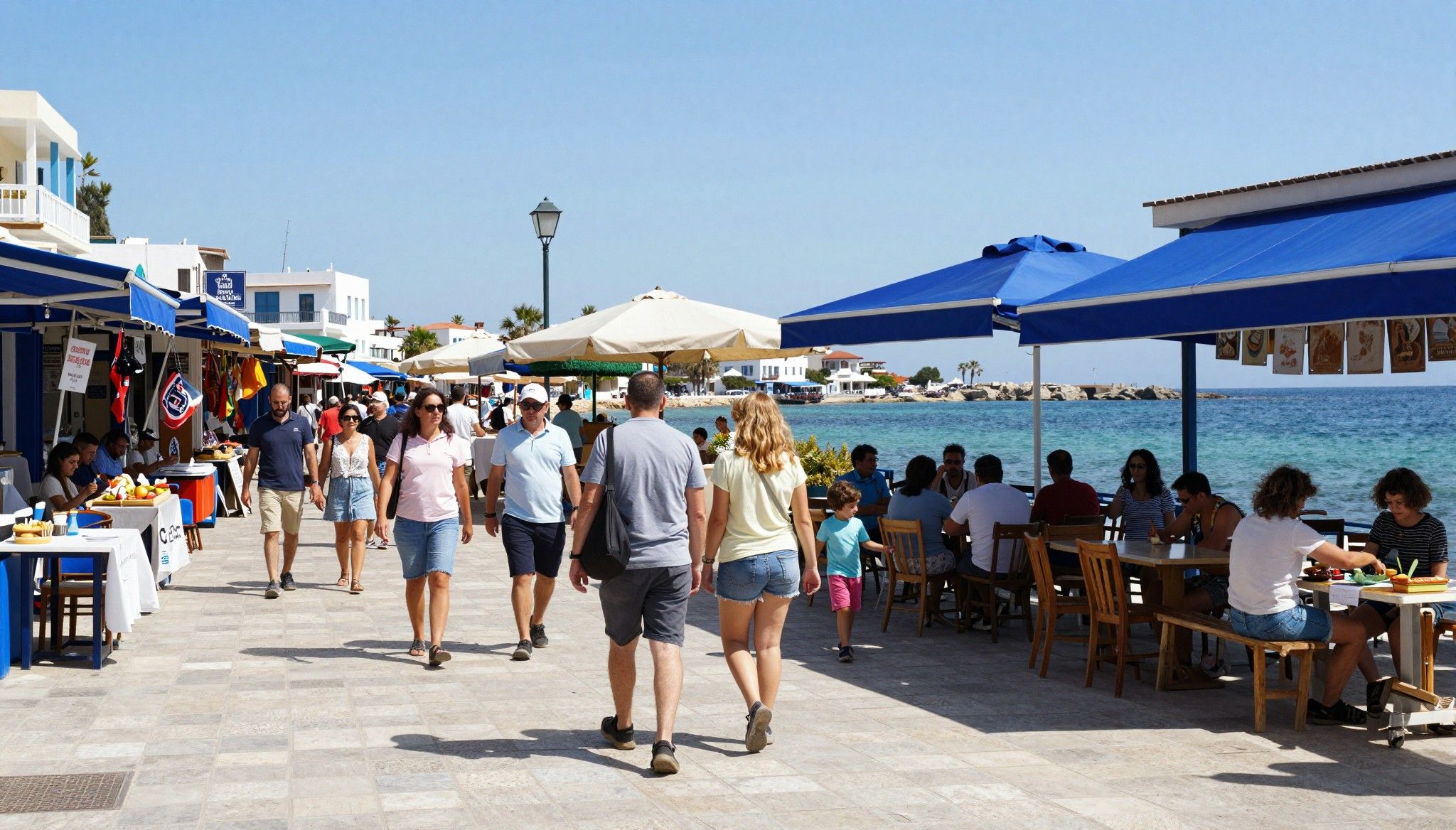
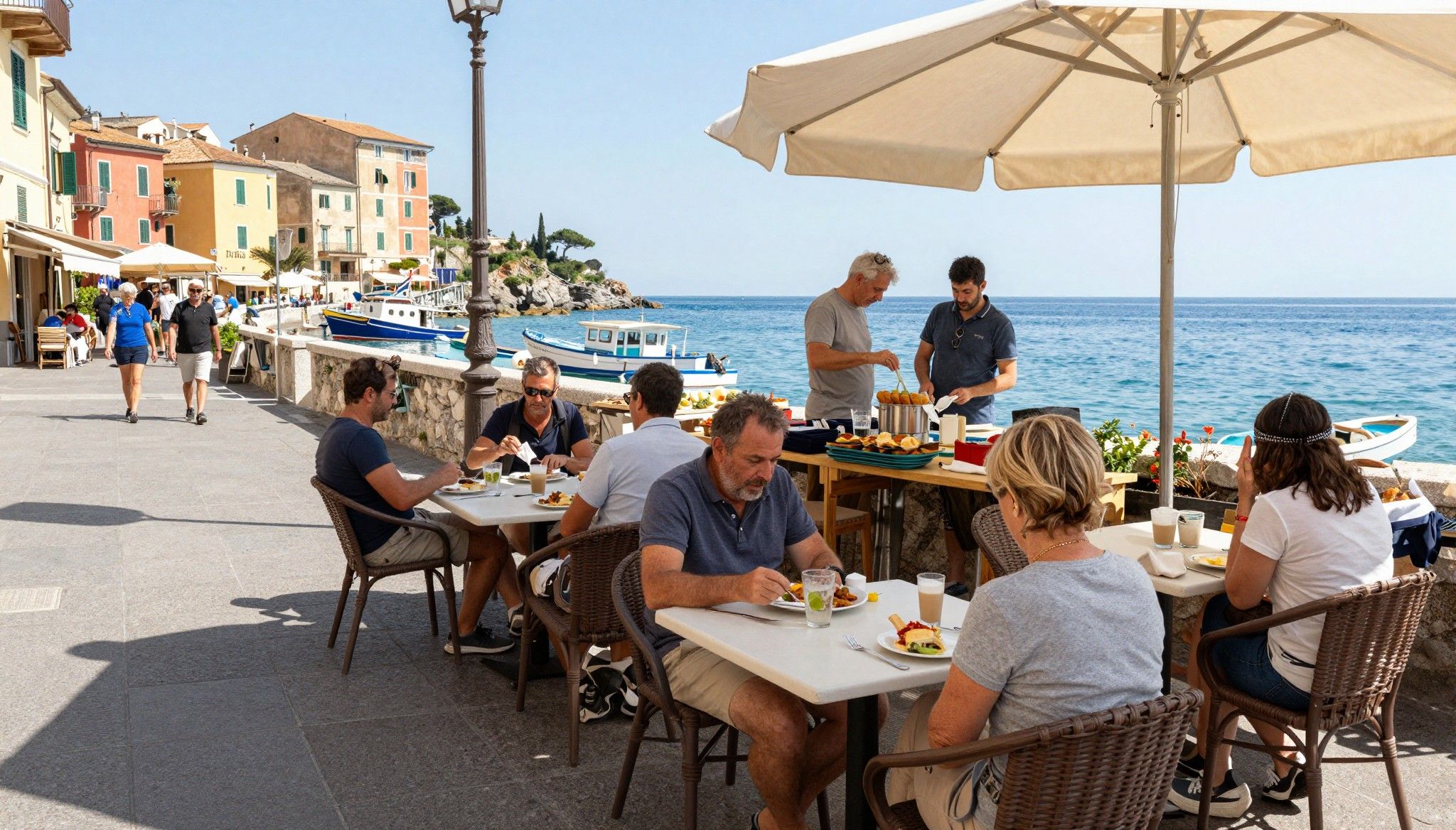
Imagine waking on a quiet morning in Limassol, espresso in hand, watching tradesmen put the final touches on a new seafront development — and realising the '5% VAT' headline that pushed you to buy doesn't actually save you money. Recent regulatory shifts and practical realities mean that the tax math, transfer costs and long-term resale dynamics in Cyprus can make a cheaper‑looking new build more expensive than an older resale. This guide blends local scenes — cafés on Gladstonos, fishermen on Larnaca's Finikoudes, village mornings in Tala — with hard numbers and rules so you can fall in love with the life without being surprised by the bill.
Living Cyprus: sun, sea, and everyday texture
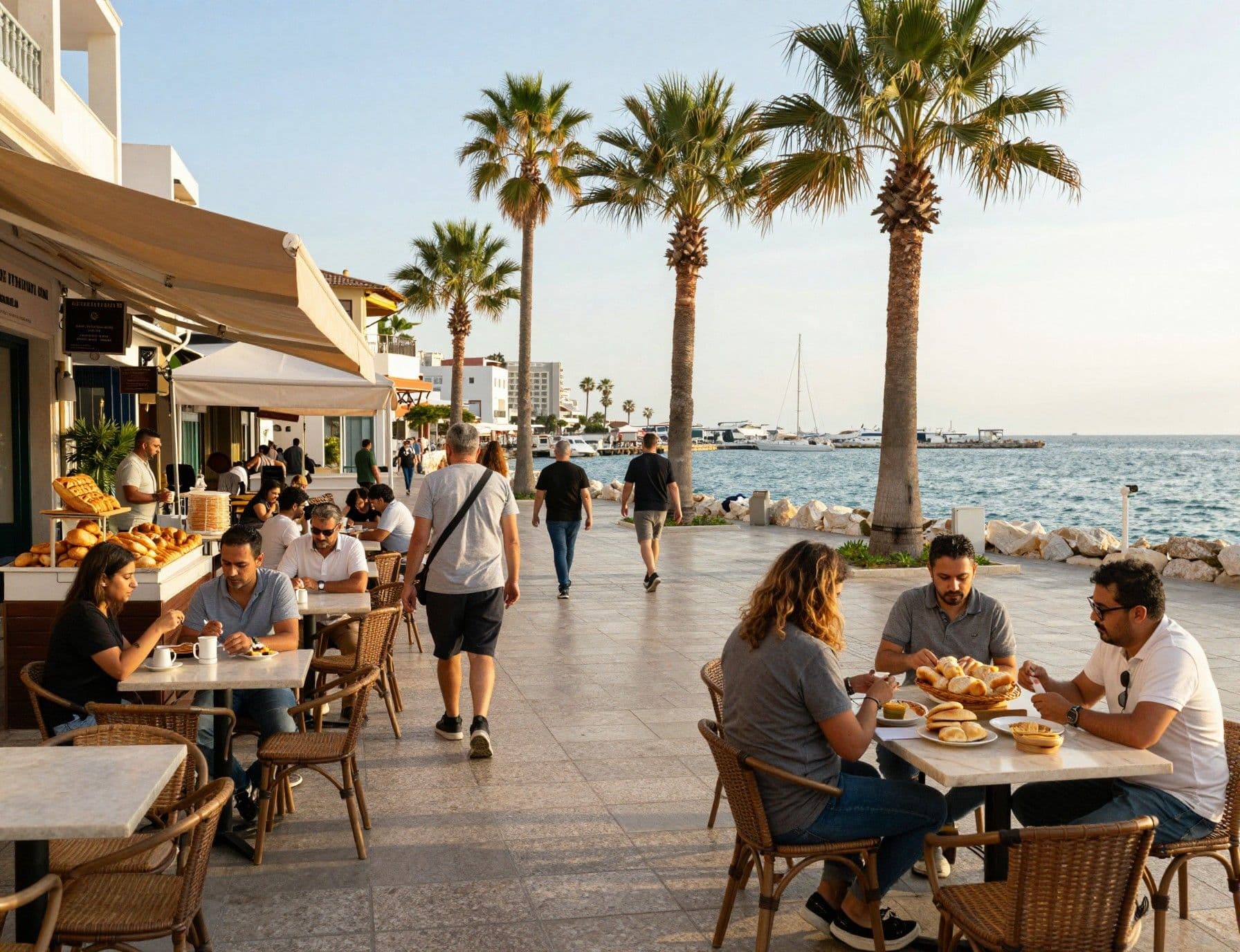
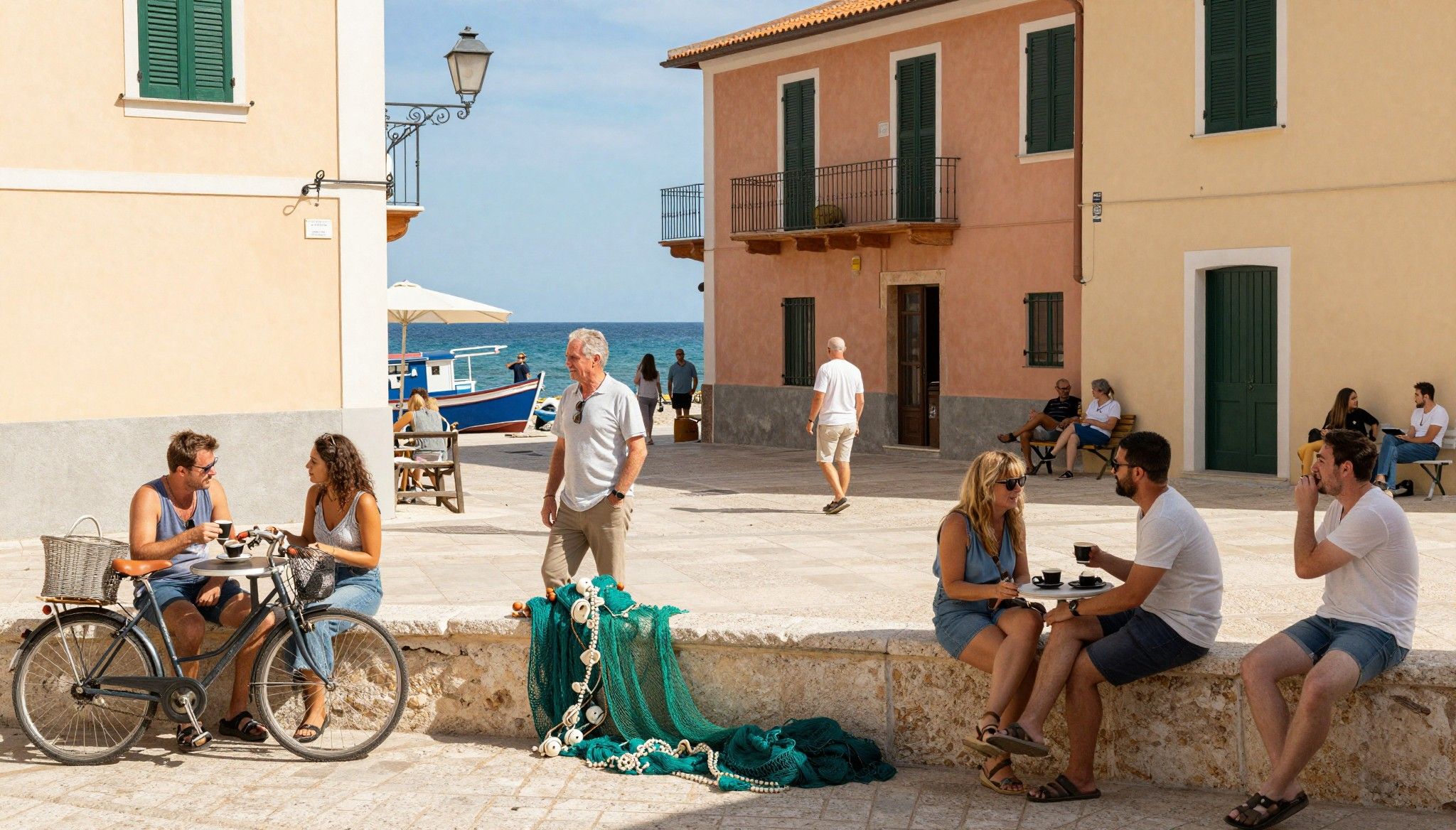
Cyprus feels both Mediterranean and intimate: compact historic centres, low-rise coastal promenades and mountains where villages keep old rhythms. Morning markets brim with halloumi sellers and bakers; by noon terraces fill with families; evenings favour long walks along the promenades of Paphos or Limassol. For an international buyer the appeal is immediate — English widely spoken, compact towns that are walkable, and a pace that balances outdoors life with practical services.
Neighborhood spotlight — Limassol marina to old‑town lanes
Walk from the gleaming marina development into the older lanes of Agios Nicolaos and you sense the tradeoff that shapes buying decisions: modern amenities versus authentic street life. New developments around the marina offer concierge-style living and pool terraces; a narrow street off Anexartisias will give you corner bakeries, a Greek taverna and neighbours who know your name. For many internationals the choice isn't only price — it's whether you want maintenance-free amenities or the smell and sound of everyday Cypriot life.
Food, festivals and rhythms that shape where you live
Seasonal life matters. Easter and summer festivals fill villages like Omodos with markets and music; winter months draw locals into cafés in Nicosia and mountain tavernas in Troodos. If you prize lively summers, a coastal flat near Kato Paphos works; if you want four‑season community, a renovated village house in Polis or Kakopetria may suit better. These choices influence not just atmosphere but taxes and running costs — think holiday‑rental income seasonality and municipal charges in busy resorts.
- Lifestyle highlights: Limassol marina cafés; Finikoudes promenade in Larnaca for morning coffee; Omodos village wine festivals; Tala village walks above Paphos; Pissouri Bay sunsets; small farmers' markets in Paralimni.
Making the move: how tax and regulation reshape the dream

The lifestyle you imagine will be filtered through Cyprus's tax and regulatory details. Key items that change the numbers: whether the property is a 'new' build for VAT purposes, the non‑dom tax advantages if you establish tax residence, and transfer‑fee regimes for resales. Recent official and professional guidance clarifies residency tests and the non‑dom status that gives exemptions on dividends and interest — a real advantage if you plan to live and work from the island.
Property types that matter — new build vs resale
A core surprise for many buyers: '5% VAT' is limited and conditional. Recent rule changes specify size and value caps and precise definitions of 'new' — go over the thresholds and the full 19% standard rate applies to the entire contract. That makes a headline VAT rate less reliable as a budgeting tool unless you confirm square‑metre limits, total contract value and the developer's VAT classification before signing.
How local experts convert lifestyle into compliant purchases
Agencies and local lawyers do more than show homes; they map VAT risk, confirm transfer‑fee exemptions for first‑time buyers, and align purchase timing with residency steps. Good advisors will model three scenarios — 'best case' (qualifies for 5% VAT and first‑time transfer exceptions), 'likely case' (partial exemptions) and 'stress case' (19% applies or repayment obligations arise) — so you see lifestyle costs over a ten‑year horizon, not just the flyer price.
- Steps to marry lifestyle and compliance: 1. Verify the developer's VAT classification and confirm area/value thresholds before deposit. 2. Ask for a written VAT scenario from counsel that includes repayment rules if the home ceases to be your primary residence. 3. Check transfer‑fee discounts for resales and first‑time buyer exemptions and budget for municipal dues. 4. Consider non‑dom residency timing: tax status can change net income expectations and rental strategies.
Insider knowledge: what expats wish they'd known
Expat buyers often recount the same surprises: the VAT‑size trap on new homes, delays in title deed transfer, and municipal fees that vary by community. A notable policy change — abolition of stamp duty in 2026 — reduces transaction friction, but transfer fees, Land Registry timing and the administrative rhythm of obtaining certificates still affect cashflow and move‑in timing. Local buyers treat these as part of the art of buying here; you should too.
Cultural integration and everyday life beyond the contract
Language is not a barrier — English is common in business and services — but cultural cues are. Neighbours expect small courtesies; local cafés establish social rhythms; festivals create sudden spikes in short‑term rental demand. Build lifestyle buffers into your buying plan: a welcoming street, proximity to clubs or churches you care about, and a property type suited to low‑maintenance living if you travel often.
Longer horizon: resale, inheritance and tax planning
Plan beyond purchase: Cyprus's non‑dom benefits, capital gains rules and succession laws affect whether a property is a lifestyle asset or a wealth vehicle. Work with tax advisers to model inheritance scenarios and rental yields under different residency statuses. Small upfront fees for proper structuring often pay for themselves through lower taxes and clearer exit options.
- Quick red flags when an island tale turns sour: developers who won't confirm VAT classification in writing; escrow arrangements that leave deposits unsecured; agents who promise 'guaranteed' residency without legal basis; mismatched expectations about maintenance charges and municipal tax lines.
Conclusion — live the life, but read the fine print. Cyprus offers a Mediterranean lifestyle that's easy to love and structured tax benefits that reward thoughtful planning. Before you sign, insist on scenario modelling for VAT and transfer fees, confirm non‑dom advantages if you plan to establish residence, and pick a neighbourhood that fits daily life as much as price. If you want a short list of vetted lawyers and agencies who combine lifestyle insight with rigorous tax modelling, start with advisors who provide written VAT and residency scenarios before accepting a deposit.
British investor turned advisor after buying in Costa del Sol since 2012. Specializes in cross-border compliance and data-driven investment strategies for UK buyers.