Why Italy’s ‘Slow’ Market Is a Smart Buy Now
Italy’s measured price growth and seasonal rhythms reward buyers who prioritise street-level lifestyle research and low‑season visits.
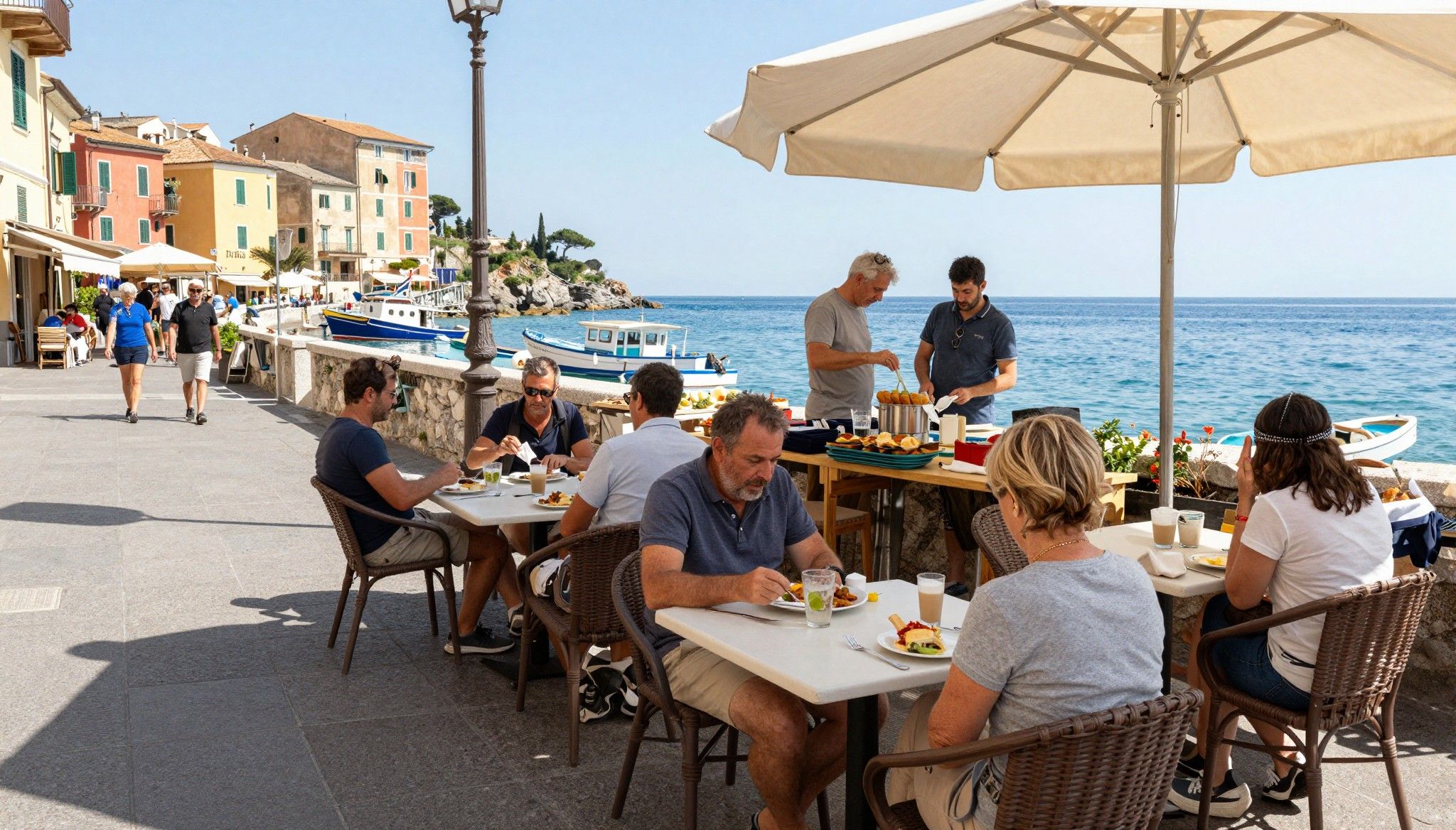
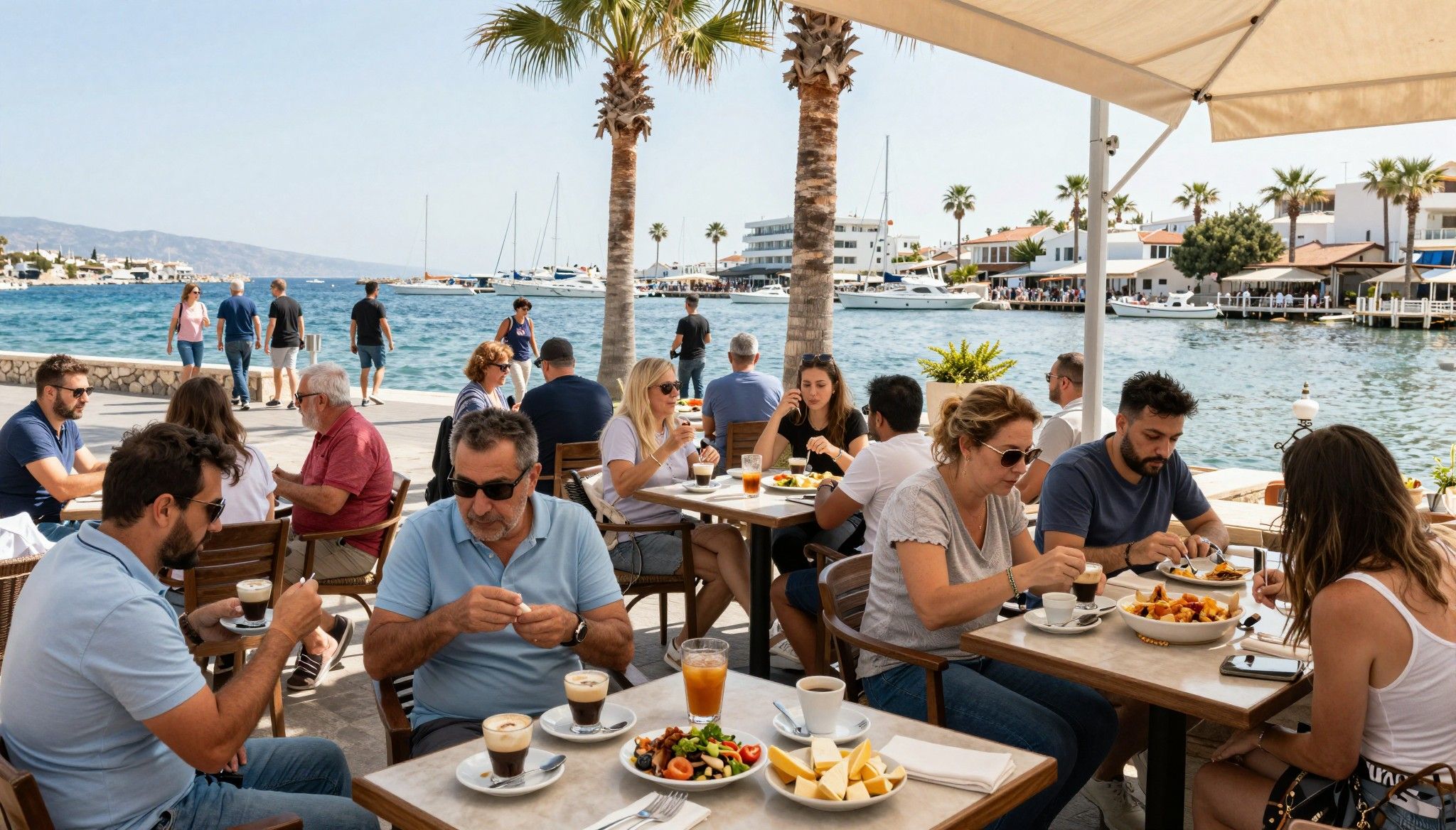
Imagine sipping an espresso on a narrow cobbled street in Trastevere, then stepping onto a tram that takes you to a studio with high ceilings and a courtyard garden. Italy moves at an invitingly human pace: morning markets, late dinners that stretch, neighbourhood bars where owners know your name. That rhythm—historic, social and distinctly local—is why buyers fall in love with Italy. But the slower market many commentators call “stagnant” masks practical advantages for deliberate international buyers.
Living the Italian rhythm: city, coast, and the in-between
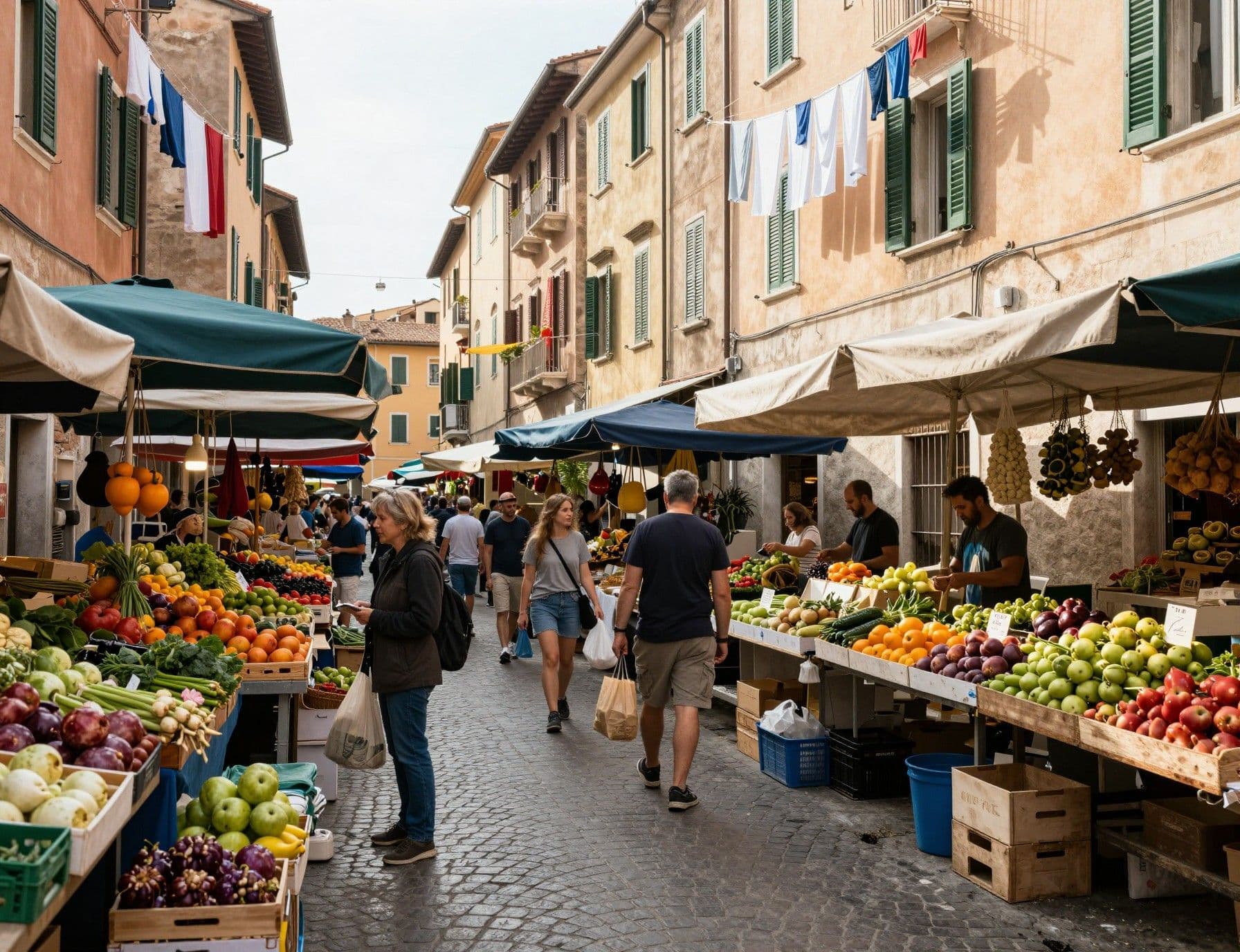
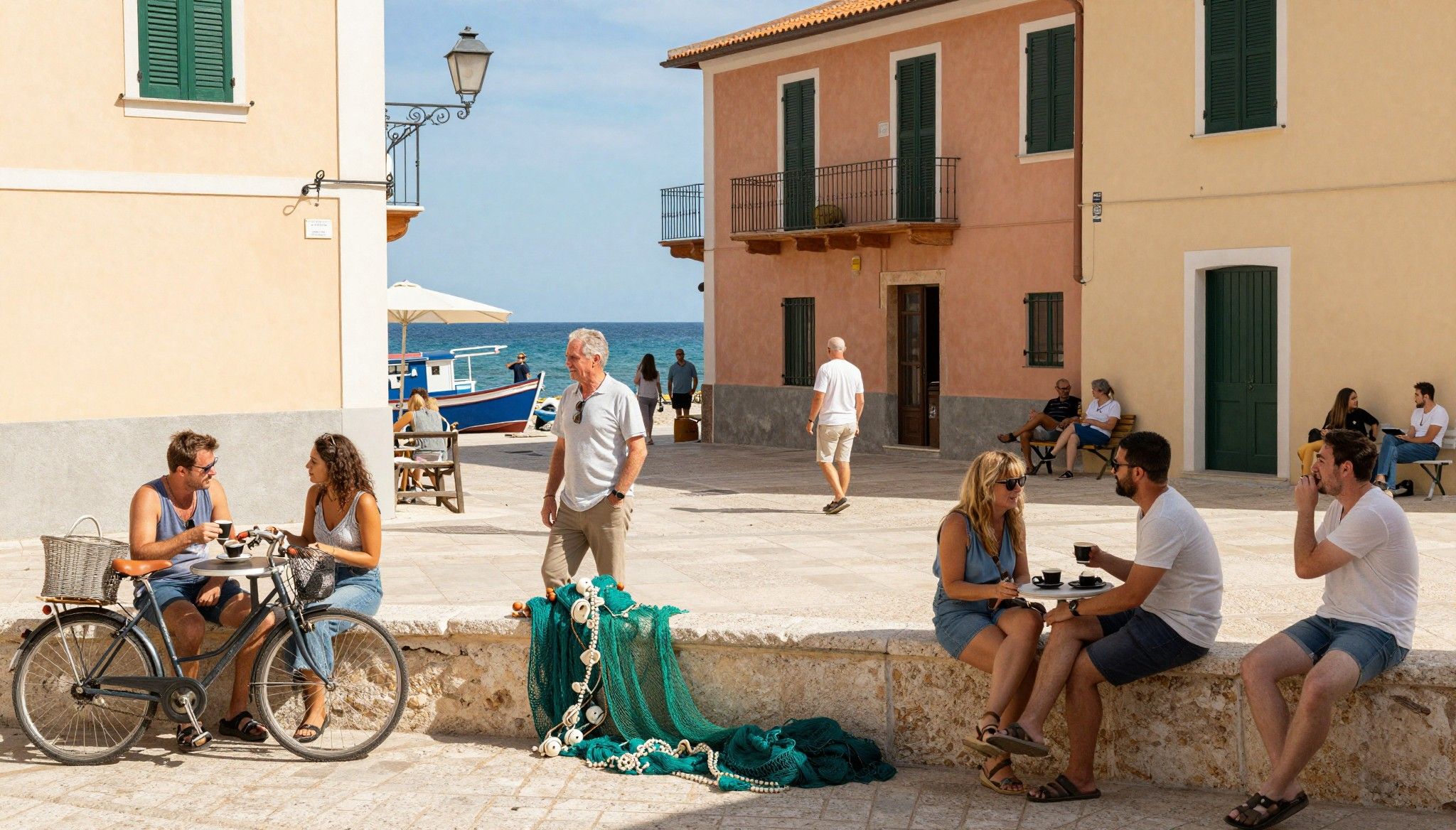
Life in Italy feels like a layered playlist: the Renaissance cadence of Florence, café chatter on Milan’s Navigli, fishermen mending nets along the Amalfi and Ligurian coasts. Daily life centers on small rituals—café morning, market shopping midweek, aperitivo before dinner—and the property you choose folds into those rituals. A third-floor apartment with shutters in Palermo means morning sun and terrace herbs; a stone farmhouse in Puglia means seasonal olive harvests and community fêtes. Those concrete differences shape what you want from a property far more than headline prices do.
City neighbourhoods that reveal the real Italy
In Rome, Trastevere still feels lived-in rather than tourist-ified: trattorie with laminated menus and piazzas where grandparents play cards. Milan’s Isola offers creative energy, co-working cafés and newer boutique new-builds tucked behind brick façades. In Naples, Vomero’s terraces and local markets provide daily life that international buyers often seek when they want authenticity and community. Each neighbourhood brings a distinct tempo and daily conveniences that determine resale and rental appeal more than citywide averages.
Seaside and small-town patterns: what changes with the seasons
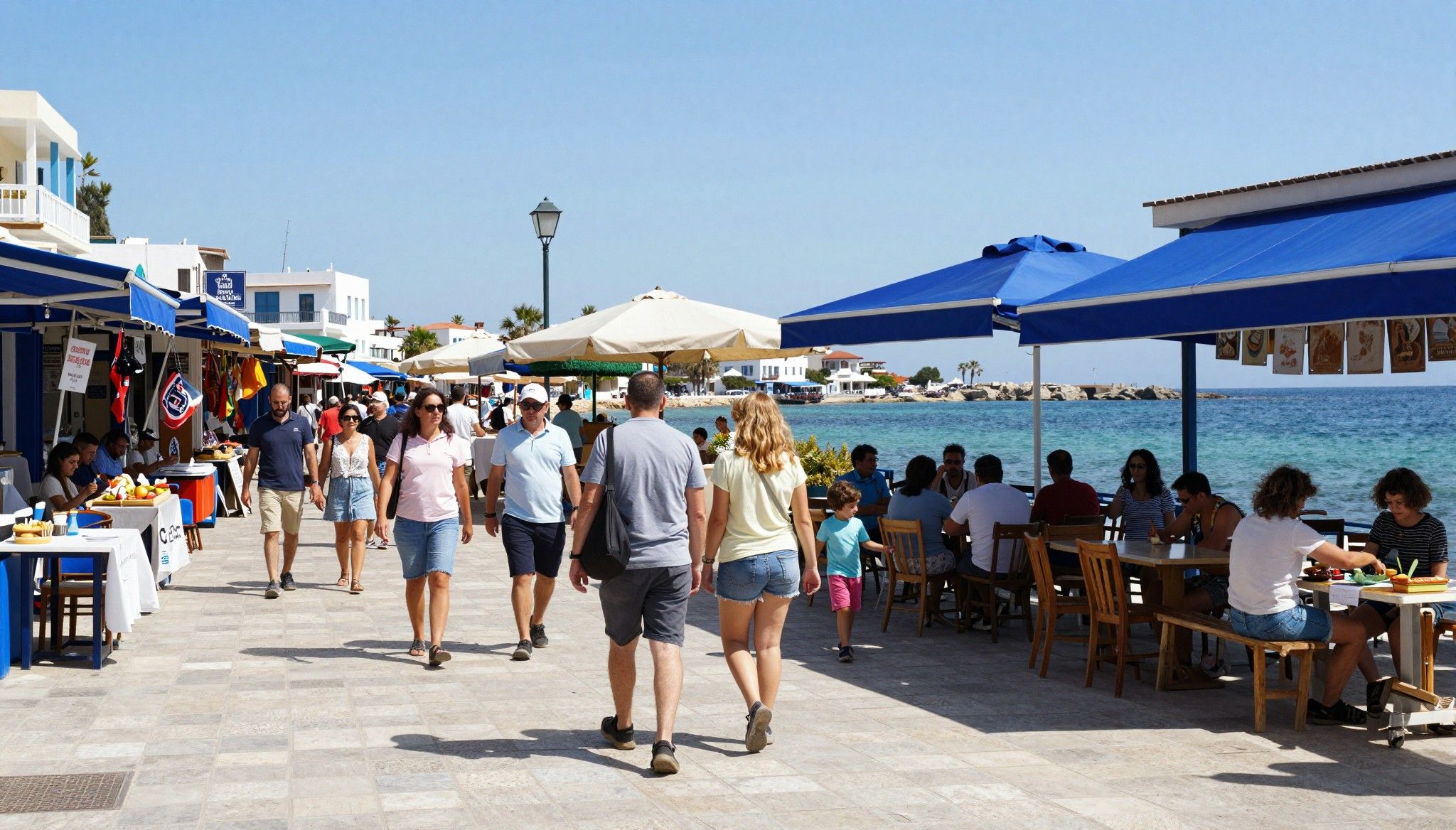
Coastal towns such as Sestri Levante, the Cinque Terre fringes, or parts of the Amalfi coast switch identities with the seasons: quiet local life in winter, convivial bustle in summer. That seasonality creates buying windows: you’ll discover local markets, small restaurants and neighbourhood rhythms in low season that are invisible during peak months. For investors, these seasonal swings affect short‑term rental income but also reveal which streets are genuinely year-round communities versus tourist corridors.
Making the move: practical considerations that match the lifestyle
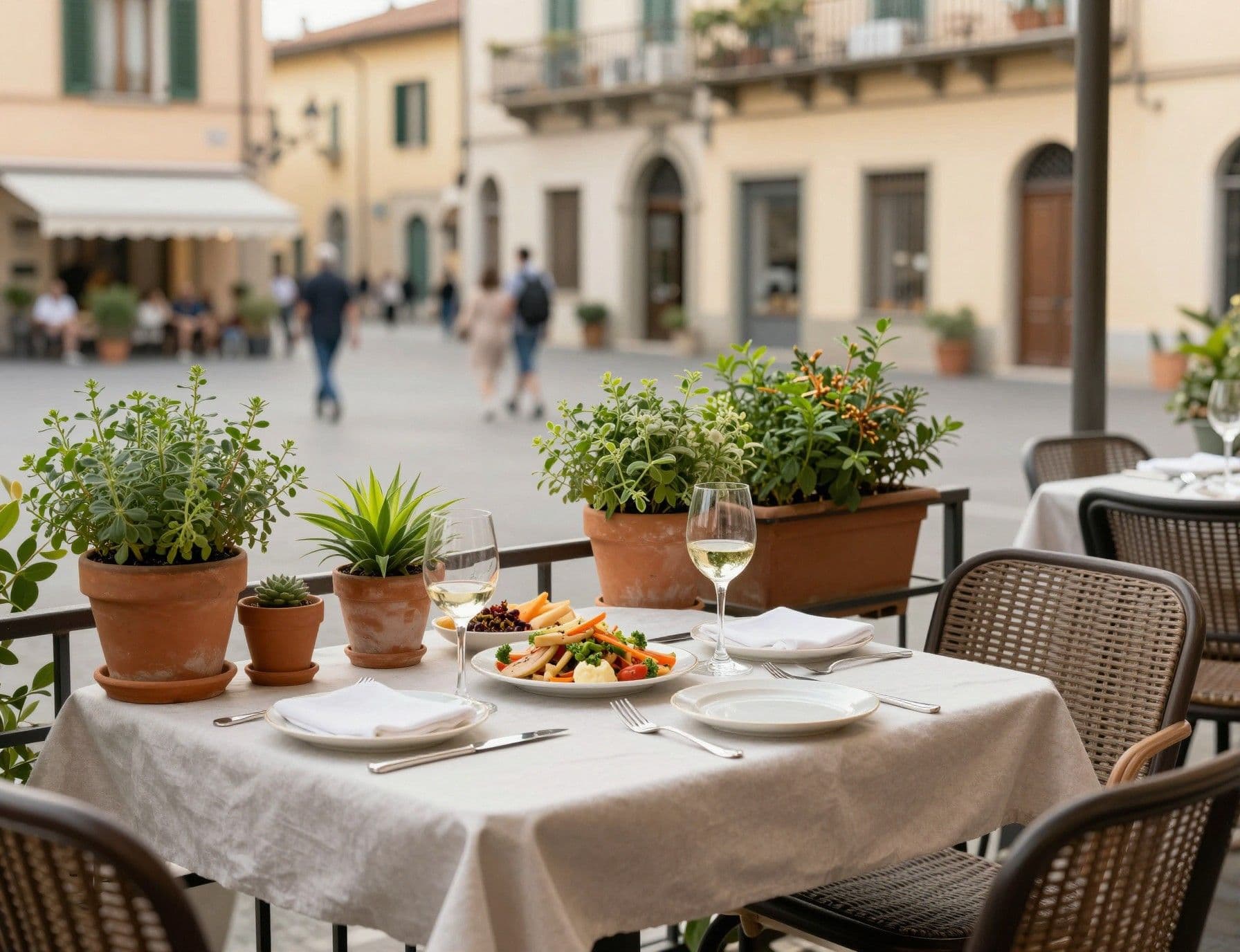
Your emotional fit with a neighbourhood must be paired with process clarity. Italy’s purchase sequence—offer, preliminary contract, notary-signed deed—places the notaio at the centre of title checks and tax registrations. Understanding how local agencies and a trusted notaio work together will keep the process aligned with the life you imagine. Practical steps done well protect both lifestyle and capital.
Property types: match architecture to daily life
Historic apartments with high ceilings and original tile floors offer character and centrality but often require ongoing maintenance and adaptation for insulation or plumbing. New-builds provide modern comfort, lifts and energy efficiency at the cost of location—many new developments sit at the edge of historic cores. Farmhouses and converted masserie promise outdoor space and slower rhythms but demand attention to utilities and access. Choose the type that suits how you want to live in Italy day-to-day.
Working with local experts who know the life—not just the listings
A good local agent helps you read street-level signals: which cafés are open year-round, where local renters prefer to live, and which blocks will have planning controls that protect views or limit conversion. The notaio ensures legal title and tax compliance, while a bilingual agent and a local architect can translate lifestyle ideas into realistic property choices. For international buyers, this team softens language barriers and helps turn ‘I like this street’ into a safe, informed purchase.
- Checklist: lifestyle-first practical checks
- Is the neighbourhood year-round or seasonal? (Observe midweek activity.)
- Check utility connections and broadband speed for remote working needs.
- Ask the agent about recent sale prices on the street, not just the postcode.
- Confirm building maintenance plans and any condominium (condominio) charges.
Insider knowledge: myths, seasonal timing and what expats wish they knew
Two common myths trip up buyers: that Italy is uniformly expensive, and that historic homes are automatically better investments. In reality, national data show modest, steady growth rather than sharp booms; ISTAT reported house price rises of around 4% year-on-year in 2025, driven more by existing homes than new-builds. That pattern rewards buyers who are patient and selective—prices move gently, giving time to research neighbourhood-level dynamics rather than chasing headlines.
Why the ‘expensive Italy’ story is incomplete
National averages conceal regional variety: Milan and some coastal hotspots posted above-average rises, while many provincial towns remain affordable. ISTAT’s 2025 updates show increases concentrated in existing stock, and independent analysts like Nomisma point to a slowdown into 2026—an environment where negotiable prices and careful street-level research create opportunity. In practice, international buyers can find value by targeting neighbourhoods with stable local demand rather than headline hotspots.
Seasonal timing: when to visit, when to bid
Visit outside the high season to see how a place truly functions: mid-November to March reveals which shops stay open, how traffic moves, and which streets feel lively year-round. Many sellers show properties in summer when everything looks polished; low-season visits help you check insulation, heating and neighbour patterns. For investors who value rental income, book viewings both in and out of season before making offers.
- Steps to an informed Italian purchase
- 1. Visit in low season, observe everyday life and services.
- 2. Instruct a bilingual agent and a notaio to check title and planning history.
- 3. Get local quotes for utilities, broadband, and condominio charges.
- 4. If renting short-term, research local regulations—some communes limit holiday lets.
What expats say they wish they'd known
Expats often underestimate ongoing community commitments: small towns expect involvement in local life, and condominium meetings determine practical day-to-day experience in apartment blocks. Language helps—learn key phrases for meetings and bills—and a local agent who has negotiated with the same municipality before saves time. A reliable notaio and clear, bilingual documentation make the difference between a pleasant move and months of administrative friction.
Conclusion: buy the life you want, then back it with street-level data. Italy’s measured price growth, strong cultural magnetism and varied neighbourhood characters create opportunities for international buyers who look beyond postcards. Start with low-season visits, assemble a local team (agent, notaio, architect), and prioritise streets where the life you crave is already happening. When lifestyle and due diligence align, Italy stops being a dream and becomes an everyday reality.
Norwegian market analyst who relocated to Mallorca in 2020. Focuses on data-driven market insights and smooth relocation for international buyers.