When Cyprus’s Summer Hype Misleads Buyers
Summer hype inflates Cyprus price headlines. Read quarter-level RPPI/HPI and visit off-season to find quieter value corridors and negotiate from strength.
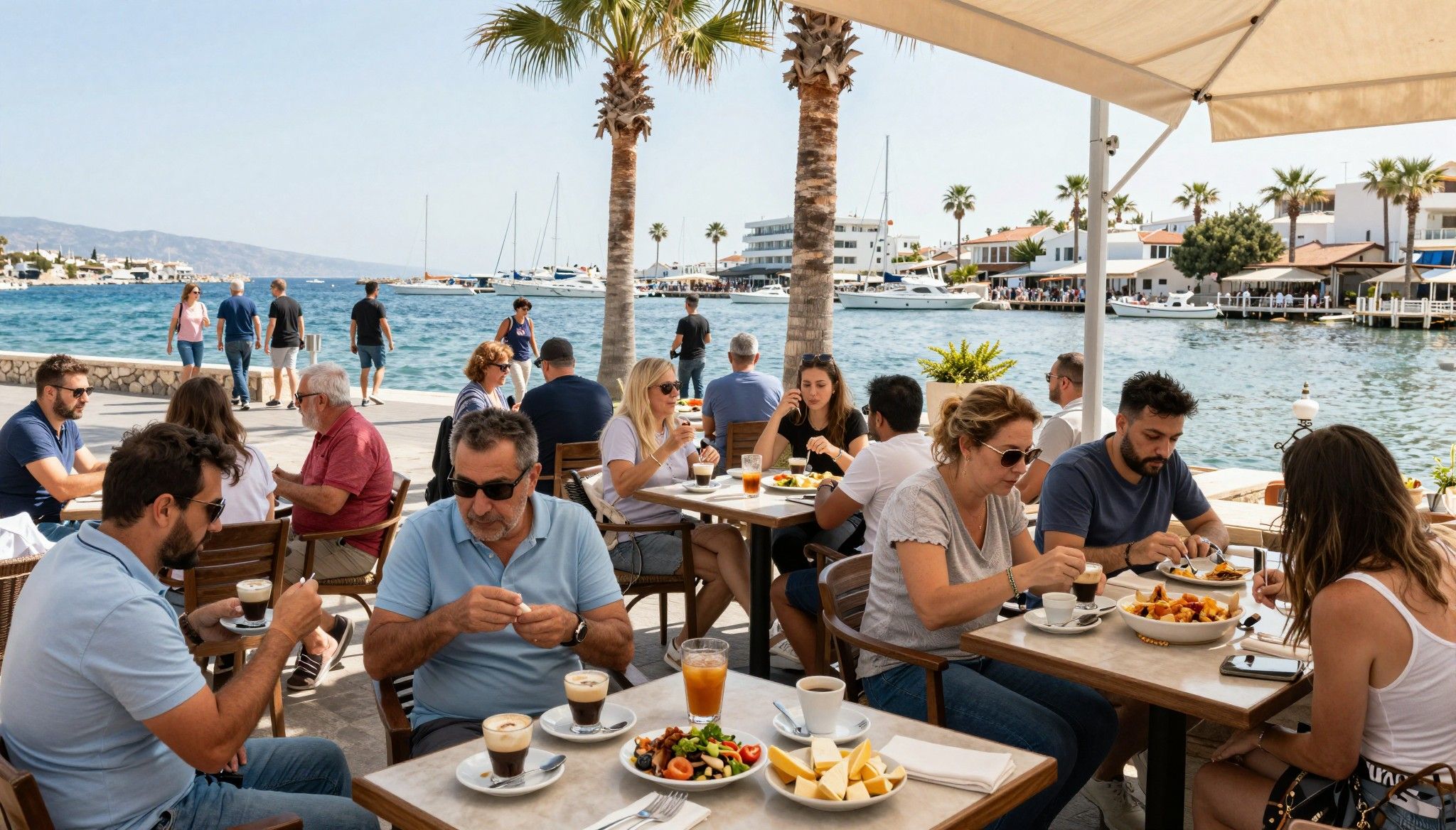
Imagine an August afternoon in Larnaca: small plates arriving at a sunlit taverna on Phinikoudes, children chasing pigeons on the promenade and an estate agent showing the same seafront apartment to three different buyers. That concentrated heat — of tourists, transactions and headlines — gives Cyprus a reputation of being irretrievably expensive. But if you step off the main drag, change your timing and read the quarterly data, a different market appears: one with seasonal distortions, apartment-led momentum and clear corridors of value. This guide explains why the summer spectacle misleads buyers, and how a season-aware strategy in Cyprus can save money and improve lifestyle fit.
Living the Cyprus rhythm
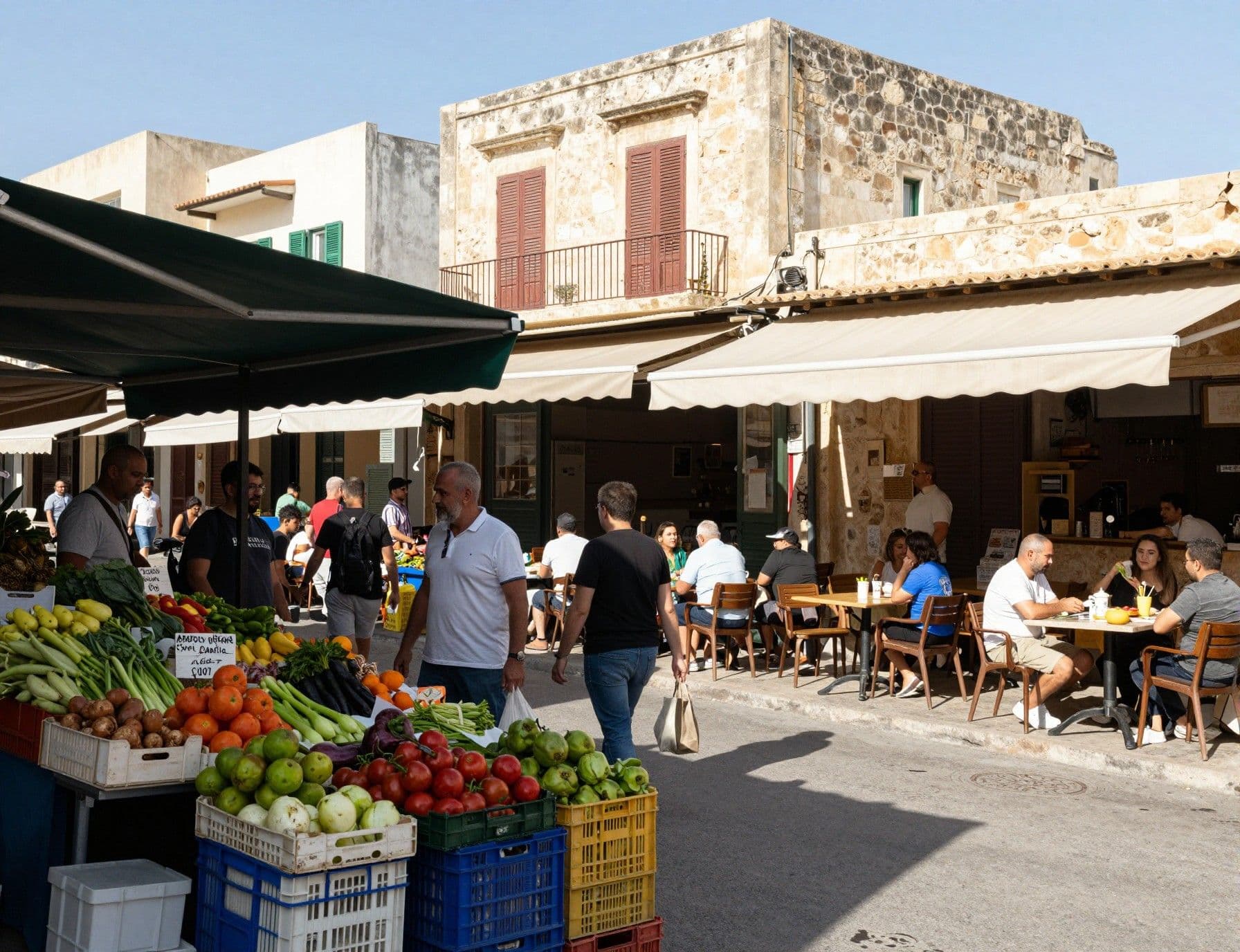
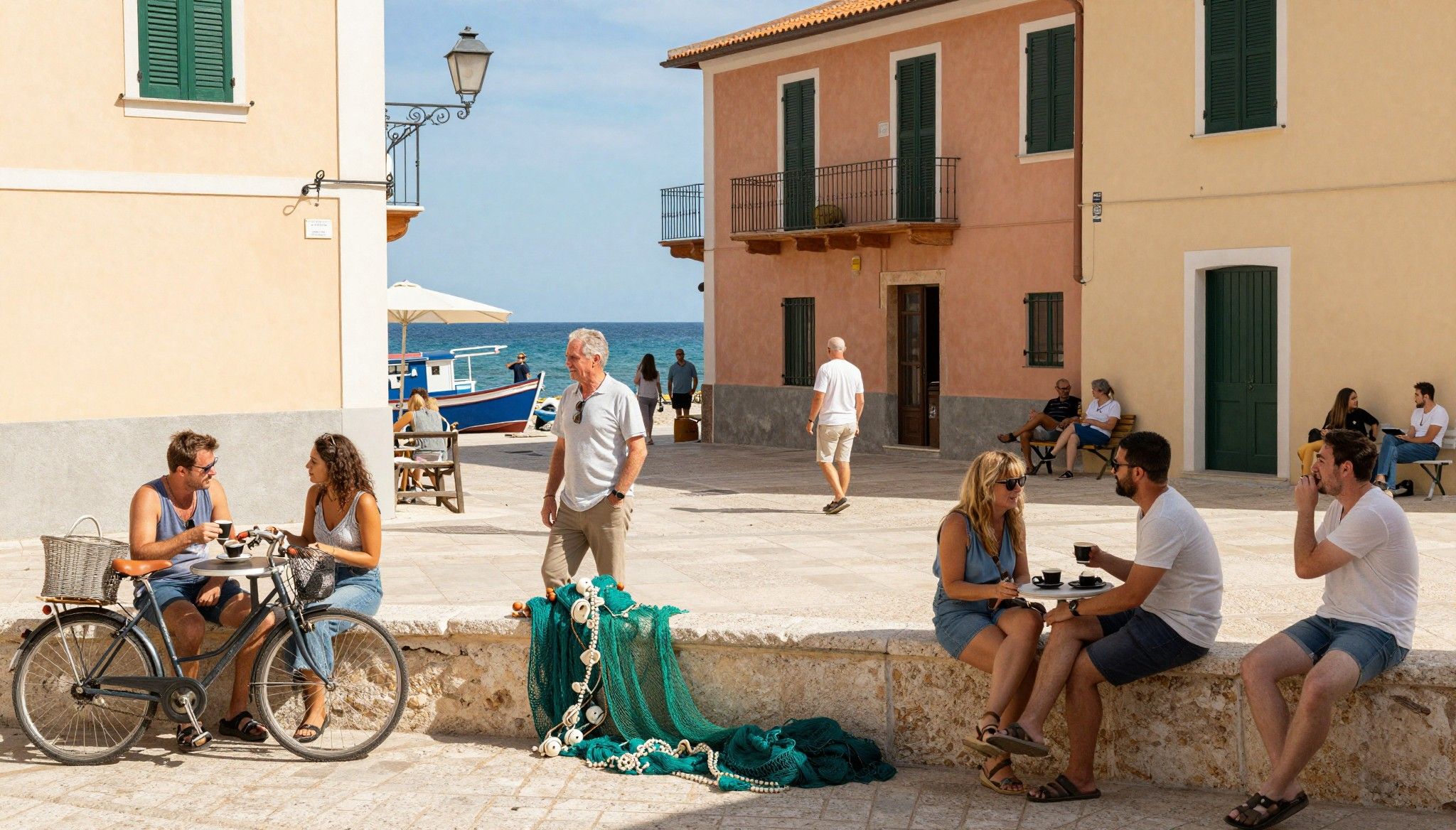
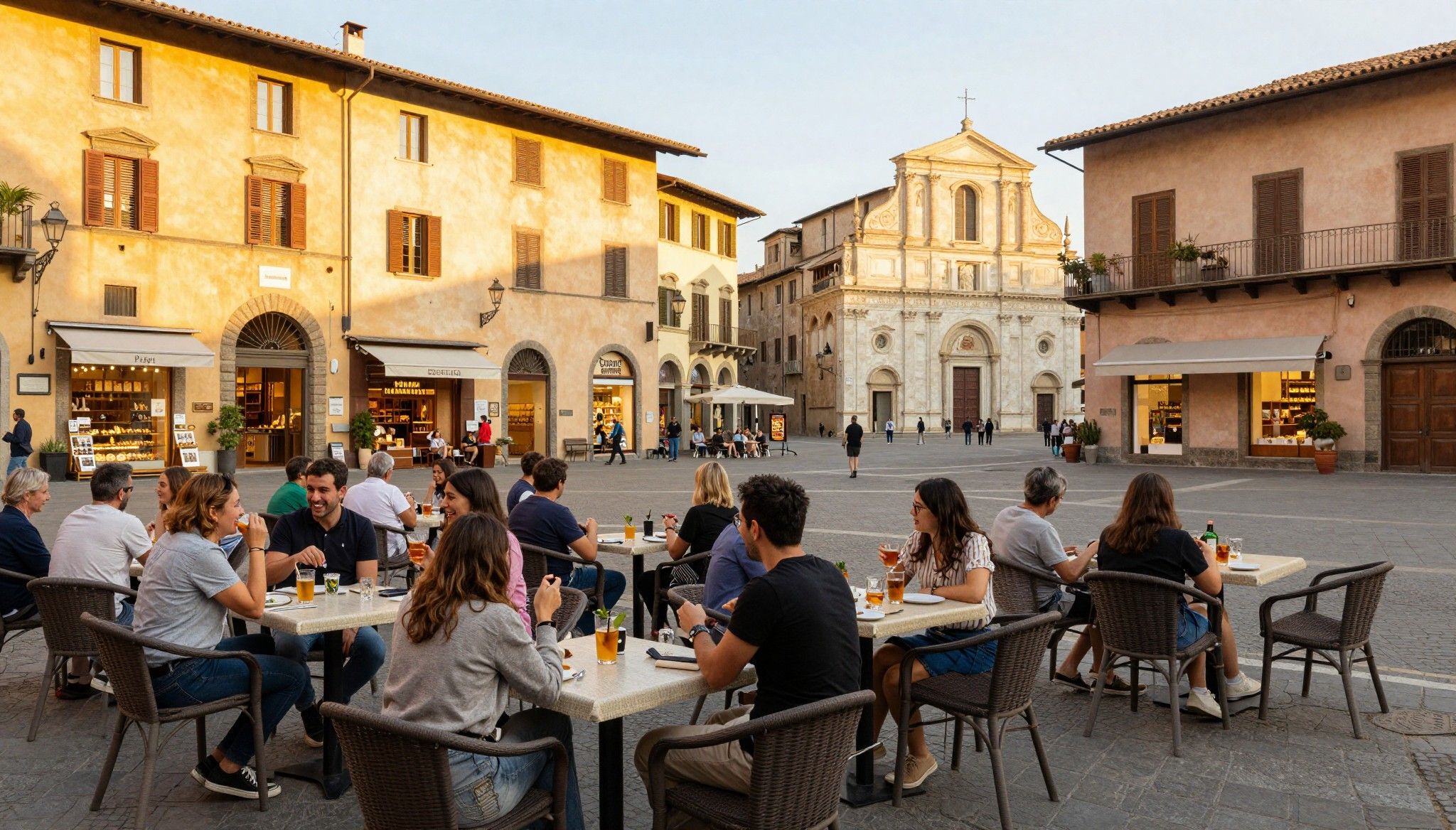
Cyprus moves at two paces: the bright, busy coastal tempo from May to September and a calmer, more local rhythm for the rest of the year. Morning espresso in Nicosia’s Eleftherias Square feels different from a November breakfast in Polis; beaches empty, tavernas reopen for locals, and neighbourhoods reveal their everyday character rather than their postcard role.
Coasts: Limassol, Larnaca, Paphos — the day-to-day
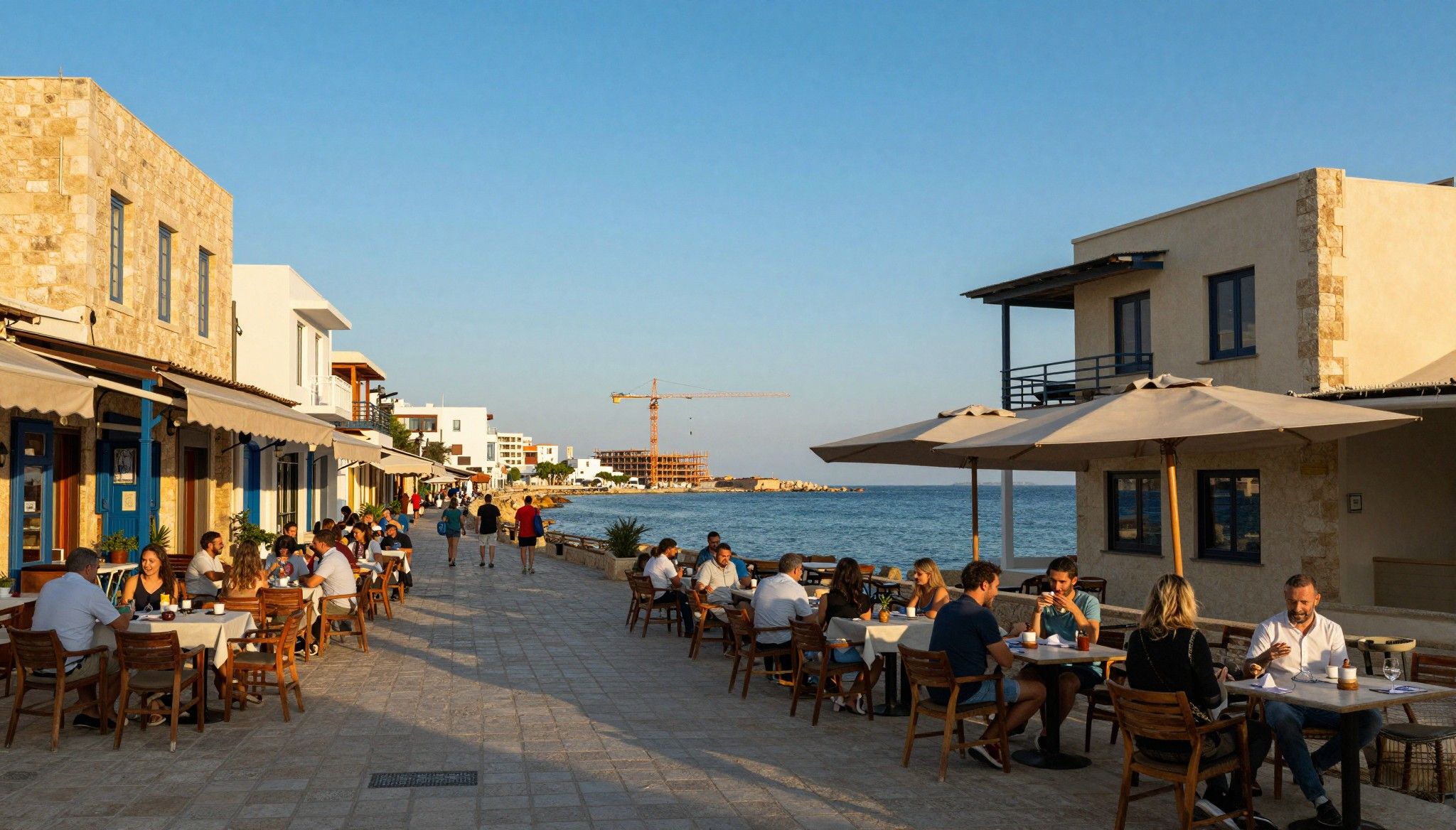
Limassol hosts luxury apartments and a fast-moving resale market; Larnaca balances harbour life with new apartment blocks; Paphos mixes resort pockets with long-established villages inland. In 2025 apartments dominated new-build activity and transactions, which magnifies summer price headlines because many off-plan launches and viewings cluster in the warm months. Yet transaction mix matters: apartments represented the lion’s share of activity, leaving houses and village properties less affected by seasonal hype.
Inland & mountain life: a different tempo
Troodos villages, like Platres and Omodos, are quieter in summer and come alive in autumn and winter. Buying inland often means trading immediate sea access for lower prices, larger plots and a community pace that suits remote workers or retirees seeking continuity rather than seasonal bustle.
- Lifestyle highlights: morning market in Limassol’s Old Port; espresso at To Kafeneio on Larnaca’s Saint Lazarus street; Sunday tavernas in Paphos’ Geroskipou; Troodos hiking and winery weekends; local produce stalls in Polis.
Making the move: timing, market data and practical moves

The data tell a clear seasonal story: headline price rises and transaction spikes skew in summer because developers time launches and buyers travel then. The Central Bank’s Residential Property Price Index shows apartment-led growth across 2025, while industry reports note record transaction volumes. For buyers this means: don’t equate summer demand with permanent market ceiling — look at quarterly indices and transaction mix before writing offers.
Property styles: what fits the life you want
Modern seafront apartments offer lock-and-leave convenience and rental potential, but expect smaller outdoor space. Converted village homes or two-storey houses inland give gardens and privacy at a lower per-metre price. New builds cluster in coastal corridors and drive headline averages; older stock and village houses often hold long-term value for lifestyle buyers.
Work with local experts who read seasonality
- 1. Ask agents for recent quarter-level RPPI or HPI trends (not just annual averages) to gauge momentum. 2. Request transaction mix for the micro-area (new-build vs resale) so you understand summer-driven launches. 3. Use off-peak viewings (October–March) to judge neighbourhood life and negotiate from a calmer position. 4. Insist on a local solicitor who works across Land Registry and Department of Lands procedures and can advise on residency implications if you are non-EU.
Insider knowledge: myths, red flags and expat truths
Myth: Cyprus is uniformly expensive. Reality: national indices rose in 2025 but growth concentrated in apartments and coastal hotspots. Expat buyers often overpay when they buy during holiday visits because the emotional pull of sunlit terraces and full beaches masks negotiation room. A calm off-season inspection generally reveals realistic maintenance needs, quieter neighbours and better bargaining leverage.
Cultural cues and living the life long-term
English is widely used in services and business, but learning basic Greek rewards you socially and speeds local bureaucracy. Expect a community-centred pace: village festivals (panigiria) and weekday cafe rhythms shape how neighbours interact. If you want year-round community life, prioritise established neighbourhoods — they quieten less dramatically in winter than tourist-focused streets.
- Red flags to watch (real examples): suspiciously fast title transfers; developers who push unconditional deposits in peak season; listings with vague maintenance histories; absence of recent energy performance or permit documentation.
Data: foreign buyers accounted for roughly 40% of sales in 2025, amplifying seasonal demand in coastal hotspots. That’s not bad — it sustains liquidity — but it does mean competition in summer. Smart buyers pivot to off-peak viewings, check quarterly RPPI shifts and compare new-build vs resale metrics to locate quieter value corridors.
- 1. Visit outside peak months (Oct–Mar) to assess noise, services and neighbour profiles. 2. Request itemised running costs and recent service-charge accounts for apartments before bidding. 3. Ask for recent comparable sales (last 12 months) in the exact street, not the town average. 4. Use the Central Bank RPPI and CYSTAT HPI as cross-checks for district-level momentum. 5. Build contingencies for renovation timelines — permits and contractor availability vary by season.
Picture this: you arrive in late November, find a coastal apartment priced 8–10% below summer offers, negotiate a more realistic maintenance allowance after seeing winter wear, and move in by spring when the town reawakens. That timing strategy isn’t a gamble — it’s reading the market’s pulse.
Conclusion: buy the life, but read the season
Cyprus sells a life — sun, food, neighbourly rhythm — but the market sells a season. Use quarter-level indices, local comparable transactions and off-peak visits to separate enduring value from summer spectacle. Work with agencies who track RPPI/HPI data and know micro-market transaction mixes; they will steer you to places that match how you want to live, not just where the headlines point.
- Immediate next steps: check recent RPPI/HPI for your target town; schedule an off-season visit; request micro-area comparables from two different agencies; commission a local solicitor to review title and permits.
Swedish strategist who relocated to Marbella in 2018. Specializes in legal navigation and tax planning for Scandinavian buyers.