Italy: Trade Lifestyle for Value — Neighbourhoods, Data, Next Steps
Italy combines daily rituals and regional diversity; measured price growth and wide regional gaps mean international buyers can trade lifestyle for value with the right local insights.
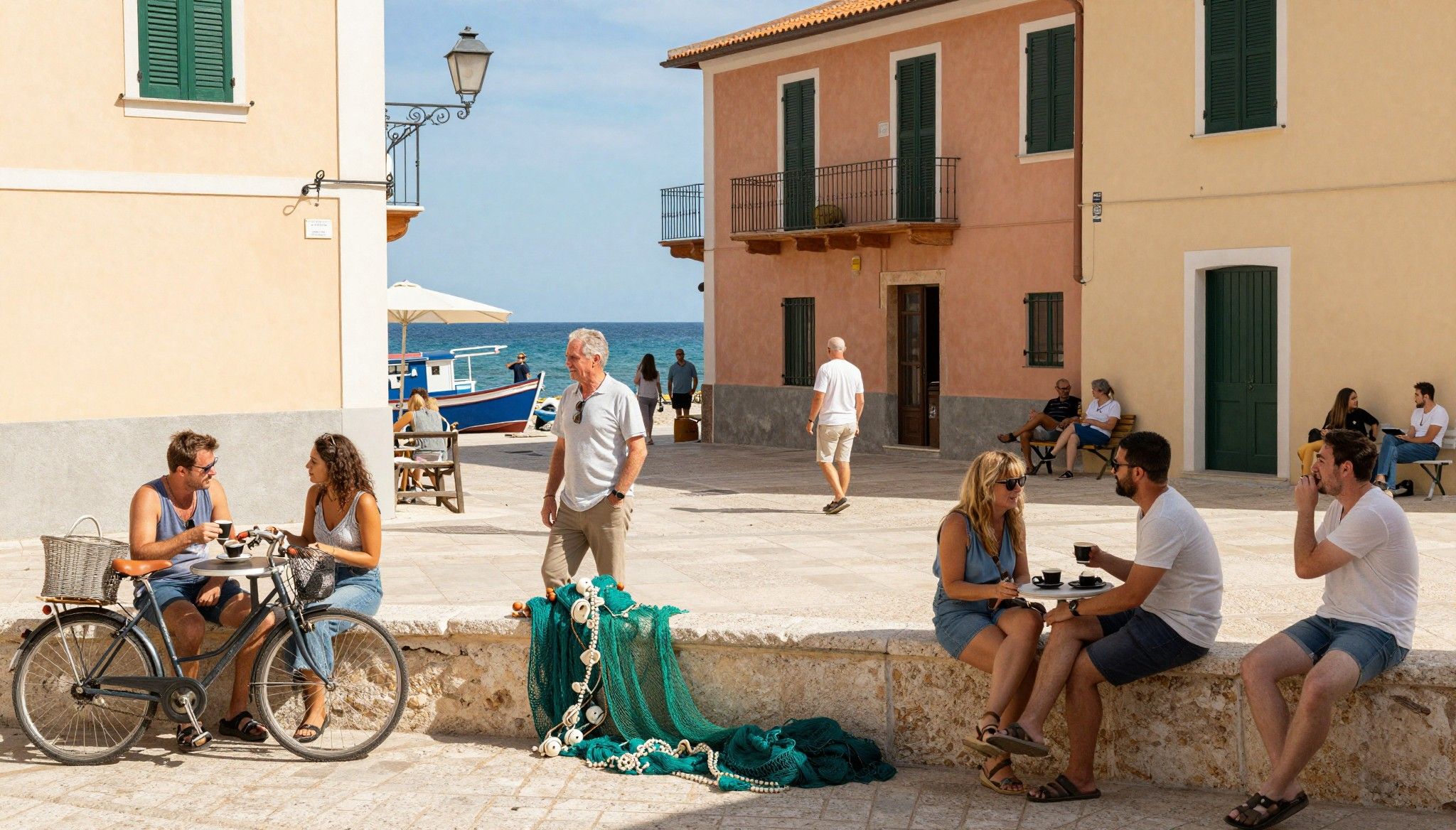
Imagine waking to the barista calling out your name at 8:30 on Via dei Coronari in Rome, then jumping on a train to a Sunday market in the Tuscan hills where olive oil producers stand behind burlap sacks. Italy moves slowly enough to savour mornings and fast enough to reward curiosity: historic piazzas, daily markets, tight-knit neighbourhood cafés and pockets of undiscovered coastline. For international buyers the romance is undeniable — but so are the choices and trade-offs. This piece pairs the lived-in pleasures of Italy with the data and local insights you need to buy with confidence.
Living the Italy lifestyle
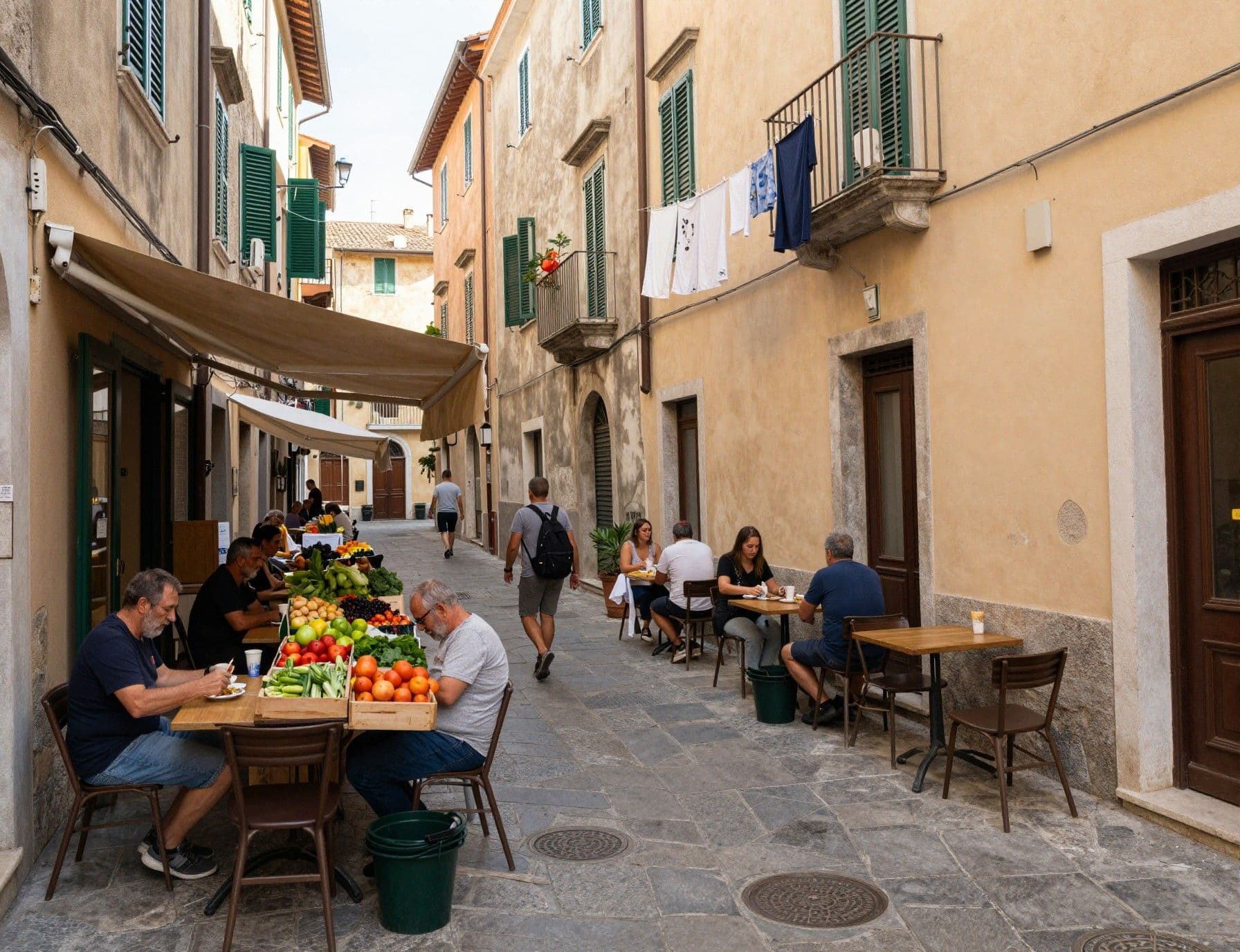
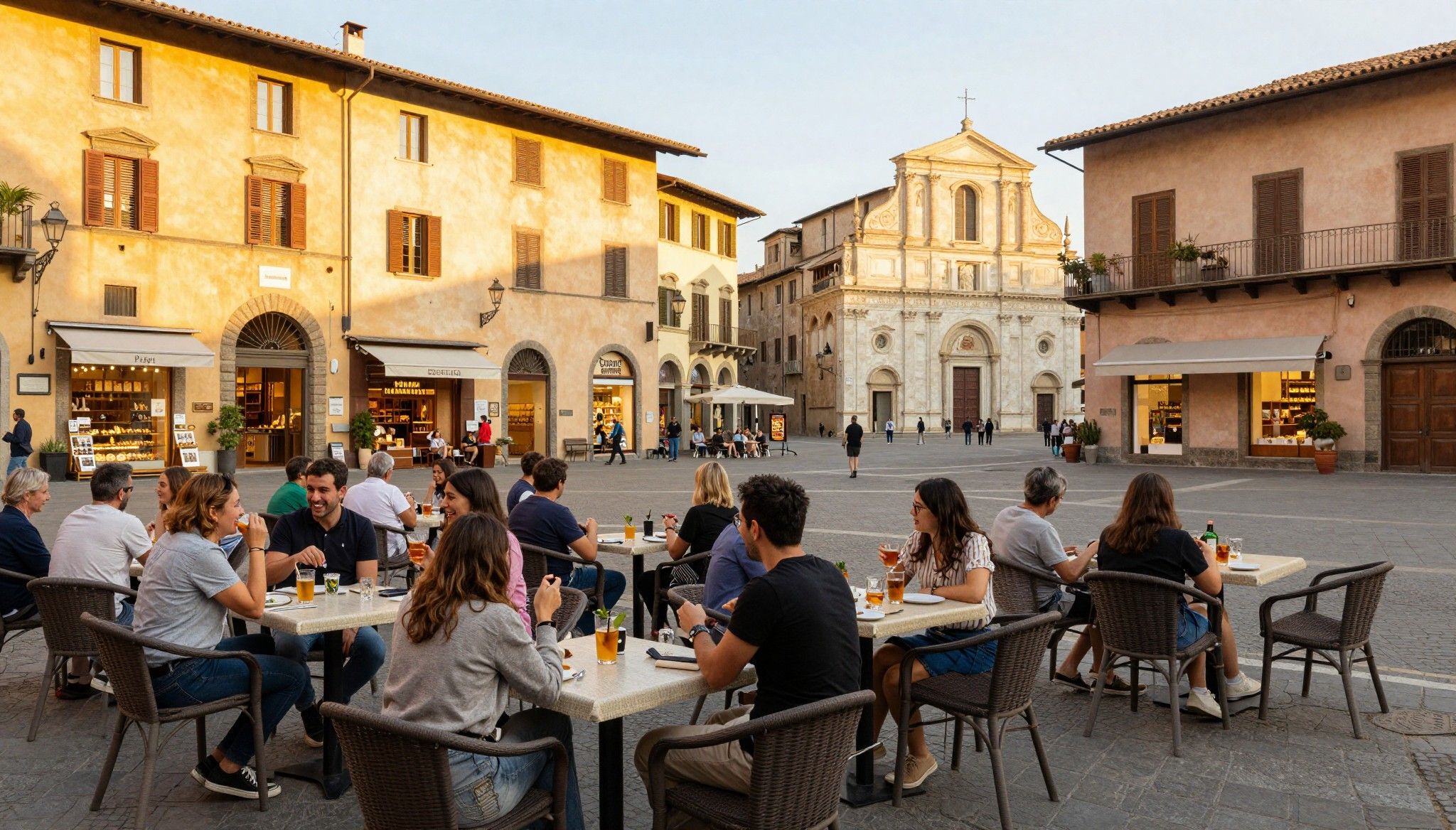
Daily life in Italy is sensory: morning espresso, midday aperitivo, long lunch in summer, and small rituals that anchor communities. From Genoa’s narrow caruggi to Bari’s open-air fish markets, neighbourhood identity is strong and shapes what you buy — a narrow historic flat is social life, a coastal villa is about outdoor living. Seasons matter: winters in northern cities are brisk and urban, while spring and autumn define the best months for outdoor life along the coasts. Knowing how you want to live — market mornings, seaside weekends, or hillside solitude — immediately narrows the property search from a country’s worth of styles to a few neighbourhoods.
City pulse: Milan, Rome, Naples — neighbourhoods that define life
If you want style and convenience, Milan’s Brera or Navigli give lively cafés, galleries and short commutes to work. Rome’s Trastevere or Monti are for cobbled streets and evening passeggiata where neighbours know each other by name. In Naples, Vomero and Chiaia offer active street life and more affordable stone-front apartments near the sea. Each of these areas delivers a clear lifestyle script — understand that script first, then match property type to role: host, remote-worker, family base, or seasonal retreat.
Coast and countryside: living outdoors
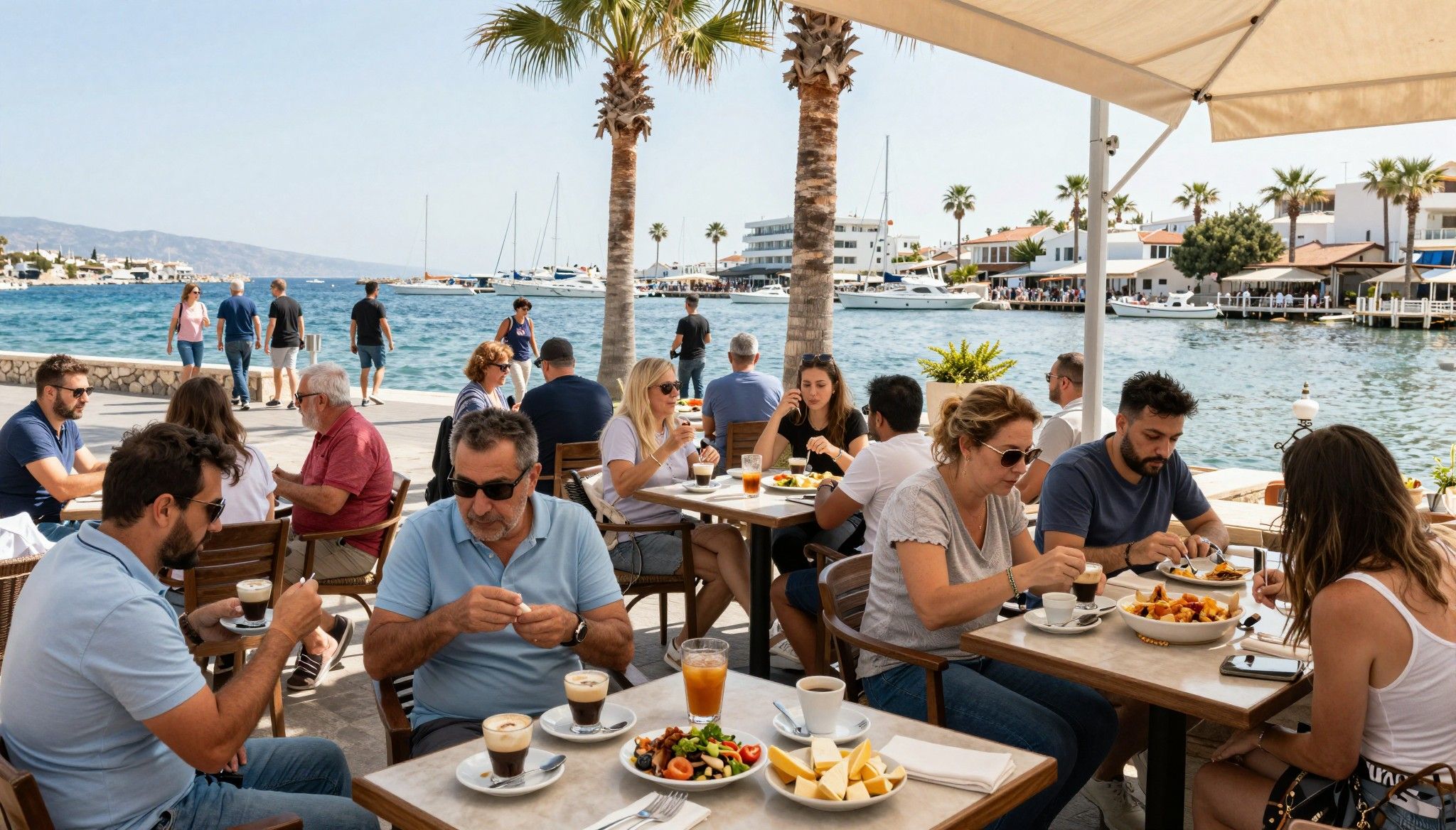
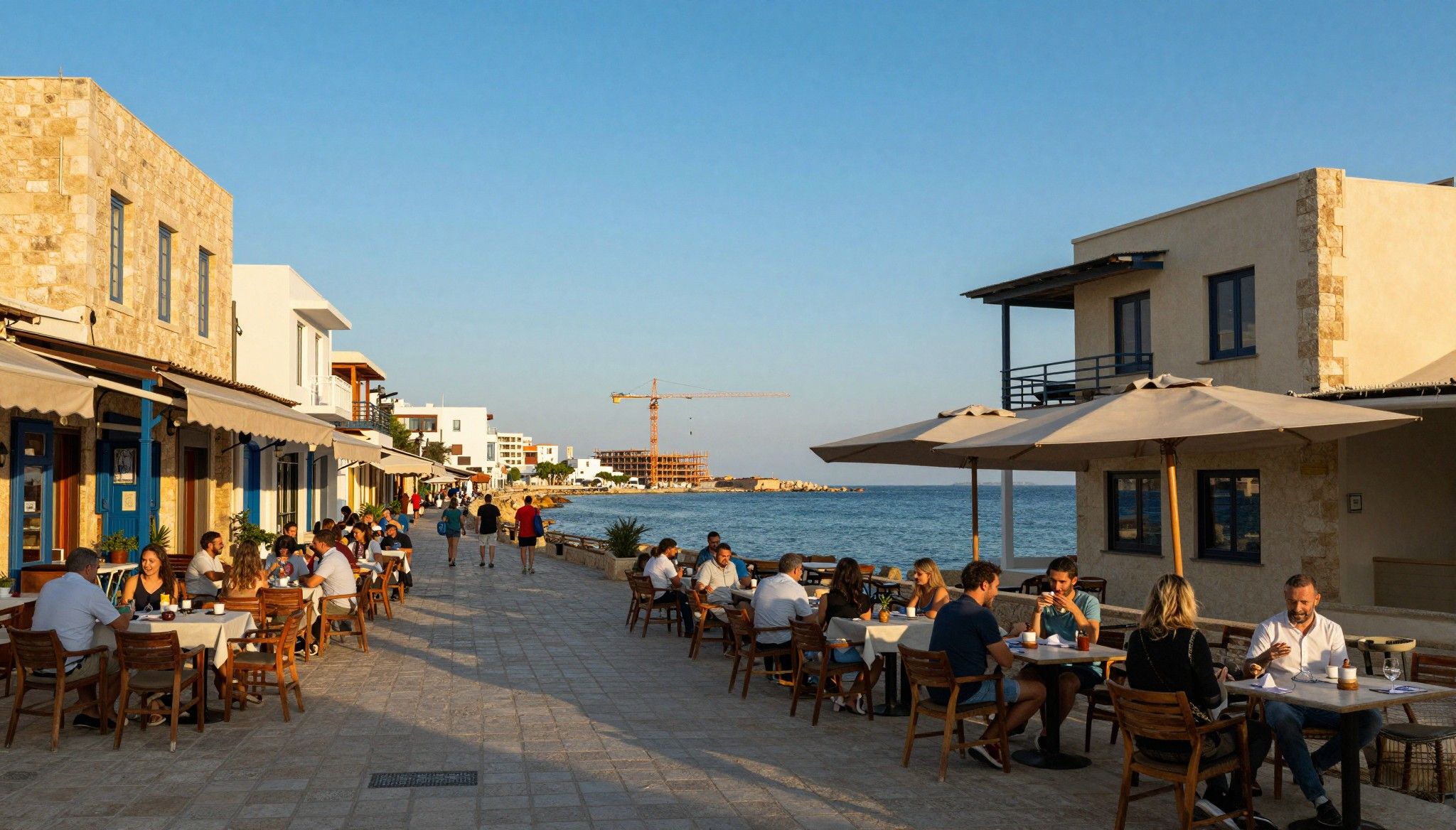
Coastal life — Liguria, the Amalfi Coast, Puglia’s Salento or Sardinia — centres on outdoor spaces: terraces, shutters that open to sea breezes, and small beaches rather than vast promenades. In Tuscany and Umbria, mornings start with markets and afternoons with olive-grove walks; properties here often come with agricultural plots and renovation potential. These regions reward buyers seeking patterns of slow, outdoor living but require pragmatic planning for maintenance, seasonality of rental demand and access during winter months.
- Market tastes and lifestyle highlights: • Brera (Milan): galleries, design shops, short commutes • Trastevere (Rome): winding lanes, trattorie, nightlife pockets • Vernazza/Manarola (Cinque Terre): tiny houses, walking access only • Oltrarno (Florence): artisan workshops and quiet piazzas • Salento (Puglia): beach life, farm-to-table markets
Making the move: practical considerations
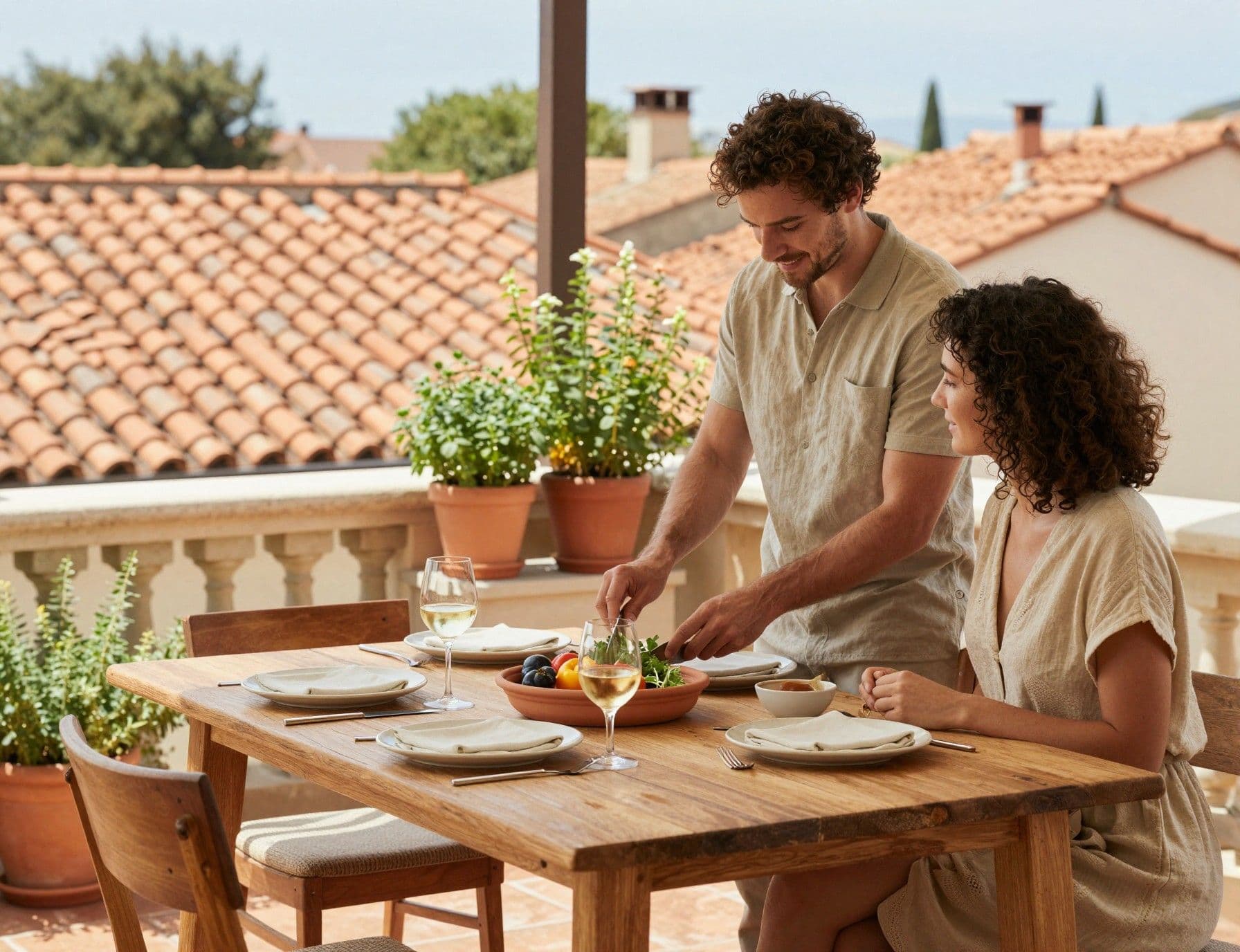
Italy’s market has been on a measured upswing since 2024, with national indices showing mid-single-digit yearly price growth in many areas and clear regional variation. Official data from ISTAT confirms modest national house‑price increases, while portal data from Immobiliare.it shows average asking prices varying widely — city centres and luxury coastal towns versus inland provincial markets. That divergence is your friend: it lets international buyers trade lifestyle for value by choosing regions where quality of life is high but headline prices lag.
Property styles and what they mean for living
A historic city flat (centro storico) gives immediate culture and walkability but often small, awkward rooms and higher renovation complexity. A renovated farmhouse in Tuscany offers space and garden life but may mean longer drives to services. New-build apartments in Milan or Turin provide modern efficiencies and warranties, good for renting to professionals, while coastal villas prioritise outdoor living and seasonal rental peaks. Match the property’s physical DNA to how you want to spend weekdays and weekends to avoid buyer’s remorse.
Working with local experts who know life, not just listings
- How local advisors turn lifestyle into a shortlist: 1. Translate lifestyle into search criteria (walkscore, terrace size, storage) and test them on mid-week and weekend visits. 2. Assess seasonality: ask for exact annual utility/maintenance bills and recent rental calendars for holiday markets. 3. Check renovation permissions and average timelines — historic centres often require heritage approvals. 4. Cross-check asking price with local comparables from agency networks and public registries.
Insider knowledge: what expats wish they’d known
Expats often misjudge language as the biggest barrier — practical things like local bureaucracy, delivery schedules, and seasonal service reductions are the real daily friction points. Community integration happens slowly: a few regular cafés, a market vendor who remembers you, and volunteering at a local festa go further than any language class. Be prepared for living rhythms that value small service businesses and long administrative waits; patience becomes a purchase cost as real as taxes or notary fees.
Cultural integration, language and local rhythms
Learn a handful of phrases for markets and builders, and spend the first months establishing local routines: weekly market, favourite bar, and a neighbourhood contact for repairs. Italians value reciprocity; being present and consistent creates goodwill that smooths everything from building permits to festival invitations. For families, school terms and public holidays shape the calendar differently from many countries — plan visits during school term to see day‑to‑day life, not just tourist season.
Long-term lifestyle and what really preserves value
Properties that age well combine solid location fundamentals with adaptable spaces: good light, outdoor living, reliable access and quiet neighbours. In Italy, that often means streets with mixed local retail, proximity to a weekly market, and properties that can host both long-term living and short-term guests. Where supply is constrained — central historic zones and select coastal towns — quality properties retain value even if headline growth slows nationally.
- Red flags experienced buyers spot late: • No clear documentation on past renovations or permits • Over-reliance on summer rental income for mortgage servicing • Access issues (no car access or long unpaved drives) not disclosed upfront • Vague homeowner association rules or unclear common-area expenses • Price that outpaces local comparables without transparent reasons
- Practical next steps to move from dreaming to offer: 1. Shortlist three neighbourhoods that match how you want to live and visit them outside high season. 2. Ask agencies for 12‑month service/utility records and recent rental calendars where relevant. 3. Commission a pre‑purchase survey and request heritage/renovation permission history for older properties. 4. Work with a bilingual notary or lawyer familiar with international purchases and the local municipality.
Italy offers a rare combination: deeply lived culture and a fragmented market that rewards informed, patient buyers. Recent data from ISTAT and industry reports show measured national price growth but strong regional variation, which means you can find exceptional lifestyle value if you look beyond headline towns. Partner with local experts who prioritise your lifestyle brief and verify numbers; then buy the life you can see yourself living, not the postcard.
Ready to explore neighbourhoods that match your rhythm? Begin with a lifestyle shortlist (city centre, coastal town, countryside) and ask agencies for walkscore-equivalent details, recent tenant histories if rental matters, and an on-the-ground plan for visits in shoulder seasons. Blueprintera’s comparison tools can surface listings that fit both lifestyle and validated market signals — so you fall in love with a place and buy it with clarity.
Danish relocation specialist who has lived in Barcelona since 2016. Helps families move abroad with onboarding, schooling, and local services.