Malta: Match Neighbourhood Rhythm to Market Reality
Malta’s island rhythm — from Valletta courtyards to Sliema promenades — offers compact Mediterranean living; match neighbourhood tempo to market realities before buying.
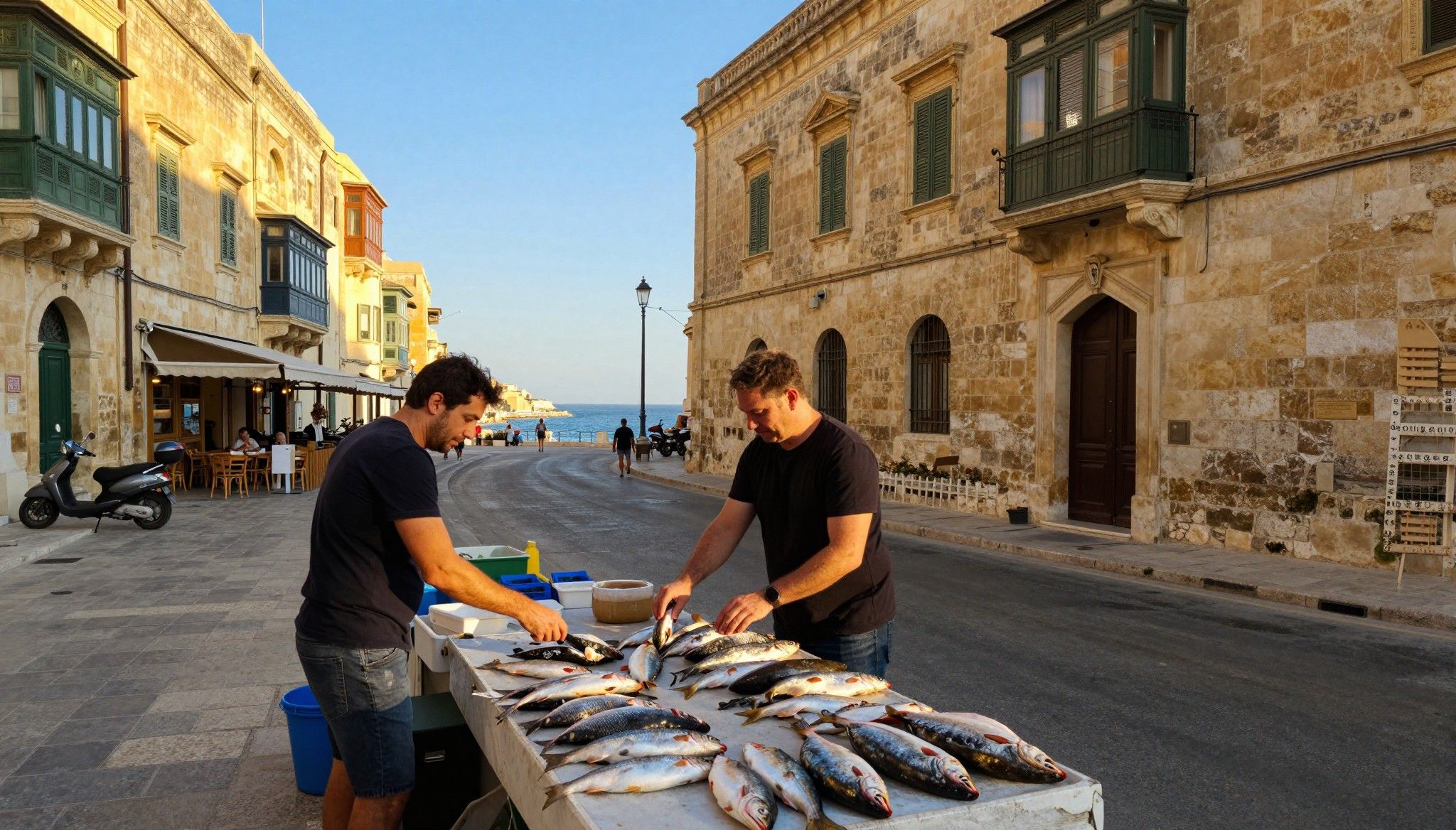
Imagine waking to the Mediterranean light on a narrow Valletta street, buying fresh lampuki at Marsaxlokk and ending the day with espresso on Sliema promenade. Malta packs centuries of neighbourhood rhythm into 316 km² — compact, walkable and unexpectedly diverse. For many international buyers the island’s romance is the hook; the trick is matching that life to realistic market choices.
Living the Maltese life: neighbourhoods, rhythms and tastes
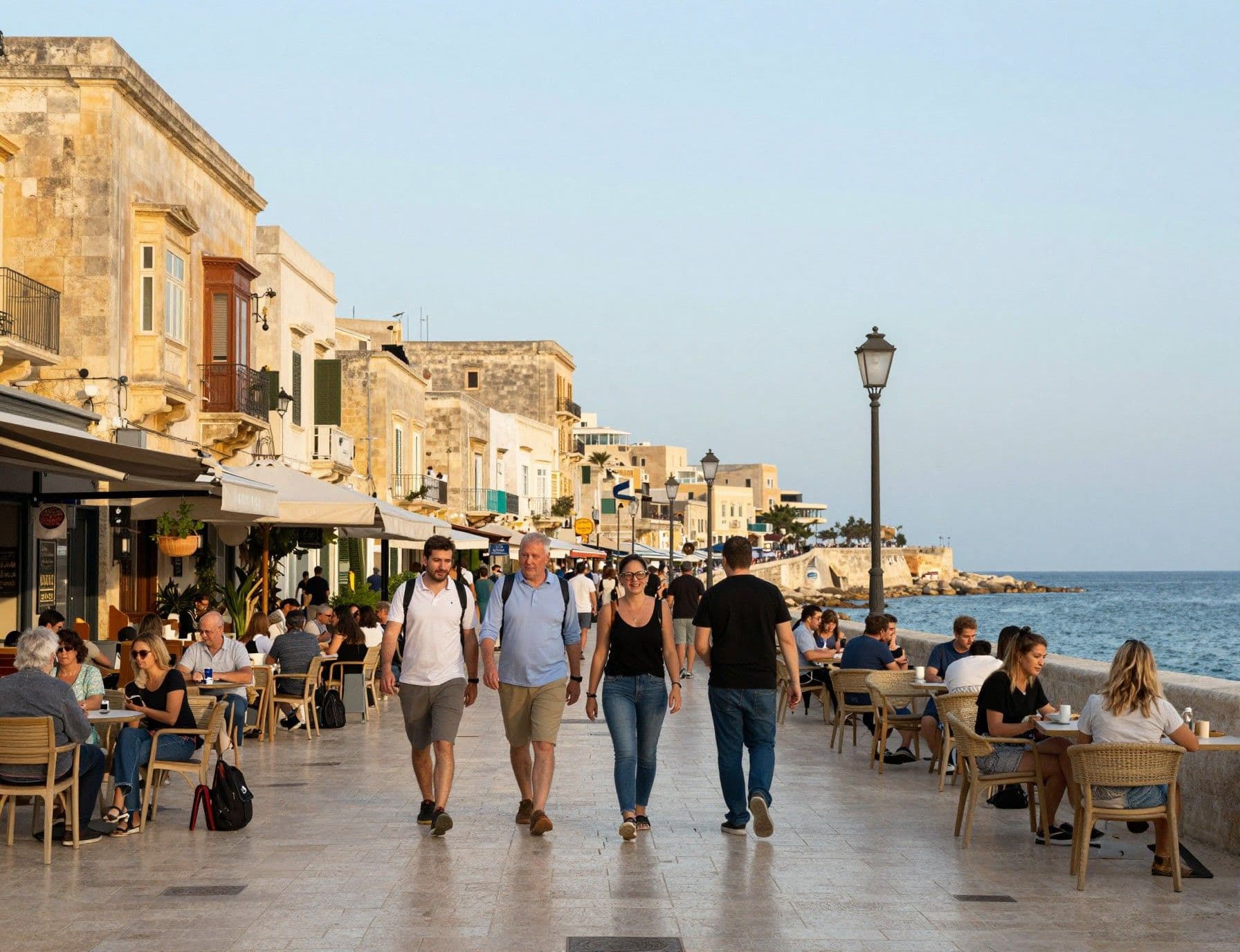
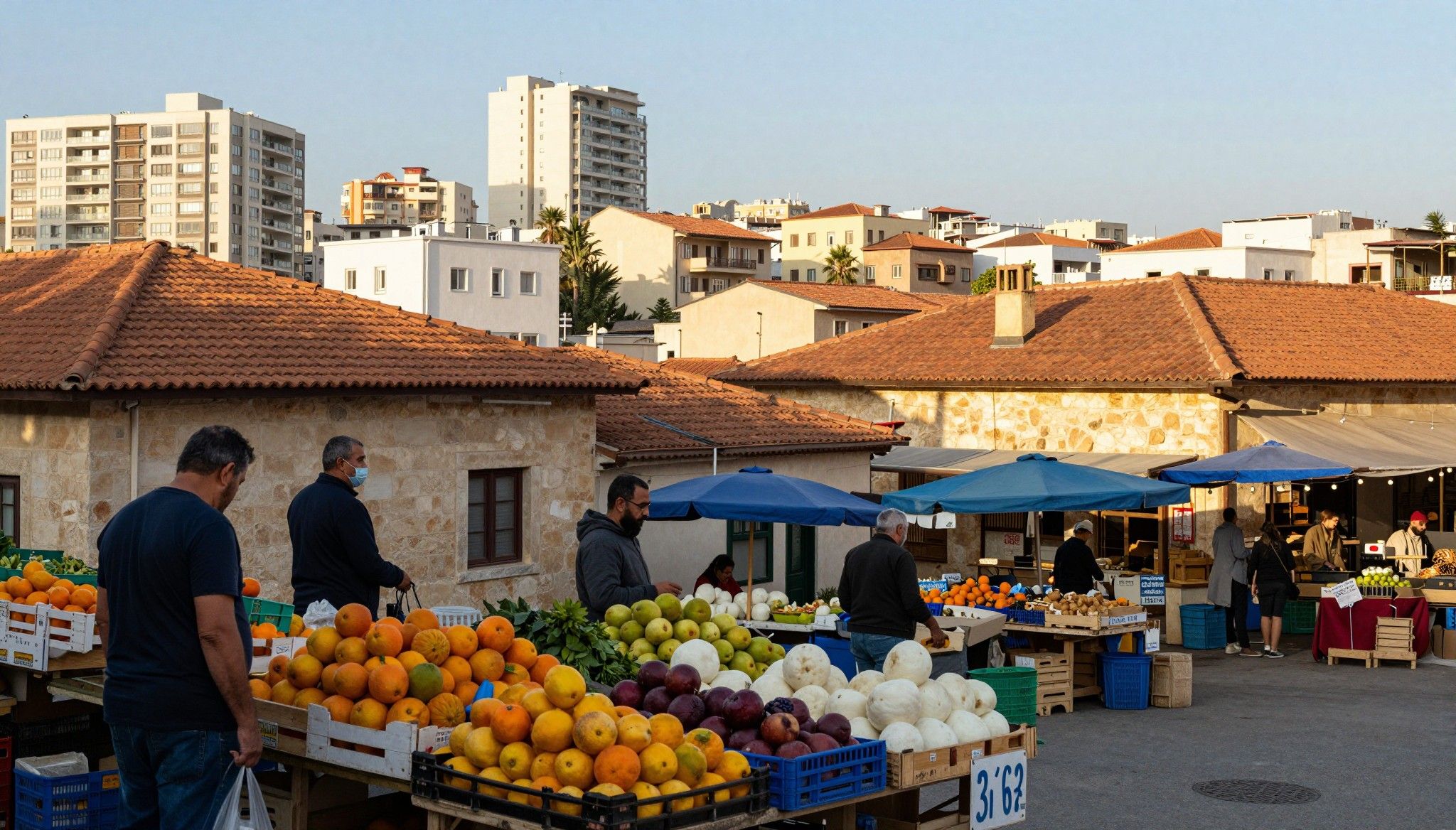
Malta’s tempo changes by the hour. Morning markets hum in Marsaxlokk and Zebbug; cafes in Sliema fill with remote workers midweek; evenings in St Julian’s shift from family tables to vibrant bars around Spinola Bay. English is widely used, which flattens the learning curve — but neighbourhood culture still matters: some pockets are sleepy villages, others pulsing coastal hubs.
Valletta & The Three Cities: history underfoot
Strolling Valletta means limestone façades, baroque stairways and tiny artisan shops. Properties here range from restored townhouses with internal courtyards to compact apartments overlooking the Grand Harbour. Life is intimate — delivery scooters, late-night theatre and cafés tucked beside churches — and upkeep and conversion costs for historic units can be higher than for modern apartments.
Sliema and St Julian’s: promenade life and convenience
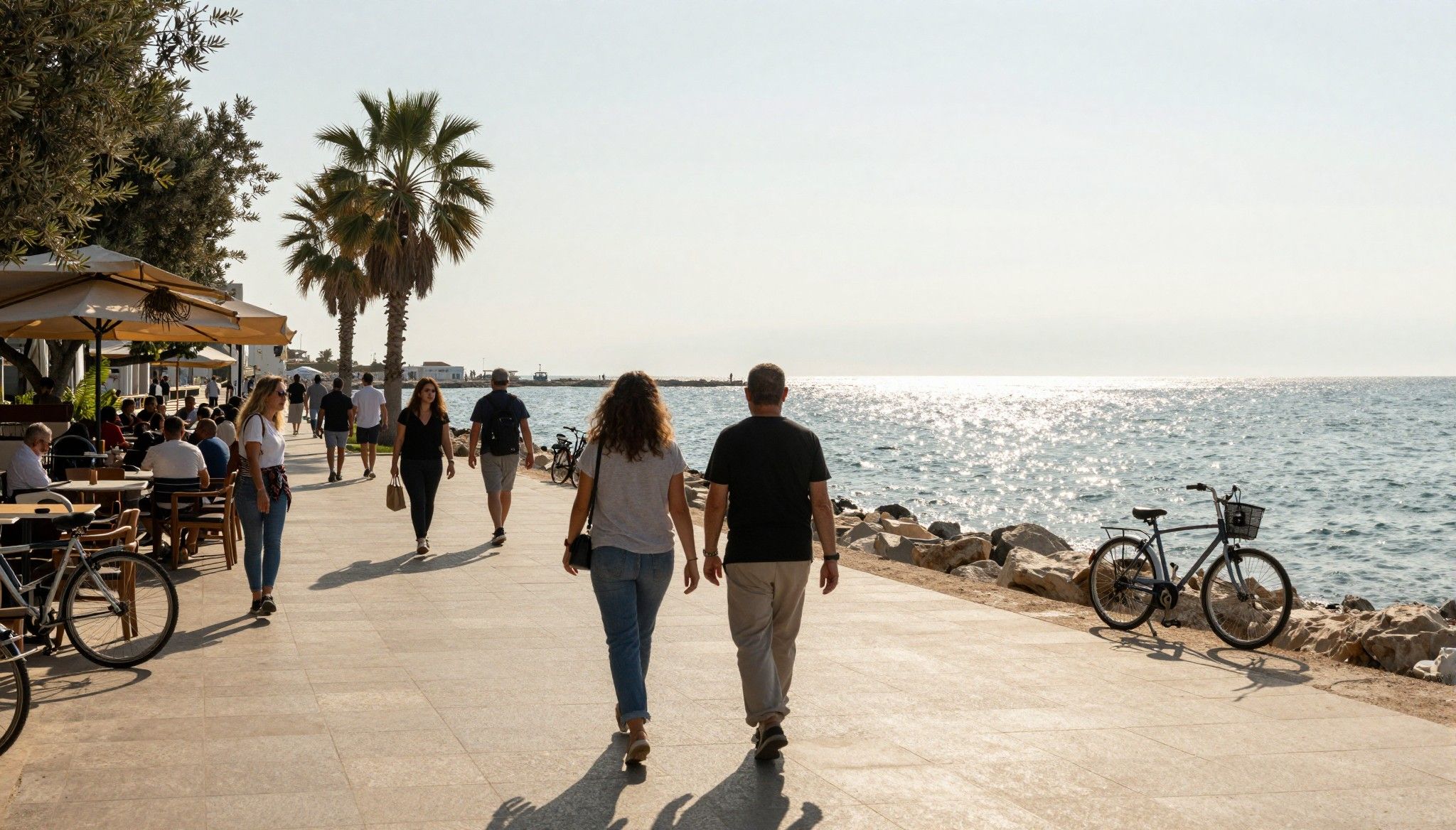
If you want sea-views and cafés within sight of your door, Sliema’s promenade and St Julian’s bays deliver. Modern blocks, converted maisonettes and new developments cluster here; expect slightly higher prices but faster rental demand and walkable amenities. Nights shift toward Paceville’s nightlife, so choose your street carefully if you prefer quiet.
- Lifestyle highlights: local places and small rituals
- Buy lampuki at Marsaxlokk fish market (Sundays)
- Morning espresso at Café Cordina (Valletta) and evening aperitifs on Sliema promenade
- Swim off St Peter’s Pool (Rabat) or a rocky terrace in Għajn Tuffieħa
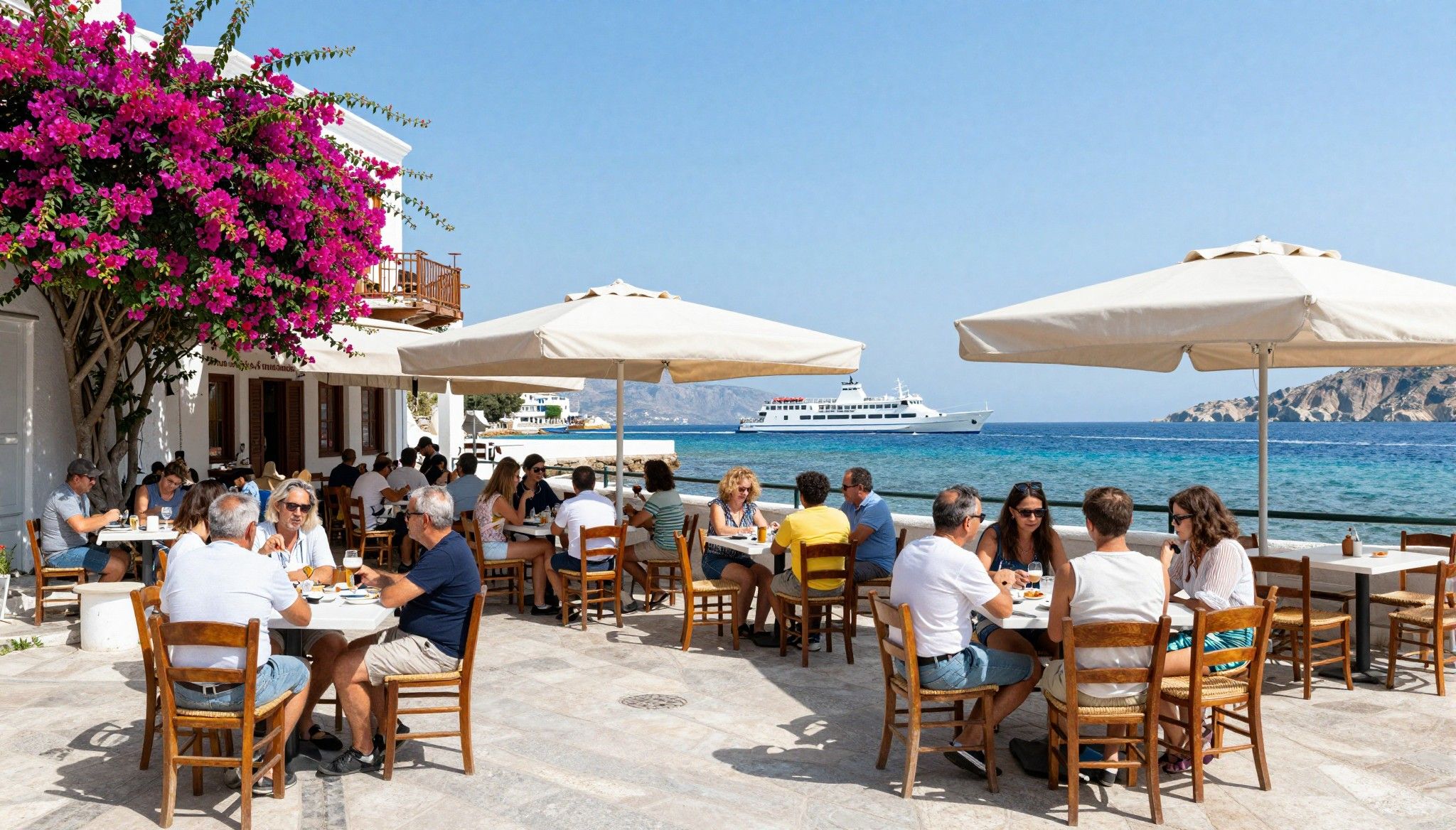
- Weekend pace in Gozo for calmer island living, 20–40 minutes by ferry
Making the move: practical property realities that shape lifestyle
Malta’s market remains active: the National Statistics Office showed steady price growth through 2025, particularly in coastal nodes where demand from short-term lettings and expatriates is concentrated. That means liquidity for desirable streets but also micro-markets where prices move faster than the island average. Balance romance with data: neighbourhood vibrancy often maps directly to transaction speed and price volatility.
Property types and how they shape daily life
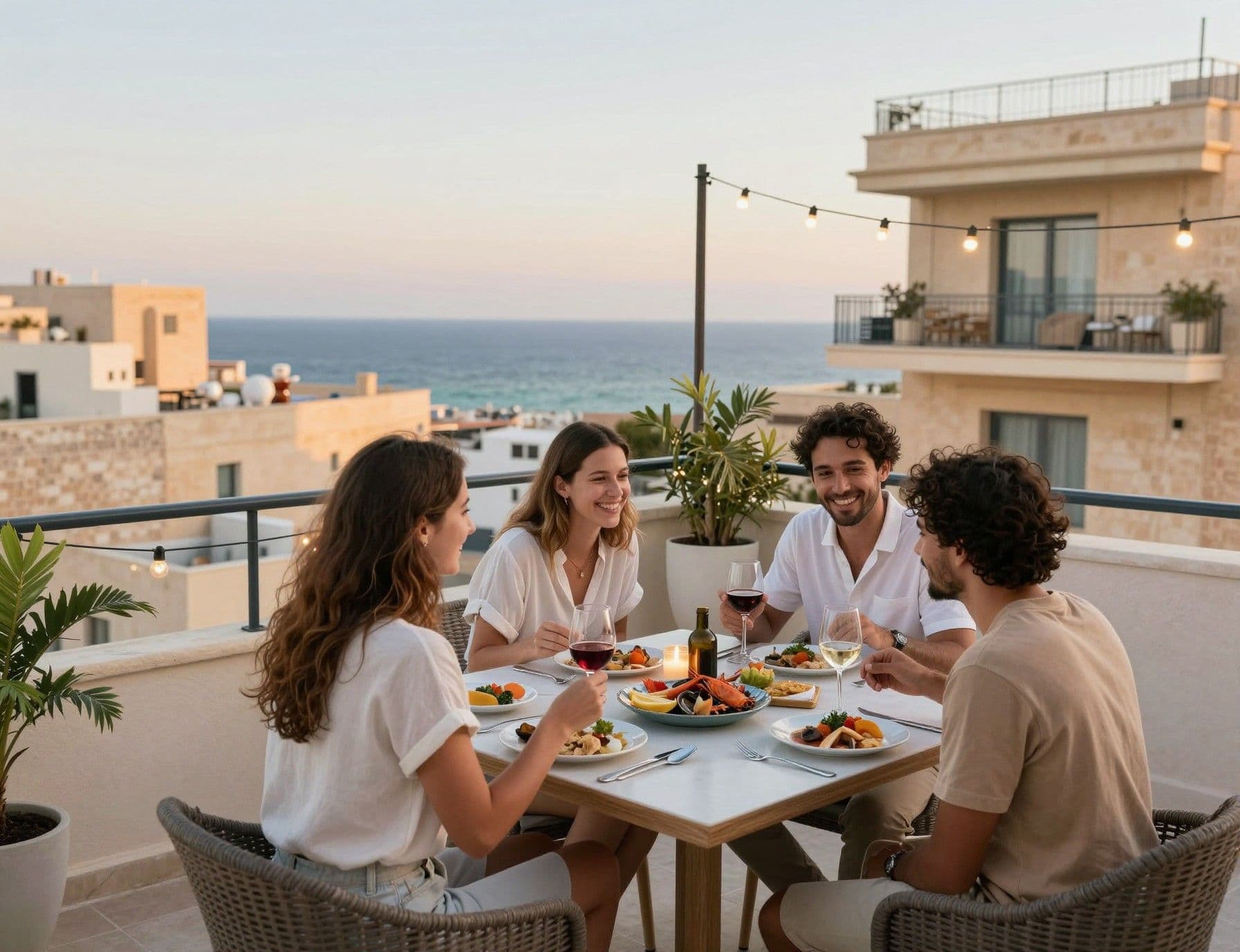
Choices matter: historic townhouses offer volume, courtyards and character but need specialist contractors; modern apartments give lower maintenance and predictable running costs. Want outdoor life? Look for terraces or roof spaces — they're the primary substitute for gardens on the island and influence how you’ll socialise and entertain year-round.
Working with local experts who know the rhythm
- Engage an agency that understands micro-neighbourhood liquidity: (1) ask for recent comparable sales within 500 metres, (2) request rental demand data if you plan short lets, (3) confirm building permit histories for older units, (4) verify seasonal noise and event calendars.
- Consider fiscal realities alongside lifestyle: Malta’s small size means stamp duty, notary and local municipal fees can shift negotiation leverage — ask your agent for a line-item estimate early and compare total landed costs across two similar neighbourhoods.
Insider knowledge: expat truths and often‑missed realities
Real talk from residents: many expats arrive enchanted but are surprised by seasonal crowds, utility quirks and planning red tape. The IMF and local analysts have highlighted Malta’s tight housing stock and bank exposure to property — this creates steady price pressure and makes due diligence non-negotiable.
Cultural integration: everyday steps that matter
You’ll get further fast by learning local routines: market days, festa calendars and lunchtime closures. Join a local sports club or language circle, and use cafés like Café Cordina or Bankers Alley as social anchors. Integration makes a neighbourhood feel like home and often reveals off-market listings.
Long-term lifestyle trade-offs buyers tell us about
- Why some buyers choose inland towns over seaside: lower prices, quieter streets, larger footprint for renovations and easier parking — trade-offs that affect everyday routines more than annual returns.
- Why others pay a premium for seafront convenience: immediate lifestyle uplift, better short‑let income potential and walkable services — but expect faster market moves and higher transaction competition.
- Step-by-step home-hunt checklist: (1) shortlist 3 neighbourhoods matching daily rhythm, (2) visit at different times — morning market, weekday evening, weekend, (3) request 12‑month running cost estimates, (4) commission a structural and permit check, (5) compare total landed cost and resale history before bidding.
Malta’s compactness is its advantage: you can test multiple lives within hours. The right agency is your local translator — for culture, contracts and calendars. If you want a life where seafood markets, harbour light and friendly terraces matter more than square metres, start by walking the streets you’d like to call home.
Next steps: plan two discovery visits (one in high season, one off-season), secure an agent who publishes recent comparables, and ask for a written neighbourhood risk brief. Then imagine the first espresso on your new balcony — and build the roadmap that turns it into routine.
Danish relocation specialist who has lived in Barcelona since 2016. Helps families move abroad with onboarding, schooling, and local services.