Cyprus: Love the Life, Read the Pipeline
Fall for Cyprus’s seaside life — but match that romance to RPPI trends, Lands & Surveys sales data and pipeline timing before you buy.
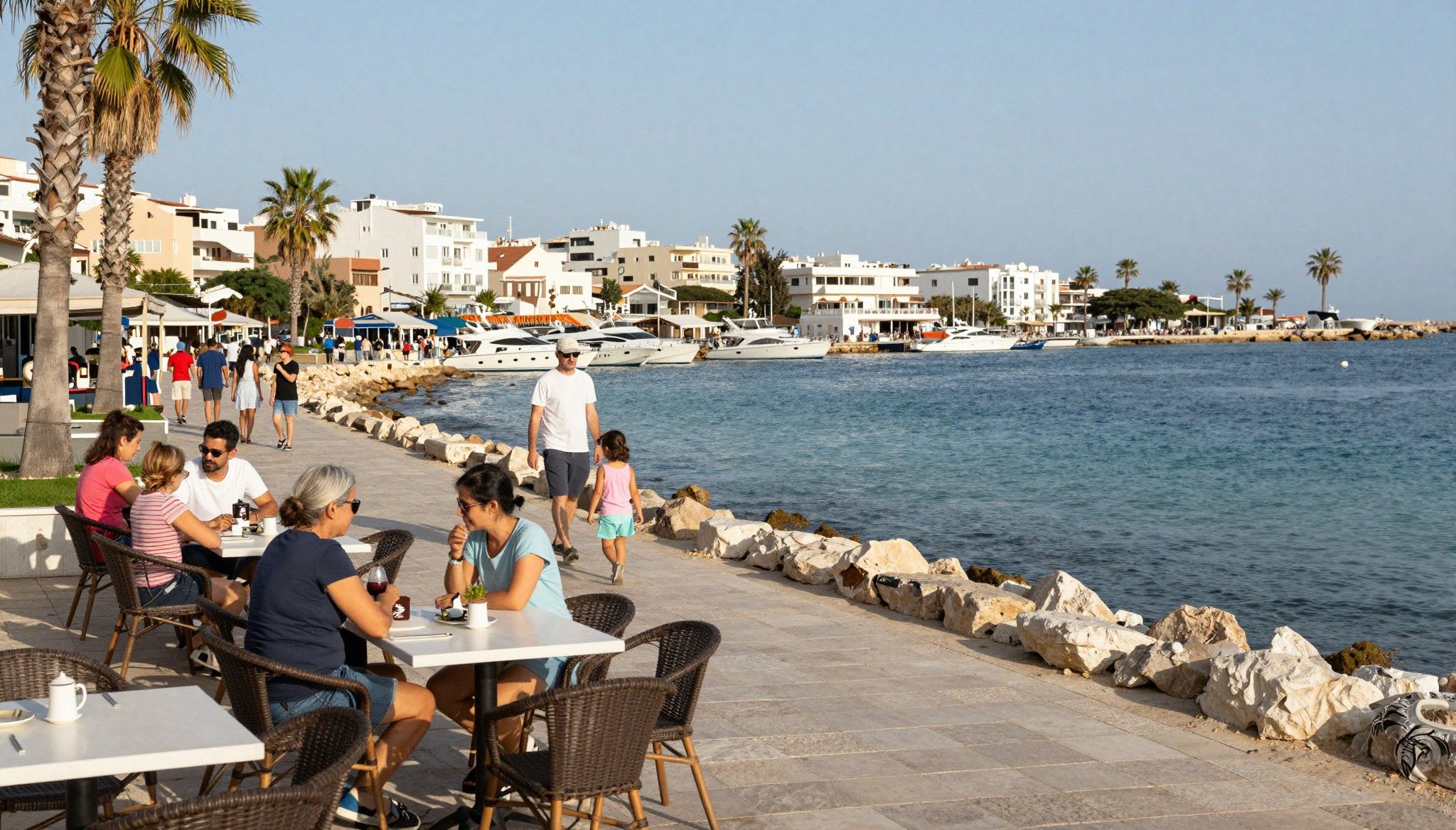
Imagine waking to an espresso across from Limassol Marina, then spending the afternoon at a small taverna in Paphos where fishermen mend nets — that everyday rhythm is why buyers fall for Cyprus. Yet the island’s attractiveness has a flip side: a concentrated new‑build pipeline and rising prices in coastal centres. This guide blends the lived experience — streets, markets, and neighbourhood quirks — with hard market signals so you can pursue the dream with clarity. We cite local data and recent pipeline examples so international buyers see both the life and the ledger.
Living Cyprus: daily rhythms and real places
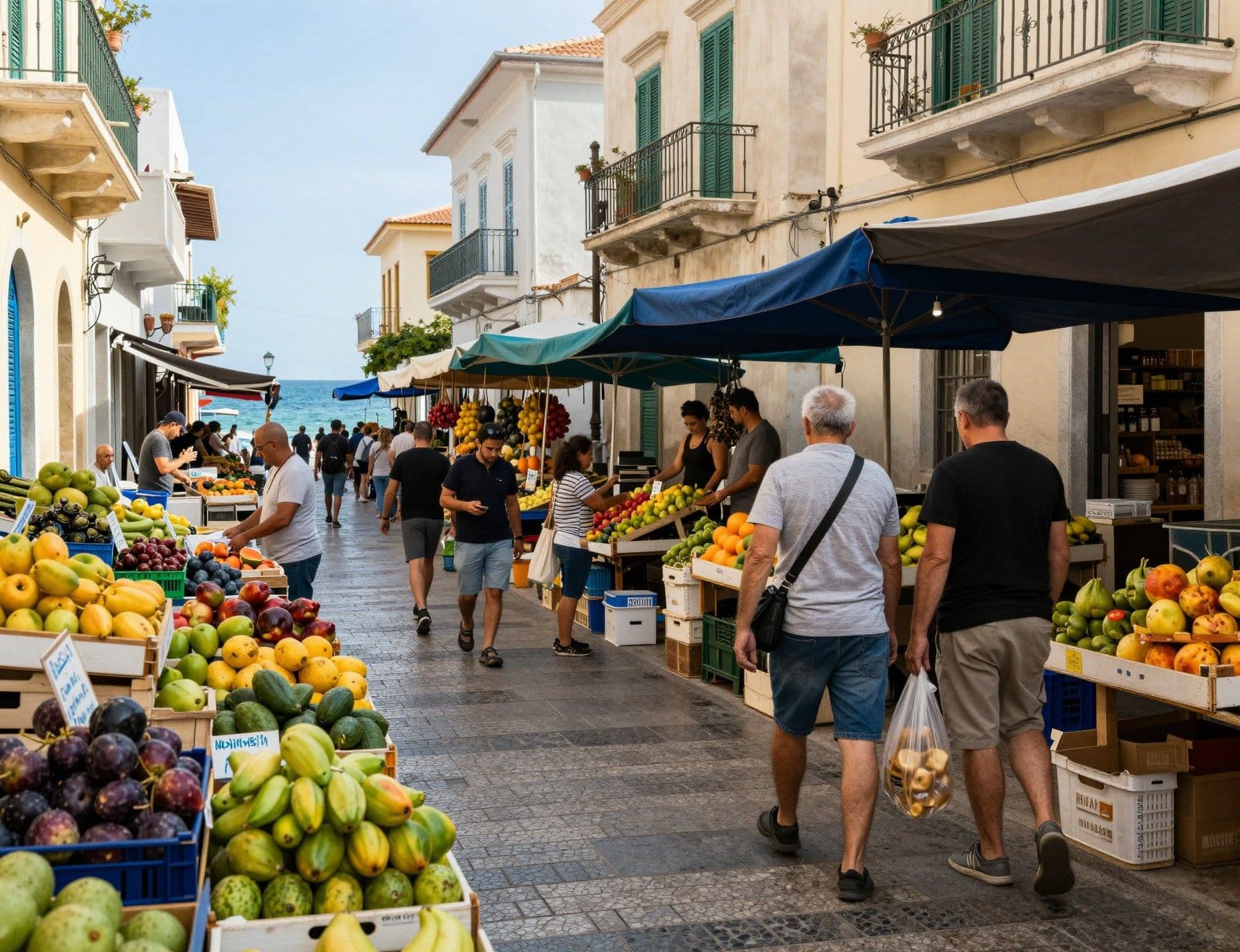
Cyprus life moves at Mediterranean pace with bright mornings and long, social evenings. Coastal towns like Limassol and Paphos trade bustle for beach culture, Nicosia keeps an urban heartbeat of cafés and galleries, and mountain villages such as Platres offer a slower, greener counterpoint. Streets are narrow in older quarters and wide in new developments; terraces and balconies are the lived rooms of the island. For buyers, this means choosing a lifestyle first — then the property type that supports it.
Limassol & the coast: beach life that doubles as investment
Limassol offers a dense mix of branded residences, luxury towers and regenerated waterfront plots — a magnet for both holiday rental demand and long‑term expats. Recent international branded projects show developers targeting high‑net‑worth buyers and raising local price benchmarks. If you want lively promenades, restaurants and marina life outside your door, Limassol delivers; just expect new supply to cluster around those amenity corridors, which can push acquisition prices higher.
Paphos & Larnaca: provenance, pace and value microclimates
Paphos blends UNESCO sites, ferry connections and a strong short‑stay letting market, while Larnaca’s airport adjacency makes it a practical base for frequent travellers. Both districts host pockets where prices lag behind Limassol, creating ‘value corridors’ that feel mercantile rather than touristy. For lifestyle buyers who prioritise market calm and authenticity, these areas can offer better square‑metre economics without sacrificing Cyprus’s climate and culture.
Market signals: what the data actually says
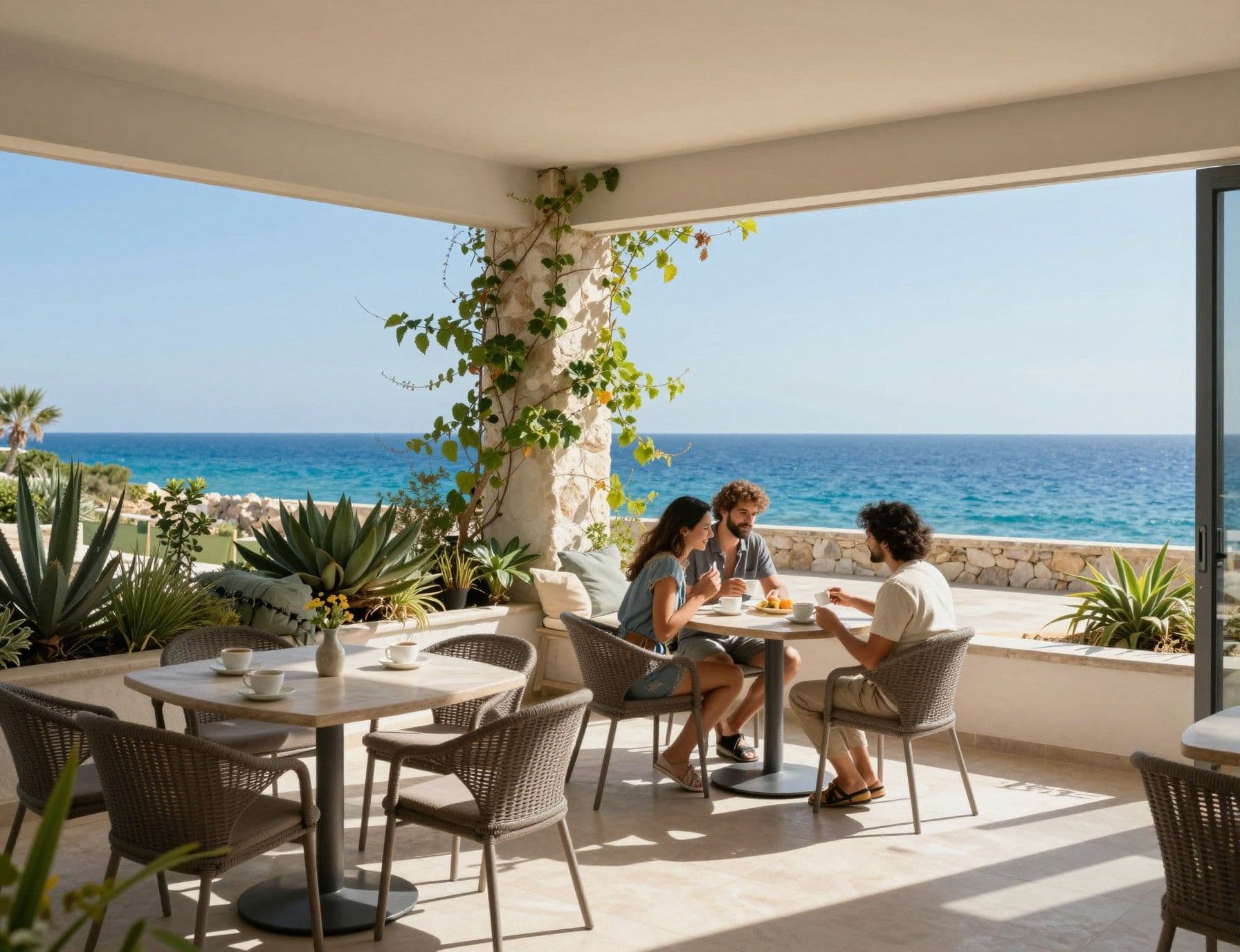
Concrete data matter: Cyprus’s Residential Property Price Index has shown steady growth through 2025, with apartment prices accelerating in many coastal districts. The Central Bank’s RPPI reports quarter‑on‑quarter gains and an overall uptick in transaction activity, while Department of Lands and Surveys figures record elevated contract filings — a sign of sustained demand. PwC’s market snapshots underscore rising average values for both apartments and houses in 2024–25, reflecting stronger investor appetite and a busy development pipeline.
Why new‑build concentration matters
New developments cluster near marinas, airports and major road links — which creates both opportunity and crowding. Branded launches and large complexes bring modern amenities and professional management, but also concentrate supply that can temporarily compress yields for short‑term rentals. Buyers should map upcoming completions against historical absorption rates in the same micro‑area to avoid buying at peak competition.
Making the move: property types, agents and practical steps
Deciding between a seafront apartment, a suburban villa or a renovated village house should start with how you want to live day‑to‑day. Match rooflines, outdoor space and maintenance intensity to that lifestyle; a rooftop terrace changes your use of summer evenings, a courtyard garden shapes winter life. Work with an agency that can demonstrate transaction histories and on‑the‑ground knowledge of delivery timelines — they save you months and unexpected cost.
Property styles and lifestyle fit
Apartments in Limassol and Larnaca suit buyers wanting concierge services and easy rentals. Detached houses around Paphos and rural Limassol districts give more privacy and land for gardens, which appeals to families and slow‑living retirees. Mountain village homes require tolerance for steep lanes and seasonal weather but reward with cooler summers and community life. Each style brings different running costs — factor utilities, communal fees and seasonal maintenance into your affordability model.
Working with local experts who know both life and ledger
A good agent on Cyprus will act as cultural translator: they’ll vet builders, explain communal rules, and map neighbouring completions that affect light and sea views. Ask agencies for documented price histories, references from past overseas buyers, and evidence they’ve handled post‑completion snagging. Insist on a clear timeline for completion and escrow arrangements; with clustered new builds, contractual detail is where risk concentrates.
Steps to a confident purchase
Treat buying in Cyprus as a project: shortlist areas by lifestyle, inspect 2–3 comparable completions, verify builder track record, and confirm delivery dates and guarantees. Use local lawyer reviews of contracts and budget for post‑completion works and realistic furnishing. Plan the timing of your move around local rhythms: festivals and summer demand affect availability and negotiation space.
- Ask these questions before offering: - Has the developer completed similar projects and where? - Is the communal management company set up or provisional? - What are the realistic completion and snagging timelines? - Are there planning permissions or coastal setbacks affecting views? - What historic sales data support the asking price?
- A six‑step practical checklist: 1. Visit three properties at different times of day to test light and noise. 2. Request a completion schedule and bank escrow/guarantee details. 3. Commission an independent valuation focused on the micro‑neighbourhood. 4. Engage a local lawyer to review title, permits and the developer contract. 5. Agree a defect‑snagging plan and retention terms in the contract. 6. Plan cashflow for furnishing, taxes and six months of running costs.
Insider knowledge: expat lessons and seasonal realities
Expats often tell the same story: they fell for lifestyle details — early‑morning markets, late dinners, beach walks — and underestimated delivery friction and community integration. Seasonality reshapes perception: summer crowds amplify amenity value but hide quieter off‑season problems like limited services in smaller villages. Read transaction trends alongside festival calendars and holiday rental seasonality to time purchases where negotiation power is strongest.
Cultural cues that change where you should buy
Cypriots prize neighbourhood ties and gradual hospitality; insert yourself slowly by learning a few phrases and frequenting the same cafés or markets. Local councils and community committees can influence planning and communal life — a helpful neighbour can be the difference between smooth renovations and repeated permit delays. Seek properties where community investment matches your intended rhythm of life.
Long‑term view: how lifestyle holds value
Over the medium term, lifestyle continuity — proximity to daily routines you enjoy — tends to protect value more than speculative proximity to a single amenity. Buyers who choose places where they can live year‑round (good winter services, healthcare access, reliable utilities) usually see steadier returns and greater personal satisfaction. Use official sales breakdowns to check whether foreign and domestic demand overlaps in your chosen district.
Conclusion: fall for the life, buy with the ledger in hand. Cyprus offers a tactile Mediterranean life — cafés, beaches, mountain retreats — and a market driven by clustered new supply and rising transaction volumes. Read the Central Bank RPPI and DLS statistics to understand price momentum, and choose agents who can show micro‑market absorption and delivery track records. Book visits in shoulder seasons, inspect completed stock as your benchmark, and treat contract details as your final view of the neighbourhood you’ll join.
Swedish strategist who relocated to Marbella in 2018. Specializes in legal navigation and tax planning for Scandinavian buyers.