How Malta’s Neighbourhood Rhythm Creates Underrated Value
Malta offers concentrated Mediterranean life — terrace mornings, harbour nights — but tight prices and conservation rules mean lifestyle buys need local market intelligence and maintenance planning.
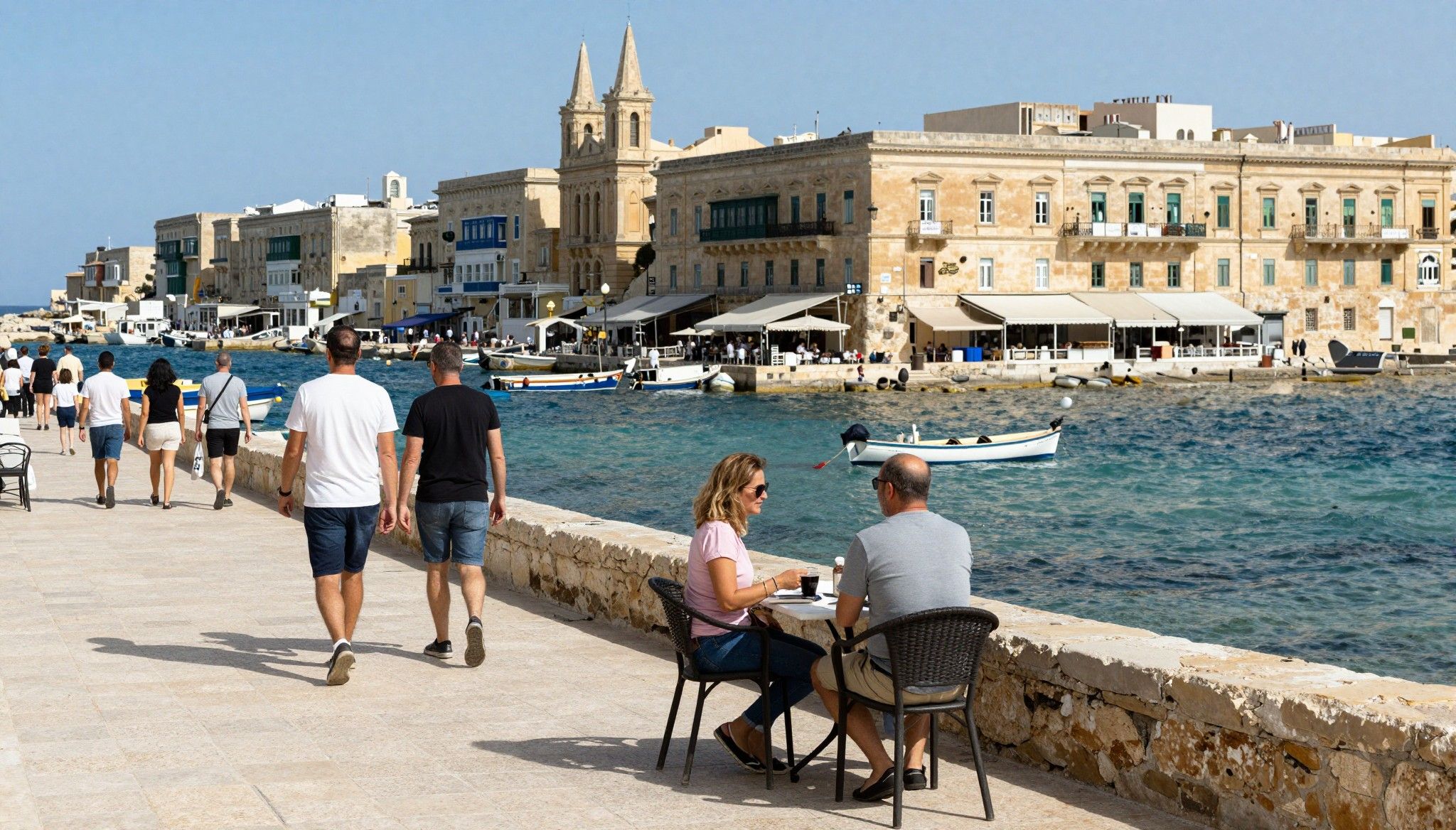
Imagine sipping strong espresso by Valletta’s waterfront as fishing boats cut silhouettes against the harbour — then walking fifteen minutes to a 17th‑century street where a restored townhouse hums with neighbours meeting for evening passeggiata. That compact, layered daily rhythm is Malta: intensely historic yet unexpectedly modern, a place where Mediterranean light, narrow lanes and sea air shape how you live. For many international buyers the island’s size is its charm — everything happens close, from theatre nights at Teatru Manoel to weekend swims at Għajn Tuffieħa. But lifestyle intimacy comes with market realities you should know before you fall in love.
Living the Malta rhythm
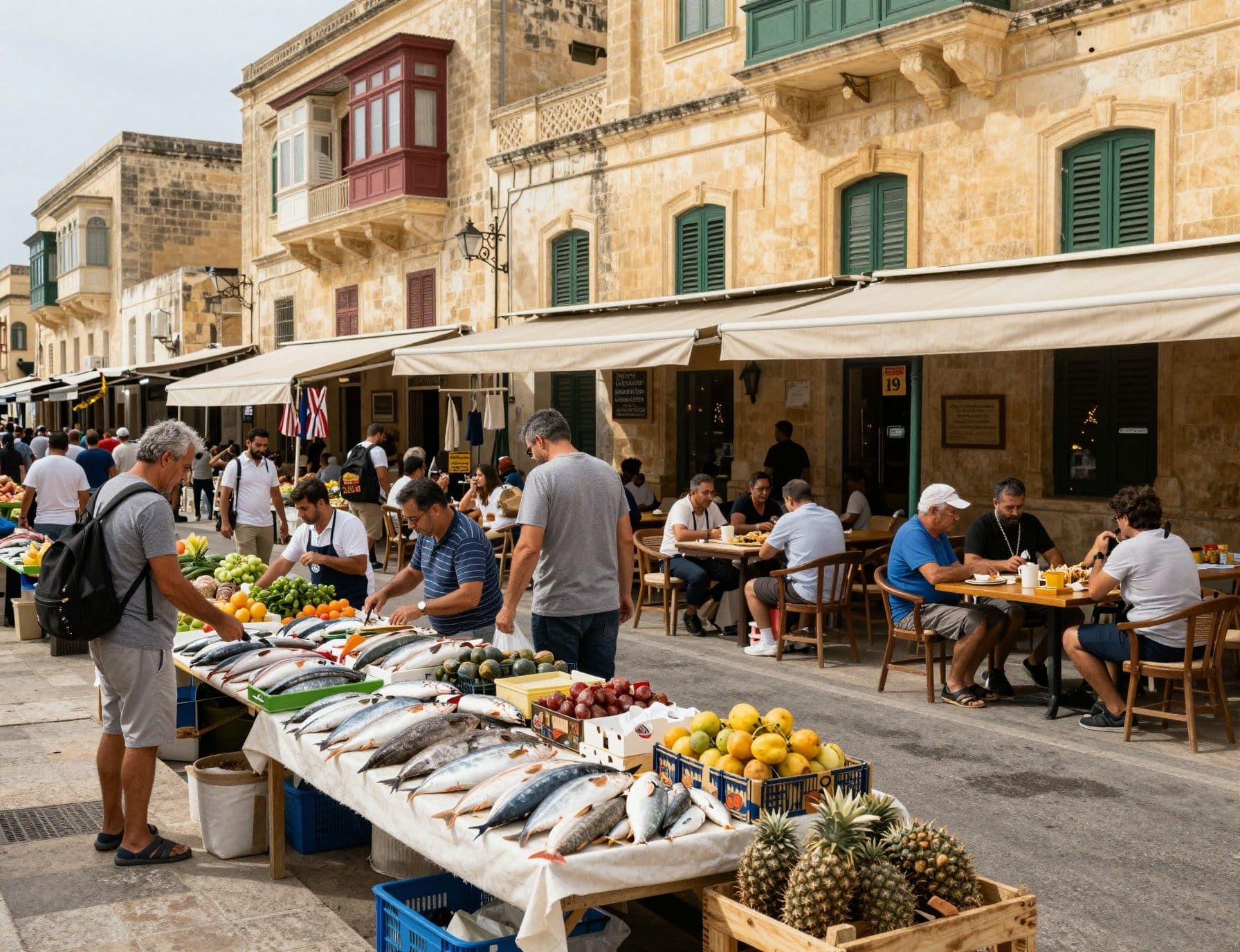
Life in Malta moves in short, sensory cycles: morning coffee at a small bakery, a midday siesta‑style slow hour in summer, and lively evenings that spill from waterfront bars into quiet alleys. The island’s compactness means weekend plans can include a coastal swim before a museum visit in Valletta — cities and sea are a ten‑minute drive apart. Expect English in shops and government services, a strong expat community, and neighbourhoods where you recognise faces and shopkeepers by name. These routines shape what buyers value: walkability, outdoor terraces and a home you’ll use year‑round rather than a distant vacation bolt‑hole.
Valletta & The Three Cities — history lived every day
Valletta’s limestone streets and baroque facades reward slow exploration: theatre nights, boutique bakeries and small public gardens create a daily cultural rhythm. Across the Grand Harbour, Senglea, Vittoriosa and Cospicua (the Three Cities) offer waterfront promenades and quieter residential pockets where restored townhouses and converted warehouses attract buyers seeking character. For buyers chasing lifestyle, these areas offer the sensory authenticity of Malta — but prepare for smaller interiors and strict conservation rules when dealing with heritage dwellings.
Sliema, St Julian's & Gżira — the social coast
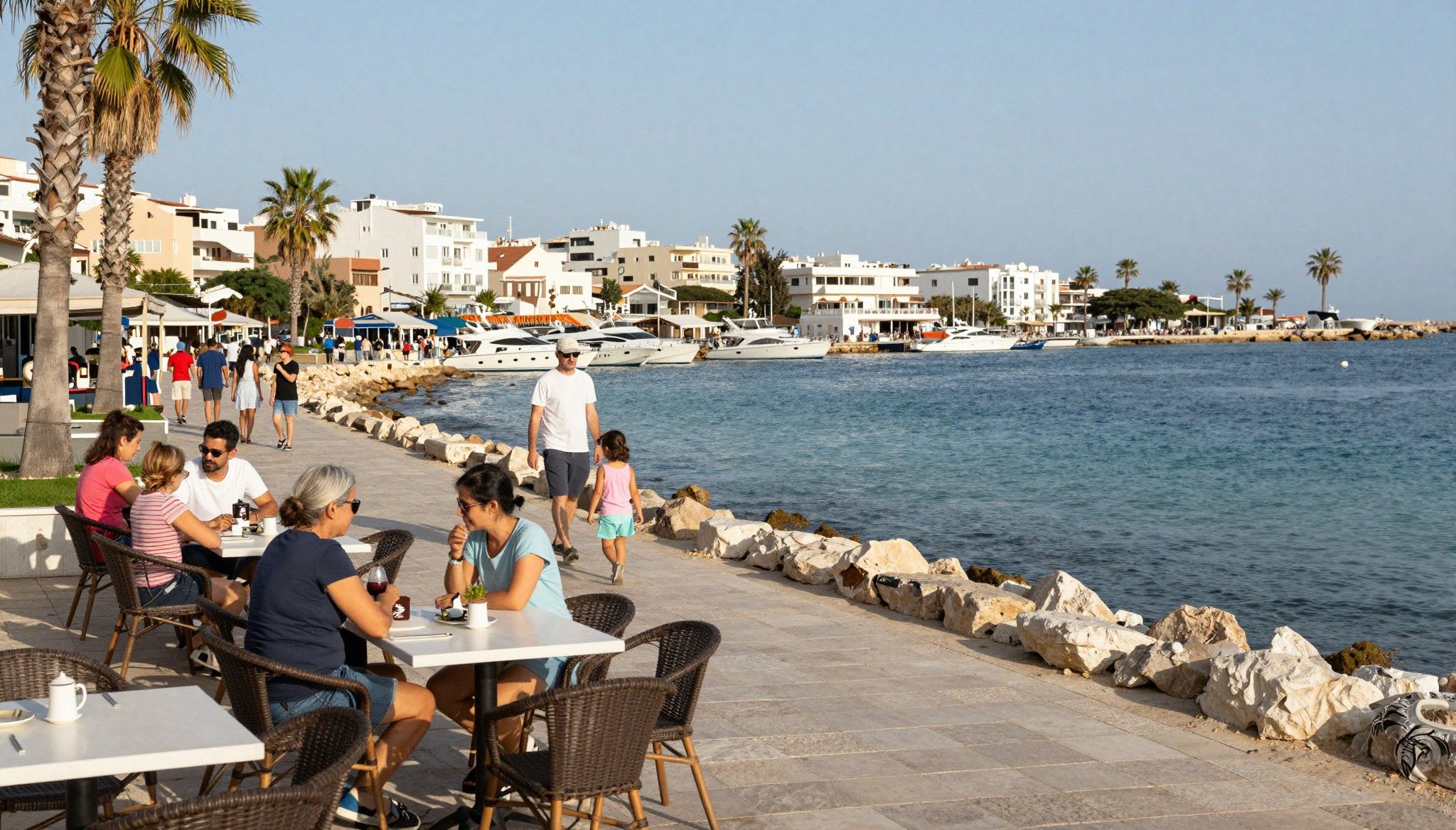
If you crave cafés, promenades and nightlife, Sliema and St Julian’s are Malta’s social backbone — waterfront esplanades, contemporary apartments and short‑let demand shape the scene. Gżira sits between Sliema and Valletta and is prized for its mix of old and new: harbour views and creative cafés alongside compact flats that suit year‑round living. These areas deliver convenience and rental demand, but buyers should expect premium pricing and lower gross rental yields compared with more peripheral towns. Recent market reports show price growth concentrated in these prime coastal submarkets, driven by tourism and expatriate demand.
Making the move: lifestyle meets market reality
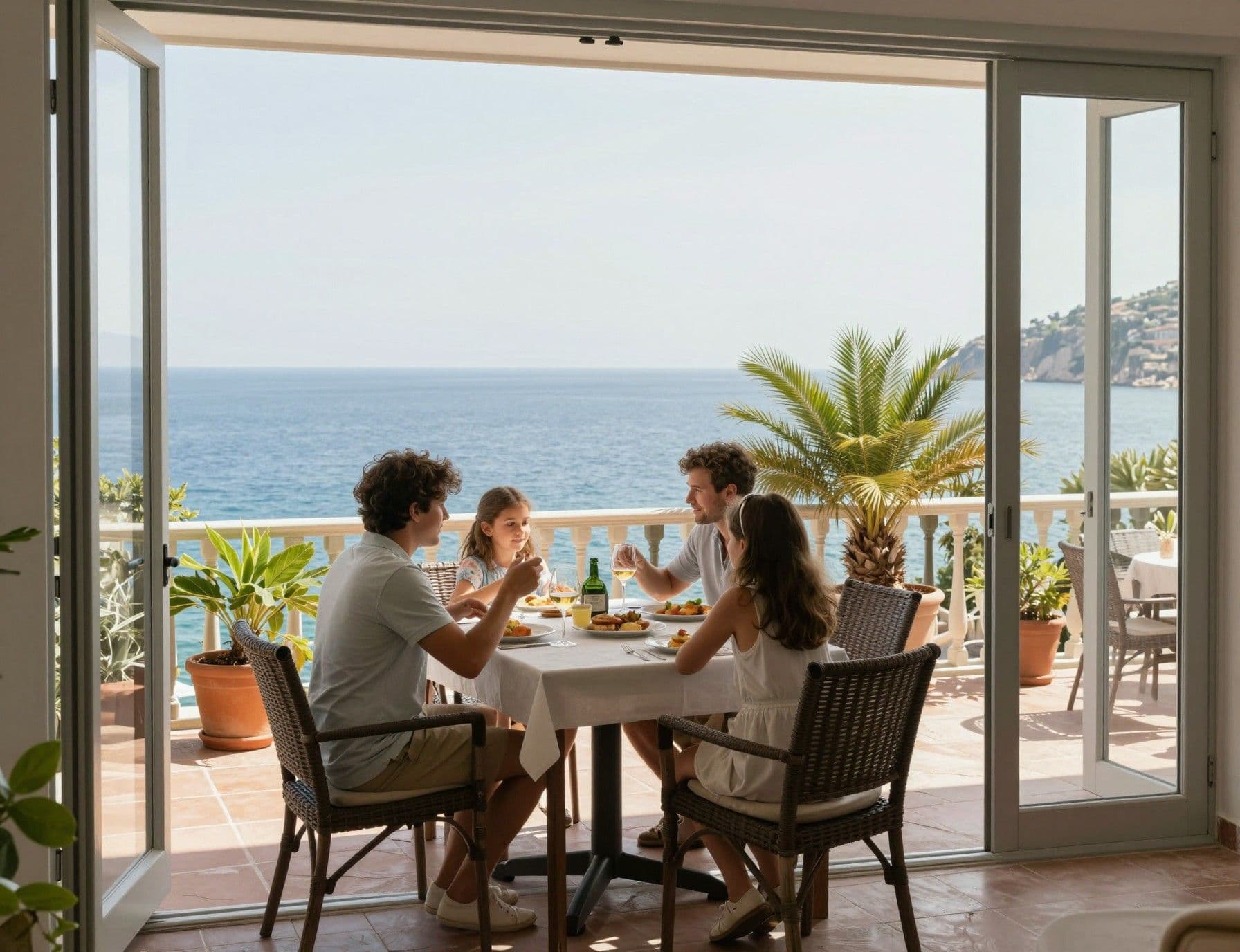
Turning a Maltese dream into an address means balancing lifestyle desires with tight market liquidity and rising prices. Malta’s Residential Property Price Index has shown steady rises in recent years, and government and industry data point to continued demand from residents, workers in digital and iGaming sectors, and international buyers. That combination supports capital appreciation but compresses gross yields in hotspot districts, so a lifestyle‑first purchase often looks different from a pure yield play. Working with local professionals who understand conservation areas, short‑let rules and local permit timelines is essential.
Property types that match Maltese life
Traditional townhouses and maisonettes give immediate connection to street life: balconies, stonework and compact courtyards that suit Mediterranean living. New‑build apartments in Sliema or St Julian’s deliver modern amenities and terraces that extend living space — ideal if you host friends or want reliable rental prospects. In Gozo, buyers find larger gardens and slower rhythms, appealing for families or those seeking rural calm within a short ferry ride of Malta. Each property type maps directly to how you’ll live: choose spaces that support morning routines, social evenings and outdoor life.
How local experts turn lifestyle into a shortlist
A good Maltese agent is more than a listings provider — they’re a neighbourhood translator who knows permit timelines, short‑let licensing trends and refurbishment sensitivities near heritage sites. Expect them to show you day‑in‑the‑life routes: grocery runs, morning walks, after‑work aperitifs and where to park a car if your street is narrow. They should vet noise profiles, assess sea exposure (and salt‑air maintenance costs), and connect you with local architects experienced in limestone restoration. That practical guidance preserves lifestyle value while avoiding surprises after contract exchange.
Insider knowledge: what expats wish they'd known
Expat homeowners often talk about the surprise tradeoffs: Valletta’s charm comes with conservation rules that limit external changes, and beachfront life in Sliema can mean higher service charges and lower interior space per square metre. Many also discover that short‑let income is attractive but administratively demanding; licensing and tax treatment have tightened in recent years. For families, school choice and healthcare access shape neighbourhood decisions more than headline price per square metre. Those who integrate fastest join community groups, volunteer at local festivals and learn just enough Maltese to charm neighbours — English opens doors, but local warmth opens hearts.
- Practical tips Maltese buyers share
1) Prioritise orientation and shutters: sunlight and ventilation reduce cooling bills in summer. 2) Inspect limestone façades and dampproofing — maintenance is real and recurring. 3) If you want rental income, balance short‑let hotspots with a long‑let fallback in nearby suburbs. 4) Meet neighbours and attend a festa — community ties smooth everyday living and local problem‑solving.
- Lifestyle highlights to expect in Malta
• Morning: espresso and pastizzi at a local bakery in Valletta or Rabat. • Afternoon: a quick dip at Golden Bay or a cliff swim at Ġnejna. • Evening: seafood in Marsaxlokk or a concert at the Manoel Theatre. • Weekend: a ferry to Gozo for slower village life, Sunday markets and countryside walks. • Seasonal: village festas in summer where streets close and communities come alive.
Conclusion — fall for the life, plan for the market. Malta offers an intimate Mediterranean lifestyle that feels like a series of curated moments: coastal breakfasts, limestone courtyards and a neighbourhood you quickly come to know. Pair that dream with local market intelligence — RPPI trends, rental dynamics and neighbourhood conservation rules — and you’ll make a choice that sustains the life you imagined. Next steps: visit for a week, live like a local (shop, walk, dine), then brief an agent who specialises in the neighbourhoods you loved and ask them for a lifestyle‑mapped shortlist.
British investor turned advisor after buying in Costa del Sol since 2012. Specializes in cross-border compliance and data-driven investment strategies for UK buyers.