France: Lifestyle Signals That Reveal Price Opportunities
France’s price story is regional: pair sensory, neighbourhood-led lifestyle choices with INSEE and notary micro‑data to find durable value beyond Riviera headlines.
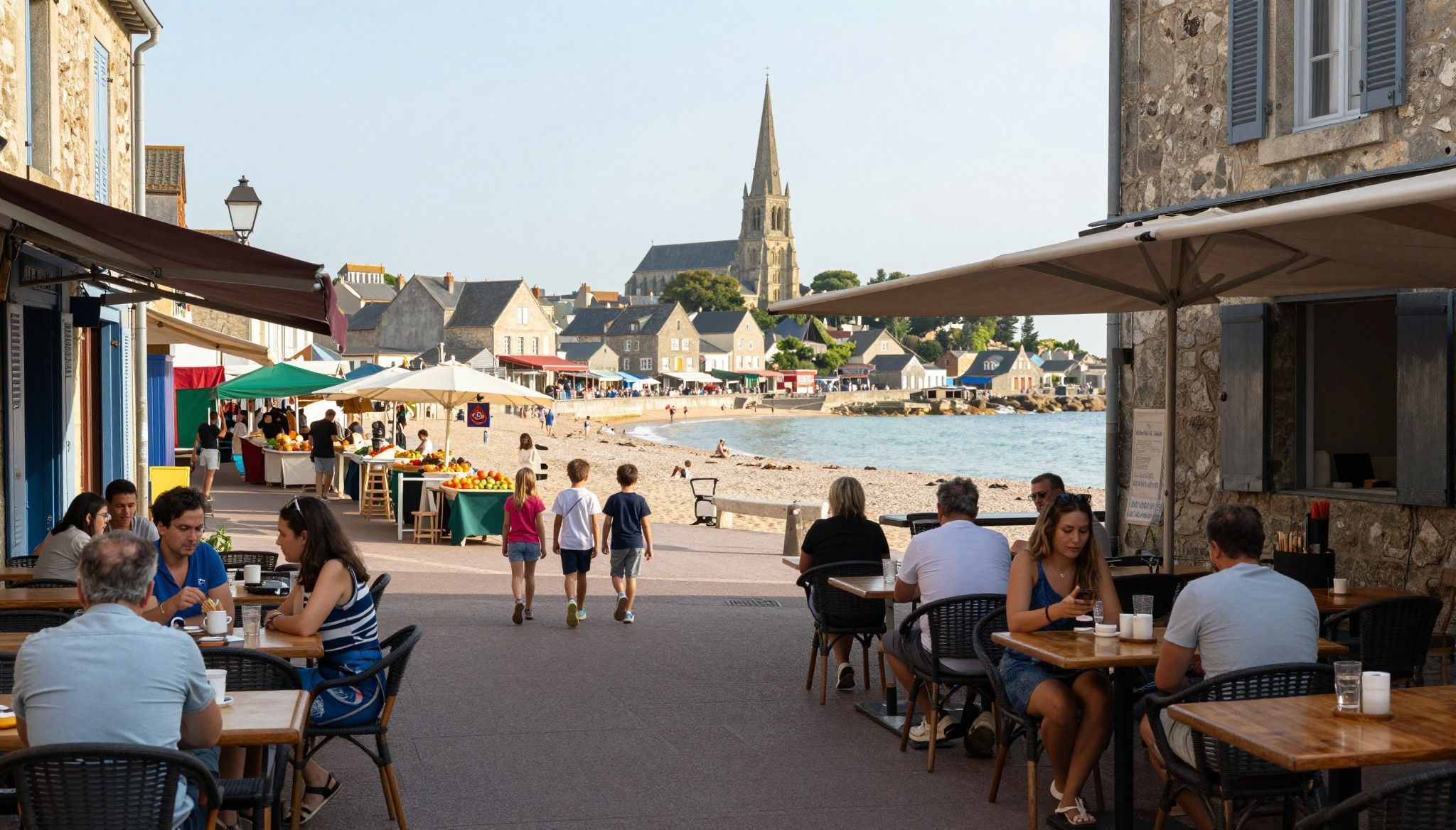
Imagine stepping out for an espresso on rue Cler in Paris, then driving three hours to a warm Provençal market where lavender mingles with roast chestnuts. France lives in layered rhythms — city mornings, coastal afternoons and village Sundays — and those rhythms shape where prices climb and where value quietly waits. Recent INSEE data and notary reports show a market that has corrected, then slowly stabilised; for buyers this means choice, but also the need for local signals, not headlines.
Living the French life: how place shapes price
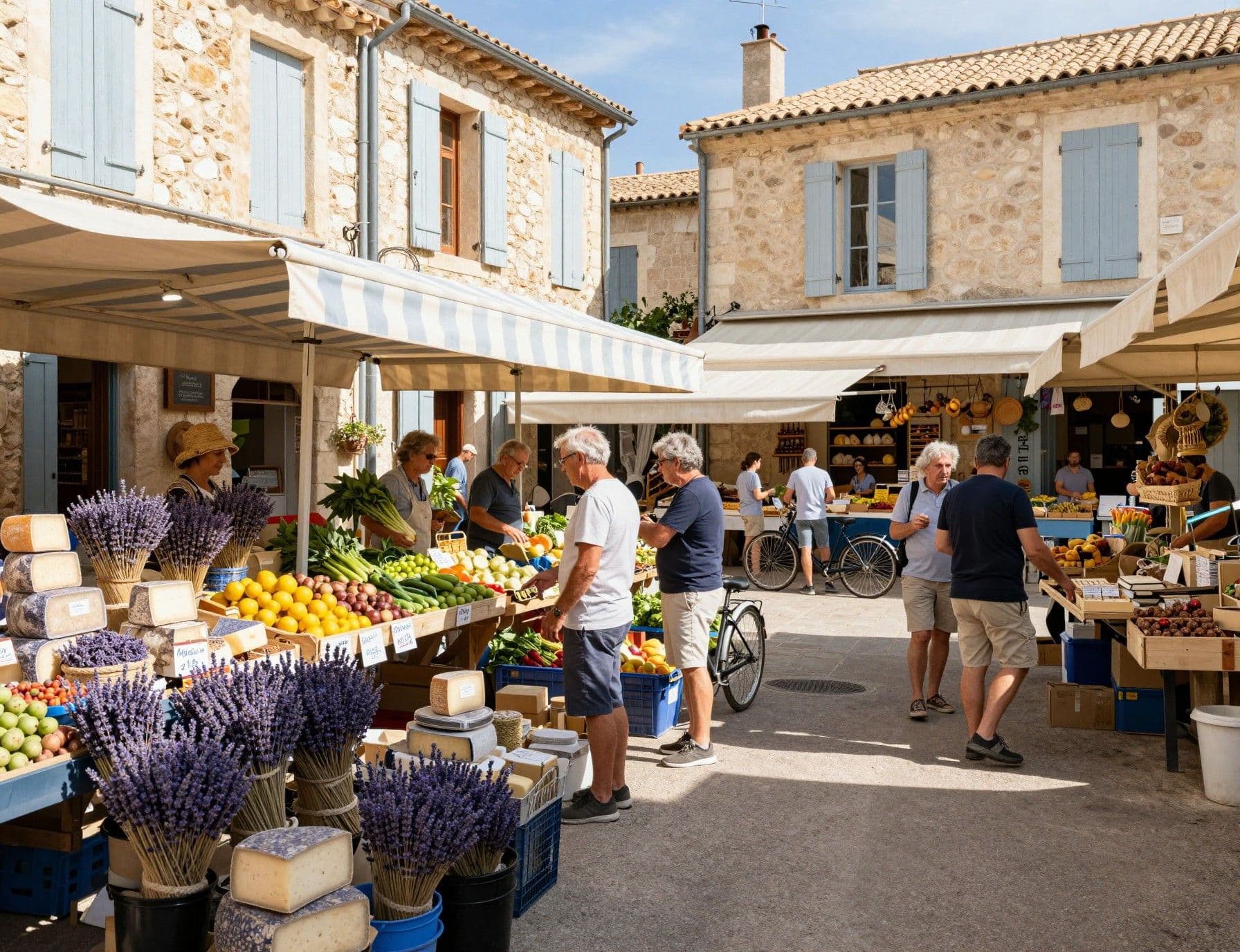
City squares and country markets are not just charming backdrops — they are price drivers. Notaires de France shows divergent trends: apartments in dense cities behaved differently from houses in regional centres, and lifestyle pull (transport links, schools, food culture) often explains price resilience more than national averages.
Paris & Île‑de‑France: rhythm of scarcity
Paris is a mosaic: central arrondissements remain premium while outer communes can offer softer entry points. Pressure comes from limited supply, strong rental demand and the city's global magnetism. That creates persistent price per square metre differentials where a single metro line or school catchment can shift values significantly.
South and coasts: seasonal demand hides year‑round value
The Côte d'Azur and Languedoc attract summer attention, but price strength often tracks accessibility and infrastructure investment rather than postcard desirability alone. Savvy buyers watch off‑season transaction volumes and local pipeline data — these reveal where tourist hype inflates short‑term asking prices and where sustainable demand supports long‑term appreciation.
Making the move: practical considerations that still feel local
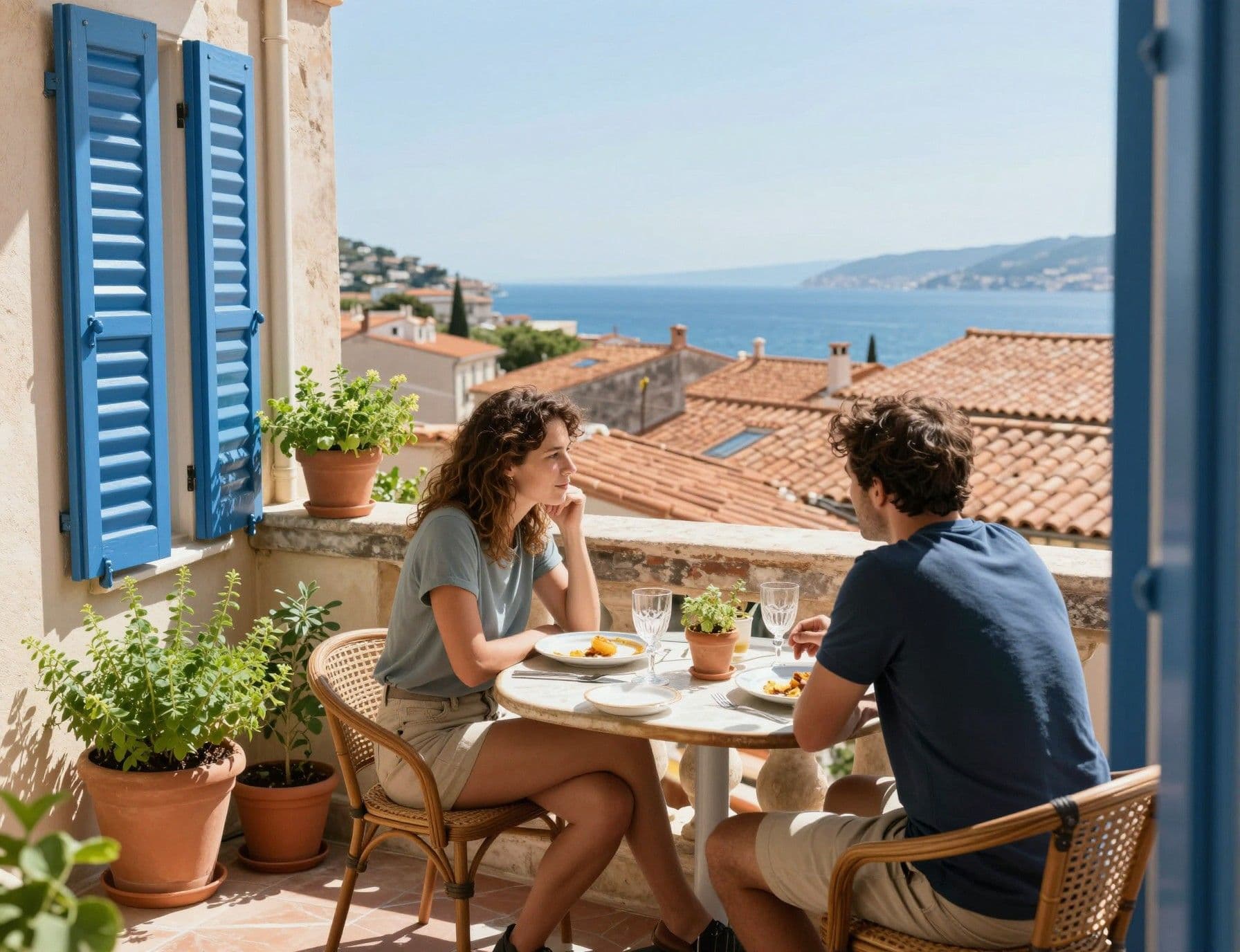
The romance of terraces and boulangeries meets transaction friction: variable local taxes, zoning for historic centres, and renovation realities. Notaires guidance and INSEE indexes are useful, but you need micro signals — median prices by neighbourhood, months‑on‑market, and how many listings are new builds versus old stone — to match lifestyle wants to realistic budgets.
Property types: what your lifestyle really buys
A 19th‑century apartment in Lyon buys you high ceilings and a walkable food scene; a renovated mas in Provence buys land, shade and room for a vegetable garden. Choose by daily use: if you crave markets and cafés, prioritise proximity over square metres; if outdoor life is key, trade centrality for garden space and lower per‑m² prices.
Steps to align lifestyle and market signals
1) Start with a lived day — map your morning coffee, school run, and weekend escape. 2) Overlay hard data — median prices, recent sales, and months on market for those zones. 3) Check supply mix — new builds vs ancien — and how that affects negotiation room. 4) Ask a local agent about off‑market options and seasonal liquidity.
Insider knowledge: myths, red flags and the expat truth
Myth: France is uniformly expensive. Reality: national averages mask regional divergence — while Paris and parts of the Riviera command premiums, many historic towns and inland departments offer attractive value per square metre. Watch regional indices and local transaction counts to separate headline noise from real opportunity.
What expats say they wish they'd known
Many expats underestimate seasonal hiring of agents and the slow rhythm of French bureaucracy. They wish they'd visited outside high season, asked neighbours about winter life, and verified broadband and healthcare access. Those local checks change whether a seaside apartment feels like a holiday or a year‑round home.
Red flags that mask as charm
• Listings that stay unsold for long periods — often priced out of market or with legal encumbrances. • Properties marketed as “near the sea” but without road access in winter. • Renovation estimates that ignore structural or insulation work common in historic homes. • Overreliance on tourist rental yield projections without year‑round demand data.
Conclusion: France rewards buyers who pair feeling with figures. Start with the life you want — the cafés, markets and weekend escapes — then test that vision against micro‑market data from INSEE and local notaries. Work with agents who live the neighbourhood rhythm, check seasonal liquidity, and run conservative renovation budgets. Do that, and the French life you imagine becomes a durable, data‑backed decision.
Dutch investment strategist with a Portugal-Spain portfolio. Expert in cross-border financing, rights, and streamlined due diligence for international buyers.