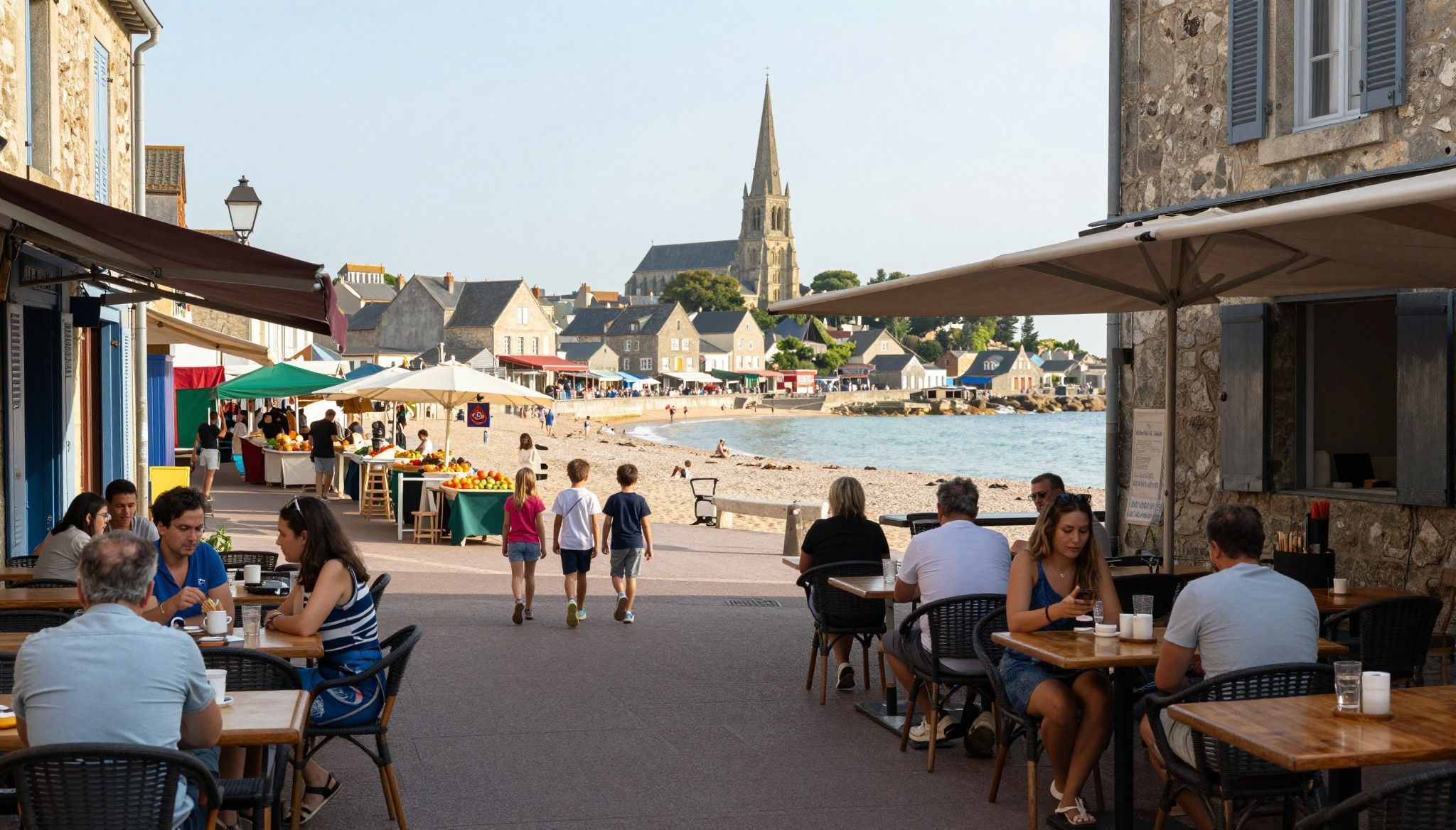
Summer’s Price Illusion: Why Malta Buys Are Better Off‑Season
Summer viewings can mislead buyers; NSO and market reports show off‑season inspections reveal Malta’s truer value and clearer buying signals.
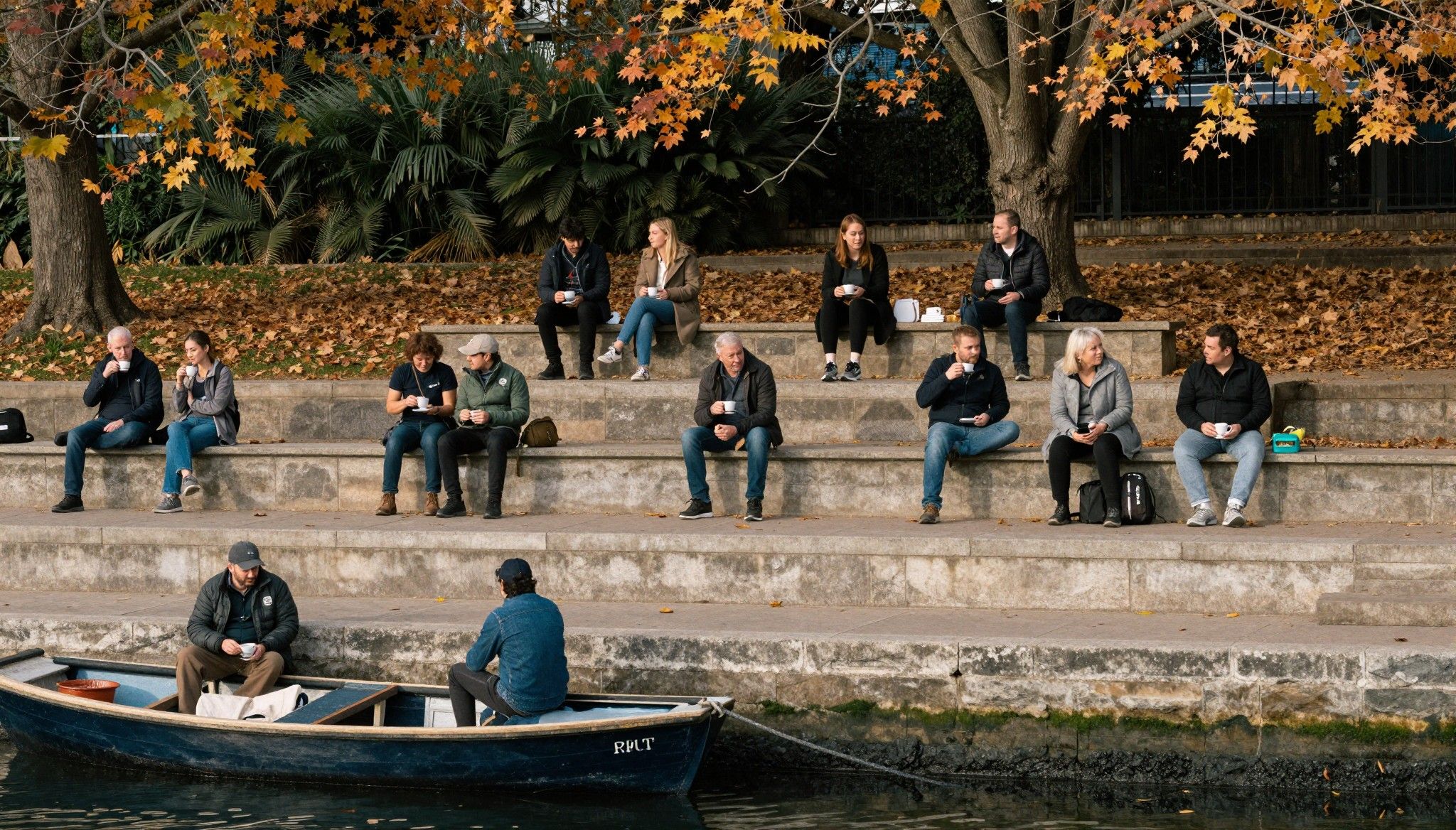
Imagine an early autumn morning on Valletta’s Upper Barrakka Gardens: fishermen mending nets below, the air warmed by sun on limestone and a cafe steaming with locals. That gentle, slow rhythm — markets, terraces, and a coastline that feels both intimate and endlessly accessible — is what draws many internationals to Malta. But if you're arranging viewings between June and August, you’re seeing the island in its brightest, busiest costume: inflated demand, limited agent availability, and listings staged for summer rather than long‑term living. This piece argues a contrarian, experience‑led position: summer lights the postcard, but off‑season months reveal Malta’s true value and practical buying window.
Living Malta: daily life beyond the postcard
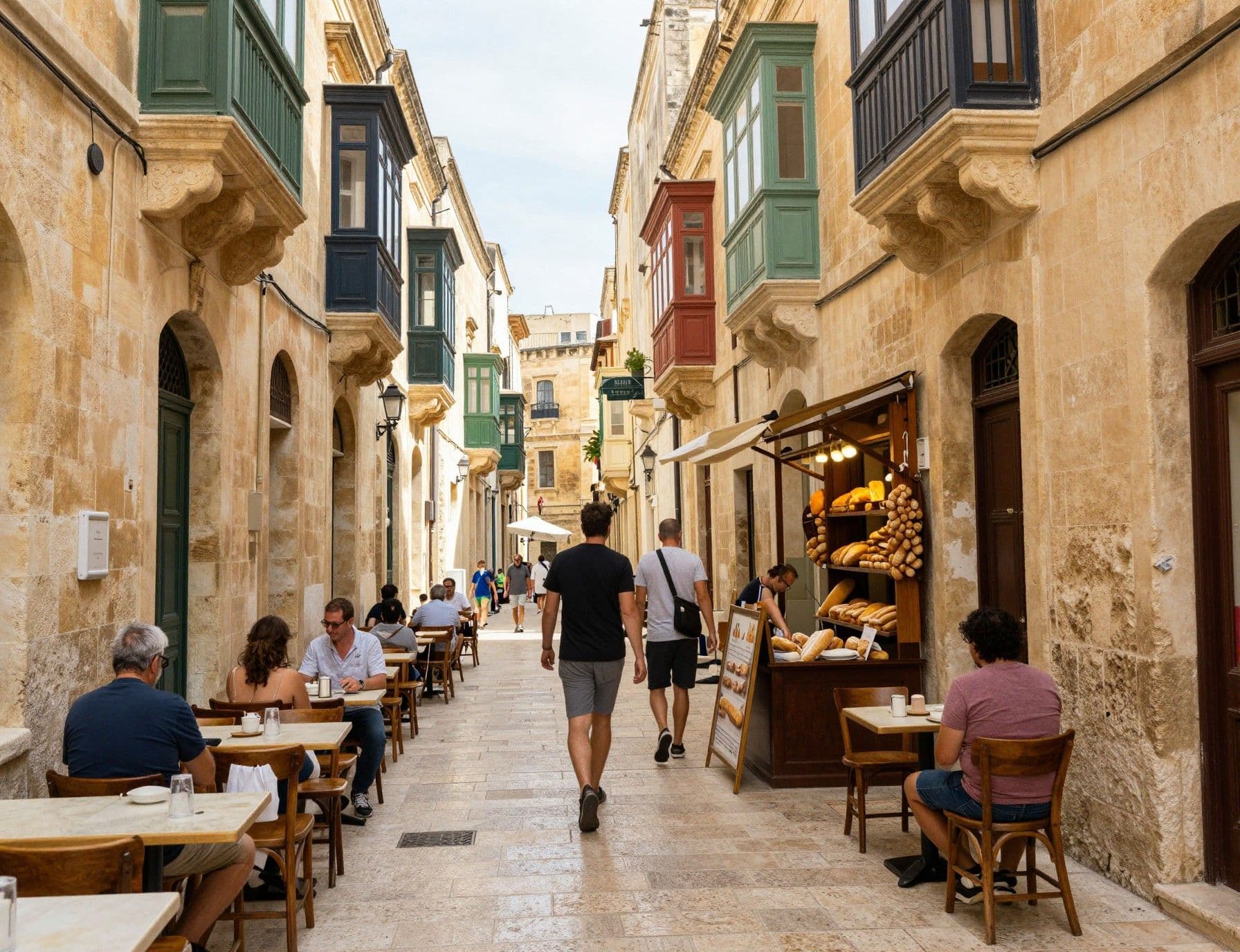
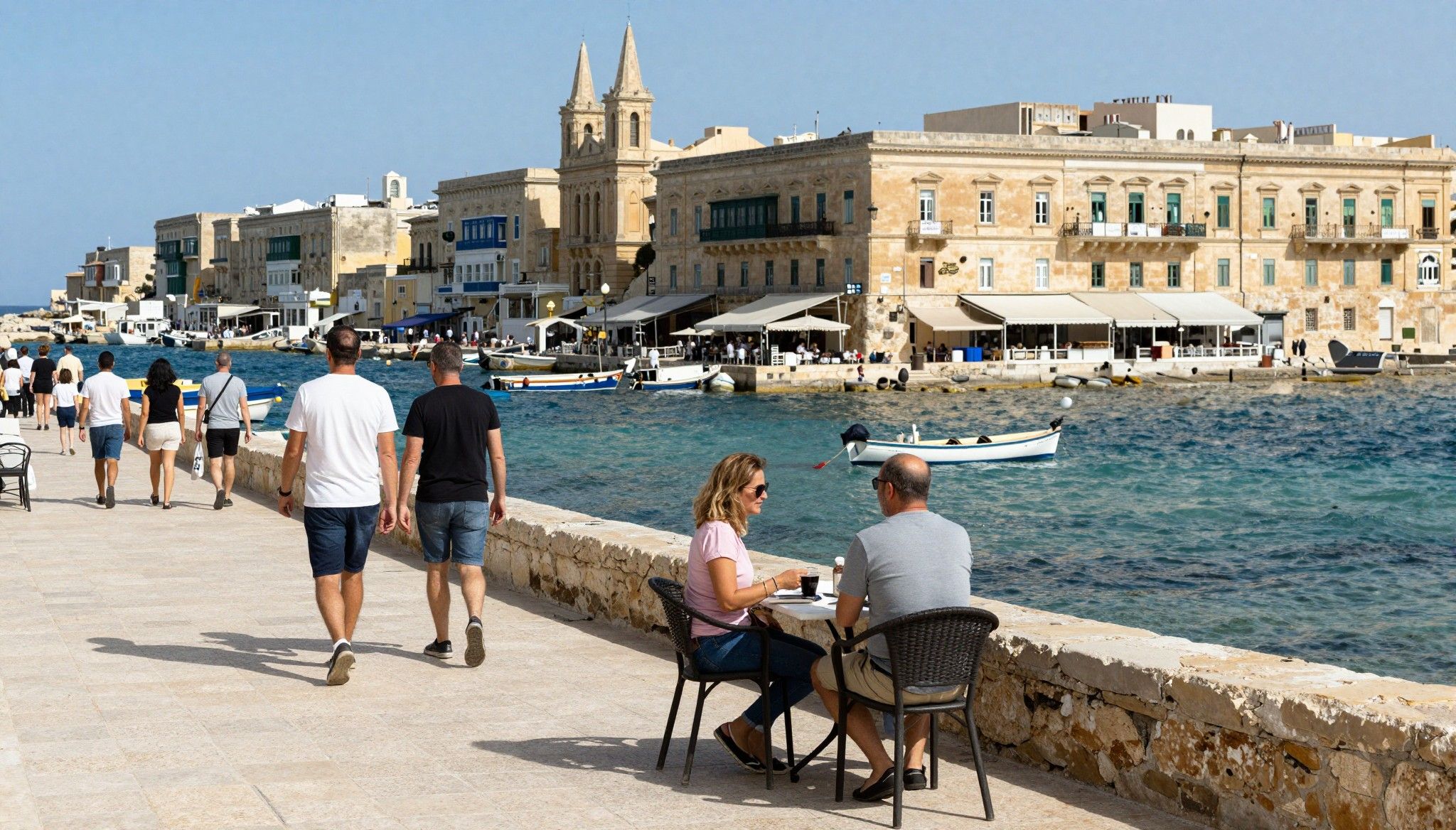
Malta is compact — you can be on a café terrace, in a baroque piazza and on a pebble beach within a single afternoon. Streets in Valletta and Three Cities hum with history: merchant balconies, narrow alleys, and small neighbourhood bakeries that set the day’s tempo. Coastal promenades in Sliema and St Julian’s shape a different rhythm: morning joggers, lunch by Balluta Bay, and an evening social scene geared to residents and visitors alike. Living here means mixing rituals — an early market visit to Marsaxlokk, an evening passeggiata along Sliema’s strand — with the kind of community ties that build slowly over months, not weeks.
Valletta & The Three Cities: history as neighbourhood
Valletta condenses Malta’s past into daily life — artisan bakeries on Merchant Street, Is‑Suq tal‑Belt’s covered market, and evenings on Republic Street that still feel local. In the Three Cities (Vittoriosa, Senglea, Cospicua), stone-fronted houses open directly onto quays where fishermen still moor their boats; weekend rituals here are slower and more intimate. These areas suit buyers who want a lived-in, walkable life, proximity to small-scale markets and cultural venues, and properties with character rather than generic new‑builds. Expect smaller apartments, period details, and conservation rules that shape renovation choices.
Sliema, St Julian’s & Pembroke: promenade living
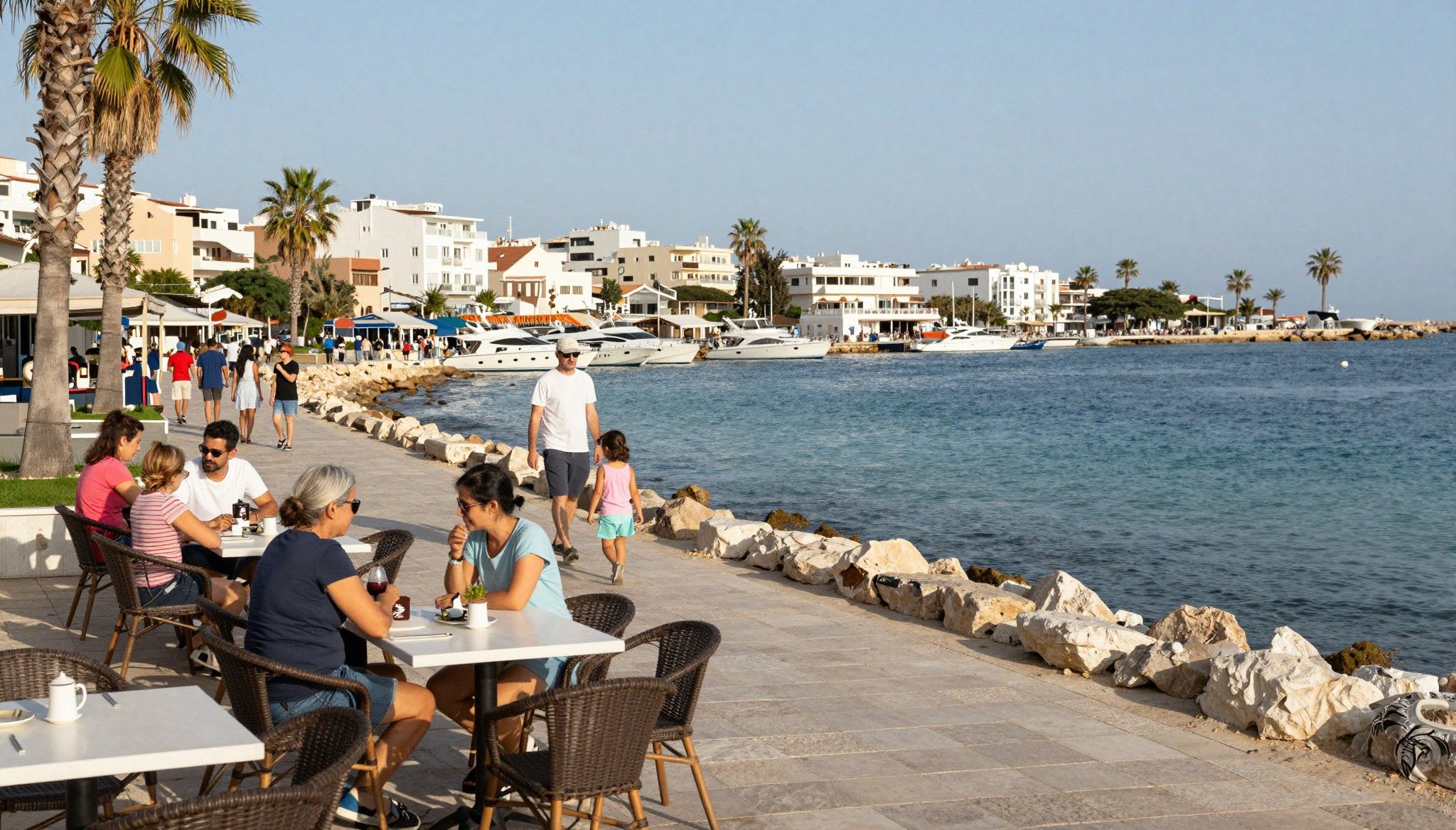
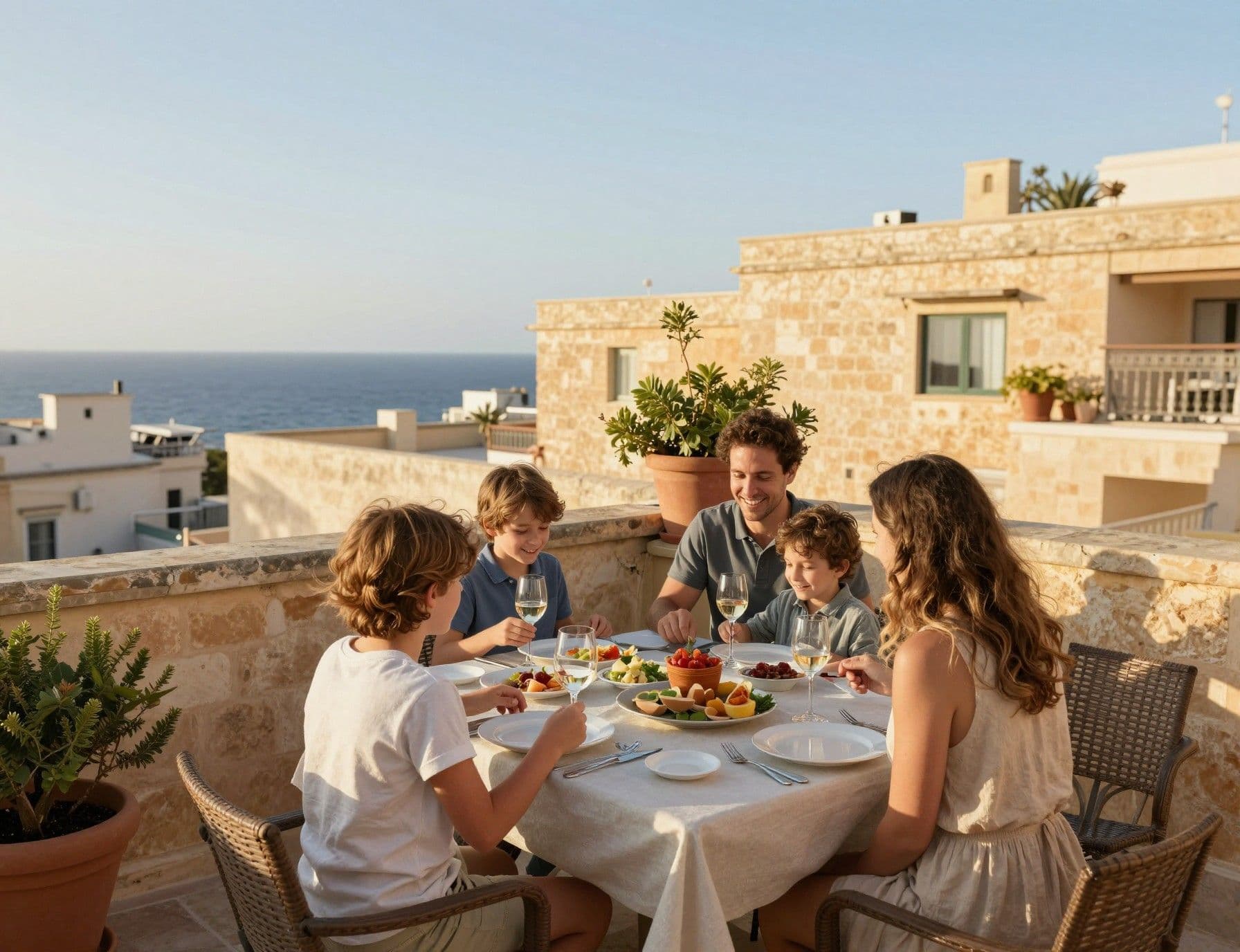
Sliema and St Julian’s offer the facilities many internationals expect: modern apartment blocks, waterfront promenades, cafés that serve espresso all day and established expat networks. Pembroke and parts of Northern Malta provide quieter residential pockets with access to beaches and family amenities. Weekends often revolve around markets — Marsaxlokk’s Sunday fish market remains a local ritual — and outdoor dining that stretches late into summer nights. For lifestyle buyers, these districts balance convenience with social life; for investors they provide strong rental demand in high season, though that demand can cloud true year‑round yield calculations.
Why off‑season timing matters: the data and the lived reality
Headline statistics show steady price rises in recent years, but the island’s small size amplifies seasonal demand spikes. National Statistics Office figures confirm that price indices and transaction volumes can peak around tourist months, while professional market reports (see KPMG) note developers and sellers timing launches for summer visibility. For a buyer, that means offers made during peak season often meet mispriced expectations: staged viewings, sparse comparable listings, and emotional bidding driven by holiday urgency. If you want value and time to inspect a property in real living conditions, autumn through spring gives clearer signals.
Property types and what they mean for life
Malta’s stock mixes restored townhouses, mid‑rise apartments and pockets of modern luxury developments. Townhouses in Valletta or Mdina reward stewardship and give immediate street life, but they come with conservation constraints and higher renovation complexity. Modern seafront apartments in Sliema and St Julian’s offer convenience and amenities, yet can be priced for short-term letting demand. Reading property form against lifestyle — whether you want terrace dinners, morning markets nearby, or quiet residential streets — helps match the right asset to your daily life, not just the brochure.
Steps to time your Malta purchase off‑season
Arrange preliminary virtual tours in summer, then book physical viewings in September–November when listings normalize and agents have time for thorough showings. Negotiate with data: use transaction records and recent NSO indices rather than asking prices to justify offers. Inspect properties at different times (morning, late afternoon, quiet weekday) to assess noise, light and community life beyond tourist hours. Reserve conditional contracts that allow short due‑diligence windows for surveys and municipal checks outside the peak season rush. Work with a local lawyer and agent who can hold back offers until you’ve seen the property lived‑in — they’re your best defence against summer performance bias.
Insider knowledge: real expat lessons and practical trade‑offs
Expats often tell the same stories: a summer viewing that charmed them into a rushed offer, followed by surprises when the full utility bills, conservation costs or short‑term letting rules emerged. Language is rarely a barrier — English is an official language — but cultural practices, council rules and communal building arrangements take time to understand. Practical red flags to watch for include unclear title chains, aggressive short‑term letting conversions in popular promenades, and properties that rely on summer trade for their rental case. Local knowledge — your agent’s familiarity with council restrictions and a lawyer’s track record on title searches — turns a dream purchase into a sustainable one.
Cultural integration and everyday rhythms
Making a life in Malta means adopting local rhythms: late lunches, long market mornings, and neighbours who know each other’s routines. Community happens at the small scale — church squares, bakery counters, and the occasional festa — so choose a neighbourhood where you see people living the life you want. For families, proximity to schools and green spaces like Buskett Gardens matters; for active buyers, easy access to cliffs and diving sites shapes property choice. The island’s compactness is an asset: you trade long commutes for a denser social map, but that also concentrates demand into a small geography.
Practical tips locals wish foreigners knew
Check water pressure and rooftop rights — terraces are valuable, but rights can be restricted. Ask about communal maintenance funds: older blocks sometimes lack well‑funded management. Confirm council zoning before assuming short‑term letting potential; rules are evolving. Budget for limestone restoration and humidity control in older buildings. Test a neighbourhood off‑peak to gauge weekday living versus tourist season bustle.
Conclusion: fall in love with the life, then buy the calendar. Visit during the high season to taste the culture, but plan your offers and inspections in the quieter months that follow. Use NSO transaction data and independent market reports to anchor negotiations, rely on agents with long‑term local reputations rather than summer‑only visibility, and prioritise lived‑in inspections to understand how a property functions across seasons. If you want to live Malta, buy Malta on its own schedule — the island rewards patience with clearer value and a truer picture of daily life.
British investor turned advisor after buying in Costa del Sol since 2012. Specializes in cross-border compliance and data-driven investment strategies for UK buyers.