Cyprus: Seasonal Lifestyle & Data‑Led Buying Strategies
Fall for Cyprus’ rhythms, then buy with district-level data: apartments drive demand while off-season timing and local due diligence unlock better value.
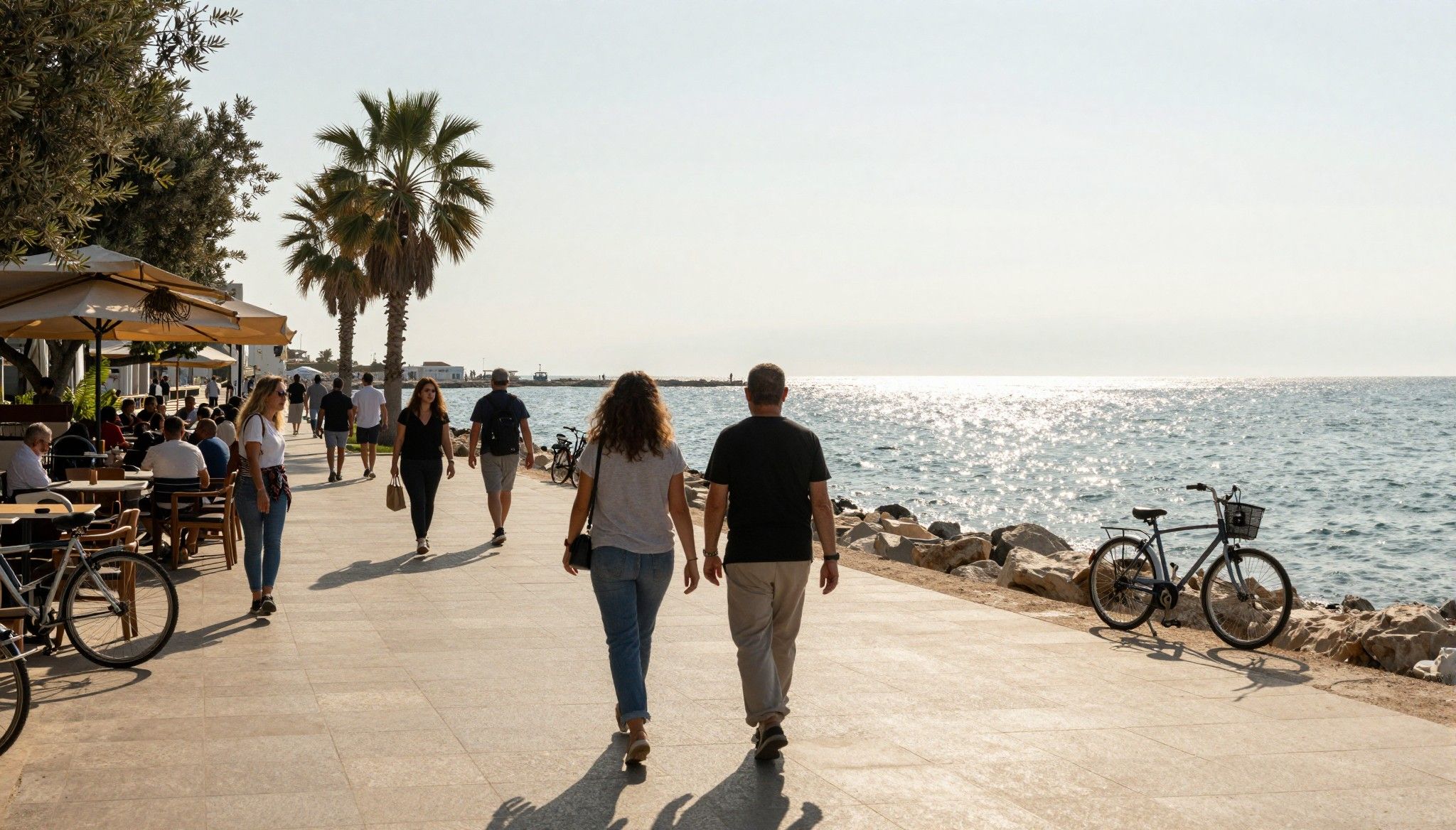
Imagine waking to a bakery scent in old Nicosia, spending afternoons on a seaside terrace in Limassol, and weekends exploring Paphos’ olive-scented lanes. Cyprus is sun, small‑city familiarity and a coastline that stages a different life by season. Yet beneath the postcard is a market with fast-moving apartment demand, district-level divergence, and tactical timing that can make the difference between a lifestyle win and a costly lesson. This guide mixes lived-in scenes with hard market signals so you can fall for Cyprus — and buy with confidence.
Living the Cyprus life: rhythms, places and tastes
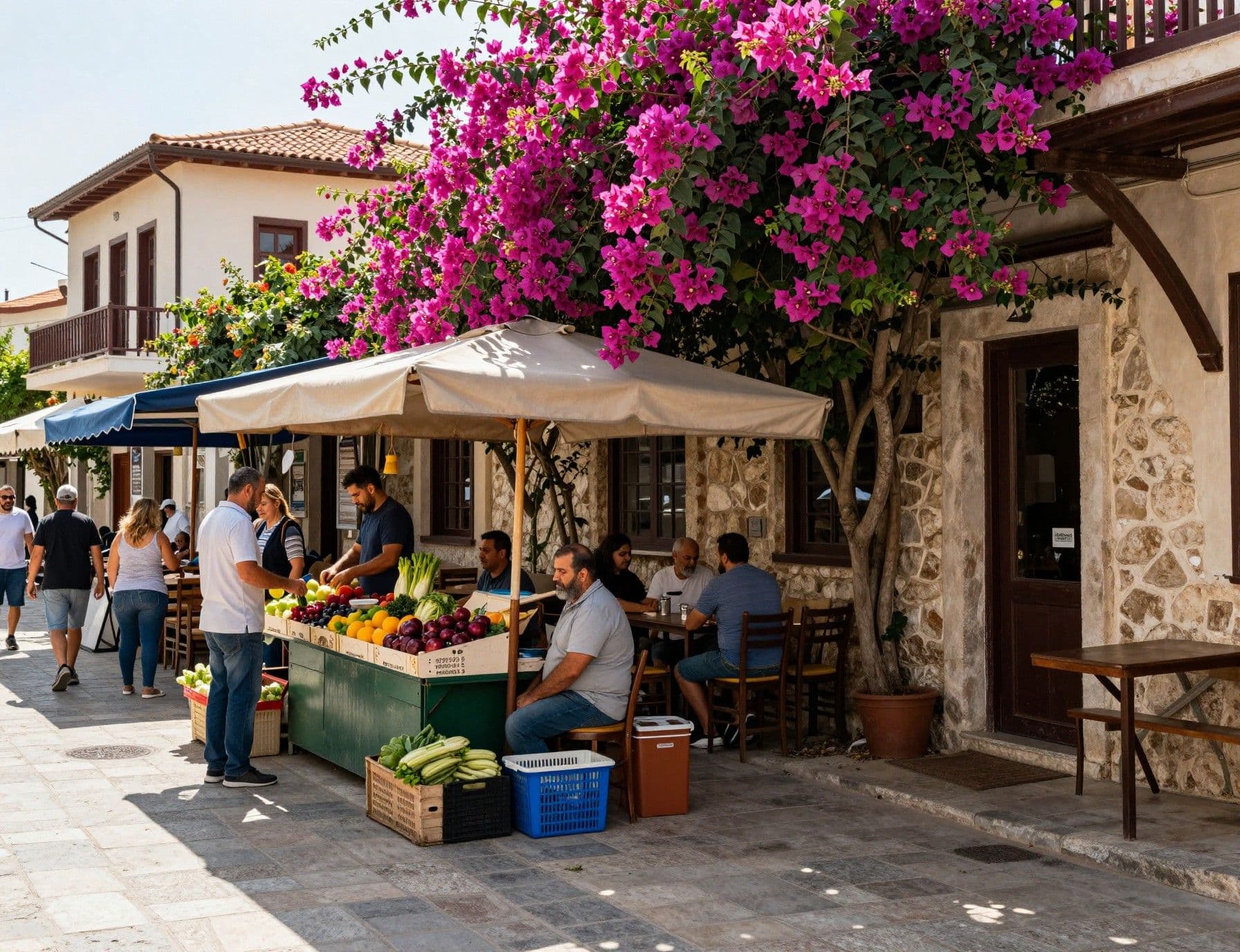
Cyprus moves at two paces: coastal towns pulse with tourism and seasonal energy, while hill villages keep a slow, community-led cadence. Mornings begin with coffees in small cafés — try a frappé on a shaded terrace — and evenings gather around tavernas where talk lasts longer than the meal. For buyers, that rhythm defines what property will feel like: a compact apartment in a lively coastal quarter or a courtyard house where neighbours know your name.
Limassol, Paphos and the coast: clarity on character
Limassol is commerce and seafront living — think marinas, cafés on Molos Promenade and newer towers along the coast. Paphos trades on heritage and a quieter seaside tempo with villages like Tala and Peyia offering family-friendly pockets. Larnaca has the airport convenience and growing café culture around Finikoudes. Each place feels distinct; choose for daily life, not just headline prices.
Food, markets and small rituals
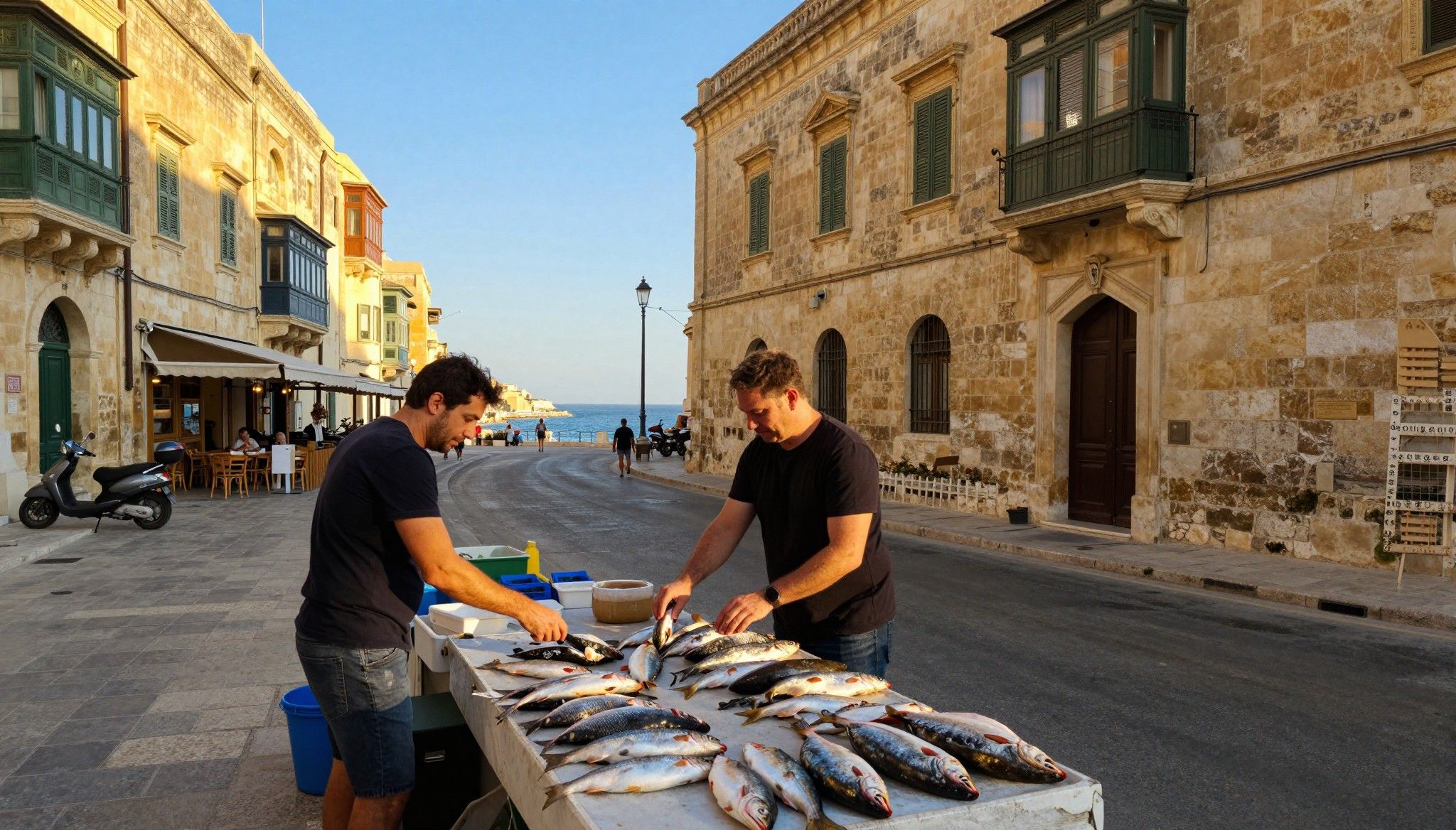
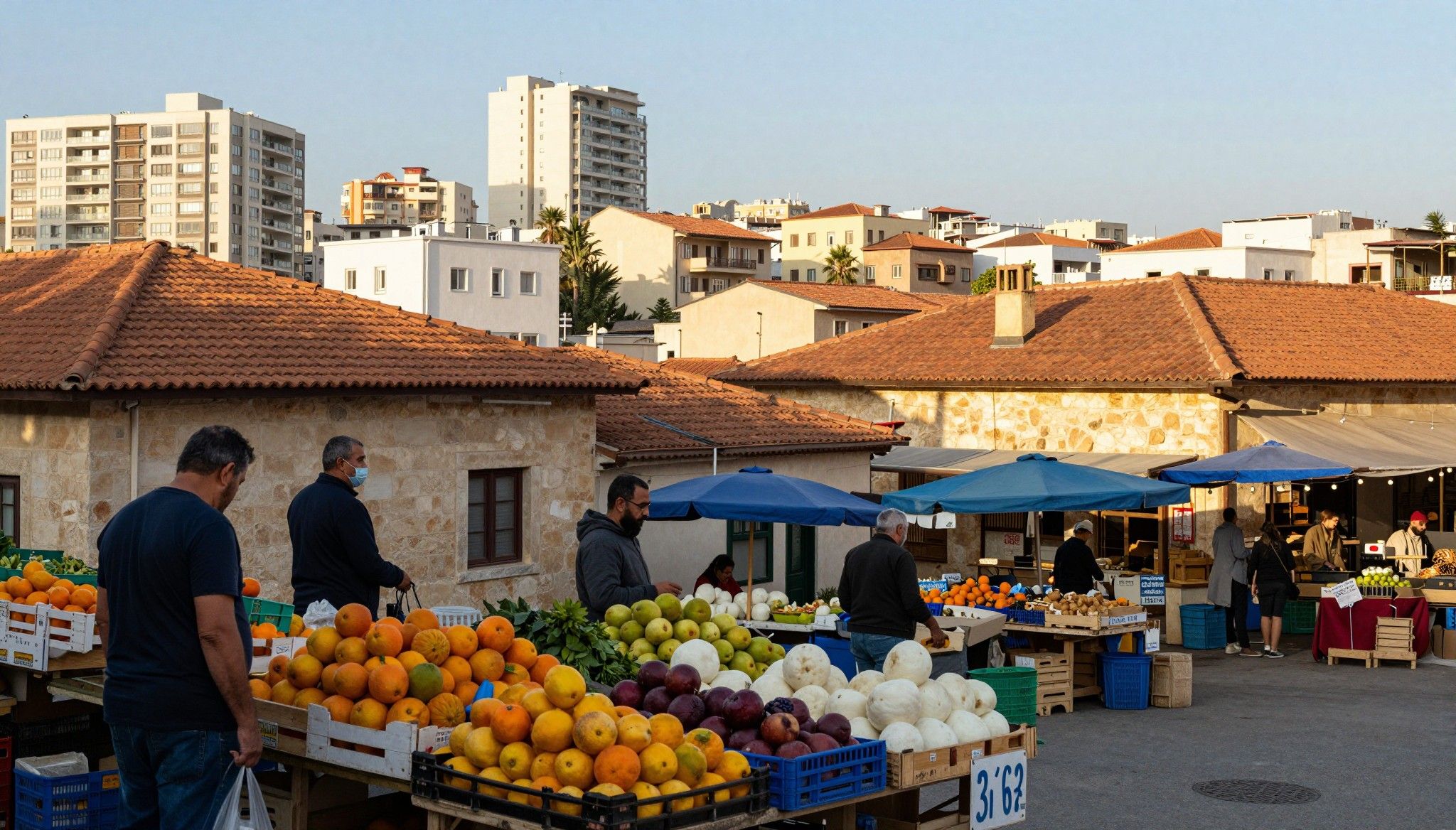
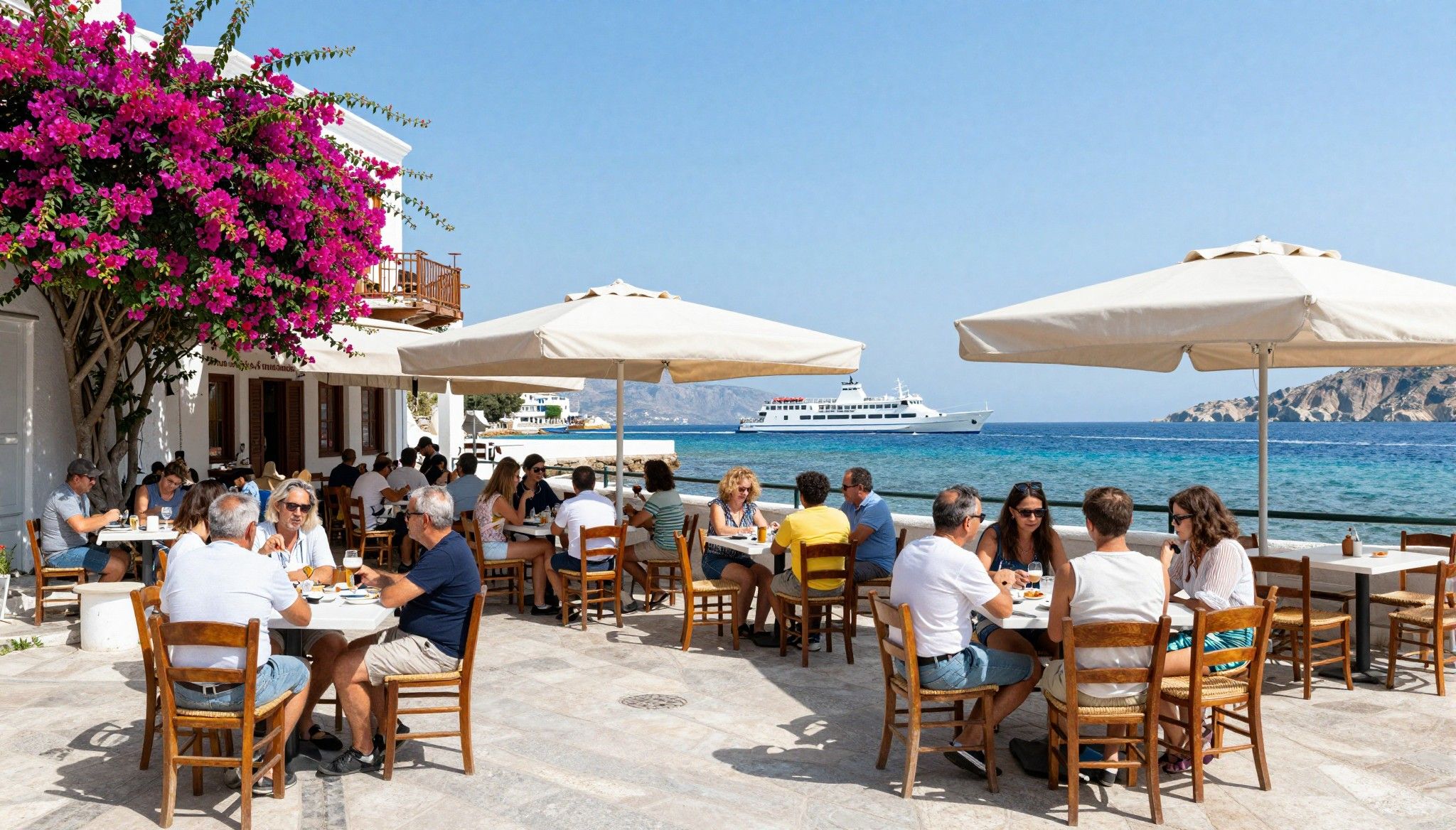
Weekends mean farmers’ markets — fresh halloumi, wild greens, citrus and small-batch olives. In Paphos, dine under bougainvillea in Kouklia; in Nicosia, the old town’s mezze scene offers immersive evenings; in Ayia Napa, expect lively summer nights and seasonal hospitality staff that support holiday-rental demand. These rituals shape how you use a home: an apartment with a sunny balcony for late suppers, or a villa with a kitchen garden for a farm‑to‑table lifestyle.
- Limassol Molos promenade strolls; Paphos Tala village cafés; Larnaca Finikoudes espresso; Nicosia Ledra Street evenings; Coral Bay swims and weekend markets; Ayia Napa summer festivals and sea‑front dining.
Making the move: market signals that matter
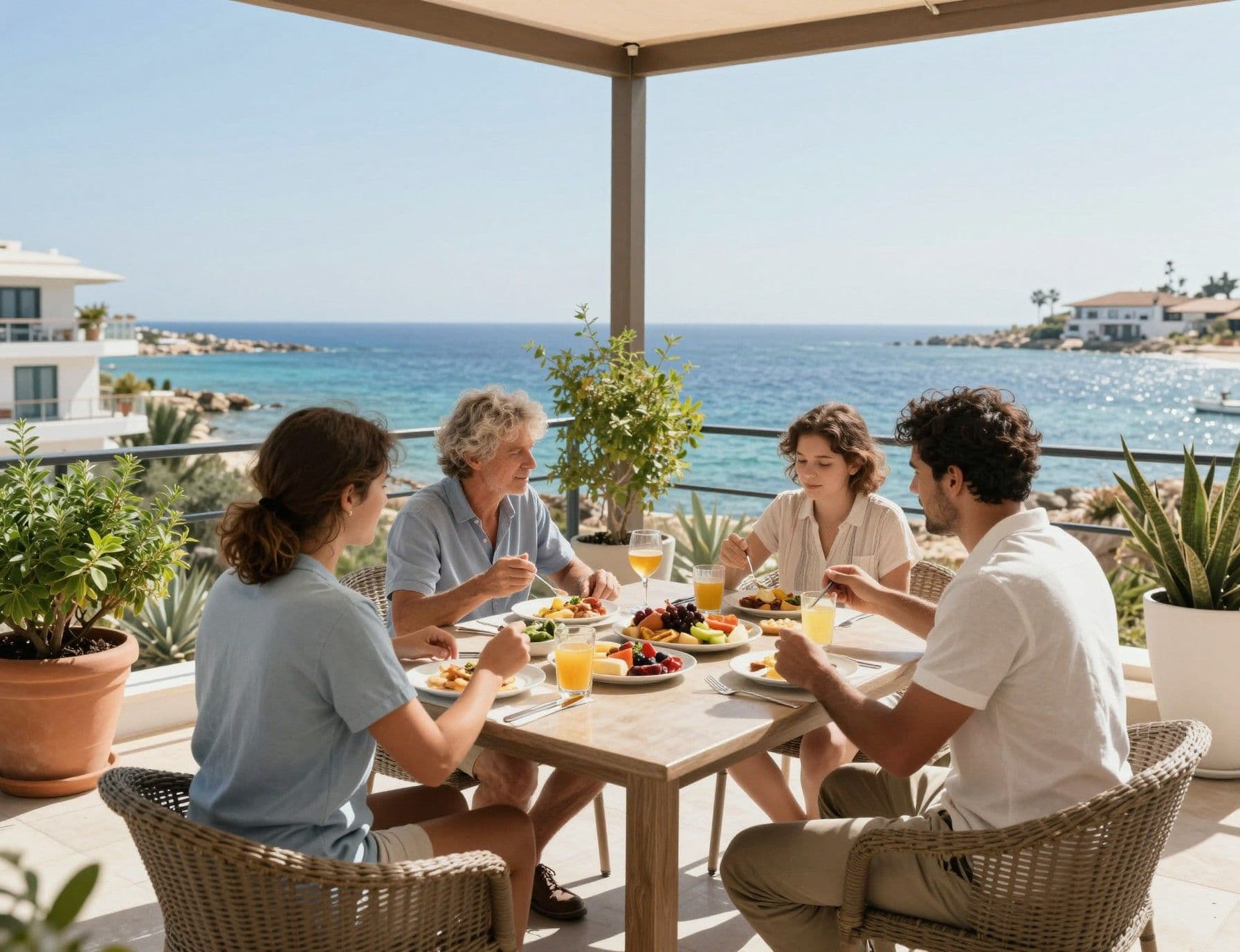
The island’s headline: apartments are the engine. Recent data show apartments accounting for most new transactions and buoying district-level activity, while Limassol stays the priciest market by value. Knowing this helps you match lifestyle goals to realistic yield and resale paths — coastal holiday‑let potential differs from long‑term family rental demand in Nicosia or Paphos.
Property styles and how they shape daily life
Apartments in Cyprus now range from compact pied-à-terres near beaches to larger new‑build blocks with pools and concierge. Townhouses and detached villas suit buyers seeking space, gardens and privacy. Architecturally, Mediterranean materials — stone facades, tiled roofs and shaded terraces — are both cultural and practical, cooling homes in summer and creating usable outdoor rooms most of the year.
Work with local experts who know lifestyle fit
An agent who lives the lifestyle helps more than a listing: they’ll point to neighbourhoods with morning cafés, quieter streets for afternoon naps, and short‑term rental pockets that keep noise to a minimum. For international buyers, agencies that combine transaction expertise with neighbourhood intelligence reduce surprises and create a buying plan tied to how you want to live.
- Decide lifestyle priorities (commute, school, nightlife); shortlist districts that deliver those daily moments; test-stay for two weeks to feel daily rhythms; ask sellers about seasonality and occupancy rates; commission a local valuation and pre-contract due diligence.
Insider knowledge: myths, seasonal timing and red flags
Myth: Cyprus is uniformly expensive. Reality: price-per-square-metre and demand vary sharply by district and property type. Limassol commands premiums, while Larnaca, parts of Paphos and inland districts can offer relative value without sacrificing lifestyle. Another trap: buying in peak summer to 'feel the life' — you’ll see the island in full tourist mode, which can mask daily quiet in off-season months.
Cultural and practical red flags
Watch for incomplete permits on older renovations, unclear community-fee histories in apartment blocks, and exaggerated short‑term rental forecasts from optimistic hosts. Locals often rely on word-of-mouth; insist on documented history, a recent survey and transparent occupancy data if rental income is part of your plan.
When to buy: a counter-intuitive timing tip
Contrary to instinct, autumn and winter can be the smartest buying seasons. Developers and sellers often adjust prices after summer demand, and you’ll see properties under less seasonal pressure — allowing clearer negotiation and a truer sense of year‑round life. Use summer to shortlist; buy in quieter months.
- Ask for recent occupancy reports for holiday lets; check community management accounts; verify permits and utility connection records; get long‑term cost estimates for cooling/heating; confirm airport and road access for your lifestyle.
What expats wish they’d known — real stories, real tactics
Expats often tell us the surprise isn’t the language — many Cypriots speak English — but the social rituals: who you meet at the bakery, the timing of shops, and how neighbours become gatekeepers to local services. Practical tip: integrate slowly; join local associations, try the municipal events calendar and use a local property manager for hands-off ownership.
Long-term lifestyle: how neighborhoods evolve
Districts near new infrastructure (airport links, new motorways) show sustained demand. Limassol’s waterfront projects and road upgrades around Larnaca are examples. Buying with a 5–10 year horizon means balancing immediate lifestyle fit with expected infrastructure changes — not every district will maintain the same character.
- 1) Live-test the neighbourhood for 10–14 days; 2) Map amenities within a 10–15 minute radius (medical, groceries, cafés); 3) Build a two‑year running cost estimate (utilities, maintenance, management); 4) Plan an exit strategy tied to market comparables.
Conclusion: Cyprus feels like a collection of small, intensely lived places. Choose with lifestyle first — morning rituals, weekend escapes and the neighbourhood rhythm — then layer data: HPI trends, district demand and developer activity. Work with an agent who reads the life you want and the numbers behind it. That way, you buy not just a property, but a place where daily life looks the way you imagined.
Dutch investment strategist with a Portugal-Spain portfolio. Expert in cross-border financing, rights, and streamlined due diligence for international buyers.