Cyprus Pipeline: Where Lifestyle Trumps Headline Prices
Cyprus’s new‑build pipeline is apartment‑heavy. Match neighbourhood rhythms to developer supply and use Central Bank and Landbank data to avoid lifestyle mismatches.
Imagine waking each morning to a short walk from a café on Archbishop Makarios III Avenue to the shoreline at Finikoudes, then signing the purchase contract for a new apartment that opened last month. Cyprus feels like a slow‑moving Mediterranean novel — citrus groves, tavernas that know your name, and a coastline that changes mood by the hour. But behind that easy light is a tight new‑build market: apartment deliveries dominate the pipeline, prices are rising, and where you buy today determines the neighbourhood life you’ll actually get tomorrow.
Living the Cyprus life: mornings, markets and micro‑neighbourhoods
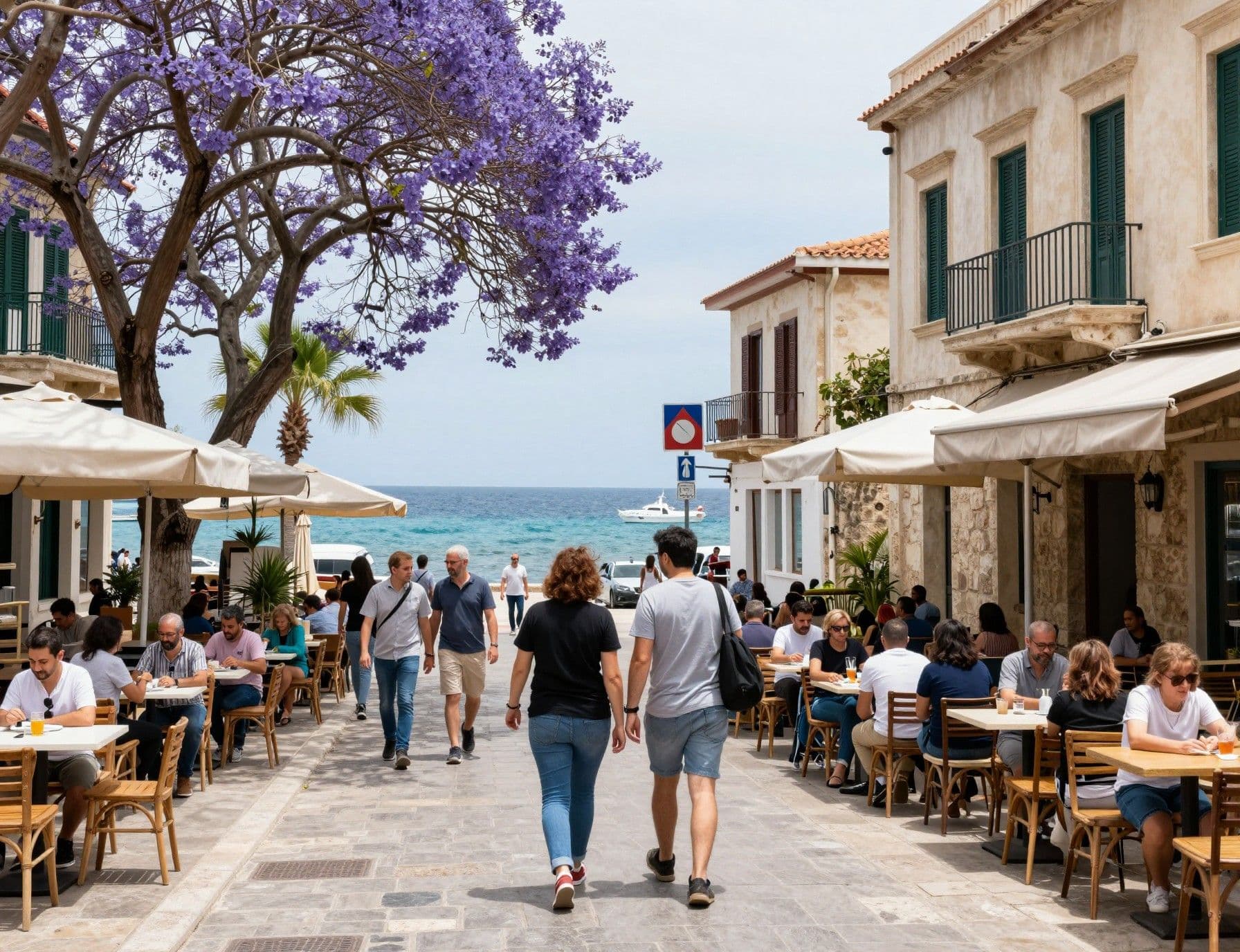
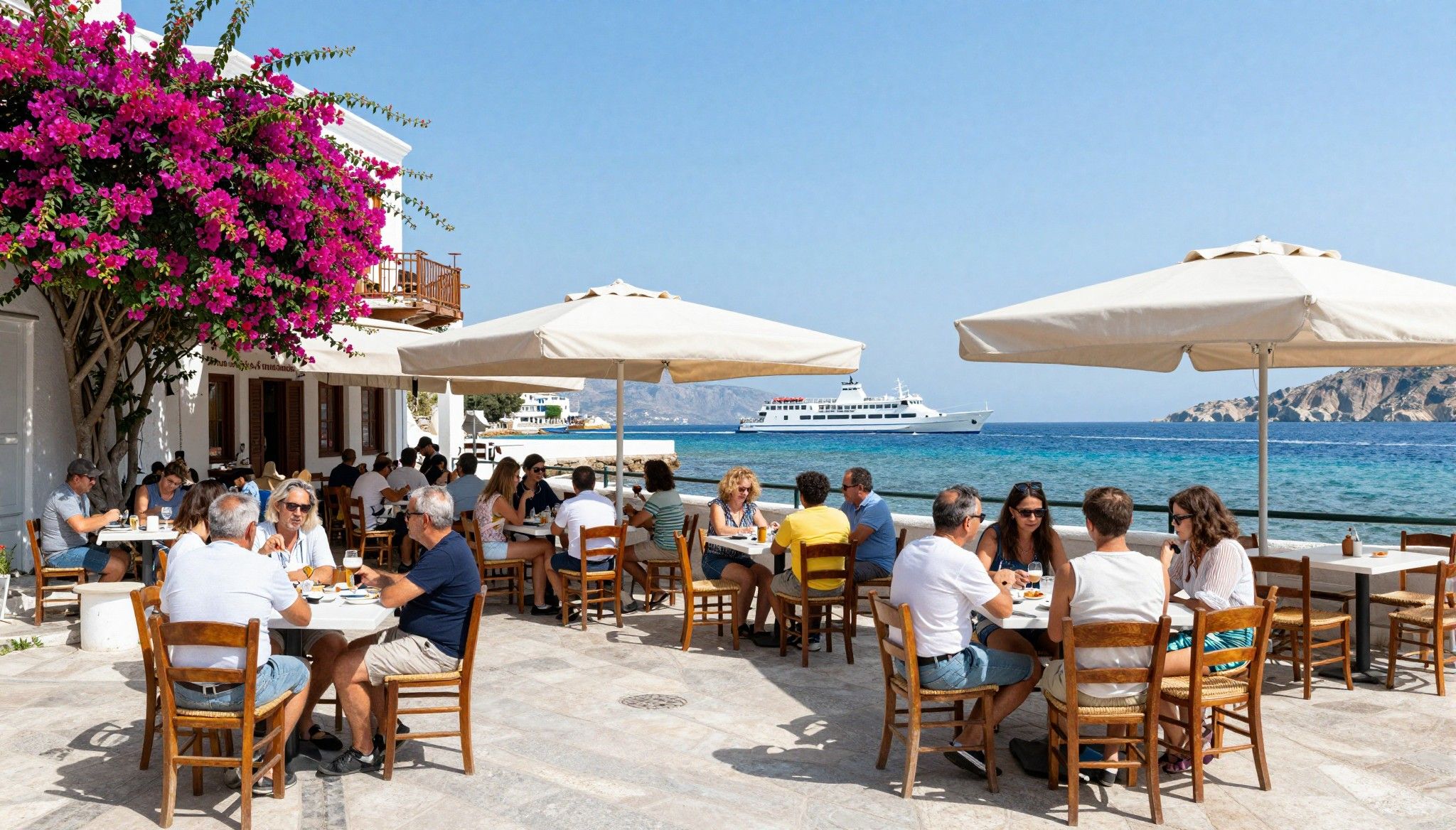
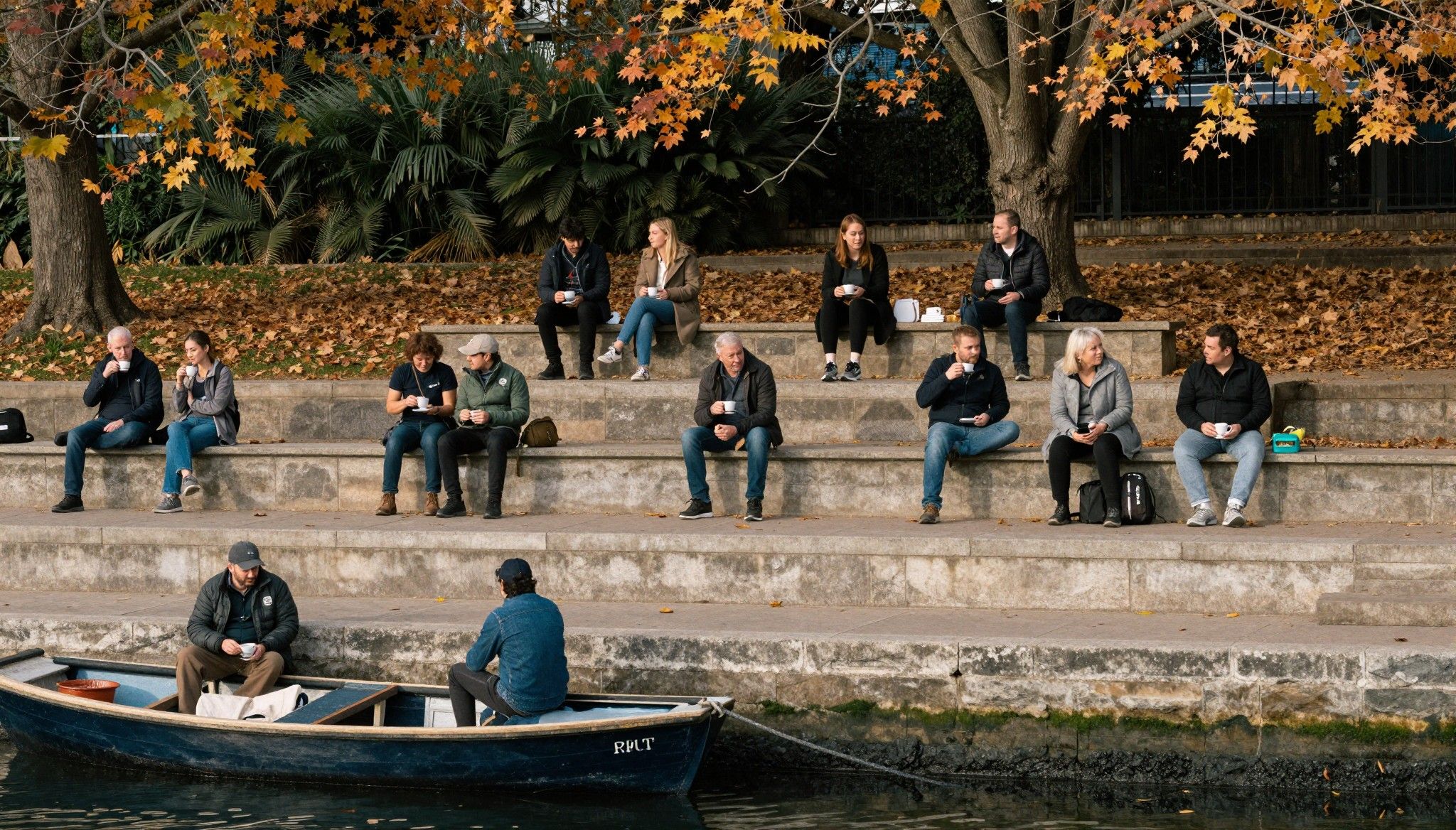
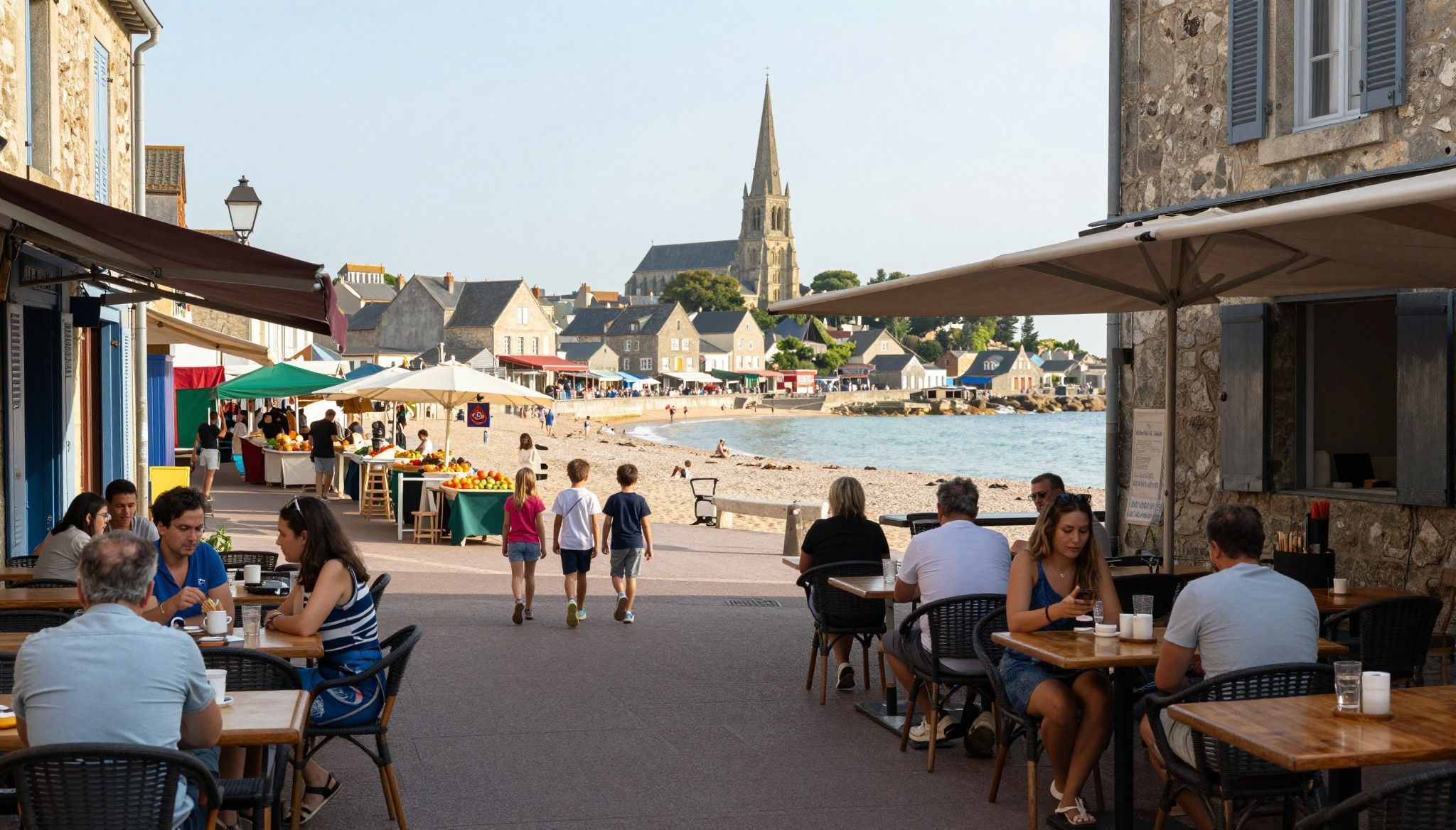
Picture a weekday: espresso at To Kazani in Larnaca, a stroll past fishermen at the old port, then a late lunch of halloumi‑grilled salad. Weekends shift — Limassol hums with yacht traffic and cafés on Molos; Paphos’s old town trades in archaeological charm and slower afternoons; the Troodos range offers pine scent and a different tempo in winter. Cyprus is both coastal and interior; lifestyle choices are local and precise, not island‑wide.
Neighbourhood spotlight — Limassol seafront vs. Kaimakli, Nicosia
Limassol’s Molos and Germasogeia districts are new‑build heavy: modern blocks, promenades, and lifestyle amenities suited to buyers who want a seaside social scene. By contrast, Kaimakli in Nicosia offers narrow streets, courtyard cafés, and a strong sense of community — fewer turnkey developments, more renovation opportunity. Choosing between them is less about island prestige and more about daily ritual: morning swims and sea promenades, or corner bakeries and evening village squares.
Food, festivals and seasonal life that shape property choice
Cyprus’s calendar matters. The grape and village festivals in August turn countryside plots into lively community hubs; winter in Troodos reshapes how you use a house with a fireplace; and tourist season (June–September) inflates short‑term rental demand in coastal pockets. Developers and agents respond to these rhythms — that’s why PwC and market reports note a high share of apartments in recent transactions; they suit seasonal rental economics and overseas buyers seeking lock‑and‑leave living. Practical implication: match your property type to how you’ll use the place across seasons.
- Lifestyle highlights: real places and small pleasures
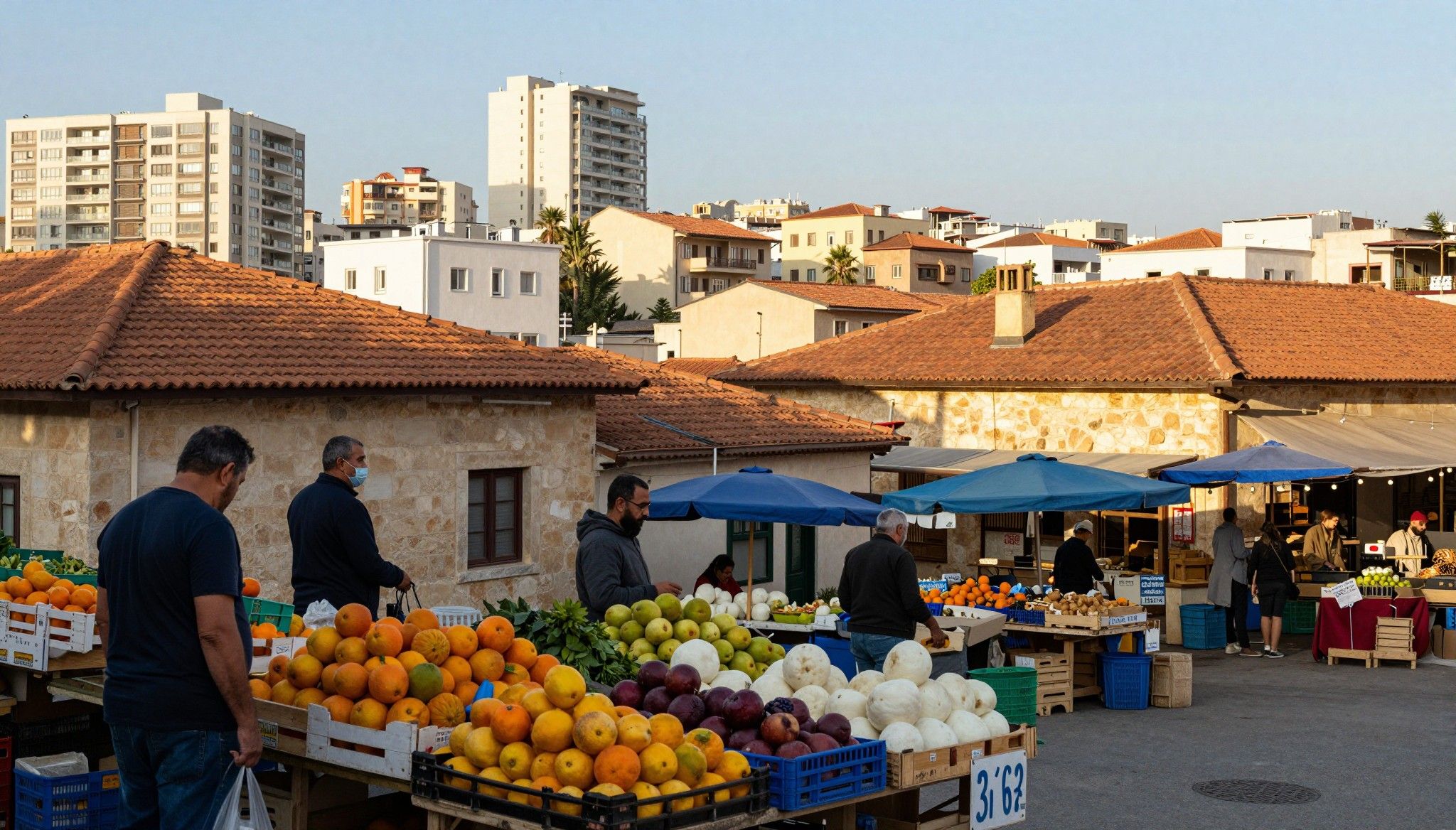
- Morning espresso at To Kazani (Larnaca), evening meze on Limassol’s Molos, weekend farmers at Nicosia municipal market, sunset at Pissouri Bay, and hiking trails around Troodos.
Making the move: where pipeline data meets lifestyle choices
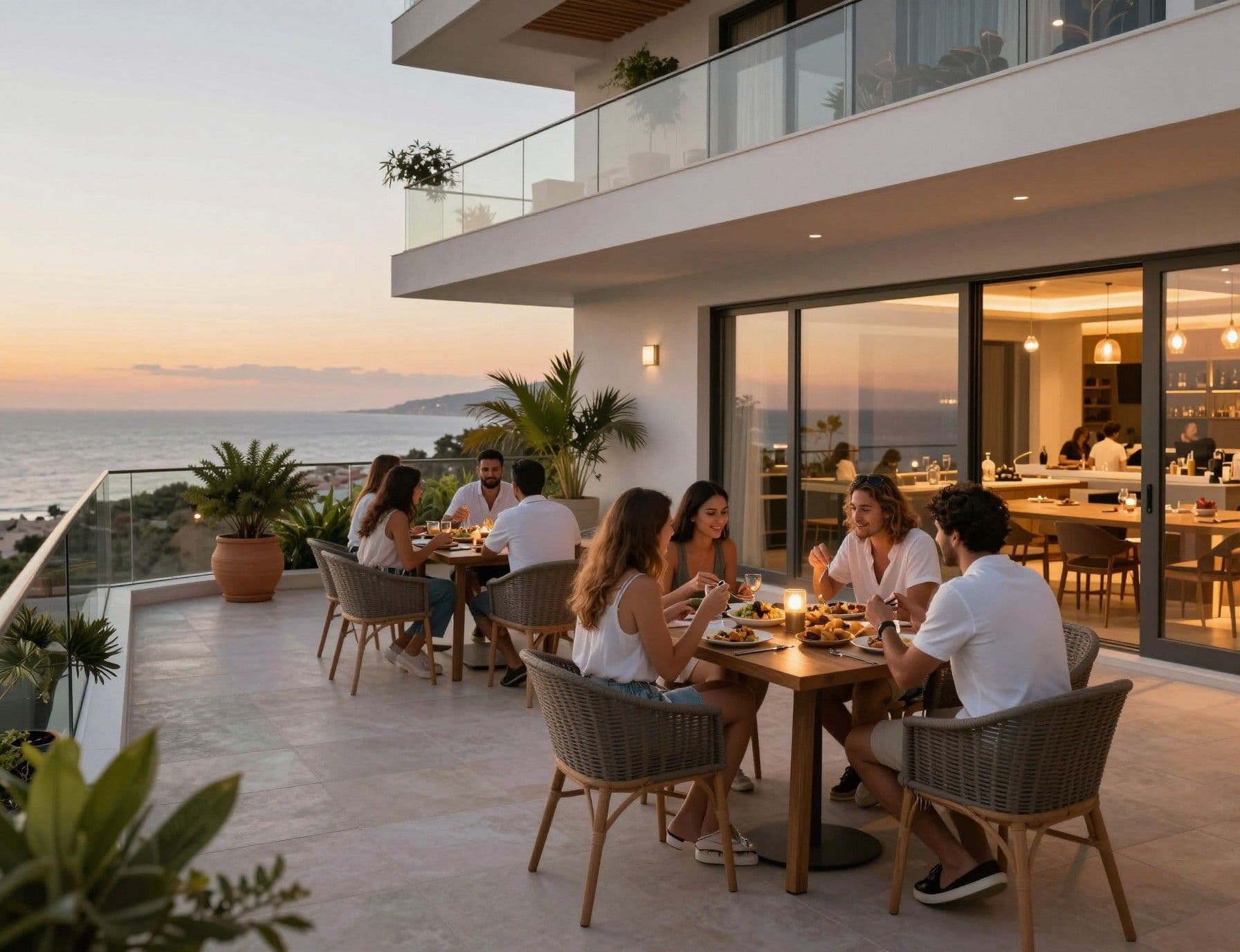
The headline: new‑build supply on Cyprus has shifted decisively toward apartments. Central Bank indices and land‑registry analyses show steady price growth and a pipeline skewed to medium‑rise coastal developments. For buyers this means stock is abundant where rental and tourist demand are strongest, but scarce for plot‑and‑villa buyers in sought‑after suburbs. Translating pipeline figures into a lifestyle pick means mapping developer plans to neighbourhood character, not just price per square metre.
Property types: what the pipeline actually delivers
Expect modern 1–3 bedroom apartments near coastal promenades, mixed‑use towers in Limassol, and smaller low‑rise schemes in parts of Paphos. PwC and market trackers note that apartments made up a large share of transactions in 2024–2025, reflecting developer focus on buyers seeking rental yields and low‑maintenance living. If your dream is a traditional Cypriot courtyard house, that’s likely off‑pipeline and requires local searches and sometimes renovation budgets.
Working with local experts who know both plan and place
1. Ask agents to map current developer launches against neighbourhood life: which blocks open in walking distance to markets, schools and transport. 2. Request recent sale contracts or comparable sales — pipeline marketing is optimistic; contract data shows delivered prices. 3. Check completion schedules and build‑quality references — timelines shift, and lifestyle access (playgrounds, seafront access) often opens months after handover. 4. Insist on floor‑specific comps for sunlight, breeze and view — Cyprus microclimates matter for terraces and energy costs. 5. Factor in service charges vs. low‑maintenance village ownership — apartments carry recurring fees that change lifestyle choices.
Insider knowledge: what expats wish they’d known (and what the data shows)
Expats often arrive enchanted by coastlines but surprised by supply realities. Recent reports show foreign buyer share varies by district and that apartments dominate new sales. Practical expat takeaways: language is easy (English widely used in transactions), but local customs — neighbour relations, seasonal rental expectations, and Sunday market rhythms — shape daily contentment. Many wish they’d spent as much time on community routines as on square metres.
Cultural integration: the small rules that change where you live
Introduce yourself to neighbours, learn basic greetings in Greek, and attend a village festival — these actions open doors more than any glossy brochure. If you prefer mixed‑international communities, pursue developments near international schools in Limassol or Larnaca, where social life is more diverse. For a quieter Cypriot life, border on smaller towns like Polis or Tala where community calendars dictate daily life.
Longer‑term view: how the pipeline informs resale and living quality
Data suggests apartments will remain the most liquid segment in the near term; house and plot supply will stay constrained in desirable suburbs, supporting prices. For residents who plan to live full‑time, prioritise neighbourhood fabric over short‑term capital gains: proximity to health services, community hubs and reliable transport matters more to daily life than a marginal price discount.
- Practical red flags to watch in new‑builds
- Unrealistic completion dates; unclear communal‑ownership plans; opaque service‑charge forecasts; developer‑retained sales that distort comparables; and planning permissions that still allow densification around your block.
- Steps to move from dream to contract (practical sequence) 1. Visit shortlisted neighbourhoods across different times and seasons. 2. Compare developer pre‑sales with recent Land Registry contracts. 3. Commission a local solicitor and an independent surveyor early. 4. Negotiate payment schedules tied to construction milestones, not calendar dates. 5. Plan for service charges, energy efficiency and terrace usability in sun and wind.
Cyprus rewards buyers who treat lifestyle and pipeline data as partners. Choose a place where Monday mornings, street cafés and market rhythms match your daily life, then use Central Bank indices, Landbank analyses and local agent knowledge to shape the purchase. The result is not just a property, but a life that feels local from day one — and an investment grounded in the island’s shifting supply patterns.
Ready to explore? Start by mapping three neighbourhoods to three lifestyle tests — daily coffee, monthly market, and seasonal mood — and ask any local agent to show three on‑paper comparables for each. That approach separates lifestyle romance from pipeline reality and gives you a clear path from imagination to keys.
Swedish strategist who relocated to Marbella in 2018. Specializes in legal navigation and tax planning for Scandinavian buyers.