Buy Where Locals Live: Greece’s Overlooked Urban Pockets
Urban and suburban Greek pockets often outperform island headlines — blend neighbourhood rhythm with market data to choose a home that fits daily life and long-term value.
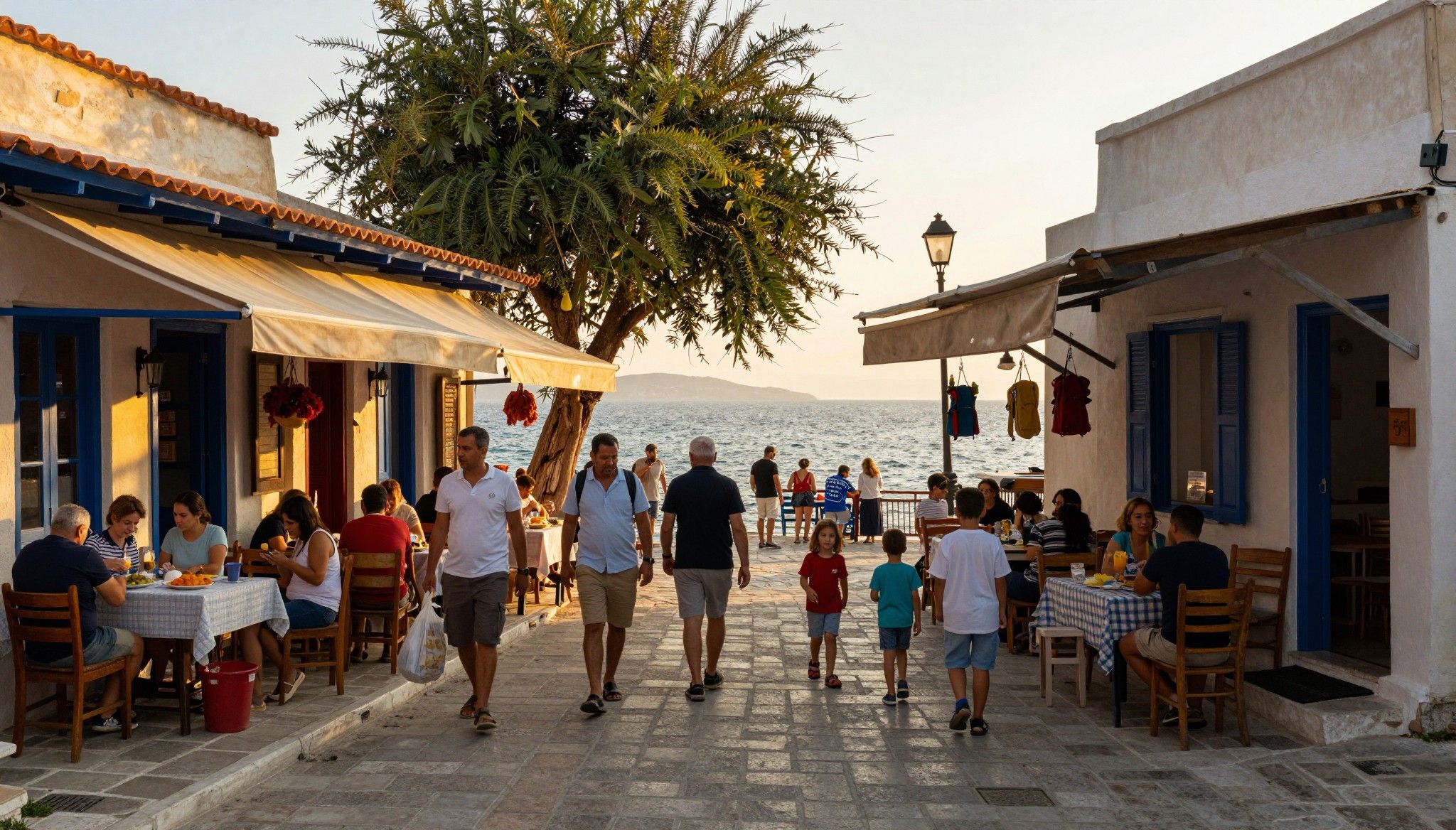
Imagine sipping an early-morning espresso on a neighbourhood square in Koukaki, Athens, where local bakers stack warm koulouri and children chase pigeons; next door, a restored neoclassical building hums with short-term guests and long-term residents. That contrast — lived-in streets beside visitor-driven rentals — is Greece in miniature: a country where everyday rhythms and tourist economies overlap, and where smart buyers can find surprisingly different value than the glossy island postcards suggest. This piece flips a common assumption: the most attractive returns and sustainable lifestyles often hide in Greece’s urban and suburban pockets, not only on the islands. We pair sensory neighbourhood stories with up-to-date market signals so you can picture life here and know what to ask an agent next.
Living the Greek Rhythm: City Streets, Seafront Mornings
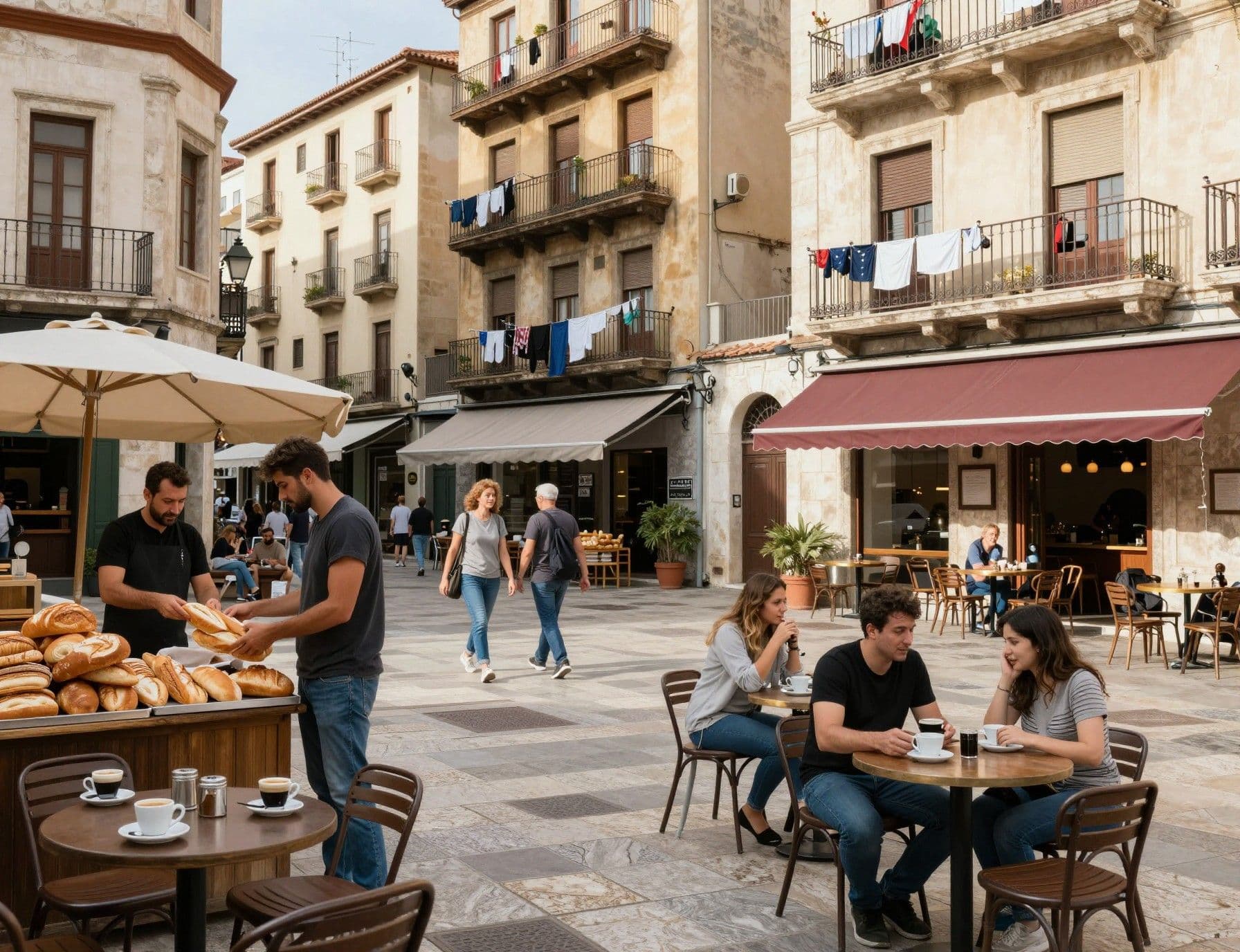
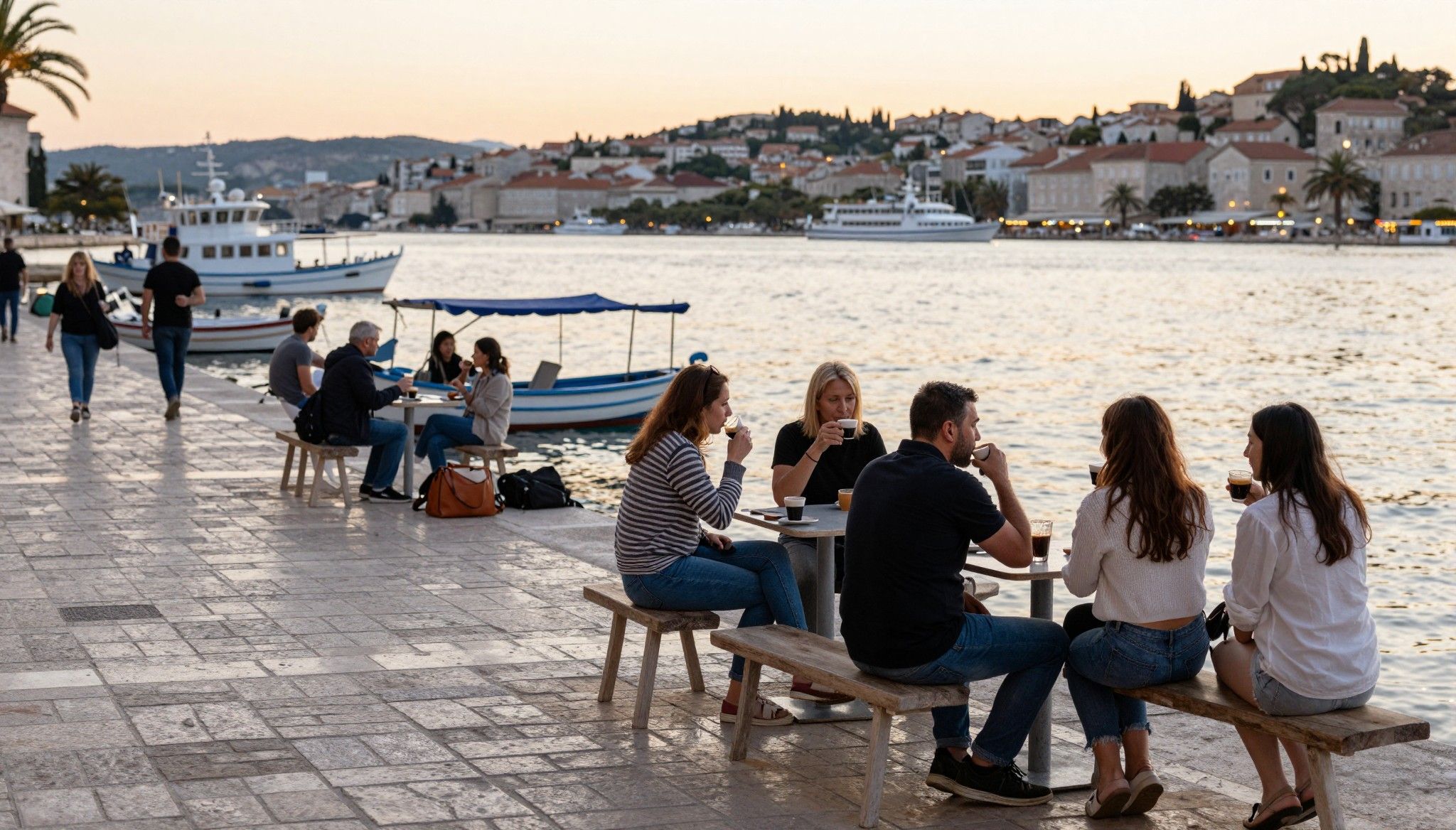
Life in Greece moves between two tempos: the slow, ritualised morning of local markets and kafeneia, and the louder seasonal rhythm driven by tourists and short-term rentals. In Athens you’ll hear a worker’s chatter in Kypseli, see retirees playing backgammon in Kifissia, and find families grilling on small terraces in Glyfada; on islands like Naxos the day revolves around the port, the taverna and the sea. These patterns shape what neighbourhoods feel like all year — and what kind of property will suit you if you plan to live, rent, or combine both.
Neighbourhood spotlight: Koukaki, Psyrri, Palaio Faliro
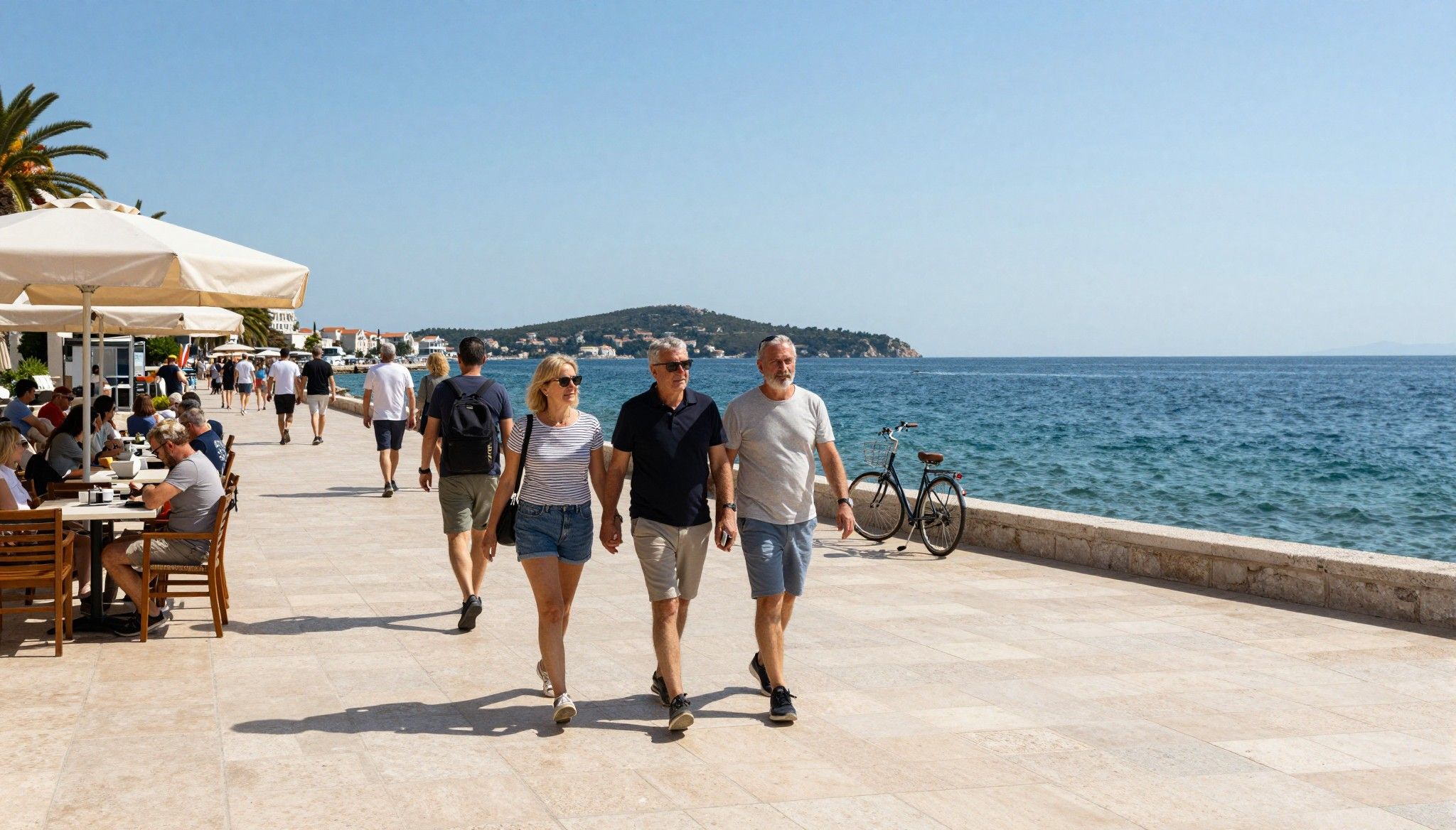
Koukaki (next to the Acropolis) blends local bakeries, small grocery shops and short-walk commutes to museums — it’s lively without the constant turnover of Santorini. Psyrri offers narrow streets, late-night tavernas and renovated townhouses that attract creative professionals and boutique hospitality projects. On the southern coast, Palaio Faliro gives a true seaside local life: morning promenades, small marinas and apartment blocks with balconies overlooking the Saronic Gulf. Each of these pockets shows how urban living in Greece can combine accessibility, everyday services and seasonal tourist interest without being fully commoditised by holiday rentals.
Food, markets and the social calendar
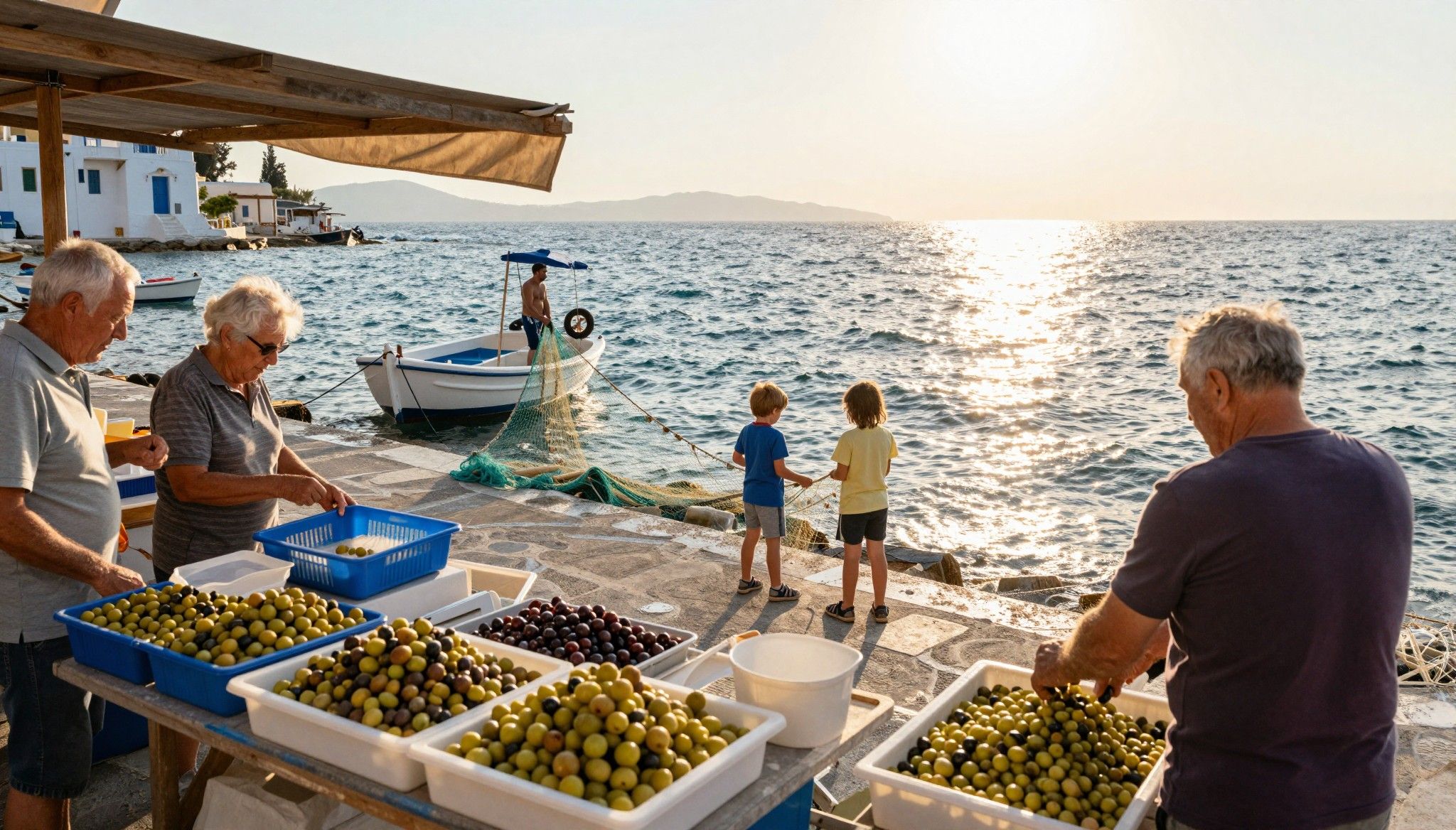
Weekends are for markets: Athens’ Varvakios market and Thessaloniki’s Modiano host daily food commerce that defines neighbourhood life, from octopus sellers to spice merchants. Small tavernas anchor evening social life — families gather, friends linger over raki, and chefs scout local produce for next week’s menu. These culinary rhythms keep communities connected and sustain neighbourhood shops that matter when you live there year-round, not only in high season.
Making the Move: How Lifestyle Shapes Property Choices
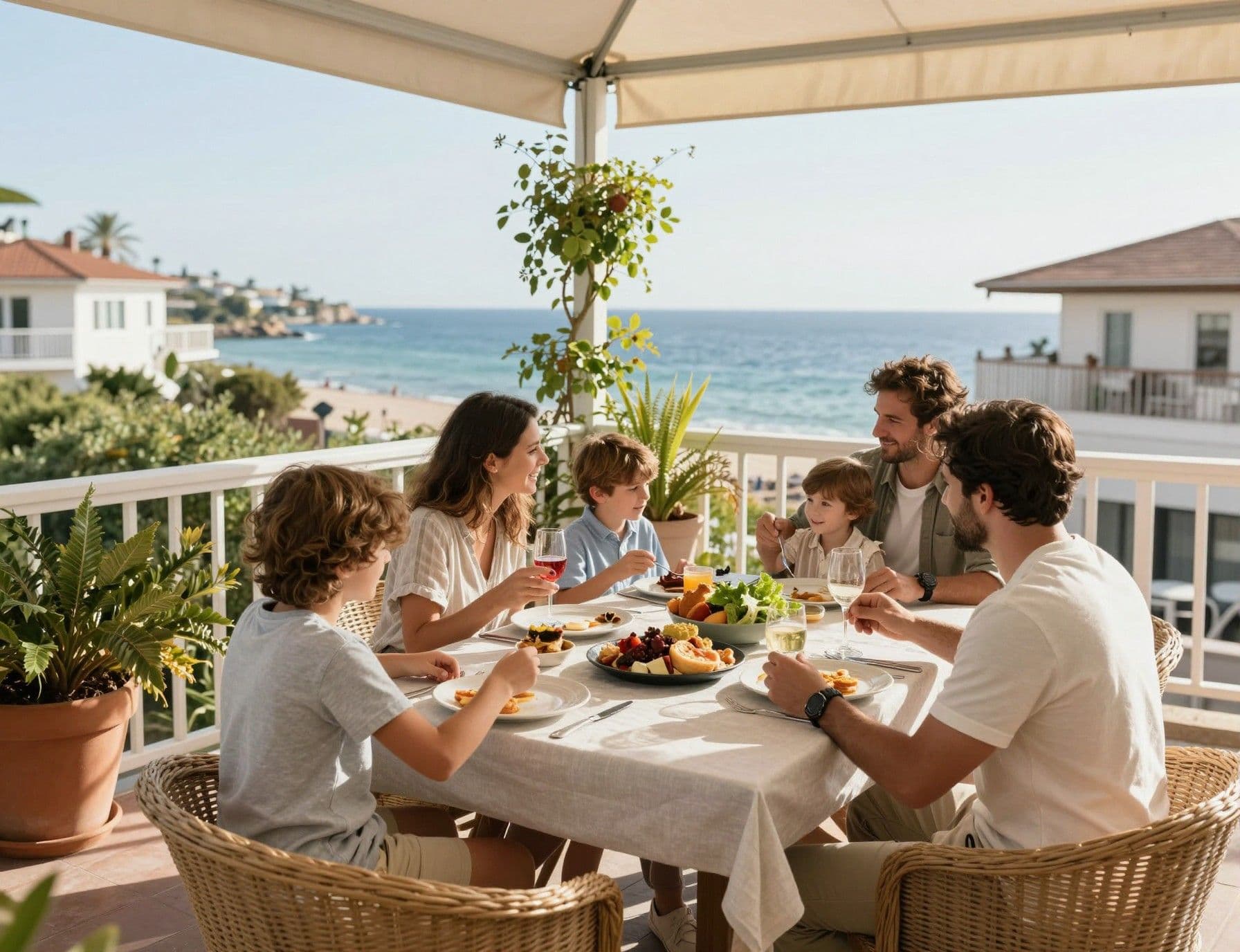
Translating the dream into a purchase means matching a neighbourhood’s rhythm to the property type: Are you after a walk-everywhere apartment, a terraced house with a garden, or a compact pied-à-terre for seasonal visits? Greece’s tourism rebound — with international arrivals and receipts rising since 2022 — changes yield expectations in hot tourist pockets, but it also pushes some buyers toward steady urban rental markets where demand is year-round. Balance the appeal of high nightly rates on islands with the long-term stability of city-centre tenants if you want rental income that isn’t seasonal.
Property types that match daily life
Stone-built neoclassical apartments offer high ceilings and character, ideal for living and long-term lettings, while newer builds in suburbs like Glyfada or Kifissia provide parking, insulation and terraces that suit families. On islands, look for properties with cisterns, shaded outdoor spaces and durable materials to cope with salt and sun. Practical features such as good insulation, reliable water supply and proximity to a municipal clinic or school matter as much as sea views when you plan to live in Greece full-time.
How a local agency moves lifestyle into a shortlist
1. Brief an agent on daily routines you want (market mornings, commuting time, nearest kafeneio). 2. Ask for walk-score style notes: grocery, pharmacy, school, beach or metro within 10–20 minutes. 3. Request rental performance by month, not annual averages, to see seasonality. 4. Check building history: renovations, waterproofing, and title clarity. 5. Arrange a 48‑hour neighbourhood stay to sense the weekly rhythm before bidding.
Insider Knowledge: What Expats Wish They’d Known
Expats often discover three truths after a year here: the social warmth is real but local networks matter, healthcare access varies by region, and seasonal life can make or break rental income. Many buyers overestimate island liquidity and underestimate urban renovation complexity. Understanding local labour markets, municipal plans and tourism projections helps you avoid common mistakes and find the neighbourhood that fits the life you actually want.
Cultural integration and everyday practicalities
Learn a few Greek phrases; attend local festivals; buy from the bakers you like and the fishmonger you trust — these small acts accelerate belonging. Expect slower bureaucratic processes than in northern Europe and plan time for paperwork, translations and municipal dealings. A bilingual local lawyer and an agent who knows municipal planning will save weeks; treat them as lifestyle enablers, not just transaction suppliers.
Long-term lifestyle considerations include demographic change and infrastructure projects: Athens neighbourhoods close to new metro lines and Thessaloniki’s renovated seafront are already attracting restoration projects and domestic renters. Tourism volumes can rise (ELSTAT and industry reports show continued growth), but local policy and planning decisions determine whether a street remains neighbourhood-focused or flips toward holiday rentals. Follow municipal plans as carefully as price per square metre when choosing where to buy.
- Quick red flags and positive signals for buyers
- Red flags: unclear title deeds, missing recent energy certificate, concentration of short‑let listings on your street, unreliable water or sewer connections.
- Positive signals: active local grocery and pharmacy, mixed-use streets (locals + small tourism), recent municipal investment (seafront improvements, metro stops), and transparent past rental records.
Practical next steps — a 6‑point checklist
1. Spend 48 hours living in your target micro-neighbourhood. 2. Request monthly rental data for two years from an agent. 3. Commission a local surveyor and ask about salt exposure and insulation. 4. Verify title and energy performance with a bilingual lawyer. 5. Confirm municipal plans for the next 5–10 years. 6. Build contingency for seasonal cashflow if you plan short lets.
Greece’s current market signals favour buyers who prioritise neighbourhood rhythm over postcard glamour. Urban pockets — restored neoclassical apartments, seaside suburbs with year‑round services, and island towns with diversified demand — offer the lifestyle and resilience many international buyers seek. Work with agents who can show you streets, not just listings, and pair that sensory research with the market data you need to act confidently.
Dutch investment strategist with a Portugal-Spain portfolio. Expert in cross-border financing, rights, and streamlined due diligence for international buyers.