Why summer house‑hunting in Croatia misleads buyers
Summer viewings in Croatia mislead many buyers—visit off‑season, check DZS price trends and confirm legal reciprocity to match lifestyle with lasting value.
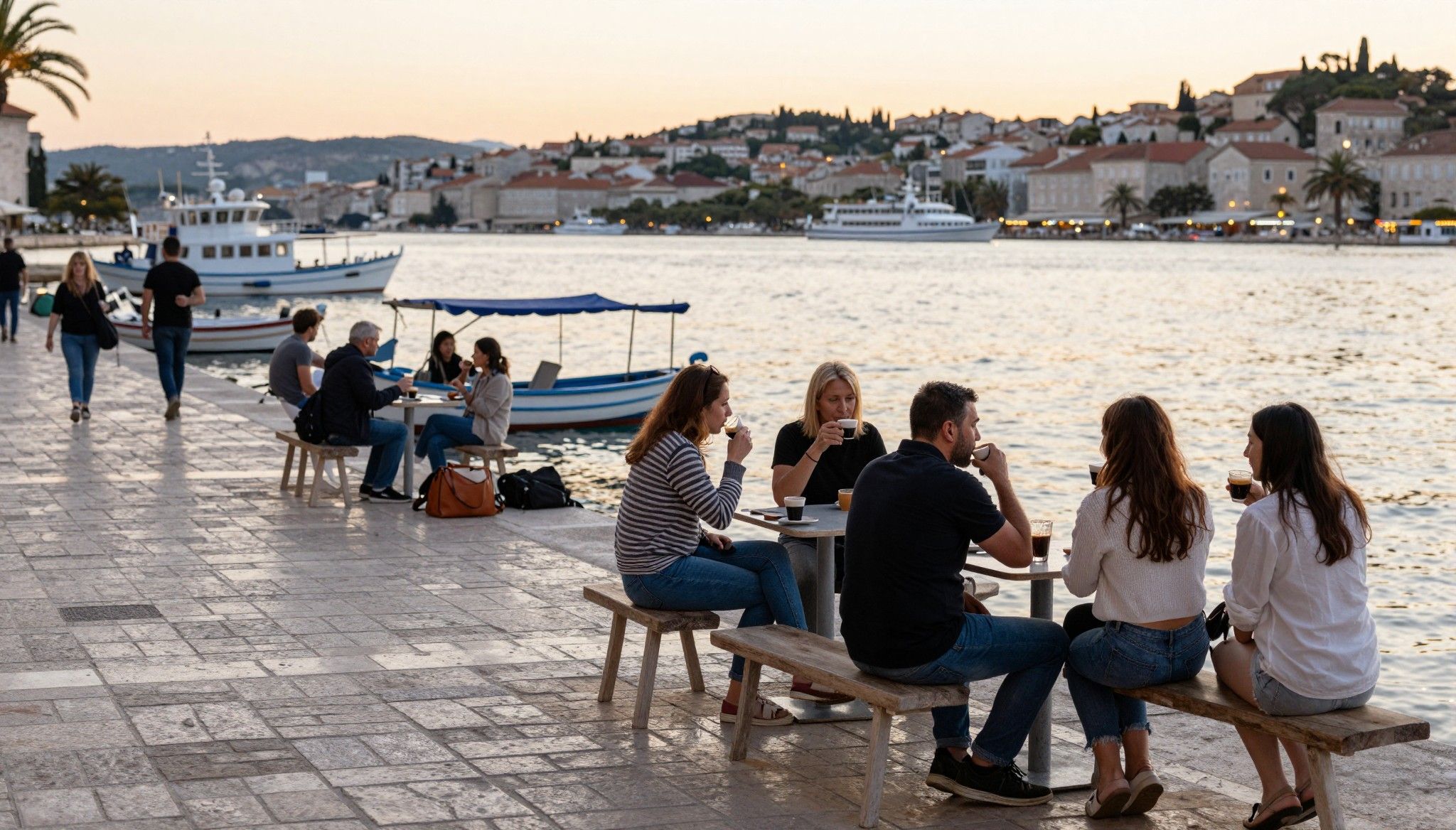
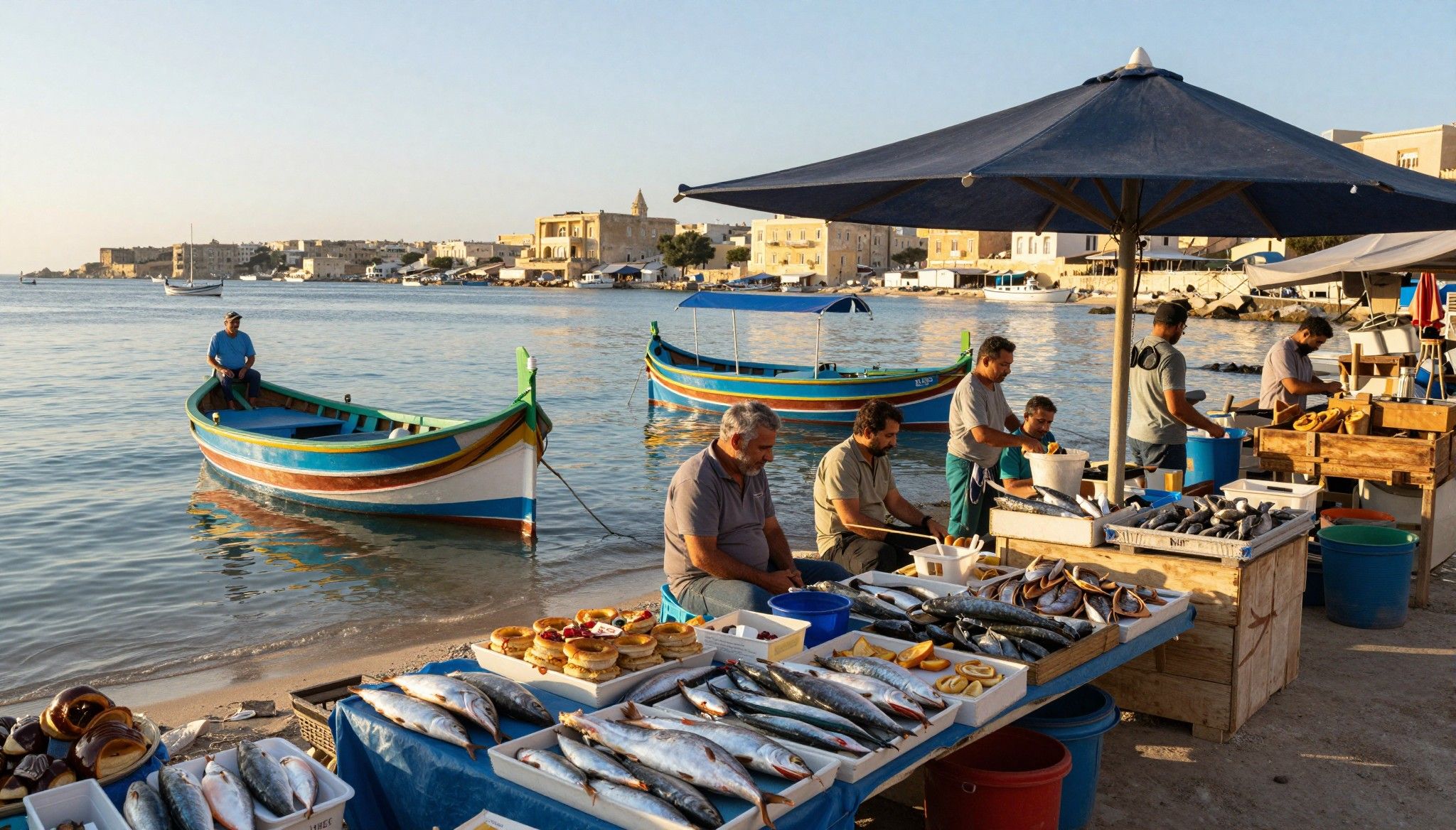
Imagine arriving in Split on a July morning: café terraces humming, fishermen sorting last night's catch at the riva, and a real estate agent showing you three seafront flats within an hour. The energy is intoxicating — which is exactly why summer viewings can mislead buyers. Seasonal demand, short-term holiday rents and staged market scarcity create illusions about everyday life and long‑term value.
Living the Croatia lifestyle — beyond the postcard
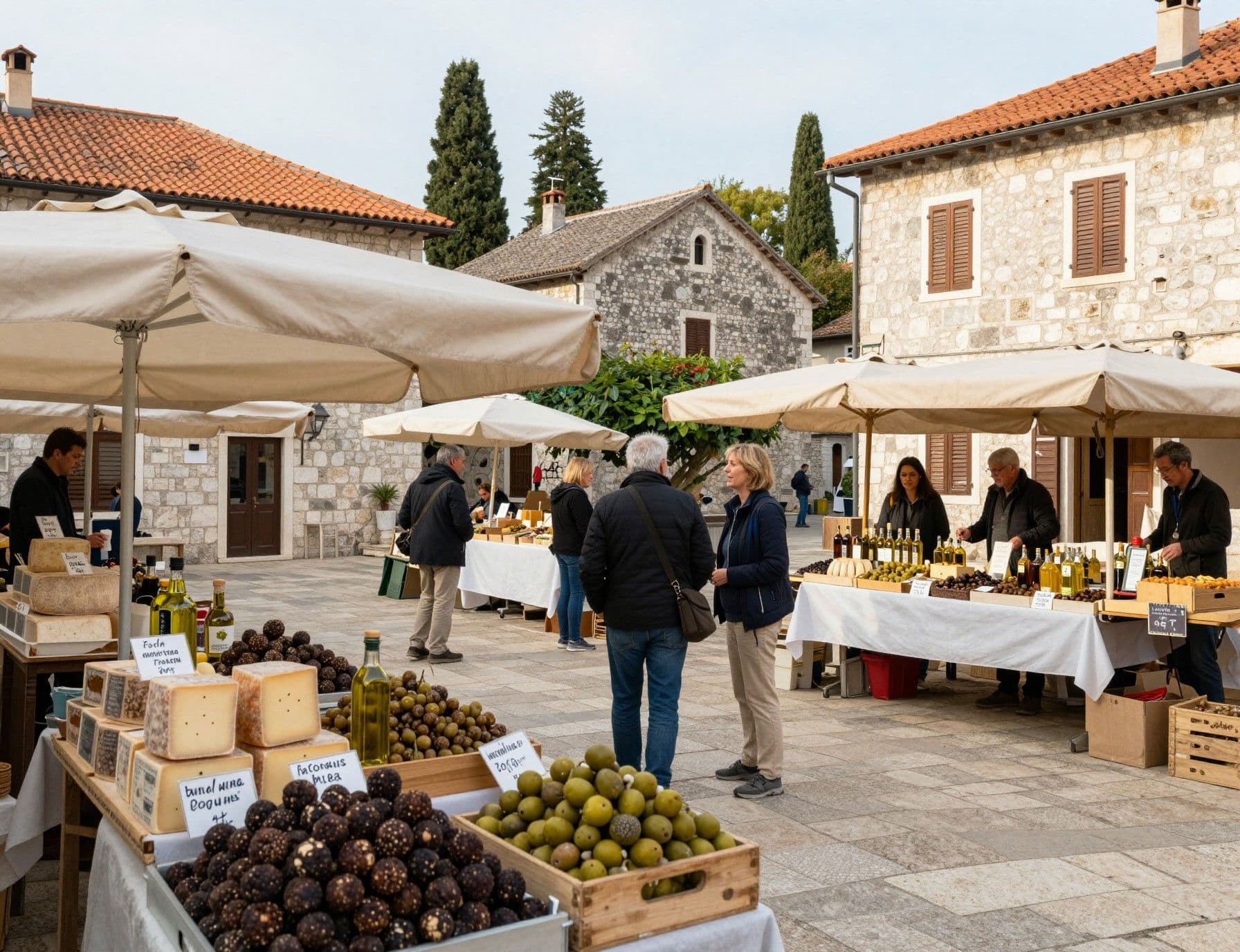
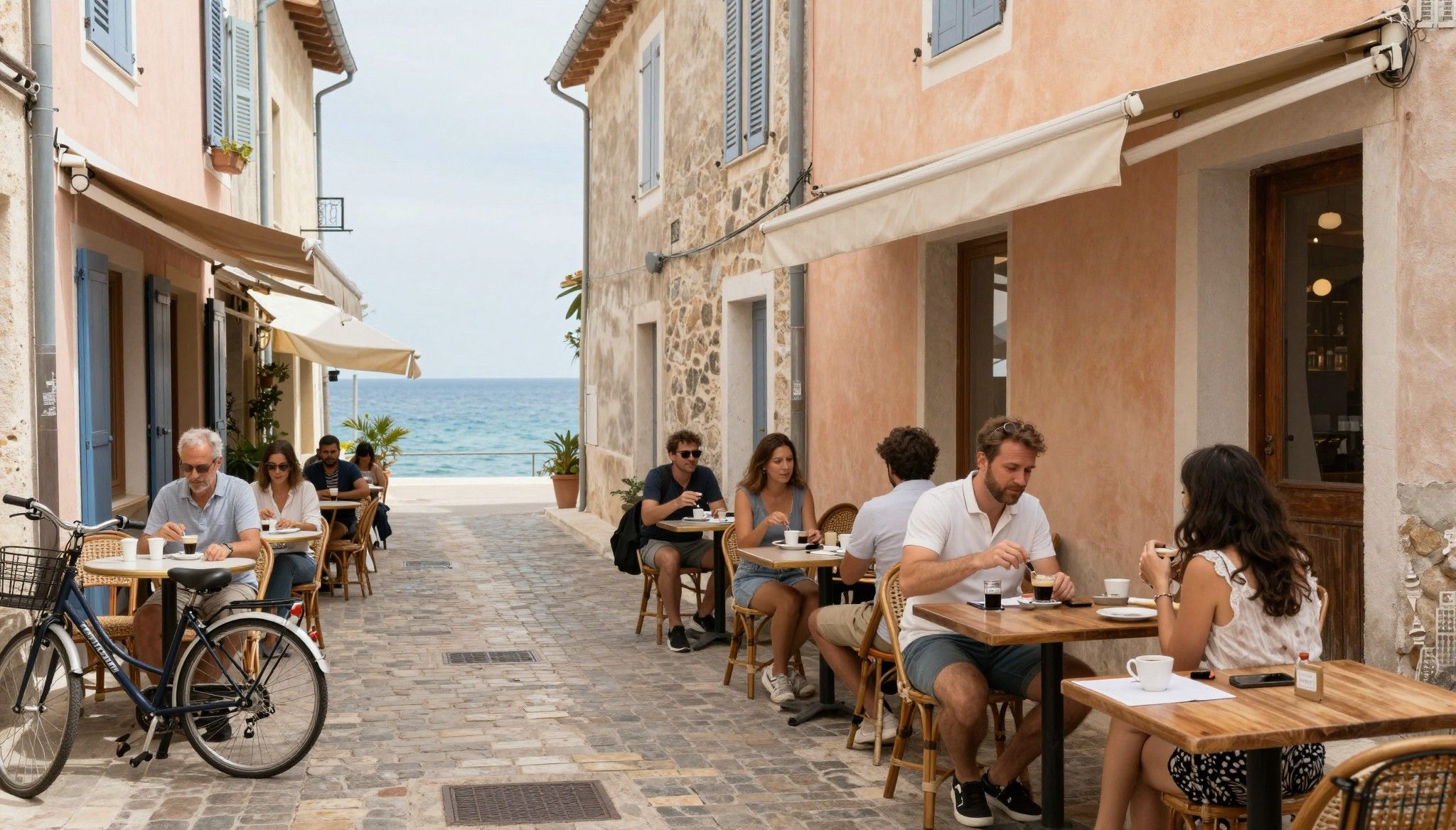
Croatia feels like a set of layered rhythms: mornings in Zagreb’s Donji grad for espresso and newspapers, afternoons on Hvar’s promenades, and slow Sunday markets in Istria where olives and cheeses are traded with old friends. Life leans outdoor — sea, piazzas and terraces shape routines — but each region has a distinct tempo that affects how you’ll use a home. Recognising those rhythms is more important than chasing a seafront photo.
Split & Dalmatian coast: daily life under tourist pressure
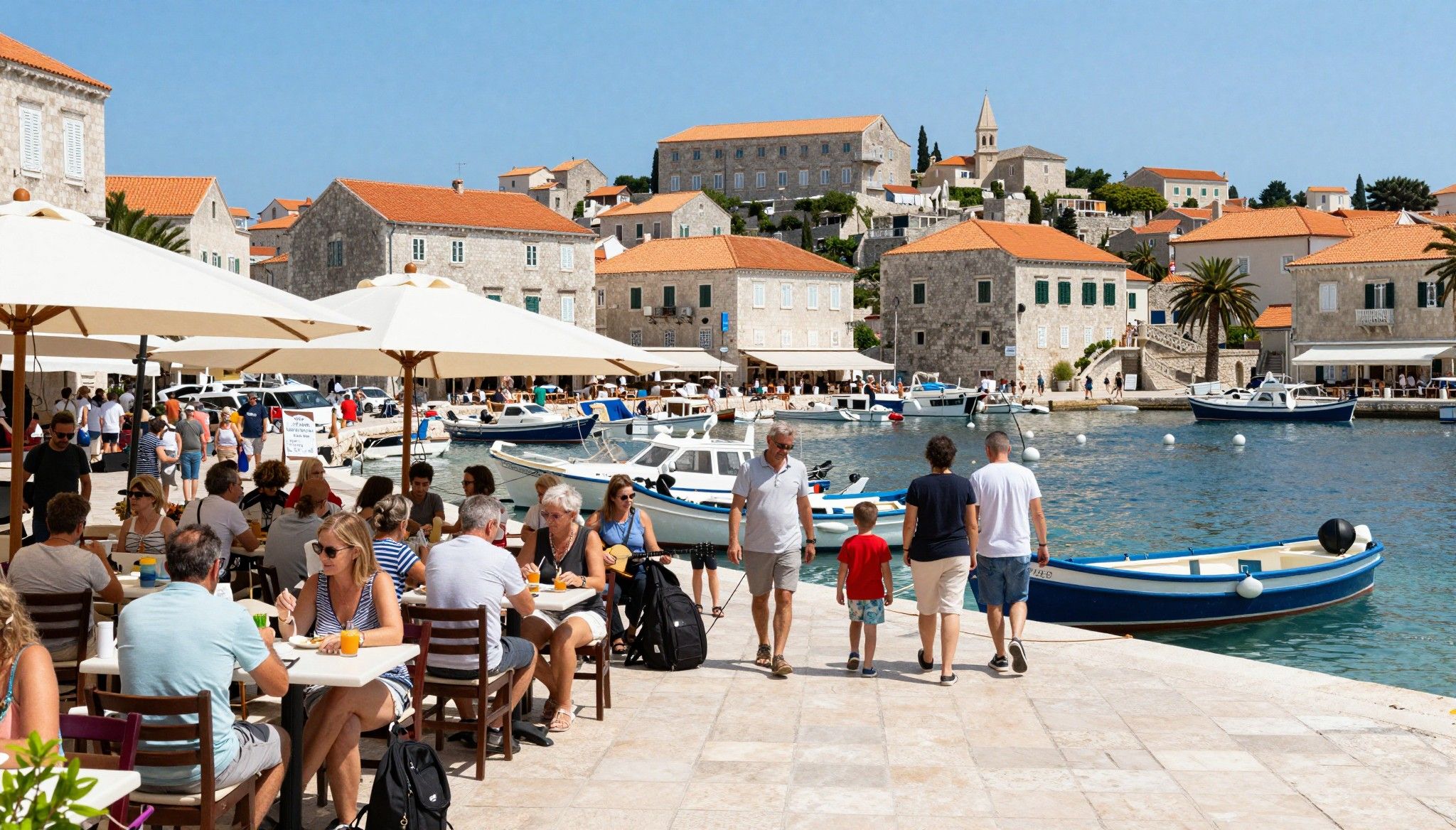
In Split and nearby islands like Brač and Hvar, summer rewrites the calendar: cafes open earlier, services extend later and short‑term rental income spikes. For residents, however, winter months reveal quieter streets, different service availability and a very different market for resale or long‑term renting. If you plan to live year‑round, evaluate neighbourhood life across seasons rather than during peak tourism weeks.
Istria & Rovinj: food, wine and a different tempo
Istria — Rovinj, Motovun and Poreč — feels provincial in the best way: market rhythms, truffle hunting in autumn and an ingrained slow‑food culture that anchors property values to lifestyle authenticity. Buyers seeking a farm‑to‑table life should visit during harvest or truffle season to understand how community life and local supply chains operate year‑round. That perspective will change what you value in a property beyond mere square metres.
- Lifestyle highlights and local places to know
- Morning espresso at Split’s Riva; late market in Zagreb’s Dolac; weekend truffle fairs near Motovun; evening jazz on Dubrovnik’s Old Town terraces; island ferry runs from Supetar to Split.
Making the move: practical considerations that protect the lifestyle
The temptation is to let lifestyle lead the search — but smart buying in Croatia blends feeling with data. Nationwide house prices have continued to rise in recent years, with official indices showing steady quarterly gains. At the same time, the euro arrived on 1 January 2023, reducing currency risk for many European buyers and changing buyer behaviour; both facts should shape your timing and financial assumptions.
Property types: what suits which life
A stone townhouse in Dubrovnik’s Old Town offers incomparable character but limited parking and seasonal restrictions; a modern apartment in Zagreb brings year‑round services and more predictable yields; a renovated Istrian farmhouse is for buyers prioritising land and slow rural life. Match the property type to daily logistics: transport, heating, insulation and local services matter as much as view or finish.
Work with experts who know life, not just listings
International buyers face two practical hurdles: legal access to purchase (reciprocity rules apply for non‑EU citizens) and market seasonality that skew valuations. Local agencies can advise on Ministry of Justice reciprocity lists, help schedule winter viewings to see the true neighbourhood tempo, and source off‑season rental performance data. Choose advisers who show season‑by‑season occupancy and maintenance costs, not only summer revenue projections.
Inspect neighbourhood life across four steps:
- 1. Visit outside peak season — check weekday mornings and winter weekends to observe daily routines and services.
- 2. Request utility and maintenance histories — heating, water supply and coastal salt damage costs often surprise buyers.
- 3. Ask for multi‑year occupancy data — short‑term rental spikes in July/August are not the same as sustainable income.
- 4. Confirm legal eligibility early — non‑EU buyers must verify reciprocity or secure necessary approvals before serious offers.
Insider knowledge — what expats wish they’d known
Expat forums and long‑term residents often echo a few hard lessons: summer glamour hides service gaps, renovation timelines are longer than promised, and neighbourhood value depends on local rhythm more than headline views. Data from industry reports confirms rapid price growth in recent years, so mis-timed purchases can lock in overpaying if you buy at the top of a tourist-driven cycle.
Cultural integration and everyday life
Croatians value small‑town courtesy, neighbourhood ties and local rituals — say hello in markets, learn a few phrases, and respect seasonal business hours. For families, local schools and health services differ widely between Zagreb and coastal towns; for retirees, medical access and community activities in places like Pula or Zadar can be decisive. Language workshops and local clubs accelerate integration and help you see beyond tourist facades.
Long‑term lifestyle considerations
Seven practical signals that show a neighbourhood will sustain lifestyle value:
- 1) Year‑round public transport and medical access; 2) Active local markets and food supply chains; 3) Consistent community calendar (markets, festivals, clubs); 4) Reliable utilities and infrastructure investments; 5) Balanced split between long‑term residents and tourists; 6) Visible municipal maintenance (clean streets, parks); 7) A manageable pipeline of new developments that won’t swamp local character.
If you want to fall in love with Croatia and make a resilient buy, plan to marry feeling with structure. Visit in two different seasons, ask agents for multi‑year occupancy and repairs data, and confirm legal eligibility early. Agencies that map lifestyle evidence to market data — showing seasonality, DZS house‑price trends and reciprocity requirements — will help you convert romance into a sustainable life.
Next steps: schedule an off‑season visit, request DZS neighbourhood indices, and ask your adviser for three scenario price projections (conservative, base, optimistic) that include maintenance and seasonal vacancy. Those three numbers separate dreamy postcards from realistic plans.
Norwegian market analyst who relocated to Mallorca in 2020. Focuses on data-driven market insights and smooth relocation for international buyers.