Italy: Streets, Terraces and the Data That Should Guide You
Italy’s daily rhythms — from Milan canals to Tuscan terraces — shape where you should buy; pair lifestyle visits with street-level data and agent evidence.
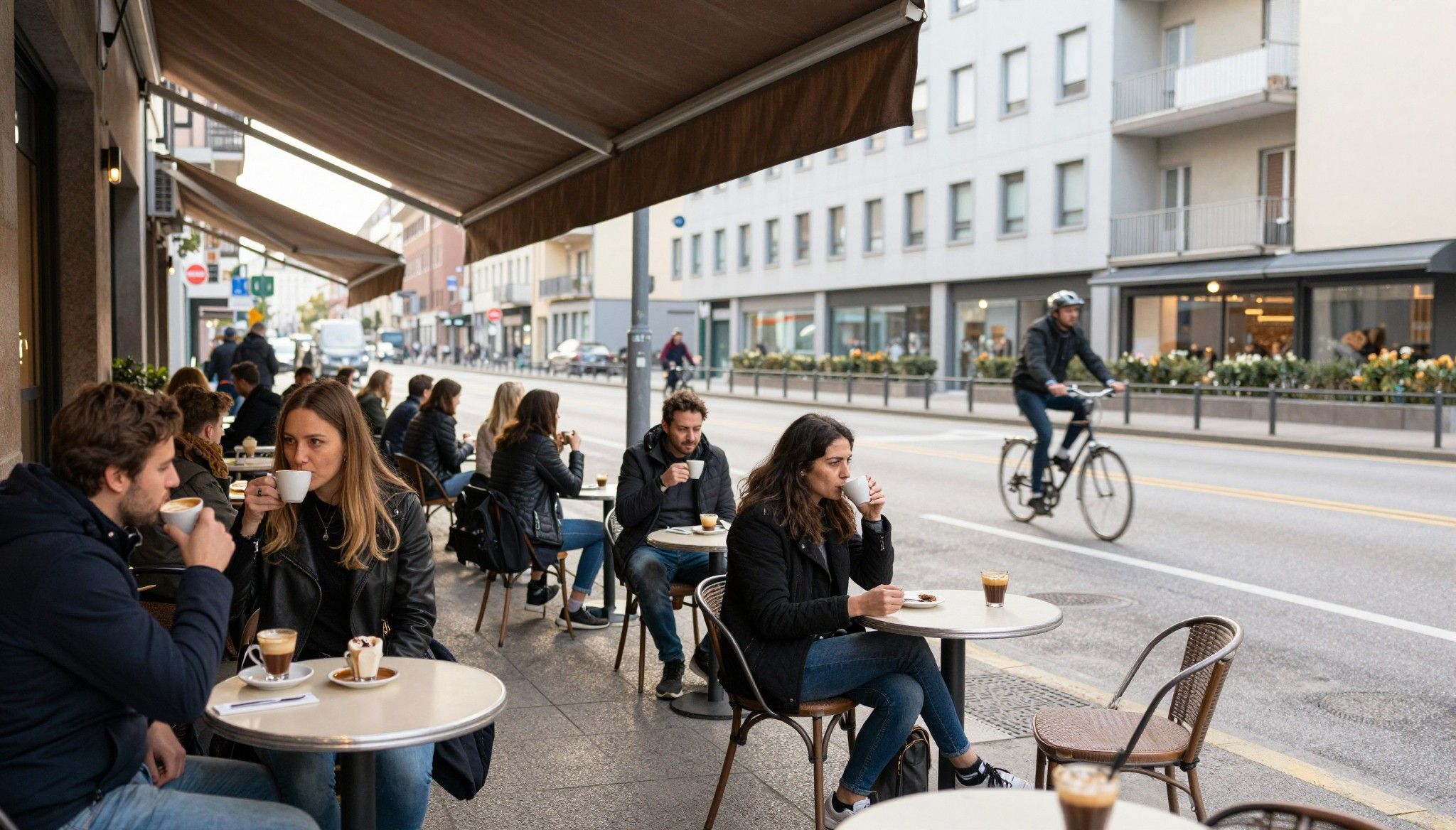
Imagine stepping out at 08:30 for an espresso on a cobbled street in Brera, watching cyclists and suited professionals weave past artisan bakeries — then, after lunch, driving to a sunlit terrace in Tuscany where olive groves stretch to the horizon. That push–pull between compact city rhythms and wide, slow countryside is Italy’s everyday magic. For international buyers the choice often isn’t city versus coast: it’s which rhythm — urban mornings or lazy coastal afternoons — you want as the background to life. Understanding those rhythms is the first step to matching a property to the life you actually want.
Living the Italy life — what you’ll wake up to
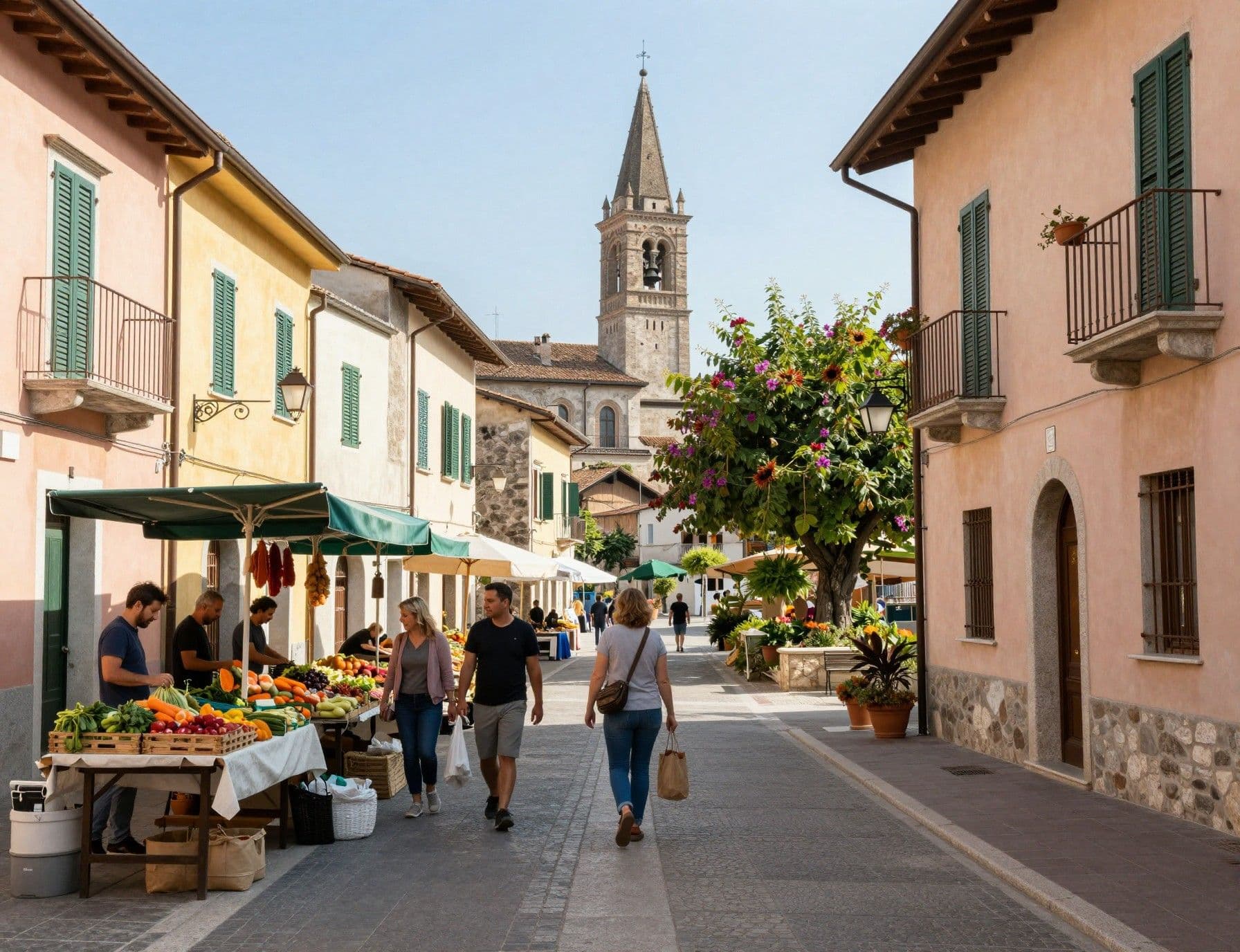
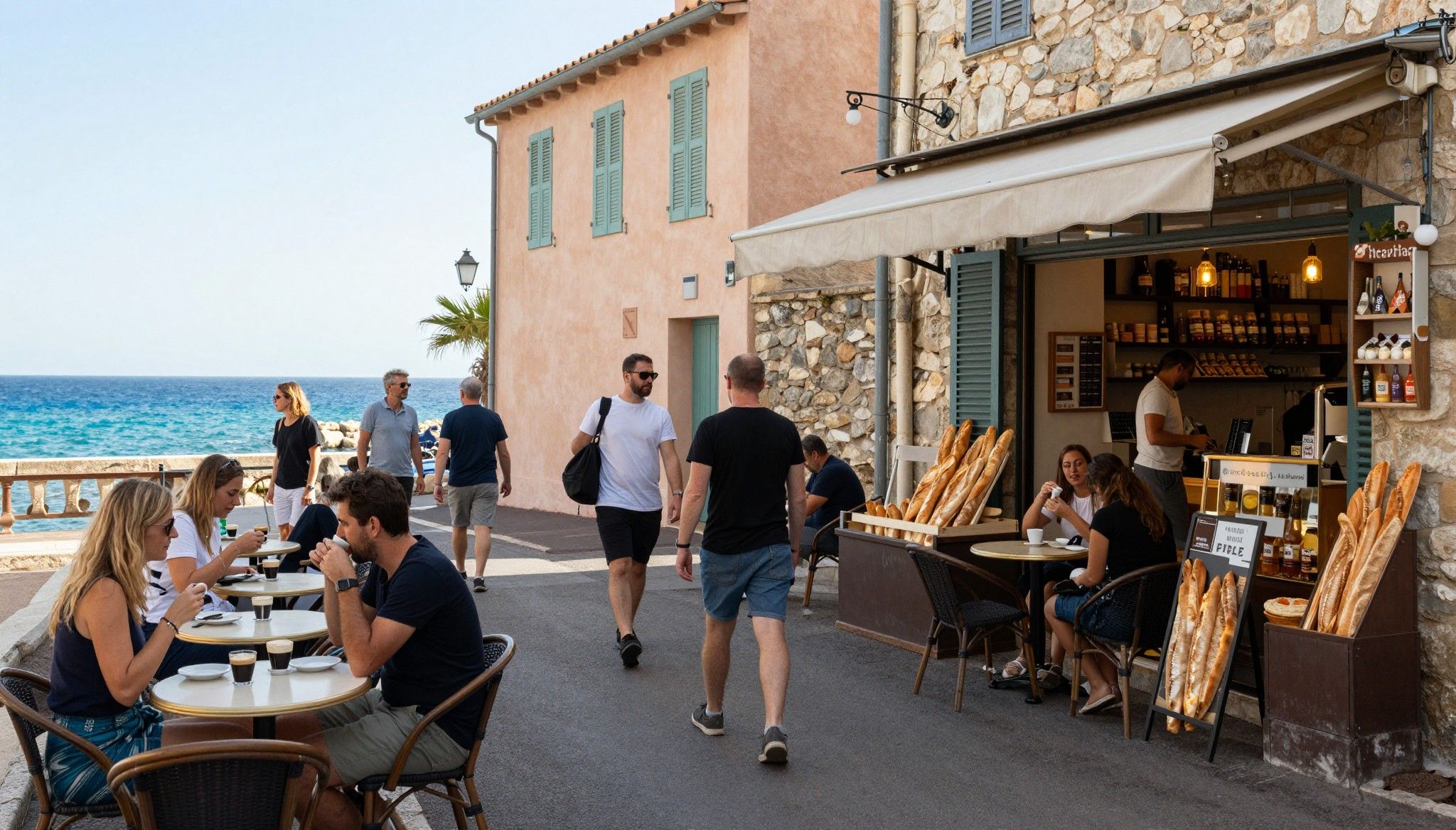
Italy’s daily soundtrack shifts by region: ship horns and gelato carts along the Ligurian coast, church bells and market shouts in Siena, motorini and aperitivo chatter in Milan’s Navigli. You’ll notice bright mornings with strong coffee culture, mid-afternoon lulls in smaller towns, and evenings that stretch into late-night social life in cities. These timetables shape housing needs — a terrace for afternoon sun in coastal towns, insulation and double glazing in hilltop villages with colder winters. To buy well you first decide which daily rhythm you want to inhabit, then let the property answer the how.
Neighborhood spotlight: Milan — Brera, Navigli, Porta Nuova
In Milan, Brera is an artful morning — narrow streets, tiny galleries and a café culture that carries into evening. Navigli offers canal-side vibrancy and a denser nightlife, ideal if you want a neighborhood that feels lived-in and animated year-round. Porta Nuova and CityLife provide newer developments, green spaces and easier commutes; they suit buyers who value modern conveniences within a historic city. Each of these micro-areas presents different property economics: smaller, characterful apartments in Brera command premiums, while newer blocks in Porta Nuova can offer larger floor plans and more predictable maintenance regimes.
Food, seasons and the coast: Amalfi, Liguria and the Maremma
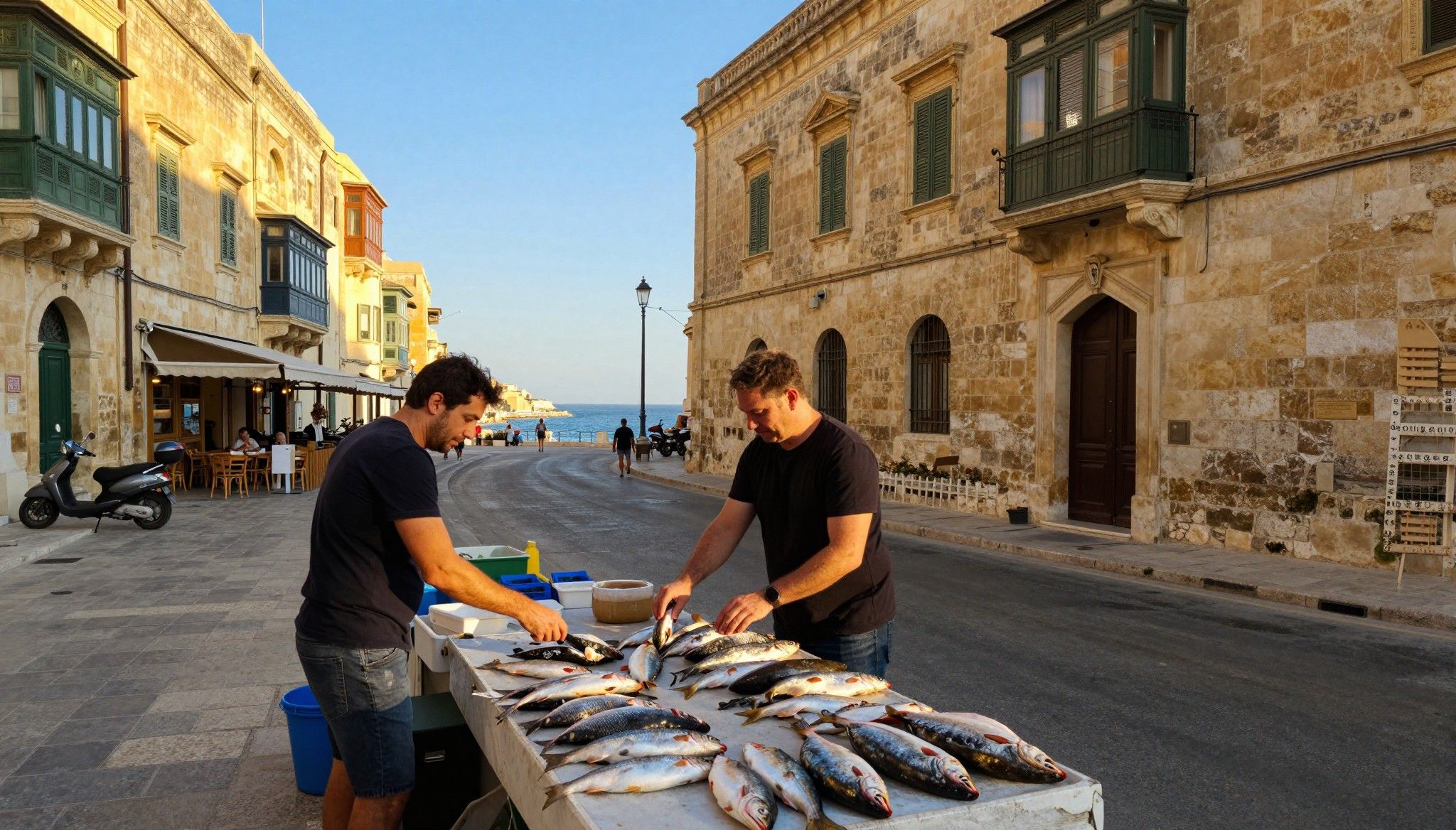
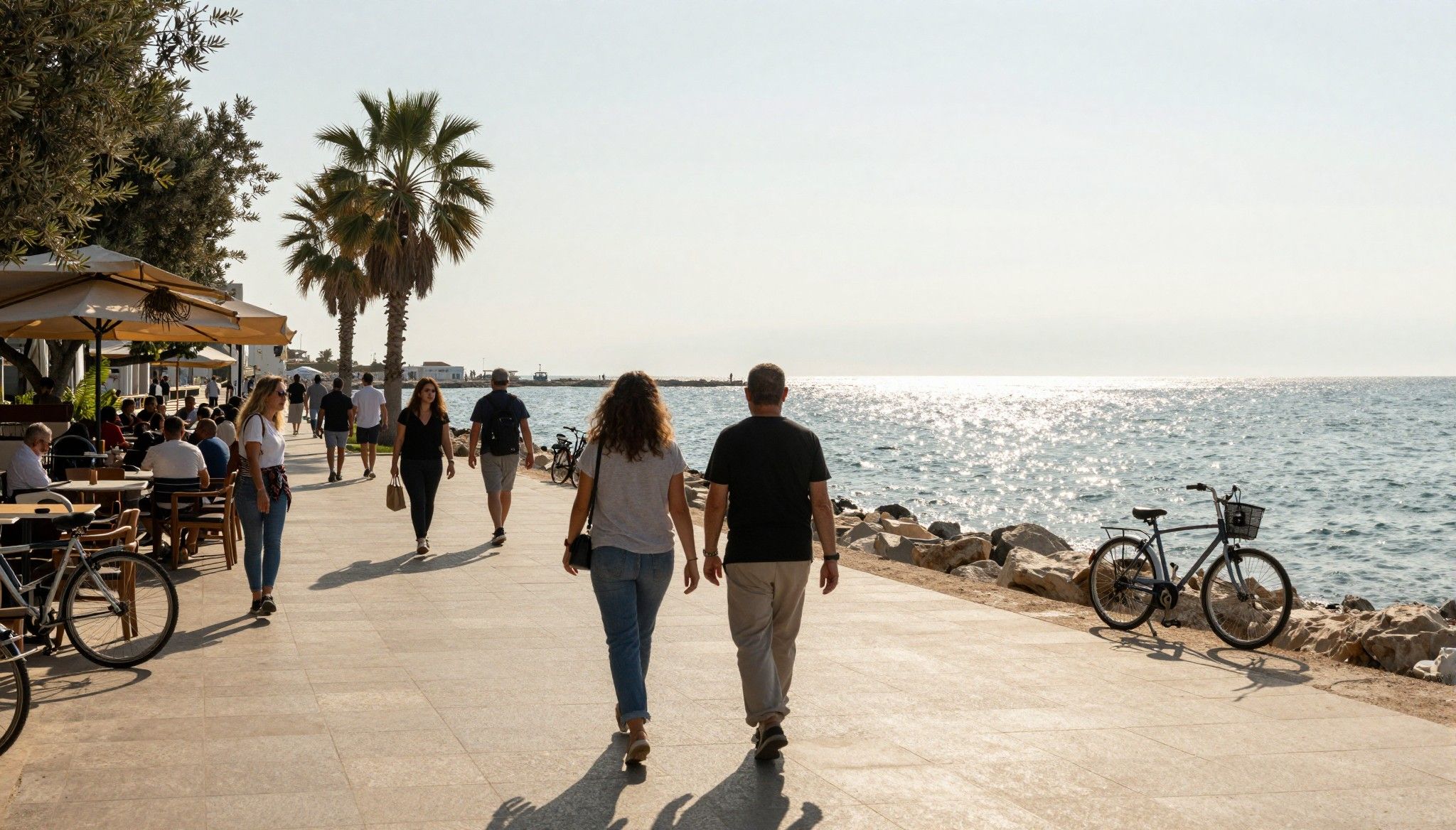
Coastal life differs by tone: Amalfi and the Cinque Terre are theatrical in summer with boats, restaurants and tourists; Liguria’s quieter villages reward buyers seeking calm year-round. The Maremma (southern Tuscany) gives you a mix of beaches and rural estates, with markets where locals still buy fresh fish and vegetables each morning. Seasonality matters for living and rental strategies: some towns feel almost empty in winter, which affects services, while others sustain a small local economy year-round. If you want a summer social scene, choose an active coastal town; if you want a lived-in local life, prioritize places with all-season communities.
- Morning espresso spots, market rituals, and small pleasures
- Brera (Milan): early art openings, Bar Jamaica for historic cafés
- Mercato Centrale (Florence): Saturday produce, local cheese and truffle stalls
- Positano & Amalfi: cliffside promenades and seafood dinners at sunset
Making the move: lifestyle-first practical considerations
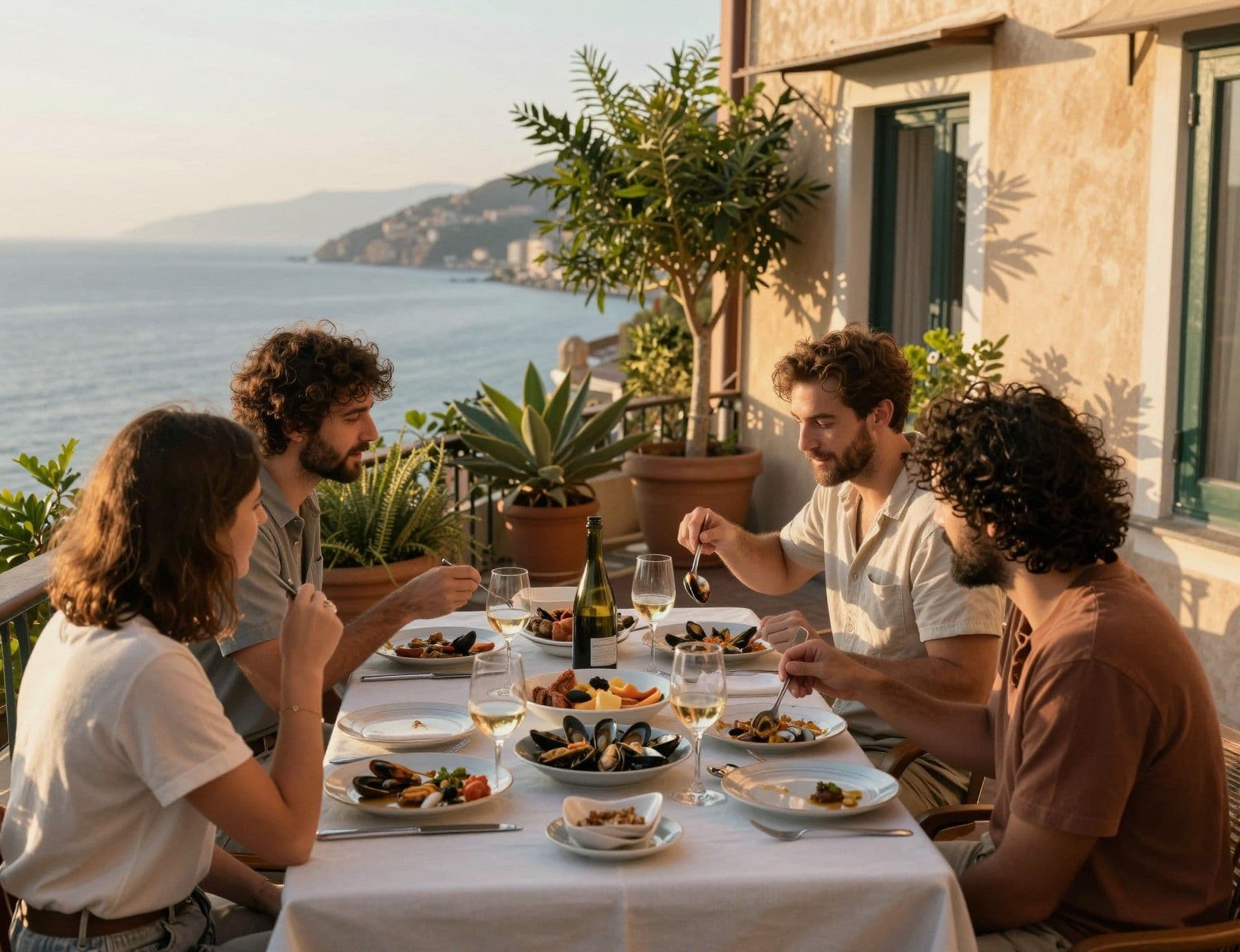
The dreamy images of piazzas and terraces meet reality in market cycles, pricing and property type choices. Recent national data show steady price growth and improving transaction volumes, but regional differences are wide: Milan and Florence lead in demand and price momentum while many southern towns still offer relative value. Work with market reports and local agents to map micro-prices by street and season, not just by region. In practice, that means pairing lifestyle visits with targeted data: check recent sale prices on the block, typical days-on-market, and the local rental demand if you plan to let the property.
Property types and how they shape daily life
City apartments (central Milan, Rome) suit professionals and buyers who prize walkability, cafes and culture within steps. Countryside villas and farmhouses (Tuscany, Umbria) offer land, privacy and space for gardens — they require different maintenance and often higher seasonal utility needs. Coastal apartments and terraced houses give immediate sea access but can have weather-driven maintenance (salt corrosion, flooding risk in low-lying spots). Match the property type to how weekdays and weekends look for you: urban workdays versus slow rural weekends require different layouts and service expectations.
Working with agents who know both market and lifestyle
Good local agents are translators: they convert a lifestyle brief — “I want seaside mornings and a good café” — into a shortlist of streets, building types and likely running costs. Ask agents for comparable sales on the specific street, recent maintenance histories for older buildings, and evidence of local year-round communities. Insist on in-person walkthroughs during different times (weekday morning, market day, weekend evening) to test noise, services and atmosphere. Use agents who publish data (recent sale prices, days on market) rather than sales patter; the best will back lifestyle claims with numbers.
- Step-by-step: turning a lifestyle wish into a shortlist
- Define the daily rhythm you want (workday commute, weekend routine, seasonal needs).
- Set absolute must-haves (terrace size, stairs vs lift, proximity to market) and deal-breakers.
- Request street-level comparables from agents and verify recent sale prices yourself.
- Visit at multiple times and talk to neighbours about year-round life and services.
Insider knowledge: what expats wish they’d known
Expat experience often reveals small cultural realities that change where you buy: in many towns, evening social life centers on the piazza, not the waterfront; in some hill towns deliveries and services slow considerably in winter. Rental demand is strong around universities and tourism hubs but peaks seasonally; this affects gross yields and occupancy. Data show national price growth but also that yields and volatility vary — treat headline country numbers as starting points, not conclusions. Practical local knowledge — where the school run is, which streets flood, which baker opens at 06:30 — matters as much as macro data.
Language, community and daily integration
Basic Italian opens doors: neighbourhood shopkeepers, market vendors and local administrations respond much more quickly when you make an effort. Join local associations or volunteer at a market stall — it’s the fastest route to useful contacts (plumbers, electricians, local handymen). Many expat networks exist in Florence, Milan and Rome; rural areas rely more on personal introductions. Plan language learning into your move; it’s a small investment with outsized returns in daily quality of life.
Long-term lifestyle: maintenance, seasonality and resale
Properties with terraces, shutters and modest footprints age more gracefully in Italy’s market and are easier to rent. Coastal properties demand proactive maintenance against salt and humidity; historic city apartments require managed condominium funds to avoid sudden large assessments. Rental yield data vary, but smaller university towns and peripheral cities often show higher gross yields than core luxury pockets. Think three-to-five year maintenance cycles into your financial plan and prefer properties with transparent condominium records.
- Red flags to watch for on lifestyle visits
- Repeated heating issues or single small boiler replacements recorded in past 5 years.
- No local grocery or pharmacy within 10–15 minutes on foot in year-round towns.
- Unclear condominium (condominio) accounts or frequent extraordinary assessments.
- Nearby properties with short-term lets that create seasonal noise and footfall.
Italy invites you into a life shaped by coffee mornings, market rhythms and layered histories in walls and streets. If the lifestyle resonates, pair that feeling with data: request street-level comparables, check recent transaction volumes and ask an agent for condominium accounts. Start with short exploratory visits, then a focused due-diligence trip that verifies the neighbourhood across times and seasons. When you balance the romance with rigor, you get an Italian home that both feels right and stands up to ownership realities.
Dutch investment strategist with a Portugal-Spain portfolio. Expert in cross-border financing, rights, and streamlined due diligence for international buyers.