Neighbourhood Rhythm: Buy the French Life, Not a Postcard
France’s lifestyle is the investment: choose neighbourhood rhythms and data-backed local insights to buy a home that feels like living, not a postcard.
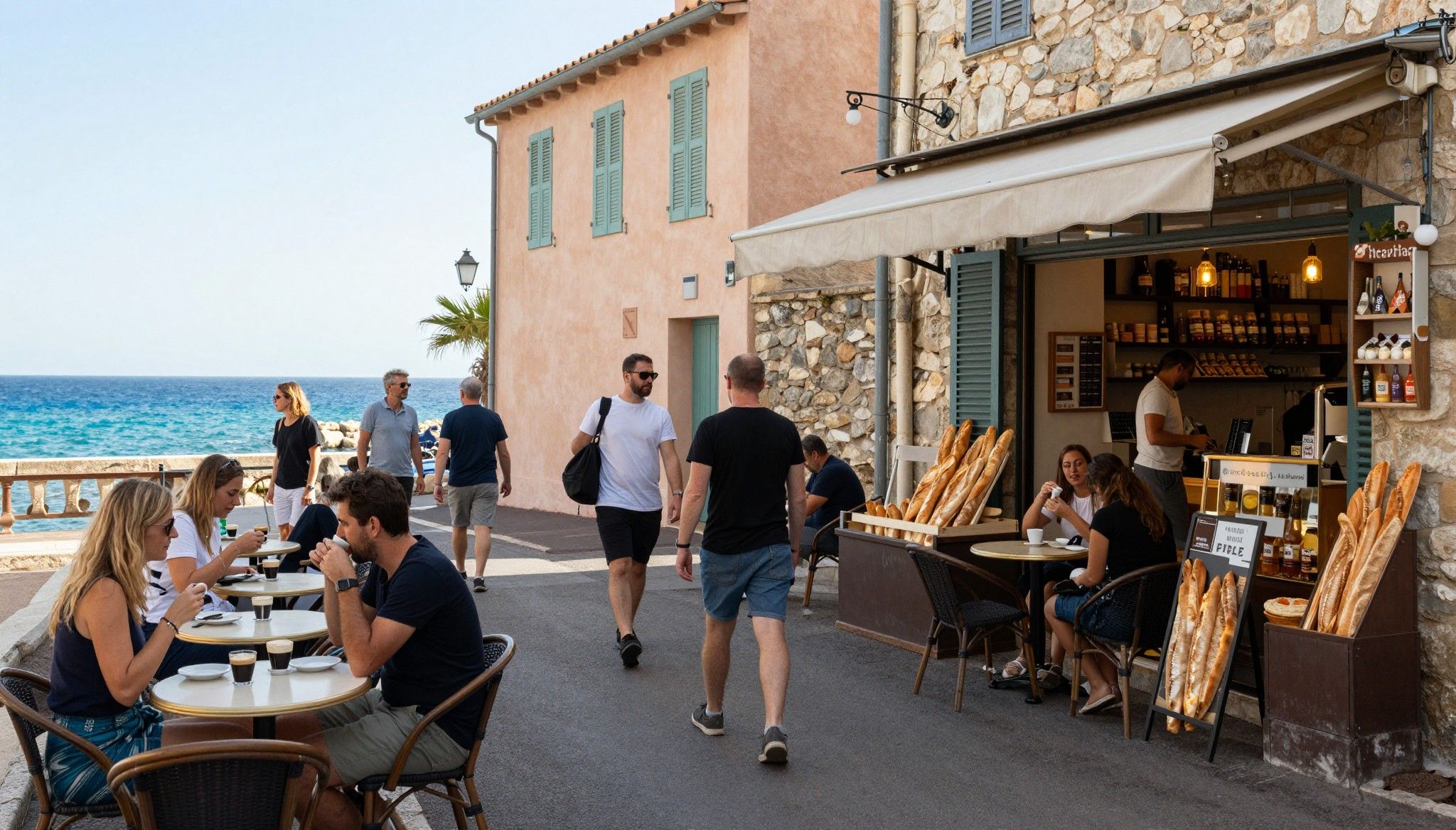
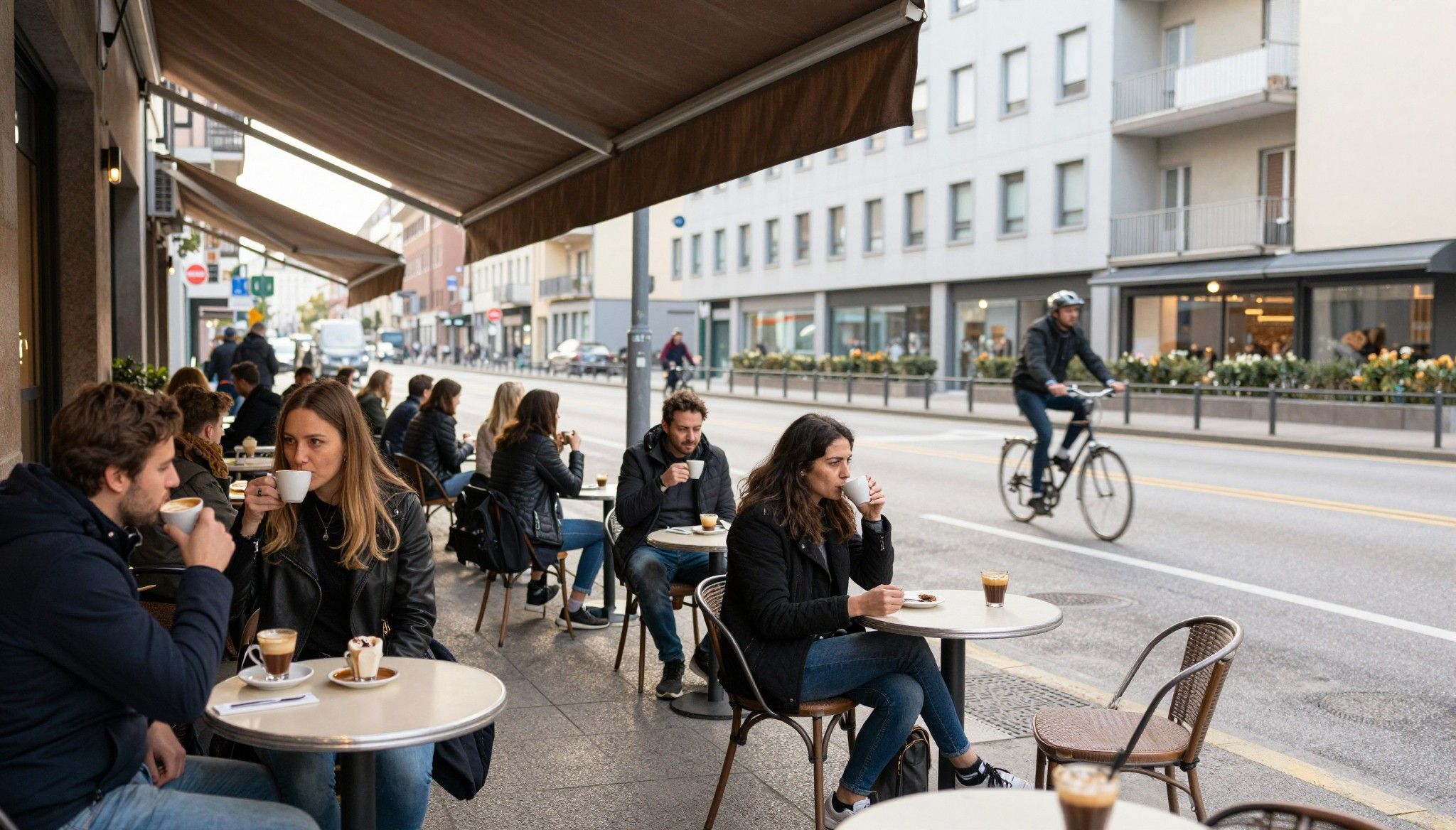
Imagine stepping out at 09:00 on a cool spring morning to buy pain au chocolat at a corner boulangerie in Marseille’s Cours Julien, then hopping a TGV to Bordeaux for an afternoon of markets and wine bars. That sense of doable variety—coastline and city within a few hours—is France’s everyday promise. But behind the postcard is a market that has shifted in recent years: pockets of rapid recovery, department-level tax tweaks and a renewed appetite from international buyers seeking lifestyle, safety and long-term resale value. We’ll bring the sensory life of France to the fore, then show the data and practical steps that make a confident purchase possible.
Living the French life: more than Riviera postcards
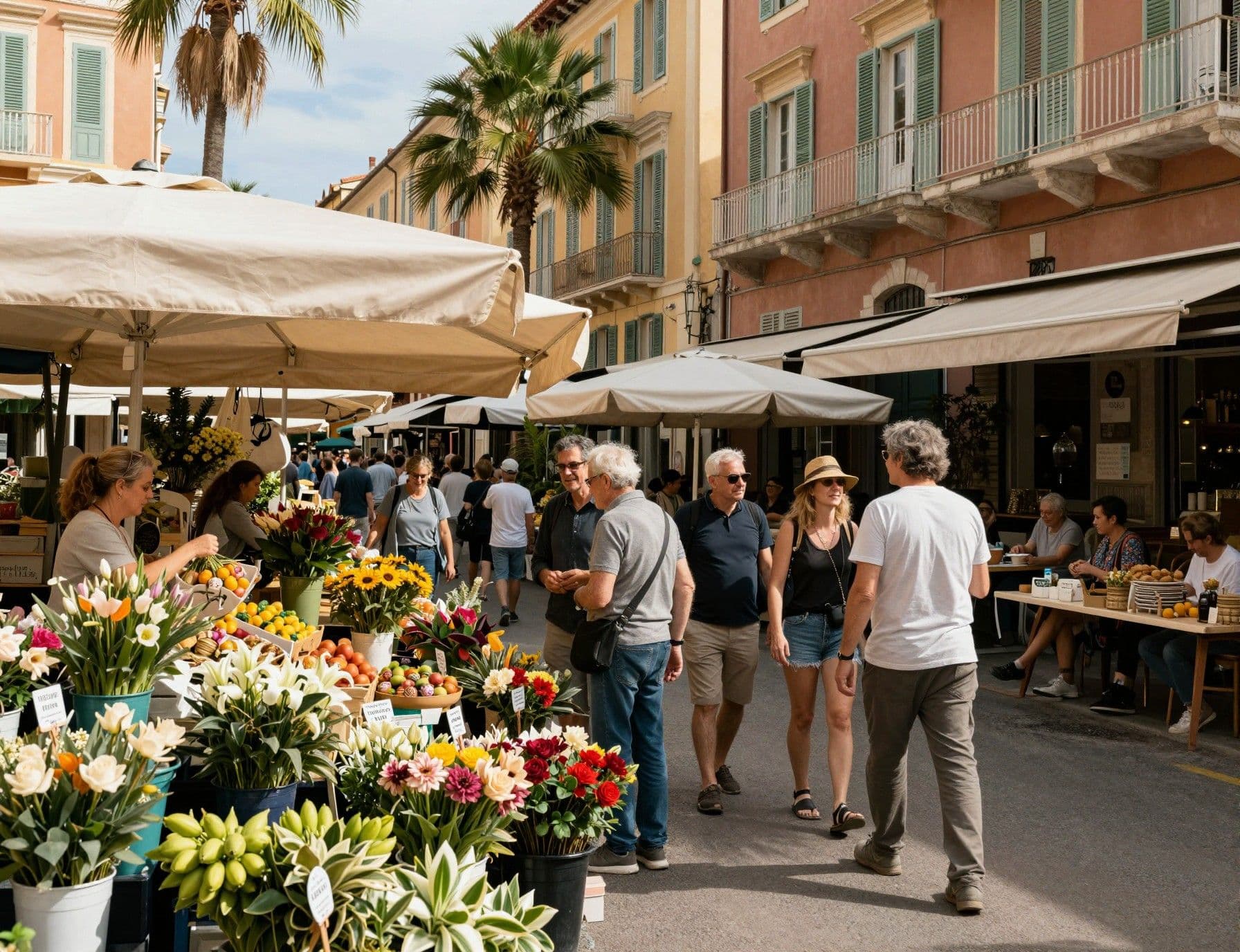
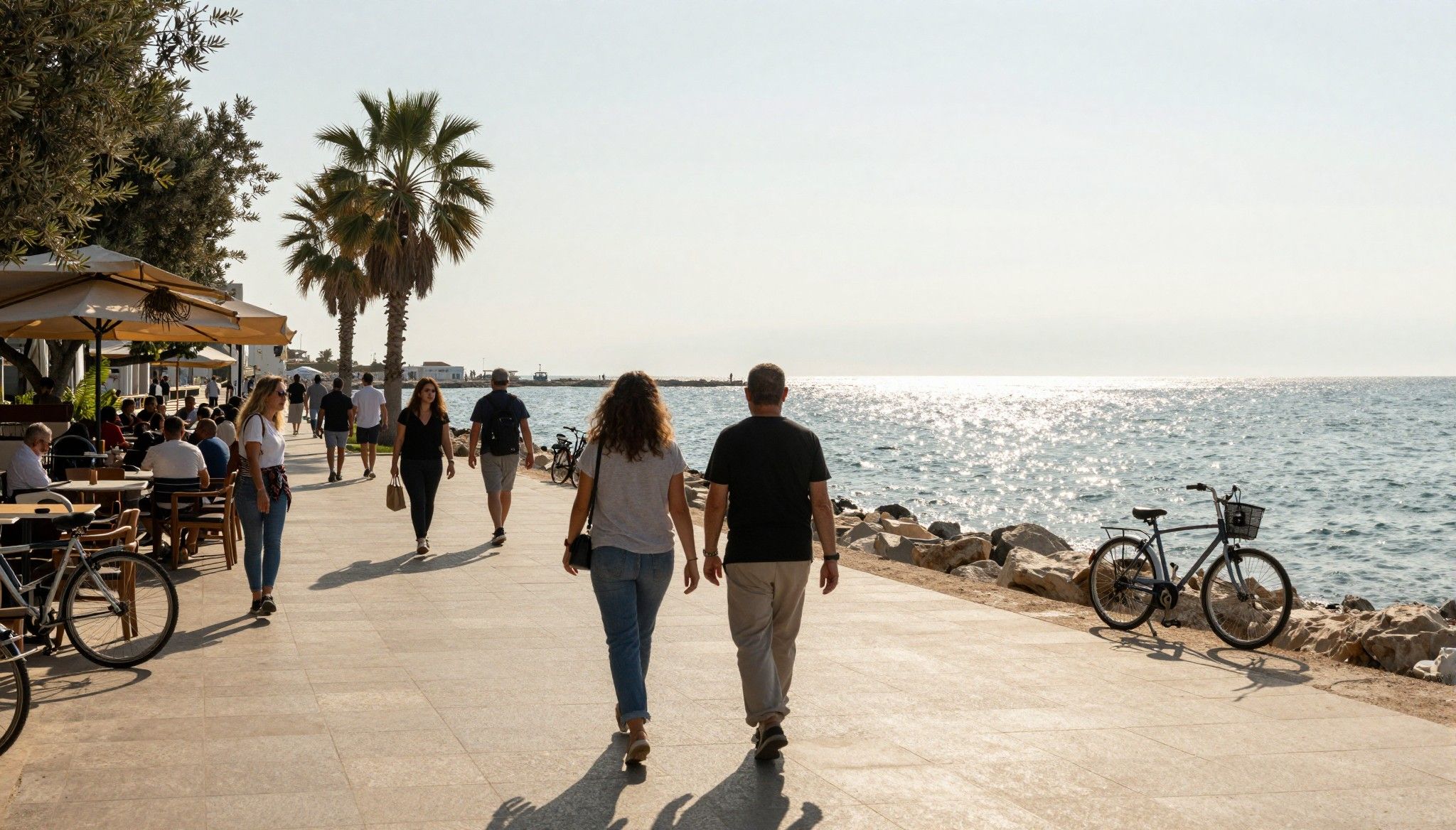
France’s aura is textured: urban café culture in Paris, rugged Atlantic surf near Biarritz, slow-market villages in Limousin, and coastal formality along the Côte d’Azur. International buyers still prize the Riviera for year-round sun and service, yet rising interest in Lyon, Nantes and mid-sized cities shows a broader search for quality of life and value. Lifestyle choices—walkability, weekday markets, proximity to a good train station—translate directly into property demand, and therefore price resilience.
Neighbourhood spotlight: Marseille — Cours Julien to Le Panier
Walkability, street life and food markets explain why some Marseille neighbourhoods outpace city averages. Cours Julien hums with cafés and independent shops; Le Panier offers narrow lanes and restored townhouses. Buyers who value daily conviviality often pay a premium for smaller, well-located homes rather than large, remote villas—the lived experience matters more than square metres in many French cities.
Food, markets and seasonality: how daily rhythms shape choice
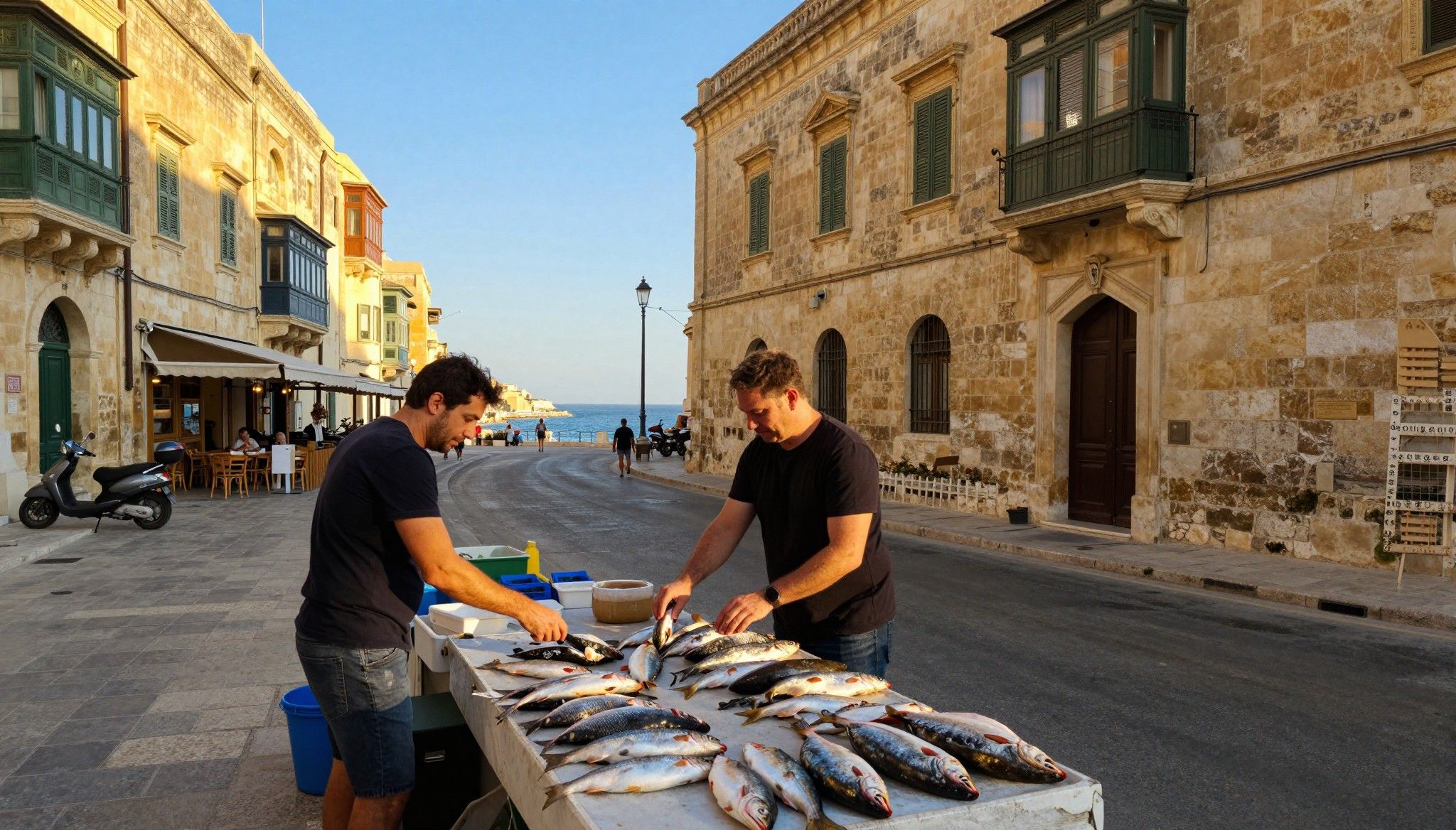
Picture Saturday morning in Nice’s Cours Saleya: flower stalls, socca vendors and buyers testing the day’s catch. Markets are social infrastructure—important for buyers who want neighbours, not just a property. Seasonal life (beach in summer, truffle hunts in winter) changes where locals spend time and therefore which streets stay active year-round; for lifestyle-minded buyers, that stability equals long-term desirability.
- Market-to-life highlights: • Cours Saleya (Nice): daily market culture and apartment demand • Vieux-Lille: boutique restaurants and strong rental interest • Saint-Jean-Cap-Ferrat: ultra-prime privacy and year-round owners • Bordeaux Chartrons: wine shops, weekend markets, historic facades • Biarritz: surf culture, seasonal rental demand and lifestyle blend
Making the move: practical considerations that preserve lifestyle
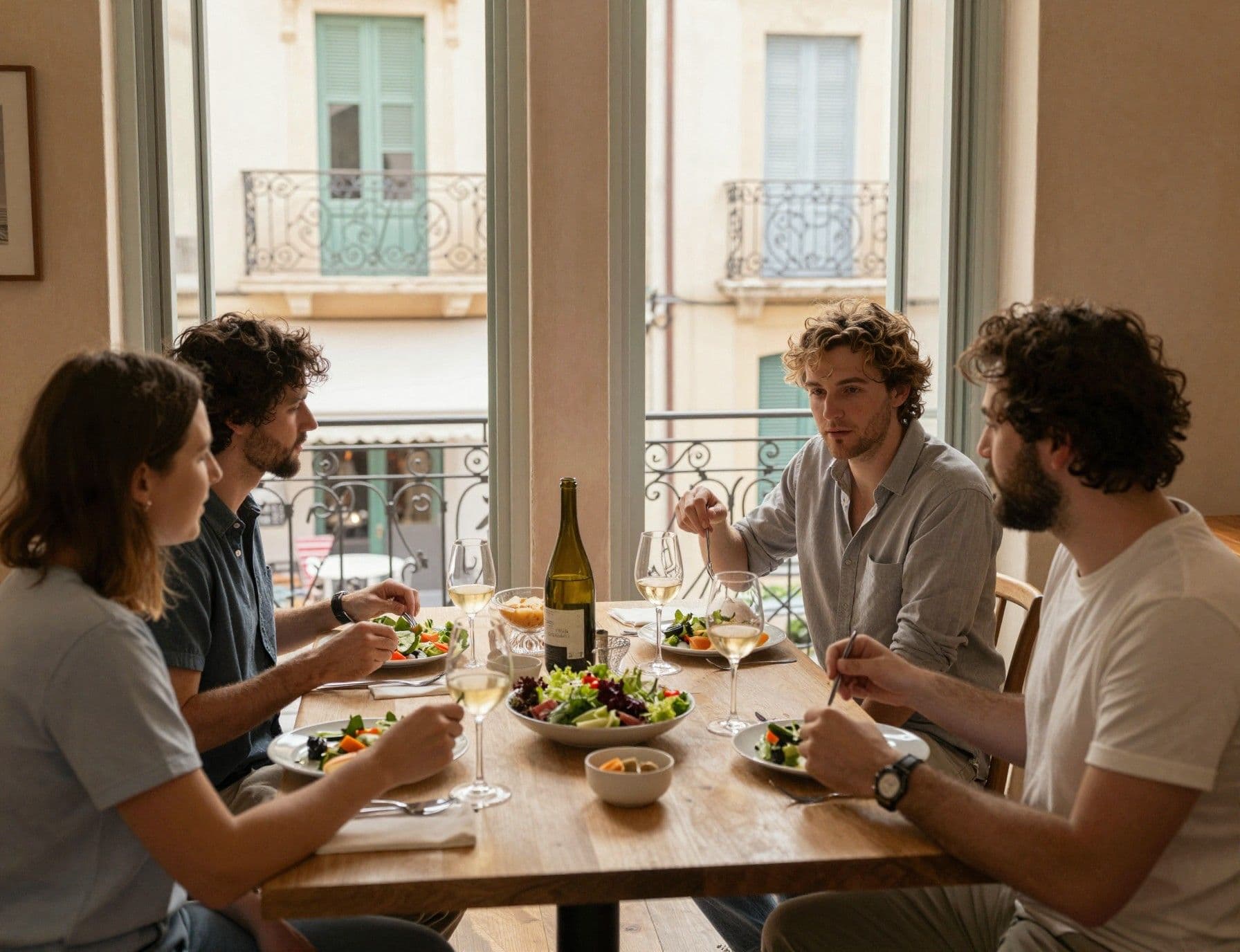
Lifestyle buying in France requires marrying desires to regulatory reality. Expect acquisition costs (frais de notaire) and new local registration rate flexibilities that departments may apply between 2025–2028. Plan for slightly higher transaction overheads outside new-builds, and factor resale liquidity: well-used neighbourhoods and easy transport links typically produce quicker, cleaner exits.
Property types and how they support daily life
Stone-built apartment in a Paris arrondissement gives you doorstep cafés and short commutes; a renovated farmhouse in Dordogne offers land, privacy and slower pace. New-build coastal apartments reduce immediate maintenance but can limit character; older properties carry charm and potential renovation work. Pick the property type that matches morning routines—do you want bakery steps away, or a private terrace for long lunches?
Work with local experts who know the rhythm
- How agencies translate lifestyle into listings: 1. They map walkability, market days and transport links to neighbourhood desirability. 2. They advise on seasonal rental potential and local occupancy rules for short-term lets. 3. They check municipal PLU (local land-use) constraints that affect extensions or pools. 4. They connect you to surveyors who understand regional construction techniques and repair costs. 5. They help structure offers that respect French negotiation culture—measured, documented and respectful.
Insider knowledge: the cultural and market truths expats learn slowly
Expat buyers often expect French bureaucracy to be a one-off hurdle; the reality is that cultural rhythms—market timings, municipal permit delays and local social codes—shape daily life for years. Country-level data shows prices stabilising and pockets of growth in larger cities; that means lifestyle buyers who choose neighbourhoods with genuine year-round life both enjoy living there and protect long-term value. Small procedural choices—how you structure a mandate, whether you use a power of attorney—save time and prevent surprises.
Language, integration and living like a local
Learn enough French to shop, ask about building charges and greet neighbours. Attend the Saturday market, join a local pétanque club or volunteer at a fête communale—these actions speed integration and help you judge whether a street will feel like home. Agencies with bilingual staff and local contacts are invaluable, but real belonging comes from routine interactions at cafés, bakeries and municipal fêtes.
Long-term lifestyle realism: seasons, maintenance and community
Summer brings crowds—and higher short-term rental demand—but winter is when community and prices reveal resilience. Older coastal plates need maintenance to withstand salt air; country properties require attention to heating and insulation. Think in seasons when budgeting for utilities and repairs: lifestyle buyers who account for year-round living avoid the 'summer-only' trap and preserve both experience and capital.
- Red flags to watch for when a neighbourhood 'feels' right: • Empty high-street outside tourist season—limited year-round life • Overwhelming short-term rental listings—possible regulatory clampdowns • Recent sharp price jumps with few comparable sales—watch for outliers • Restrictive PLU or protected monuments that limit renovation options
- Next steps for buyers who want the life and the data: 1. Visit outside peak season to check daily rhythms and winter life. 2. Ask agents for local transaction histories and median sale prices, not just asking prices. 3. Commission a structural survey and request energy performance diagnostics (DPE). 4. Factor notaire fees and potential departmental registration rate changes into your budget. 5. Work with an agency that provides neighbourhood mapping (markets, schools, trains) and bilingual documentation.
France is not a single market; it is dozens of markets with shared culture. If you prioritise morning markets, train access and neighbourly conversation, seek out neighbourhoods that show consistent local life across seasons—those are the places that reward lifestyle buyers with both joy and price resilience. Partner with an agency that maps these rhythms, backs claims with notarial data and helps structure your purchase to match the life you want to live.
Ready to feel the daily life before you commit? Start with a short reconnaissance trip outside high season, request transaction-level data from local notaires, and ask your shortlist of agents to show you streets at three times of day. The best purchases are those where the neighbourhood’s weekday moments match your weekends — that’s where French living becomes a long-term decision you’ll still savour five years from now.
Norwegian market analyst who relocated to Mallorca in 2020. Focuses on data-driven market insights and smooth relocation for international buyers.