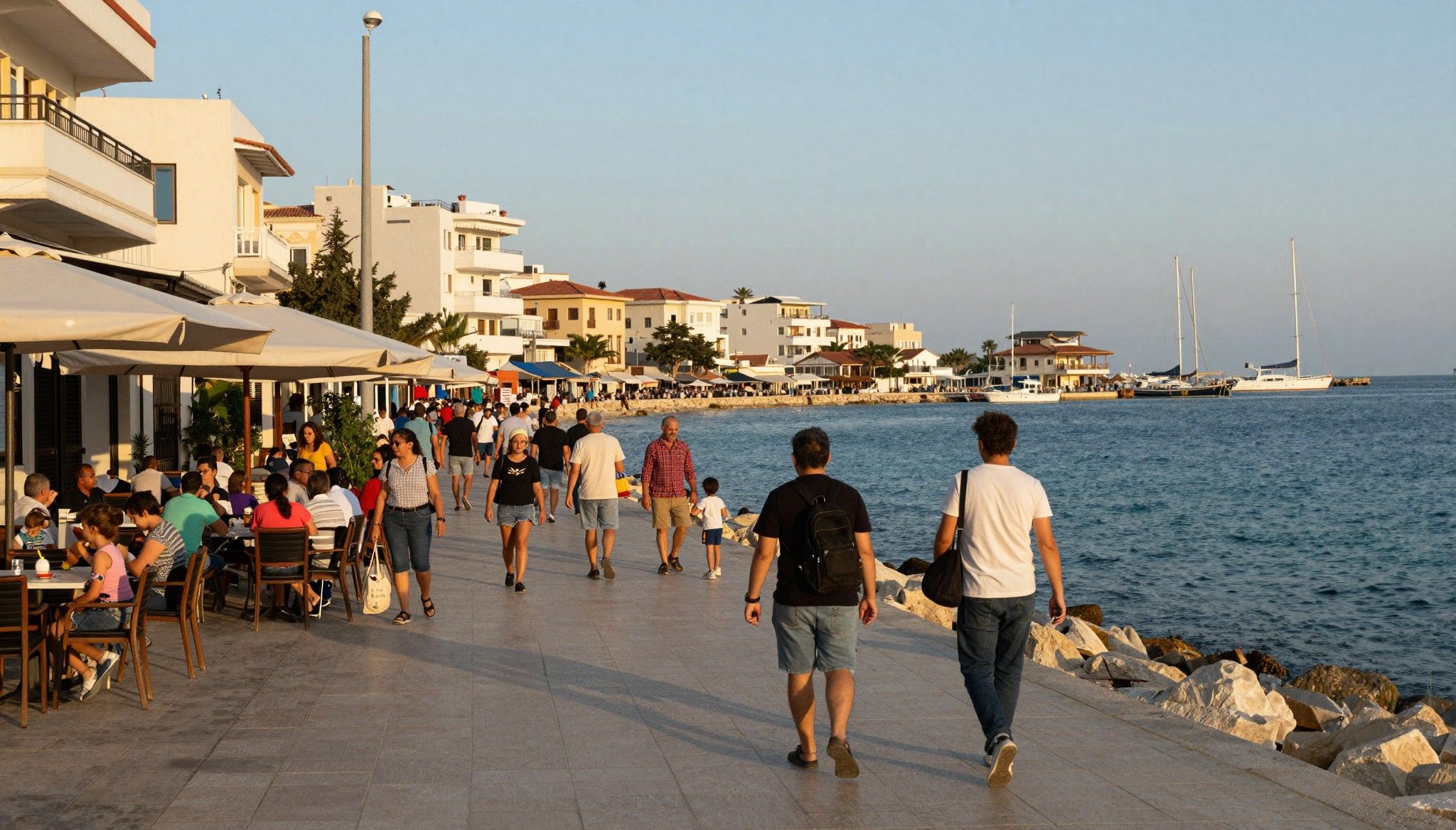
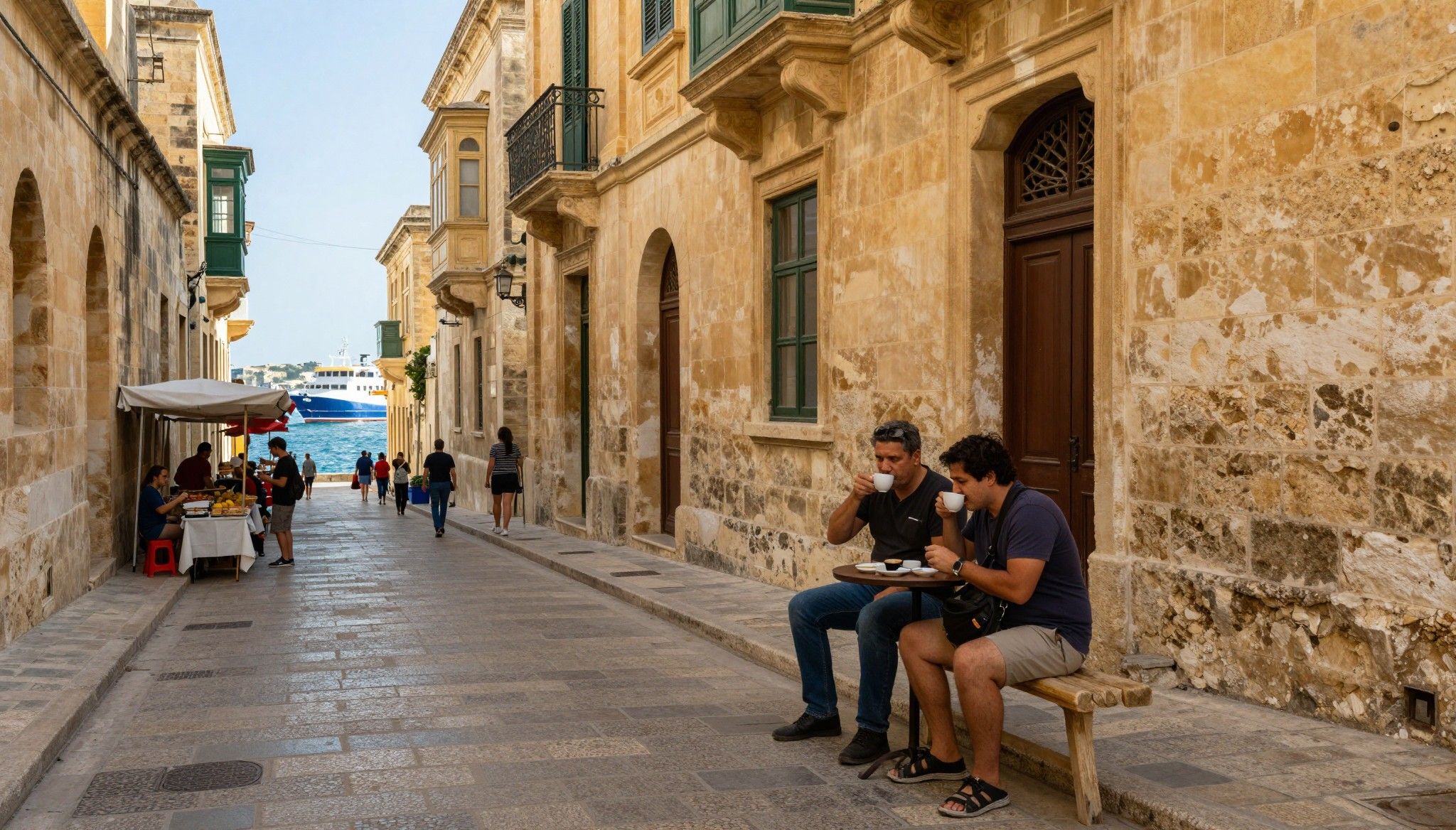
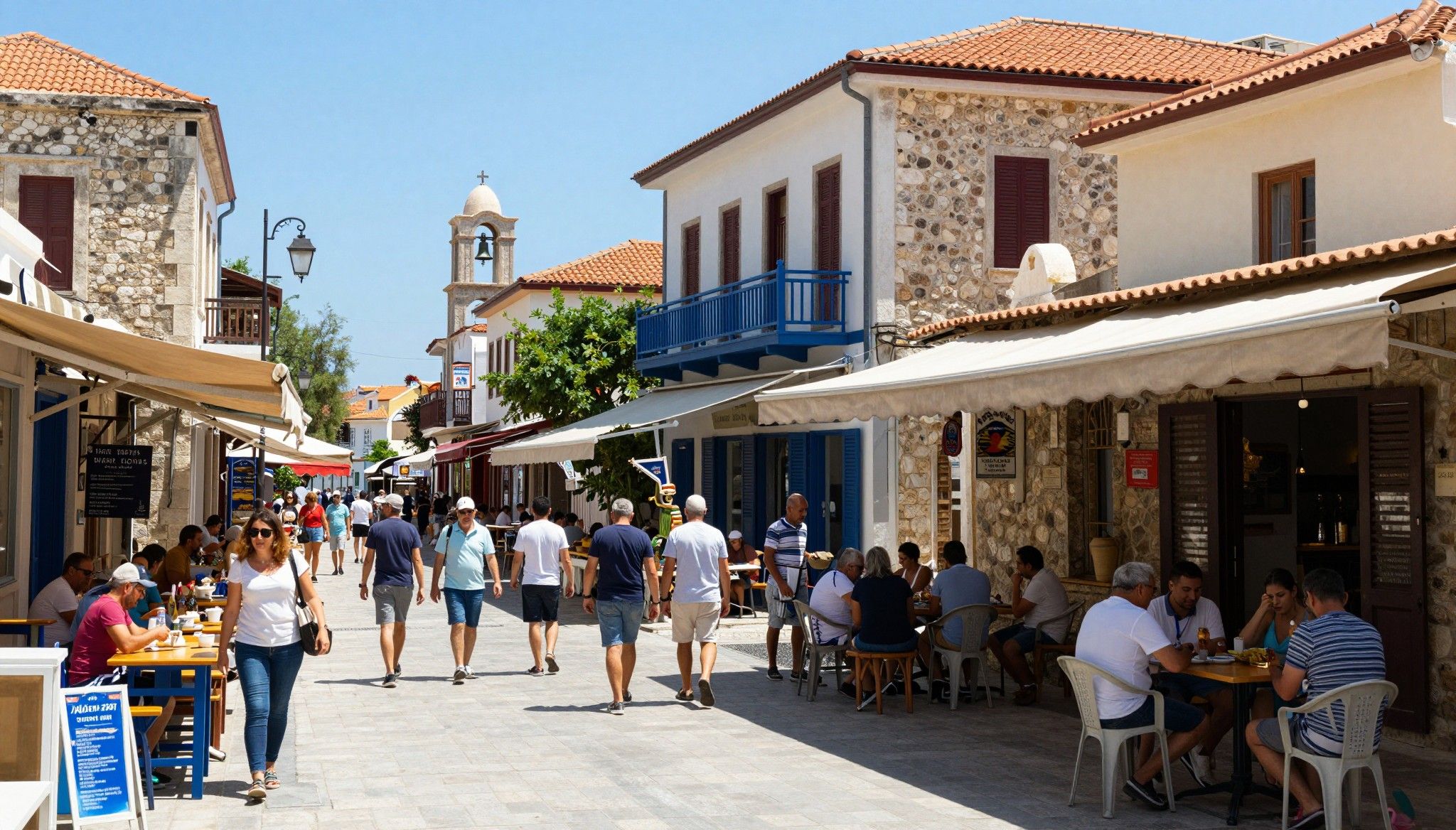
Italy: Streets, Rituals and Market Signals
Italy’s daily rituals shape property value: ISTAT shows rising prices in 2025–2026; choose streets that deliver the life you want and pair them with local market data.
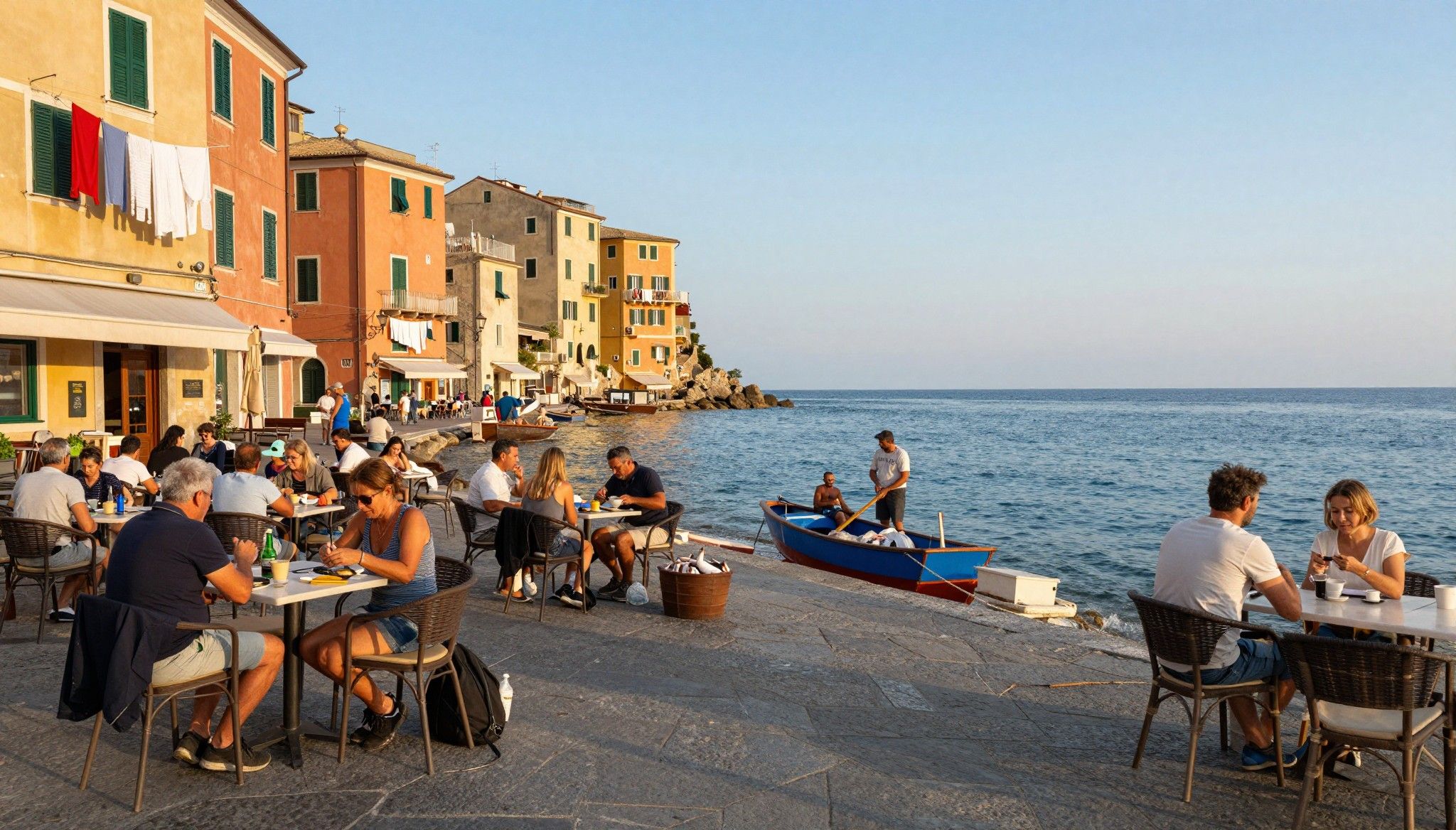
Imagine waking to the sound of espresso machines and church bells, stepping onto a small balcony to a patchwork of terracotta roofs and morning light. In Italy you trade anonymity for neighbourhood ritual: market bargaining on weekday mornings, aperitivo at dusk, and a rhythm of seasons that shapes how people live — and how properties perform. For international buyers, Italy is as much about a daily life you can feel as it is about spreadsheets. This piece examines both: the lived experience across city quarters and coastal towns, and the concrete market signals that should shape where and when you buy.
Living the Italy lifestyle
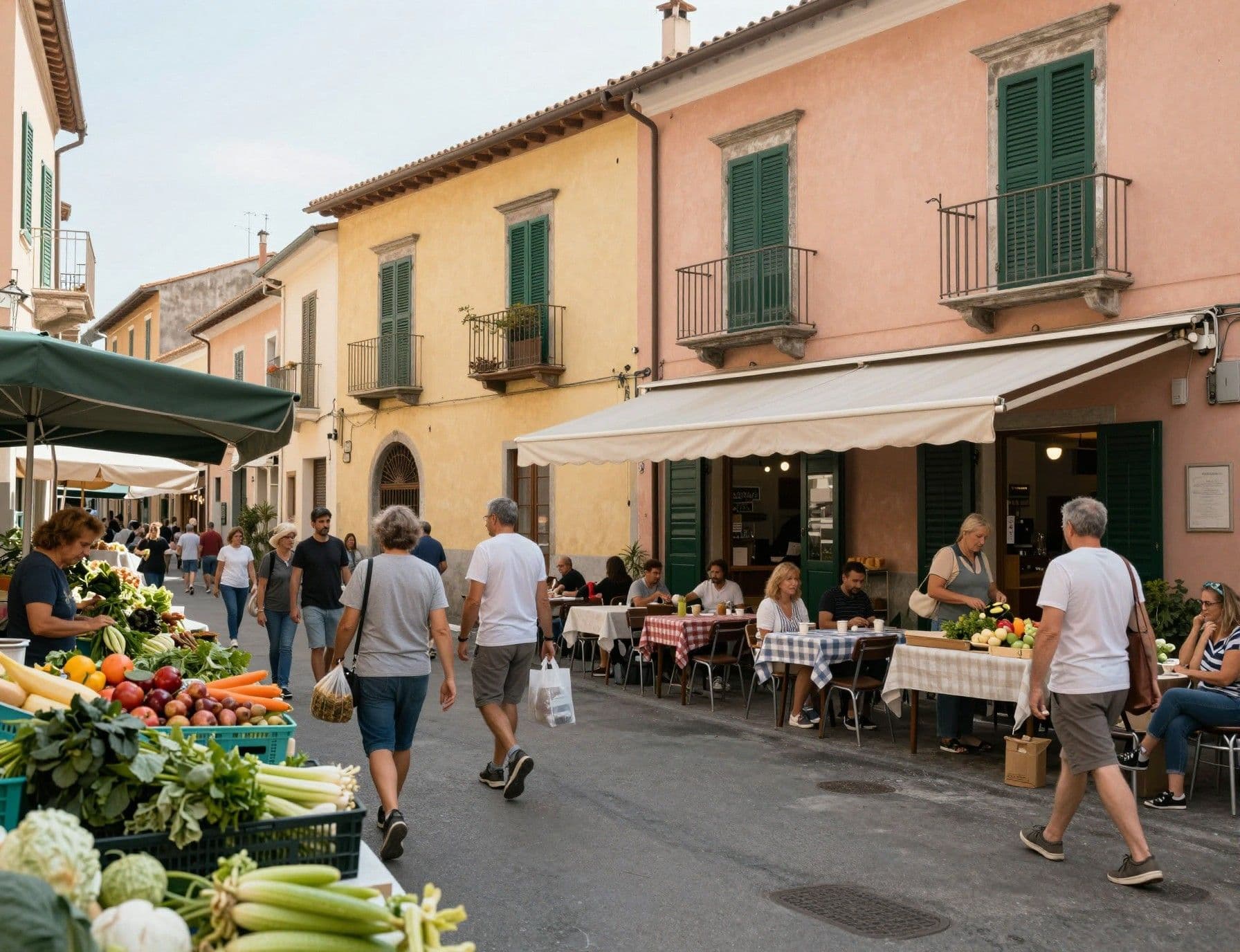
Strolling through a neighbourhood tells you more than any price table. Think Trastevere in Rome — narrow cobbled lanes, neighbourhood trattorie, and grandparents who still sit in the piazza — versus Bologna’s University quarter, where student life animates cafes until late. Coastal towns like Positano and Cefalù trade urban bustle for the scent of the sea and a slower, outdoor life. These contrasts matter: a centuries‑old apartment in a historic core offers charm and seasonal tourist demand; a modern seaside condo promises light, terraces, and year‑round rental appeal.
Neighbourhood spotlights: who lives where
In Milan, Navigli and Isola attract creatives and remote workers with cafes that double as co‑working spaces; in Florence, Oltrarno still feels artisan and local. On the Amalfi Coast, Praiano is quieter and more resident‑focused than Positano — that difference shows in yields and in the kind of neighbours you’ll meet. When you choose a street in Italy, you are choosing a daily tempo: morning market noise, late dinners, or restful coastal mornings.
Food, markets and weekend life
Markets are civic life in Italy. Picture buying morning oysters in Naples or porcini in Tuscany, then walking home past a bar where the owner knows your name. Weekends are for long lunches, coastal escapes or village fêtes. These rituals inform property choices: a ground‑floor flat near a market is convenient but noisy; a seaside villa gives solitude but requires acceptance of seasonal flux and maintenance.
- Lifestyle highlights worth mapping before you buy
- Morning espresso at a corner bar; weekly open market within 10 minutes’ walk; a weekday laundrette and a piazza where locals gather; a local trattoria open year‑round; access to coastal promenades or a regional train station.
Making the move: practical considerations
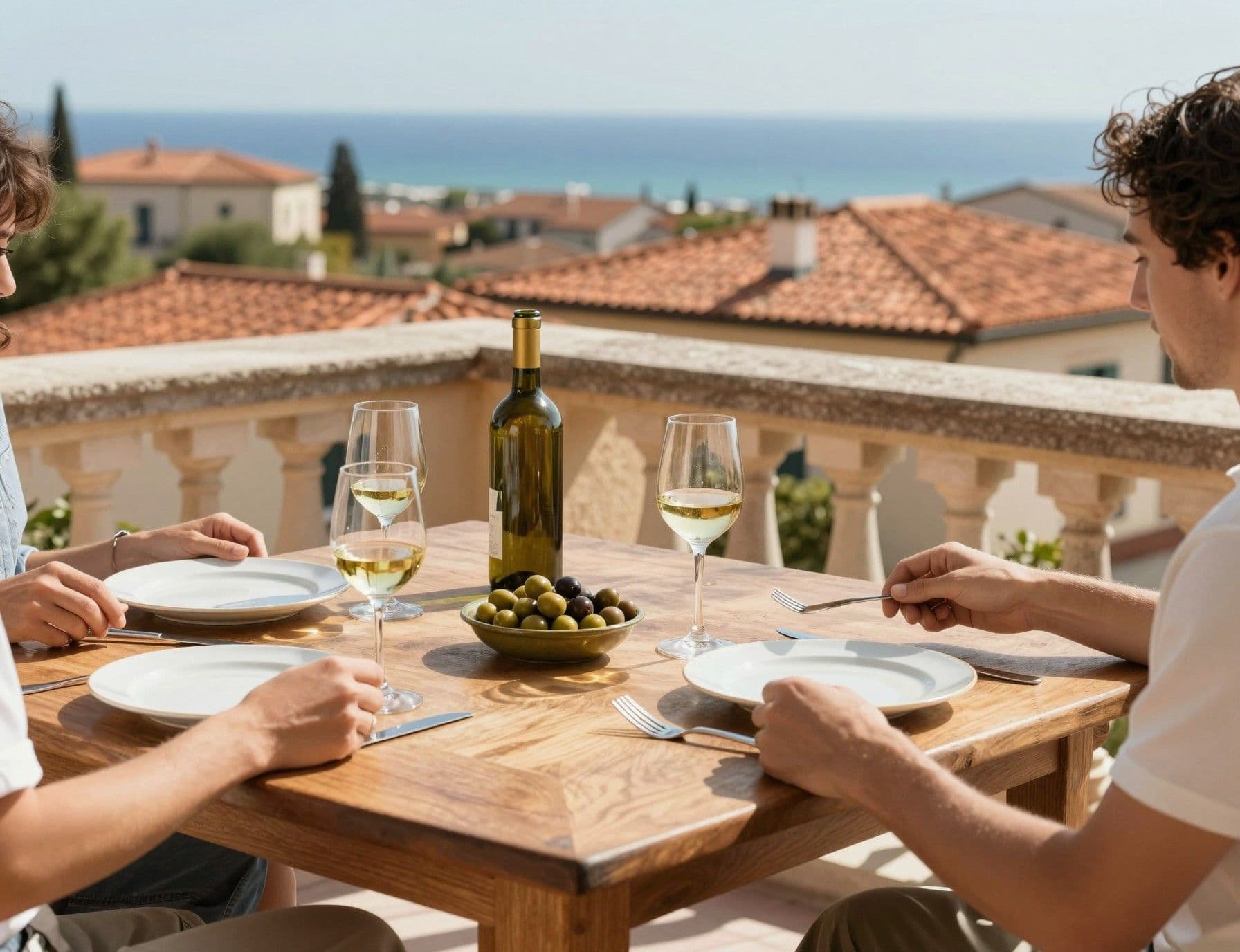
Italian house prices returned to growth in 2025–2026: ISTAT reports year‑on‑year rises and a modest uptick in sales volumes, while OECD highlights steady economic headwinds that temper rapid gains. For buyers this means opportunity with caution: prices are rising in many urban and coastal pockets, but borrowing costs, renovation needs in older stock, and regional differences create important trade‑offs. Align lifestyle priorities with these market signals before committing.
Property types and how they shape daily life
Historic centro apartments give immediate cultural immersion — think shutters, high ceilings, and narrow staircases — but come with higher maintenance and regulation. New builds or renovated townhouses on the periphery offer modern insulation, terraces, and parking that better suit families or remote workers. Coastal apartments often command seasonal premiums; consider insulation and humidity control when budgeting for upkeep.
- How to marry lifestyle and logistics — six practical steps
- 1. List the three daily moments you can’t give up (market, coffee spot, beach) and prioritise neighbourhoods that deliver them. 2. Visit in at least two seasons to feel noise, light and tourist flow. 3. Check local public transport and regional train links for remote work or weekend travel. 4. Ask for recent energy certificates (APE) and quotes for typical winter heating or summer cooling costs. 5. Get local agency help with off‑market listings — many good flats never reach national portals. 6. Build a 10% buffer into your renovation and maintenance budget for older stock.
Insider knowledge: what expats wish they'd known
Expat experience often follows a familiar arc: enchantment, practical friction, then settled appreciation. People fall in love with rituals (apertivo, mercato, Sunday passeggiata) but are surprised by bureaucracy and the slow pace of some services. Language matters — not to live, but to unlock real value and local networks. Agencies that speak your language and a notary experienced with foreign buyers are more than convenience: they protect value and smooth the long tail of post‑purchase issues.
Culture, community and daily integration
Joining clubs, language classes, and weekly market rounds speed integration. Small gestures — learning neighbourhood names, the right time for riposo, or where to buy the best mozzarella — open doors. Many buyers underestimate how much ease of life depends on local relationships: a trusted baker, a reliable plumber, and a building concierge who knows the quirks of historic wiring.
Long‑term lifestyle: growth, rental and legacy
If you plan to rent, historic centres and coastal towns deliver predictable tourist demand; mid‑sized regional cities like Bologna, Verona and Bari offer steadier year‑round tenancies. Consider inheritance customs and long‑term local taxes when planning legacy use — Italian property often stays in families for generations, so talk to local legal counsel about long‑term ownership structures.
Italy rewards buyers who balance romance with realism. Choose streets that match the life you want — morning market, seaside strolls, or late city suppers — then align that choice with data: ISTAT’s price indices, regional demand patterns, and an agency that knows the off‑market rhythm. Next steps: visit in two seasons, shortlist three neighbourhoods tied to daily rituals you value, and ask agencies for recent comparable sales and typical running costs. When lifestyle meets careful local intelligence, Italy becomes a place you don’t just visit — you live.
British investor turned advisor after buying in Costa del Sol since 2012. Specializes in cross-border compliance and data-driven investment strategies for UK buyers.