Italy: Match Neighbourhood Rhythm to Market Reality
Italy sells a life as much as property — combine neighbourhood rhythm with data (Istat, Nomisma) to match coastal or city choices to long‑term comfort and liquidity.
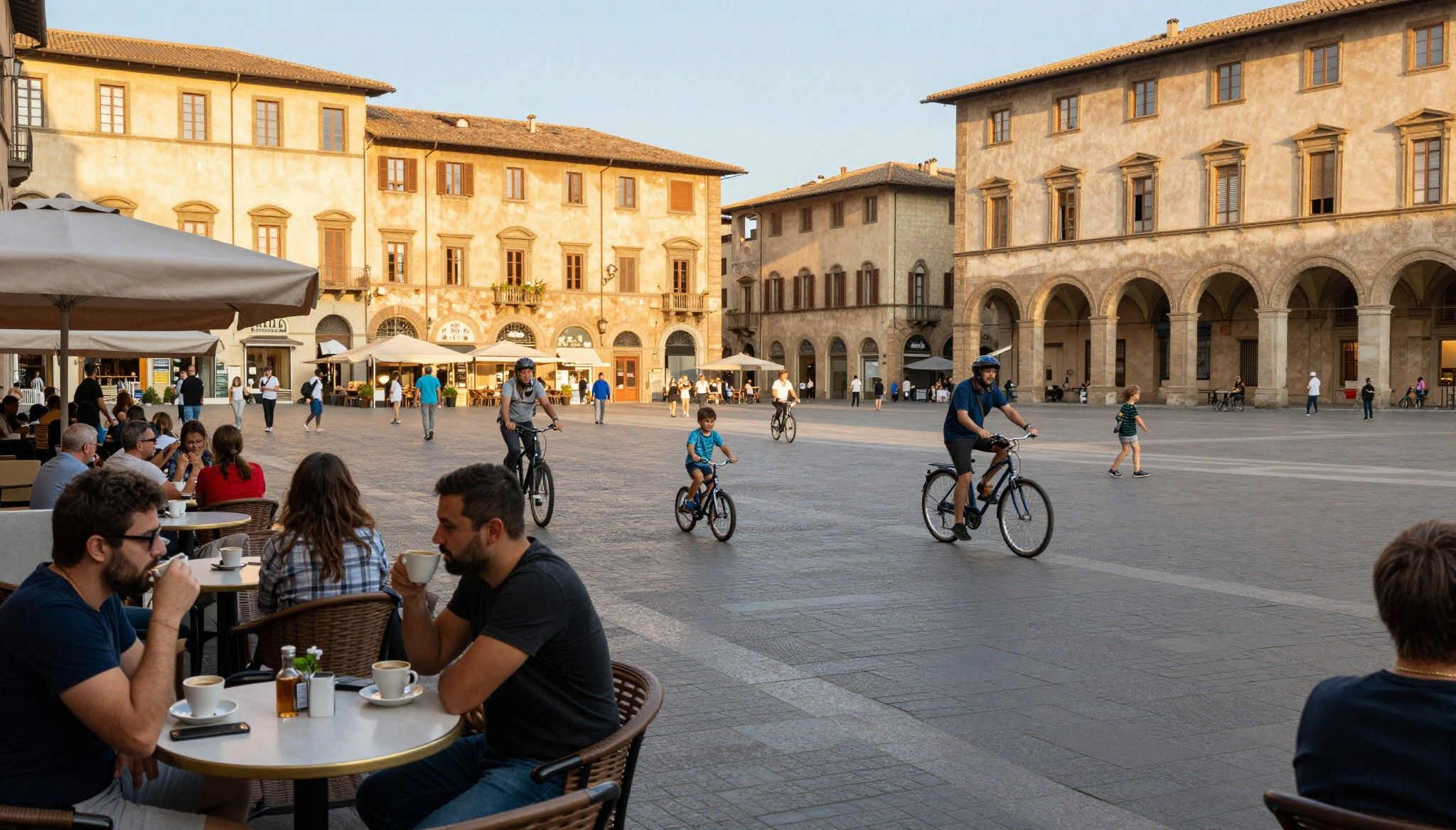
Imagine stepping out at 8:30 on a weekday to buy bread in a narrow piazza in Trastevere, then taking the tram to a sunlit terrace in Posillipo for lunch — that everyday rhythm shows why Italy sells a life, not just square metres. Recent market analysis shows steady demand and regionally uneven price moves; for international buyers, the choice of neighbourhood shapes tax treatment, rental potential and the lifestyle you actually get.
Living the Italian Life — more than a postcard

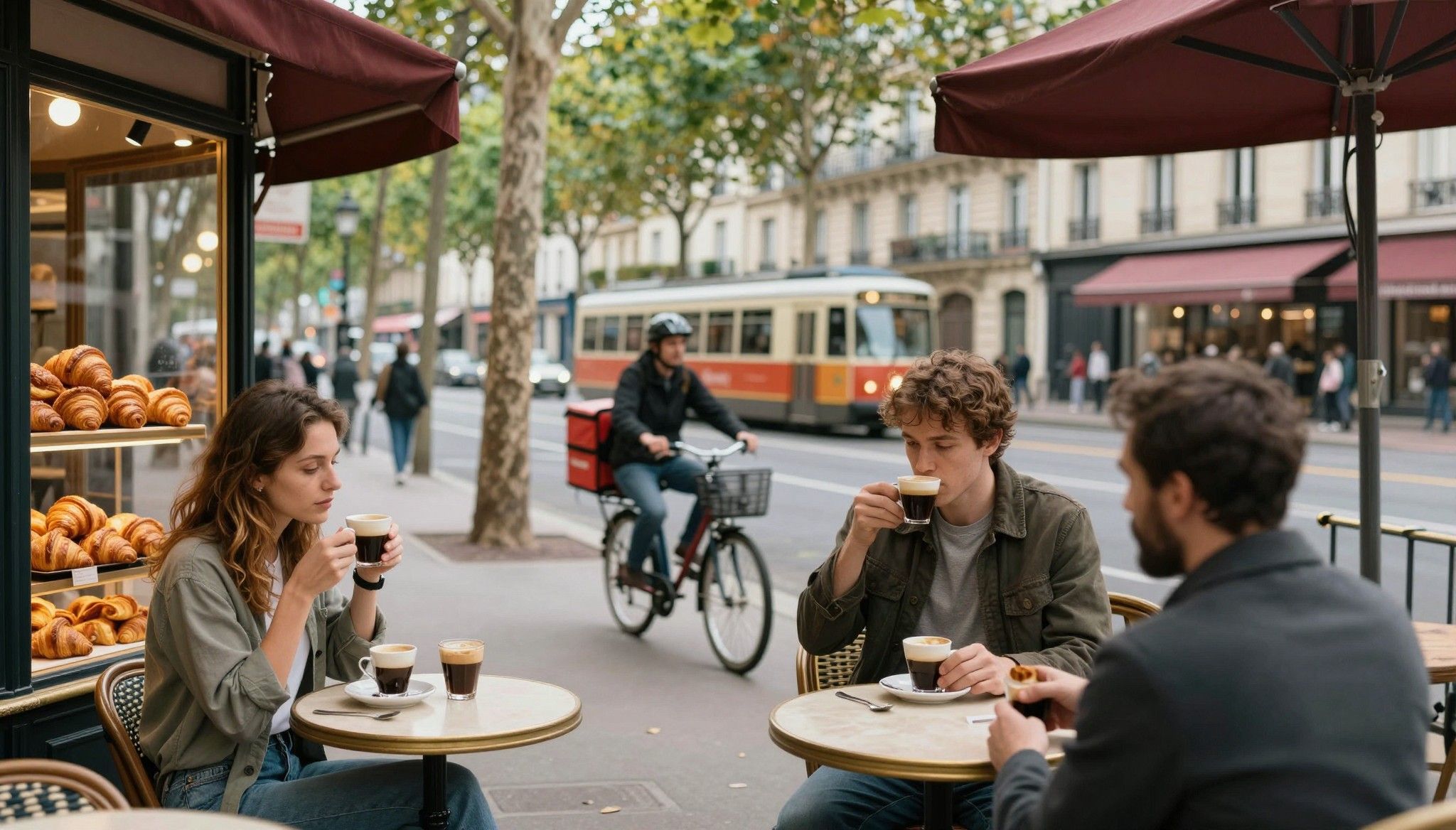
Italy’s daily life folds history into routine: espresso counters at 9am, mercato stalls mid‑morning, family aperitivo at 19:00. That tempo matters when you buy: a second‑floor apartment on Via del Pigneto will feel different at 7am versus 10pm. Official statistics show house prices and transaction volumes continuing to rise unevenly across regions, which means lifestyle choices — city centre vs. coastal town — map directly to market dynamics and liquidity.
City pulse: Rome, Milan, Bologna
Cities offer concentrated culture and services: Milan moves fast — design weeks, coworking and high rental demand; Rome balances ancient streets with neighbourhood markets in Testaccio and Trastevere; Bologna feels intimate, where students, chefs and families create a year‑round social calendar. Expect smaller homes but stronger short‑let demand in central nodes, and higher service expectations for property management.
Coast & countryside: Amalfi, Liguria, Puglia, Tuscany
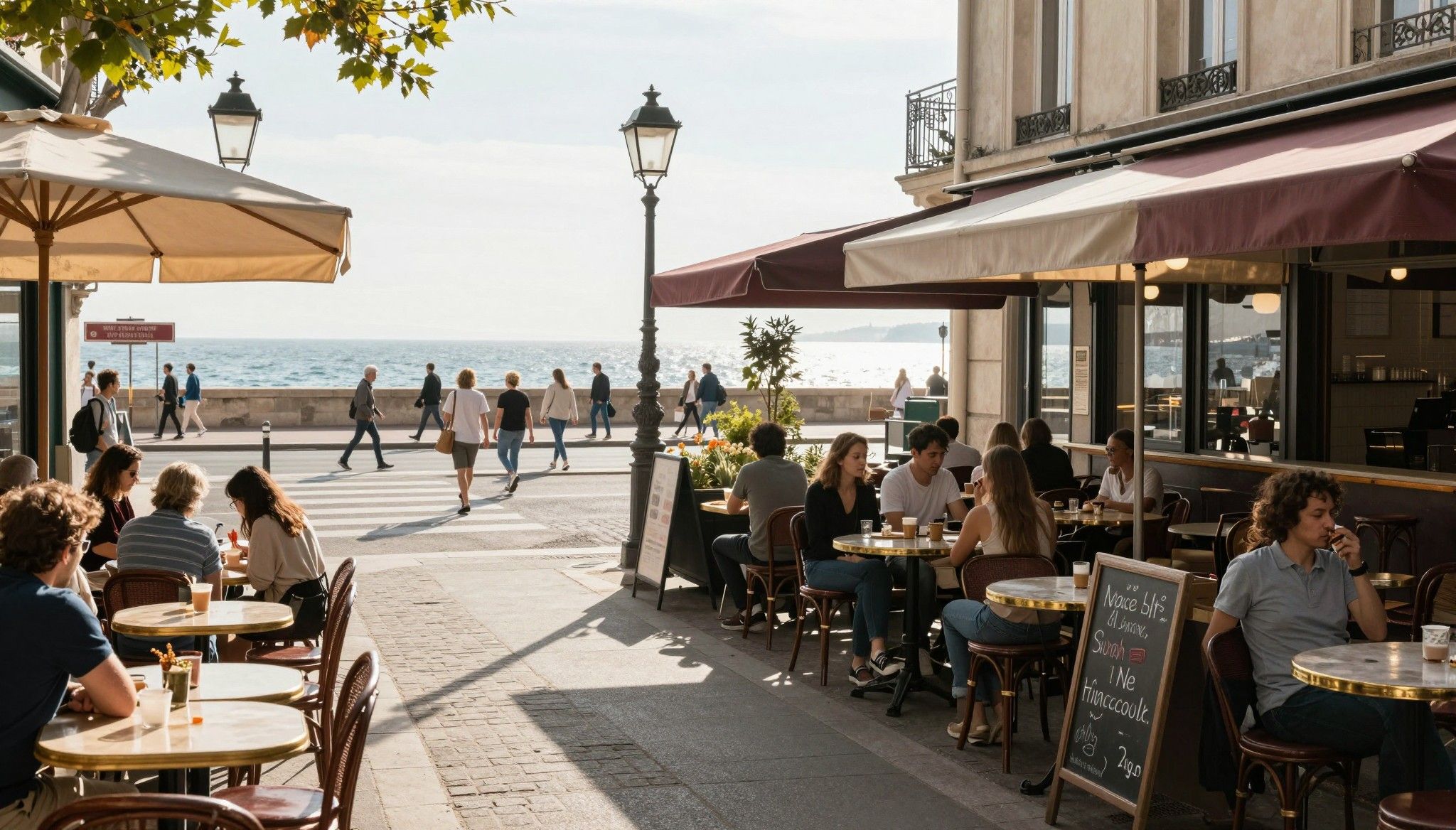
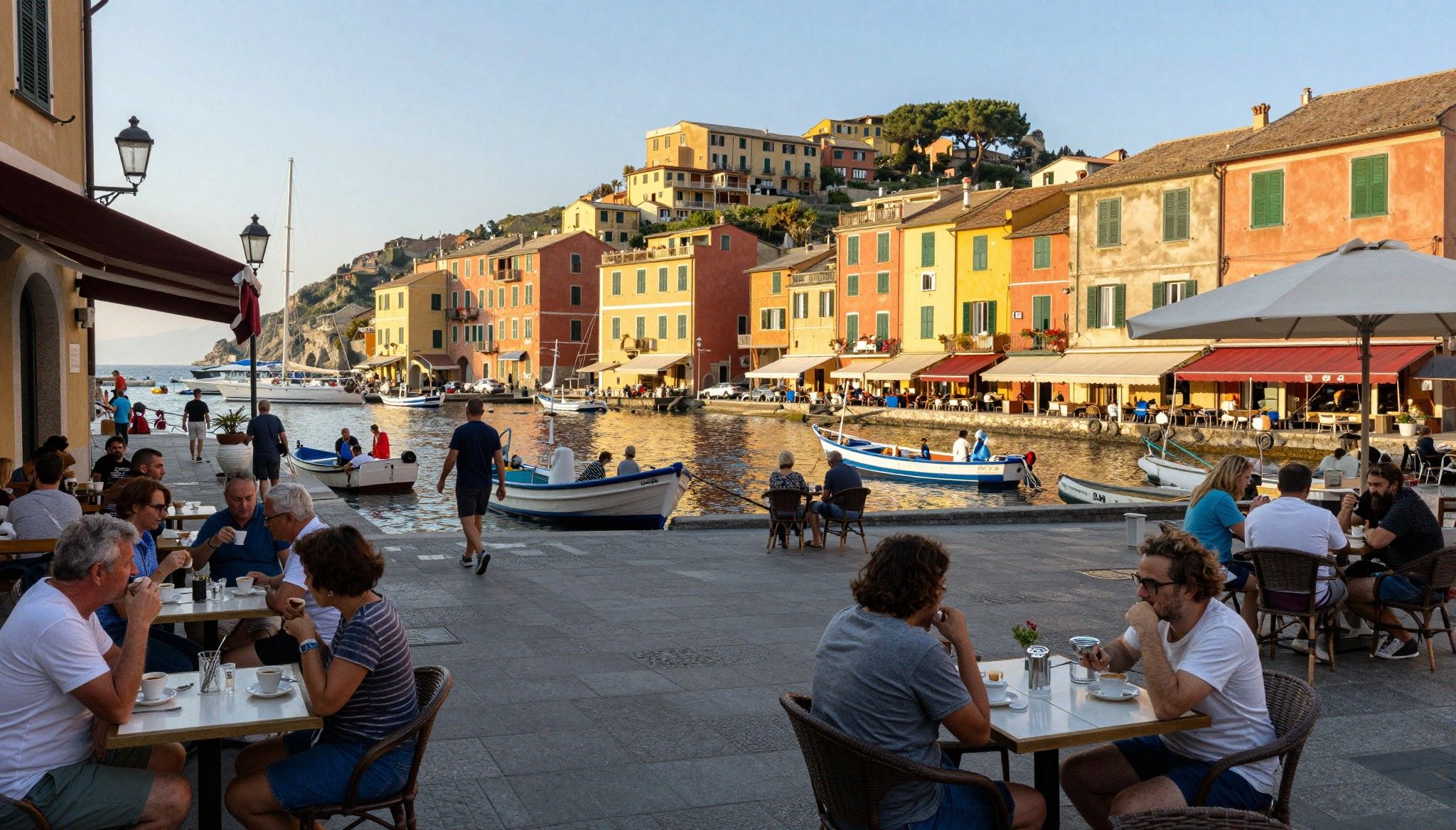
Coastal life shifts with the seasons: summer brings lively marinas and markets, winter returns calmer villages and lower year‑round rental yields but stronger long‑term owner satisfaction. In Tuscany and Piedmont, hilltop villas reward those after space, land and wine culture — but remember maintenance, insulation and access can be real costs in older properties.
Lifestyle highlights: • Morning espresso at Caffè Greco (Rome) and a passeggiata along Lungomare in Napoli • Weekend mercato at Mercato di Sant’Ambrogio (Florence) and fish markets in Palermo • Sunset aperitivo terraces in Navigli (Milan) and seaside promenades in Sorrento • Hidden beaches: Cala Violina (Tuscany) and lesser‑known stretches in Salento • Small specialised wineries in Langhe and agriturismi weekend escapes
Making the move: lifestyle matched with property choices

You can romanticise a palazzo, but practical choices decide daily comfort. Match the property type to how you want to live: a restored palazzo apartment trades elevator access for character; a new build on the Ligurian coast gives insulation, parking and modern HVAC. Market overviews emphasise that price growth has been steady but regional — so align lifestyle wishes with liquidity needs.
Property styles and what they mean for living
Historic centre flats: excellent walkability, high heritage costs and stricter renovation rules. Coastal villas: outdoor living and rental appeal, but higher maintenance and seasonality. New apartments: better energy performance and warranty protection, easier rental management. Choose based on: noise tolerance, desire for outdoor space, and whether you want a rental income strategy.
Working with local experts who understand lifestyle
How local advisors help: 1. They interpret neighbourhood rhythm (school timetables, mercato days) and match it to properties. 2. They flag municipal rules that affect restorations and terraces. 3. They connect you to vetted property managers for seasonal lettings. 4. They suggest off‑market opportunities where lifestyle value outstrips listing prices. 5. They advise on energy performance (APE) and renovation priorities that improve comfort and marketability.
Insider knowledge: what expats wish they’d known
Real‑talk for buyers: Italy’s charm comes with quirks. Seasonal swings affect rental yields; bureaucratic timing for permits and cadastral updates tests patience; small neighbourhood habits — shop opening hours, ztl (limited traffic zones) — shape where you’ll feel at home. National statistics show price rises are real, but local context governs resale speed and rental demand.
Cultural integration and daily life
Learn a few phrases, join a local market morning, and accept the slower cadence of some municipalities. Expats say language opens doors to trusted tradespeople and neighbourhood invites more than an agent ever can. Local clubs, calcio matches and food markets are often the fastest route to belonging.
Long‑term lifestyle and practical sustainability
Think beyond purchase: energy costs, seismic retrofitting in older regions, and long‑term neighbourhood change. Analysts expect growth to continue but moderate, so buyers focused on long‑term living (not short flips) find Italy a resilient choice. Plan for renovation budgets and prioritise energy upgrades that both reduce bills and increase desirability.
Red flags and quick checks before you bid: • Confirm cadastral (catasto) records and floor area — advertised square metres often differ. • Check ZTL restrictions and parking access for daily life. • Verify energy certificate (APE) and get a rough quote for insulation/heating upgrades. • Ask about past flooding or landslide history in coastal/hill areas. • Request rent roll or occupancy history if buying for income.
A simple 5‑step approach to matching lifestyle to purchase: 1. Spend 3 full days living like a local in your top neighbourhoods. 2. List must‑have lifestyle features (market, school, sea, quiet street). 3. Ask local agents for off‑market options aligned to that list. 4. Commission technical and legal checks before offer. 5. Build a 5‑year running cost plan (utilities, property tax, insurance, maintenance).
Italy sells a way of life — piazzas where neighbours meet, coastlines that quiet in winter, food routines that make weekdays feel richer. Use local expertise to pair that life with a property that supports it: pick the street, not just the view. Start by visiting in a focused way, ask for off‑market local leads, and use the data sources above to check liquidity and price trends.
Next steps: book an extended neighbourhood stay, request comparative transaction reports for your shortlist, and speak with agencies that specialise in the neighbourhood rhythm you want. With the right local partner, buying in Italy moves from dream to daily reality — and the life you pictured becomes a lived routine.
Norwegian market analyst who relocated to Mallorca in 2020. Focuses on data-driven market insights and smooth relocation for international buyers.