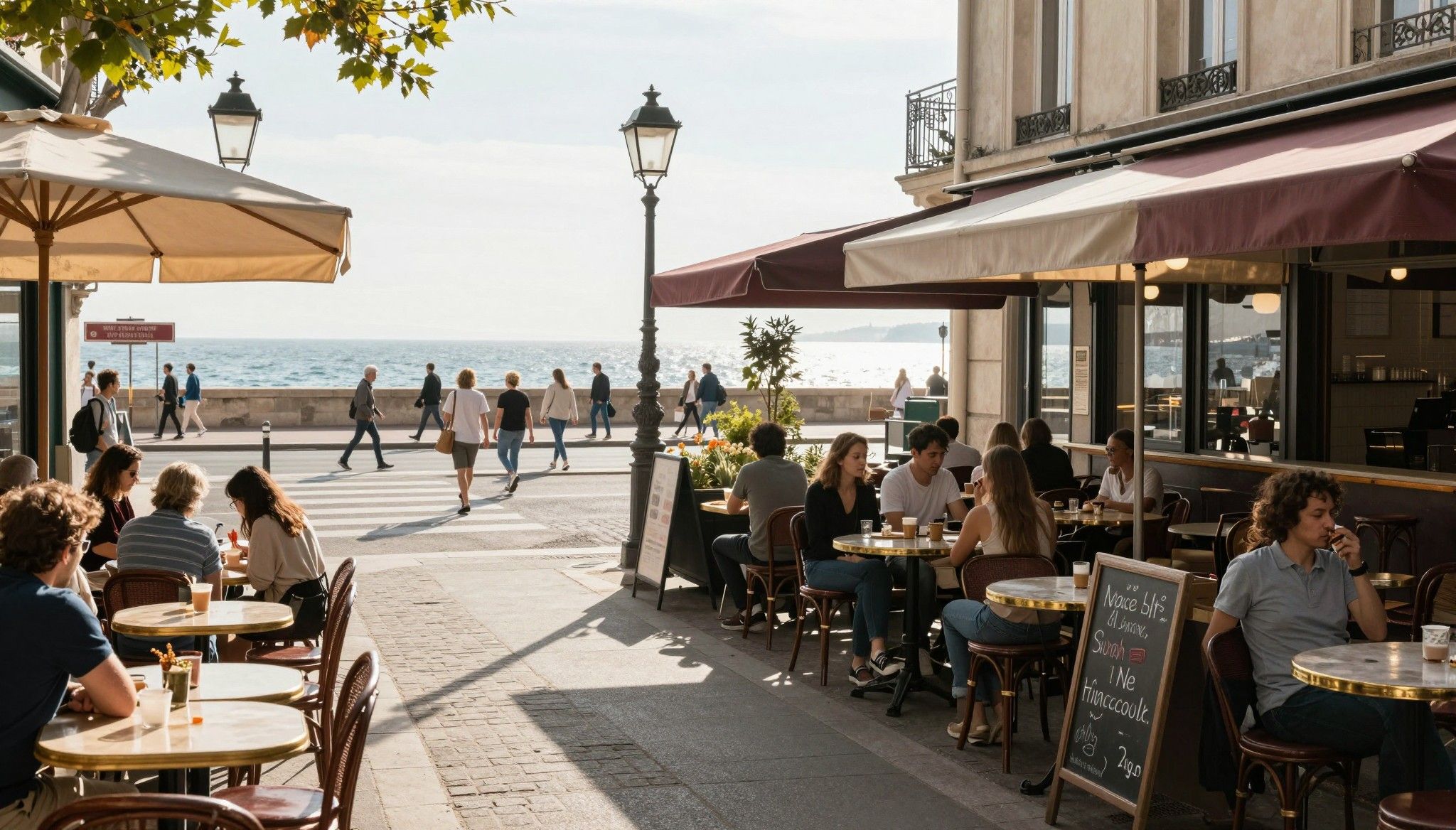
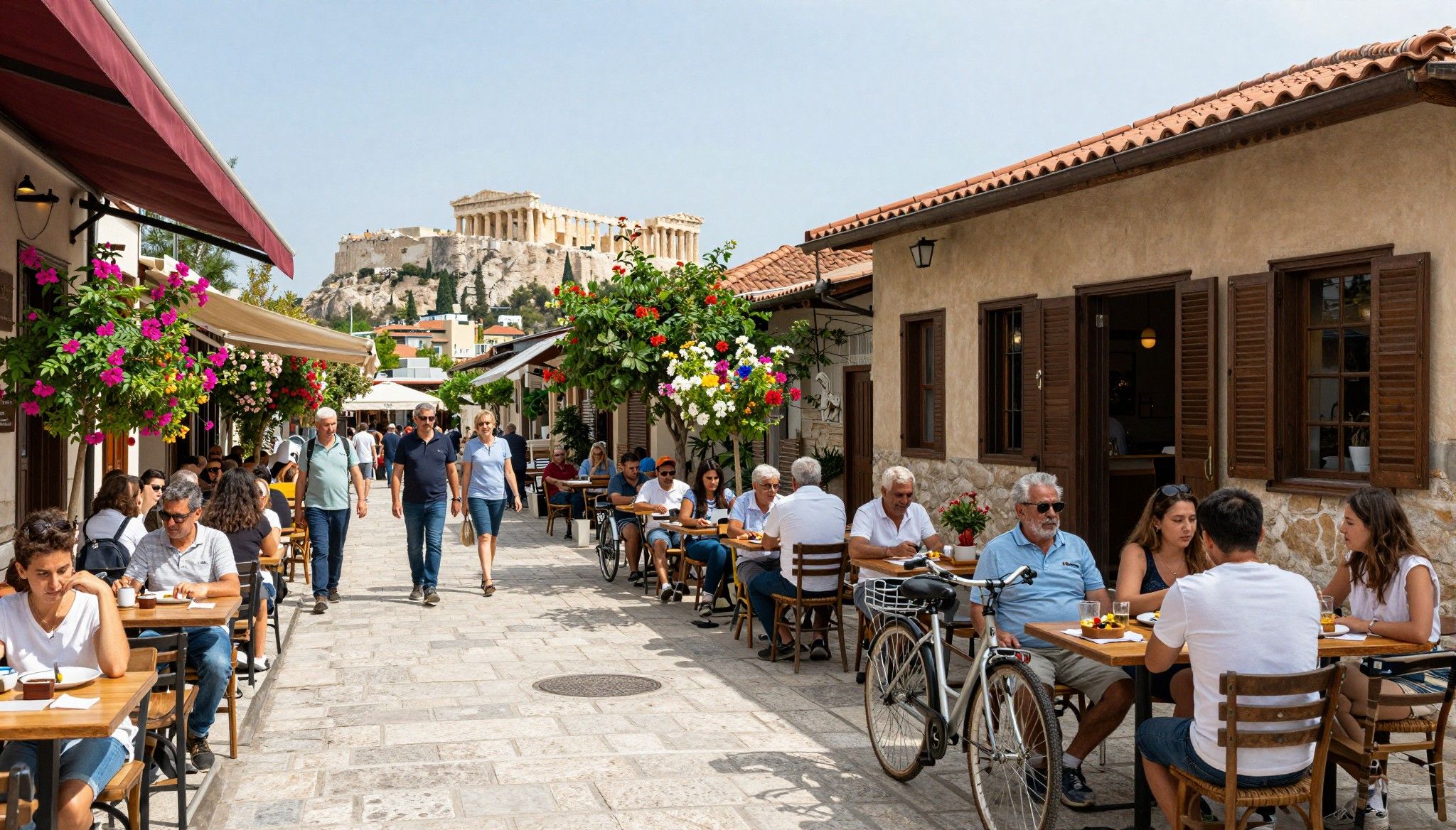
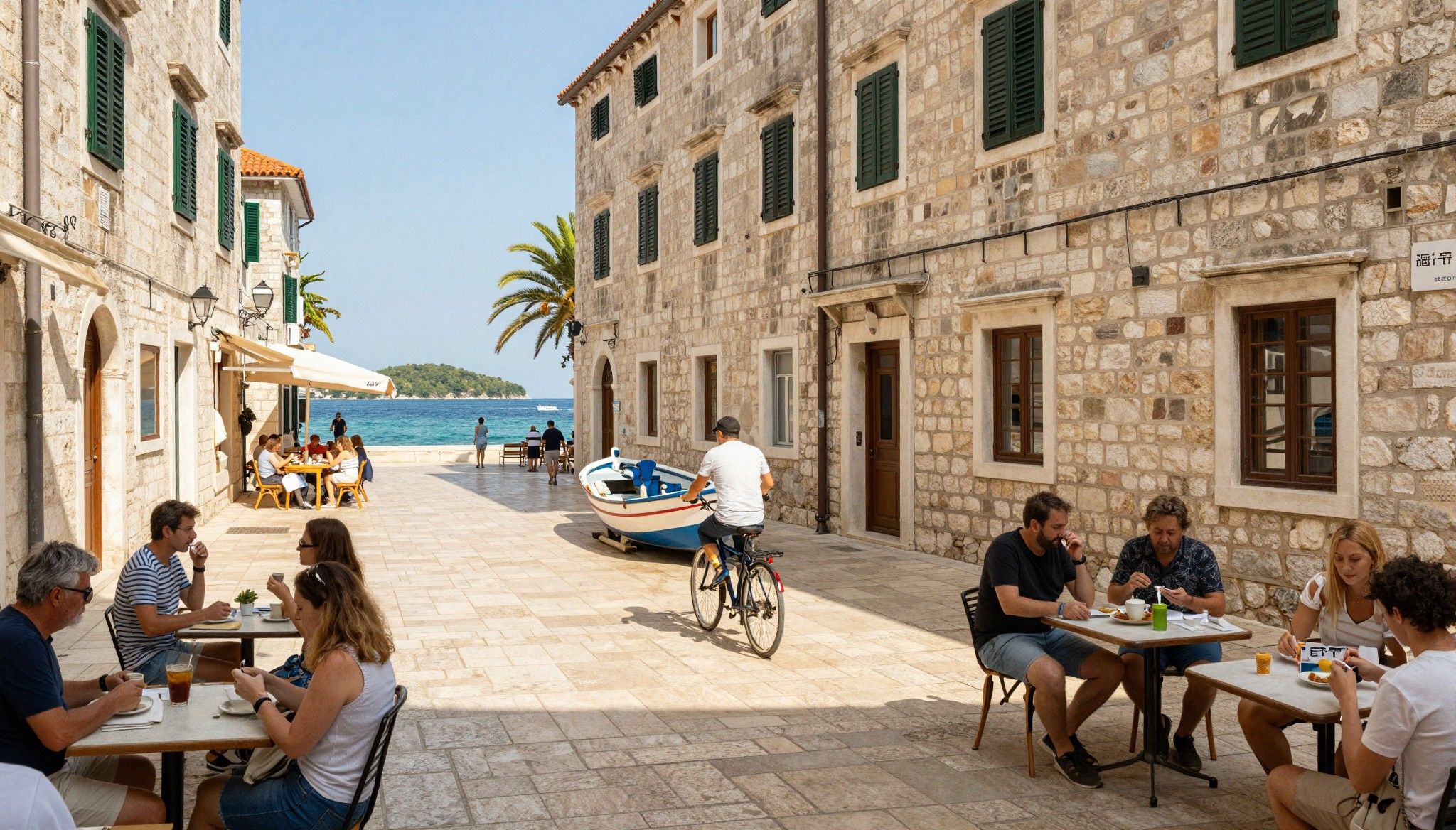
Summer House‑Hunting in Italy: Why Off‑Season Wins
Why house‑hunting in Italy during peak summer misleads buyers — visit in shoulder seasons, test daily rhythms and use local experts to match lifestyle to property.
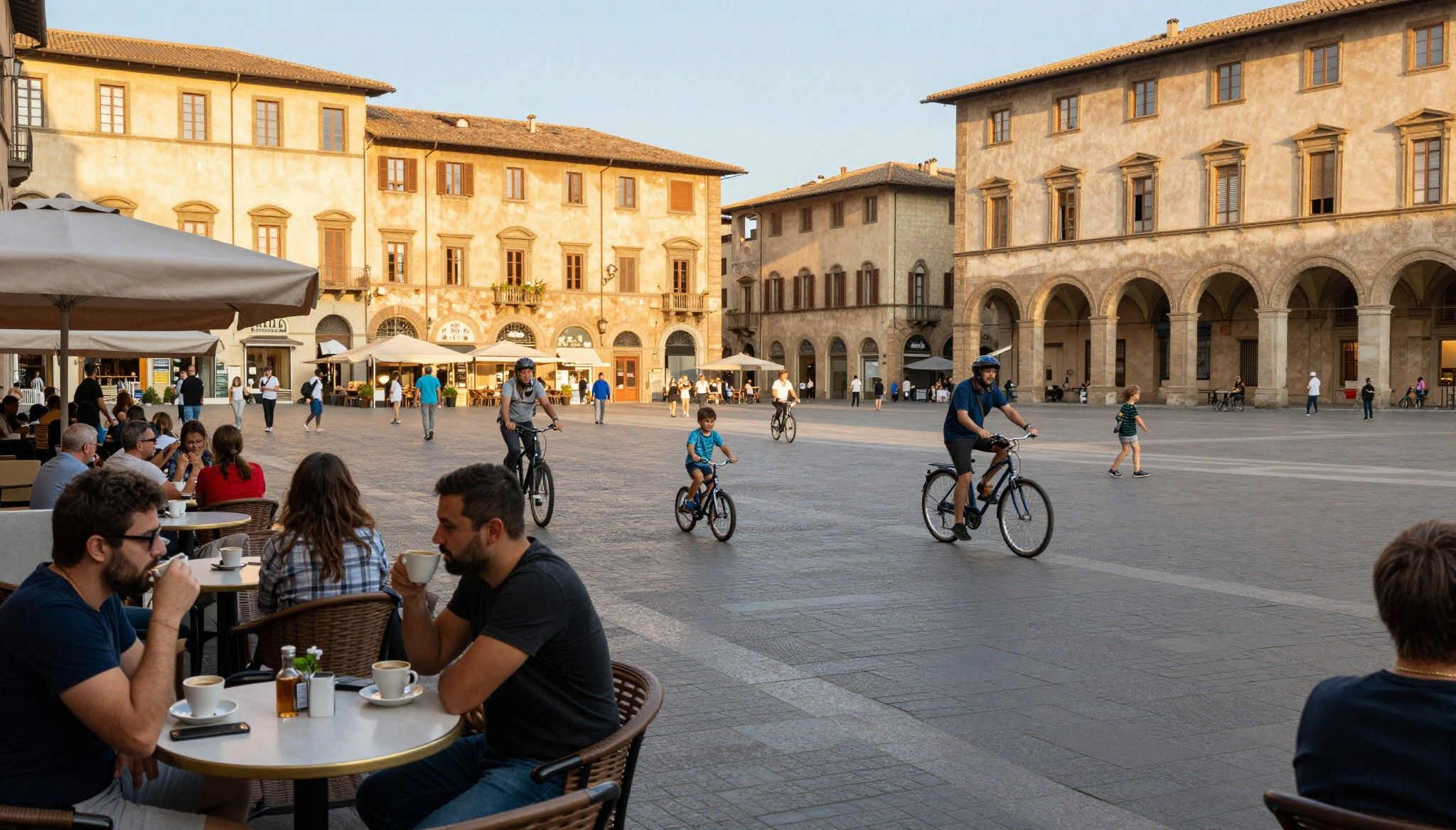
Imagine stepping out at 08:30 to buy bread in Trastevere, or watching fishermen land the day’s catch beneath pastel houses on the Amalfi Coast. Italy moves at a rhythm that blends slow mornings with lively evenings — a life organised around markets, small neighbourhood cafés and seasonal festivals. Yet the moment many international buyers choose to house‑hunt — high summer — often tells a different story about availability, prices and the clarity of decision‑making.
Living the Italy life: what you’ll actually feel
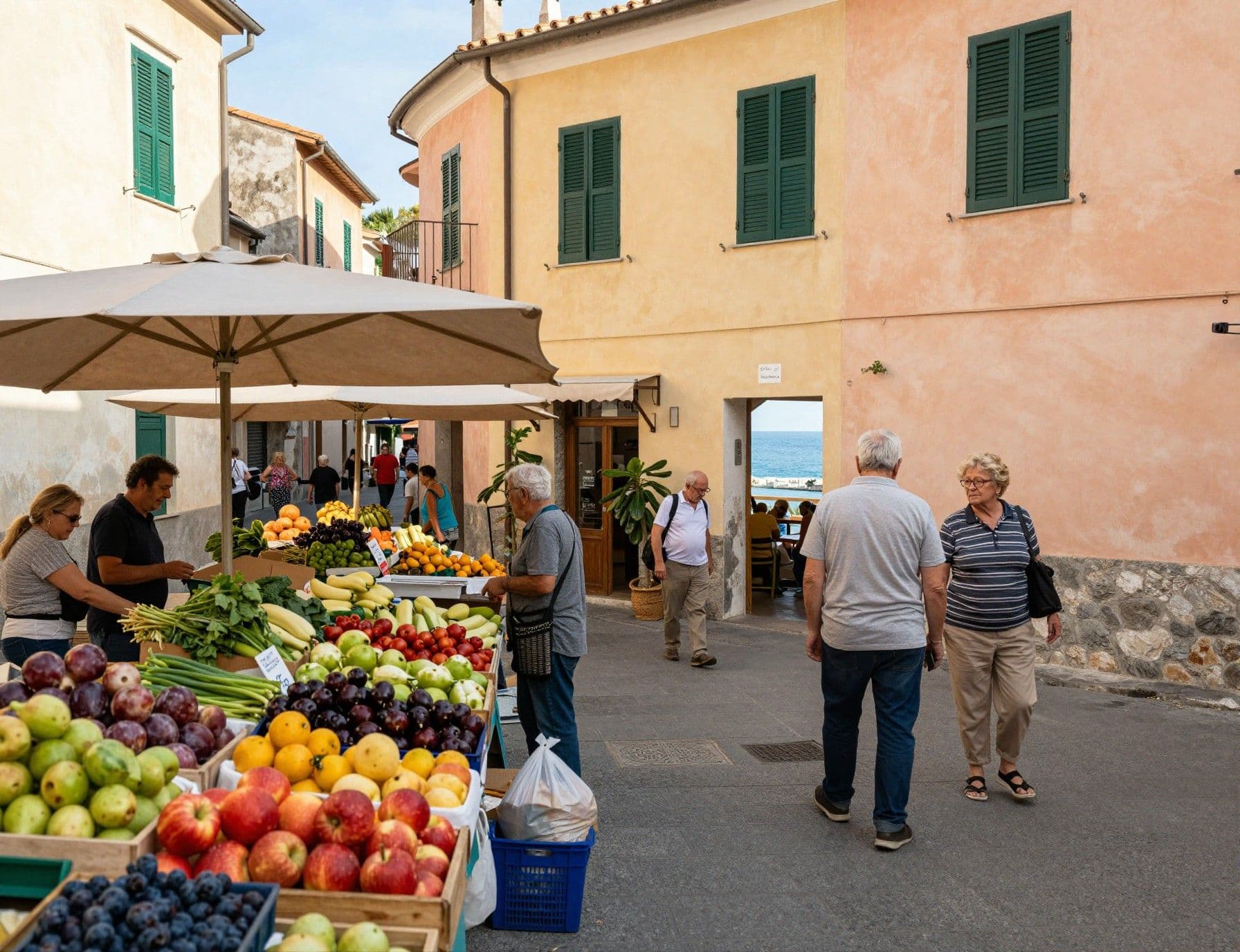
Life in Italy is multisensory: espresso steaming on tiled counters, market stalls piled with cherries and basil, and the clip‑clop of Vespas past apartment stairwells. These everyday scenes shape where you want to live — historic centro for narrow‑street charm, a tree‑lined Milanese corso for city rhythm, or a terrace that frames the Mediterranean light. Market snapshots show buyers still favouring non‑central locations for space and value, which changes the search brief for many internationals.
Neighborhood spotlight — Rome: Trastevere and Testaccio
Trastevere offers a village feel inside a capital city: cobbled lanes, family‑run osterie, and piazzas that fill after work. Nearby Testaccio keeps a quieter, food‑first character — think Mercado Testaccio and late‑night trattorie — and often delivers better value for buyers wanting authentic Roman life without tourist pressure.
Coast and small towns — Amalfi, Liguria, and Lake Como
The Amalfi Coast and Ligurian riviera offer postcard living: narrow lanes, sea‑sprayed terraces and neighbourhood bars where everyone greets you by name. Yet tourism rhythms can constrict rental windows and inflate asking prices in summer. Lake Como, by contrast, provides a four‑season appeal with year‑round residents and a steadier market for lifestyle buyers seeking calmer winter months.
- Lifestyle highlights to scout in person (not during peak August crowds): Piazza Trilussa, Rome; Mercato Centrale, Florence; Via Brera, Milan; Positano’s upper terraces; Villa Borghese sunsets; Porto Maurizio’s fishing harbour.
Making the move: practical realities that affect lifestyle choices
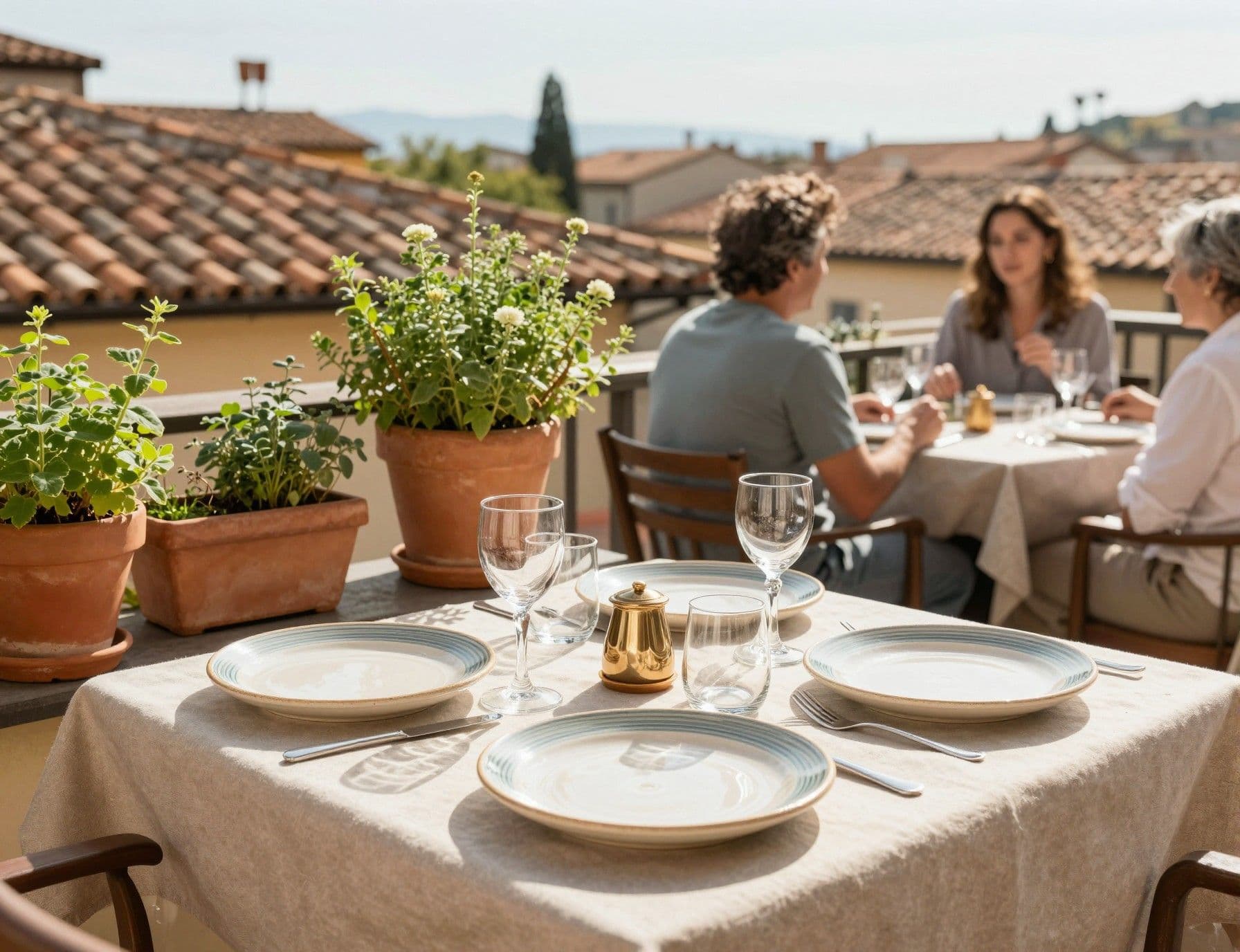
Dreams meet paperwork. Italy’s purchase sequence — offer, preliminary contract, notary‑led deed — is straightforward but filled with local checks that reveal true condition and rights. Foreign buyers enjoy the same purchase rights as Italians in most cases, but timing and presence matter: summer holidays can delay notaries, surveyors and municipal offices, slowing progress when you need speed.
Property types and how they shape daily life
Choose a city apartment and you’ll trade private outdoor space for walkability and immediate services. A countryside farmhouse offers land, privacy and seasonal rhythms but brings maintenance, utilities and travel trade‑offs. Coastal apartments deliver outdoor terraces and sea access — but consider insulation, dampness and tourism‑driven rental cycles when comparing comfort against resale or yield.
Working with local experts who preserve the lifestyle you want
- 1) Hire a bilingual agent who knows the neighbourhood rhythm; 2) Engage an independent surveyor before signing the preliminary contract; 3) Ask a local lawyer or notary to run land registry and planning checks; 4) Time visits outside peak tourist months so you evaluate noise, neighbour routines and true occupancy.
Insider knowledge: what expats wish they’d known before buying
Many expats tell the same story: they fell in love with a summer image — crowded terraces, festivals and long days — then discovered winters are slower, services different, and prices move outside the season. That mismatch affects utility costs, short‑term rental demand and even interpersonal expectations with neighbours who live year‑round.
Cultural integration and everyday practicalities
Learning key phrases, joining a local market day and being present at neighbourhood meetings will buy you more than polished negotiations. Italians value presence: registering your residency (anagrafe), understanding trash schedules and greeting café owners creates goodwill that smooths everything from building maintenance to tenancy for holiday lets.
Long‑term lifestyle: how choices age with you
- Consider these longevity factors when placing lifestyle ahead of price: proximity to healthcare and airports; walkability and access to markets; sound insulation for winter months; resale demand beyond tourist seasons; and adaptability for multi‑use living (guest space, rental, workspace).
Conclusion: skip the summer mirage. Visit in shoulder seasons, test morning routines, and ask your agent to show you the same street at 09:00, 14:00 and 20:00. If you love the place when it’s quiet, you’ll thrive there year‑round. Book a local agent who understands both lifestyle nuance and the municipal mechanics — they’ll turn a romantic impulse into a sound, lived choice.
Danish relocation specialist who has lived in Barcelona since 2016. Helps families move abroad with onboarding, schooling, and local services.