Greece: Lifestyle Rhythms That Should Shape Where You Buy
Experience Greece’s daily rhythms — island seasons, Athenian neighbourhood life — while using market data and local expertise to align lifestyle choices with liquidity and long‑term value.
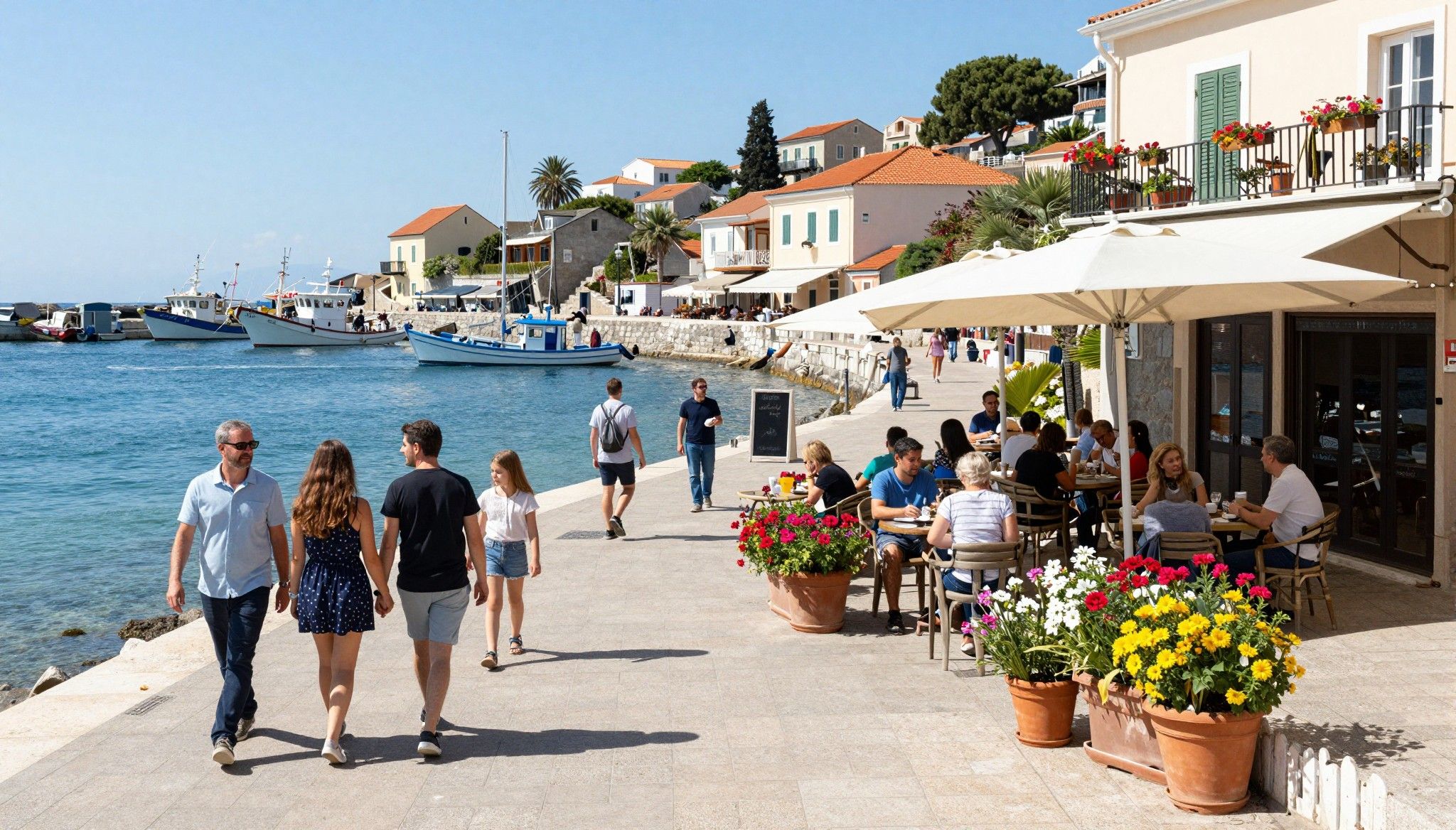
Imagine morning light on a small Athenian balcony: tinny traffic below, a neighbour ordering strong coffee, and the scent of orange blossom from a courtyard tree. That everyday clarity — food markets, late-night neighbourhood tavernas, island beaches that empty out in October — is what draws buyers. But Greece’s market is not only romantic: rapid price shifts, changing visa rules and island-by-island liquidity mean a lifestyle purchase needs local strategy.
Living the Greece lifestyle
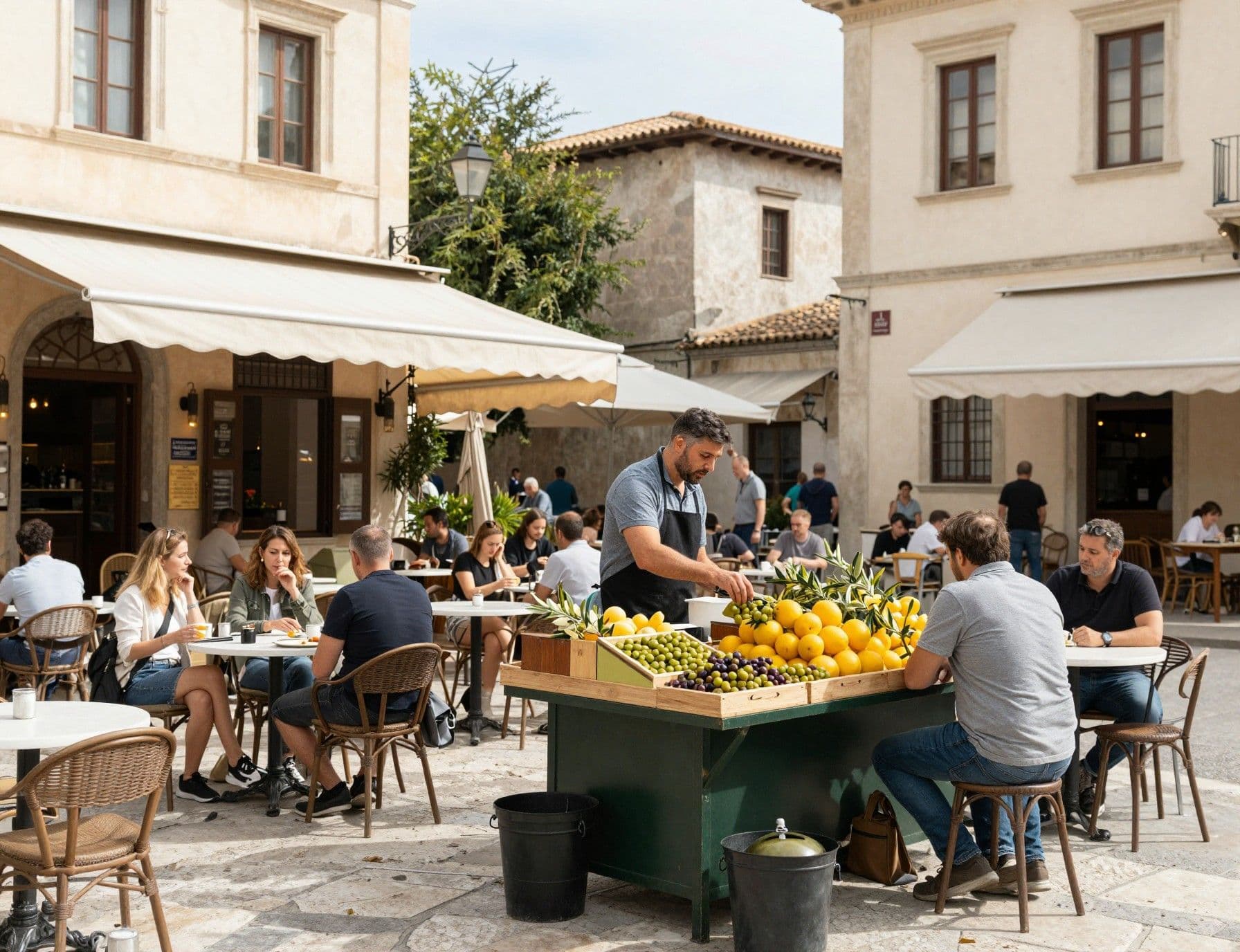
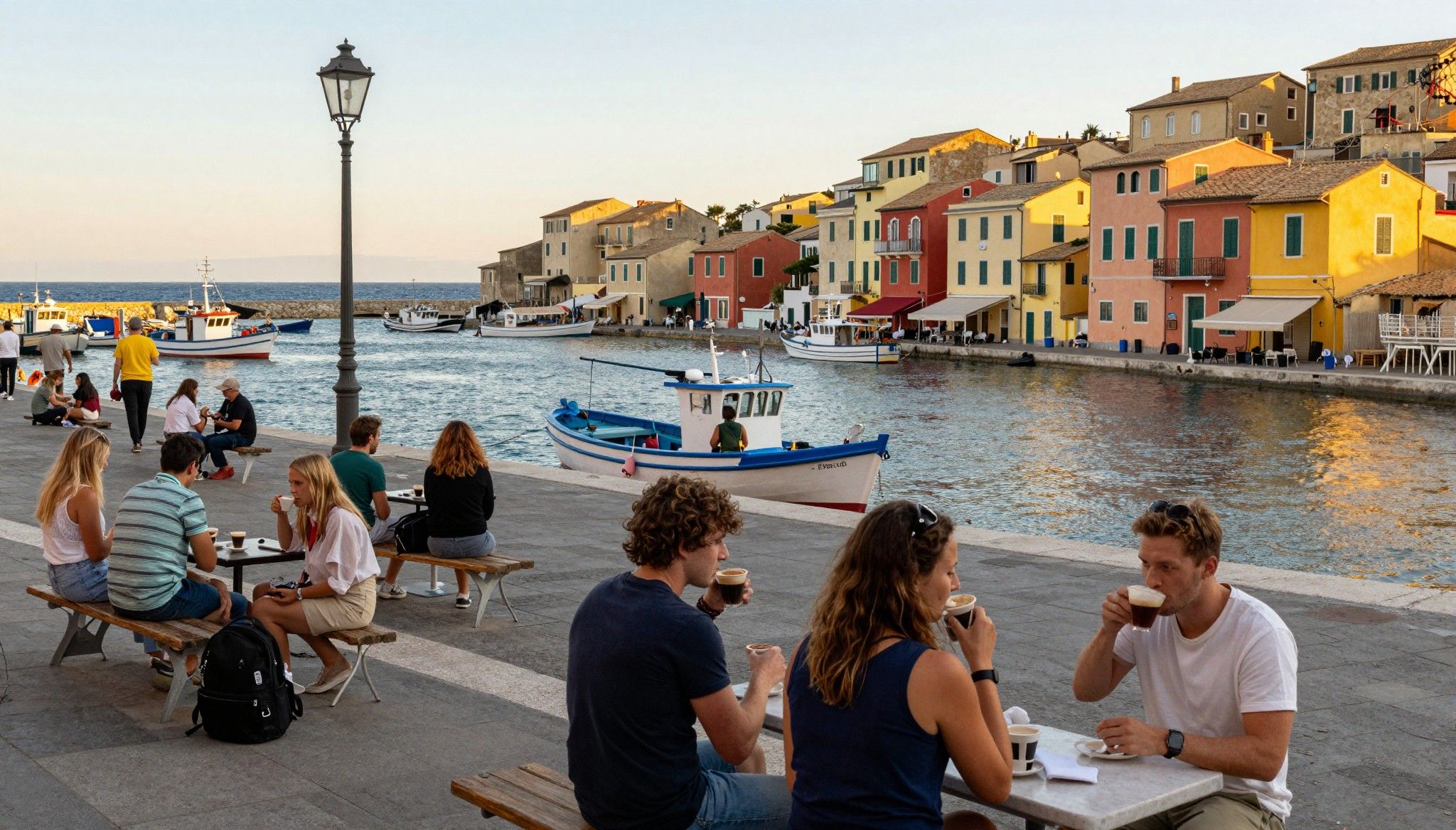
Day-to-day life in Greece balances slow and immediate pleasures: espresso at a kafeneio, a quick stop at an open-air market, and a late supper on a shaded square. Neighborhoods feel distinct — Athens’ Kolonaki hums with design shops and galleries, Exarchia offers a rebellious intellectual streak, while Plaka folds tourists into ancient streets. On the islands, Mykonos and Santorini pulse with hospitality businesses; Naxos and Syros feel more lived-in year-round. These rhythms shape what you’ll want from a property — proximity to a lively square matters as much as square metres.
Athens, Thessaloniki and island contrasts
Athens is compact and varied: Kolonaki and Kifissia sell convenience and culture, while Koukaki and Pangrati offer a slower local life with cafes and weekend markets. Thessaloniki blends port-city energy with a shorter tourist season and lower per-square-metre pricing. Islands split into two markets: high-demand Cyclades (Mykonos, Santorini) where foreign buyers dominate, and quieter islands (Evia, Lesvos, Naxos) where prices and liquidity are gentler.
Food, sea and seasons
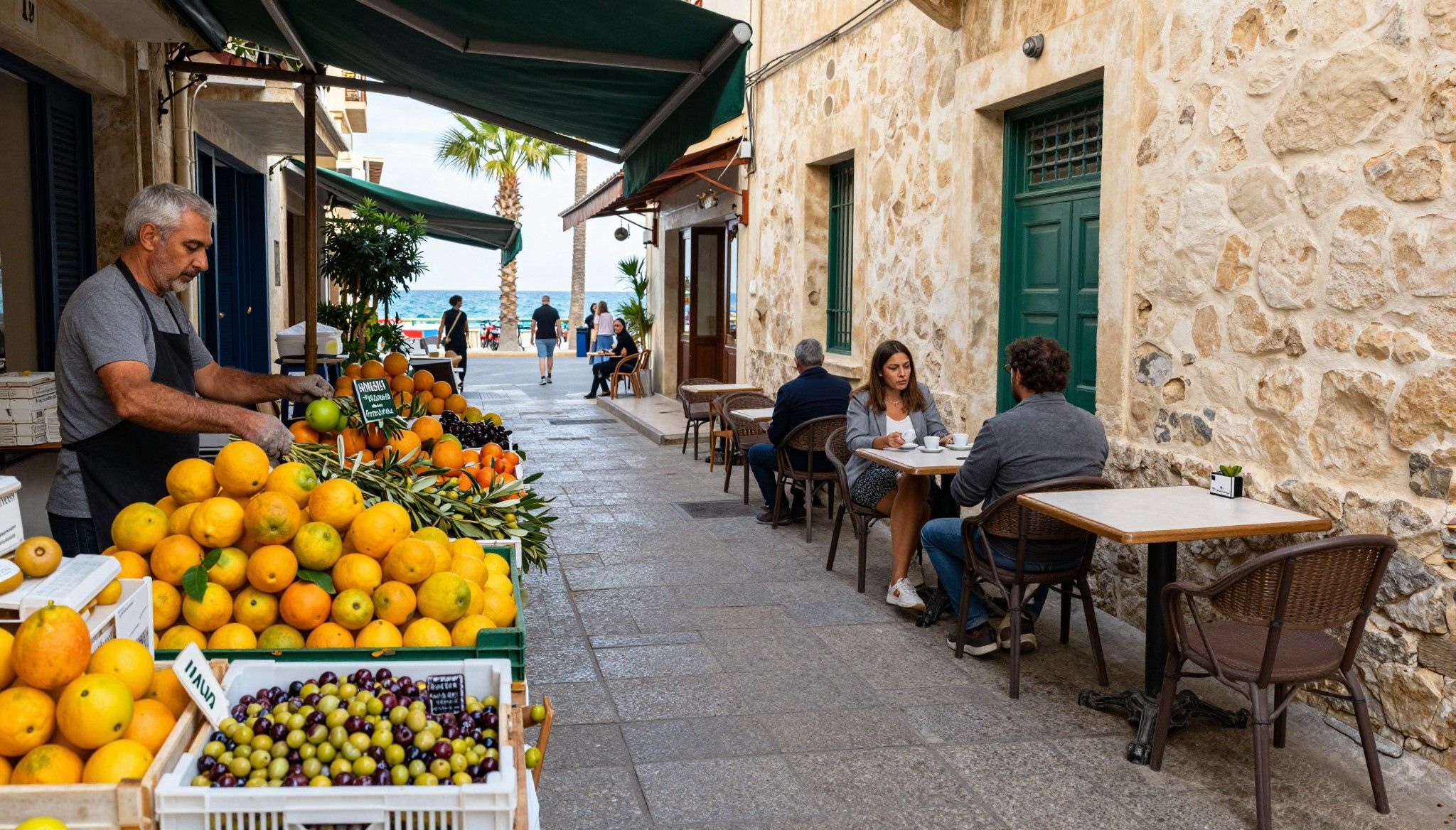
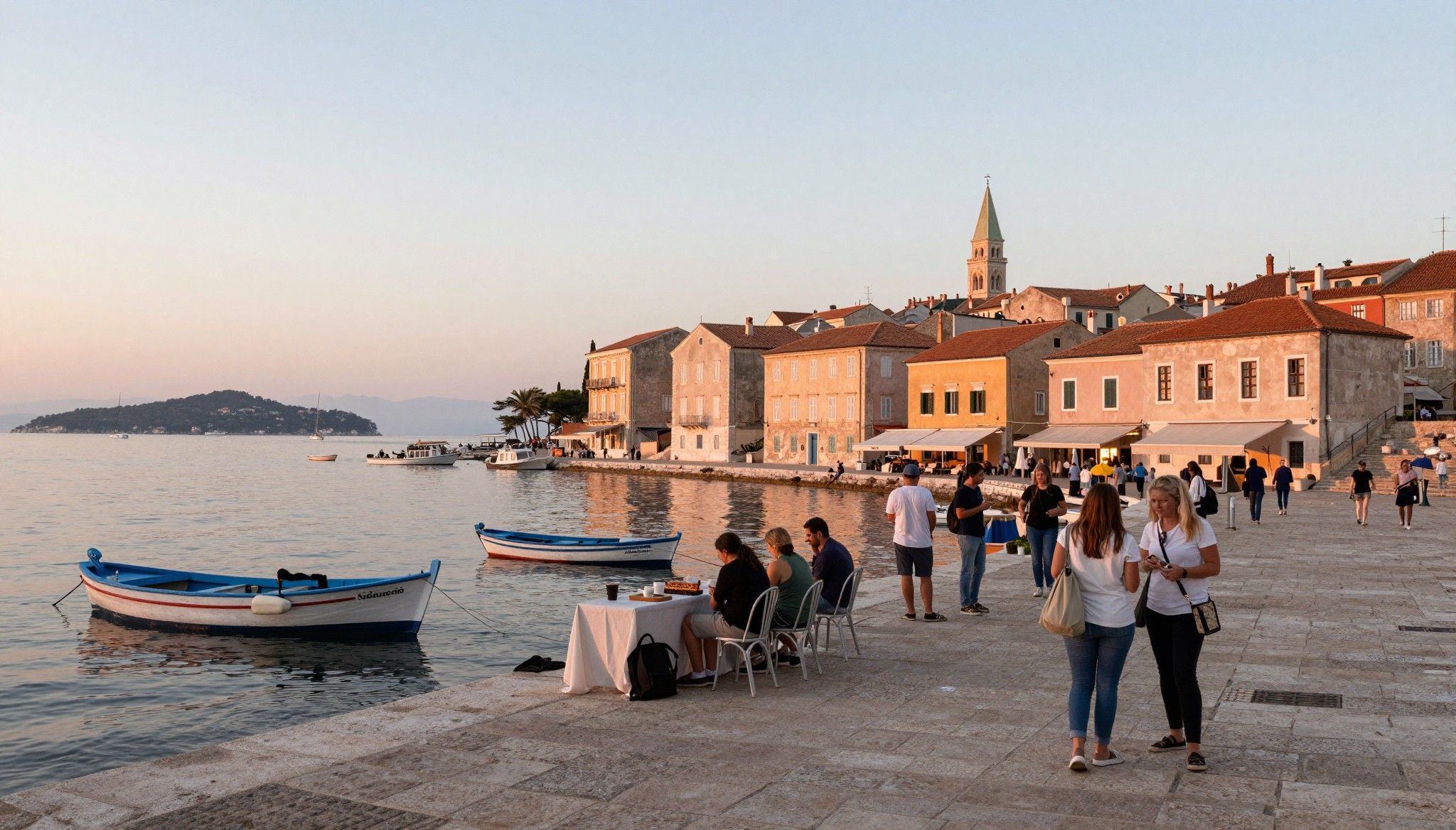
If food defines place, Greece is generous: morning fish at Varvakeios Market in Athens, midday mezze on a Cycladic terrace, and seasonal produce stalls in Chania. Summers bring long daylight and packed beaches; autumn and spring are quieter and excellent for house-hunting. The tourism calendar also alters rental demand — island high seasons compress revenue into a few months, while Athens offers steadier year-round occupancy.
- Kolonaki cafés, Varvakeios Market (Athens), Koukaki’s neighbourhood tavernas, Mykonos Little Venice walks, Naxos farming markets, Syros cultural festivals
Making the move: lifestyle meets market reality
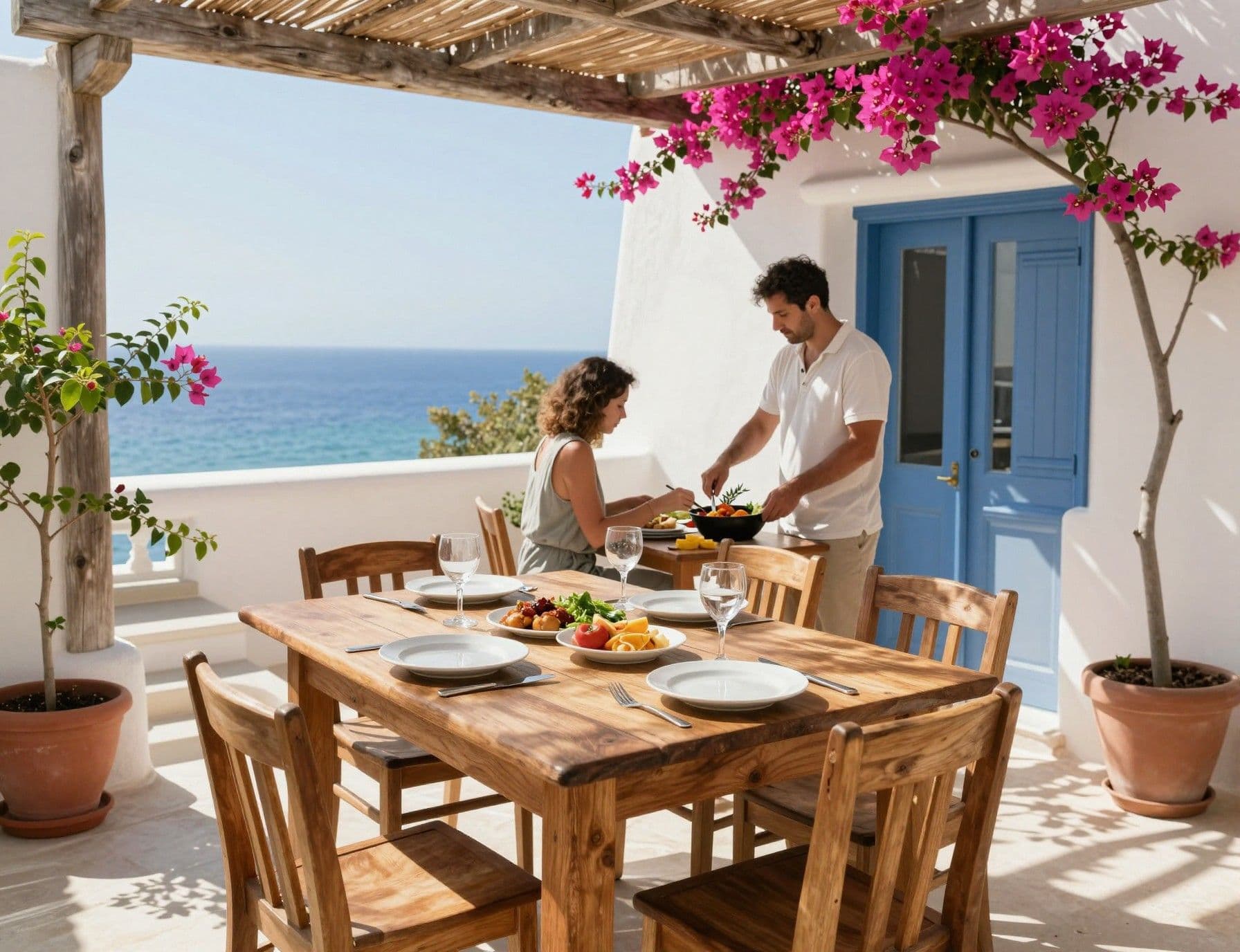
Romance and rhythm are the reason to buy; market mechanics decide whether the purchase holds value. Since Golden Visa reforms and strong post‑pandemic demand, prices have risen unevenly: prime islands and central Athens outpaced many other areas. National indicators show notable house price growth in recent years, driven by tourism, limited new supply and renewed investor confidence. That means buyers must align lifestyle priorities with liquidity expectations.
Property types and what they mean for living
New-build apartments in Athens give energy-efficiency and low maintenance, ideal for year-round living or long lets. Renovated neoclassical flats (center or islands) offer character but can hide refurbishment costs. Independent island villas buy privacy and views, but factor in utility resilience, delivery logistics and seasonal vacancy. Pick type to match how you’ll use the property: lived-in home, holiday retreat or short-term rental.
Working with local experts who respect lifestyle
- Hire an agent who demonstrates local knowledge beyond listings: 1) ask for walk-throughs of proposed neighbourhoods at different times of day; 2) request examples of recent sales with contactable buyers; 3) verify utility and renovation realities with a local architect; 4) confirm rental seasonality if you intend to let the property.
Insider knowledge: the things expats wish they'd known
The common surprises are cultural and practical. Greeks value personal relationships: introductions through local contacts speed processes. Expect slower administrative timelines than northern Europe, and seasonal fluctuations in services — many island artisans close outside summer. Energy costs and building maintenance can bite, so prioritise insulation and solar-ready infrastructure when buying.
Language, community and everyday life
You don’t need fluent Greek to live well here, but learning basics opens doors. Participate in a local festival, join a neighbourhood coffee morning, or volunteer at a community taverna night to meet neighbours. Expat hubs form quickly around language schools, international clinics and marina communities — use these networks to build practical support for legal, tax and maintenance matters.
Long-term lifestyle and practical considerations
- Consider these long-term factors: steady demand in Athens versus seasonal island liquidity; maintenance realities for older buildings; the impact of tourism policy and visa reform on rental returns; and climate risks (hotter summers, wildfire risk in some regions). Balance emotional value (a beachside terrace) with exit planning — can you re-let or sell if circumstances change?
Practical next steps: visit in shoulder seasons to see real rhythms, brief an adviser on local taxes and title checks, and have a renovation contingency of at least 10–15% for older properties. Use a local lawyer for title searches and a registered surveyor for boundary and building checks. Make lifestyle priorities explicit: daily café access, proximity to healthcare, or marina berths will change which neighbourhoods make sense.
- 1) Visit in May or October; 2) shortlist three neighbourhoods (one urban, one coastal, one quieter island); 3) ask agents for comparable local sales; 4) commission a pre-purchase survey and lawyer check; 5) factor in seasonal rental yield vs personal use before agreeing price.
Greece rewards buyers who pair taste with discipline: choose the neighbourhood that fits the life you imagine, then validate that life against data — recent sale comparables, seasonal occupancy rates and service availability. The right agency becomes your lifestyle translator: they’ll show you where morning markets meet viable resale or rental demand, and where the postcard view comes with fragile liquidity.
Conclusion: Picture yourself sipping an evening ouzo in a small square, key in hand. That scene is real — but protect it by using local expertise, checking seasonal patterns and planning for maintenance and exit options. If the lifestyle fits, Greece offers both the sensory life and the market momentum; the buyer who pairs curiosity with careful local due diligence stands to enjoy both.
Norwegian market analyst who relocated to Mallorca in 2020. Focuses on data-driven market insights and smooth relocation for international buyers.