When Greece’s Summer Shine Masks Long‑Term Value
Greece’s summer gloss can mislead buyers. Prioritise year‑round neighbourhood life, permit checks and post‑season visits to match lifestyle with durable market value.
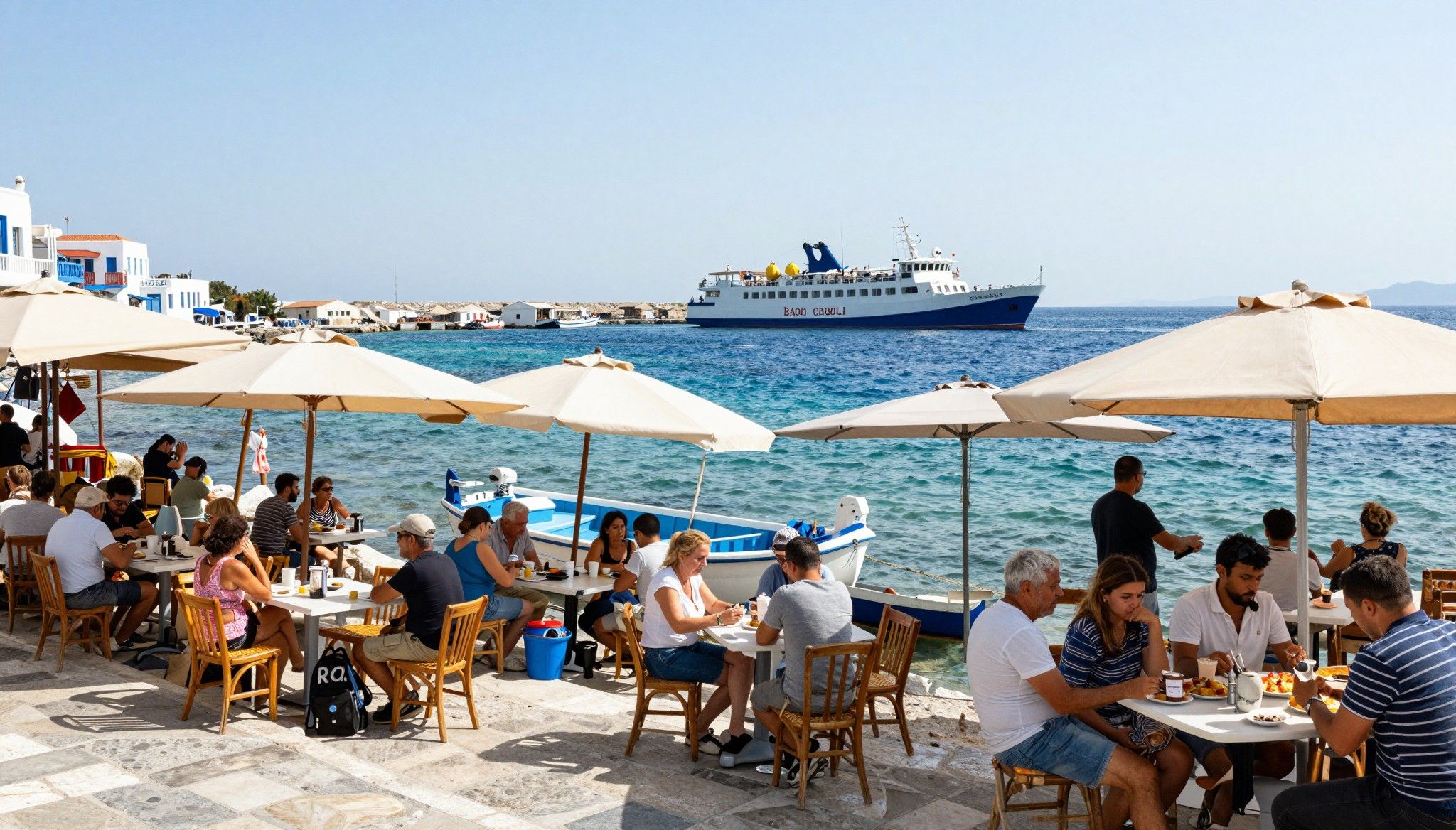
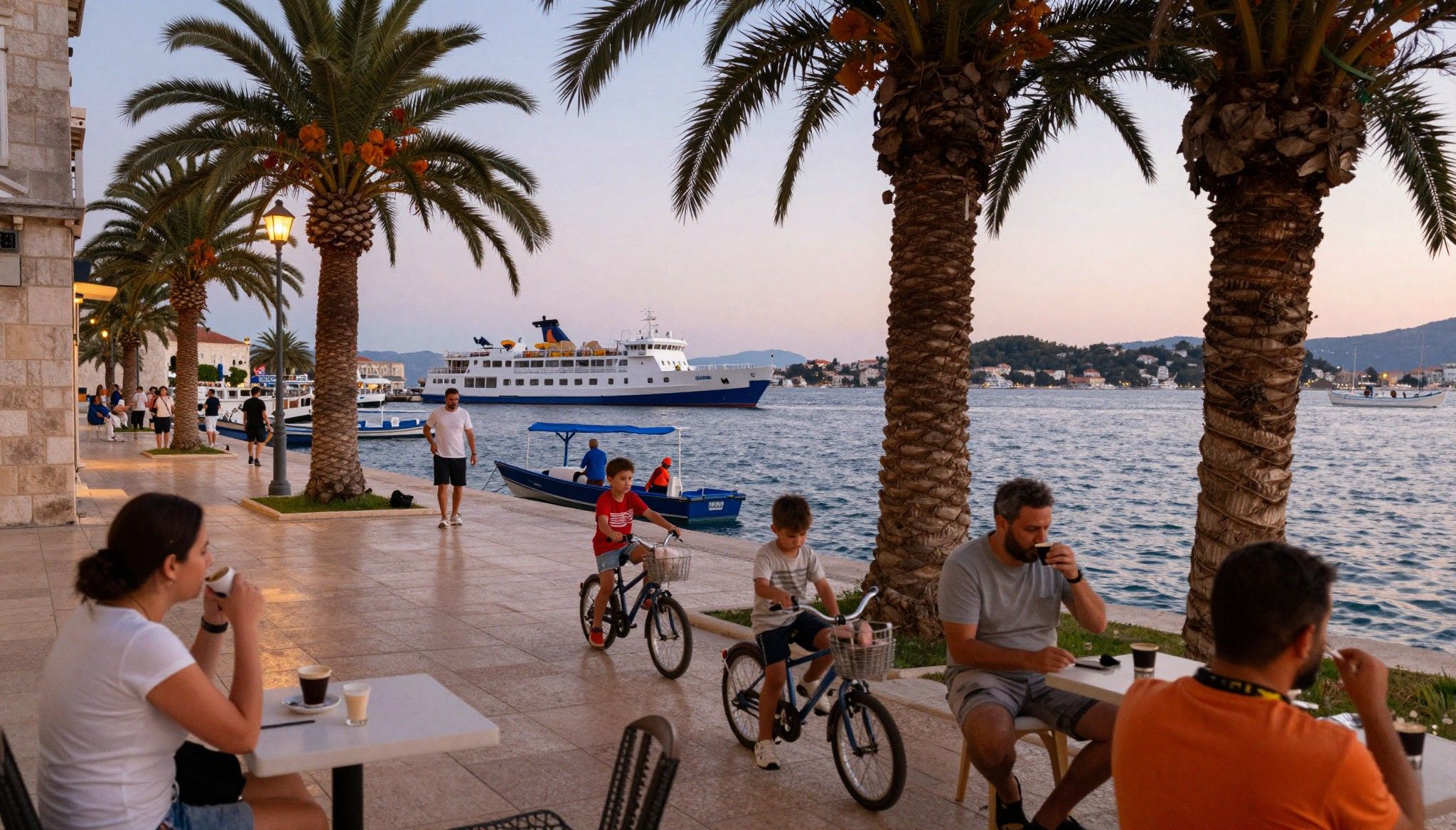
Imagine strolling from a sunlit kafeneio on Koukaki’s tree-lined streets to an ice-blue ferry cutting through the Aegean by dusk. Greece lives in moments — long café mornings, neighbourhood markets that trade gossip with produce, and island evenings that unfold slowly. But that sensual rhythm can mislead buyers who only see a postcard season. Here I show where Greece’s summer illusion distorts value, which neighbourhoods locals quietly favour, and the practical moves that keep your investment resilient.
Living the Greece lifestyle: more than sun and postcards
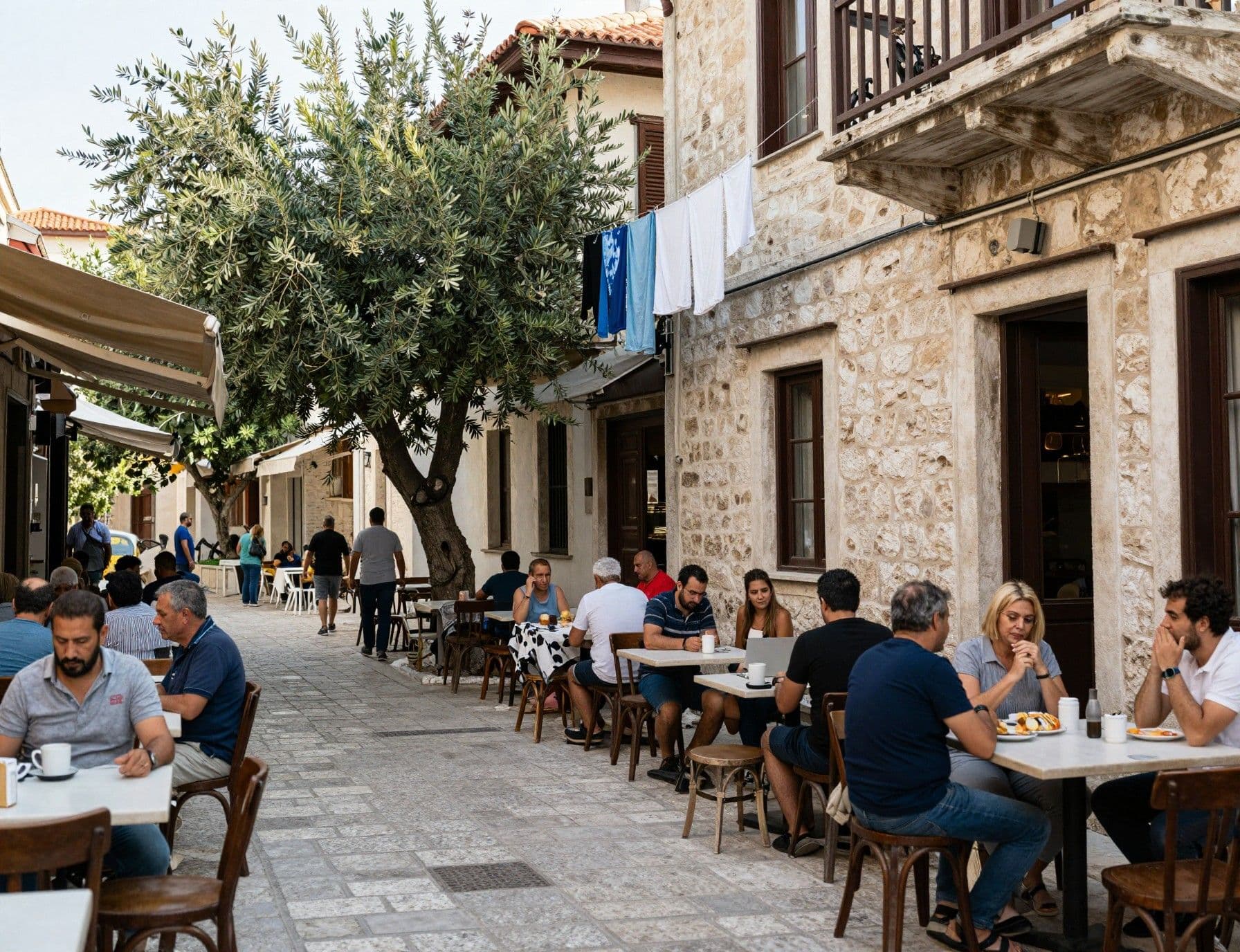
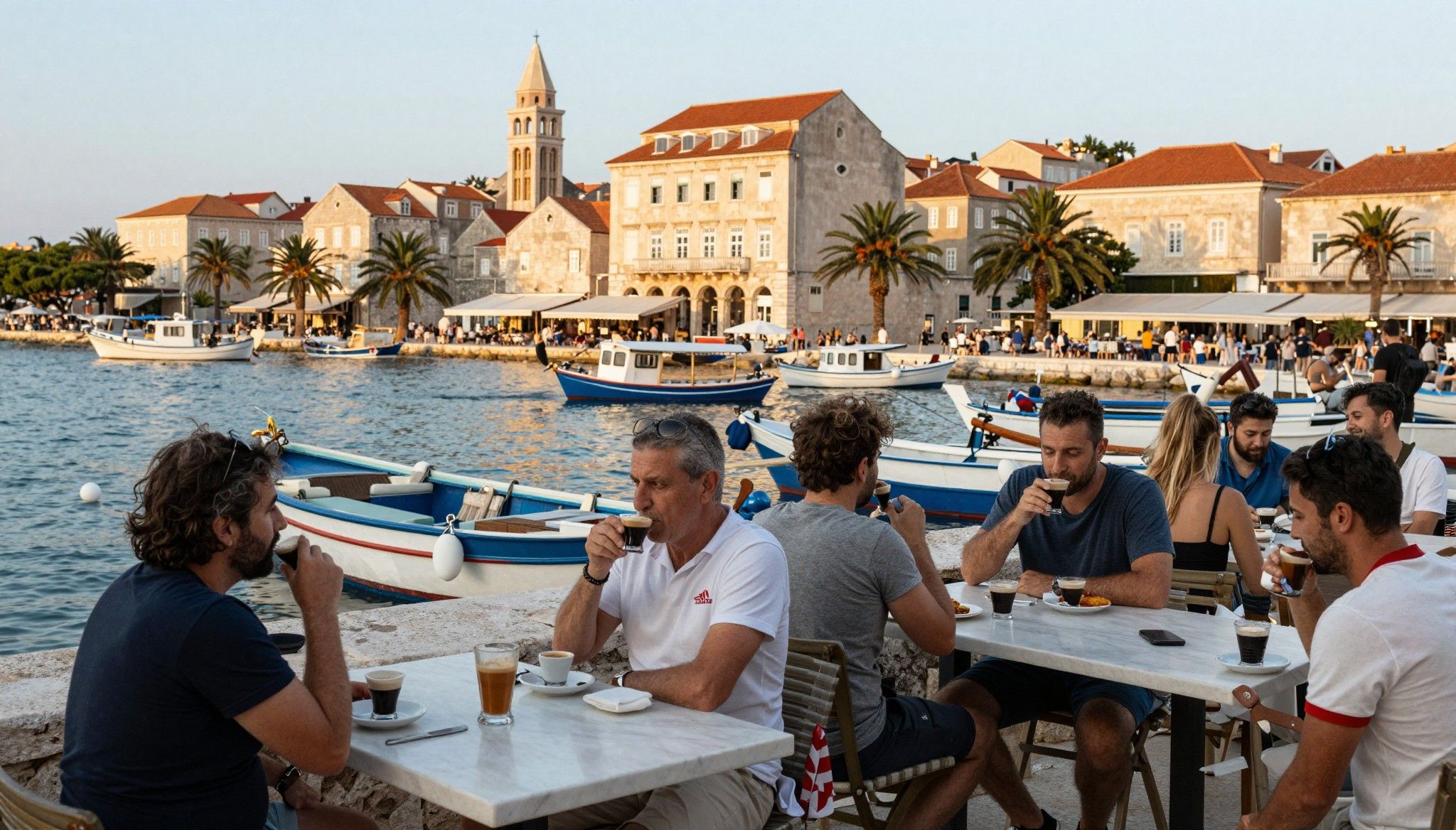
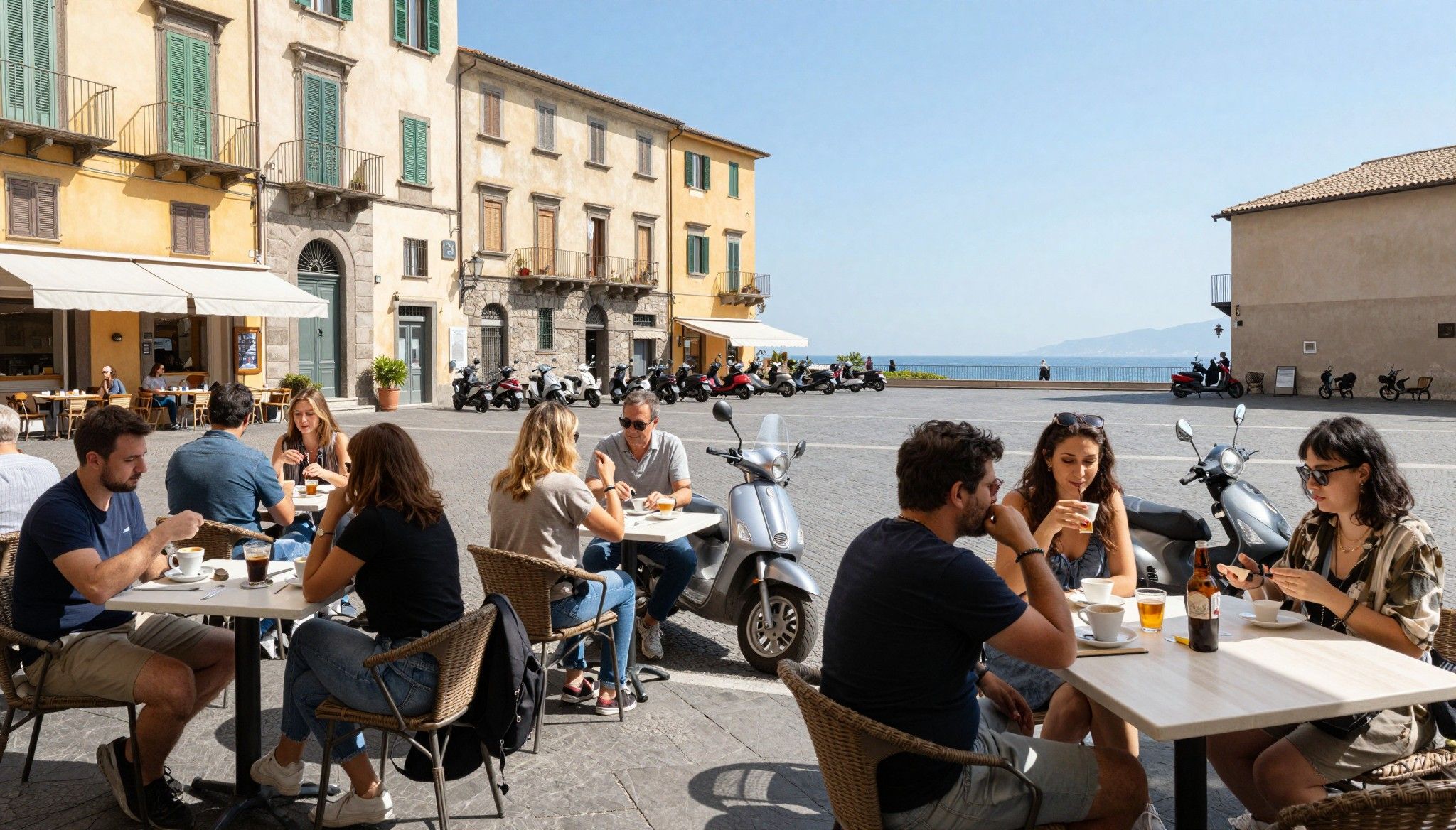
You don’t move to Greece for an Instagram photo; you move for the small daily rituals. Picture morning espresso at Kafenio Avra in Koukaki, late-afternoon swims on Vouliagmeni’s pebble bays, and weekly market runs at Varvakios in central Athens. In Athens, neighbourhoods like Koukaki and Kifisia trade tourist gloss for resident life: bakeries open at 06:30, grandparents occupy the squares, and small tavernas know your order. On the islands, Chania’s old Venetian harbour or Naxos’ Chora feel lived-in outside July and August — the real rhythm is spring and autumn.
Athens neighbourhood spotlight: Koukaki, Plaka and Psyri
Koukaki is a lesson in balance — 10 minutes on foot from the Acropolis yet calm after 21:00. Walk down Veikou and you’ll find small grocers, a handful of craft bakeries and block parties in summer. Plaka offers historic charm but a tourist tempo; Psyri trades nightlife energy for locals’ tavern clusters. If you want daily life, look at streets two blocks from the main squares where residents live — these hold better long-term community value than postcard strips.
Island pulse: Chania, Paros and under-the-radar spots
Not every Cycladic island runs on Mykonos‑style peak prices. Chania (Crete) and Paros keep vibrant local economies year-round: fishing harbours, winter olive work, and small artisan communities. Look for islands with active primary schools and year-round services — these are the micro-markets that resist summer-only pricing. For lifestyle buyers, a home near a daily bakery, a reliable healthcare clinic and a port with regular ferry links beats an isolated villa with a July-only calendar.
- Lifestyle highlights to prioritise when scouting properties:
- Daily routine essentials: cafés open before 08:00, an accessible market, and a neighbourhood pharmacy.
- Year‑round community signs: primary school, municipal services, and local clubs or sports teams.
- Connectivity: a ferry port or airport within 60–120 minutes and reliable internet for remote work.
Making the move: practical considerations tied to lifestyle
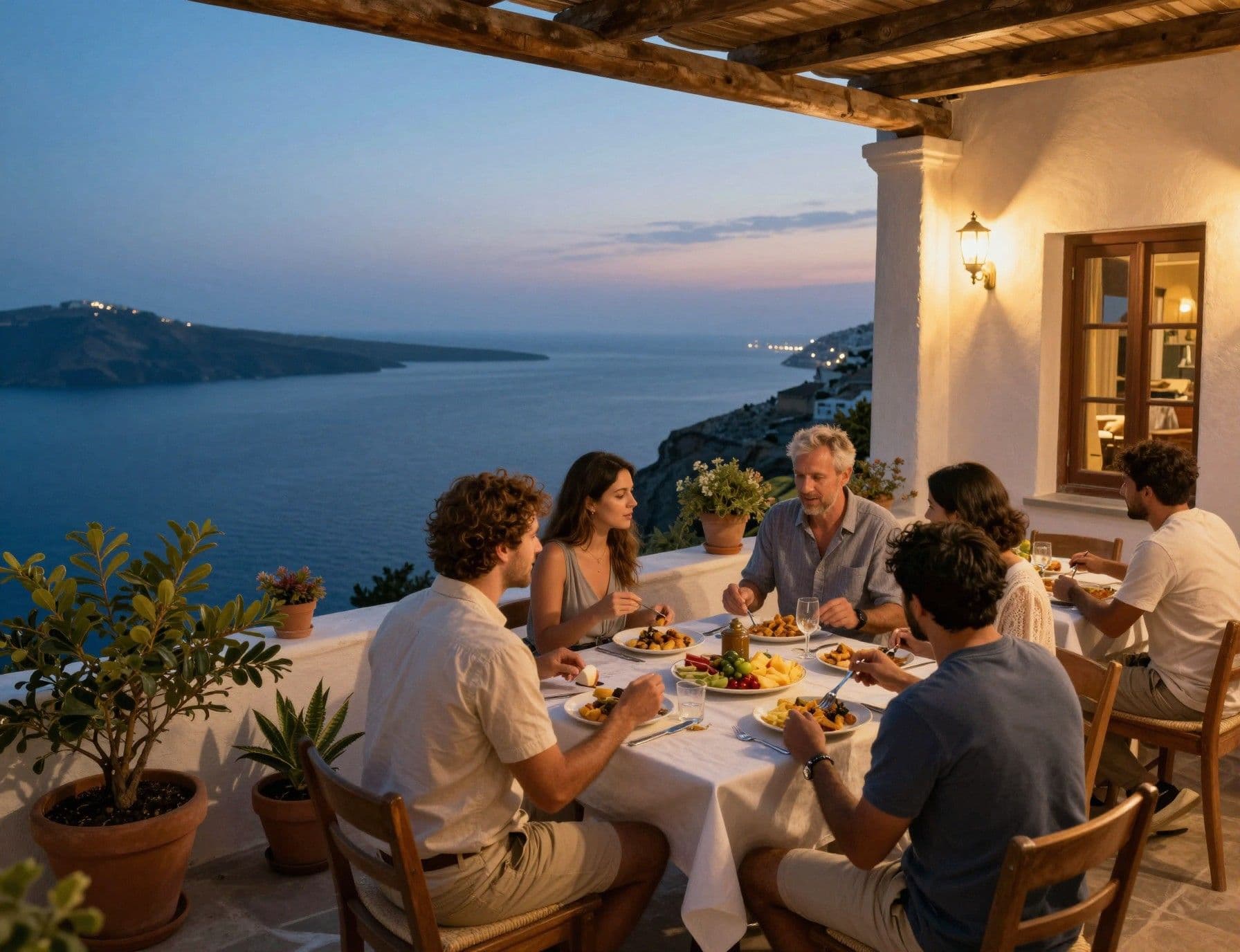
Greece’s housing market has strength and nuance. National indices show continuing price growth, led by new-build apartments in major cities, while inventory remains constrained in desirable island markets. Use market data to temper summer impressions: prices listed in July often reflect tourist-driven demand and short-term rental potential rather than durable community value. Bank of Greece data is essential when comparing headline prices to deeper market trends.
Property styles and how they shape daily life
Stone houses with courtyards suit slow‑season living: thick walls keep interiors cool in summer and warm in winter. Modern Athenian apartments trade terraces for proximity to services and cultural life. New builds often include communal roof terraces or parking — useful in Athens but less meaningful on a small island where sea access matters more. Match the property type to the life you want: terrace dinners and neighbourhood walks or isolated sea views and seasonal rentals.
Work with local experts who understand rhythm, not just price
Local agents, lawyers and architects are your translators of lifestyle into contracts. Changes to residence-by-investment rules in 2024 altered thresholds for popular areas; that affects which properties are targeted by foreign buyers and where liquidity concentrates. Use lawyers to confirm permit histories and agents who can show off-season street life, not only the height of summer. Practical checks — building permits, seismic retrofitting, and utility reliability — deliver the lifestyle you expect year-round.
- Steps I recommend for lifestyle‑driven buyers:
- Visit outside July–August to assess neighbourhood life: cafes, schools, transport and noise levels.
- Ask for utility bills and building safety certificates; have an engineer inspect for damp, seismic compliance and insulation.
- Compare rental averages with gross yields (market sources vary); account for seasonal vacancies when modelling returns.
Insider knowledge: what expats wish they’d known
Expat returnees often tell the same story: they fell for a summer buzz, bought near the port, and discovered October solitude. The smarter buyers weigh community essentials — a winter supermarket, an active local clinic, and year-round ferry schedules. New Golden Visa rules (2023–2024) tightened thresholds in sought-after areas; that pushed investor flows toward secondary islands and regional cities, where daily life and affordability can be stronger long-term bets.
Cultural integration: more small kindnesses than big gestures
Learning simple Greek phrases, shopping on market day, or volunteering at a local association unlocks community faster than any contract clause. Greeks value reciprocity: neighbours who know your name will look after your home in winter. For buyers planning to rent, local relationships with tavernas and small businesses create the best long-term tenant pools and steady word-of-mouth referrals.
Longer-term lifestyle signals to watch
Follow indicators beyond tourist bookings: school enrolments, health clinic openings, and new seasonal-to-permanent ferry links. Gross rental yields in Greek cities average mid‑single digits, but geography matters — urban apartments differ from island villas. Municipal investment projects, pedestrianisation schemes and cultural festivals can flip a neighbourhood’s lifestyle appeal and, eventually, its price trajectory.
- Red flags that kill lifestyle value:
- Properties sold primarily with rental income promises and no booked off-season history.
- Homes without proper building permits or seismic certificates in an earthquake-prone country.
- Isolated villas dependent on summer services (no winter refuelling, medical access, or grocery supply).
Greece rewards buyers who prioritise lived experience over postcard factors. Visit in shoulder seasons, talk to neighbours, and anchor decisions in data: Bank of Greece indices, local municipality plans and recent legal changes to residence schemes all matter. When you pair sensory discovery with these verifiable signals, you buy both a life and an asset that can weather Greek seasonality.
If you’re ready to explore, start by shortlisting areas where daily life matches the season you plan to live (spring–autumn or full year), ask your agent for off‑season walk‑throughs, and commission a local lawyer to check permits and any Golden Visa implications. The right agency will show you the café, the clinic, and the quiet street — not just the sunset shot.
Norwegian market analyst who relocated to Mallorca in 2020. Focuses on data-driven market insights and smooth relocation for international buyers.