Croatia Rhythm: Lifestyle Signals That Should Shape Where You Buy
Live the Adriatic rhythm — and buy with care. Croatia’s coastal charm masks fast price growth and micro-market risk; marry lifestyle choices to data, local counsel and season-aware viewings.
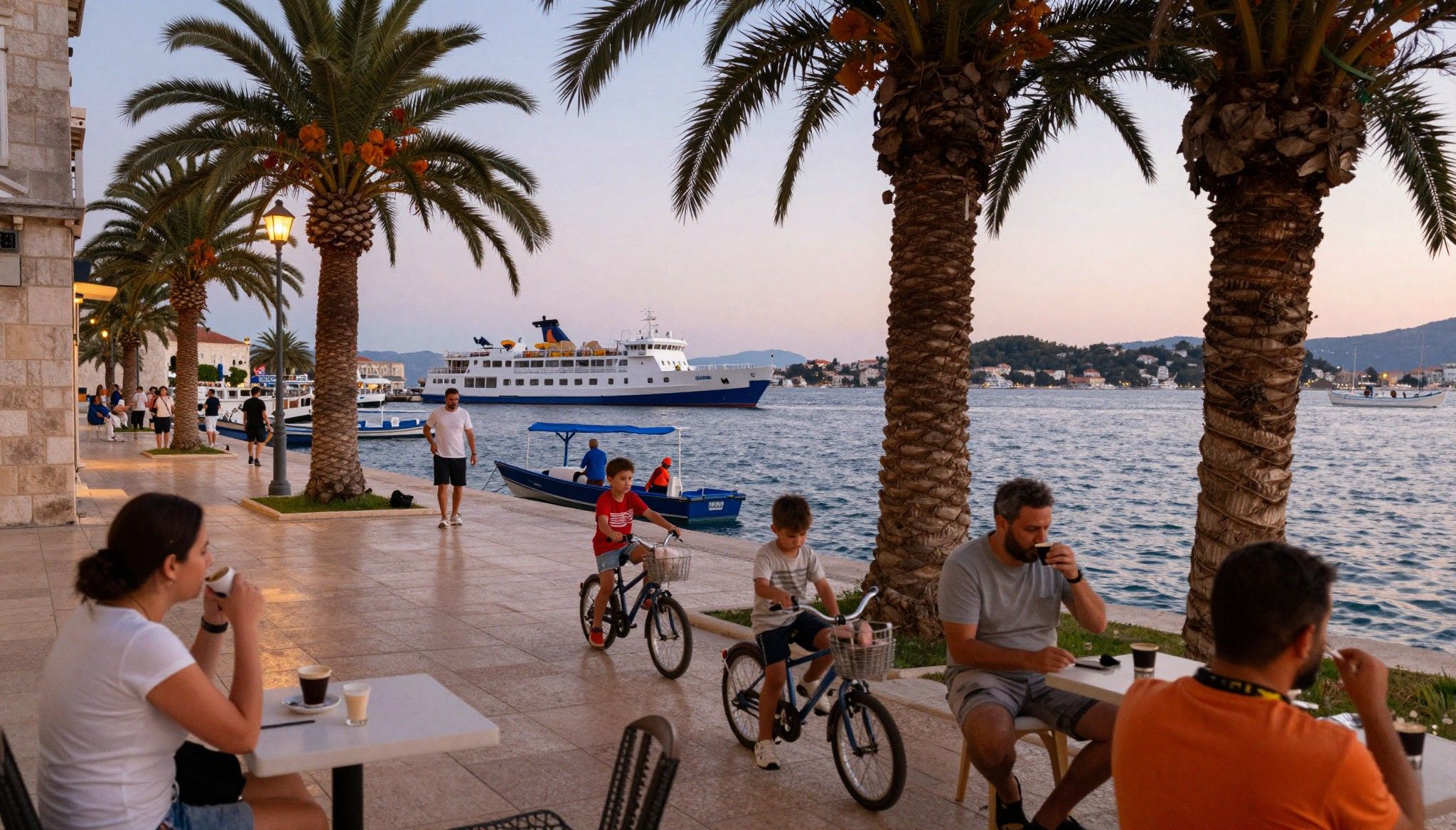
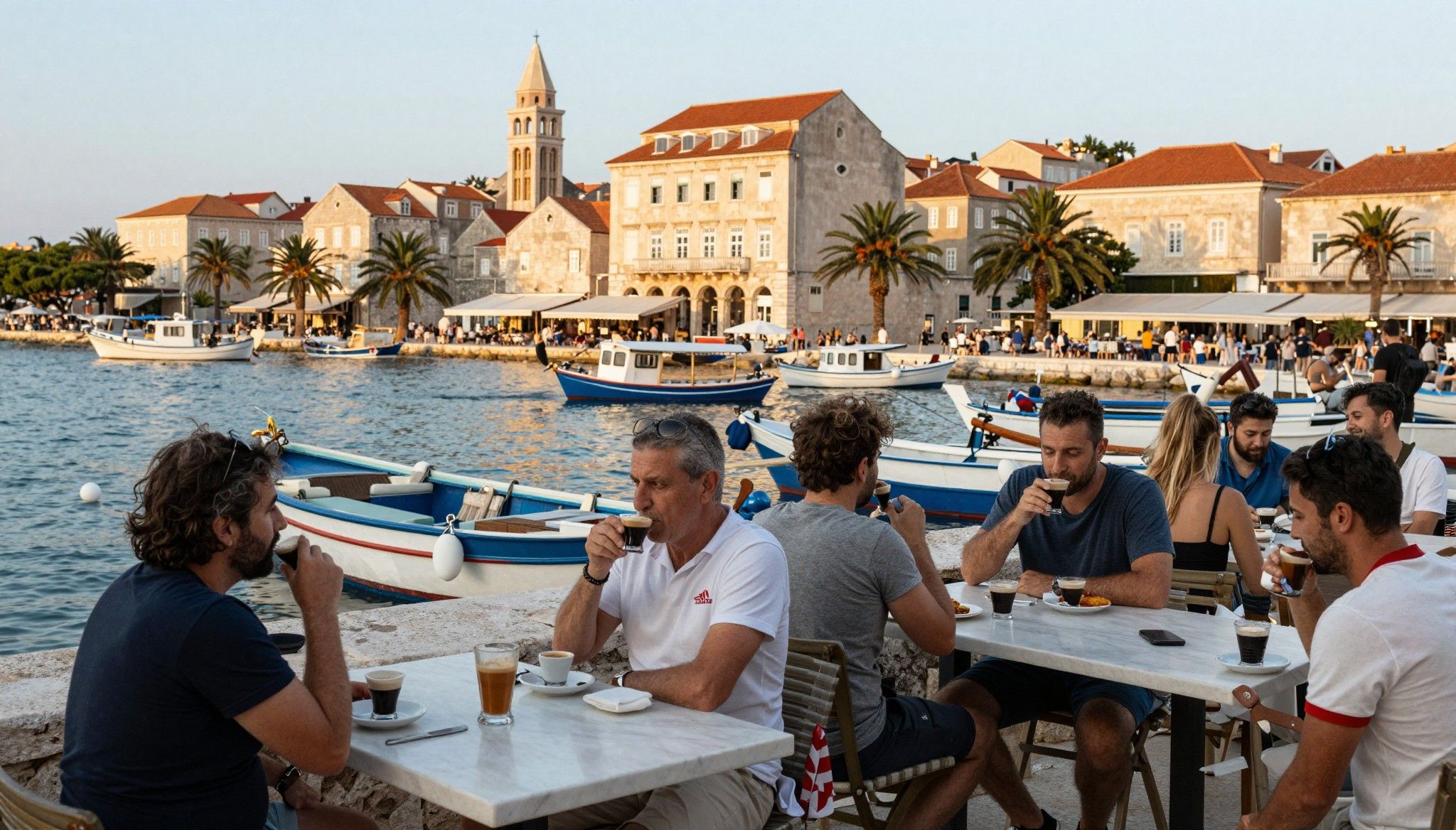
Imagine sipping an espresso at 08:00 on Split’s Riva while the baker on Marmontova pulls fresh brioche from the oven — that slow, sunlit morning is Croatia. It’s limestone alleys, island ferries that leave on time, Dalmatian markets full of figs, and weekend rituals that stitch coastal towns to inland villages. But behind the postcard is a market that has been moving fast: prices climbing, supply tight, and foreign buyers reshaping demand. This guide pairs the lived reality — the cafes, neighborhoods and rhythms — with the market signals an international buyer needs to act wisely.
Living the Croatia rhythm
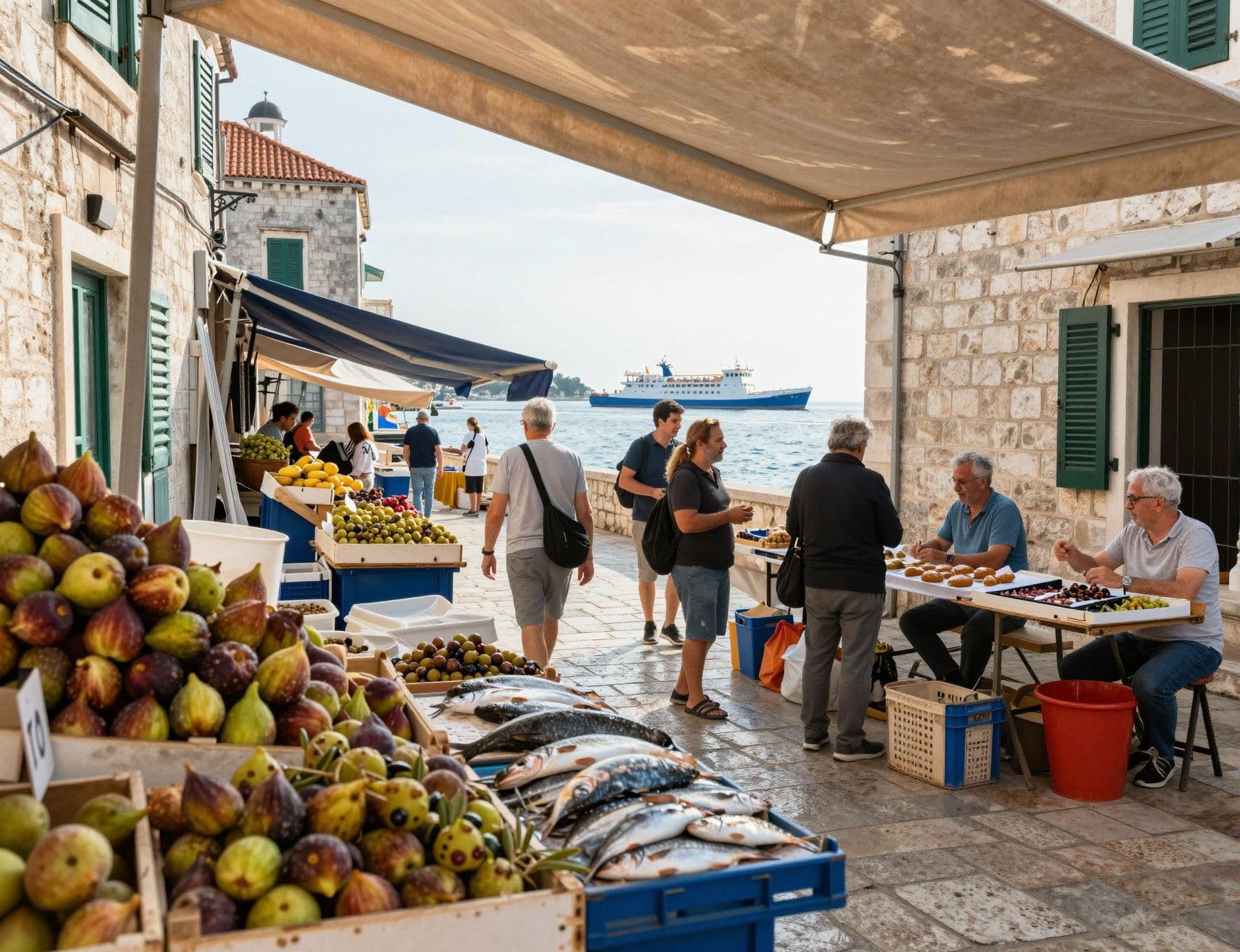
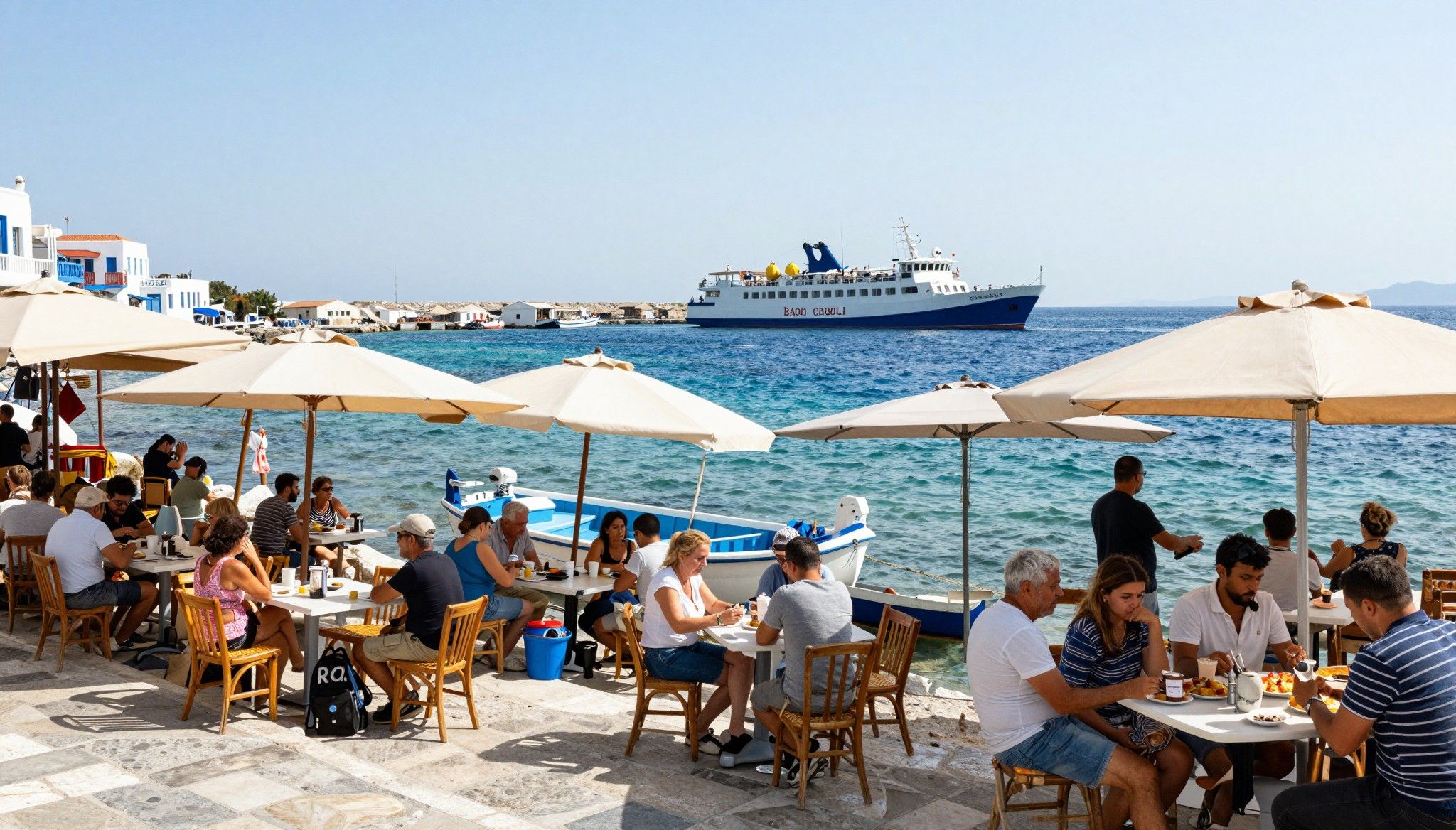
Croatia’s daily tempo blends Adriatic leisure with Central European efficiency. Mornings feel local: markets, narrow streets, and bakeries; afternoons move outdoors — beaches, promenades, and family terraces; evenings centre on neighbourhood konobas (taverns) and summer festivals. Each region has a clear personality that shapes how you’ll use a home: a small terrace in Hvar becomes a living room for six months a year; a courtyard flat in Varaždin is lived in year-round.
Coastlines and islands: Split, Hvar, Zadar, Dubrovnik
On the Dalmatian coast the rhythms are seasonal but richly textured. Split is city-coast hybrid: morning markets at Pazar, espresso on Marmontova, and ferries at Matejuška. Hvar’s Old Town fills with yachts and creative energy in summer; the quieter months reveal olive groves and a tight-knit island community. Zadar offers pockets of new-builds near old stone streets, while Dubrovnik balances heavy tourism with exclusive neighbourhoods like Lapad and Gruž.
Inland towns: Zagreb, Istria’s hilltop villages, Slavonia
Zagreb behaves like a compact European capital — café culture, green parks (Maksimir), and neighbourhoods from the Austro-Hungarian elegance of Donji Grad to the quieter family streets of Maksimir and Jarun. Istrian hill towns such as Motovun and Grožnjan feel like an Italian film set: truffle restaurants, stone lanes, and slower, year-round living. In Slavonia the landscape is agricultural and communities are more affordable, appealing to buyers seeking low-cost country homes and agritourism projects.
- Morning markets in Split (Pazar); Marmontova street cafés; Hvar town quay; Zadar’s Sea Organ & waterfront; Zagreb’s Dolac market and Tkalčićeva street; Motovun truffle routes.
Making the move: lifestyle-led practicalities
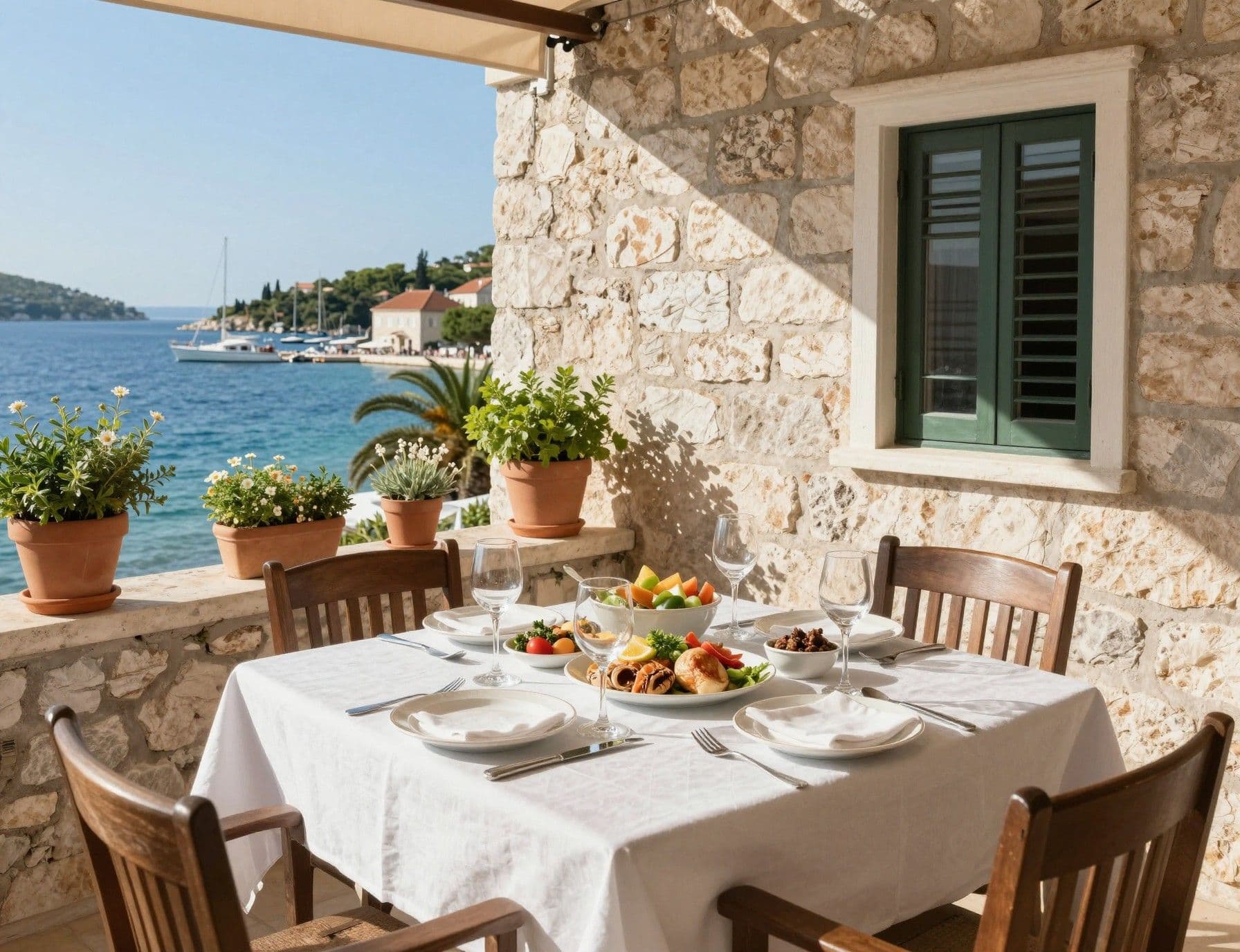
The dream — sunlit terraces and island ferries — collides with a market that has recorded double-digit annual price growth in recent quarters. Official data show strong nationwide increases that are most acute in cities and coastal counties; new builds and resales have both been pushed up by limited supply. Treat lifestyle choices (seasonality, proximity to ferry lines, local services) as market drivers: the places you love will likely be the places that appreciate faster.
Property styles and how you’ll live in them
Stone historic apartments offer immediate neighbourhood life — small balconies, narrow stairs, high ceilings and proximity to markets. New-build coastal apartments deliver insulation, parking and pools but can lack character. Rural stone houses give land and privacy but often need renovation and infrastructure work (septic, wells, access). Decide whether you want immediacy (town flat) or control (renovation project): the former costs a premium in hot micro-markets, the latter needs patience and local approvals.
Working with local experts who know the rhythm
A Croatian agent who knows seasonal traffic, municipal rules and island logistics is invaluable. Lawyers and notaries ensure the title is clean and handle necessary Ministry approvals for non-EU nationals. Local agencies also spot micro-market dynamics — which streets fill with holiday rentals, and where neighbours resist conversions into short-term lets. Treat agencies as lifestyle matchmakers: they translate where you want to live into realistic property options.
- 1) Set the lifestyle brief: seasonality tolerance, proximity to ferry/airport, year-round services. 2) Shortlist neighbourhoods with an agent who can show on-foot examples (cafés, markets, noise levels). 3) Verify title, building permits and coastal restrictions with a Croatian lawyer. 4) Factor in renovation timelines (if buying a stone home) and seasonal maintenance costs. 5) Consider rental strategy (long-term vs short-term) and check local rules and neighborhood sentiment.
Insider knowledge: what expats wish they'd known
Expat buyers often discover the same lessons: seasonality is not just weather; it alters services, municipal activity and neighbourhood life. Price momentum is real — official reports cited annual increases exceeding 10% in recent quarters — so buying purely for a ‘bargain’ can be a false expectation in many coastal micro-markets. Similarly, villages that feel remote in winter become lively in summer, and that rhythm affects rentalability and running costs.
Language, community and the social map
Croatian is the social key, but many coastal service workers speak English, German or Italian. Investing time in basic phrases opens doors — from sourdough sellers to harbour masters. Community life centres on local festivals (fešta) and markets; showing up and contributing to the neighbourhood quickly shifts you from ‘holiday owner’ to neighbour, which in turn smooths renovation approvals and local relations.
Think long-term: Croatia’s EU membership and policy focus on housing supply means national programmes and local plans will affect where new supply appears. Watch municipal plans and coastal development restrictions — where investment is restricted, values can be protected but liquidity low. Use official planning sources and local agency briefs to anticipate where infrastructure (marinas, roads, broadband) will change life and prices.
- Red flags to check before you bid: - Missing or partial building permits for terraces or extensions. - Unclear coastal or agricultural land status that blocks future use. - Properties sold as an ‘idea’ (lots of artful renderings but no approvals). - Lack of winter access or municipal services for year-round living. - Unusually high proportion of short-term rentals on the street (neighbourhood friction).
Data snapshot: Official and industry reports show robust price growth concentrated in coastal counties and major cities, while transaction volumes have shown signs of cooling. Foreign buyers remain an important demand cohort — historically led by neighbouring Slovenia, Germany and Austria — but local policy and reciprocity rules matter for non‑EU nationals. These data points should shape timing and negotiation strategy: expect competition in attractive micro-markets and more room inland or for renovation projects.
- 1) Use official house-price indices and tax-administration transaction data to benchmark offers. 2) Ask your agent for recent, on-street comparables (not just agency listings). 3) If renovating, get simultaneous cost estimates and municipal permit timelines. 4) Budget for seasonal operating costs (heating, water, summer cleaning, port fees).
Before you sign: practical next steps and who to trust. Start with a shortlist of neighbourhoods visited in different seasons. Hire a Croatian lawyer to check title, encumbrances and any required Ministry approvals (if you’re a non-EU national). Insist on an on-site technical inspection for older stone homes. Finally, frame the purchase around how you’ll live: if the life you want is a summer harbour routine, prioritise harbour proximity and concierge; if year-round comfort matters, prioritise insulation, heating and winter services.
- Practical checklist for viewings: 1) Visit early morning and late afternoon to hear noise patterns; 2) Check ferry schedules and winter frequency; 3) Ask neighbours about seasonal population swings; 4) Confirm broadband speed and mobile coverage; 5) Verify parking and winter road maintenance.
Croatia seduces through everyday life: kafes where you slow down, islands that become neighborhoods, and small towns where festivals anchor the year. Pair that imagination with careful local research, trustworthy legal counsel and agents who know the micro-markets. If you do, you don’t just buy a property — you buy a rhythm of life. Next step: pick three neighbourhoods that match the season you plan to live in, visit them off-peak, and ask your agent for transaction comparables and municipal permit records before making any offer.
Norwegian market analyst who relocated to Mallorca in 2020. Focuses on data-driven market insights and smooth relocation for international buyers.