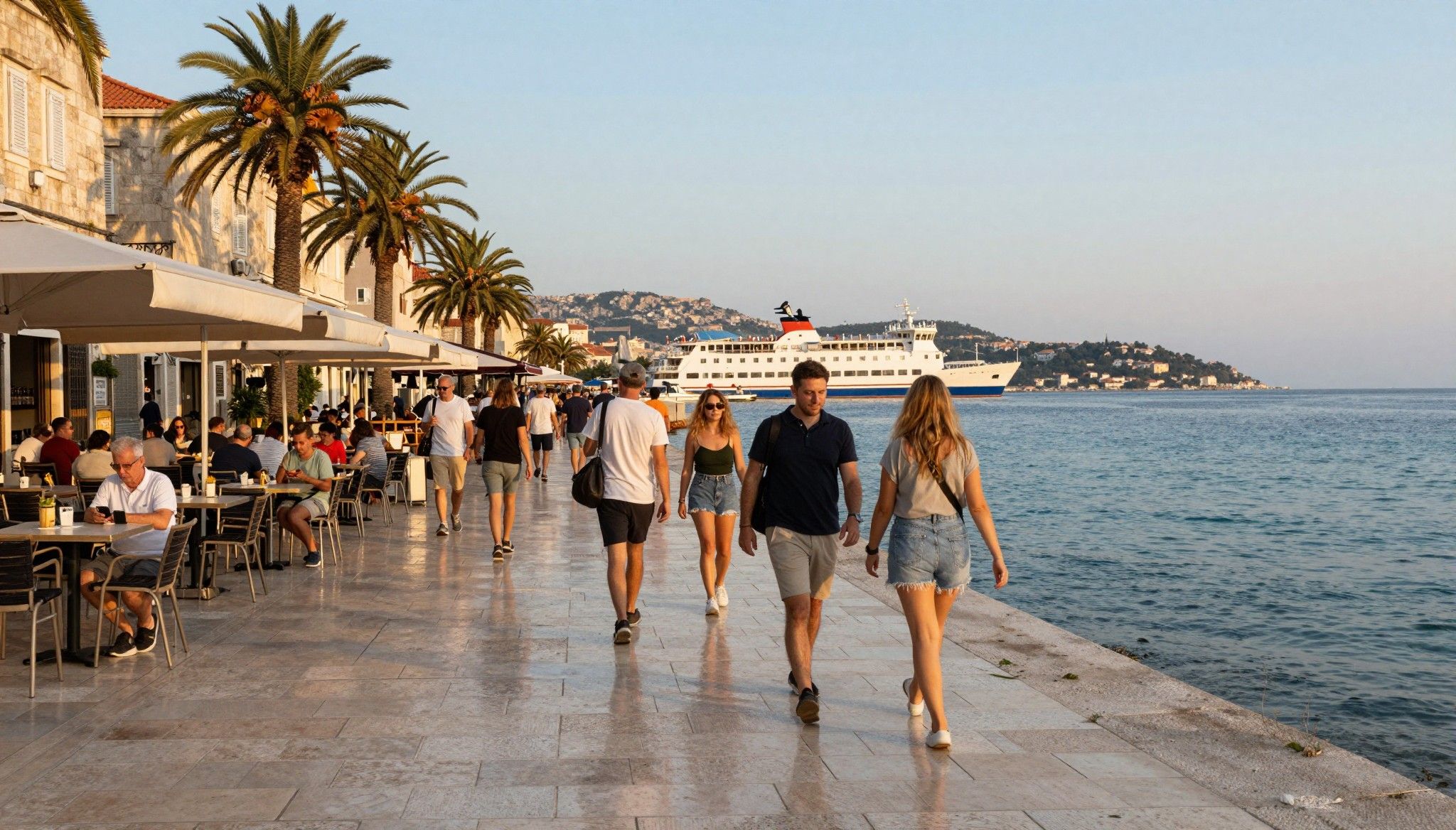
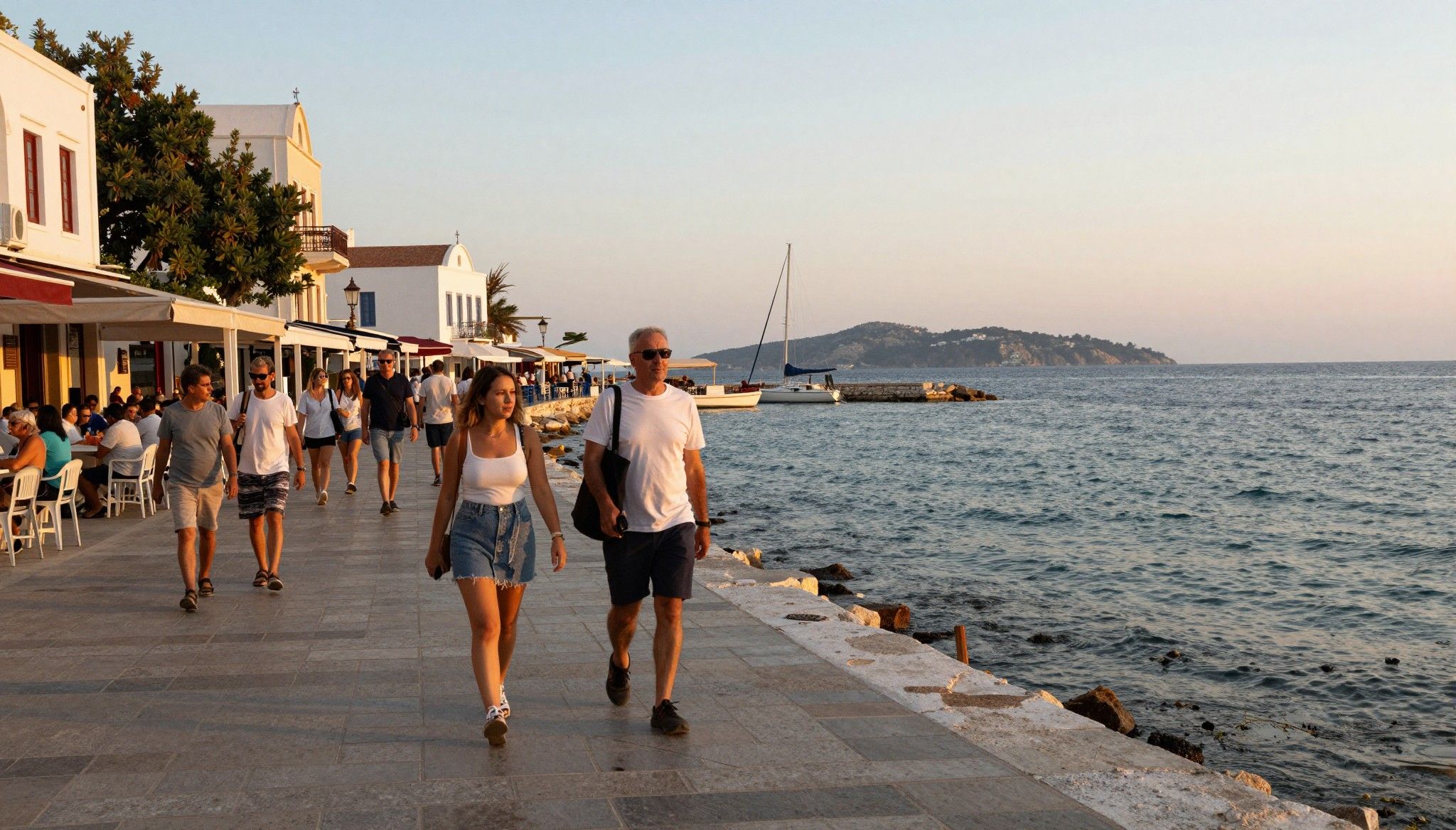
Why Apartments Are Reshaping Cyprus’s New‑Build Market
Cyprus’s new‑build boom is apartment‑led. Balance seaside café life with development realities: check title deeds, delivery records and amenity claims before you buy.
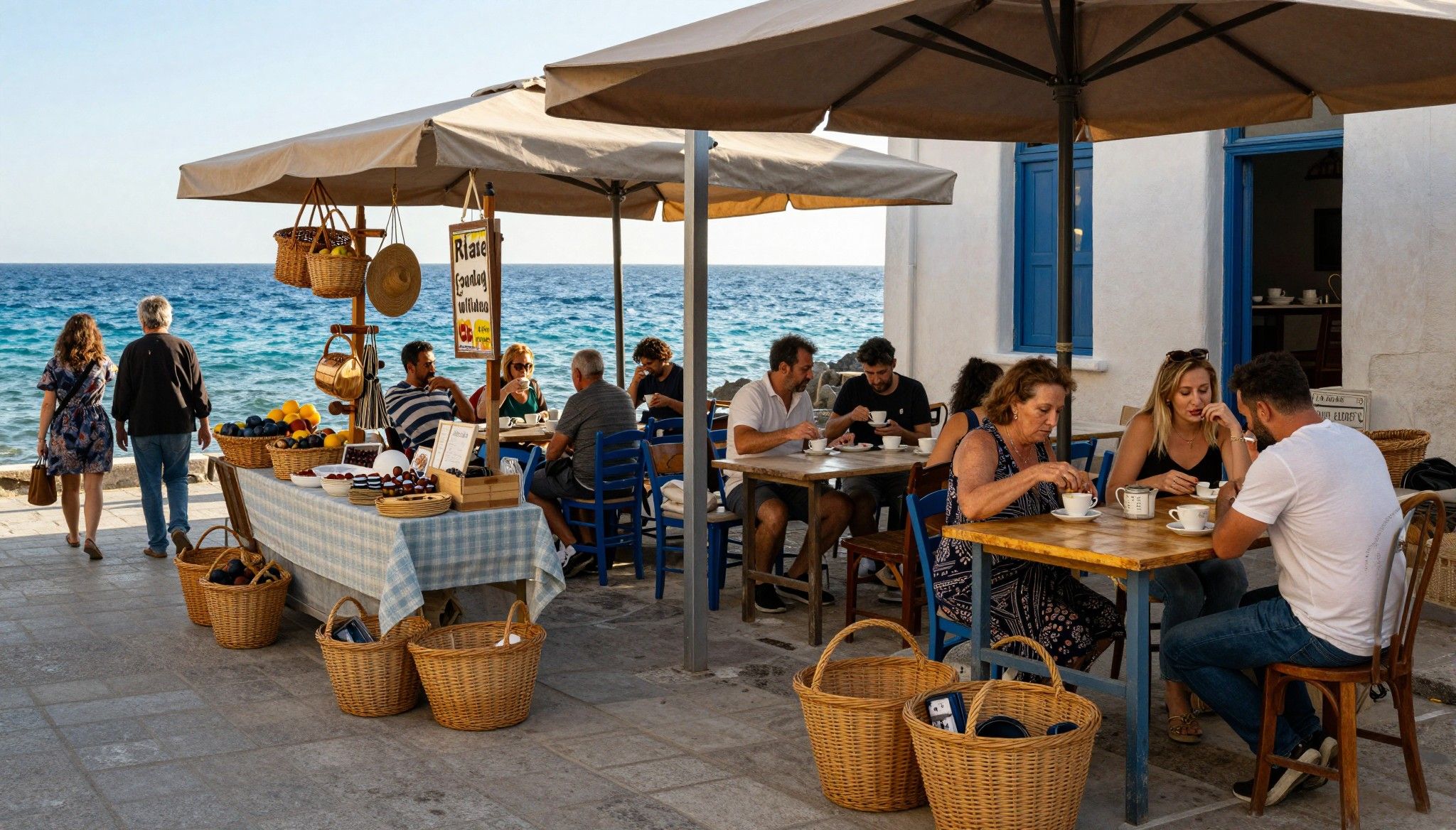
Imagine Saturday morning at Limassol’s Molos: parents with strollers, espresso cups on narrow tables, construction cranes visible beyond the palms. That contrast — lived-in seaside life against an energetic building pipeline — is Cyprus today. For many international buyers the island’s appeal is sensory: sunlight, sea, markets, and compact neighbourhoods; for the market it’s the apartment-led momentum reshaping new development supply. Understanding that tension — lifestyle promise versus developer-driven inventory — is how you buy for life, not just headlines.
Living Cyprus: daily rhythms that determine what you buy
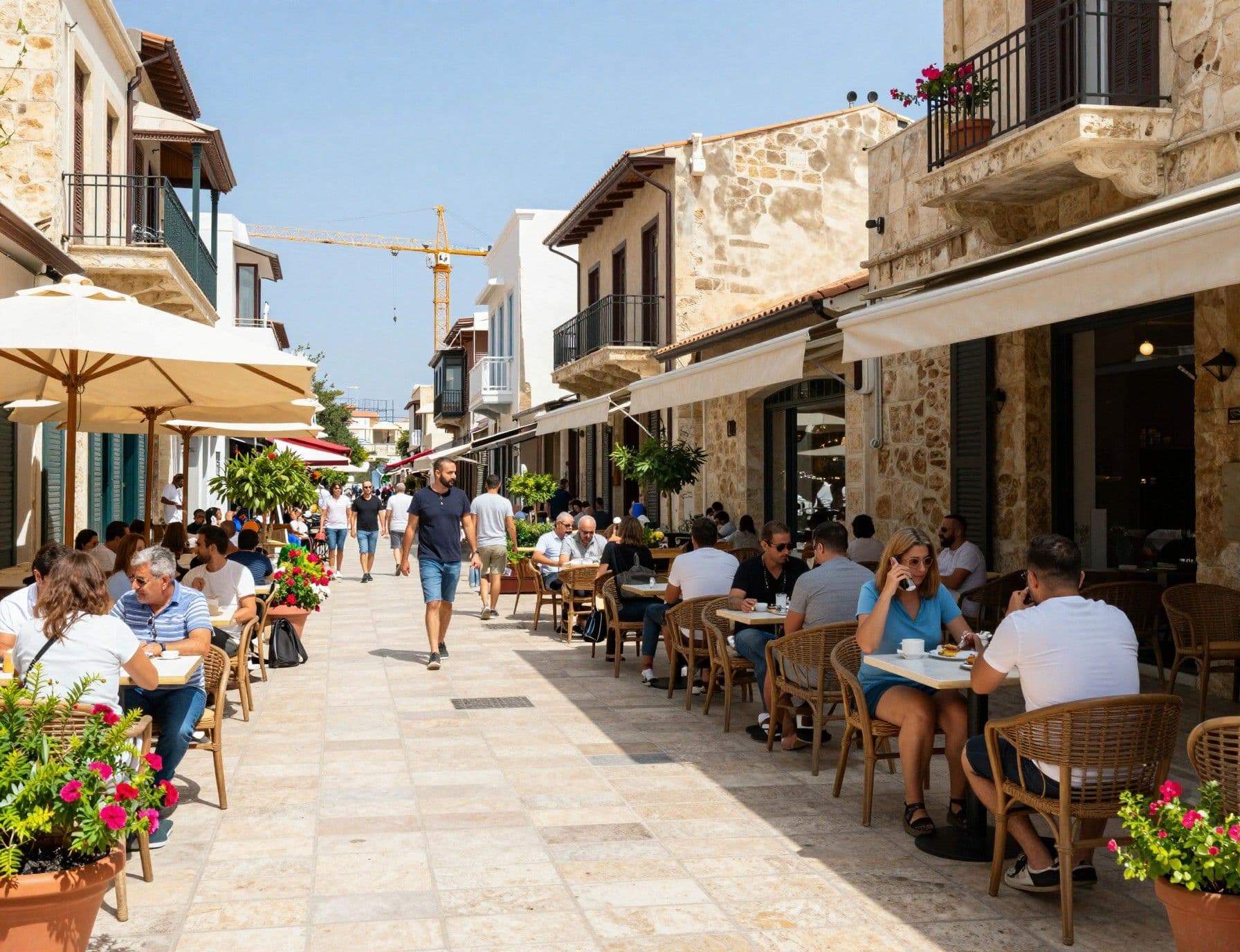
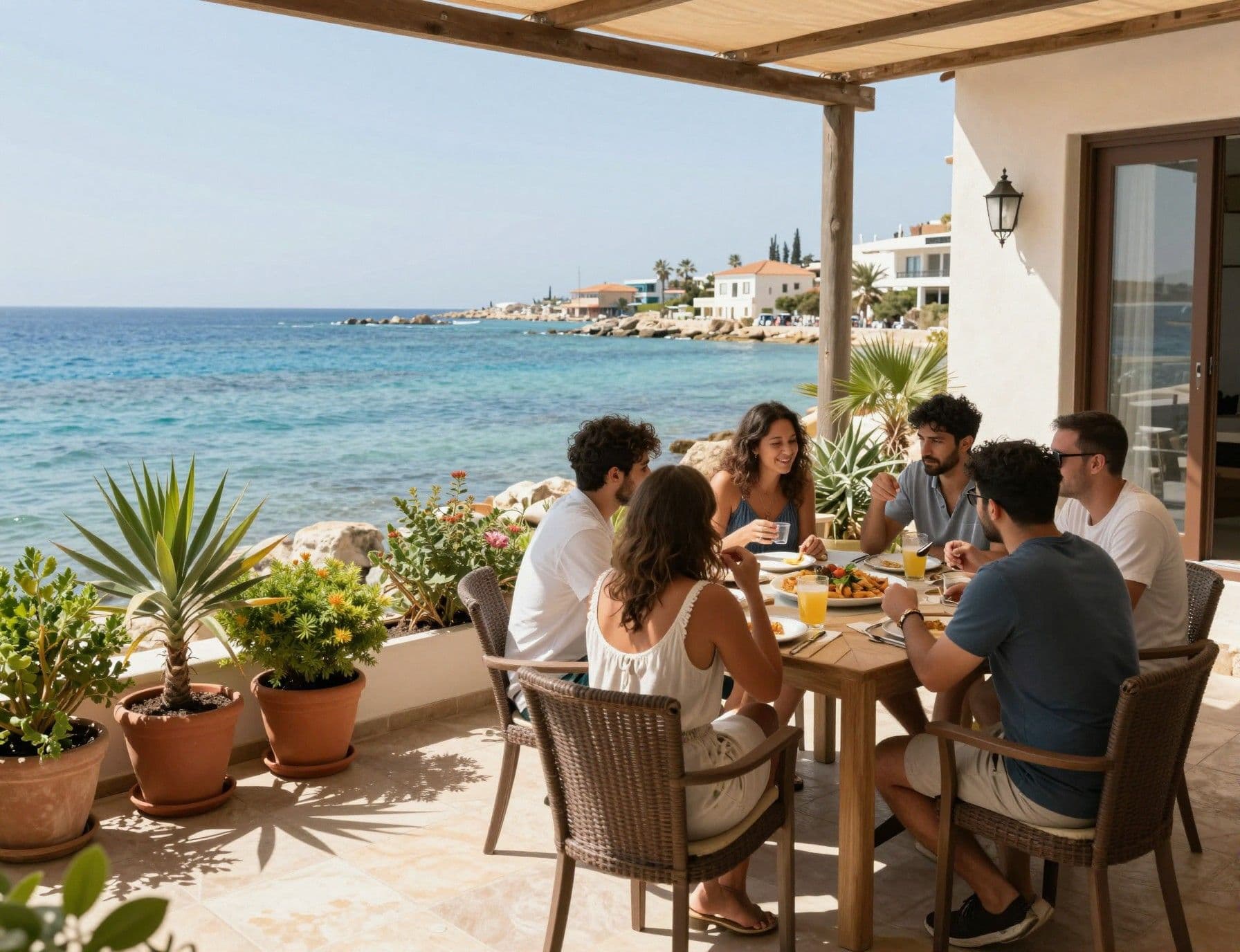
Cypriot life moves between the coast and the village square. Mornings are café-first; afternoons can be siesta-light and beach-heavy in summer; evenings spill into tavernas and late pastry runs. These routines shape which property type you’ll actually use — a compact apartment near the marina for social life, a townhouse tucked into Peyia for quieter family weekends, or a hilltop villa for long-term privacy. Buying is as much about how you want to live from Thursday night drinks to Sunday markets as it is about square metres or yield projections.
Spotlight — Limassol marina, old town and Agios Nikolaos
Walk Limassol’s old town and you’ll hear multiple languages and find tapas-style meze next to family-run shops. New developments here lean luxury or compact apartments designed for professionals and holiday rental demand. If you want cafés and a short walk to work, look for developments along Anexartisias and the bay; for a quieter domestic rhythm, Agios Nikolaos offers tree-lined streets and local bakeries. Developers respond: the pipeline in Limassol skews high-density with concierge-style amenities, reflecting demand for location and convenience.
Food, sea and slow afternoons — Paphos and Latchi
Paphos pairs archaeological texture with an emerging culinary scene; Latchi and nearby Akamas offer small-harbour calm and seafood restaurants that set the tempo of weekends. Here, developers build mid-rise apartments and gated complexes aimed at holiday and second-home buyers who prize outdoor terraces and sea access. If your Cyprus life centers on tavernas and coastal trails, new builds with verandas and easy maintenance win over large private gardens that need winter upkeep.
Making the move: how the new‑build pipeline changes what to look for
Practical buyers watch supply composition not just headline price moves. Recent data show new-home sales in 2025 reached around €2.5bn and that roughly 80% of those sales were apartments — a clear signal that supply will continue to favour smaller, lock-and-leave units. The Central Bank’s RPPI shows apartment prices rising faster than houses, which affects resale prospects and rental demand. That means you should weigh amenity-rich apartments differently from traditional village homes when assessing lifestyle fit and liquidity.
Property types and how they match life plans
Apartments: low-maintenance living, good for rental income, and close to cafés and transport. Townhouses: a middle ground — more outdoor space but still community-focused. Detached houses: privacy and land, but higher upkeep and a smaller share of new supply. If you plan to spend months in Cyprus each year, an apartment by the marina or a townhouse near school and shops often delivers lifestyle without the maintenance burden of a villa.
Working with agencies that know the pipeline
Choose agencies that publish development pipelines, show past delivery records and provide clear timelines for off‑plan projects. Local agents can flag micro-differences — whether a new block will face north (affecting cooling costs) or if title deeds are pending — that matter more than a glossy brochure. Treat an agency as a lifestyle curator: they should show how living a week in a development feels, not only the floorplan.
Insider knowledge: myths, red flags and timing secrets
Buyers often arrive with a few myths: that Cyprus is uniformly cheap, that villas dominate supply, or that title-deed issues are a game-stopper. Reality is mixed: districts differ, apartments now dominate new sales, and title-deed clarity varies property by property. The smart move is focused diligence — ask for developer delivery history, confirm Land Registry status, and compare apartment resale velocity in your chosen town. Timing also matters: many buyers assume summer is best, but off-season viewings (autumn–spring) let you inspect construction, speak with neighbours and negotiate with less pressure.
Red flags developers and sites often hide
Unclear title deeds, vague completion guarantees, and overstated amenity access top the list. Also watch for plots approved for future high-rise near your block or developer insolvency risk on large off-plan schemes. Ask for bank-backed guarantees for advance payments, independent structural reports, and a clear snagging schedule in the contract. These checks protect lifestyle expectations as much as your investment.
Steps to test a new development before committing
Visit the site multiple times at different times of day to check noise, sun and neighbourhood life. Verify title-deed status and any outstanding planning permissions with the Department of Lands and Surveys. Review the developer’s previous completions and contact owners in earlier phases for candid feedback. Insist on a detailed specification, a fixed snagging timeline and a bank guarantee for deposits. Factor realistic running costs — cooling in summer and water use — into total ownership math.
Lifestyle-led practical checklist
Choose walkability over extra square metres if you want café life and short drives. Prioritise covered outdoor space and cooling design if summers matter more than acreage. Match bedroom count to how you’ll actually use the home — spare rooms mean extra upkeep. Look for commuter links and healthcare access if long stays are planned. Consider resale liquidity: apartments near marinas and central squares usually resell faster than isolated villas.
Cultural notes that change where you buy
Cyprus blends modern European norms with village social dynamics. Expect friendly directness, an emphasis on face-to-face relationships, and a preference for personal references when choosing tradespeople. Learn basic Greek phrases to smooth daily life — even a few words opens doors in boulangeries and markets. For long-term community integration, involvement in local clubs and tavernas accelerates belonging and practical help when you need it.
Longer-term thinking: where pipeline meets lifestyle sustainability
Gauge neighbourhood growth: Are new schools, clinics and small businesses appearing or is the pipeline primarily holiday apartments? Sustainable lifestyle living comes where day-to-day services grow with residences, not only where short-term rental returns look high. Track building-permit trends and ask agents for a three- to five-year view of planned infrastructure — that’s where the lived experience will evolve.
Cyprus can be both an immediate Mediterranean life and a long-term community. If you want cafés, markets and short walks between chores, favour central apartments and townhouses; if solitude and land matter, accept higher maintenance and a thinner resale market. Start with lifestyle priorities, then match the development pipeline and due diligence to those priorities. And when you’re ready, choose an agency that reads both the market data and the week-in-the-life details — a partner who will show you not just a property but how your days will feel here.
Next steps: visit outside peak tourist weeks, ask your agent for delivery histories, and compare recent RPPI data to district-level resale velocity. If you want help matching lifestyle to pipeline choices, an informed local agent becomes the most valuable tool in your move. Small decisions now — orientation, service levels, title clarity — determine whether your Cyprus life feels effortless or expensive to maintain.
Swedish strategist who relocated to Marbella in 2018. Specializes in legal navigation and tax planning for Scandinavian buyers.