Greece: Lifestyle Rhythms That Should Shape Where You Buy
Greece combines Mediterranean daily life with rising markets and new residency rules; match lifestyle rhythms to neighbourhoods, inspect across seasons, and use local experts.
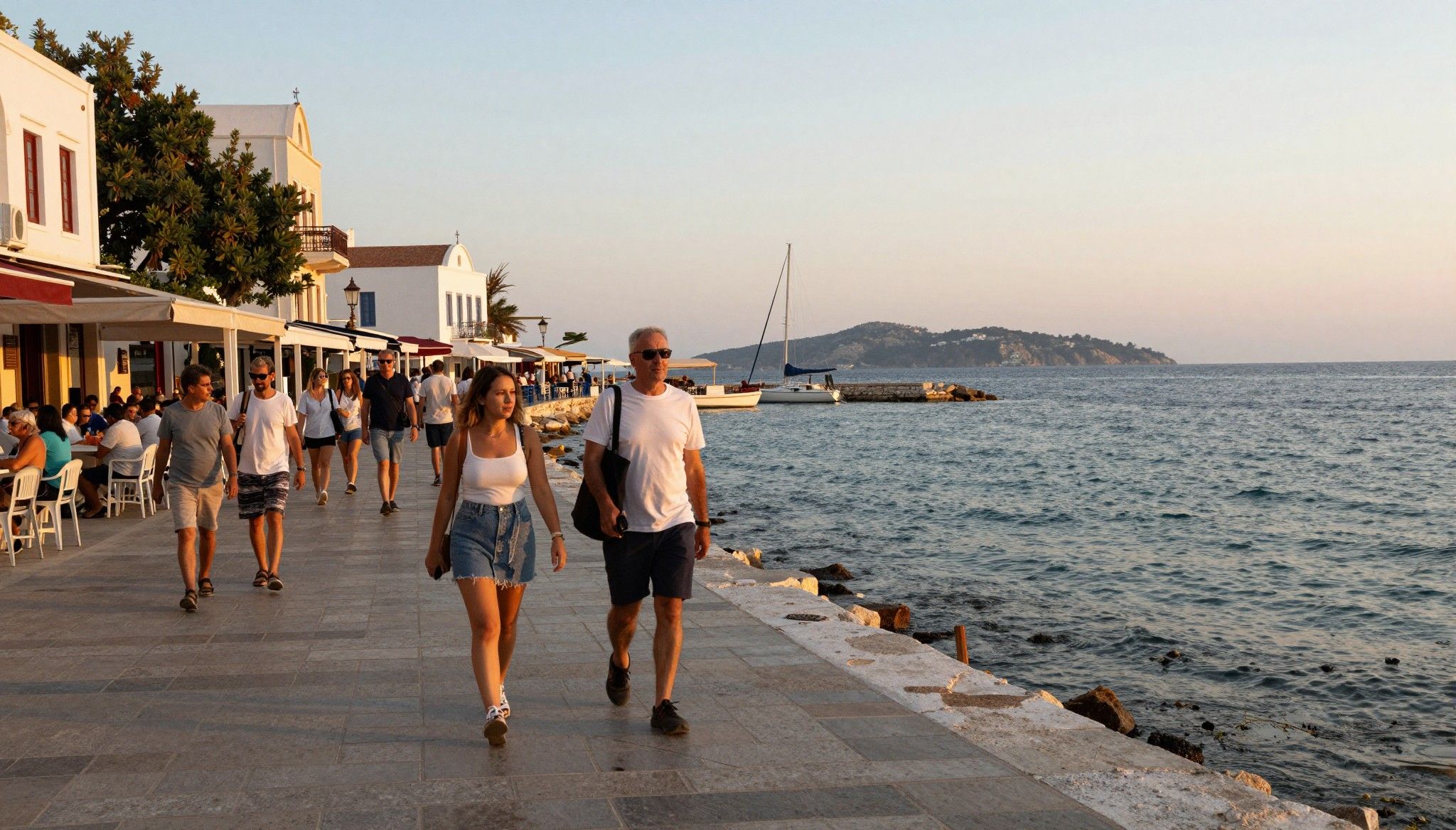
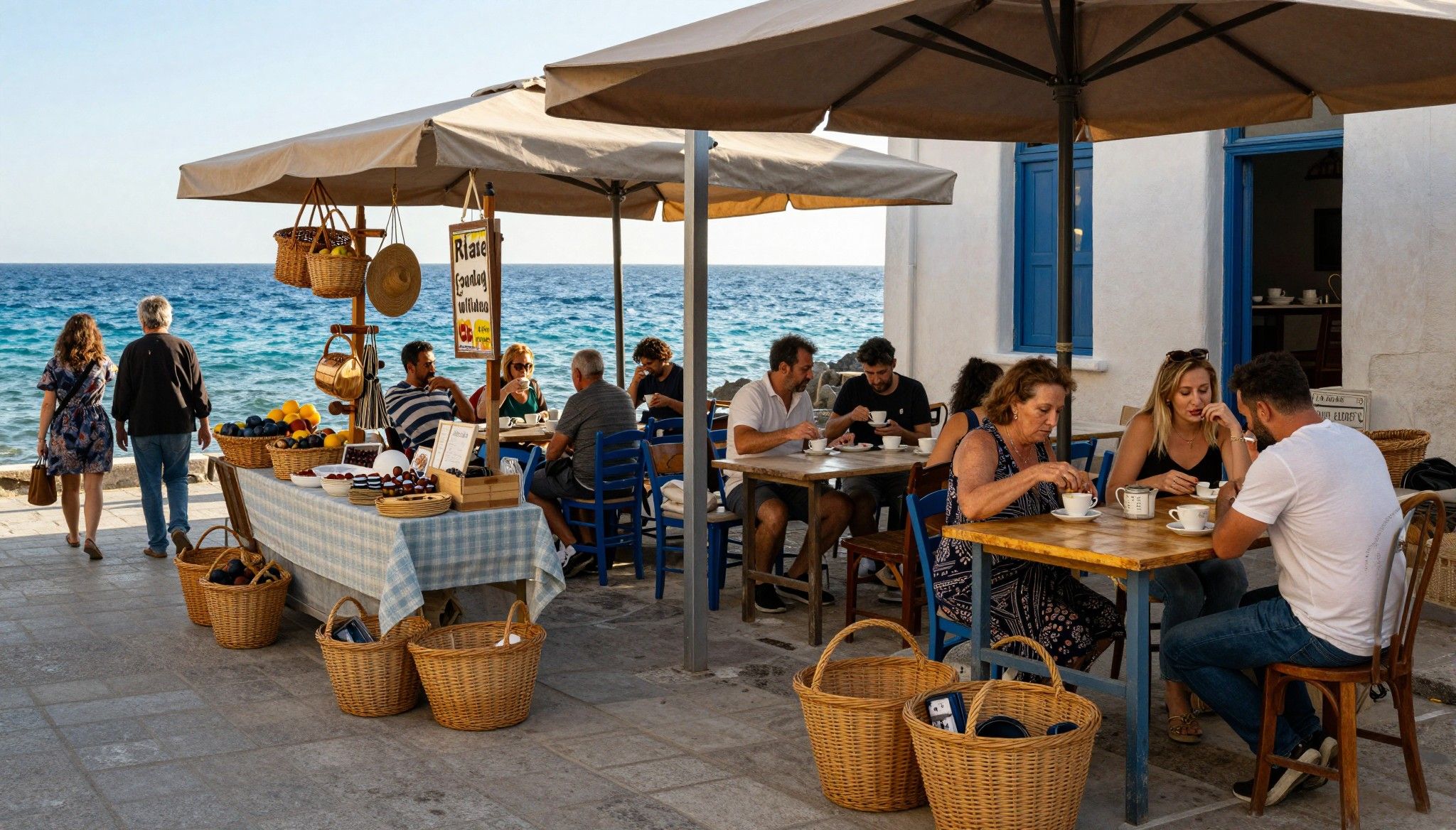
Imagine starting your day with a short walk from a limestone townhouse to a neighbourhood kafeneio for espresso, then catching an afternoon breeze on a coastal terrace — that everyday sense of ease is Greece. But behind the postcard light and seaside tavernas there are fast-moving market shifts, residency rules that changed recently, and neighbourhoods whose everyday rhythms don’t match their tourist reputations. This piece pairs the sensory life of Greek living with the practical signals international buyers should watch now, so you fall for the lifestyle while making a confident, data‑backed move.
Living the Greece lifestyle: more than a postcard

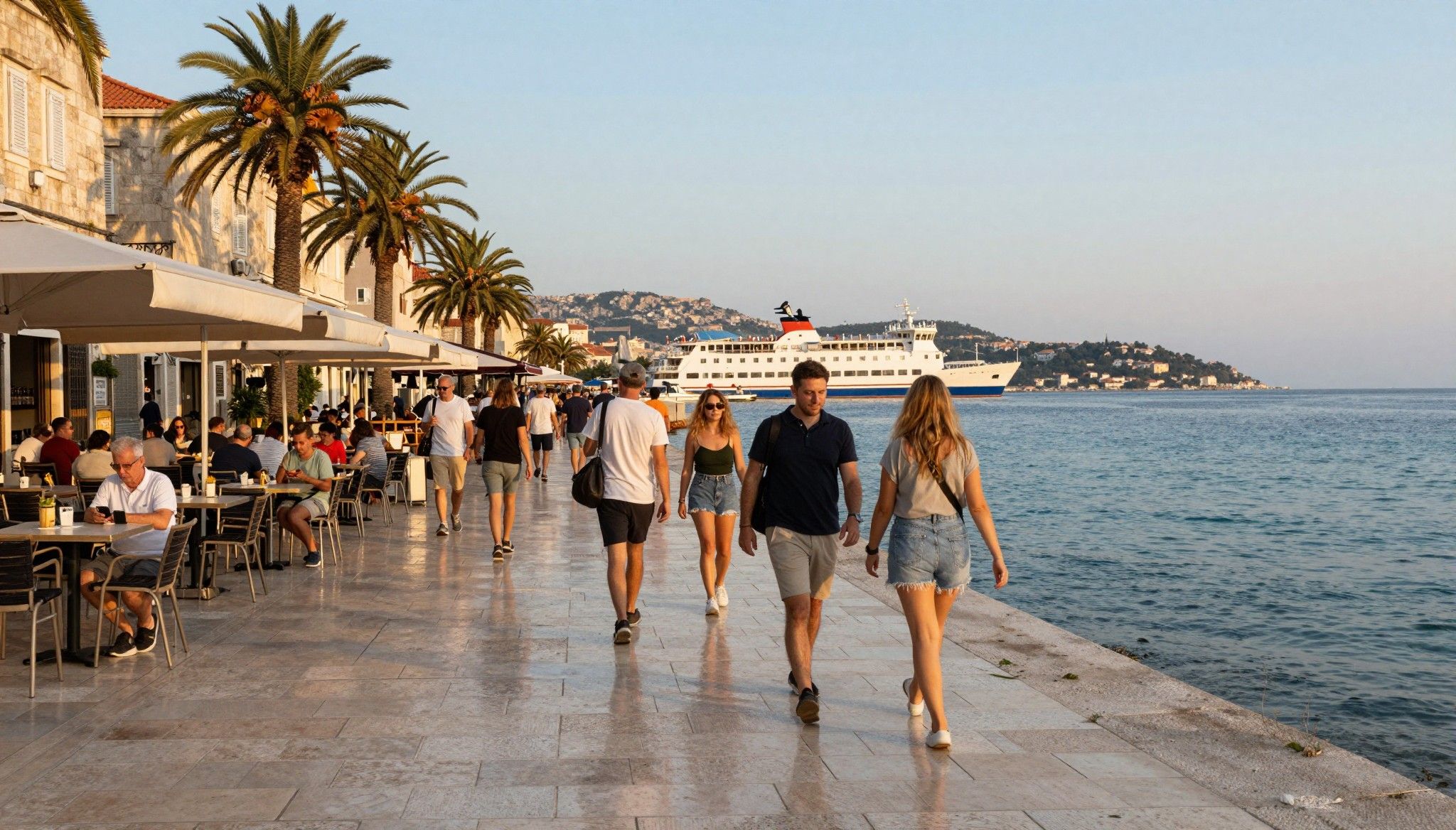
Athens is not only Acropolis vistas and guidebook streets — it’s folded, lived-in neighbourhoods where a baker knows your morning order and an artist runs the gallery two doors down. In Koukaki or Pangrati you’ll hear children at play in the afternoon and find cafés that turn into wine bars at sunset; on the Athens Riviera, Glyfada and Vouliagmeni combine marina life with sand that locals use year-round. For buyers, that means choosing a street’s tempo (early-morning markets vs. late-night tavernas) matters as much as square metres.
Koukaki: five-minute walks to the Acropolis, tree-lined streets, and an under-the-radar cafe culture. Long-term residents praise its quiet blocks (Dionysiou Areopagitou is the bustling exception) and small tavernas where menus change with the market. For buyers who want urban life with easy cultural access, Koukaki often offers better value per metre than Plaka while delivering the same historic feel.
Coast and convenience: Glyfada to Vouliagmeni. Along the Athens Riviera you get morning swims, marinas and late-afternoon promenades; properties here skew newer and often include private parking or pool access — features that matter if you expect frequent visitors or short-term lets. The trade-off is higher entry prices and seasonal traffic, but for lifestyle buyers who prioritise outdoor life it’s a straightforward choice.
- Lifestyle highlights to map before you buy: Koukaki cafés; Varnava Square in Pangrati; Glyfada marina promenade; Vouliagmeni beach and its thermal lake; Monastiraki weekend flea market; little-known island harbours where locals dine (not tourist piers).
Making the move: how lifestyle choices should shape property decisions

Prices across Greece have been rising, fuelled by tourism, limited stock and renewed foreign interest; Athens grew solidly while other regions have outperformed in recent quarters. That macro movement matters, but local microfactors — building age, orientation, outdoor space, heating and cooling capability — will determine your lived experience and operating costs. Match the lifestyle you want (slow mornings, long swims, active nightlife) to the building type and street character before making financial trade-offs.
Property styles and what they give you: neoclassical Athens flats (high ceilings, central location, renovation work required) versus new-build seafront apartments (better insulation, balconies, higher service fees) versus island stone houses (character but maintenance and seasonal logistics). Consider insulation, drainage and shutters — real features that shape summer heat management and winter comfort — not just postcard views.
Work with local experts who understand both lifestyle fit and legal changes. Residency and investment thresholds shifted in 2024, altering which properties qualify for a residency permit and where foreign demand concentrates. A Greek agent who knows which municipalities still attract steady buyer interest can point you to pockets that balance lifestyle and post-purchase flexibility.
- Steps to align lifestyle aims with market reality: 1) List your daily routines (morning coffee, market visits, sea access). 2) Shortlist neighbourhoods that match those routines. 3) Inspect at different times (weekday morning, Sunday afternoon). 4) Check building orientation, insulation and service fees. 5) Confirm any residency/investment thresholds that affect your purchase. 6) Engage a local lawyer to translate offers into enforceable terms.
Insider knowledge: expat realities and seasonal truths
Expats often arrive charmed, then learn that Greek life runs on rhythms — shop hours, siesta-style quiet in some suburbs, and festivals that shut whole towns for a day. Tourism spikes have boosted short-term rental demand, but they also make summer noise and parking premium. Understanding seasonality will protect your lifestyle expectations and rental forecasts.
Cultural integration, language and community: learning key phrases goes far. Neighborhood social life often forms around cafes, neighbourhood bakeries, and church squares; volunteering or joining a local studio helps. Many expats recommend living through a full year before deciding to buy in a specific street — winter often reveals noise, accessibility and service issues hidden by summer’s charm.
Long-term lifestyle and value: think about maintenance and adaptability. Stone houses and older buildings delight with character but may require seismic retrofits and roof work; newer builds reduce immediate maintenance but sometimes lack personality. Choose properties that can flex — convert an attic into a rental studio or add retractable shading to make terraces usable most months.
- Expat quick-wins: Inspect a neighbourhood in low season; ask neighbours about winter heat and water supply; prioritise outdoor shading and ventilation; confirm municipal waste and parking rules; learn where the nearest hospital and pharmacy are.
Conclusion: Greece sells a Mediterranean life — markets and regulations shape how comfortably you live it. Start with the sensory: morning markets, late dinners, the smell of the sea — then layer in data: local price trends, residency rules and building condition. Work with local agents and lawyers who match your lifestyle brief; inspect across seasons; and make choices that keep the daily life you fell for intact.
British investor turned advisor after buying in Costa del Sol since 2012. Specializes in cross-border compliance and data-driven investment strategies for UK buyers.