Why Summer House‑Hunting in Croatia Backfires
Summer visits inflate prices and hide off‑season realities. See Croatia in spring or autumn, demand year‑round data and check pipeline absorption before you bid.
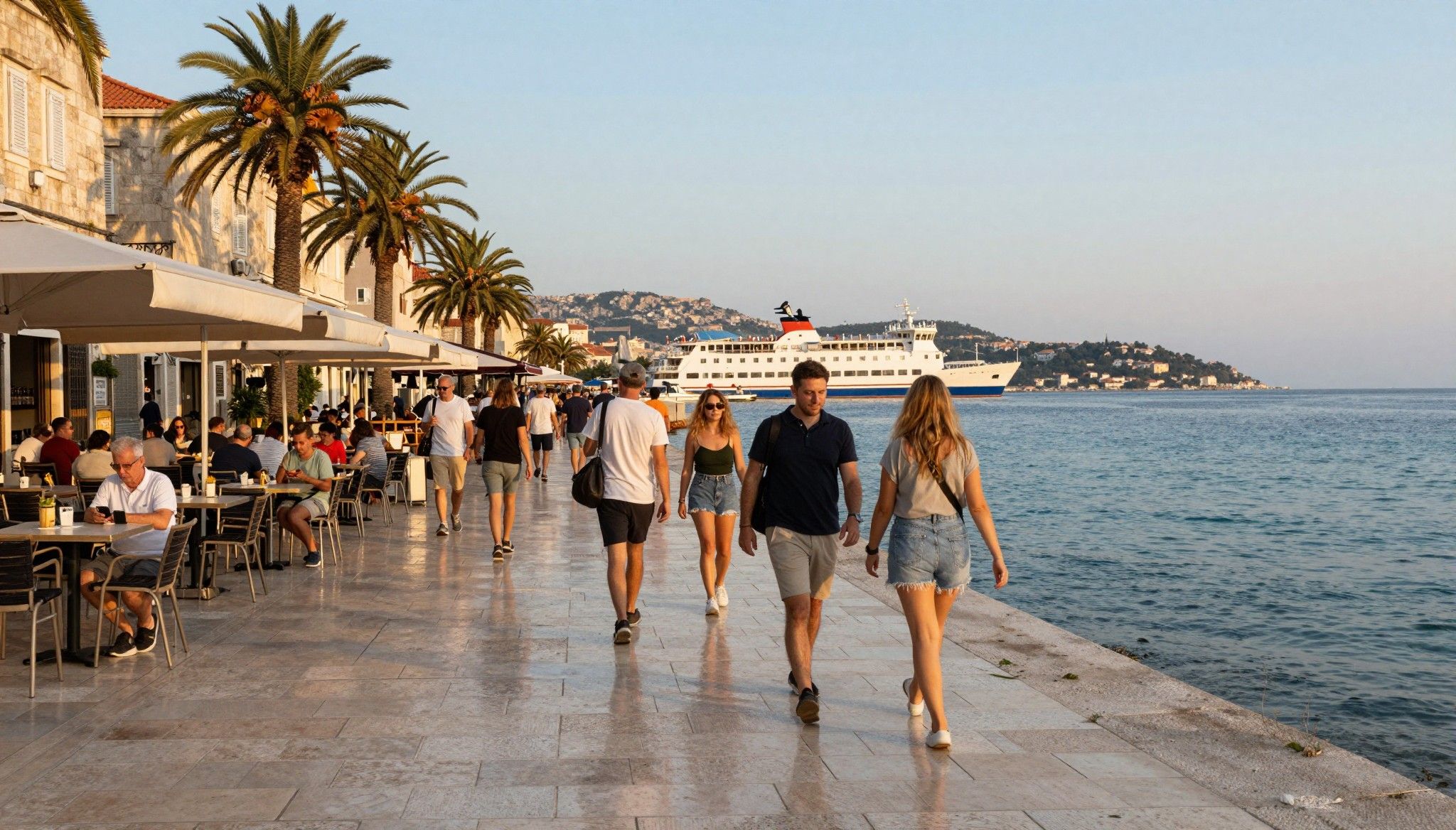
Imagine sipping a morning espresso at Split’s Riva, then realising the apartment you loved in July is under offer — and 15% more expensive than last winter. Croatia’s coast is beautiful and compact; its market is seasonal, noisy and full of timing traps that trip up buyers who only visit in summer.
Living the Croatian rhythm
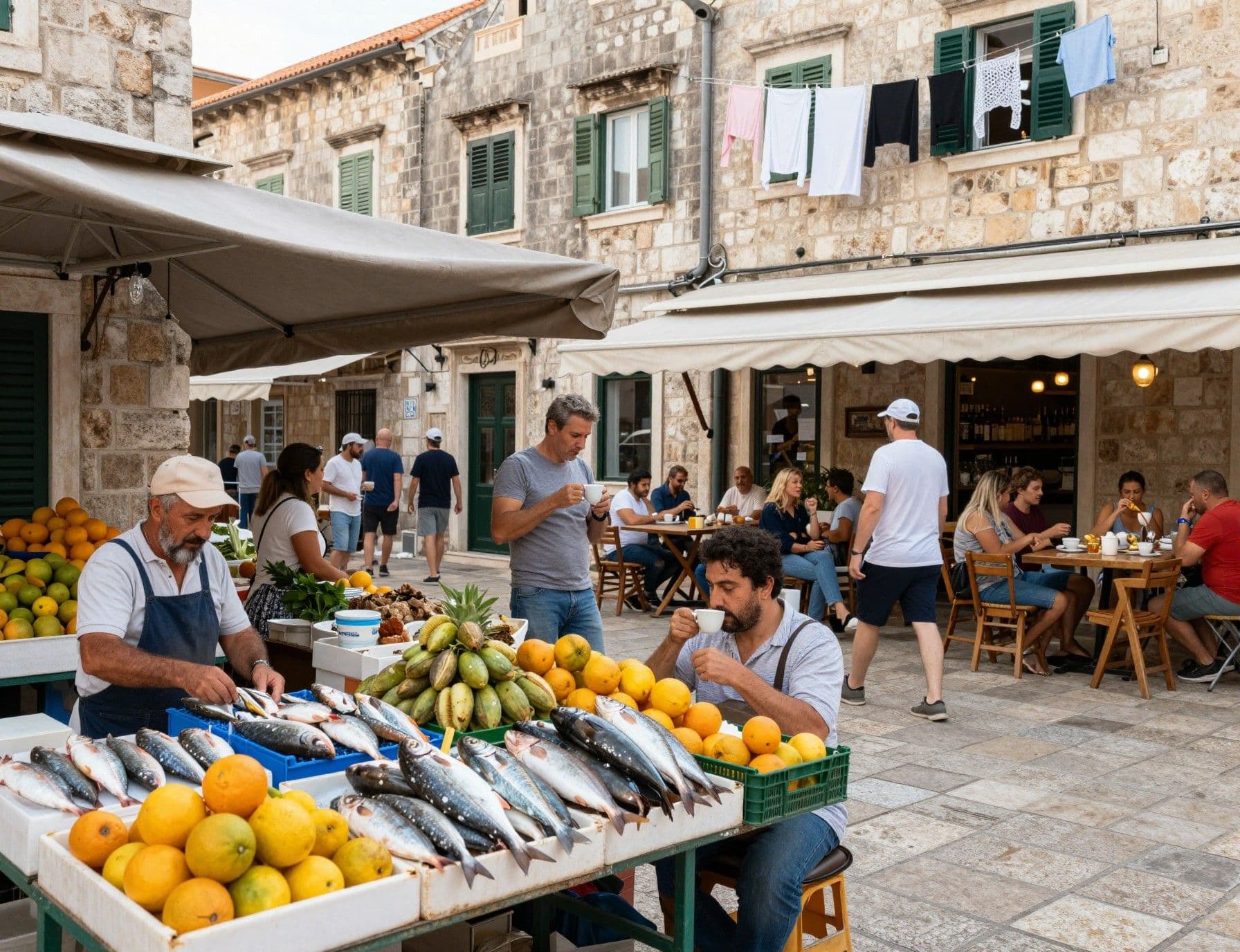
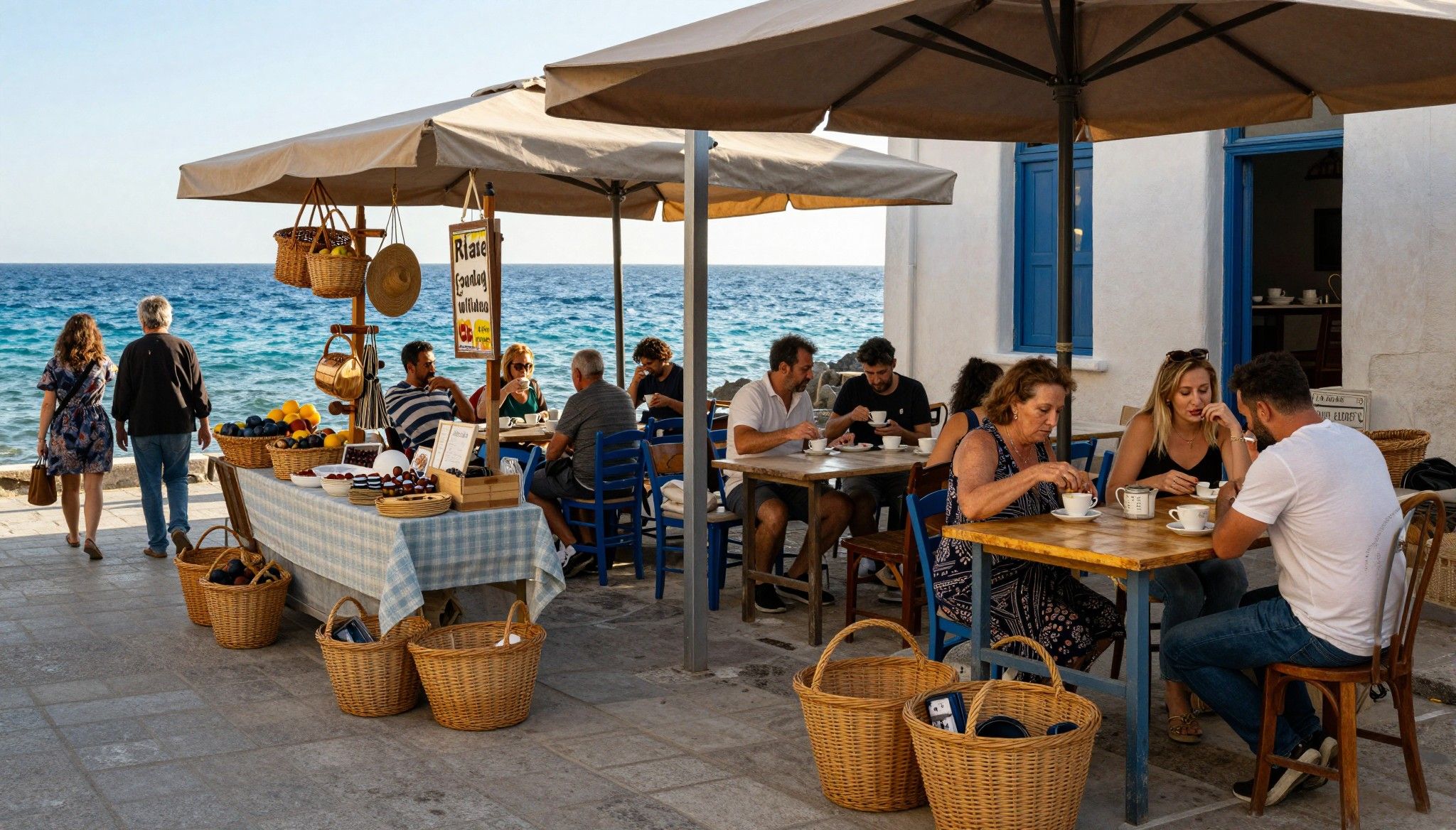
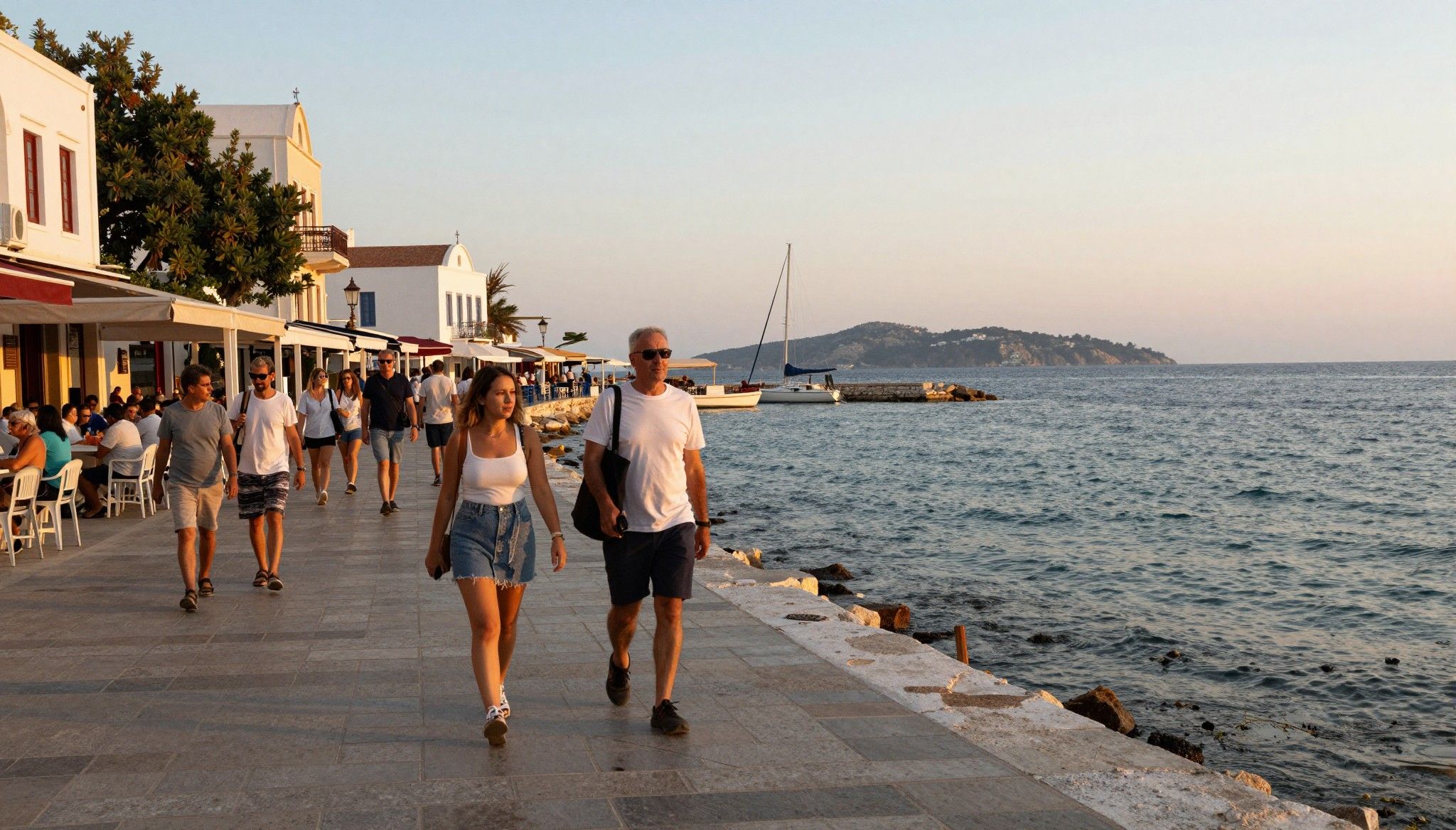
Daily life in Croatia balances island calm with Mediterranean energy. Mornings begin in small cafés — think caffeinated, precise and social — afternoons find families at beaches like Zlatni Rat or local markets in Zadar, and evenings move slowly into long dinners with seafood and local wine. The Adriatic sets a tempo: tourists swell the coast between June and September, and whole neighbourhoods shift from quiet to commercial overnight.
Zagreb vs. Dubrovnik vs. Dalmatian islands
Zagreb is a four‑season European capital with cafés, museums and a commuter belt that matters for families and remote workers. Dubrovnik is historic and intensely seasonal; streets that feel cinematic in May can become congested in August. Islands like Hvar and Brač trade anonymity for island life: quieter winters, sparser services and a market that reacts strongly to tourist demand.
Food, markets and weekend rituals
Weekend routines are sensory: fish markets at sunrise (Split’s Varos fishing quay), olive oil tastings inland (Istria), and long Sunday lunches. These rituals shape where locals buy: proximity to markets, north‑facing terraces for summer shade, and storage space for seasonal gear are lifestyle features buyers often overlook when dazzled by views.
- Lifestyle highlights to seek (real places)
- Split Riva coffee culture, Diocletian’s Palace alleyways
- Zadar sea organ evenings and local fish markets
- Istrian hill towns (Motovun) for truffle season and year‑round quiet
Why summer house‑hunting in Croatia backfires
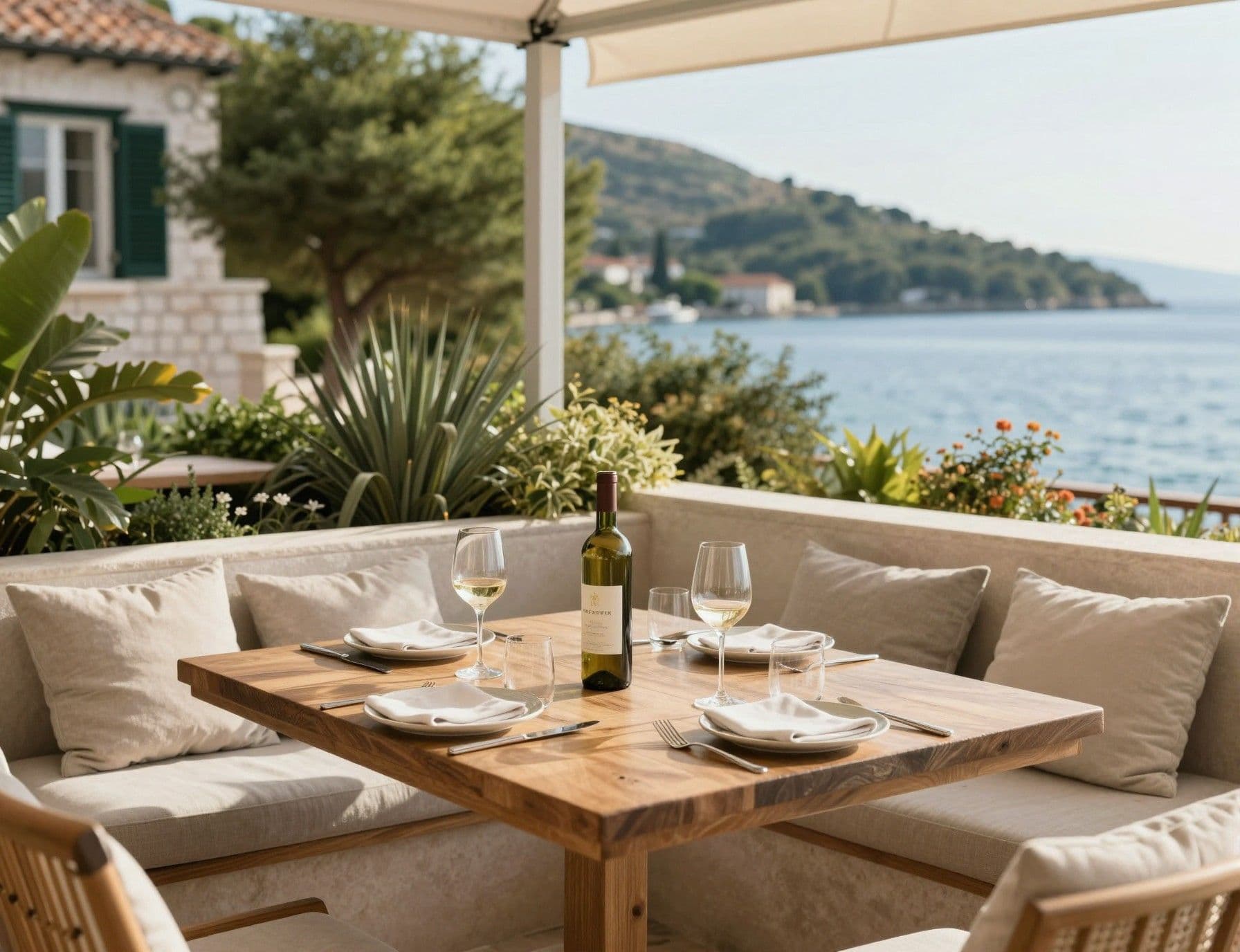
Headline data shows Croatia led EU house‑price growth in recent quarters, but transactions have cooled. High summer demand drives asking prices and creates seller leverage; fewer recorded sales in 2025 suggest many transactions close off‑market or at peak seasonal value. That combination punishes buyers who visit only in July or August.
Seasonal price and liquidity dynamics
Data from national indices show strong year‑on‑year growth; yet liquidity slides in high season when listings turn transient and buyers compete with short‑term rental investors. In practice this raises the effective price of a property by pushing deals into bidding situations and by shortening negotiation windows.
The psychological traps tourists fall into
Warm, sunlit afternoons, coastal festivals and packed beaches create a powerful emotional bias: we overvalue proximity to tourist hotspots and underestimate noise and seasonal congestion. That leads to paying premium for 'lifestyle' features that matter less off‑season — narrow, noisy streets; limited winter services; overpriced property management.
- How summer visits distort judgement
- Overestimate rental demand and nightly rates; under‑estimate running costs in low season
- Mistake transient hospitality for everyday community life
- Accept rushed decisions during peak bidding windows
Making the move: practical, season‑aware steps
If you love Croatia’s summer heat, protect your buying judgement by seeing the other seasons. Autumn and spring reveal noise levels, service availability, and how neighbourhoods actually function — information that materially affects long‑term value and living quality.
Property types and how season changes them
New coastal flats trade convenience for exposure: small terraces, thin walls, and tourist footfall. Converted stone houses inland offer thermal mass and quieter winters but require maintenance. New developments on the periphery of Split or Zagreb deliver modern amenities and year‑round tenants, but check delivery timelines and presales carefully.
Work with experts who show the year
Choose agencies that provide off‑season visits, audited rental histories and pipeline transparency. A good local agent will show winter utility bills, speak to neighbours, and arrange viewings at different times of day — the practical signals that summer photos hide.
- Season‑aware buying checklist
- Visit the neighbourhood outside June–September to test services and noise
- Request audited rental performance over a full 12‑month cycle (not just summer months)
- Confirm construction timelines and pipeline absorption rates for new builds
- Ask for winter utility bills and local maintenance records to estimate true running costs
Insider knowledge: expat lessons and red flags
Long‑term expats mention three surprises: the strength of regional price growth, the persistence of off‑market deals, and the patchwork availability of services on smaller islands. Developers list pipeline shifts toward quality renovations and smaller‑scale new builds close to transport hubs.
Cultural and practical red flags
Watch for contested titles on old coastal plots, permits that don’t match as‑built works, and informal rental operations with tenuous licensing. Socially, be aware that communities on islands can be close‑knit and slow to accept newcomers; integration requires time and local respect.
Where pipeline and policy matter
National house‑price momentum is paired with a measured new‑build pipeline: developers are shifting to lower‑risk presales and smaller blocks. That reduces speculative overhang but also limits immediate supply in high‑demand coastal pockets — a dynamic buyers need to factor into timing decisions.
Conclusion: Love the lifestyle, time the market
Croatia offers a life that’s sensory, social and seasonal. To buy well, treat summer as market theatre not truth. Visit in spring or autumn, demand year‑round data from agents, and prioritise properties that perform off‑season. When you pair local expertise with season‑aware diligence, you buy the life — and the value — that lasts.
British investor turned advisor after buying in Costa del Sol since 2012. Specializes in cross-border compliance and data-driven investment strategies for UK buyers.