Italy: Neighbourhood Rhythm, Lifestyle and Market Signals
Italy’s neighbourhood rhythms — from Roman markets to coastal winters — shape value. Blend sensory scouting with OMI data and local expertise for smarter, livable purchases.
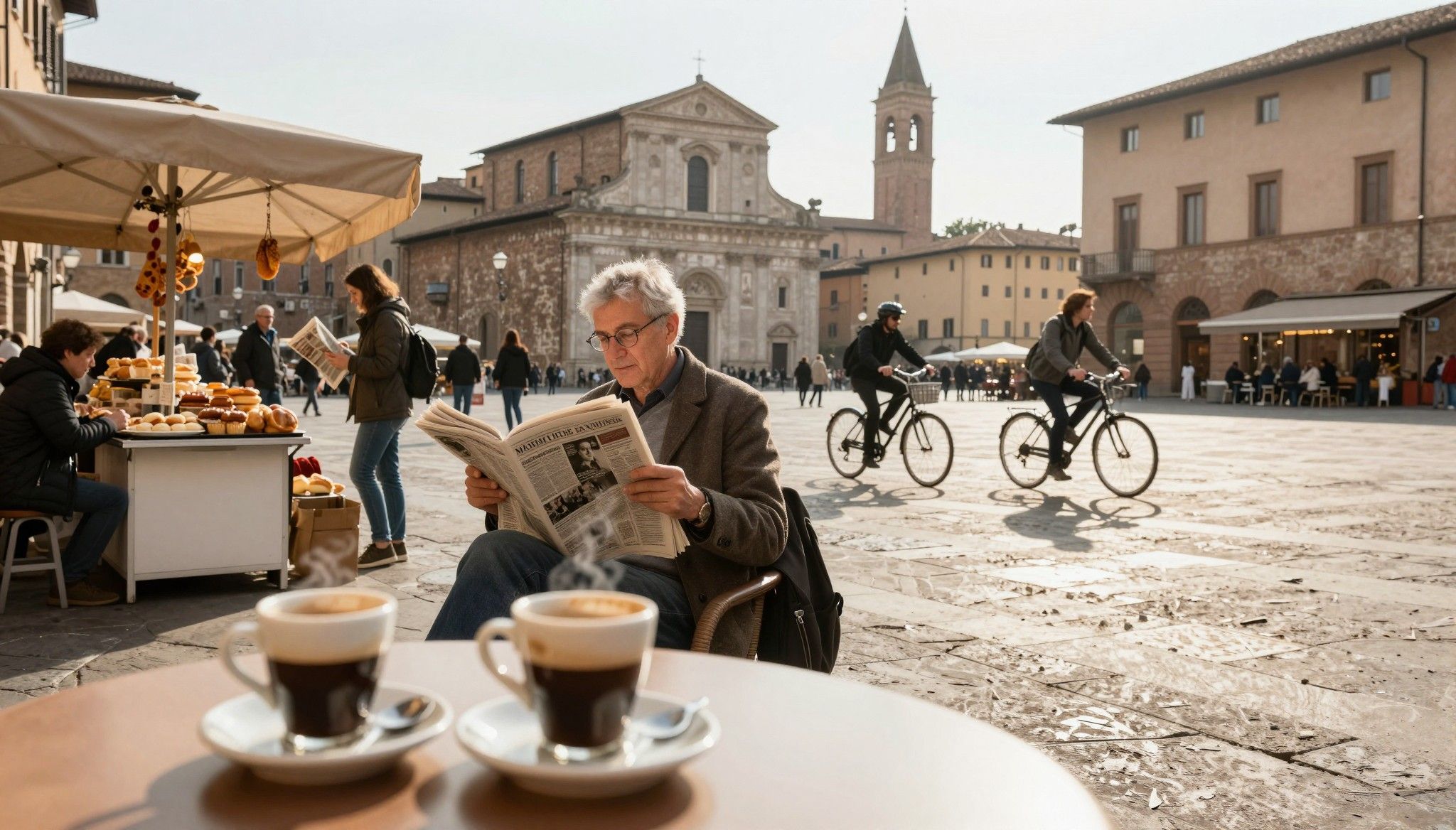
Imagine a late‑morning in Italy: espresso steam curling up outside a small café on Via della Lungara in Rome, fishermen mending nets along the Amalfi Coast at Positano’s marina, and an aperitivo crowd spilling onto a narrow Milanese street in Brera. That sensory patchwork — food, light, neighbourhood rhythms — is what draws buyers. But the choice of where to buy determines whether you wake to market stalls and neighbours, or to a postcard view with tourist noise. This piece blends the sensory life of Italy with up‑to‑date market signals and practical steps so international buyers can trade the dream for a livable, savvy plan.
Living the Italy lifestyle: from piazza to coastline
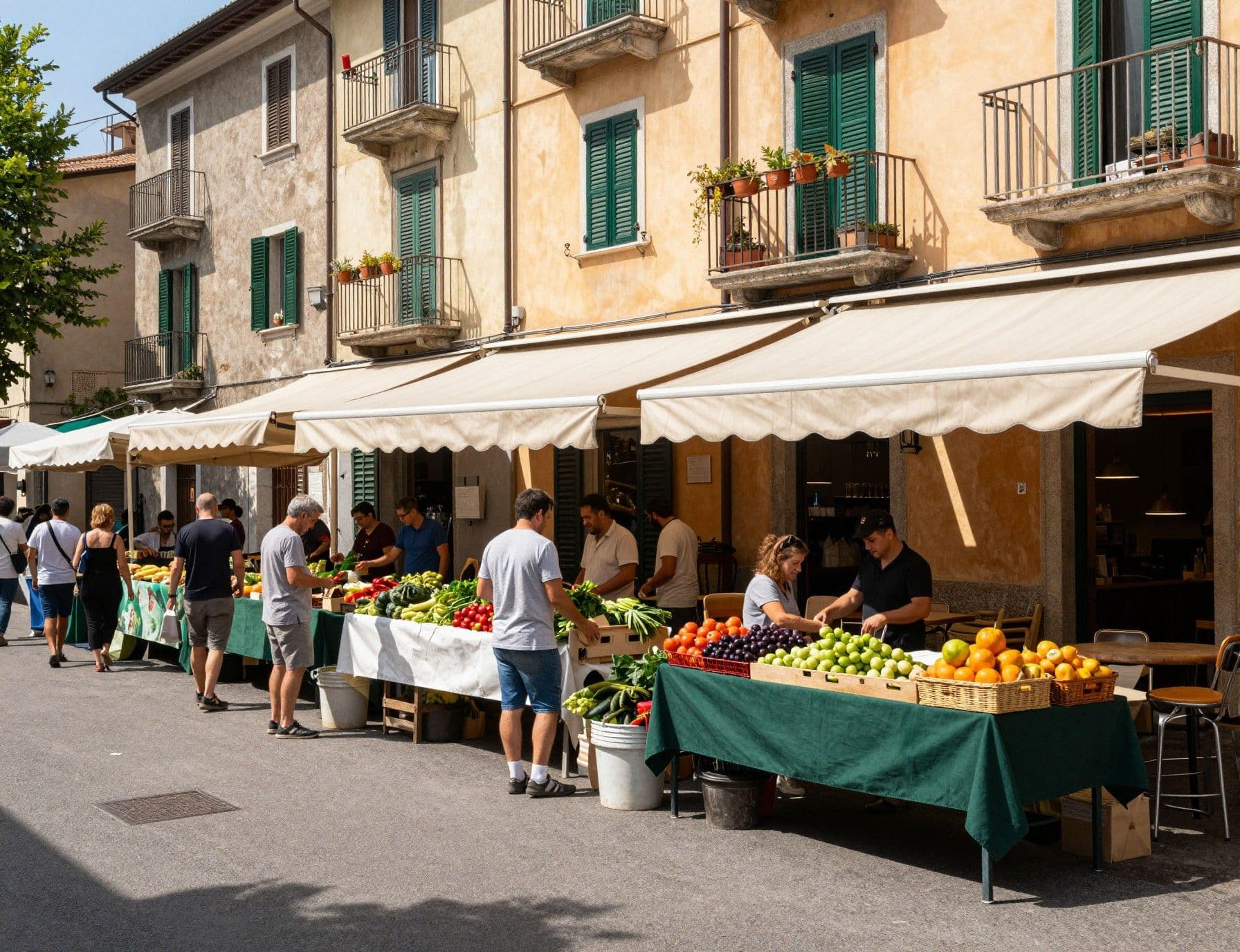
Daily life in Italy moves at neighbourhood scale: morning markets set menus for the day, mid‑afternoon shutters close for a riposo in many towns, and evening streets reawaken for dinner. The feeling differs regionally — the slow, seaside cadence of Liguria and Campania contrasts with the brisk coffee culture of Milan and the bookshop‑lined lanes of Florence’s Oltrarno. For buyers this matters: choose a place that matches not only your aesthetic but the rhythm you want to live.
Rome: neighbourhood theatre and hidden pockets
Rome’s personality shifts block by block. Trastevere and Monti deliver cobbled intimacy and trattorie; Testaccio’s food market anchors an authentic daily life; Parioli offers leafy residential calm. For international buyers who want real resident life, look off the main tourist axes — small streets near Mercato di Testaccio or Garbatella have local supply shops, bakeries open year‑round and community gatherings that longevity buyers crave.
Coast & islands: Amalfi, Liguria, Sicily — different seas, different prices
The Amalfi Coast and Capri sell an immediate fantasy — steep streets, sea views, premium pricing and seasonal rhythms driven by tourism. By contrast, parts of Liguria (Levanto, some areas around La Spezia) and Sicily’s western coasts are quieter and reveal better long‑term price momentum for lifestyle buyers seeking lower entry points without losing coastal character. Think: morning swims, afternoon market visits and quiet winters where you live like a local, not a headline.
Lifestyle highlights: markets, cafes and hidden corners
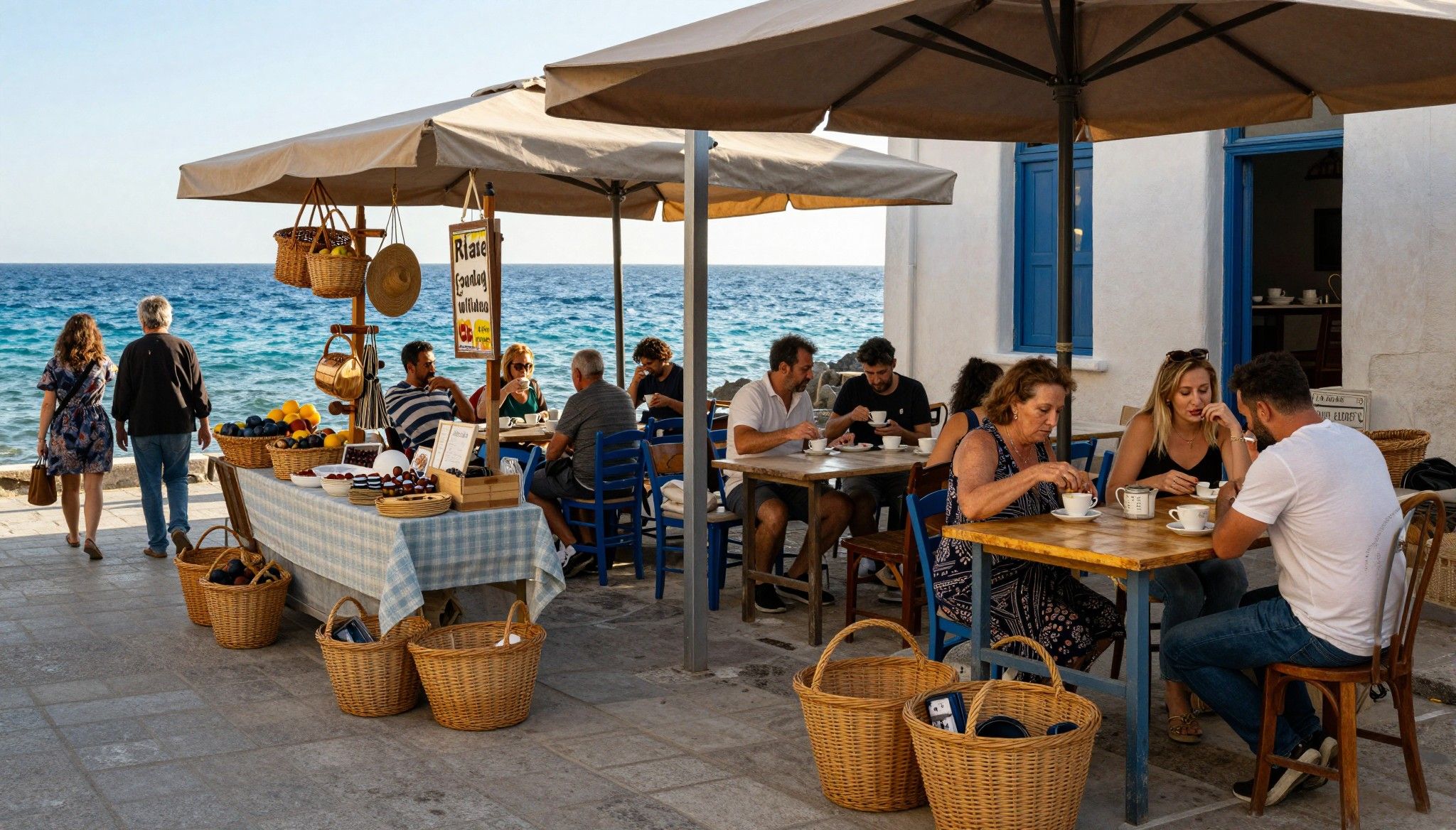
Campo de' Fiori market morning shopping (Rome)
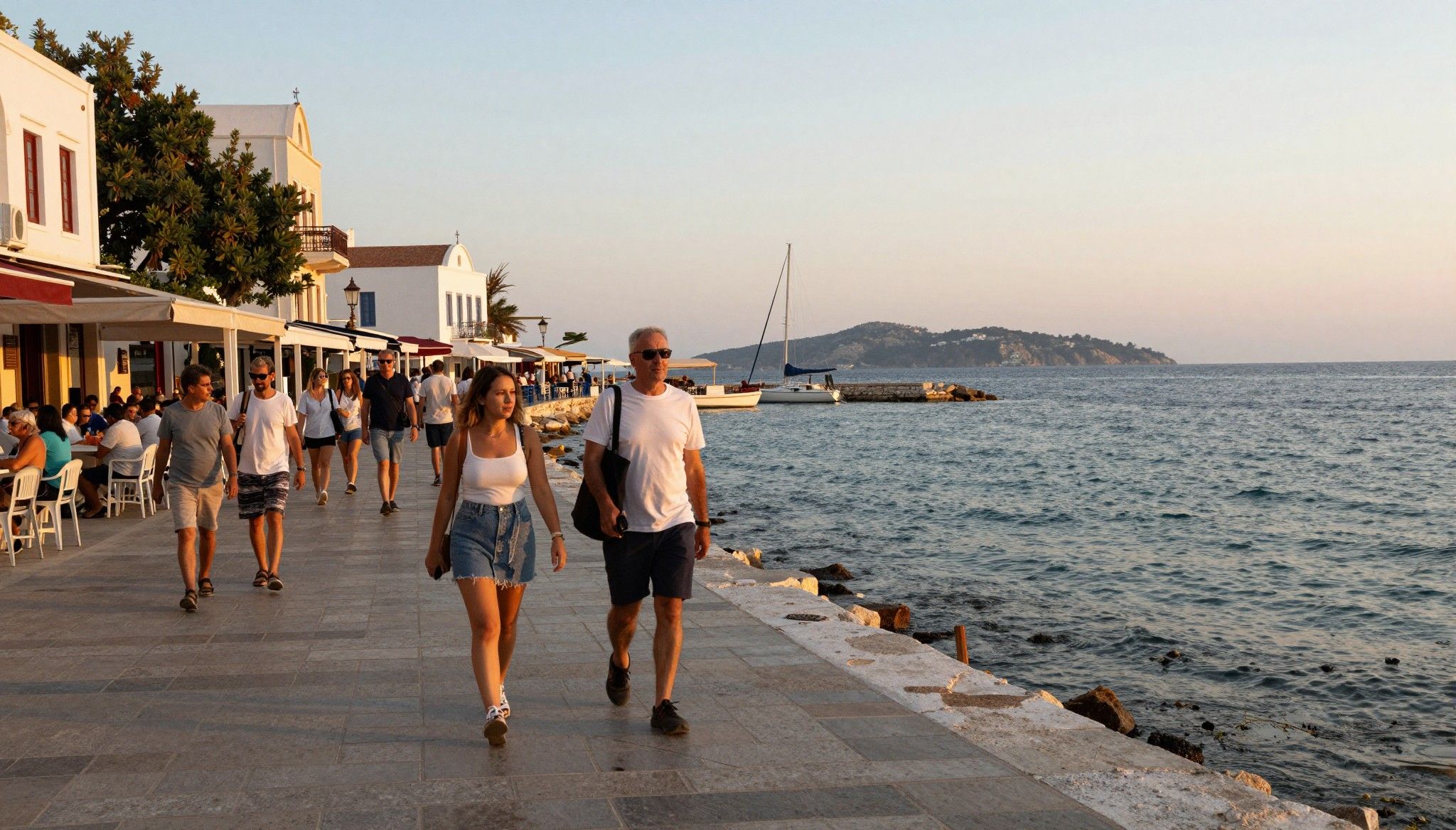
Evening aperitivo on Via San Marco (Milan’s Brera)
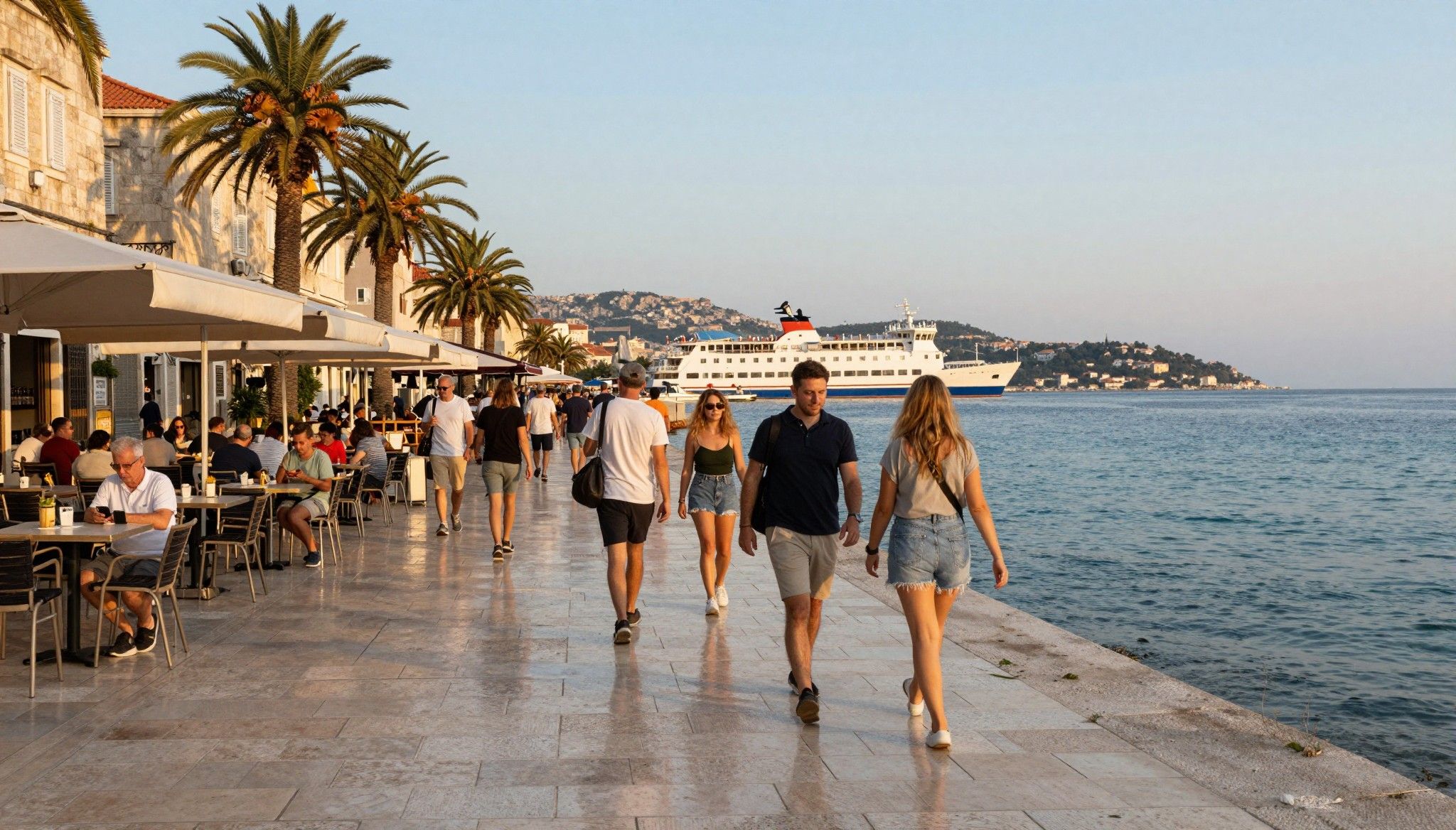
Seafood stalls and sunset walks at Marina Grande (Sorrento)
Making the move: practical considerations that respect lifestyle
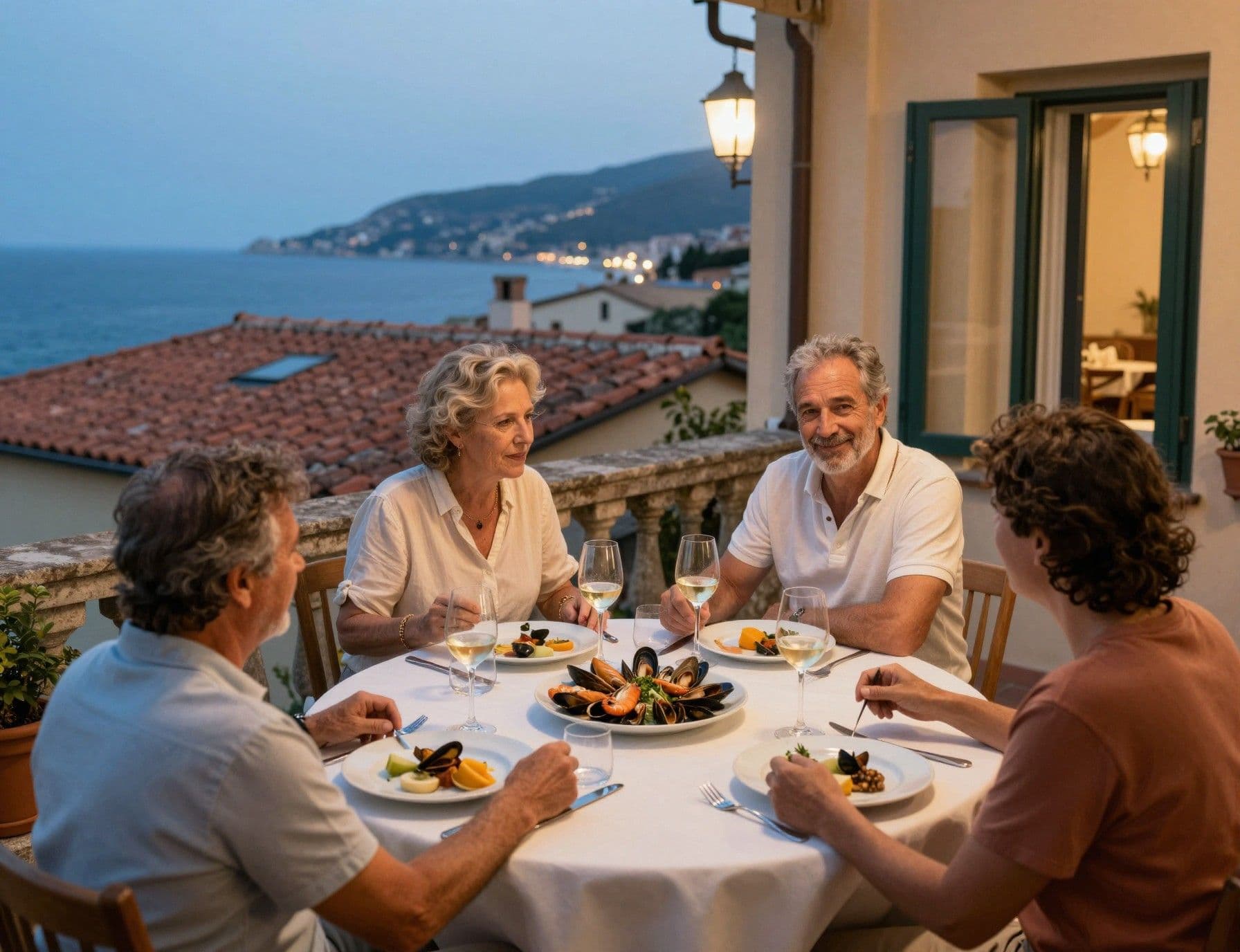
The market is recovering unevenly. The Agenzia delle Entrate’s OMI reported a strong 2025 in transactions and regional divergence in price moves; marketplaces show rising asking prices in city centres and coastal hotspots. Use these signals to decide whether you buy for immediate rental income, seasonal use, or as a neighbourhood lifestyle purchase. Accurate local data reduces the risk of overpaying for a view and underestimating living costs.
Property types and how they shape daily life
A listed centro storico apartment in Florence delivers history and compact living — high ceilings, thick walls, but limited parking and higher upkeep. New‑builds on the outskirts (for example near Milan’s periphery) offer better thermal performance, underground parking and elevators, suiting families and remote workers. For coastal buyers, terraces and shuttered windows define summer life; inland buyers prioritise heating efficiency for colder months. Match the property type to how you intend to use it year‑round.
Working with local experts who know the rhythm
Why local agencies matter: they translate municipal building rules, know where community life still exists, and spot renovation quirks that affect livability. Choose agents with recent transaction records in your target neighbourhood and bilingual staff who can explain cadastral maps (catasto) and energy performance certificates (APE). A good agency will suggest a plumber, an architect and a notary with local standing — essential for a smooth purchase.
Stepwise practical checklist for lifestyle buyers:
1) Spend at least three separate days in your chosen neighbourhood across different times (market morning, weekday evening, weekend) to feel the rhythm.
2) Ask your agent for recent comparable sales (last 12 months) — look for OMI or Agenzia delle Entrate references to back prices.
3) Verify energy class (APE), building regulations, and permitted works before a formal offer; renovations in historic centres can be costly and slow.
Insider knowledge: expat truths and regional surprises
Expats often say the biggest surprise is the civic scale: small bureaucratic hurdles, the strength of local social networks, and the seasonal flux of coastal towns. Bank of Italy surveys and market data show rising prices in many regions and shortening time‑on‑market; that means quick decisions are sometimes needed, but haste without local context produces regrets. Read local noticeboards, chat to shopkeepers, and test the commute before signing.
Cultural integration: language, community, and daily norms
Italian social life leans local: gelaterie and baristas remember faces, and neighbourhood associations organise seasonal festas. Learning basic Italian opens doors to better deals, tradespeople and invitations. Consider language classes, local volunteer groups, or a weekly market visit as your integration plan — these routines are where the best neighbourhood opportunities arise.
Long‑term lifestyle realities
Italy’s demographic trend and macro context matter: OECD analysis highlights an ageing population and modest GDP growth outlook, which can influence long‑term demand patterns. For lifestyle buyers this means choosing regions with resilient local economies — university towns, diversified coastal areas and provincial centres with transport links tend to hold lifestyle quality and liquidity better than single‑season resort strips.
Red flags and local quirks to watch for:
Unclear land registry entries (catasto) or missing building permits
Properties with aesthetic appeal but poor heating/insulation (high future costs)
Buying solely for summer rental on a single‑street resort with shrinking off‑season demand
Conclusion: imagine this life, then build the plan. Live the rhythm you crave by testing neighbourhoods, using OMI and local market feeds to validate price, and partnering with agents who can translate civic rules into lifestyle outcomes. Start with three concrete steps: visit at different times, request official comparable sales, and secure a bilingual notary. Italy rewards patient buyers who pair affection for place with regional data and local expertise.
British investor turned advisor after buying in Costa del Sol since 2012. Specializes in cross-border compliance and data-driven investment strategies for UK buyers.