When Coastal Hype Hides Croatia’s Value
Croatia’s headline coast is expensive, but regional data and legal nuance reveal quieter value corridors — pair seasonal visits with legal checks for confident buying.
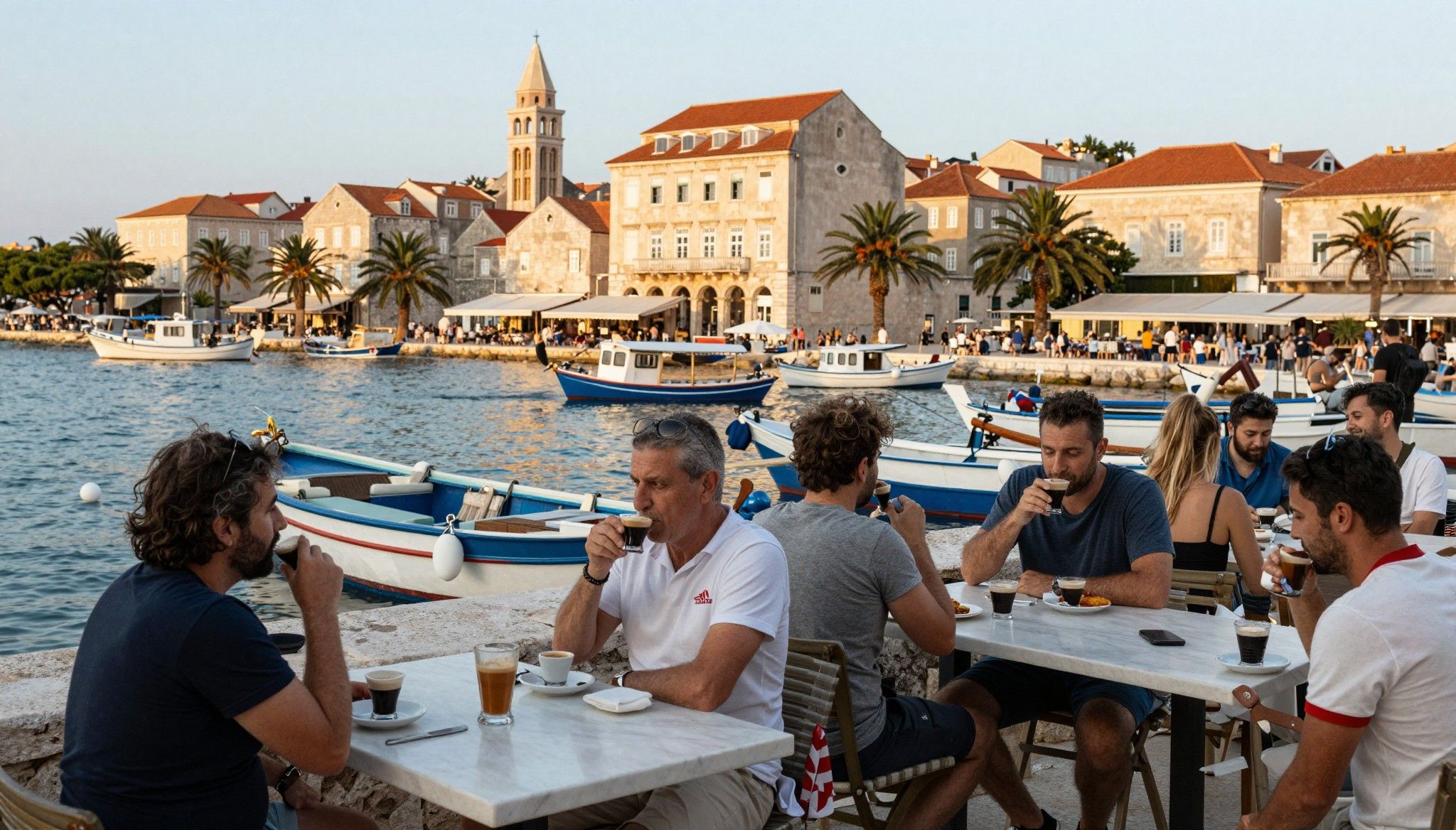
Imagine sitting at a sun-warmed table on Split’s Riva, espresso steaming, fishermen mending nets across the quay and a real-estate agent telling you Dubrovnik is the only place worth buying. That postcard image is real — but it’s only part of Croatia’s story. Recent national data show sizeable regional variation in prices and sales volumes, and for buyers who look past the headline coast there are quieter pockets that pair lifestyle with better value. See DZS data for context.
Living the Croatia lifestyle
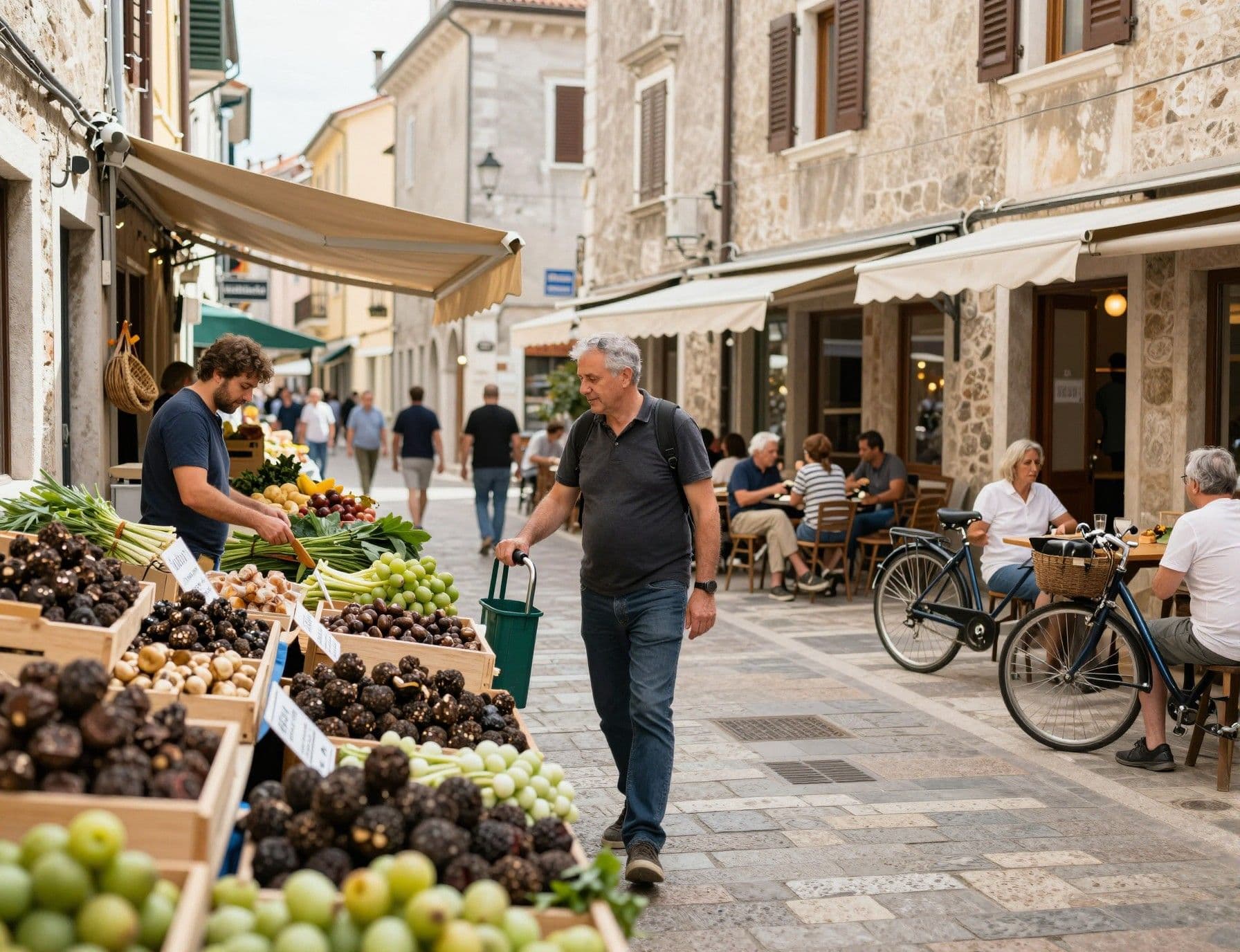
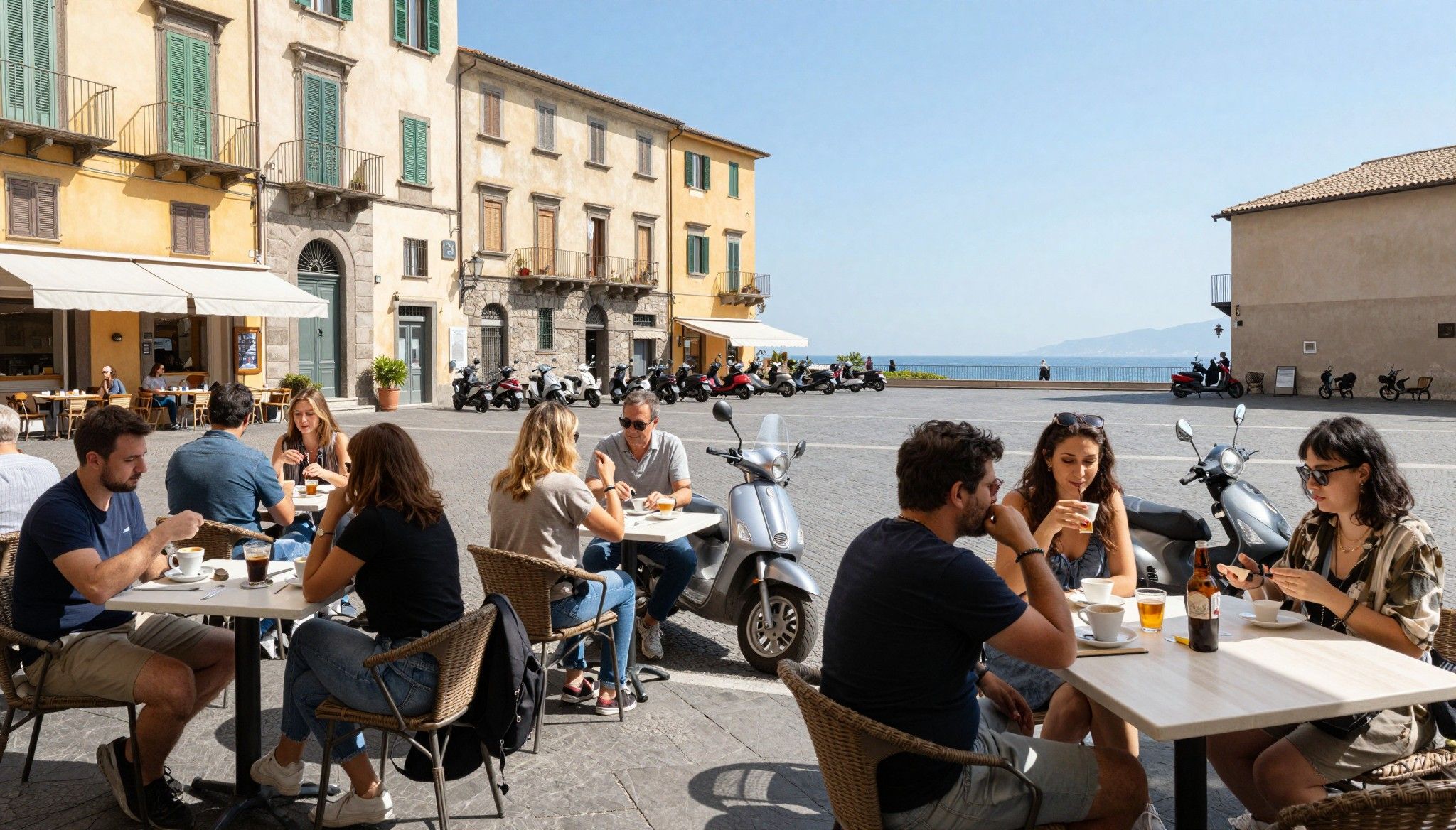
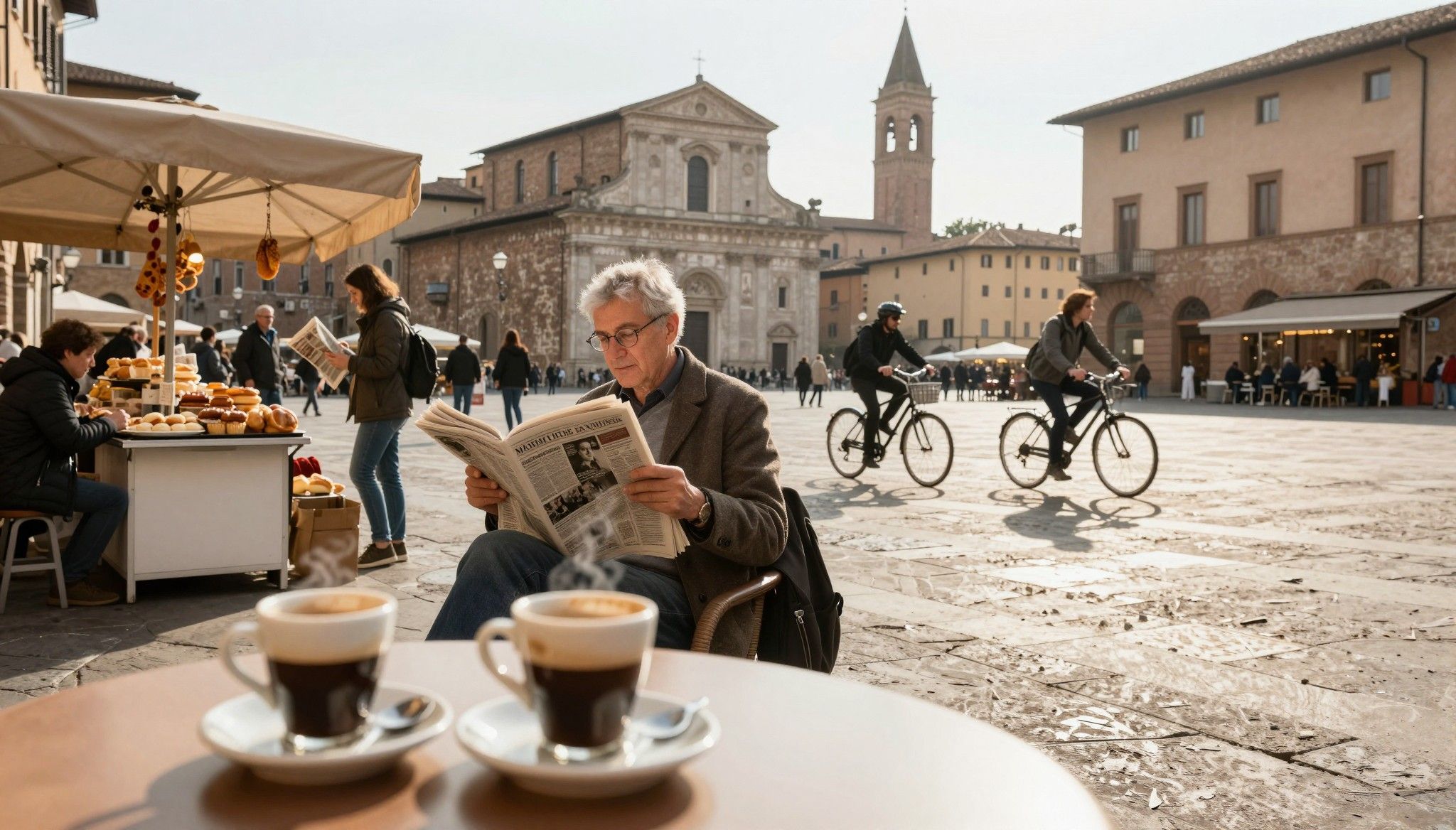
Croatia isn’t a single rhythm — mornings smell of baked burek in Zagreb, afternoons in Istria slow to the clink of café cups, and island evenings move to the sound of live klapa singing in konobas. Coastal towns pulse in summer and soften outside season; inland life is steadier and often more affordable. The country’s EU membership and recent infrastructure investment have changed who comes here and when, but daily life remains local, tactile and season-driven. (See Invest Croatia for investment context.)
Zagreb & Continental Croatia: city rhythm with green lungs
Zagreb offers a European city experience without the constant tourist churn: tree-lined Diocletian-inspired promenades, neighbourhood markets on Britanski trg, and apartments close to parks. For buyers who want year-round life — cafés that stay open past October, international schools, hospitals and cultural venues — Zagreb balances quality of life with calmer market dynamics than the Adriatic hotspots.
Dalmatian coast & islands: headline scenes, seasonal realities
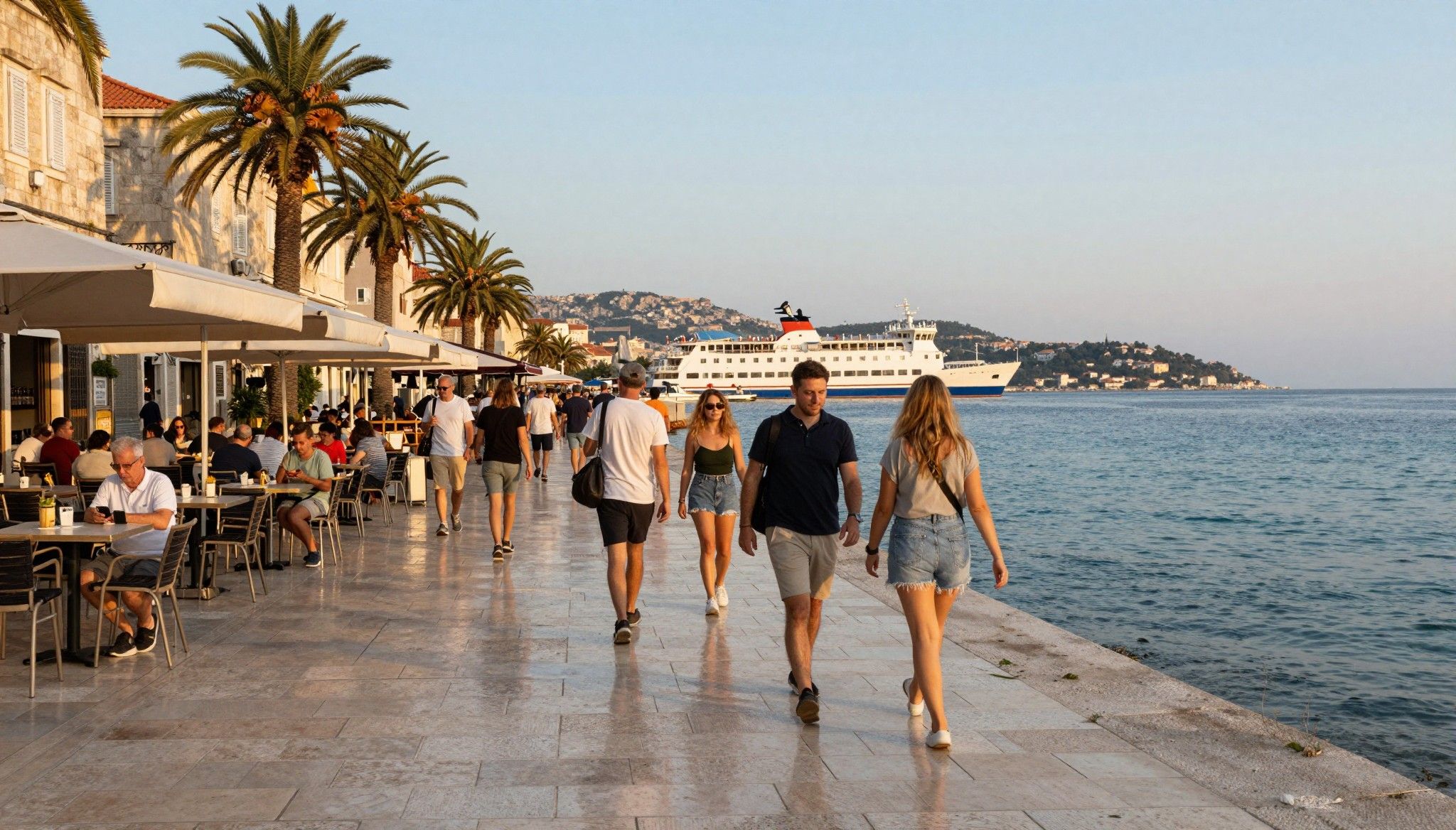
Split, Hvar and Dubrovnik sell a lifestyle — piazzas, pebble beaches and marina life — and prices reflect that seasonal demand. National house price indices show strong coastal growth in recent years, but that growth is concentrated in a handful of towns. If you want island life without the peak-season premium, study lesser-known ports like Stari Grad (Hvar) or Korčula town rather than headlines about Dubrovnik. See national house price data for growth patterns.
- Lifestyle highlights
Morning coffee at Café U Dvorištu (Zagreb) and a weekend at Plitvice for fall colours
An evening aperitif on Split’s Riva followed by fresh fish in the Varoš quarter
Buying seasonal oil and truffles at Istria’s Pazin market and cooking at home
Island life on Mljet: kayaks, small coves and neighbours who know your name
Making the move: practical considerations that protect lifestyle
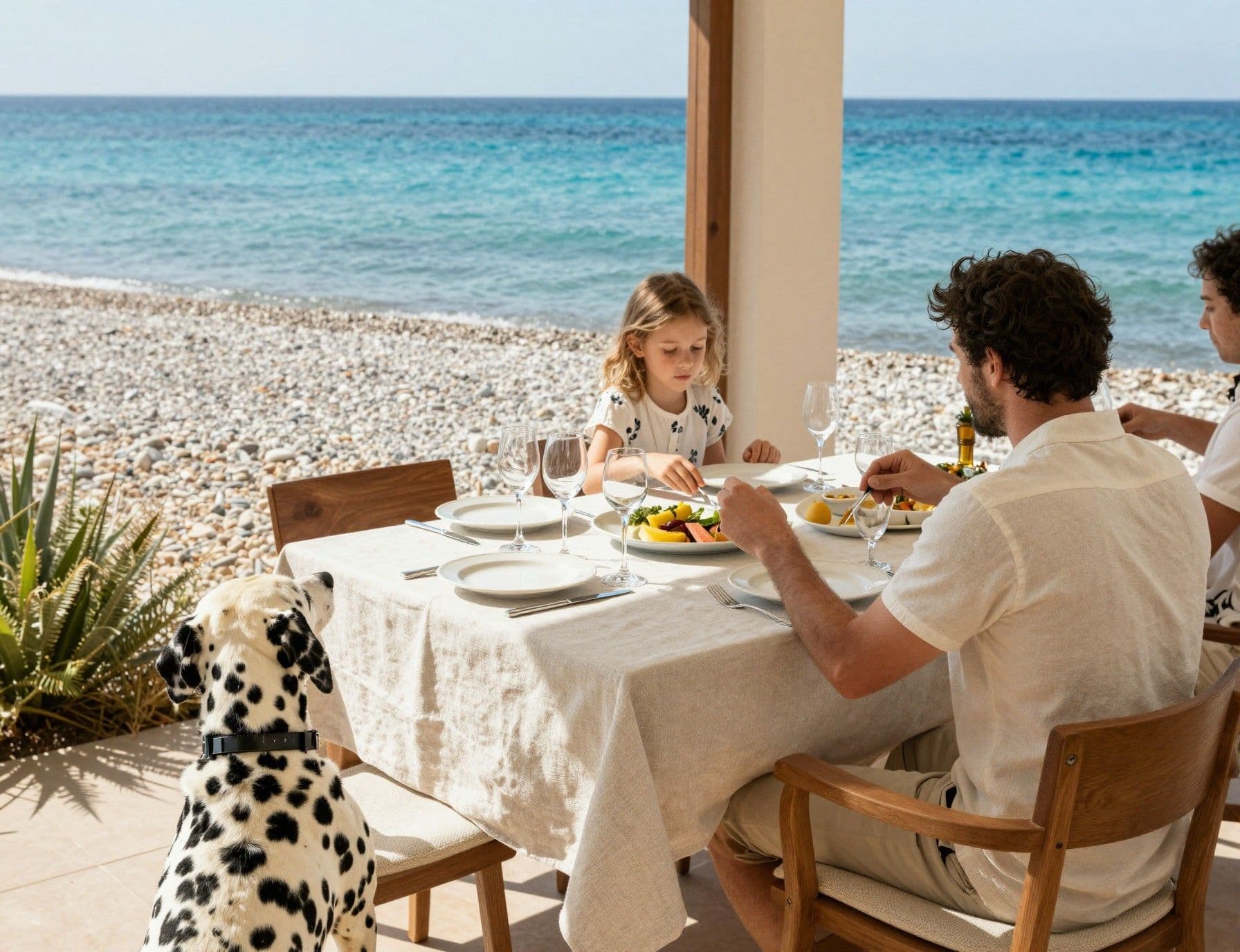
Dreams of terraces and sea views must meet local process: EU citizens enjoy parity with Croatians, while non‑EU buyers usually need ministerial consent or use a local company structure. That legal divergence affects timing, negotiation confidence and financing options. Work with a local lawyer and agent experienced in reciprocity cases to protect the lifestyle you bought into. (Practical steps from local law advisers help here.)
Property styles and how they shape daily life
Stone Dalmatian houses reward restoration lovers: thick walls, shaded courtyards and small gardens but expect higher renovation oversight. New-build apartments in coastal towns offer modern insulation, lifts and easier rental management. Decide whether you want a lived-in heritage property that anchors you in local rhythms, or a turnkey apartment that supports part-time living and tourist letting.
Working with local experts who know the lifestyle
An agent who knows where the best morning bakeries are will also know which streets flood after heavy rain, where building permits are slow, and which neighbourhoods retain value off-season. Prioritise firms with verified local sales records, bilingual contracts and a network of architects, notaries and property managers.
- Six step lifestyle-forward purchase checklist
1) Visit in late spring and late autumn to compare energy, noise and services.
2) Commission title and cadastral checks with a Croatian lawyer before serious offers.
3) Confirm whether your nationality requires ministerial consent or if a d.o.o. company route is needed.
4) Model running costs seasonally — utilities, council services and off-season heating.
5) Check rental rules and municipal restrictions if you plan short-term lets; some historic zones limit conversions.
6) Line up property management before completion if you’ll be remote for months at a time.
Insider knowledge: what expats wish they'd known
Expats often underestimate administrative timelines and community rhythms. Ministry approvals for non‑EU buyers, municipal permit slowdowns and seasonal service reductions will affect early months of ownership. A local lawyer once told me that approvals and neighbours’ patience set the tone for the first year — prepare for bureaucracy and bring local goodwill. (Local legal explanation here.)
Language, community and everyday integration
Croatian is central to deeper integration, but English works widely in tourist and urban settings. Learn a few phrases — neighbours appreciate the effort — and join local activities: morning markets, church fêtes, volunteer coastal clean-ups and konoba evenings. These small rituals are where the lifestyle you bought becomes real.
Long-term lifestyle and market signals
Market reports show strong recent growth concentrated in tourist hubs; informed buyers look for pockets where infrastructure and year‑round communities point to sustainable value rather than summer-only appreciation. Regional reports indicate accelerated growth in some coastal zones but also highlight inland and secondary-coast corridors where demand lags headline towns — an opportunity for buyers focused on lifestyle continuity.
Concrete neighbourhoods to watch
Istria's Rovinj old town for food culture; Pula suburbs for value with good connections; Šibenik’s historic centre for quieter coastal life; Trogir for restored stone homes next to daily life; inland Varaždin for manor houses and calmer pace.
If you want to test the water: rent in a target neighbourhood across two seasons, meet local agents (ask them about past off-season sales), and always verify whether your nationality needs ministerial consent. Good agents and lawyers shorten timelines and protect the lifestyle you pictured. (Practical buyer guide linked.)
Conclusion — how to turn a Croatian desire into a durable life
Croatia sells a life of sea-salt mornings, market afternoons and quiet winters. To make that life yours, pair the sensory research — neighbourhood strolls, café checks, market shopping — with rigour: title checks, legal advice on reciprocity, seasonal cost modelling and a local manager for the early months. When lifestyle and process are equal partners, Croatia’s subtler corners reward both the heart and the ledger.
British investor turned advisor after buying in Costa del Sol since 2012. Specializes in cross-border compliance and data-driven investment strategies for UK buyers.