Italy: Live the Rhythm, Buy with Local Smarts
Live the Italian rhythm: blend neighbourhood rituals, seasonal realities and targeted due diligence to buy coastal or city property with confidence.
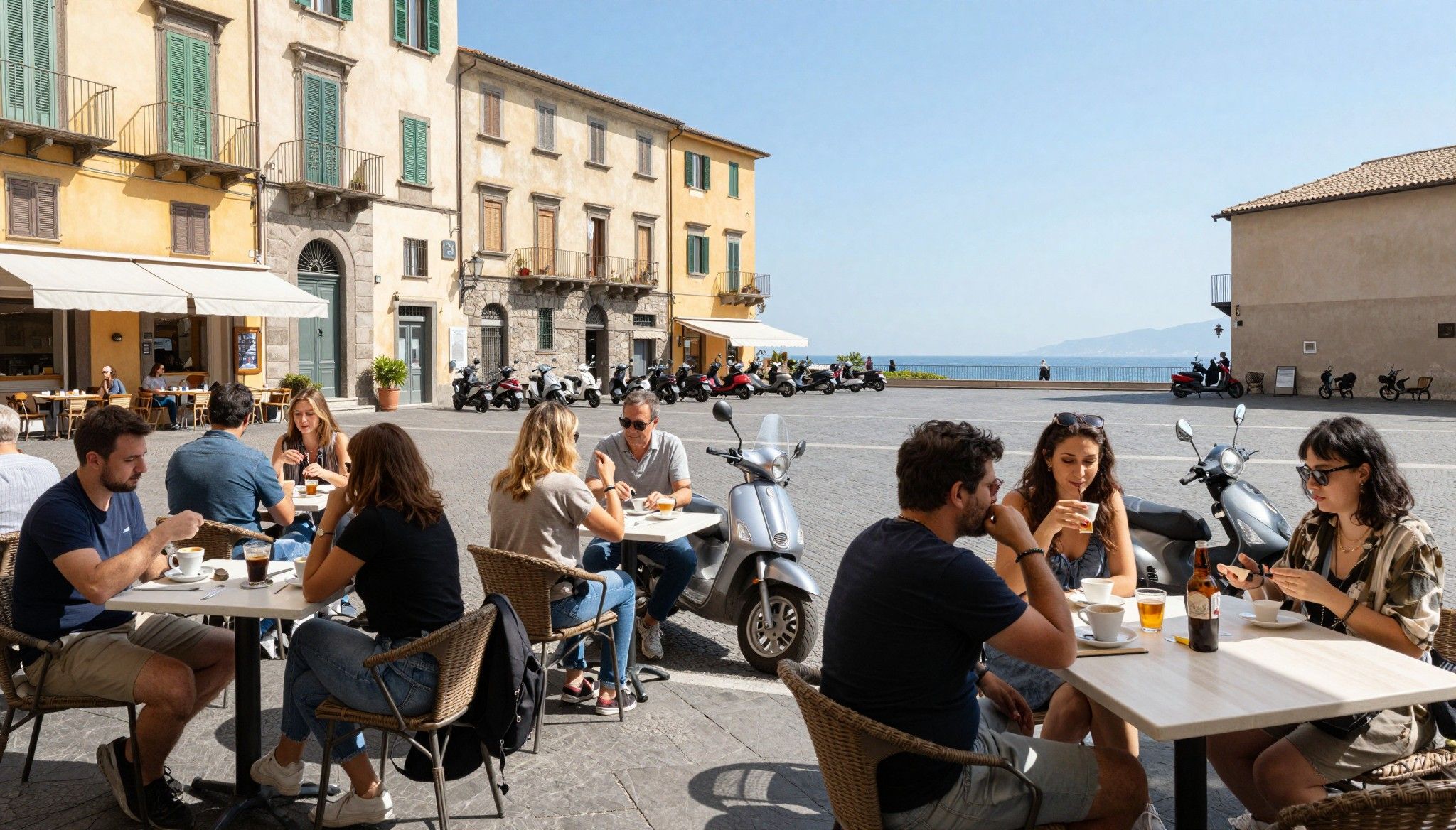
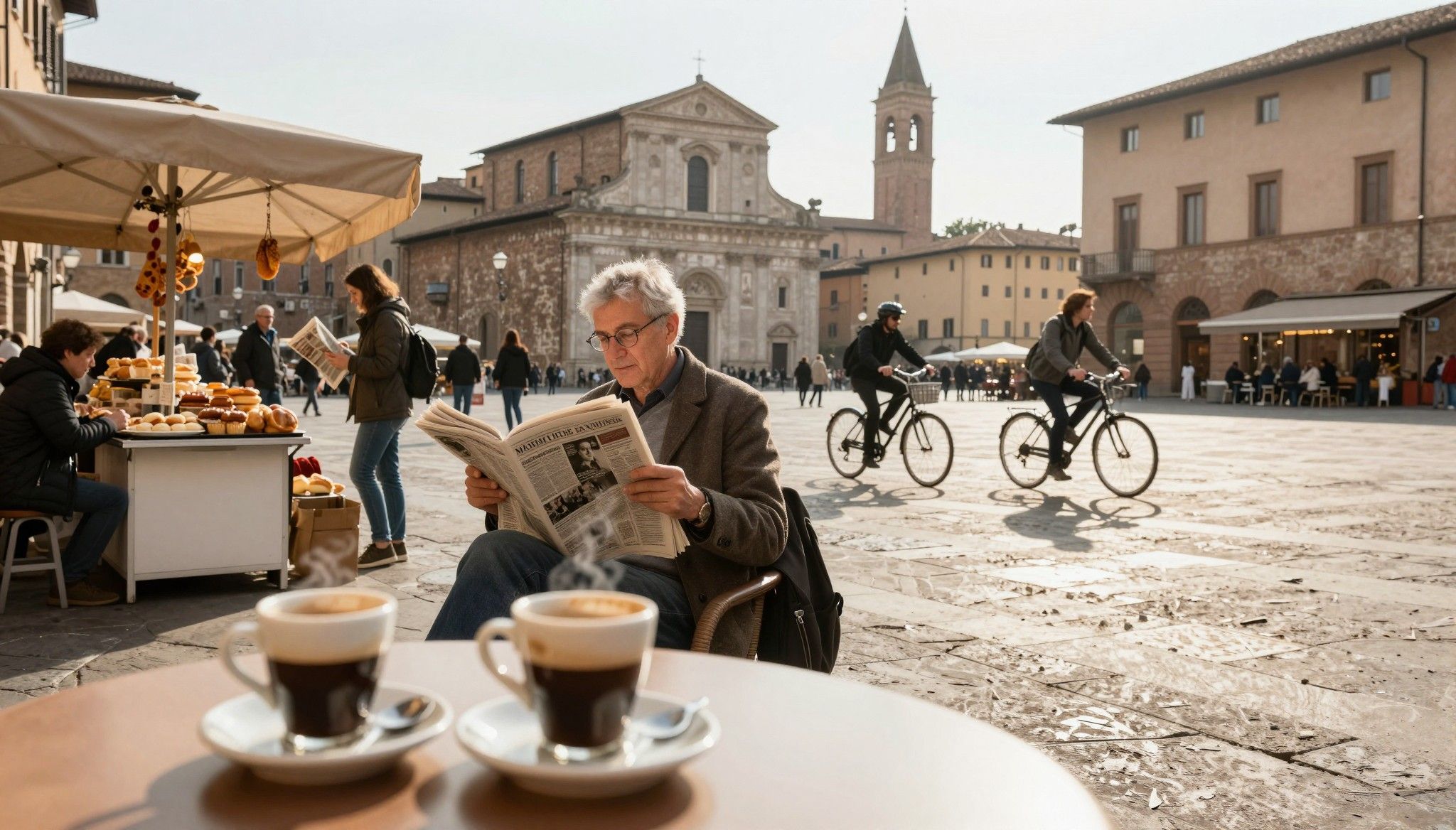
Imagine stepping out for espresso on a narrow cobbled street in Trastevere, then closing the deal on a sea-view apartment in Liguria two weeks later. Italy moves at different rhythms: lively, convivial mornings in city piazzas, slow coastal afternoons, and intense cultural weekends. For international buyers, that rhythm is the asset — and the practical challenge — of buying here. Recent market analysis shows renewed interest from foreign buyers in coastal and heritage markets, making timing and local knowledge essential.
Living the Italy lifestyle
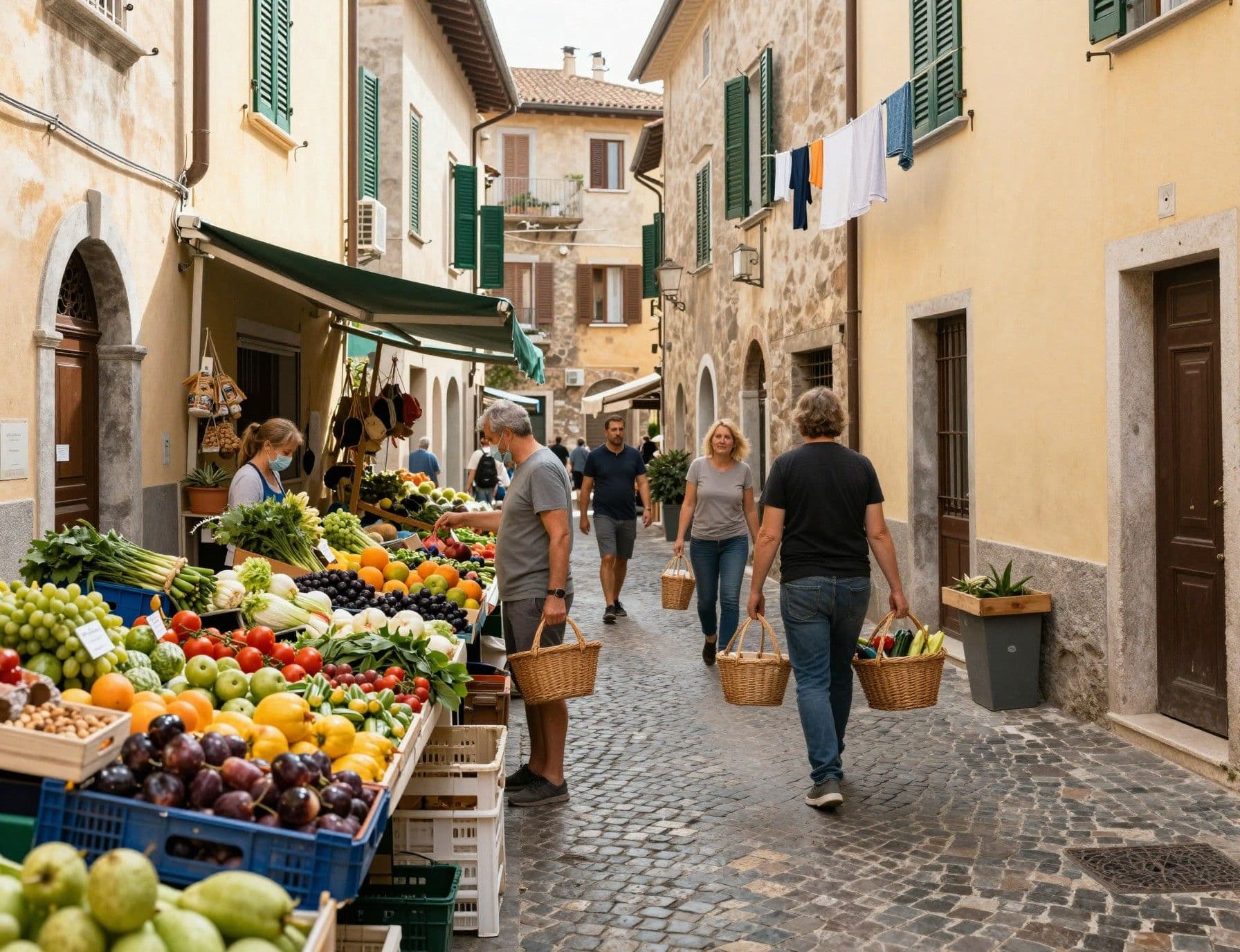
In Italy, lifestyle is the property’s primary currency: neighbourhood rituals shape daily life more than square metres. In Milan you’ll match espresso counters and efficient transport with modern apartments; in Florence, weekday quiet and Renaissance architecture; on the Amalfi or Ligurian coasts, terraces and slow seaside routines dominate. Choosing where you live is as much about the nearby market, weekly rituals and favourite trattoria as it is about price per square metre.
City pulse: Milan, Rome and Bologna
Milan’s Brera and Navigli offer compact apartments within easy reach of international business and design scenes, where mornings feel brisk and evenings are for aperitivo. Rome’s Trastevere and Prati combine layers of history with neighbourhood markets and slower, social rhythms that reward long-term living. Bologna’s Santo Stefano and the university districts are lively year-round — excellent for buyers who want rental flexibility with a strong local calendar of festivals and student demand.
Coastal life: Liguria, Amalfi and Puglia
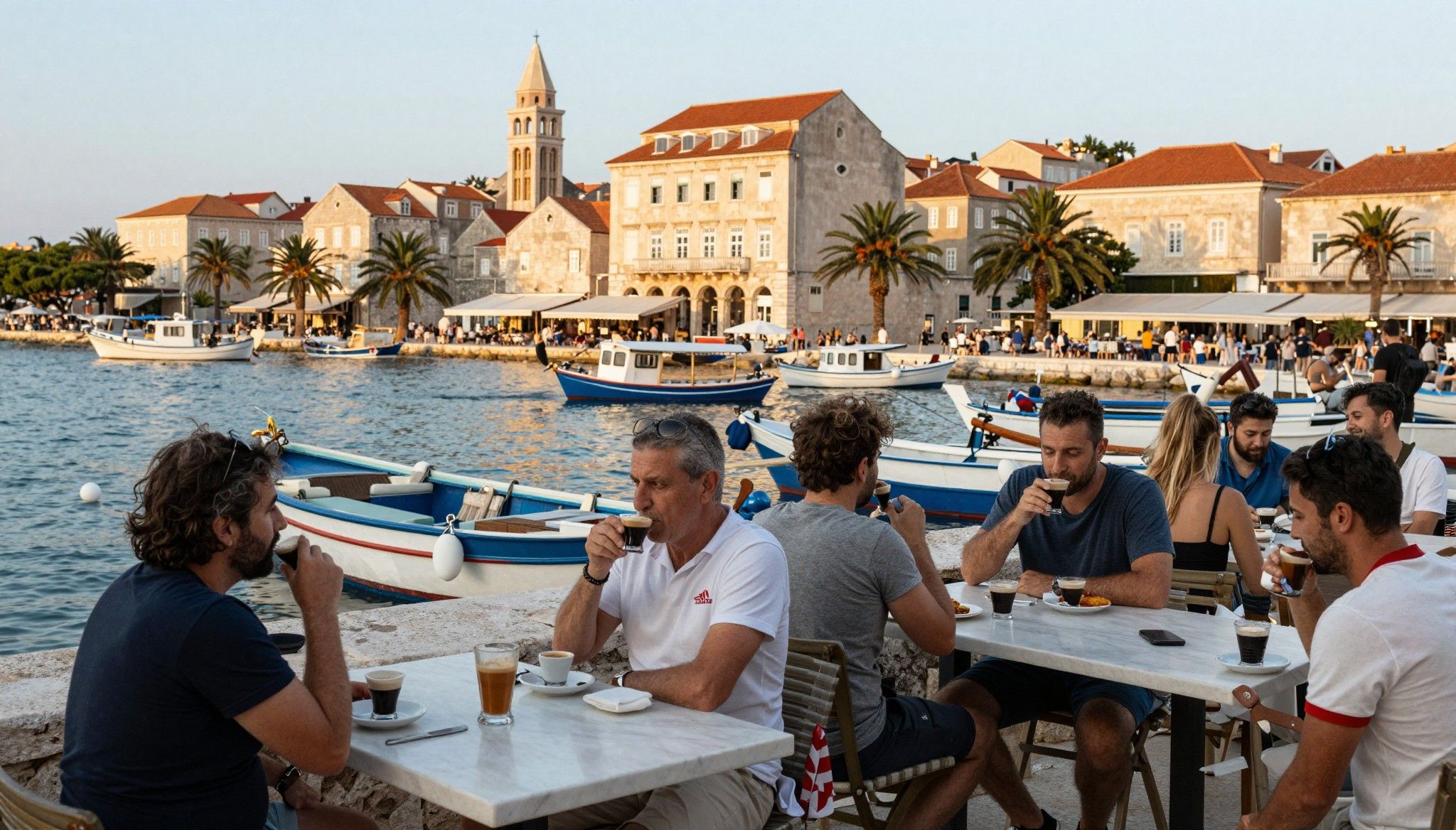
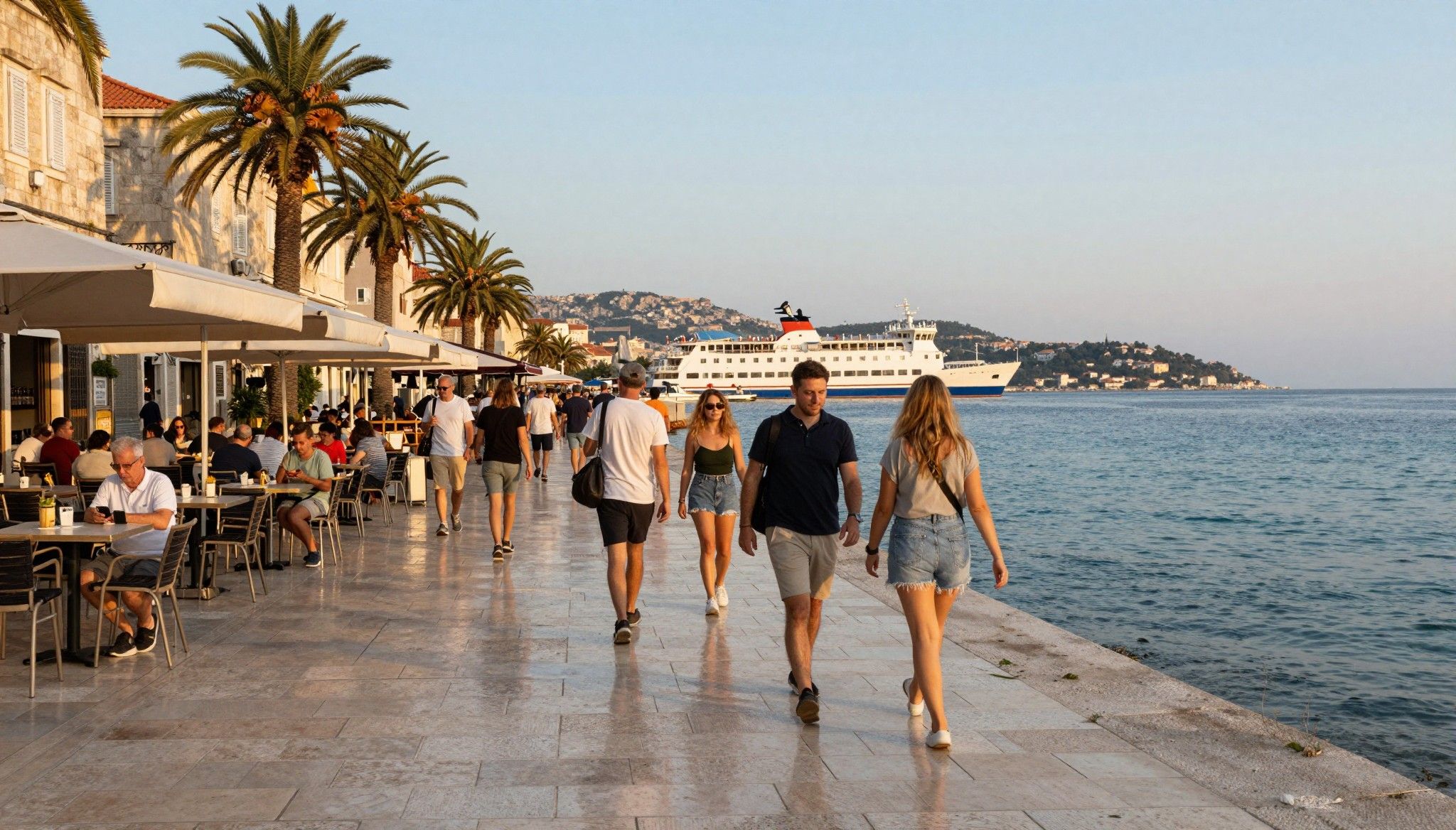
Coastal towns trade city pace for sea-salty afternoons where outdoor living is standard: balconies, pergolas and small gardens extend your living space. In Liguria (Camogli, Santa Margherita Ligure) houses cluster around ports and cafés; Amalfi Coast towns like Ravello emphasise terraces and dramatic views; Puglia’s Polignano a Mare mixes whitewashed alleys with rock-side beaches. These markets tend to be seasonal — lively in summer, quietly local in winter — and that seasonality affects both rental demand and maintenance considerations.
- Lifestyle highlights: markets, meals and hidden corners
- Morning espresso at Caffè Sant’Eustachio (Rome) or Cova (Milan); informal neighborhood bakeries for mid-morning focaccia in Liguria.
- Weekend mercato stalls: fresh fish at Livorno’s mercato or seasonal truffle fairs in Alba.
- Hidden gems: early-morning walks on Genoa’s old harbour, late-night jazz in Florence’s Oltrarno, and quiet beaches outside high-season on Puglia’s Salento coast.
Making the move: practical considerations
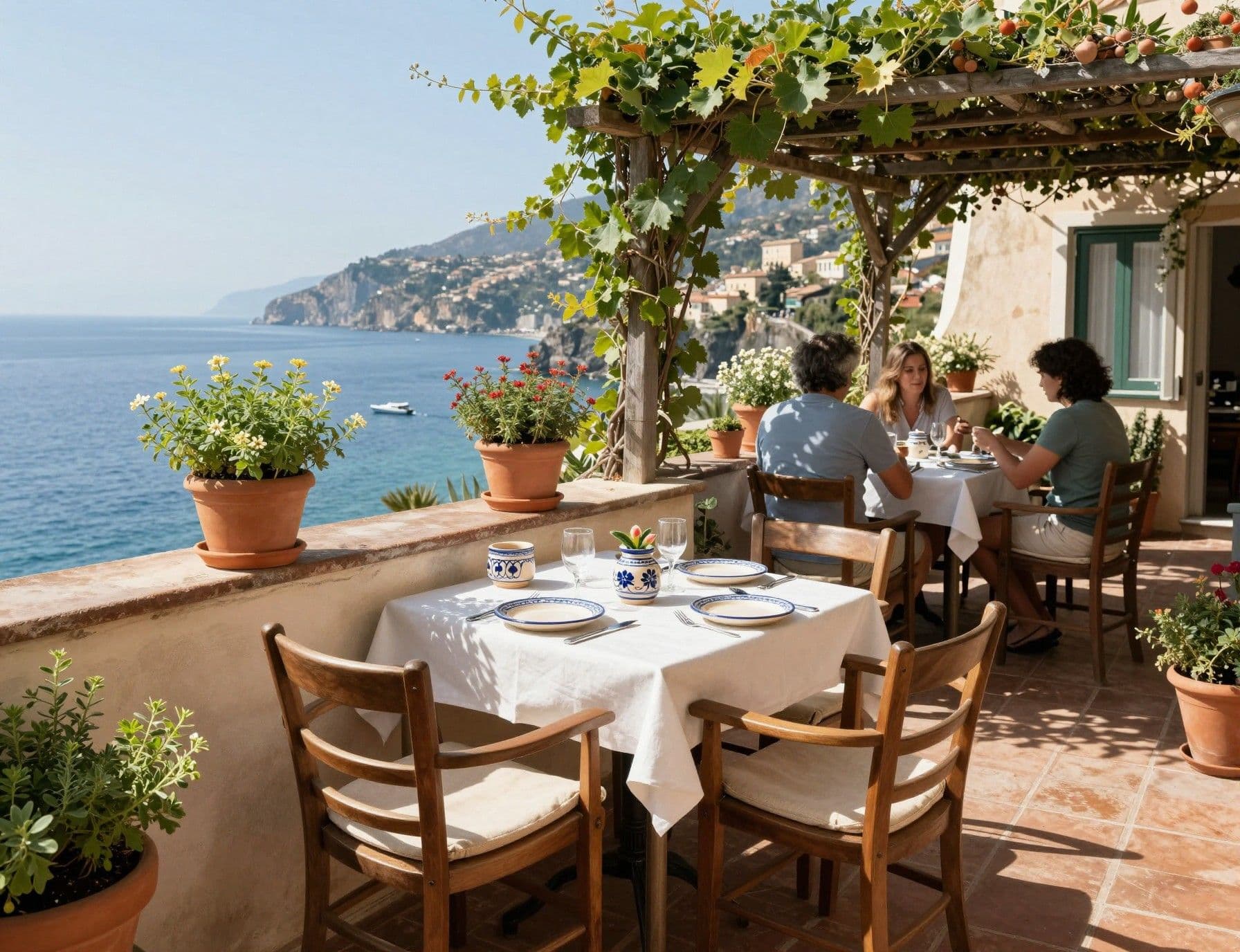
Your dream must meet local process: Italian transactions are formal, notarised and documentation-heavy. Before you sign, secure a codice fiscale, confirm urban-planning compliance and expect the notary to perform registry checks. The public guidance from the revenue agency clarifies duties and registrations, and specialist legal firms emphasise the prevalence of urban-planning findings in coastal and southern files — a key due‑diligence area for buyers.
Property styles and what they offer
Historic apartments with high ceilings offer character and centrality but often require renovation and higher upkeep; new-builds and refurbished conversions deliver modern comfort and energy efficiency. Coastal villas give outdoor living and rental potential but come with garden and facade maintenance and occasional accessibility issues on steep terrain. Match the property to how you’ll live: morning coffee on a tiny balcony, frequent renters, or year-round residence with winter heating needs.
Working with local experts who know the life
Agencies who live the neighbourhood culture will filter listings by lifestyle fit — not just square metres — and introduce you to local tradespeople, community customs and market seasonality. A bilingual notary and a lawyer experienced with coastal registrations are crucial for seaside purchases. Use agents who can show comparable local lettings, seasonal occupancy patterns and municipal rules that affect short-term rentals.
- Practical checklist blending lifestyle and process:
- Obtain codice fiscale and open a local bank account; this enables utility contracts and the purchase proposal.
- Commission an urban-planning and title search (visura ipotecaria) before signing a binding compromise.
- Confirm seasonality: ask agents for monthly occupancy and maintenance cost samples for coastal properties.
- Negotiate contract clauses for appliance warranties, façade/terrace liabilities and translation of closing documents.
Insider knowledge: what expats wish they’d known
Expat buyers repeatedly say: the paperwork is not the hard part — the surprise is the neighbourhood rhythm and hidden maintenance costs. Local condominium rules, unpaid levies and seasonal noise are frequent sources of post-purchase regret. Practical market guides recommend requesting recent condominium minutes and invoices to avoid unwelcome surprises and to understand the real cost of living in a place you love.
Cultural integration and daily life
Learning simple Italian phrases and attending local markets accelerates belonging: your grocer will become your best neighbourhood translator. Small rituals — knowing the barista’s name, thanking the caretaker (portiere) in older buildings — unlock social capital that makes daily life smoother. Many expats find community through language classes, local volunteer groups and neighbourhood associations that organise festivals and clean-ups.
Long-term lifestyle and value considerations
Look beyond seasonal price spikes: coastal towns with year-round communities and transport links hold value more consistently than purely holiday-driven markets. Recent research points to sustained foreign demand for coastal and historic markets, but local infrastructure and regulatory clarity determine whether that demand translates into reliable rental income. Think in neighbourhood-time: judge growth by community projects, transport upgrades and local planning permissions, not just headline prices.
- Red flags to watch for (quick list): unpaid condominium levies, unclear urban permissions, inconsistent utility access, lack of English-language documentation.
Conclusion: live-first, buy-savvy
Italy offers a compelling balance of daily pleasures and long-term value — from morning markets to coastal terraces — but the best purchases start with lifestyle clarity and rigorous local checks. Work with agents who know the neighbourhood rituals, commission legal due diligence focused on planning and condominium records, and budget for seasonal maintenance. If you want to feel the life before you commit, spend at least two extended stays across seasons: live the rhythm, then buy into it.
Danish relocation specialist who has lived in Barcelona since 2016. Helps families move abroad with onboarding, schooling, and local services.