Italy: Pick the Street, Not the Postcard
Italy offers lifestyle-rich neighbourhoods with selective price growth—choose streets that match your daily rhythm and back emotion with local data.
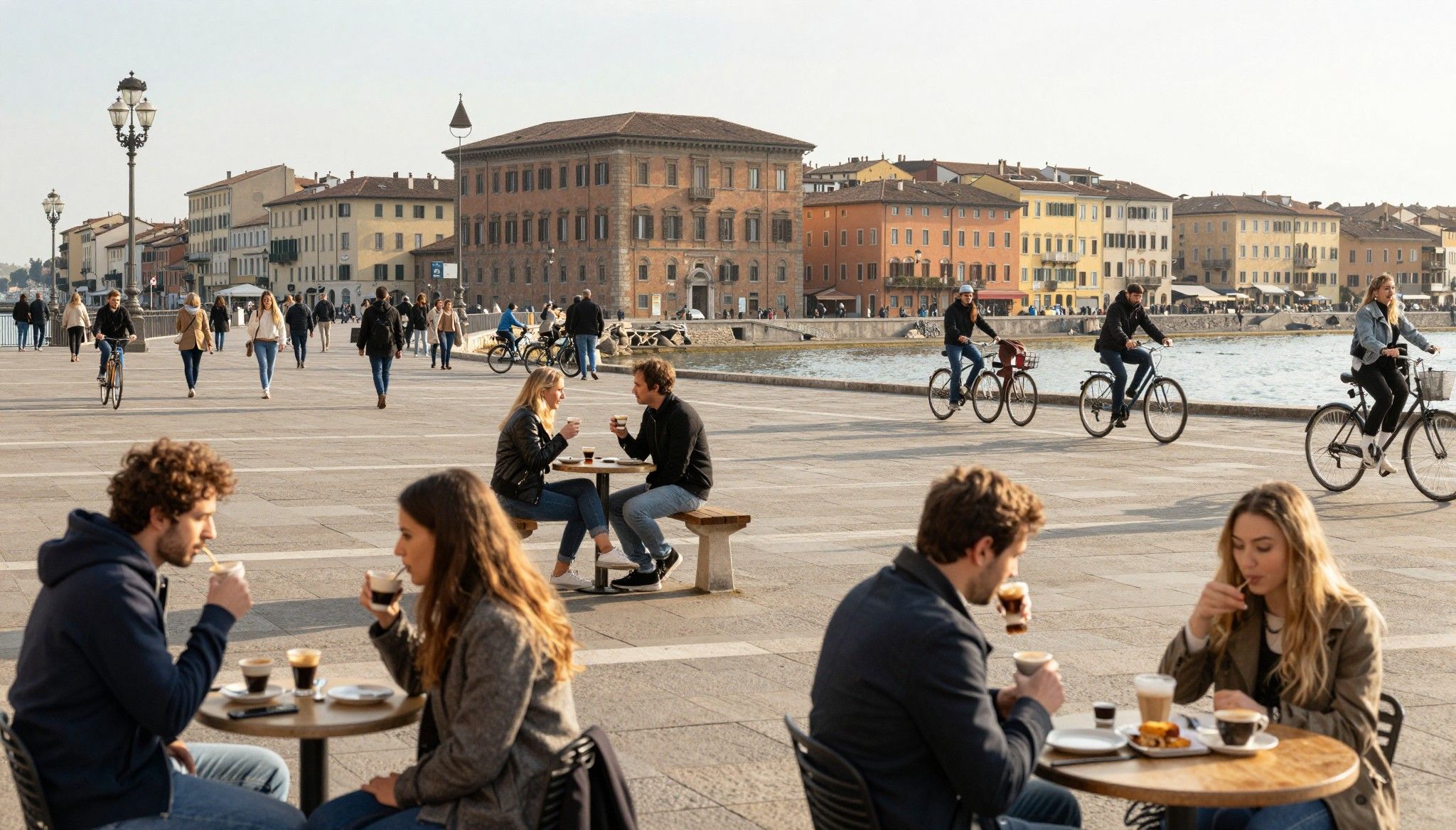
Imagine stepping out at dawn for an espresso on Via dei Coronari in Rome, or wandering a fisherman's quay in Cefalù where laundry flaps above narrow lanes. Italy is a living patchwork: baroque piazzas, coastal promenades, and villages where neighbours still share news in the afternoons. That atmosphere—the daily rhythm of markets, music, and food—shapes how you live here, and why buying in Italy feels like buying into a way of life, not just square metres.
Living the Italy lifestyle
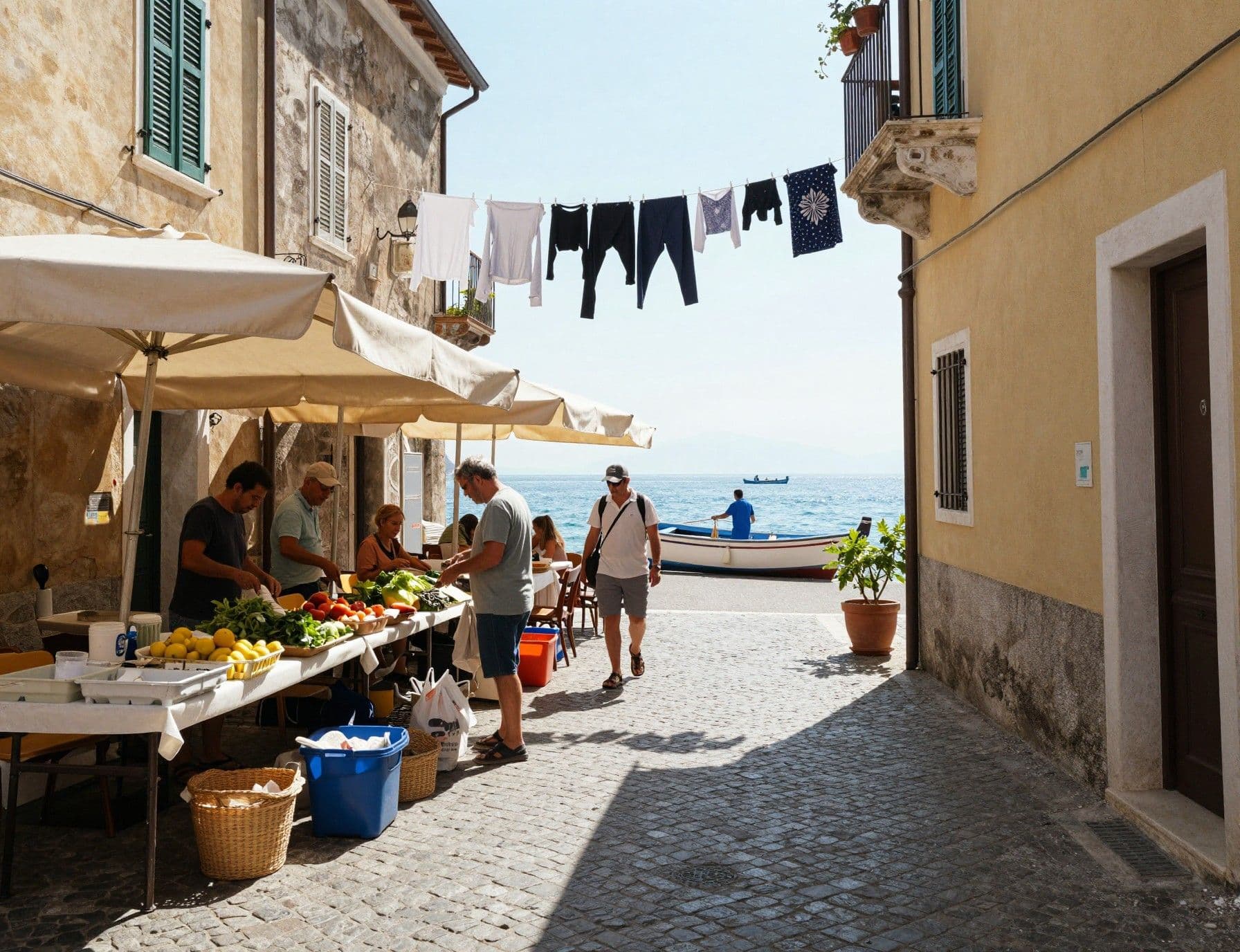
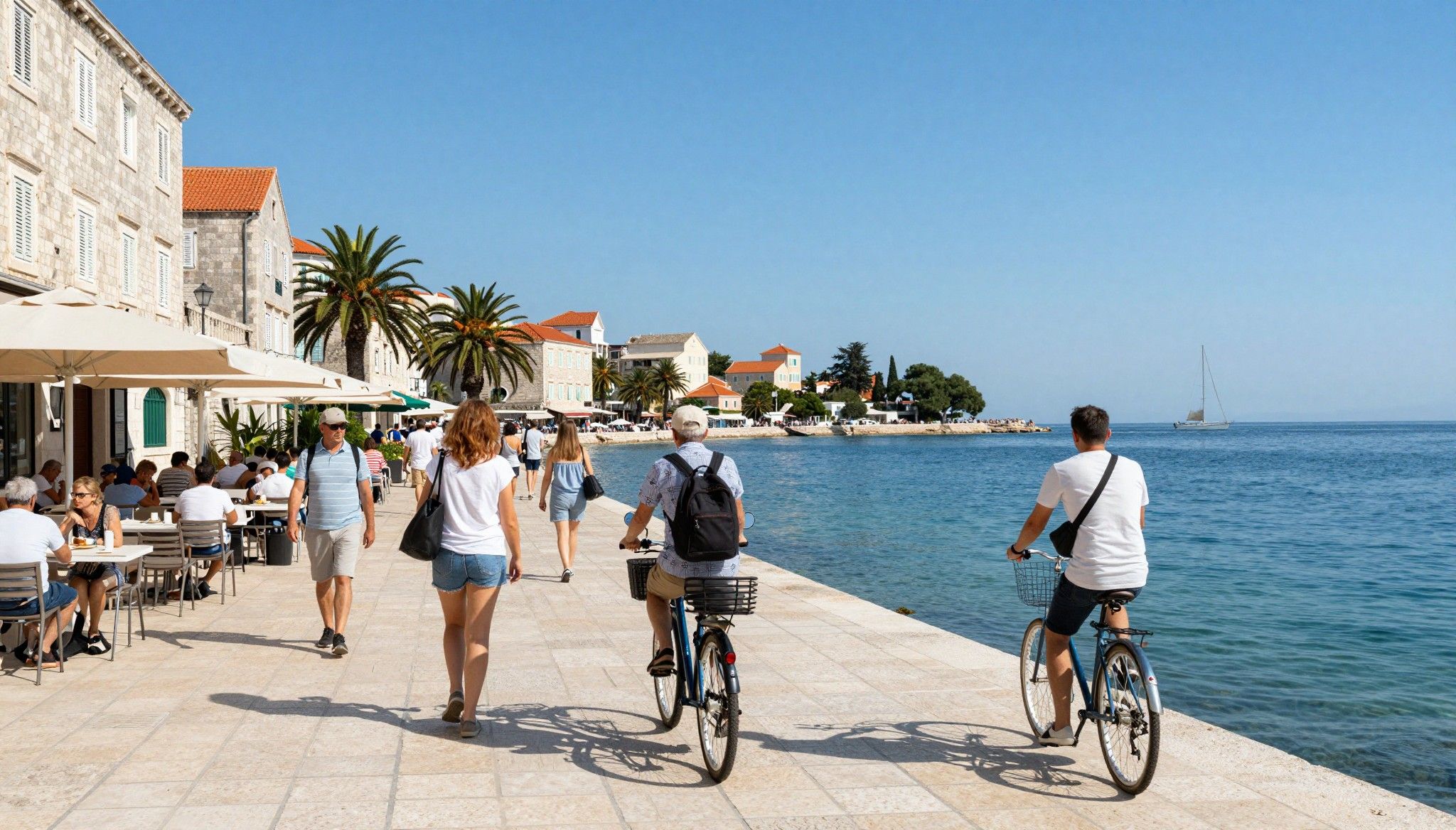
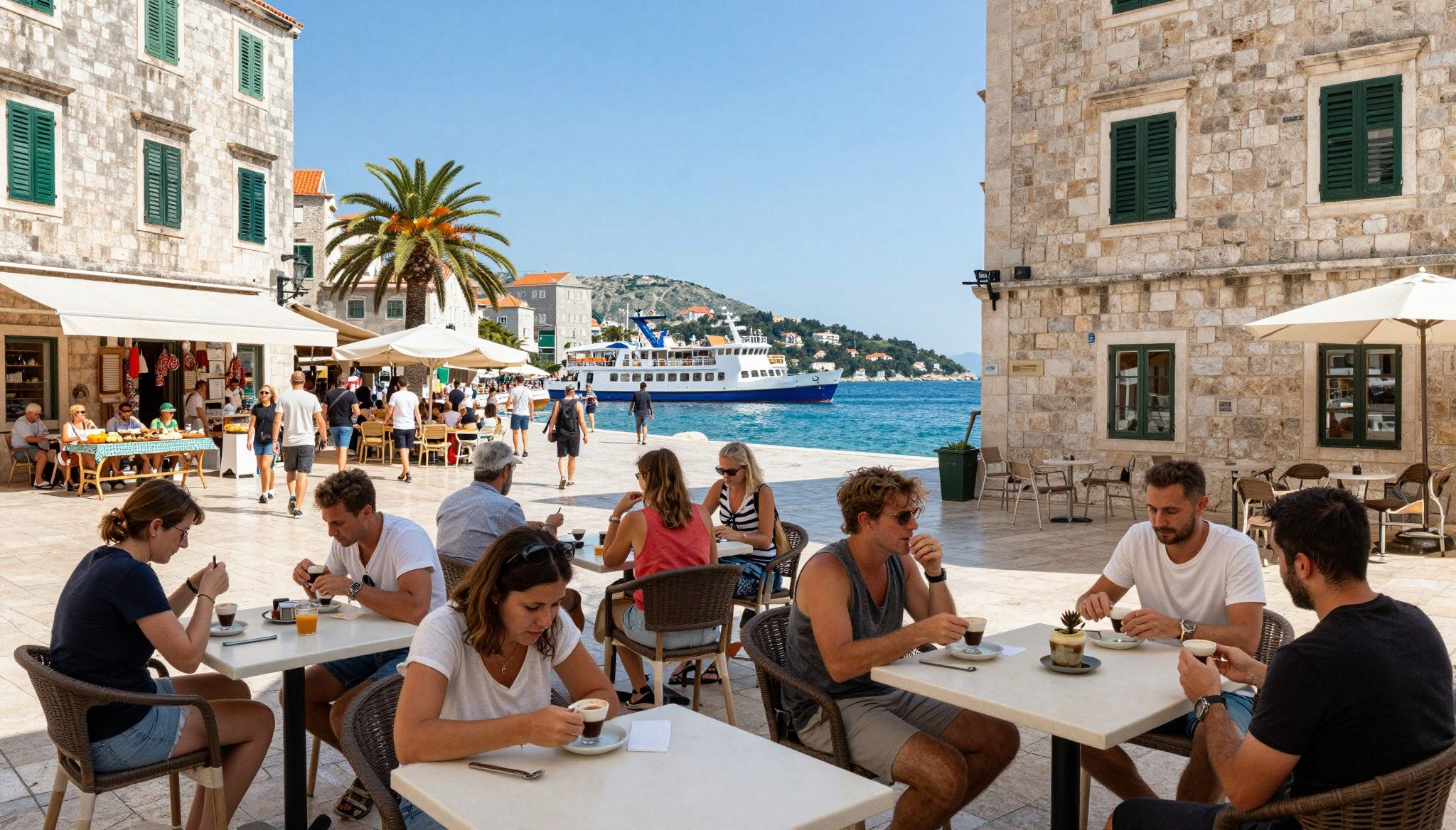
Day-to-day life shifts with geography: morning markets in Palermo feel different from Milan’s early commuters. Urban centres pulse with cafés, aperitivo culture and galleries; coastal towns are paced by tides, boat traffic and seasonal festivals. Across Italy, public life happens outdoors—streets, squares and seafronts—so outdoor space and local amenities matter as much as the property itself. Recent national data show steady asking-price growth and rising transactions, a practical backdrop to the lifestyle appeal.
Neighborhood spotlight: Trastevere, Navigli, Oltrarno
Trastevere (Rome) still smells of wood-fired focaccia at dawn and hums with evening trattorie; Navigli (Milan) trades canalside aperitivos for design fairs; Oltrarno (Florence) feels artisanal, with ateliers and narrow lanes where neighbours know one another. In each, a small balcony or a ground-floor doorway anchors daily life—plants, a café table, and that neighbourly chat that becomes your social calendar.
Food, markets and seasonal life
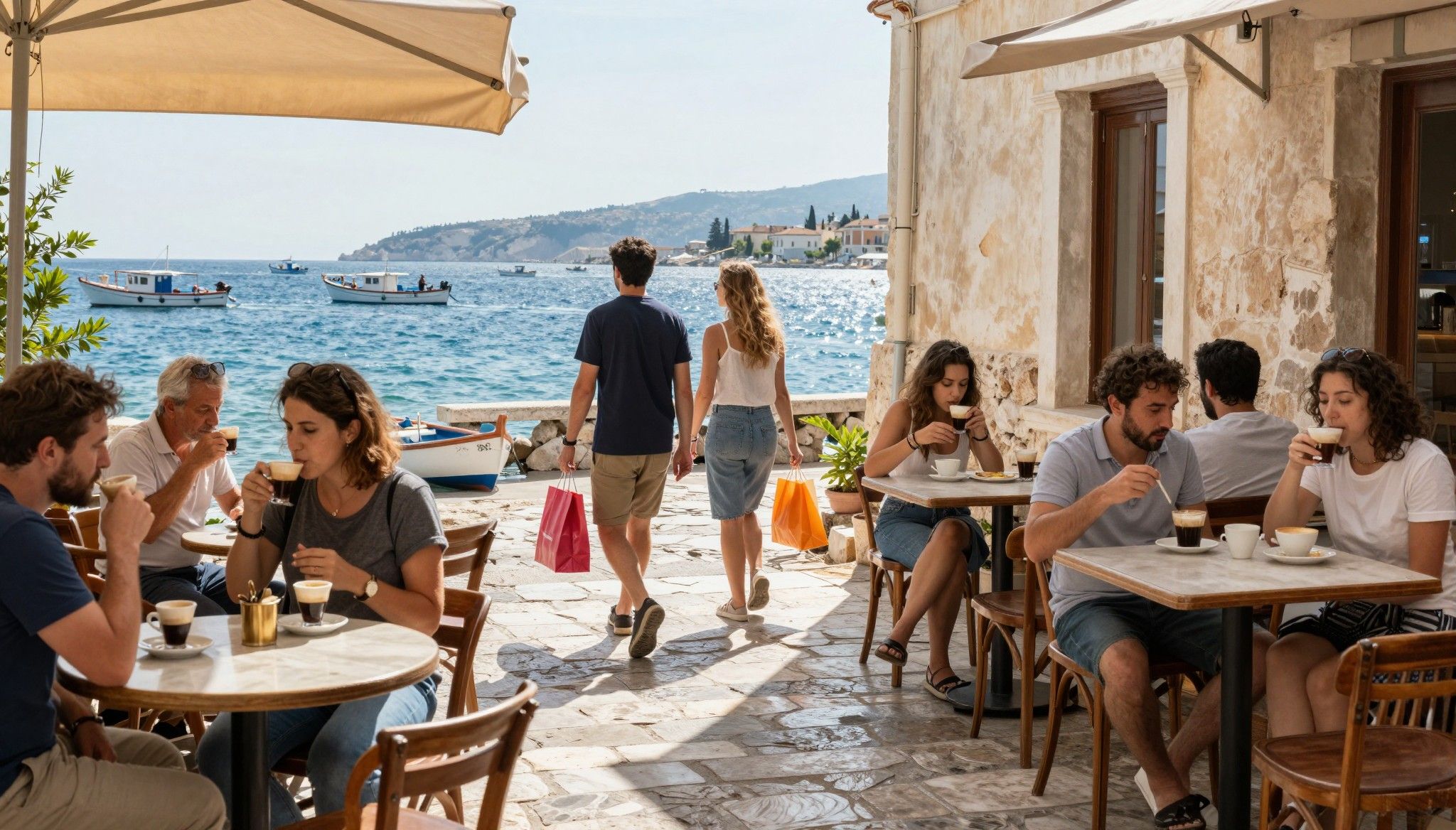
Food is a daily reason to be outside: morning fruit stalls, lunchtime osterie and Friday fish markets. Seasonal festivals—olive harvests in Tuscany, summer sagre on the Amalfi coast—compose the calendar and influence occupancy cycles. For buyers, that means prioritising kitchens, storage for market finds, and easy access to year-round food supply rather than just seasonal tourism hotspots.
- Lifestyle highlights: local places and experiences
- Piazza Campo de' Fiori market (Rome) — weekday mornings of food and conversation
- Lungomare in Santa Margherita Ligure — morning walks before shops open
- Mercato Centrale Firenze — a one-stop for local produce and neighbourhood meeting points
Making the move: practical considerations
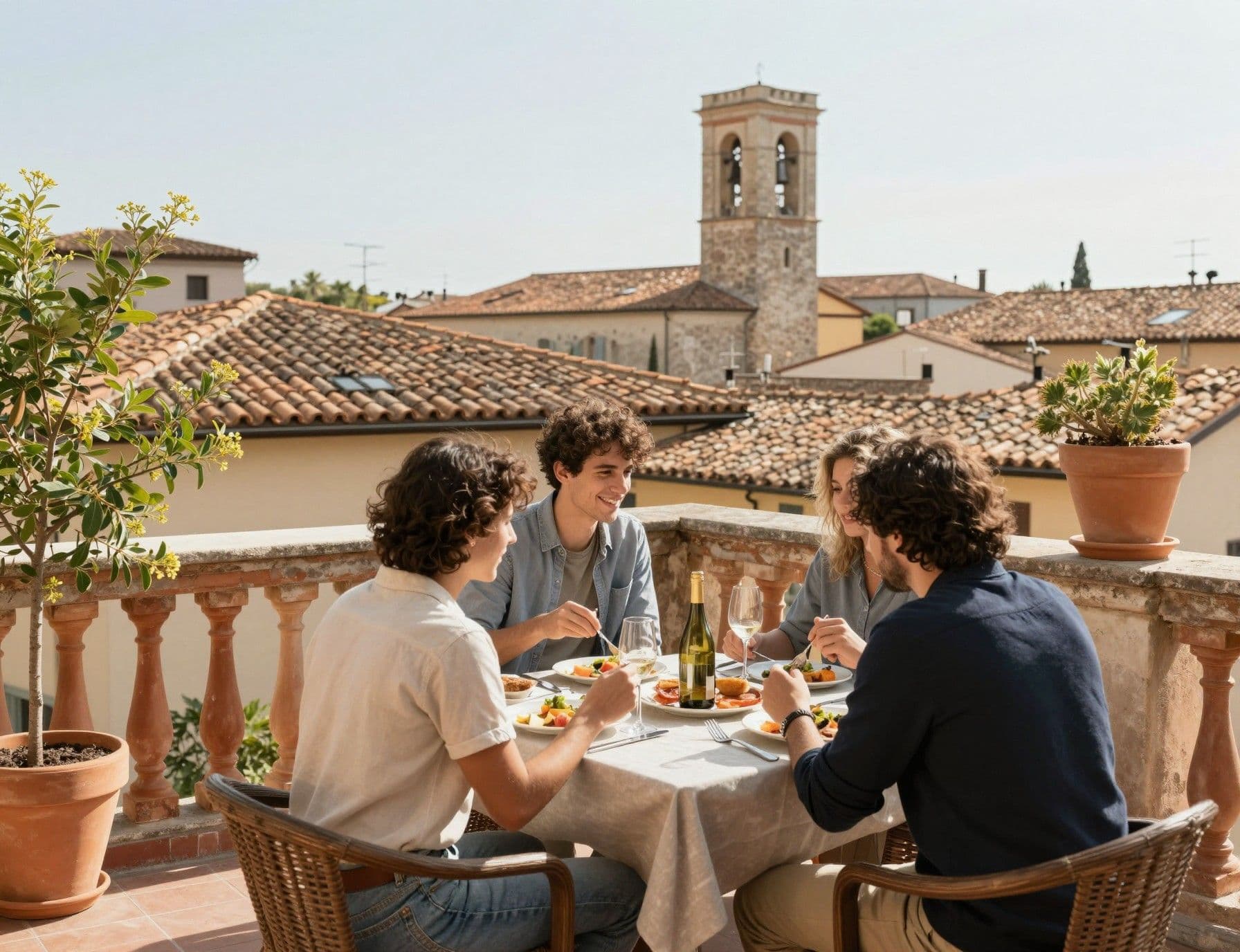
Your lifestyle wish list should meet market reality: national indices show modest price growth and a pickup in transactions—important when timing offers and comparing neighbourhoods. Use headline statistics to set expectations, but drill down locally: coastal towns and historic centres behave differently from suburban areas in price volatility, rental demand and renovation rules.
Property styles and how you’ll live in them
A city apartment on Via della Scala will feel compact but city-centric—you trade interior space for proximity to cafés, public transport and cultural life. A Ligurian townhouse buys seaside access and a terrace, but expect narrow staircases and restoration needs. New-builds in suburban nodes offer parking, insulation and amenities but often fewer immediate social rhythms. Choose the physical type that supports how you want to spend mornings and weekends.
Working with local experts who know the lifestyle
A local agency is more than a listings curator—they read neighbourhood tempo, advise on renovation norms, and connect you to trusted notaries and contractors. Look for agents who can show recent transaction examples in the specific street or square, not just the town, and who can translate lifestyle trade-offs (e.g., a noisy piazza with year-round life vs. a quiet residential lane with limited services).
- Steps that blend lifestyle with practical checks
- Visit at least twice, in different seasons—one for daily life, one for peak tourism.
- Request recent comparables on the exact street; check time-on-market and asking-price changes.
- Ask the agent for utility and condominium costs for the last 12 months; confirm heating and energy efficiency.
Insider knowledge: what expats wish they’d known
People who move here say the surprises are social and logistical: language matters for everyday bureaucracy, small repairs take local channels, and community entry often happens through food and neighbourhood routines rather than formal clubs. Data shows transaction volumes rose in 2025, and experts caution that growth is now selective—meaning great neighbourhoods still hide under the radar if you look beyond headline hotspots.
Cultural integration and everyday routines
Start small: learn café phrases, join a market morning, or volunteer at a local festa. Schools, clubs and municipal associations are how many expats find lasting friendships. Practical patience—accepting slower administrative rhythms—pays off more than fast-tracked expectations.
Long-term lifestyle and value signals
Look for signs of sustained community life: year-round shops, a local school, and active municipal investment in public spaces. These are better predictors of steady demand than short-term tourist metrics. Recent platform data shows average asking prices around €2,100–€2,200/m² nationally, with big city premiums—evidence that lifestyle-rich neighbourhoods retain buyer interest.
- Red flags to watch for
- Empty streets after September — a sign the area is driven purely by seasonal tourism
- Large recent renovations without permits—increase due diligence and insist on documented approvals
- Rents that look too good to be true—confirm maintenance and common charges are not hidden
Conclusion: Italy asks you to choose a rhythm. Pick a neighbourhood that matches the life you imagine—market mornings, piazza evenings, or quiet sea views—and then ground that feeling in data: local comparables, energy and maintenance costs, and seasonal occupancy. Work with an agent who speaks both lifestyle and numbers; they turn an emotional purchase into a sustainable one. If you love the sound of church bells at eight and fish markets at nine, Italy will reward that love—practically and personally.
Norwegian market analyst who relocated to Mallorca in 2020. Focuses on data-driven market insights and smooth relocation for international buyers.