Croatia: Lifestyle First, Tax‑Smart Property Moves
Fall for Croatia’s markets — but pair the coastal lifestyle with checks: EU reciprocity, 3% transfer tax vs VAT, rental tax regimes and local title checks.
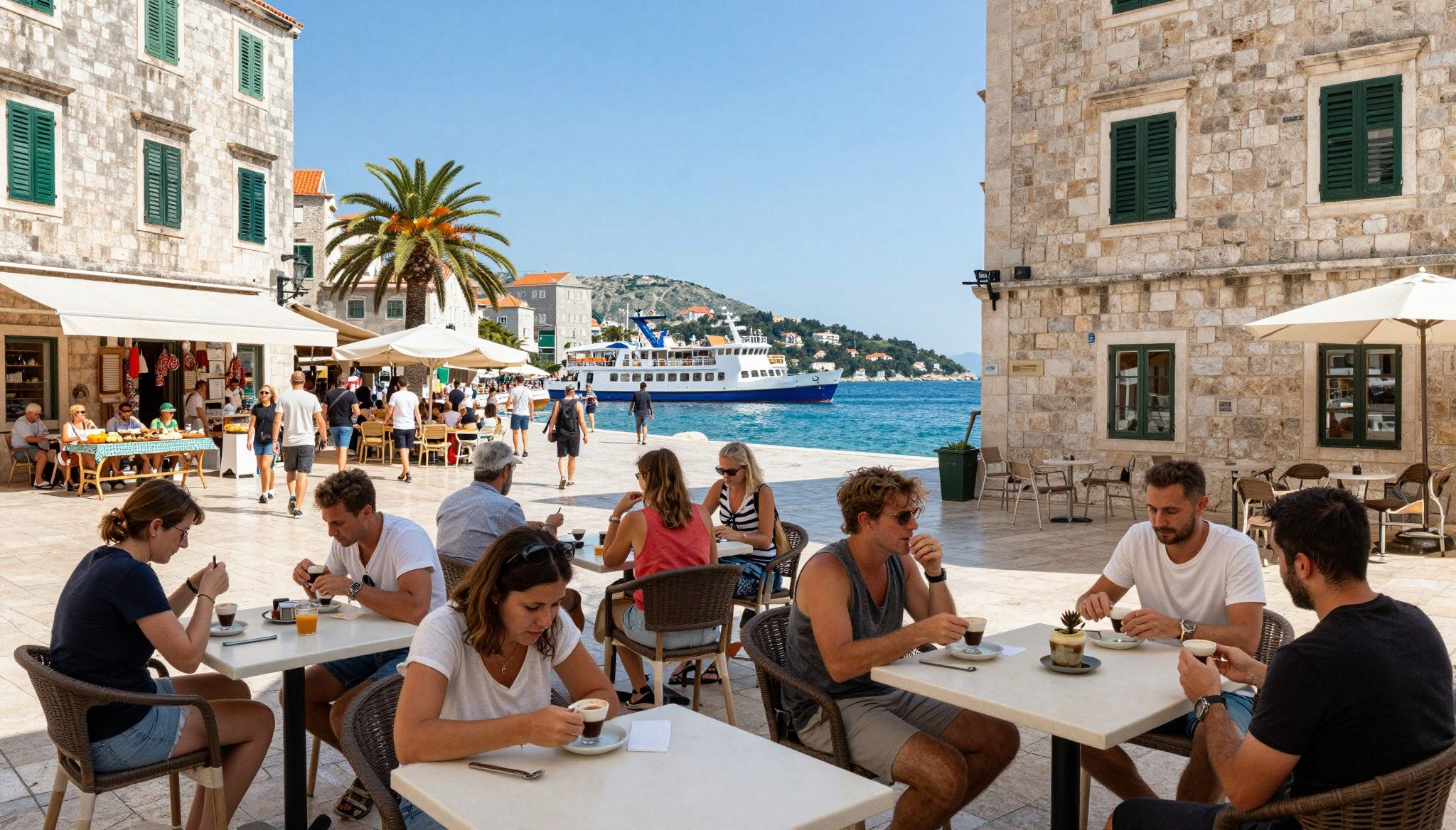
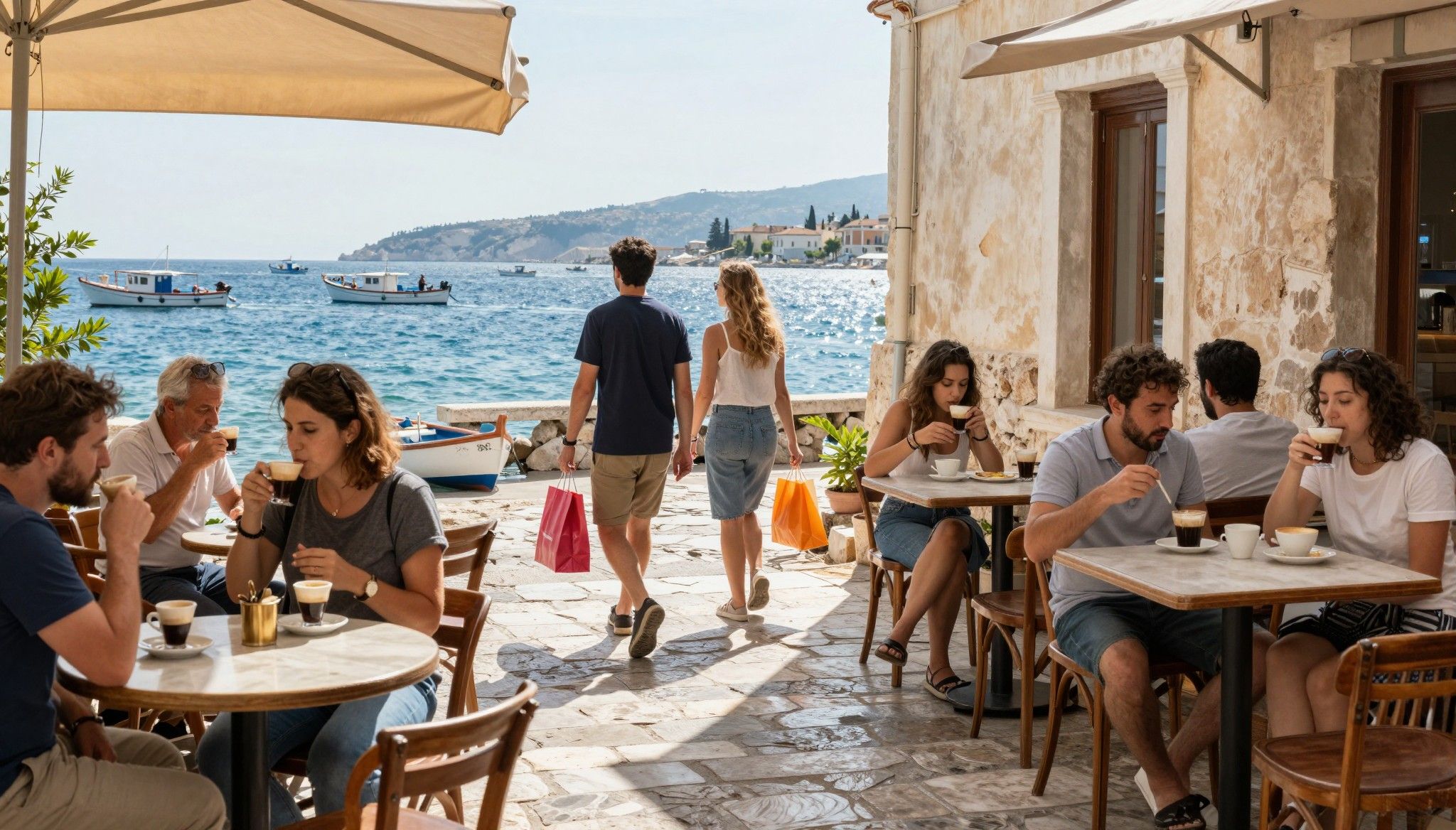
Imagine waking to the quiet clink of espresso cups on Split’s Riva, cycling tiny lanes in Rovinj before the market crowds arrive, or reading on a terrace above Dubrovnik’s limestone roofs as fishing boats return. Croatia feels like a country stitched from slow mornings, market rhythms and islands you can learn by name — and for many international buyers that atmosphere is the first purchase. Yet lifestyle and legal realities must meet: residency rules, reciprocity for foreign buyers, transfer taxes and rental tax regimes shape which properties make sense — and when.
Living the Croatia lifestyle
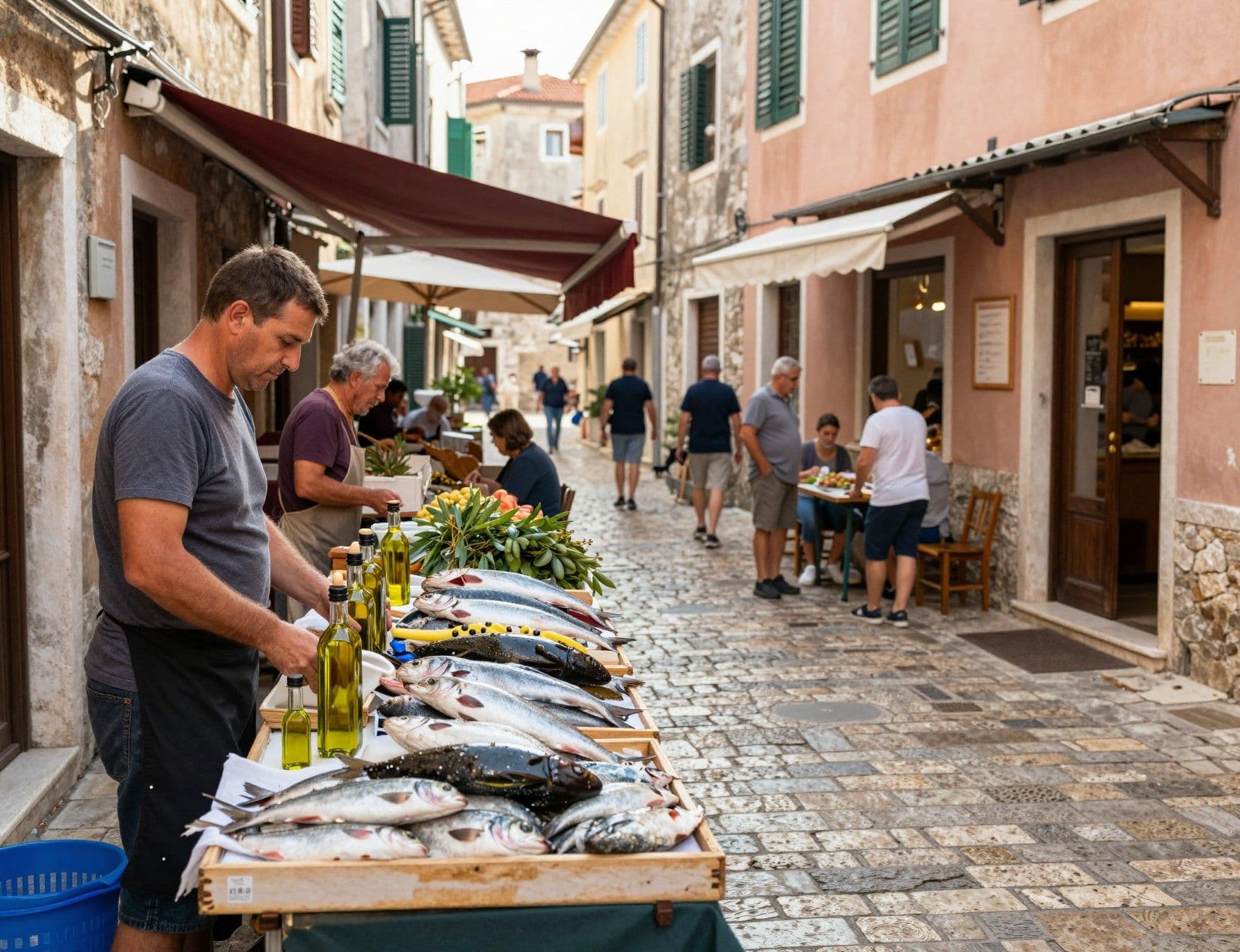
Croatia’s daily rhythm is coastal at heart but regionally varied: Dalmatian afternoons drift to the sea; Istria’s truffle and wine seasons command weekends; Zagreb hums a four‑season city life with museums and coffee culture. Living here means open markets, neighbourhood konobe (family tavernas), and small rituals — a morning biscotto in a café, a weekend ferry ride to an island, a summer night at an outdoor concert. These textures matter because they determine the kind of property you’ll actually use.
Coastal pockets and island tempo
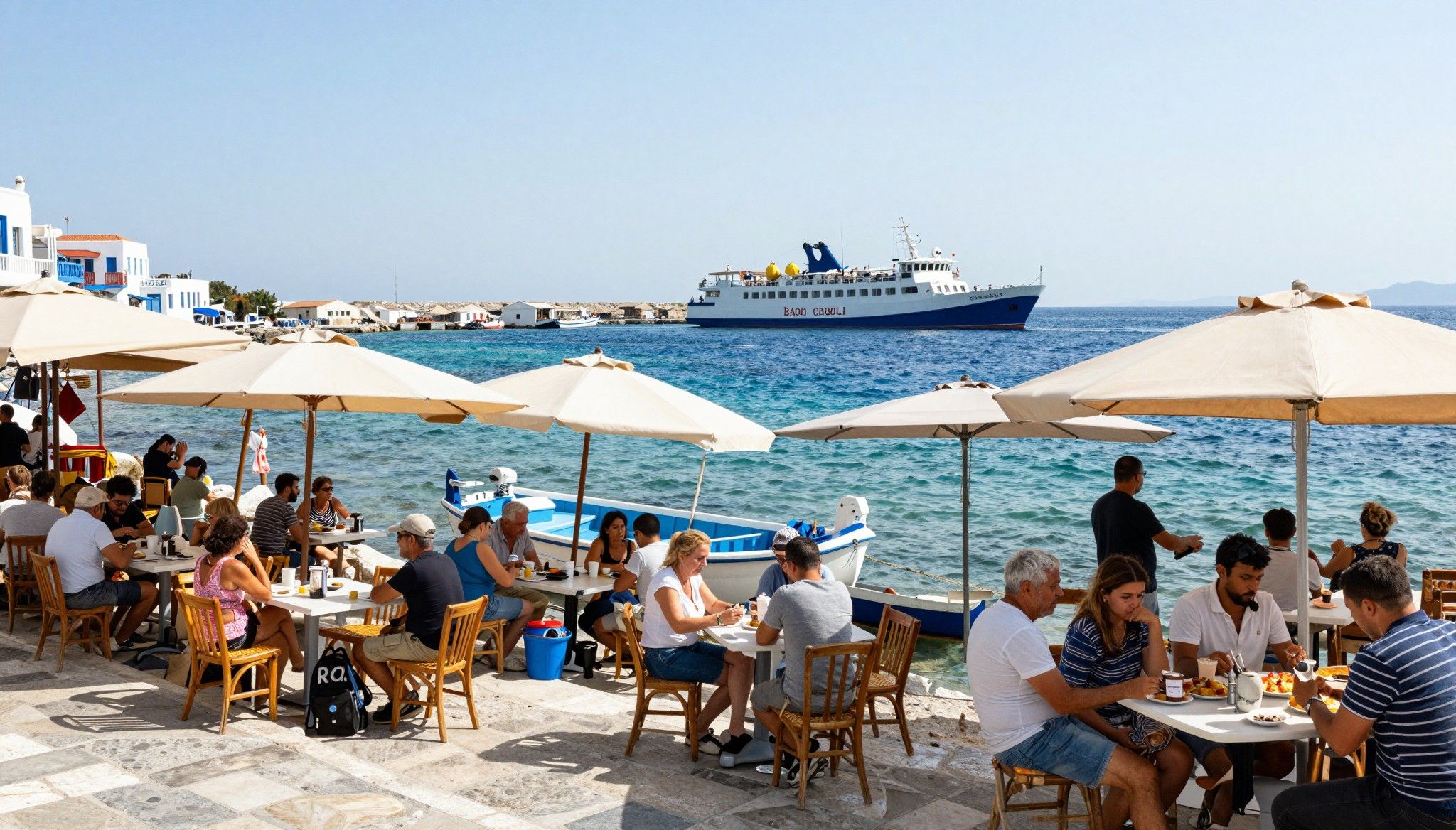
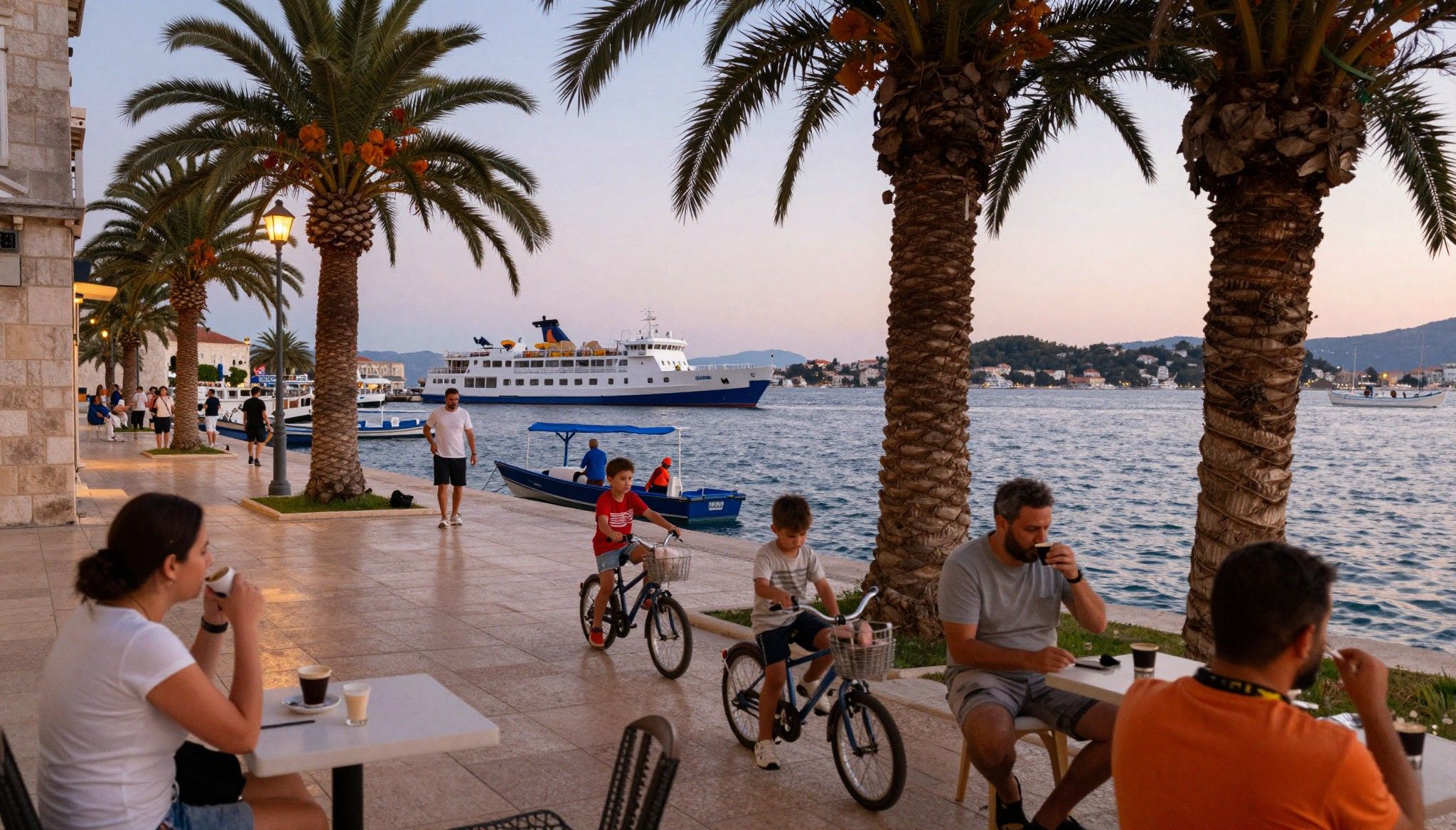
In Dalmatia, choose between historic cores (Split’s Varoš, Šibenik’s old town) and quieter bays (near Primošten or the Šolta/Trogir islands). Old stone houses put you in the day‑to‑day life — morning markets, seaside walks — while modern apartments offer low‑maintenance living for seasons and rentals. On islands like Hvar or Vis, life slows further: services are seasonal, so a car‑free summer is idyllic but winter logistics require planning.
Istria and continental Croatia: food and community
Istria (Rovinj, Poreč, Motovun) trades nautical life for truffle dinners, olive oil mills and wine cellars. Properties here often come with agricultural parcels or strong terroir appeal — great for buyers seeking a food‑centred lifestyle. Inland, Zagreb neighbourhoods such as Maksimir or Britanski trg suit year‑round urban living with schools, clinics and cultural life.
- Lifestyle highlights to scout in person: 1) Split’s Fish Market and the nearby Varoš lanes; 2) Rovinj’s Balbi Tower walk and local konobas; 3) Hvar’s Stari Grad plain for vineyard plots; 4) Dubrovnik’s Gruž for local life away from the old‑town tide; 5) Zagreb’s Dolac market and café strips; 6) Brijuni and nearby Istrian coves for quieter island living.
Making the move: practical considerations
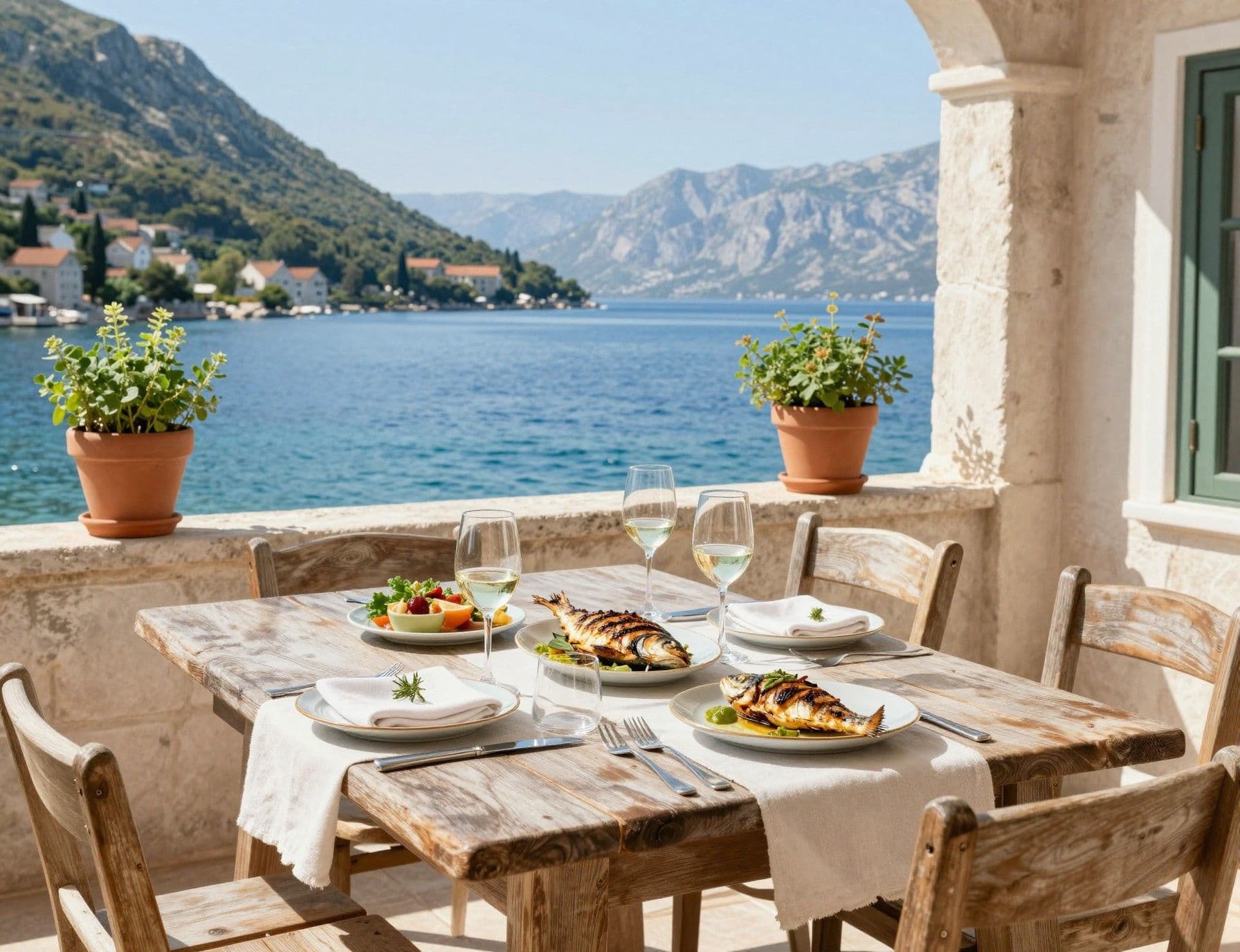
Lifestyle dreams meet a few legal gateposts in Croatia. EU/EEA citizens enjoy parity with locals for buying most properties; non‑EU buyers rely on reciprocity and administrative consent. Knowing which legal track applies to you early saves months of delays and emotional friction — and prevents falling for listings promising “instant residency” with a purchase.
Who can buy and when to expect consent
If you’re an EU/EEA citizen, purchase is straightforward in most urban and coastal areas. Third‑country nationals must check reciprocity — some nationalities can buy freely, others need ministerial approval. The administrative consent process is routine but can add weeks; use local counsel so conditions (e.g., excluded zones, agricultural land restrictions) are clear before signing.
Transfer tax and VAT: a decisive cost factor
When VAT is not payable on a purchase, a one‑off real‑estate transfer tax of 3% of market value applies; new builds sold by developers are often VAT‑able instead. That difference can shift total transaction cost materially — always ask whether a listing is VAT‑charged and have a local tax specialist model both scenarios before committing.
- Six practical steps that blend lifestyle and law: 1) Inspect neighbourhoods at different times of day and off‑season; 2) Verify buyer eligibility (EU vs non‑EU reciprocity) before offers; 3) Commission a land‑registry and planning check with a Croatian lawyer; 4) Confirm VAT vs transfer‑tax treatment and budget 3% if applicable; 5) Factor in rental taxation and lump‑sum allowances if you plan short‑term letting; 6) Negotiate clear handover and repair clauses in the notarial contract.
Insider knowledge: expat lessons and tax realities
A few candid points expats learn only after living in Croatia: registration and bureaucracy take patience; many coastal owners rely on seasonal rentals for income; and taxation on rental income has attractive lump‑sum options but requires correct reporting. These realities affect whether you buy a central apartment or a house with land.
How rental income is treated (a buyer’s checklist)
Rental income can be taxed on actual profit or under simplified/lump‑sum regimes that reduce administrative work. Non‑resident owners are taxed on Croatian‑source income; residents are taxed on worldwide income. Work with a tax adviser to model net yields after allowable deductions or lump‑sum relief — this often changes investment math for coastal holiday lets versus long‑term rentals.
Common blindspots include: assuming ownership equals residency; underestimating off‑season maintenance and utilities; failing to confirm whether a waterfront shoreline access is public (private beaches do not exist under Croatian law); and buying agricultural plots without checking building/zone restrictions. Each has lifestyle and financial impact.
- Red flags to watch for before signing: • Vague land registry extracts or missing cadastral plans; • Seller unwilling to let a lawyer inspect titles; • Promises of private beaches or unrestricted building rights; • Unclear VAT status or missing prior‑year utility bills; • Properties with disputed access roads or unregistered extensions.
Working with agencies and lawyers to protect lifestyle objectives
Use a local agency that demonstrates: recent sales in your target micro‑neighbourhood, transparent past listings, and strong referral ties to Croatian lawyers and tax advisers. Agencies earn their keep by revealing neighborhood tempo (seasonal noise, ferry timetables, municipal plans) that directly affects your day‑to‑day life, not just headline returns.
- A short due‑diligence checklist to hand to your agent (numbered for clarity): 1) Ask for recent comparable sales in the same street and off‑season prices; 2) Request VAT vs transfer‑tax treatment for the lot; 3) Require land‑registry extracts and building permits dated within 6 months; 4) Confirm utility connections and road access on record; 5) Obtain written estimates for expected annual running costs (utilities, municipal fees, property management).
Long‑term: how life evolves after the move
After the first year you’ll see small shifts: local friendships replace touristic routines, off‑season life reveals service gaps, and property use patterns change — you may rent more, or decide a mainland base is easier for winter. Factor this evolution into your purchase strategy: choose flexible spaces, realistic service providers, and a legal structure that supports both living and letting.
Conclusion: love the life, close with clarity
Croatia rewards buyers who pair romance with checklist rigor. Start with neighbourhood afternoons — café names, ferry times, market stalls — then bring in legal counsel and a tax model that tests VAT scenarios, transfer tax and rental yield. That combination protects both the life you imagine and the investment you make; local experts turn daily rhythms into reliable data. If you’re ready to move from dreaming to due diligence, make neighbourhood visits in two seasons and secure written confirmations on eligibility and tax treatment before signing.
Danish relocation specialist who has lived in Barcelona since 2016. Helps families move abroad with onboarding, schooling, and local services.