Croatia’s Pipeline: New‑Build Value Beyond the Coast
Contrary to coastal hype, Croatia’s best new‑build opportunities are inland and mixed‑use: pipeline data shows value in commuter belts and sustainable coastal projects.
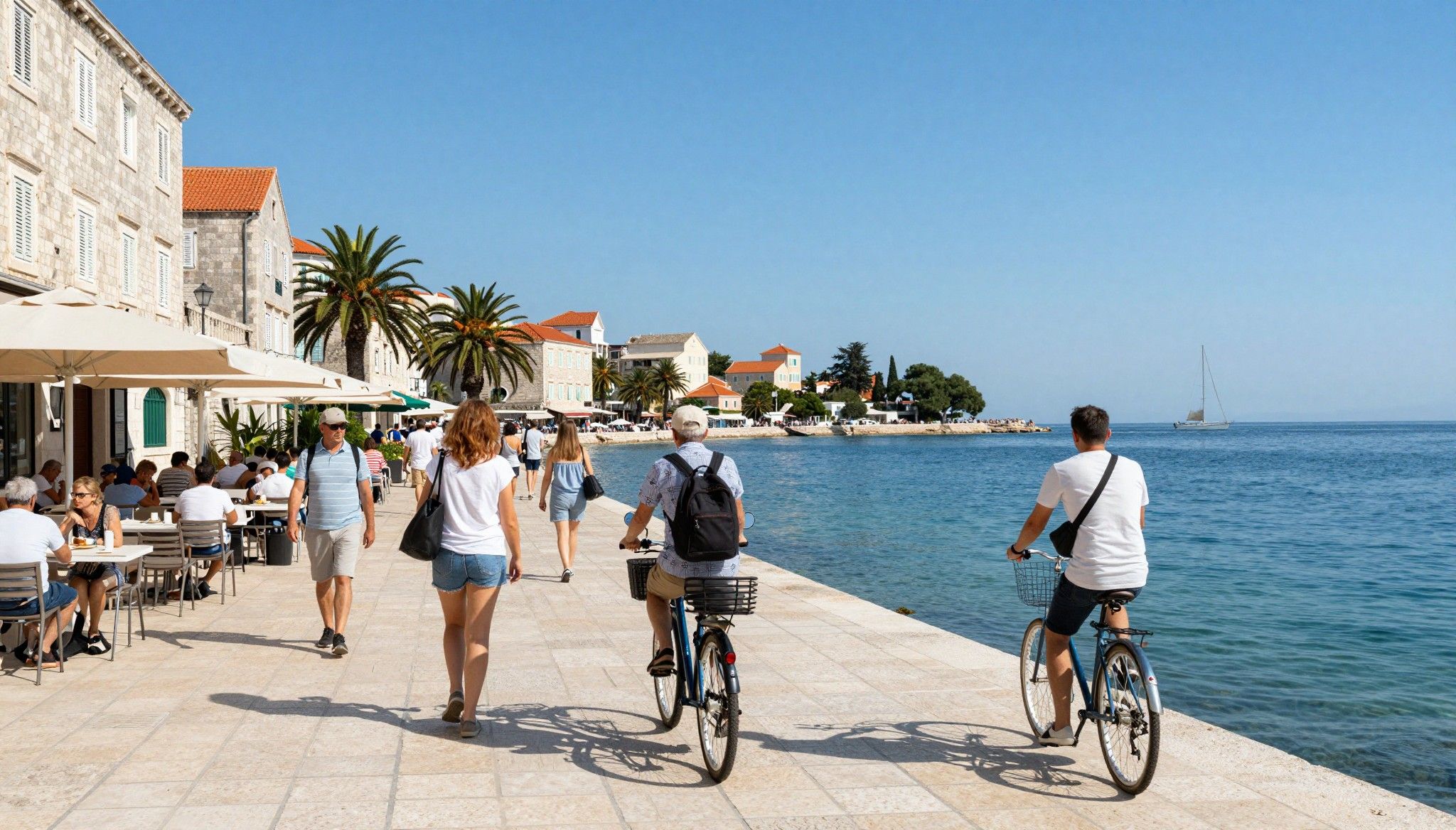
Imagine strolling a morning market in Split, buying figs from the same vendor who owns the stone house across the lane — and realising that the new apartment towers two kilometres inland are where local families actually move. This piece starts with that scene because Croatia’s property story is not just Adriatic villas and postcard coasts. New‑build pipelines, shifting demand and fresh policy tweaks mean opportunities are moving inland, into secondary towns and Zagreb’s commuter belt. If you love the Adriatic, read on; if you want value and long‑term rental demand, you’ll be pleasantly surprised.
Living the Croatia life: more than the coast
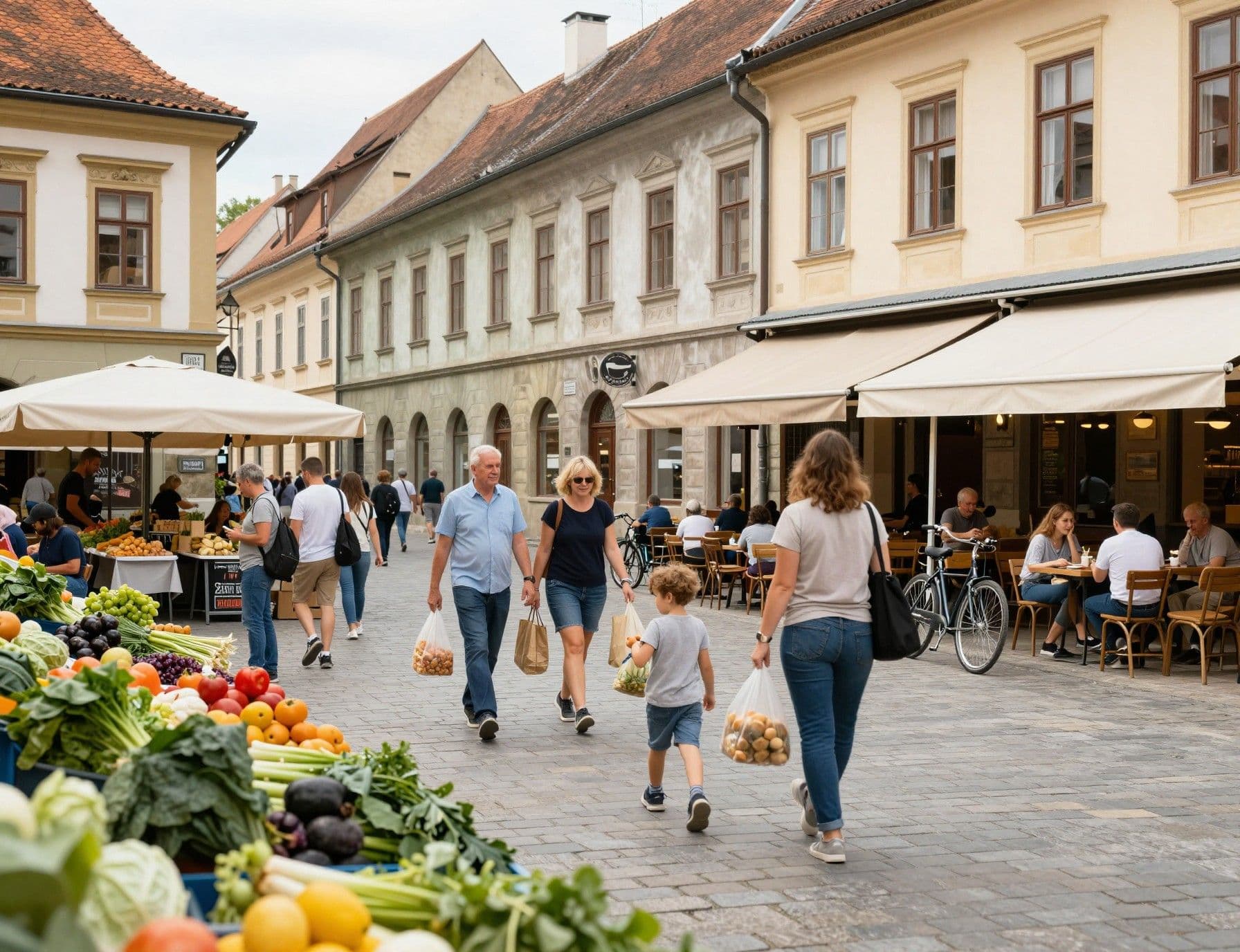
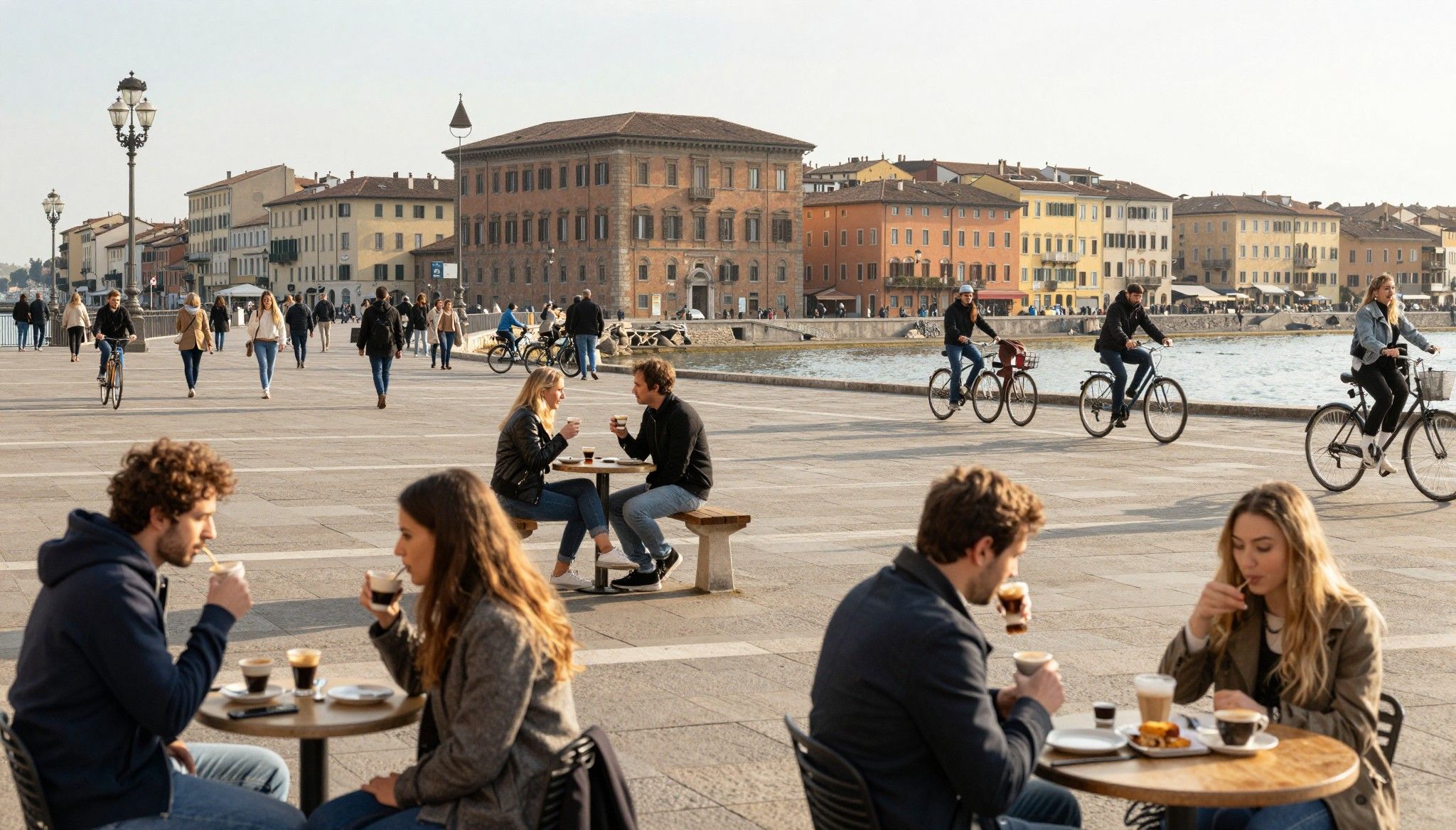
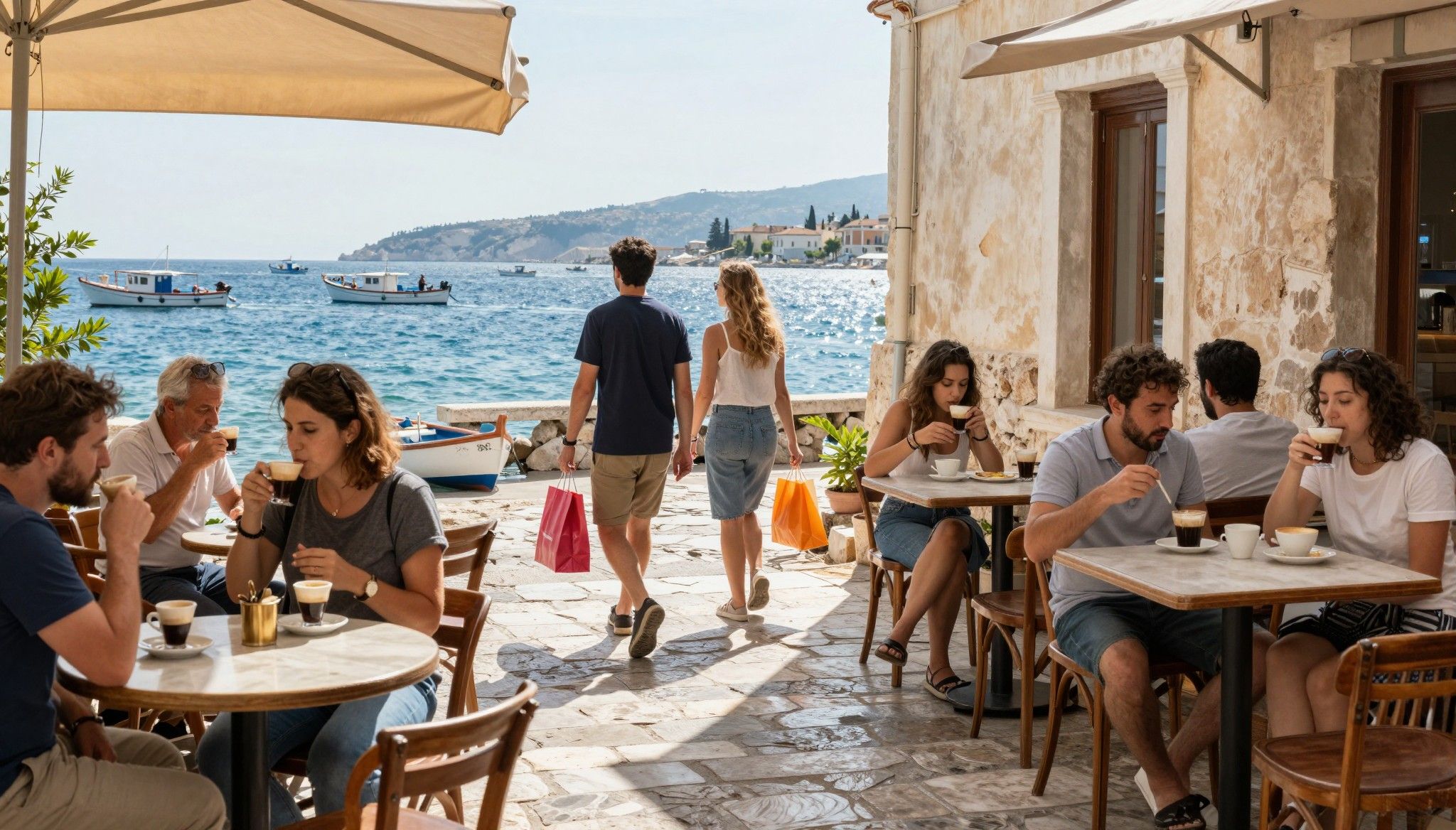
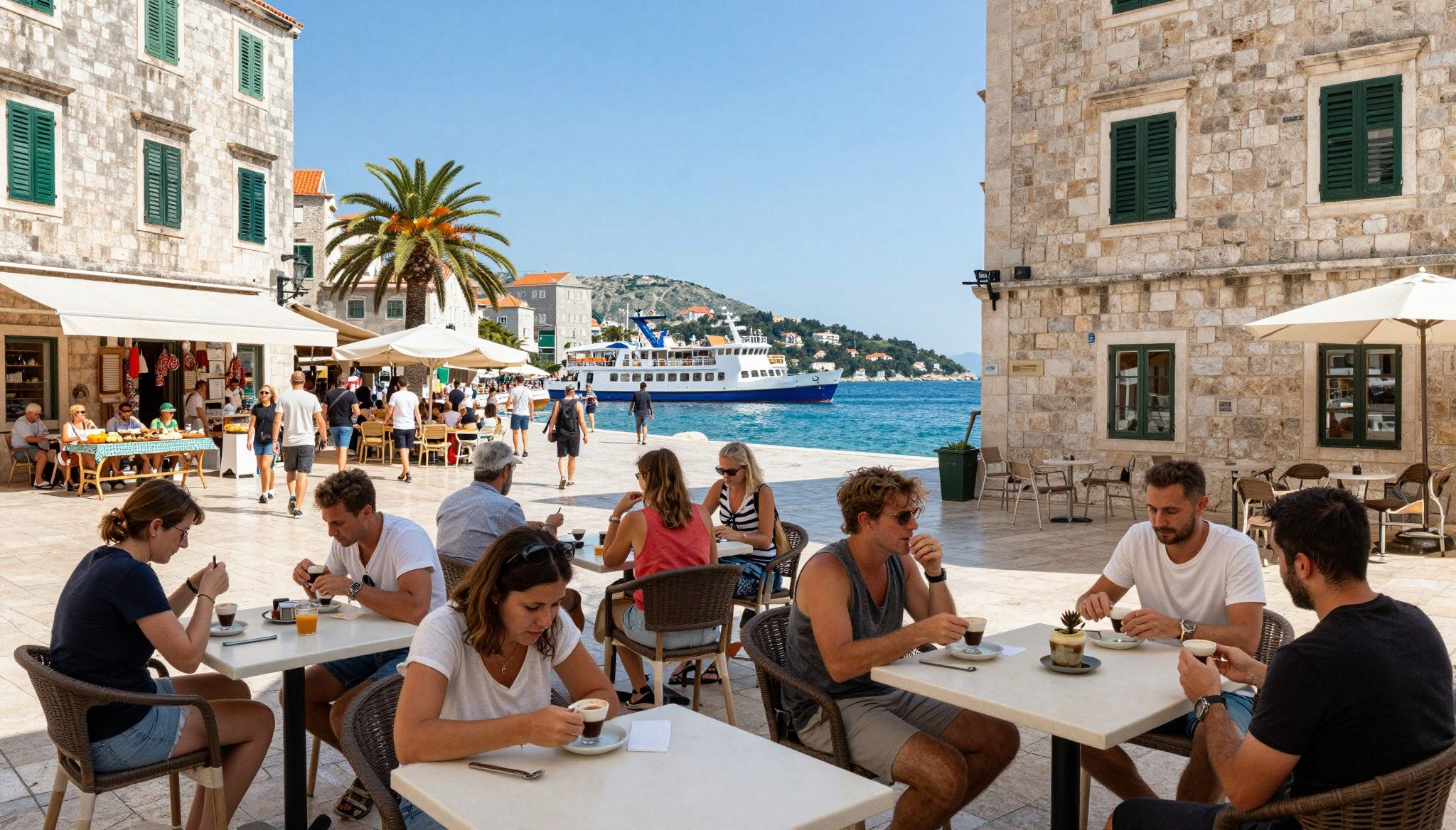
Croatia feels like an invitation to slow down without losing modern convenience. Mornings in Zagreb’s lower streets mean espresso and baked goods, afternoons on the Dalmatian islands are for swims between limestone coves, and evenings across coastal promenades turn into long, social dinners. This texture matters because where you buy determines the daily rhythms you’ll actually live — not the glossy brochure. New developments are responding to those rhythms: small blocks with terraces near markets, energy‑efficient layouts for year‑round comfort, and mixed‑use schemes that put your bakery two floors below.
Zagreb’s commuter rings and the inland surprise
If you picture Croatian life only as seaside leisure, you miss where most growth is happening. Zagreb’s commuter belt and towns like Karlovac and Samobor are seeing practical new builds aimed at young local families and remote workers. Developers are building modern apartments with childcare, parking and coworking corners — features that keep occupancy stable outside peak tourist season. Market reports show demand shifting inland as coastal affordability tightens, so pipeline analysis must include these areas to spot value.
Dalmatia’s quiet transformation: islands and micro‑markets
Along the Dalmatian coast developers are adopting a subtler strategy: smaller plots, regenerative renovations, and boutique blocks that cater to longer‑term renters rather than short‑lets. This shift is partly a reaction to regulation and the market’s own seasonality. New‑build prices rose modestly in recent quarters even as transactions slowed, which means builders are increasingly targeting sustainable rentals and year‑round living rather than speculative holiday product.
- Lifestyle highlights that new developments now deliver:
- Morning espresso rituals: cafés on Zagreb’s Ilica, Split’s Marmontova and Rijeka’s Korzo
- Island calm with services: Hvar and Brač towns offering refurbished stone homes with elevators and storage
- Local markets: Dolac Market (Zagreb) and Pazar in Split where food culture anchors neighbourhood life
Making the move: pipeline, product and process
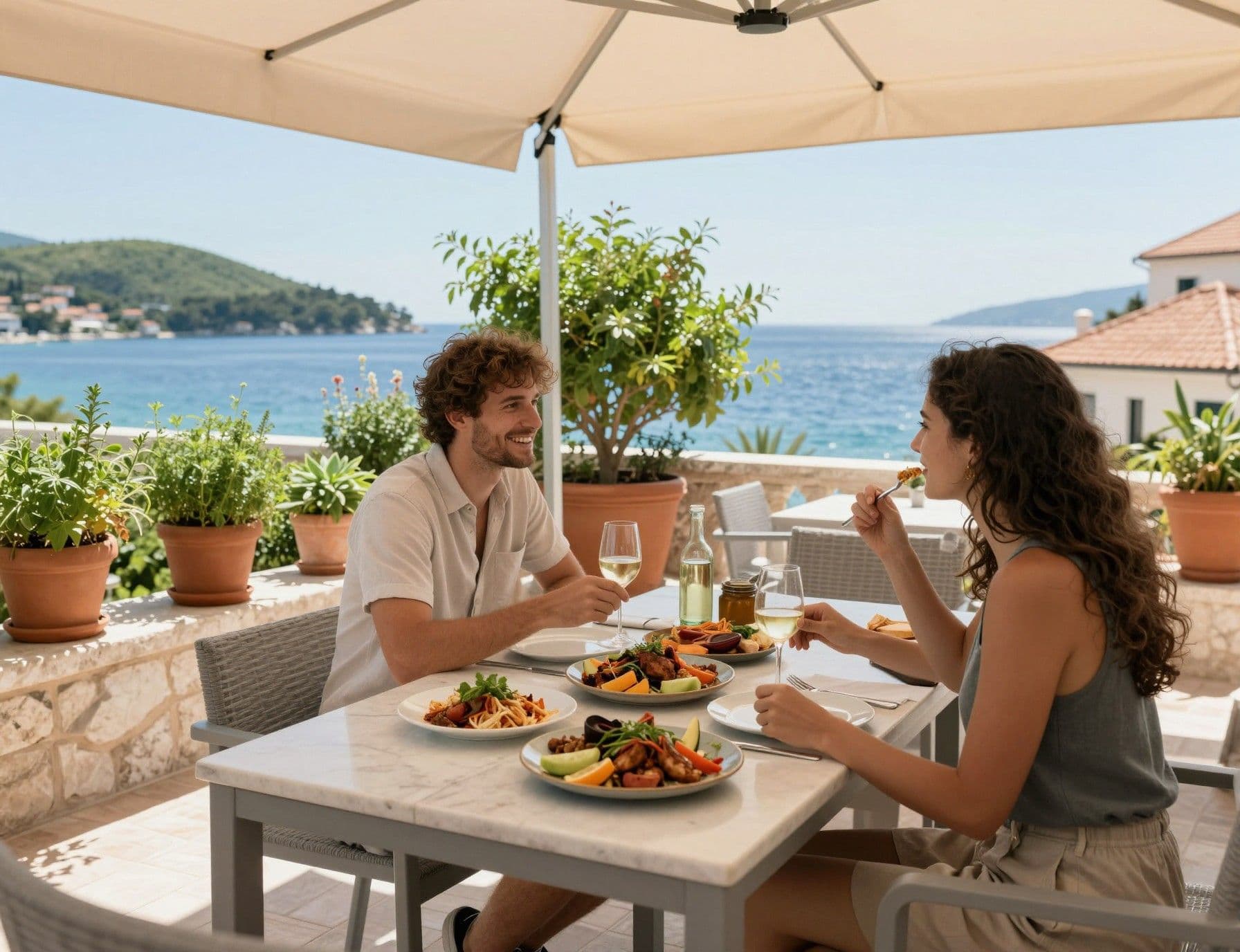
Let’s translate the romance into acquisition strategy. Croatia’s pipeline is not a single coastal wave — it’s layered: inner‑city infill in Zagreb, suburban mid‑rise blocks within commuting distance, and carefully scaled coastal projects. Prices have climbed nationally in recent years while transaction volumes cooled, so new builds with credible pre‑sales and local demand signatures are the safest route. Use public house price indices and credible broker reports to check whether a project sits in a rising area or a resort bubble.
Property types that match real Croatian life
New apartments with outdoor space and communal amenities suit families and remote workers; small terraced houses or renovated stone homes are best for buyers seeking authentic island life; purpose‑built rental blocks are the product investors should inspect for professional management. Energy efficiency is increasingly material — modern insulation and heat‑pump systems reduce year‑round running costs and appeal to long‑term tenants.
Work with local experts who understand seasons and supply
Croatian agents and lawyers do more than show homes; they interpret seasonal demand, advise on Ministry approvals for non‑EU buyers and verify a project’s planning status. EU citizens enjoy the same purchase rights as locals; non‑EU buyers normally need Ministry approval, so plan timelines accordingly. A local lawyer checking land registry entries (zemljišna knjiga) and planning permits is non‑negotiable — especially for coastal plots and conversions of historic properties.
- Checklist — practical steps before reserving a new build
- 1. Confirm planning permits and developer track record with local registry searches.
- 2. Check local demand drivers: schools, hospitals, transport links and year‑round rental occupancy.
- 3. Verify energy performance, maintenance budgets and service charges for communal amenities.
Insider knowledge: what expats wish they’d known
Expat experience often separates romantic expectations from daily reality. You might find that a tiny coastal apartment is noisy in July but empty in November, while a Zagreb suburb hums year‑round. Many buyers regret underestimating utility connections, winter heating needs, or the social value of proximity to markets and medical services. The best new builds anticipate local life — shops on the ground floor, storage for a bicycle, shutters for summer sun.
Language, community and the small social codes
Croatians are direct and cordial; learn a few phrases and you’ll find neighbours quicker to help. Local community life centres on markets, choirs, and town gatherings rather than online groups. That matters when you pick a development: a building integrated with the street culture will feel easier to belong to than one walled off for tourists. For long‑term satisfaction, prioritise walkability and public spaces over headline sea views.
Long‑term thinking: how the pipeline shapes life and value
Price growth across Croatia has been strong in recent years while transaction volumes fell, which concentrates value in projects offering sustained utility. Developers focusing on local residents, year‑round amenities and professional property management are likelier to sustain rental and resale performance. When assessing pipeline, favour projects with mixed occupancy models — a blend of owner‑occupiers and long‑term rentals reduces seasonality risk.
- Red flags in Croatian new builds (inspect for these):
- Vague completion timelines or shifting permit references
- No clear maintenance plan or sinking fund for communal areas
- Developer offers that push tourist occupancy over resident comfort
Before you sign, ask for tenancy histories if units have been rented, a breakdown of service costs, and comparable resales in the immediate area. If the developer resists sharing these, treat that as a material warning sign.
Conclusion: fall for Croatia, buy smartly
Croatia delivers on lifestyle — the markets simply require a different kind of romance: one that values daily life over postcard views. For most international buyers, the smartest new‑build plays are those embedded in real neighbourhoods, with year‑round demand drivers and transparent developer records. Work with local lawyers and agencies who read pipeline data and local rhythms, prefer projects with mixed occupancy, and treat sea‑front hype as just one input among many. The result: you get the Adriatic lifestyle without the seasonal price and vacancy swings.
Norwegian market analyst who relocated to Mallorca in 2020. Focuses on data-driven market insights and smooth relocation for international buyers.