Croatia: Season‑Smart Price Insights for Lifestyle Buyers
Croatia’s charm masks rapid coastal price growth. Visit in both seasons, use DZS and industry data, and blend lifestyle choices with local market intelligence.
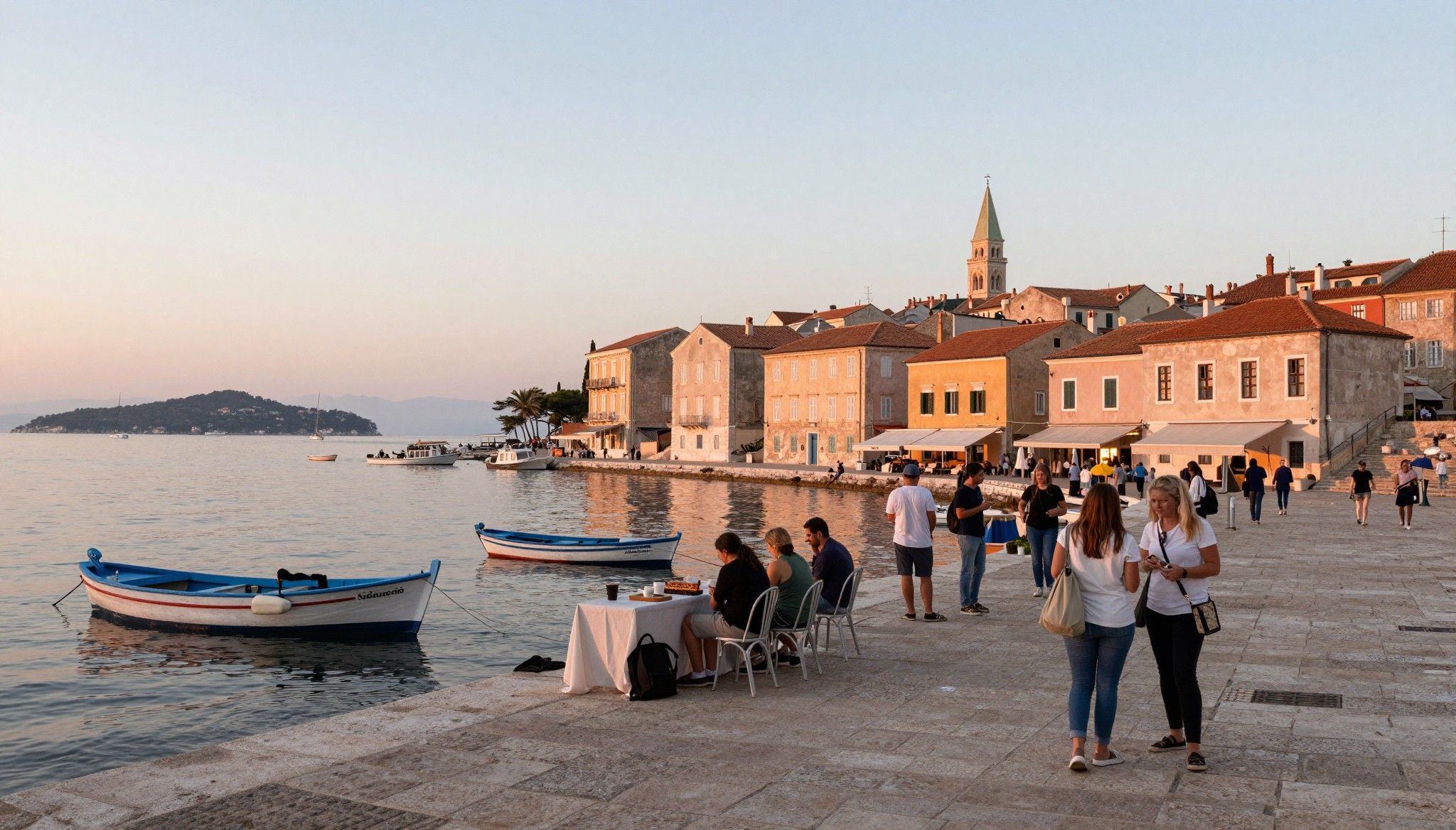
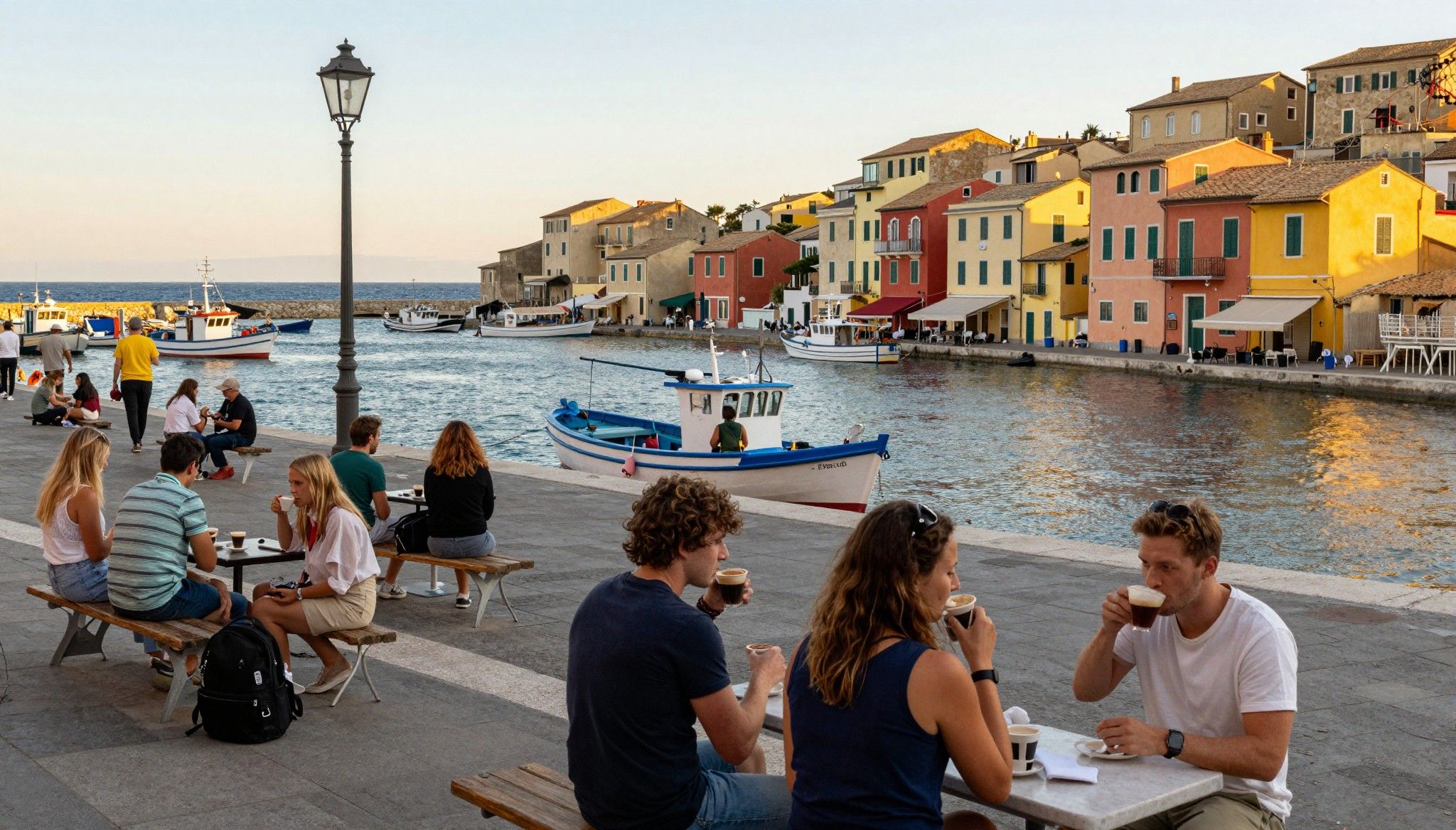
Imagine stepping out for an espresso on Split’s Riva at 08:00, the sea glass calm, fishermen unloading the day’s catch, and a neighbor offering a tip on a hidden cove. That morning scene is why buyers fall for Croatia: a mix of coastal ritual, compact historic towns and an Adriatic tempo that reshapes daily life. Yet the property numbers tell a different, more urgent story — house prices have been rising fast in recent quarters, changing where and when a lifestyle purchase still makes sense. The tension between romance and rising prices is the thread of this guide: feel the place, then act with market-aware clarity.
Living the Croatia life: the daily rhythm
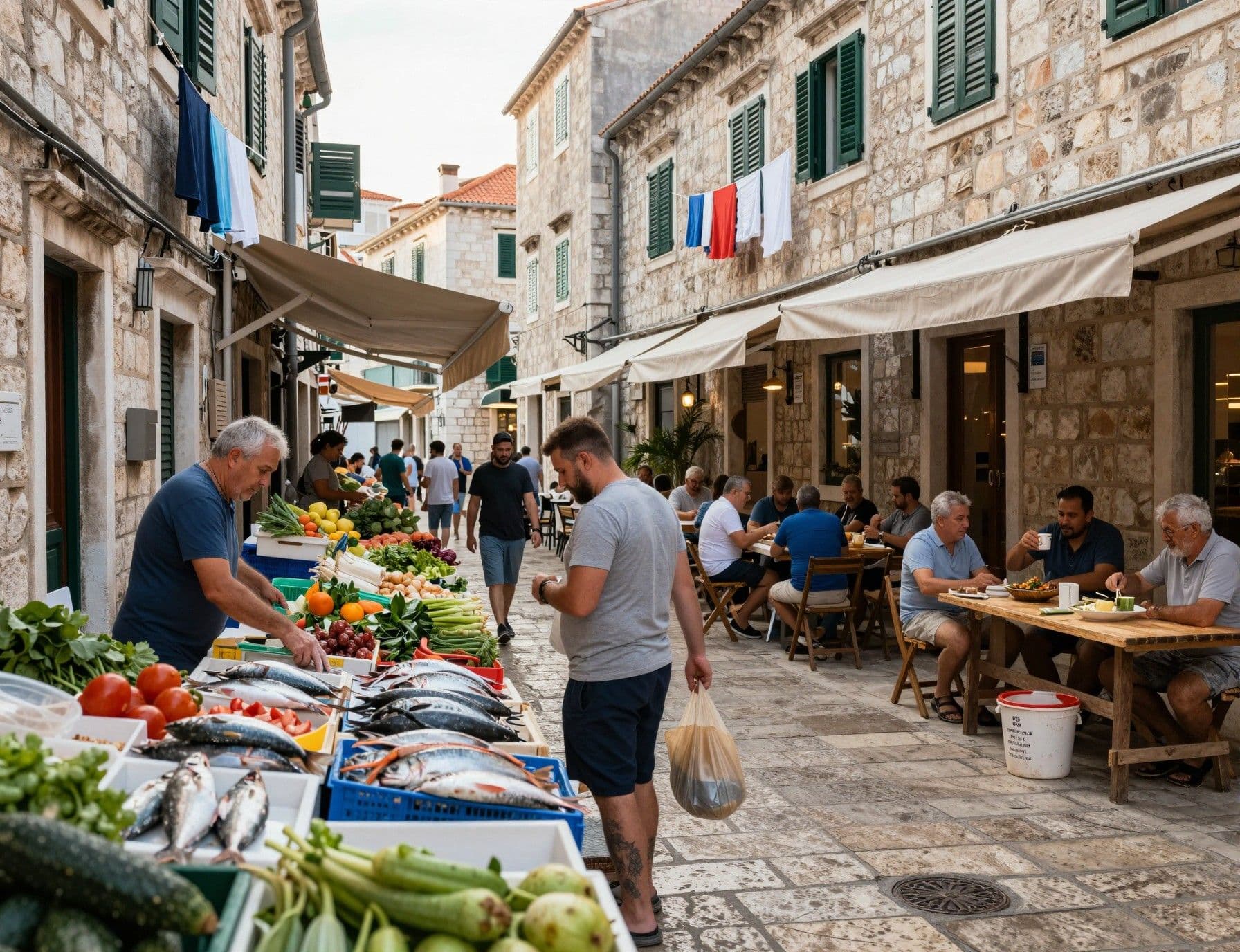
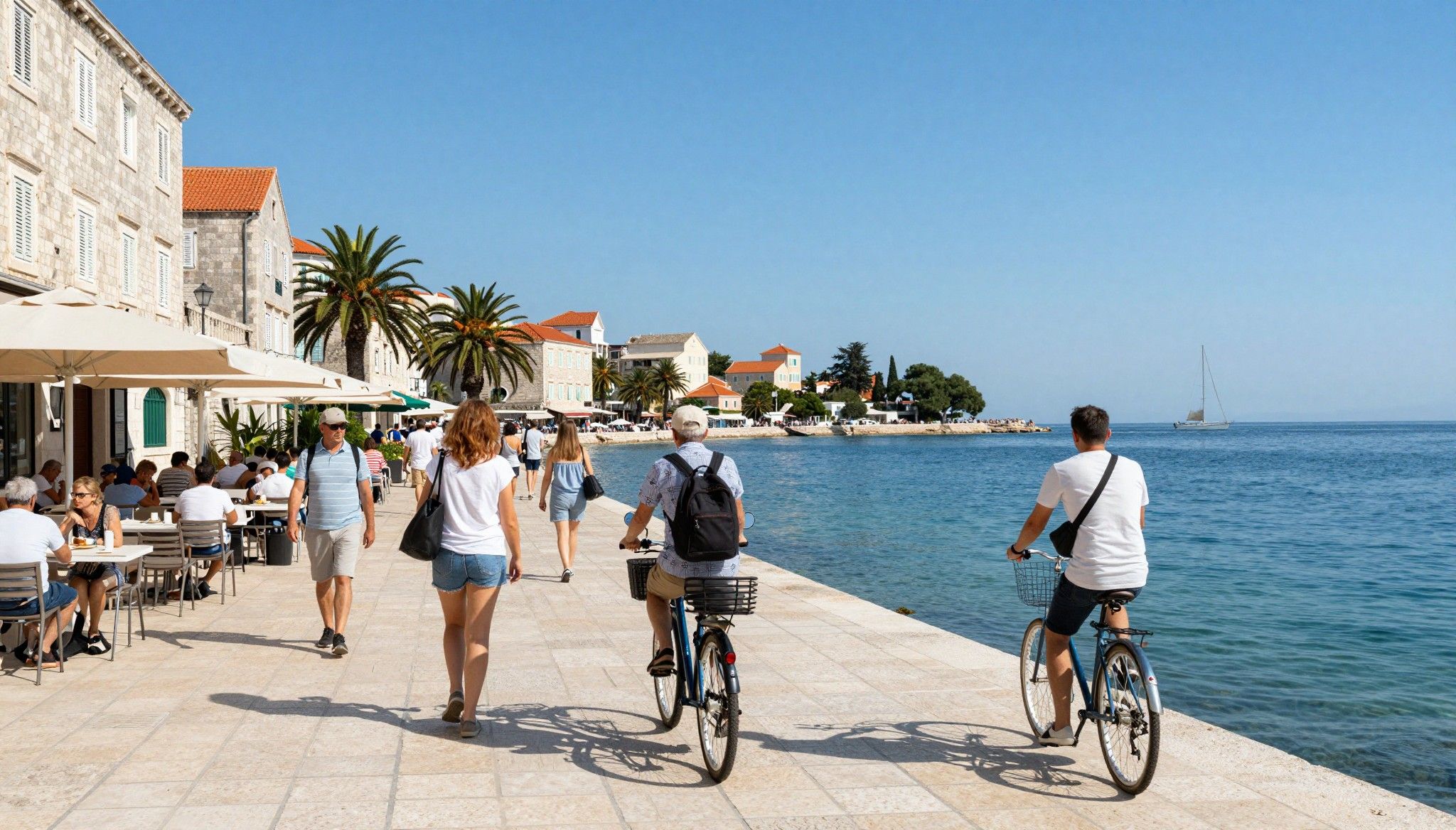
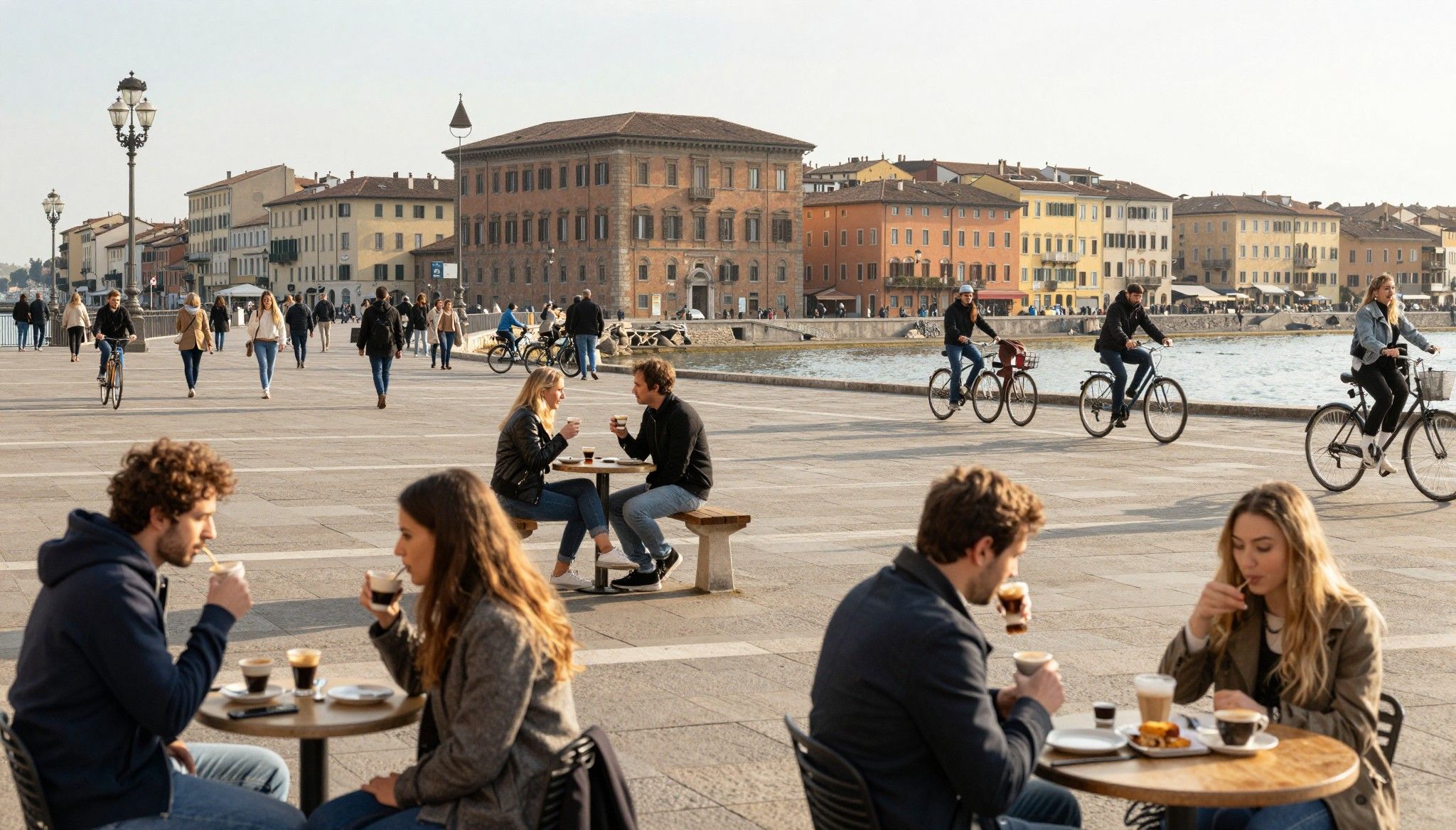
Croatia moves at two speeds: the Adriatic coast pulsing with tourism and second‑home demand, and the continental interior where town squares and markets set a steadier pace. In places like Dubrovnik, Hvar and parts of Istria you’ll hear more foreign languages at the café table; in Varaždin or Osijek the rhythm is slower and prices more restrained. These contrasts matter because recent data from the Croatian Bureau of Statistics show nationwide price growth outpacing many EU peers, driven by coastal demand and constrained supply. Knowing which tempo matches your life — full‑time resident, seasonal owner, or rental investor — is the first practical step.
Coastal neighborhoods that behave like small cities
Think Split’s Varoš and Bačvice for morning swimming, quick markets and a sense of neighbourhood rooted in daily life rather than holiday spectacle. In Istria, Rovinj’s narrow lanes still deliver neighborhood coffee rituals, while Pula’s quieter streets offer comparatively better value. These micro‑neighborhood differences shape prices: a modestly sized apartment steps up in value the closer it is to a vibrant quay or year‑round market square, especially where short‑term rental demand overlaps with local life.
Food, festivals and the year that frames life
A year in Croatia is bookended by seasons that change how neighbourhoods feel: spring markets brim with asparagus and greens, summer pulses with boat moorings and open‑air concerts, autumn brings truffle hunts in Istria, and winters fall quiet with candlelit konobas (taverns). These cycles influence demand — coastal listings surge and command premiums in summer, while off‑season viewings reveal structural issues and give buyers negotiating leverage. For lifestyle buyers the lesson is simple: visit across seasons to know the place beyond its postcard month.
- Lifestyle highlights: real places, real pleasures • Morning swim at Bačvice (Split) then market coffee on Marmontova • Sunset walk on Rovinj’s old pier followed by grilled fish at Batelina‑adjacent konoba • Weekend truffle market near Motovun (Istria) • Island hop from Hvar to Pakleni isles for one‑day escapes • Autumn wine festivals in Pelješac and the Makarska riviera
Making the move: practical considerations that keep the lifestyle feasible
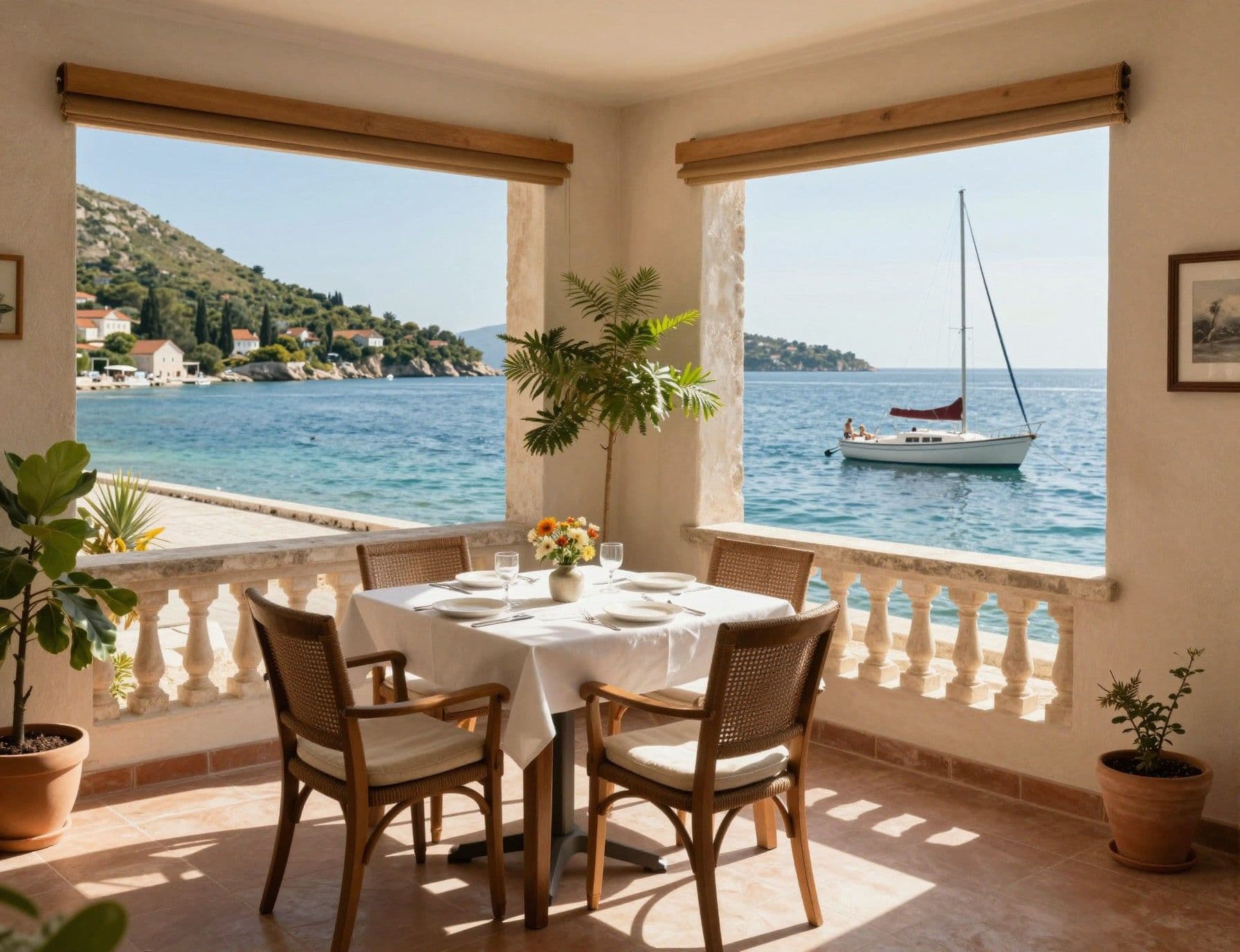
Romance must meet reality: in Croatia that reality currently includes above‑average house price inflation, regional supply shortages for new builds and a rental market shaped by tourism cycles. Industry reports point to steady credit availability and strong buyer interest, but also warn of supply constraints in coastal hotspots. That combination means your lifestyle wish list (sea view, terrace, walkable markets) will often come with a premium unless you trade one wish for another — for example a short drive inland for more space and lower per‑square‑metre cost.
Property types and how they match life plans
Stone townhouses around Dubrovnik or Split offer immediate atmosphere but can be smaller and costlier per square metre; modern apartments in newer developments in Rijeka or Zagreb give more indoor comfort and predictable running costs. Renovation projects in inland towns often unlock value, but budget realistically for specialised restoration work and permits. If you plan to rent seasonally, beachfront and old‑town addresses convert to premium yields in summer — albeit with more management overhead and local regulation to consider.
How to work with local experts without losing your voice
Choose agencies that blend market data with lifestyle curation: ask for recent comparables, seasonal occupancy figures, and examples of repairs they’ve overseen. Insist on clear fee structures and a written timeline covering viewings across seasons, offer windows, and closing steps. Local attorneys and surveyors are essential — they translate paperwork and reveal planning restrictions that can affect terraces, rooftop conversions or mooring rights.
- Practical steps to align lifestyle and market realities 1. Visit the neighbourhood in at least two different seasons to test rhythm and noise. 2. Ask agents for quarter‑by‑quarter price data and seasonal rental performance for the last three years. 3. Commission a local survey and a feasibility check for any renovation before making an offer. 4. Compare a coastal property with a similar budget inland alternative to test lifestyle tradeoffs. 5. Build a 10‑15% contingency into your budget for hidden renovation, connection or permit costs.
Insider knowledge: expat realities and data‑backed surprises
Expats often arrive expecting perpetual summer and quiet streets; they quickly learn that winter reveals the true neighbourly fabric and some services slow down outside tourist months. Data show Croatia’s price growth has been among the faster rates in the EU recently, concentrated along the coast and in capital‑adjacent areas. That means a coastal buy that “feels” affordable today may look expensive in two years — or a smart hedge if you value capital growth — so decide if your primary objective is lifestyle now or long‑term appreciation.
Cultural nuances that shape where you buy
Croatians value community ties and long‑standing market rhythms — meaning good neighbours, local shop hours and municipal decisions (like waterfront works) can transform daily life. Learn a few phrases, make early friends with the local baker or fisherman, and you’ll get better leads than any listing feed. Also note that small municipalities sometimes resist new construction, which keeps supply tight and prices elevated in sought‑after spots.
Long‑term living: what changes after year three
After the first year the novelty fades and practicalities — school runs, winter heating, waste collection, parking — define satisfaction. Investors should track local planning permissions and infrastructure projects (new marinas, ferry upgrades) because these shift demand and price differentials quickly. For those staying long term, blending an emotional tie to a neighbourhood with disciplined monitoring of quarterly price indices will protect both lifestyle and capital.
- Red flags local agents will watch for • Unexplained recent price jumps on identical apartments in the same street • Permits missing for rooftop terraces or conversions • Short‑term rental restrictions or local bans in certain old‑town zones • Poor winter access (ferry schedules, seasonal road works) • Properties advertised only off‑market with no comparables
If Croatia has a single market lesson, it’s this: fall in love on the street, but make offers with the data in hand. Use official quarterly indices, local agency comparables, and season‑aware viewings to turn emotion into a durable investment. When you’re ready, choose an agency that can show recent coastal vs inland comparables, seasonal occupancy data and third‑party surveys — that combination unlocks the life you imagined and the market reality you’ll live with. Book two visits (high and low season) and ask for a written market brief before you bid.
Conclusion: Croatia offers a lived‑in Mediterranean life that changes you — and a market that rewards local knowledge and seasonal patience. Enjoy the coffee on the quay, the morning markets and late‑summer festivals, but let DZS indices and market snapshots guide your timing and price expectations. Next steps: plan two seasonal visits, commission a local market brief from a data‑capable agency, and compare coastal and nearby inland alternatives before making an offer; that’s how you buy the life without overpaying for the postcard.
Dutch investment strategist with a Portugal-Spain portfolio. Expert in cross-border financing, rights, and streamlined due diligence for international buyers.