Why Coastal Italy’s Price Tag Hides Opportunity
Italy’s coastal mystique hides micro-opportunities: blend off-season visits, street-level comparables and local expertise to match lifestyle with value.
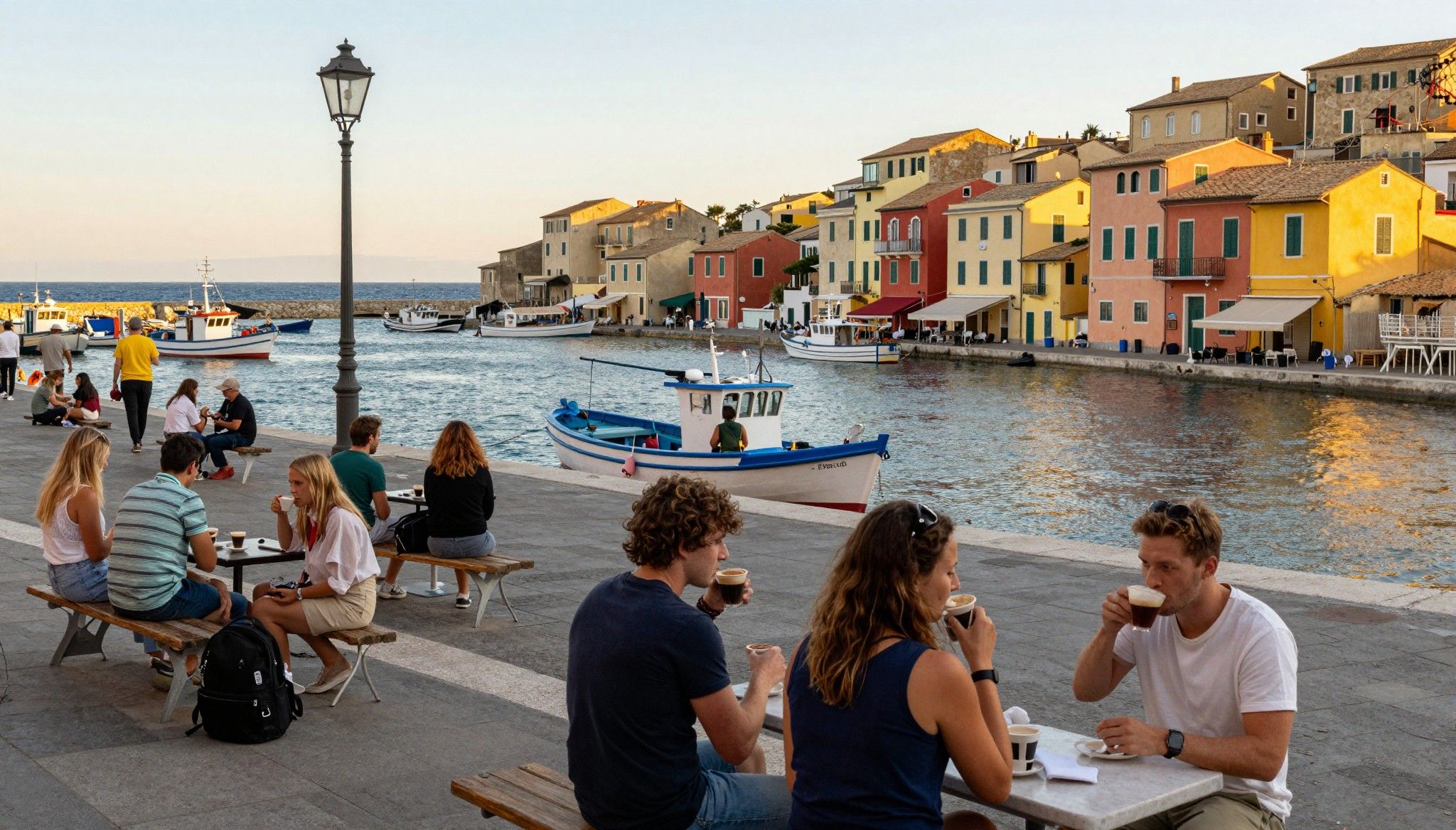
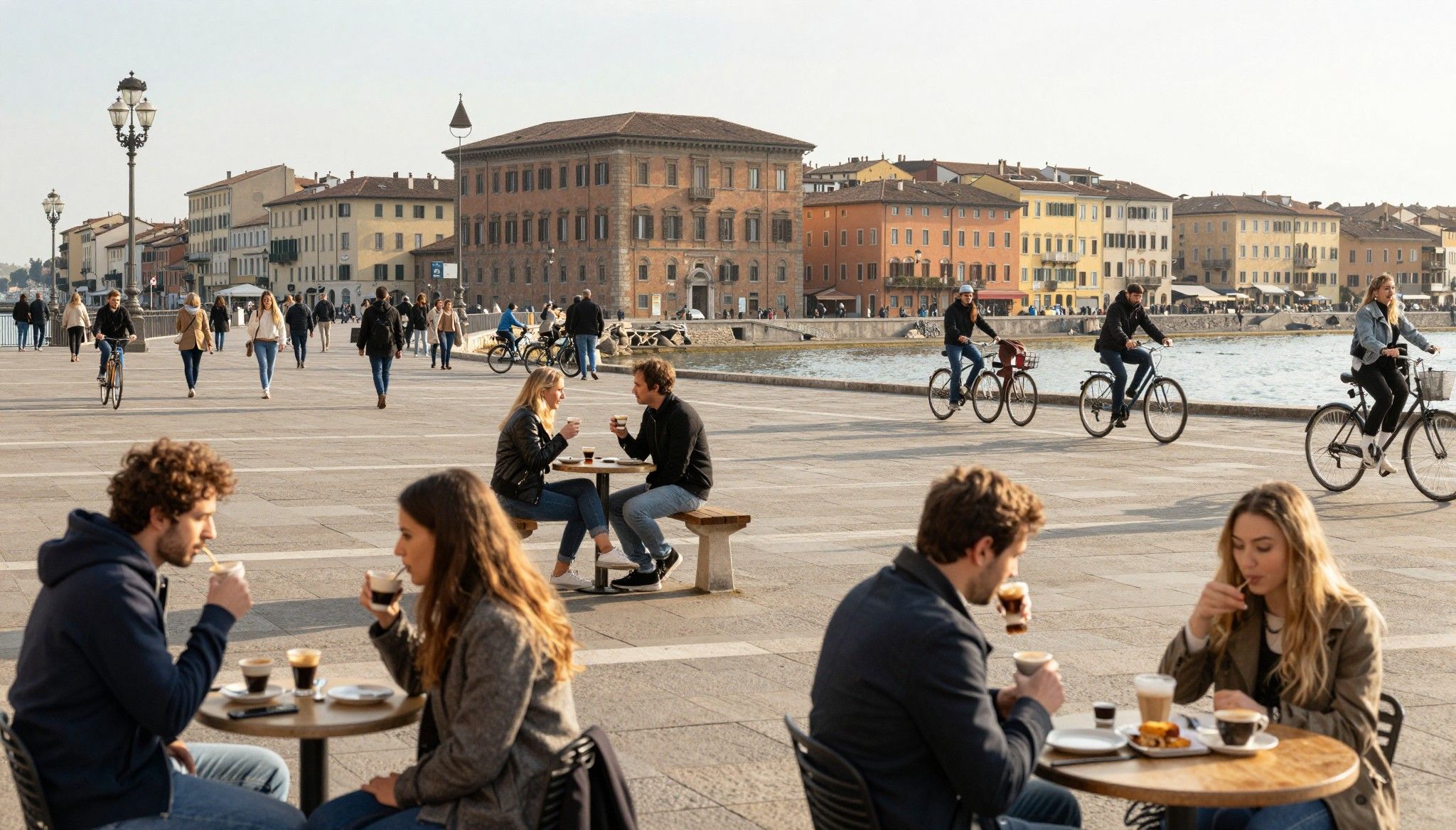
Imagine stepping out at dawn onto a piazza where a barista remembers your order and the sea is a 20-minute drive away. In Italy, that scene can be a daily rhythm, not a postcard fantasy — but readers often assume coastal and prestige markets mean prices beyond reach. Recent ISTAT data show national price growth is modest and highly regional, which opens strategic opportunities for international buyers who look beyond headline towns.
Living the Italian coastal life
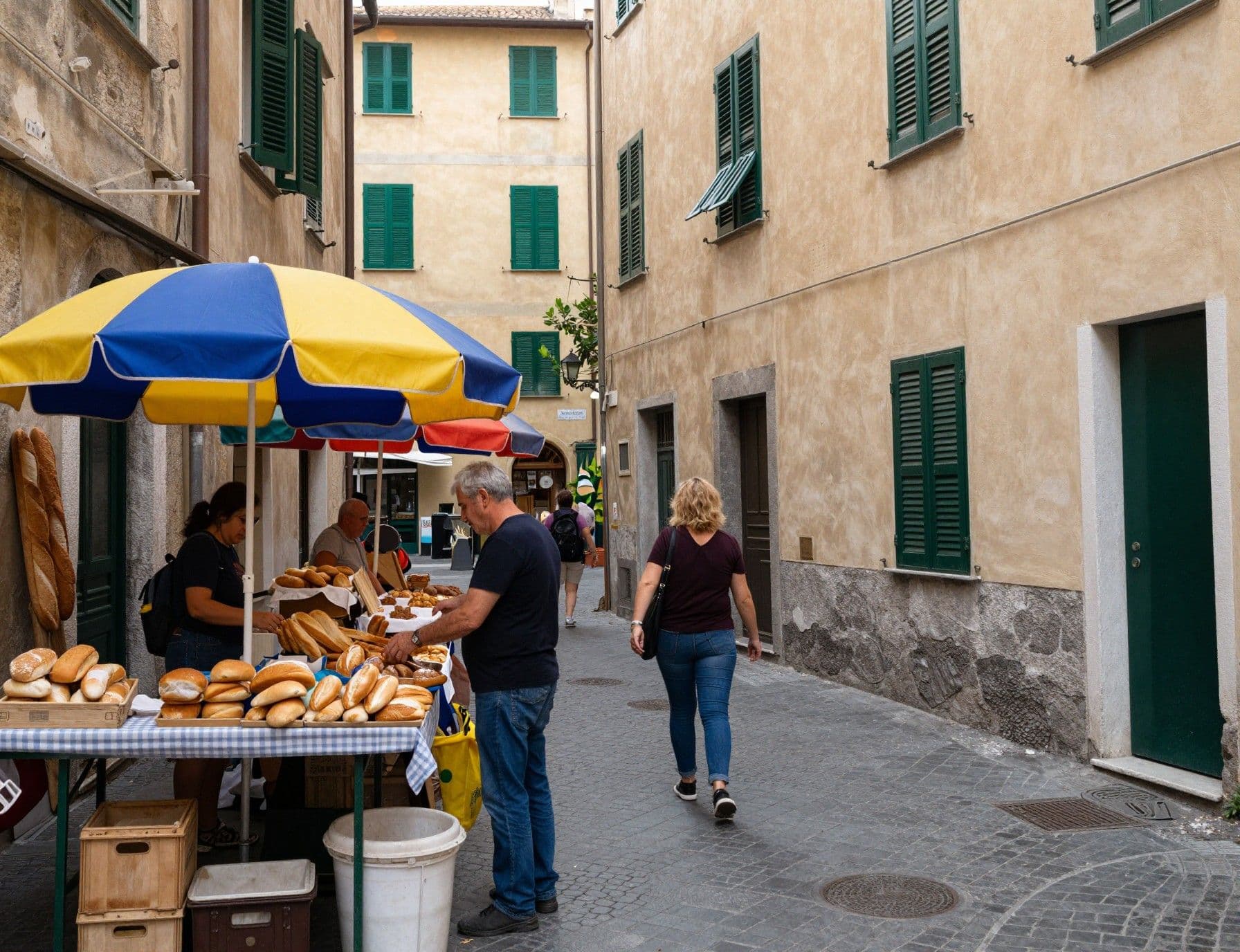
Coastal Italy is not a single market: Genoa’s working harbours, Liguria’s cliffside hamlets, the Amalfi Coast’s tourist ribbon and Puglia’s olive‑grove shorelines each deliver distinct rhythms. In many prime reports Italy is framed as a ‘tax-attractive’ magnet for foreigners, but local life — morning markets, late aperitivi, neighbourhood bakeries — is what makes a property feel like home. Knight Frank notes renewed cross-border interest, which increases competition in visible hotspots but also raises demand for quieter nearby towns.
Liguria & Cinque Terre: terraces, trains and tramontana
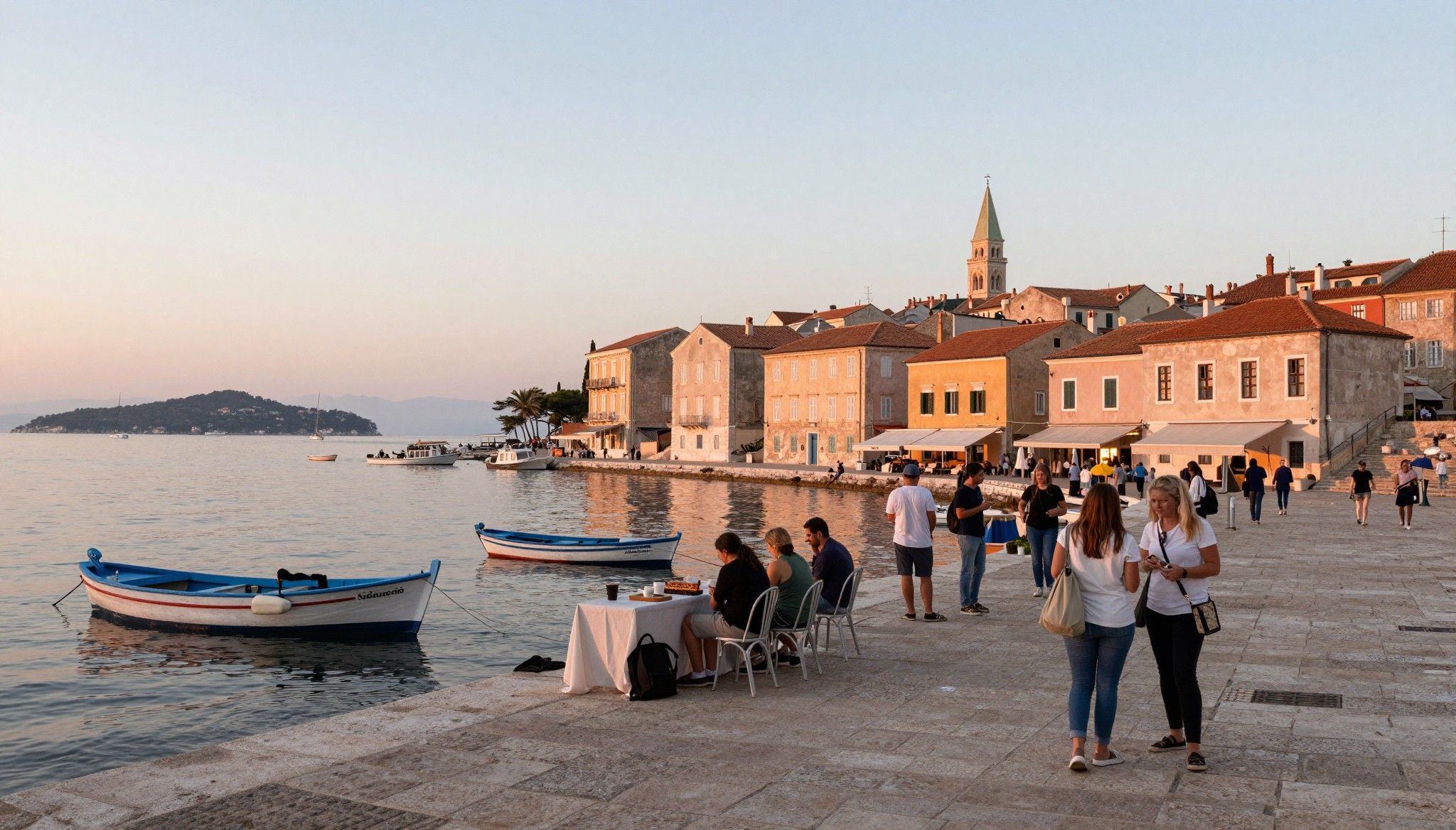
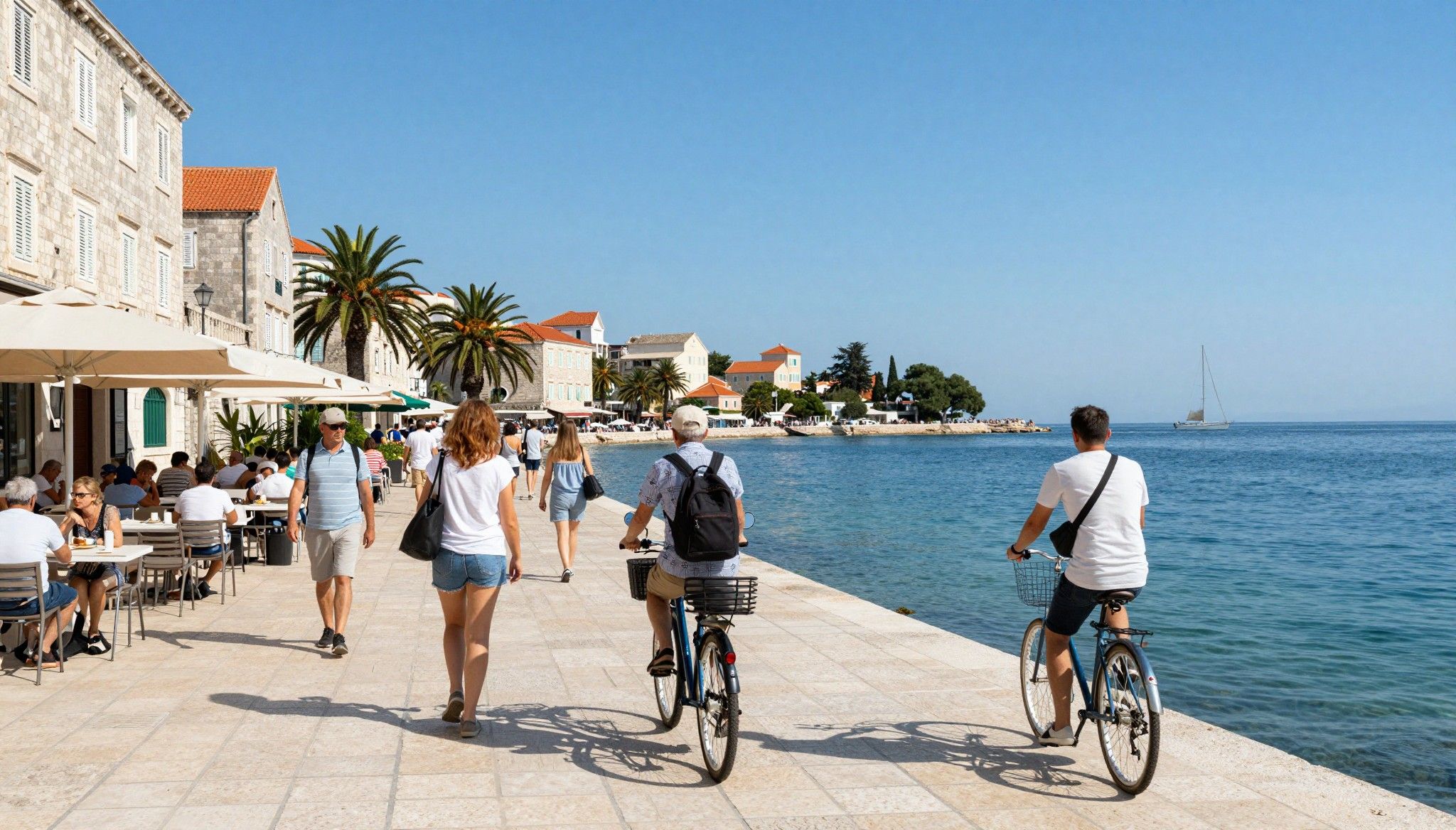
Walkable lanes define everyday life in Levanto or Sestri Levante: espresso counters, fishermen bringing in the morning catch, and regional trains that connect small towns to Genoa. Properties with narrow sea-facing terraces are compact but deliver immediate lifestyle — think daily seafood market runs rather than large private gardens — and they often trade at a premium for proximity yet offer smaller absolute prices than villas on the Amalfi Coast.
Amalfi & Sorrento: headline glamour, micro-opportunities exist
The Amalfi Coast is headline expensive — but look two valleys inland or to neighbouring towns like Meta or Vico Equense and you find lower entry prices with the same Mediterranean climate and faster local life. Local market reports show prime pockets are expensive, yet demand spillover creates bargain micro-markets for buyers prepared to trade a postcard view for everyday quality.
Making the move: lifestyle-led property choices that make sense
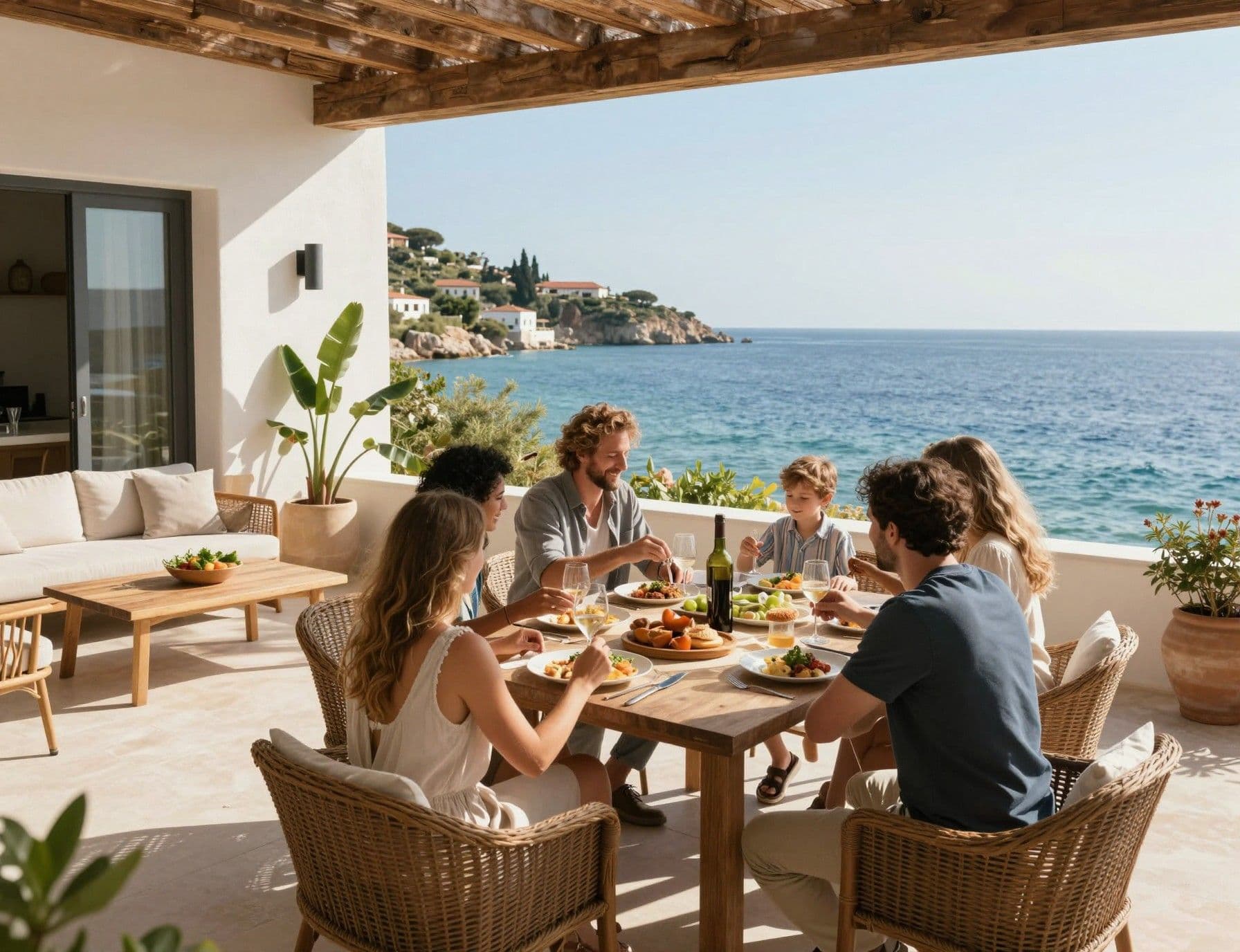
Dreams of daily market visits and beach weekends must meet reality: local transport, tax treatment for non-residents, and building style. Practical choices — a modestly sized apartment in a lively centro storico versus a larger house on the outskirts — determine whether the lifestyle you imagine is sustainable year-round. Practical guidance from local sources highlights that foreign buyers can access Italian property markets with clear rules, but regional variation matters for costs and permits.
Property styles and how they shape life
A 60–80 m² apartment in a central Ligurian town puts cafés, bakeries and the sea on your doorstep and reduces running costs. A restored farmhouse in Puglia brings space and privacy but requires maintenance and occasional travel to reach services. Choose building type by the life you want to live daily — social, compact, low-maintenance, or rural and project-based.
Work with local experts who know neighbourhood rhythm
Agencies that understand daily life — where the market rents well in summer, which streets flood in winter, which owners accept short-term lets — are invaluable. Local agents and notaries translate neighbourhood culture into practical checks: building regulations, time-on-market expectations and what a fair offer looks like in that street. Bank of Italy data underline regional differences in prices and liquidity, reinforcing that local expertise reduces costly surprises.
Insider knowledge: what expats wish they'd known sooner
Expat stories repeat a few truths: language eases transactions, seasonality affects living costs, and headline towns attract interest but not always long-term value. Luxury market reports point to growing demand — yet they also highlight that active buyers who look to adjacent towns or less-publicised neighbourhoods often find better value and a more authentic life.
Cultural integration, language and everyday etiquette
Making friends at the market, joining a volunteer group, or learning enough Italian to read a utility bill changes your experience. Italians value trust and relationships; small gestures — greeting shopkeepers, attending local sagre (festivals) — unlock community access and smoother negotiations. Practical translation support during notary appointments is common for non-Italian speakers.
Long-term lifestyle and value: what to prioritise
If you want year-round life, prioritise public transport, healthcare access and winter services. If the goal is seasonal living, proximity to airports and rental-friendly zoning matters. Over time, neighbourhoods with active local life — shops open year-round, community events, good schools — tend to hold lifestyle value and price resilience.
- Key practical tips for international buyers
- Ask agents for recent comparable sales on the exact street, not just the town — micro-markets matter.
- Tour outside peak season: December–March reveals winter services, noise levels and heating costs.
- Check local zoning for short-term rentals if you plan holiday lets; regulations vary by comune.
- Budget for restoration in older properties — Mediterranean charm often needs modern systems (insulation, plumbing).
- Step-by-step approach to a lifestyle-smart purchase
- 1. Visit the neighbourhood in an off-peak month to sense year-round life.
- 2. Engage a bilingual notary and a local agent with verifiable track record in the specific town.
- 3. Request recent sales data, utility cost history and a building condition report before offering.
- 4. Consider rental strategy (seasonal vs medium-term) and check comune rules before signing.
Real examples: where compromise creates value
Buyers priced out of Positano often buy in Praiano and commute the short coastal road for weekend life; those who want Ligurian charm but lower prices choose Levanto over Monterosso. These swaps preserve lifestyle while cutting the purchase price and ongoing running costs.
Conclusion: Italy’s coast is emotionally generous and pragmatically accessible when you blend lifestyle clarity with local data. Start with the life you want — morning market, short train to the city, or private garden — then ask your agent for street-level comparables, winter visits and zoning checks. With regional variation and careful local support, the Italian life you imagine can become a sustainable daily reality.
Dutch investment strategist with a Portugal-Spain portfolio. Expert in cross-border financing, rights, and streamlined due diligence for international buyers.