Cyprus: Lifestyle‑Led Market Intelligence
Cyprus blends compact coastal living with rising foreign demand; pair seasonal lifestyle choices with RPPI and land‑registry data to buy where life — and resale — align.
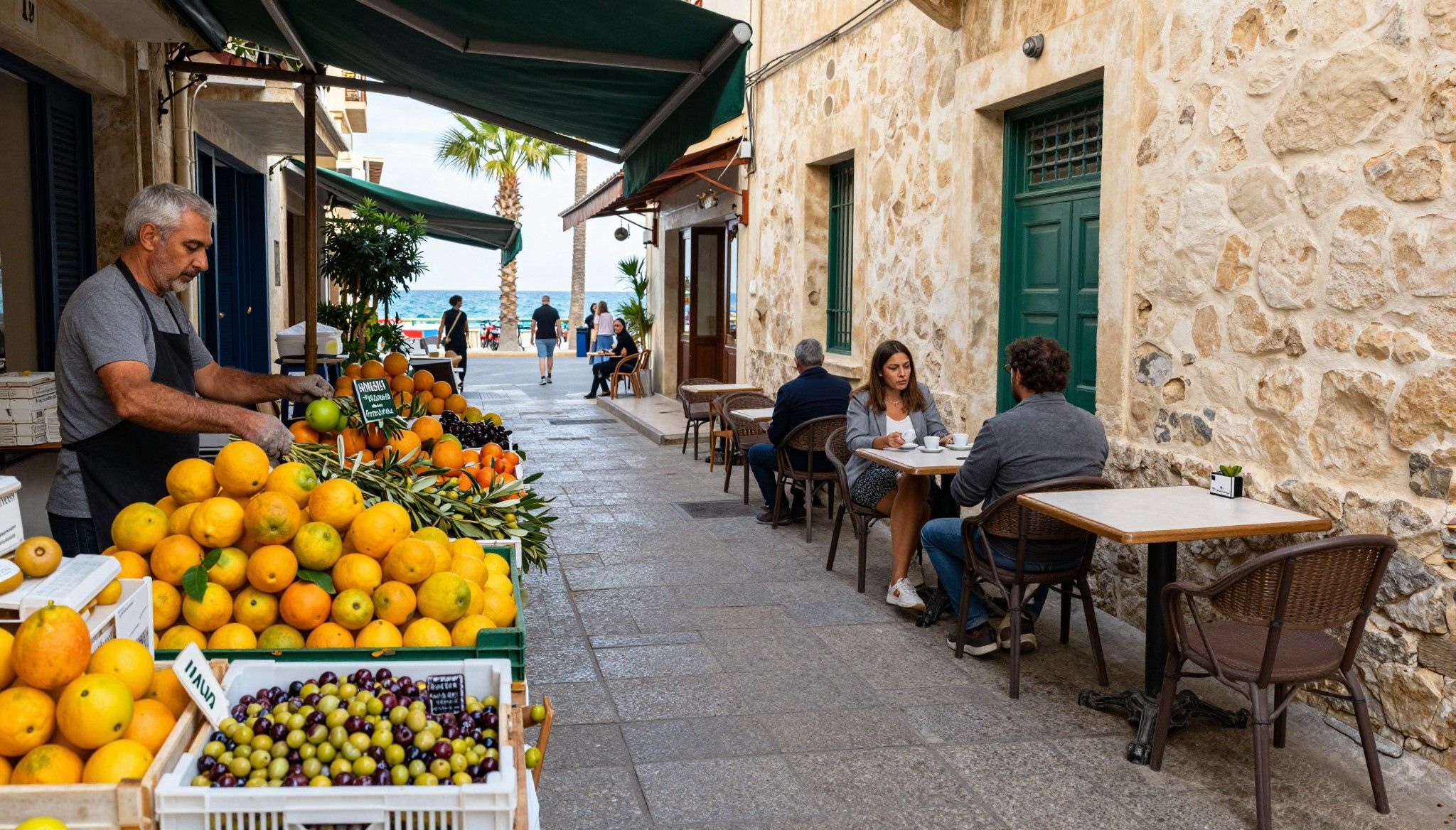
Imagine sipping a strong coffee at Faneromeni Square in Nicosia one morning, then driving 90 minutes to a beachside taverna in Paphos by sunset. Cyprus is a short, bright island where mountain villages, working harbours and international schools sit within easy reach. That compactness shapes both the daily life and the property market: choice is about trade-offs between village calm, coastal energy and city convenience.
Living the Cyprus life: rhythms, places, flavour
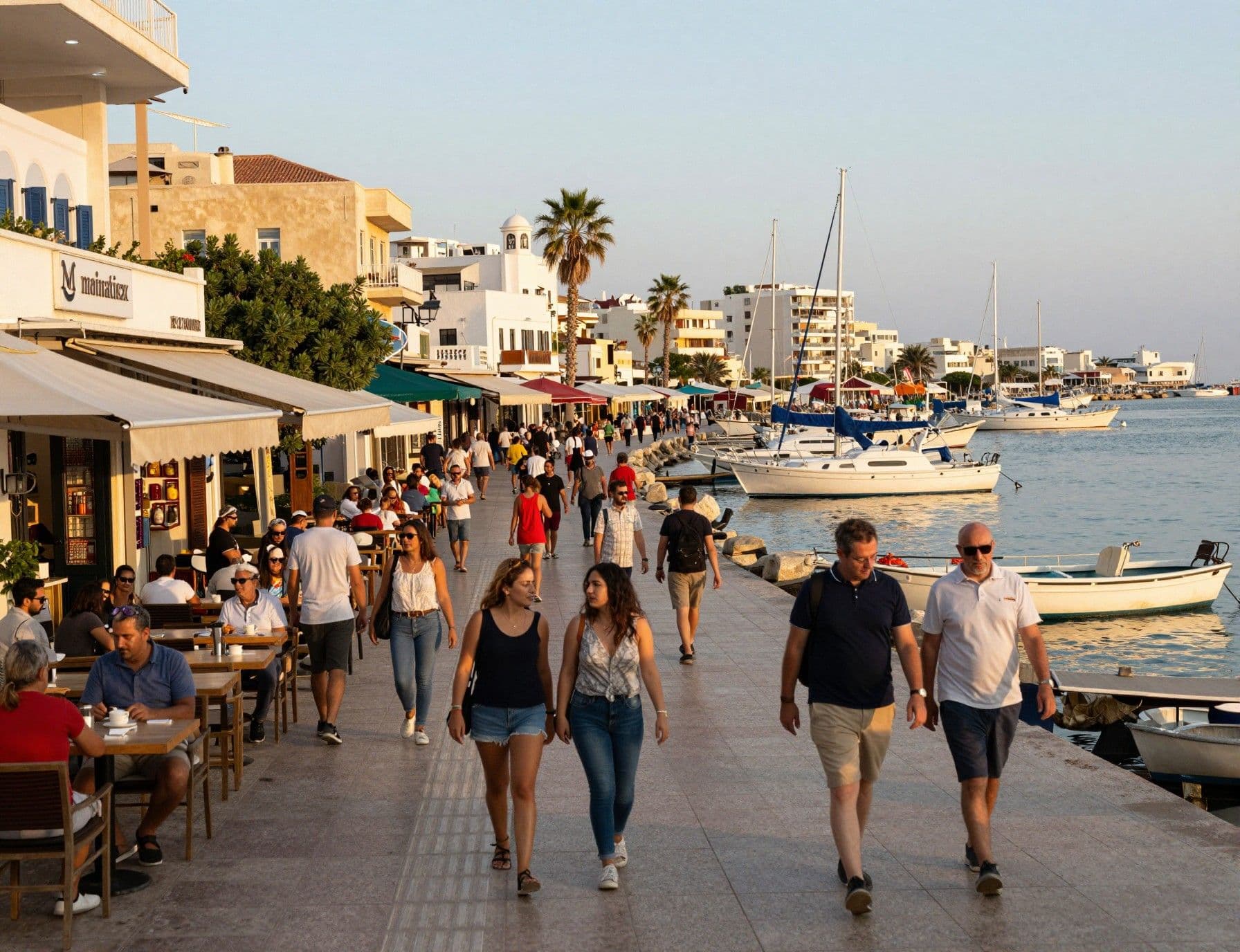
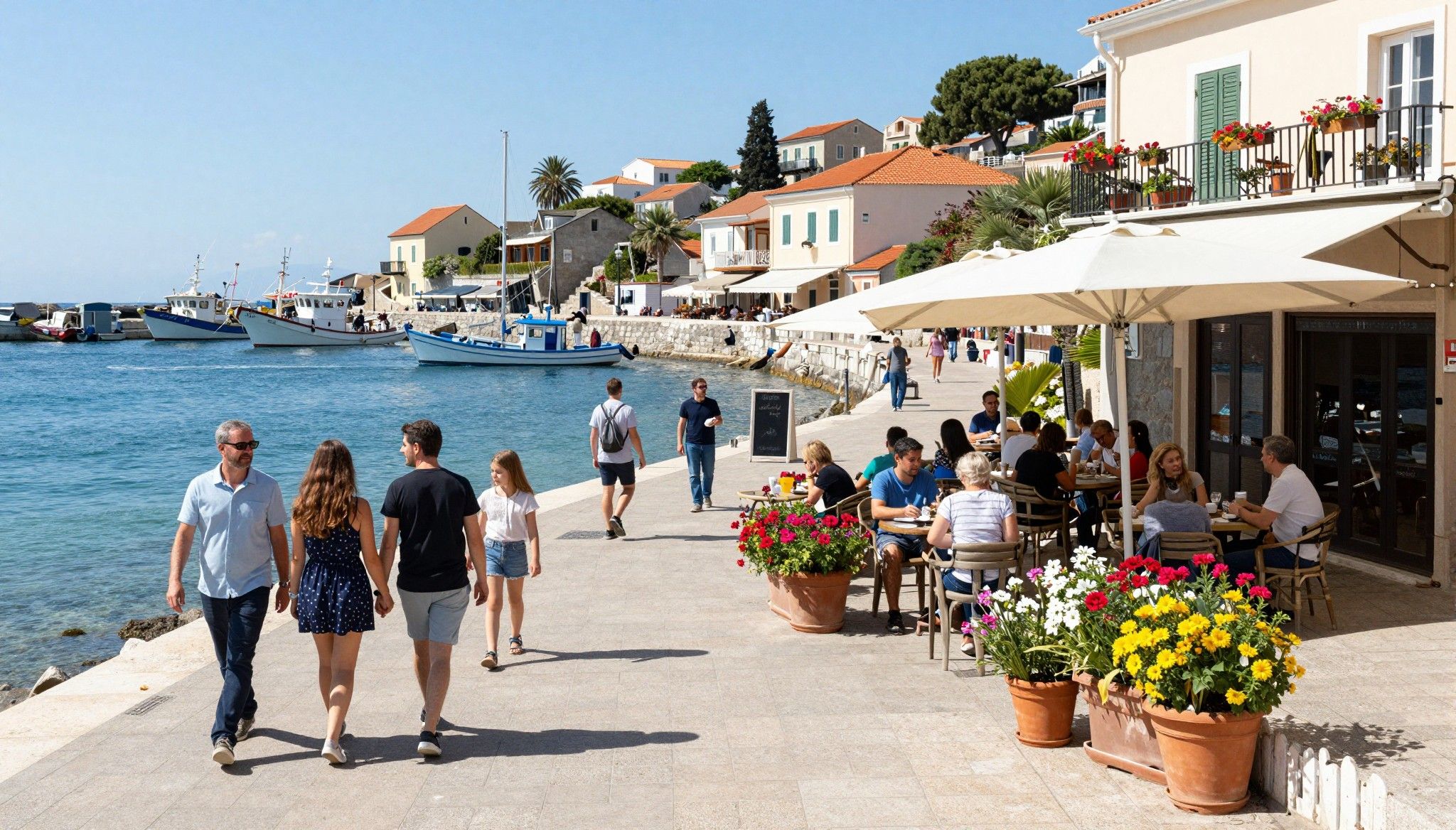
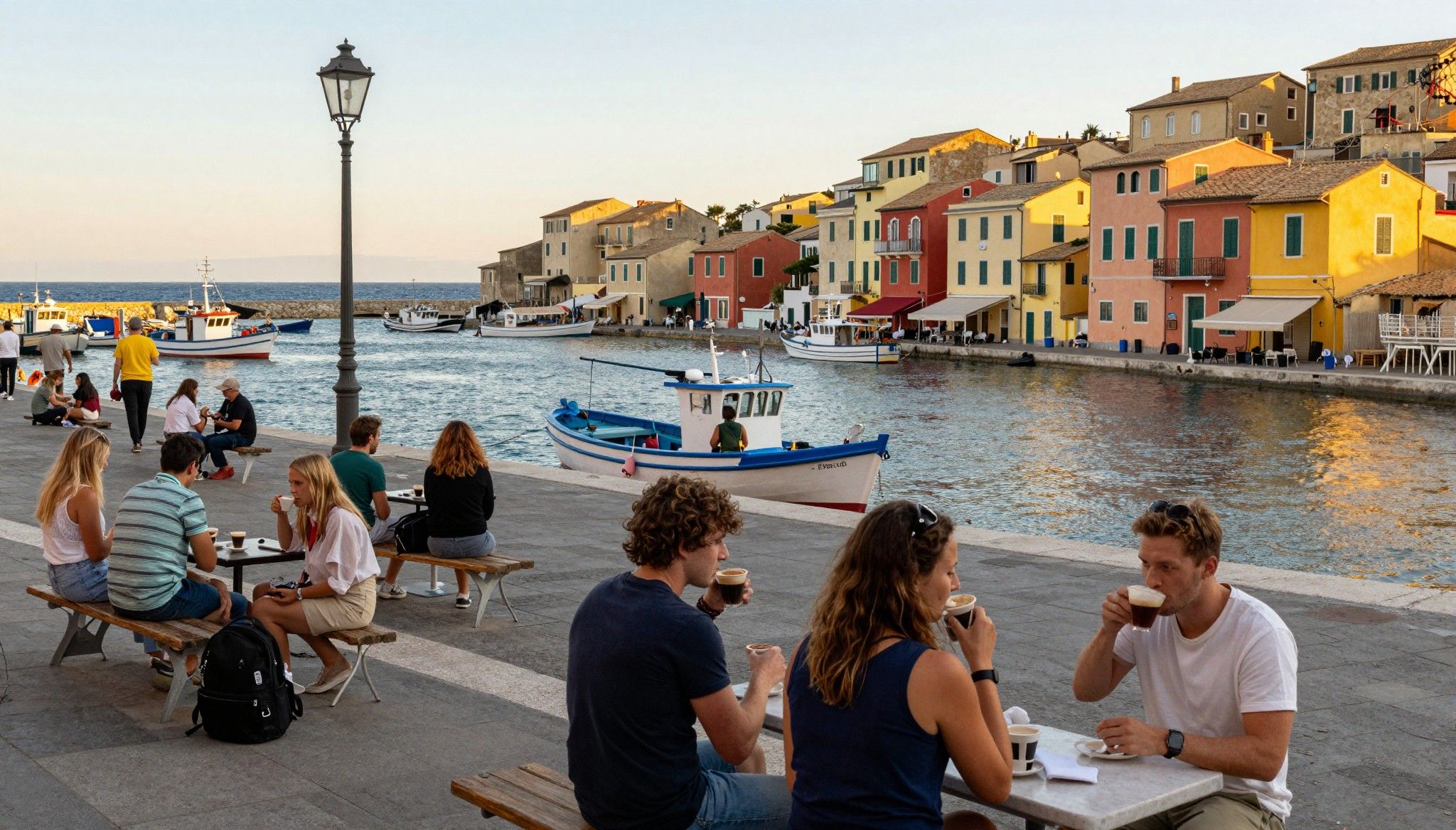
Cyprus lives on sun and sociability. Mornings begin with small cups of Greek coffee in neighbourhood kafeneia; evenings gather on terraces and seafront promenades. The surge in tourism and returning residents since 2023 has reactivated coastal towns and created lively short‑stay rental demand — a pattern that colours investment prospects and everyday life alike.
Limassol: cosmopolitan harbour with a coastal pulse
Think waterfront promenades, boutique marinas and apartment towers that mix holiday rentals with full‑time residency. Limassol’s nightlife, international schools and corporate presence draw professionals and families; developers respond with modern apartments and concierge amenities. That mix gives the district higher liquidity but also competition from short‑term lets.
Paphos & Larnaca: coastal charm and quieter tempo
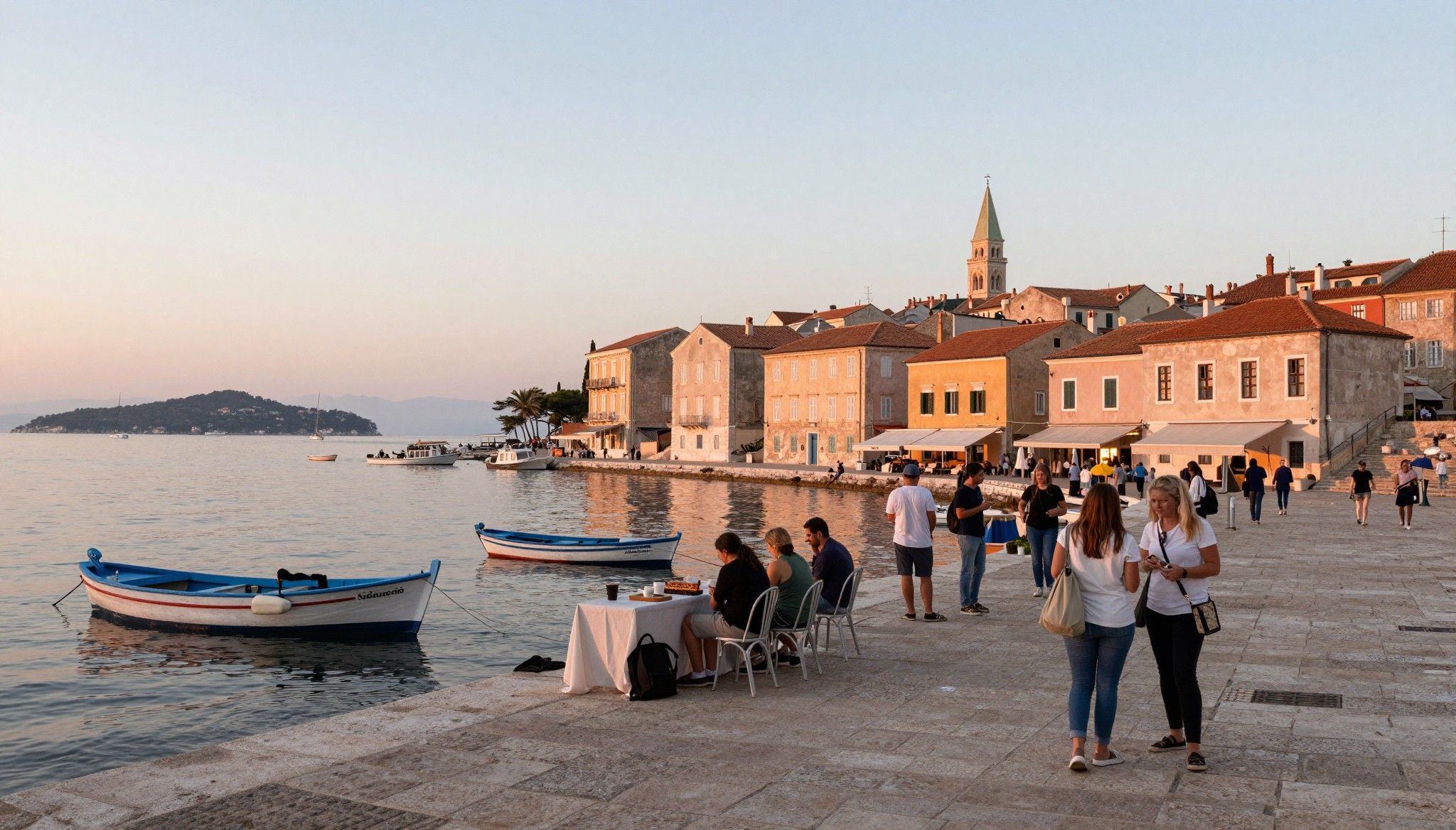
Paphos offers whitewashed streets, archaeological layers and a relaxed seaside scene attractive to retirees and second‑home buyers. Larnaca balances an international airport with more modest prices and a steady expat community. Both districts show stronger proportions of foreign buyers in recent years, which affects pricing dynamics and resale windows.
- Morning espresso at To Steno (Paphos); Sunday market in Larnaca; Limassol Marina walk; Kato Paphos archaeological park visits; Troodos mountain weekend hikes; Sunset mezze on Germasogeia seafront.
Making the move: lifestyle-led, data-backed choices
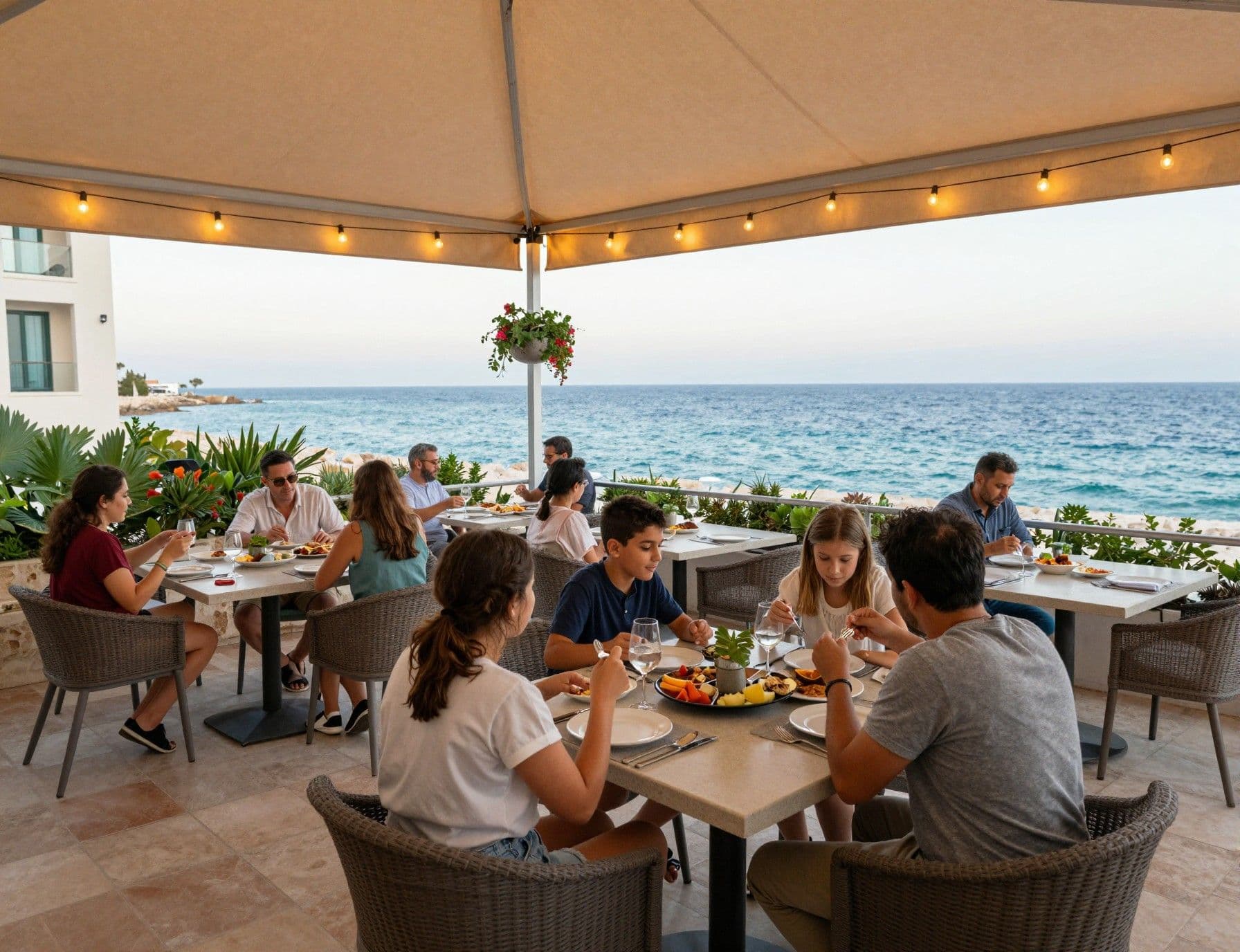
Lifestyle should lead the shortlist, but data must rule the offer. Prices across Cyprus rose through 2024–25 and the Central Bank’s RPPI shows continued year‑on‑year gains into 2026; at the same time foreign buyer share has climbed, concentrating demand in Limassol and Paphos. That combination raises two practical questions for buyers: where will your day‑to‑day life feel right, and where will market momentum support resale or rental potential?
Property types, and how they shape daily life
New apartments give lock‑up‑and‑go convenience and amenities that suit part‑time residents. Traditional village houses trade comfort for character and local integration; coastal townhouses offer indoor‑outdoor living. Choose on how you want to spend weekdays: commuting to an office, hosting seasonal guests, or settling into a quiet village routine.
Work with agents who know life, not just listings
- 1. Ask for a lifestyle dossier that pairs neighbourhood routines (cafés, schools, peak seasons) with transaction data. 2. Insist on recent comparable sales and landlord‑friendly tenancy histories for rental prospects. 3. Visit in different seasons — spring market life differs from high summer tourism. 4. Check travel times: airport access (Larnaca or Paphos) matters for frequent visitors. 5. Verify developer warranties and energy‑efficiency standards for coastal humidity resilience.
Insider knowledge: what expats wish they’d known
Real buyers talk about small realities that change satisfaction: afternoon heat in July, the importance of covered parking, the patchwork of water supply in hill villages, and how local supermarkets close early on Sundays. Those details shape whether a property feels like a holiday or a home.
Cultural cues that affect neighbourhood fit
Language is easy — English is widely spoken — but social life can be local: tavernas that fill with regulars, church calendars, and family‑run cafés. If you want instant social life, pick neighbourhoods with existing expat communities (parts of Limassol, Paphos and Larnaca); if you want integration, learn basic Greek greetings and attend village festivals.
Longer-term lifestyle & market signals
Expect moderate price growth in coastal hotspots while inland and mountain villages see slower rises. Foreign buyer concentration can accelerate local price cycles, so weigh lifestyle value against resale timing: buy where you want to live first, and treat rental income as supplementary unless you’re in a proven tourist corridor.
- Red flags to spot on viewing days: noisy short‑let blocks without soundproofing; unclear boundary deeds for older village plots; poor drainage or visible damp on lower floors; developers delaying completion beyond contractual penalties; lack of proven rental history where rental income is relied upon.
Conclusion: Cyprus feels like a series of close escapes — a café‑filled square, a dramatic mountain road, a quiet bay — all within short drives. Match that variety to the home you want to live in daily, rely on agents who translate lifestyle into data, and verify market momentum with official indices. When lifestyle and numbers align, Cyprus offers a compact, sunny stage for a new life.
British investor turned advisor after buying in Costa del Sol since 2012. Specializes in cross-border compliance and data-driven investment strategies for UK buyers.