How French Life Shapes Price Pockets
France's market is regional: lifestyle hotspots like the Côte d’Azur and western cities drive micro‑price dynamics—use national indices plus commune data for smart buys.
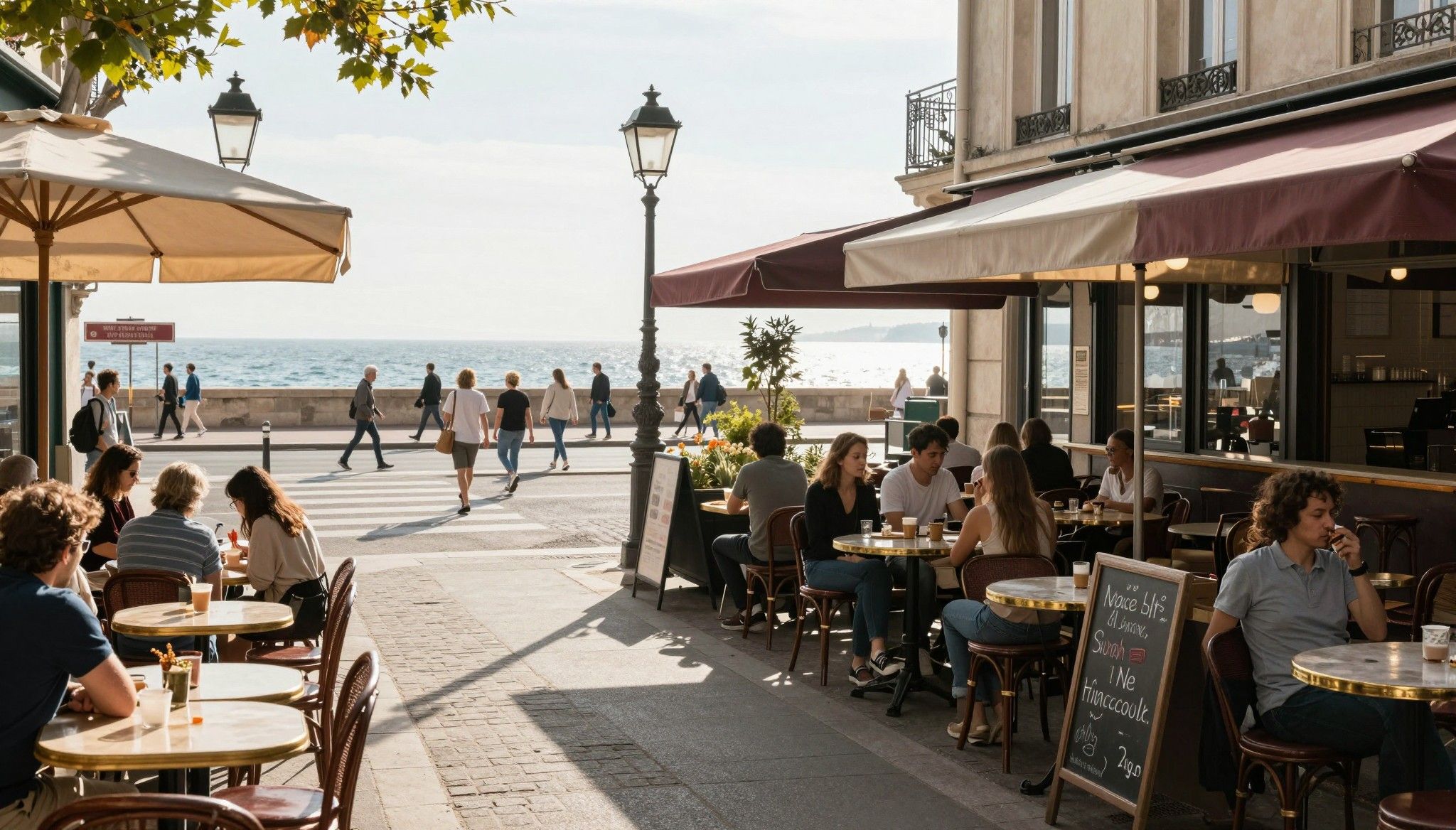
Imagine starting your morning with a short walk through Rue des Martyrs in Paris, buying warm brioche at Boulangerie Poilâne, then hopping a train to the coast for a late-afternoon swim in Marseille. France folds small, intensely lived moments into daily life — lively markets at dawn, long café lunches, and quiet, tree-lined streets that reward slow discovery. For international buyers, those rhythms map directly onto where price growth concentrates and where surprising value hides.
Living the French life: what you actually wake up to
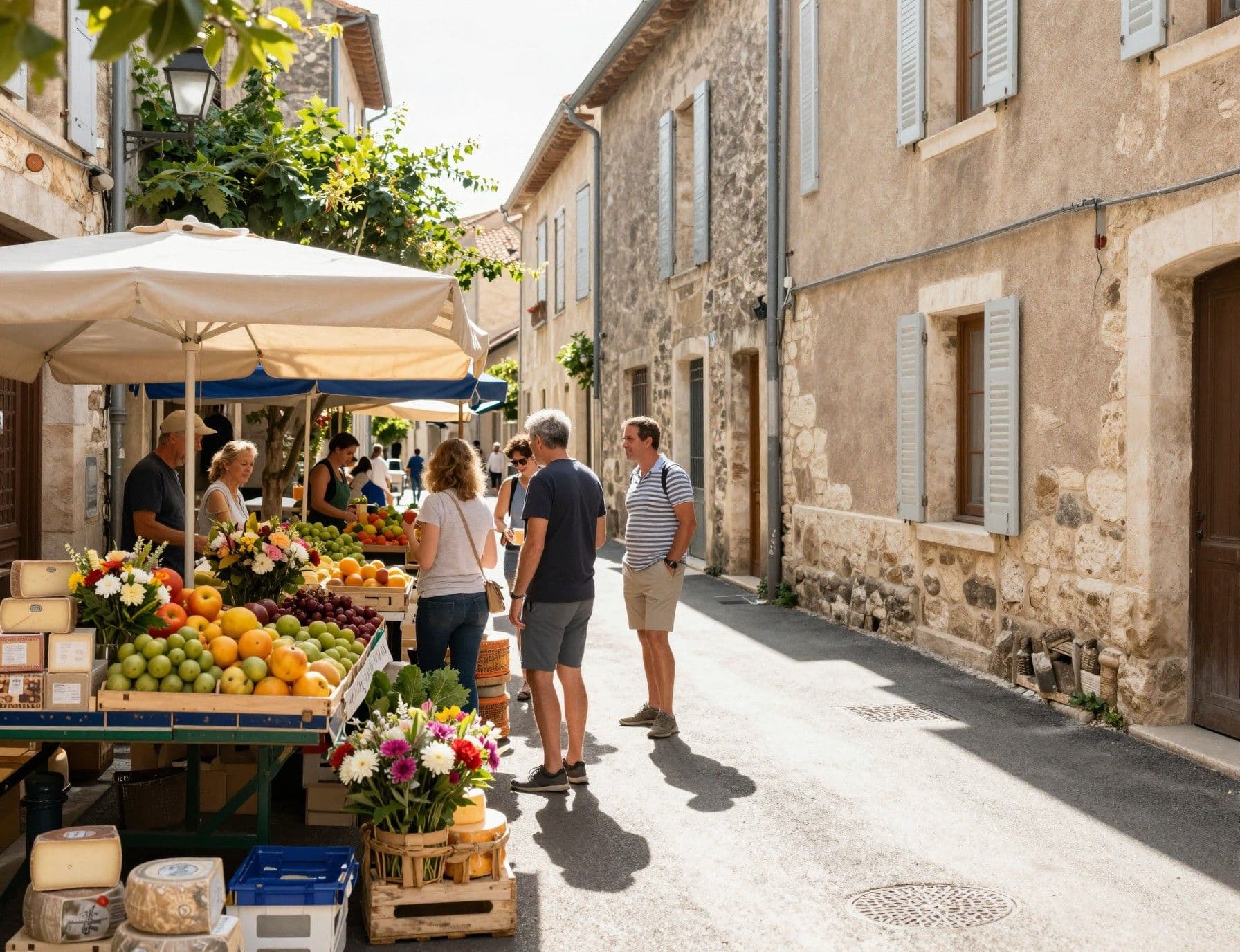
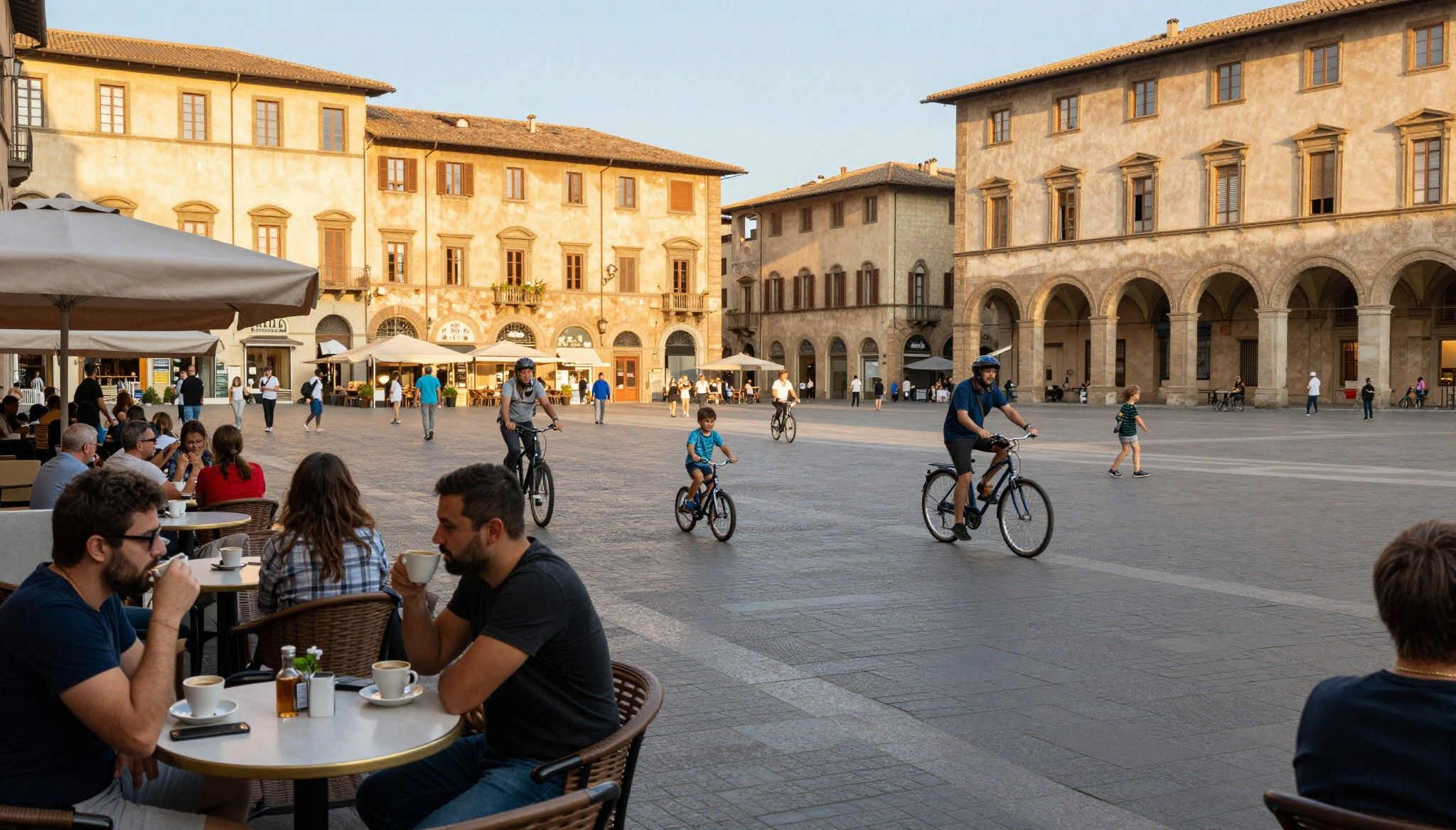
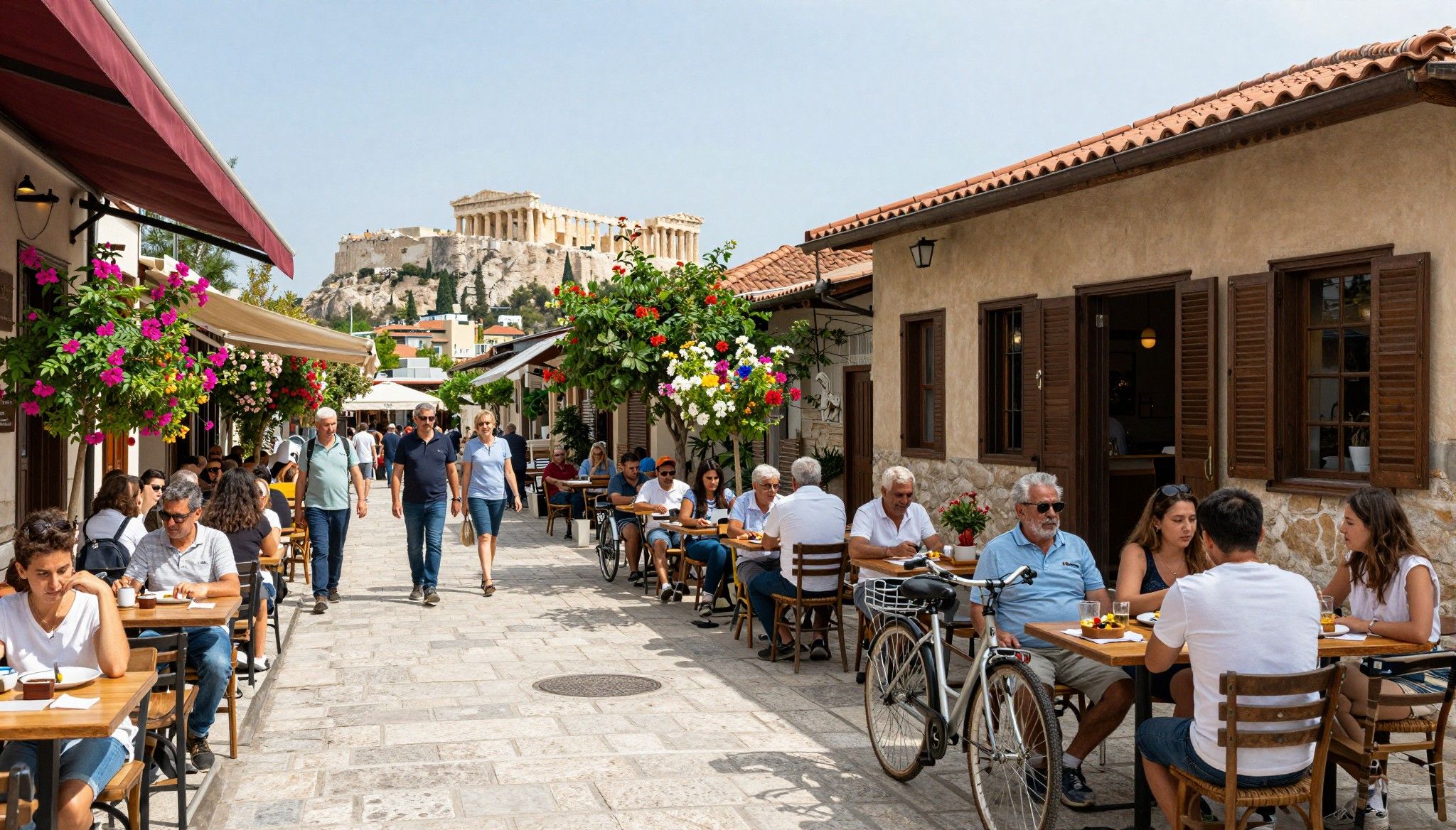
Think beyond Paris postcards: France's lifestyle is regional. In Lyon you'll find bouchons and a working-city tempo; in Bordeaux, long lunches and a growing tech scene; along the Côte d’Azur, outdoor living dominates. These lived realities shape demand — apartments near markets and transit hold appeal for urban professionals, while houses with gardens are increasingly prized in secondary cities. Recent national indices show stability with pockets of growth, not a single monolithic market. ([notaires.fr](https://www.notaires.fr/fr/tendances-du-marche-immobilier-en-france?utm_source=openai))
Neighborhood spotlight: Le Marais to Le Port
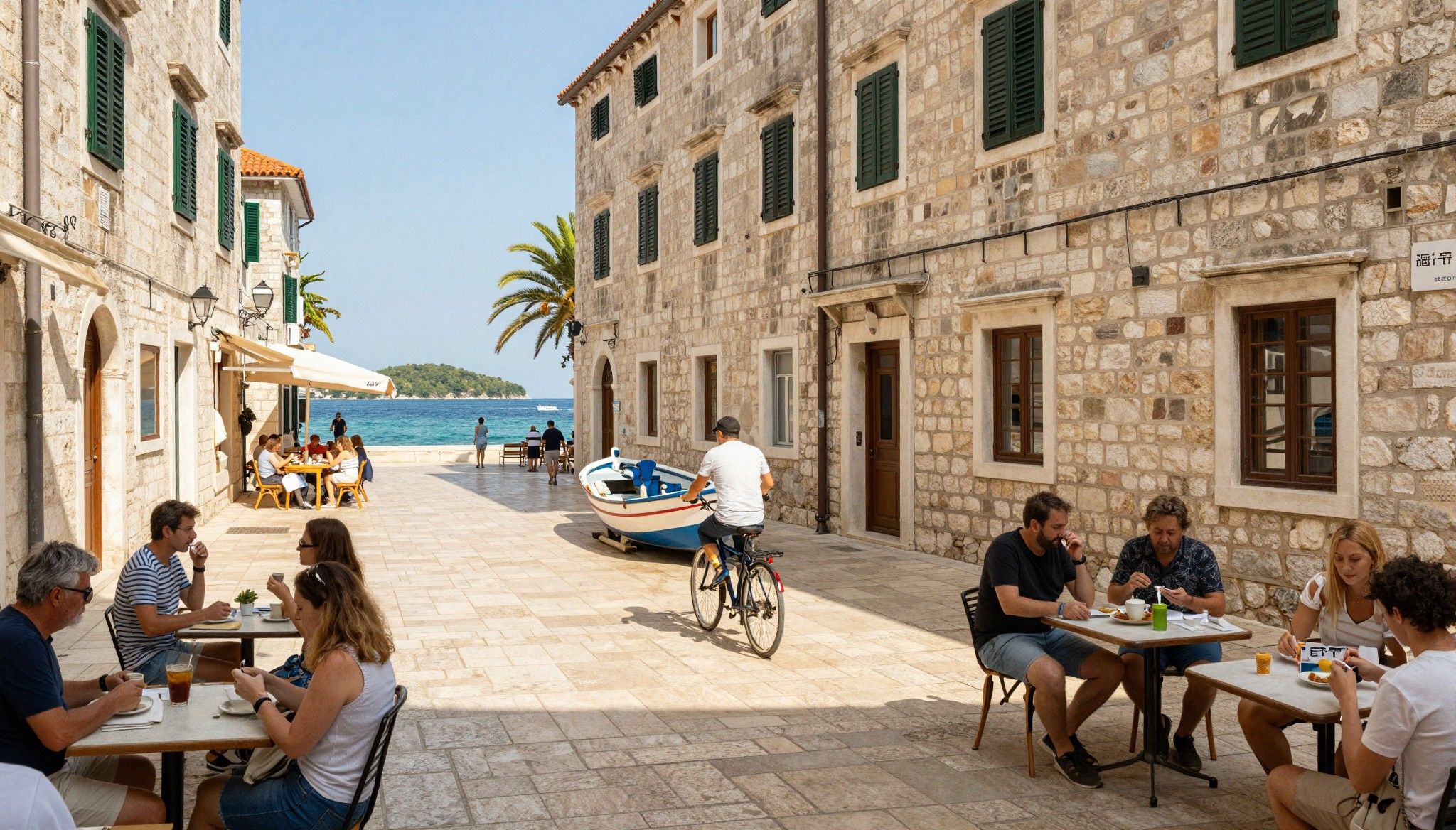
Picture the Marais in Paris (historic streets, boutique cafés) versus Le Port in Nice (blue waters, morning fish markets). Prices and daily life differ: Marais buyers accept smaller floorplates and a premium for character; Le Port buyers trade some heritage for sea air and bigger windows. For buyers, these contrasts matter more than headline averages — they decide resale speed, rental demand, and quality of life.
Food, markets and the calendar of life
Markets set the tempo: Sunday marchés in Aix-en-Provence or early-morning fish stalls in Marseille shape where locals want to live. Seasonal festivals — Fête de la Musique in June, harvest events in September — make some towns busier and more desirable for short-term rentals. Buyers who follow the calendar can target properties that compound lifestyle value with market demand.
- Lifestyle highlights to scout in person
- Morning markets: Marché Forville (Cannes), Marché d'Aligre (Paris)
- Streets for cafés and social life: Rue Cler (Paris), Rue Masséna (Nice)
Making the move: lifestyle-led practicals that change the price
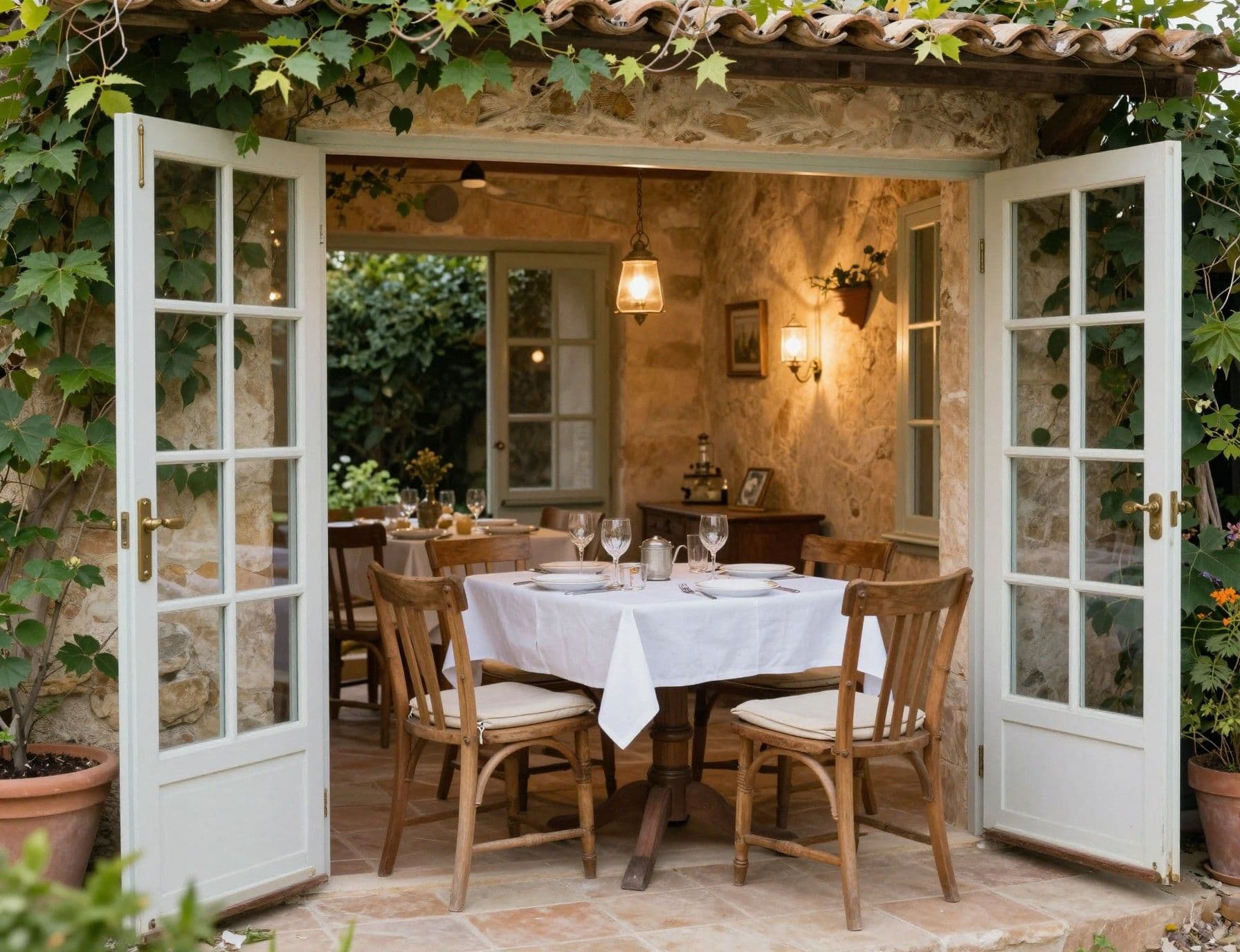
Your dream street must meet technical realities. Interest-rate cycles, local supply, and renovation standards influence prices just as much as lifestyle. National statistics show modest overall movement with sharper micro-variations: some regional house markets recovered faster than large-city apartments after the 2023–2024 correction. Use macro indices to orient strategy, then drill to commune-level DVF data for negotiation leverage. ([insee.fr](https://www.insee.fr/en/statistiques/9010603?utm_source=openai))
Property types that match French life
Apartments: Ideal in Paris, Lyon and Nice for proximity to cafés, theatres and commuting. Townhouses and villas: prized in Bordeaux, Provence and coastal towns for gardens and indoor–outdoor living. New-builds: often costlier per square metre but deliver modern insulation and light — practical for families and long-stay renters.
Work with experts who live the rhythm
How local experts convert lifestyle into value:
- 1. Suggest micro-neighbourhoods where cafés and transport intersect, boosting rental demand.
- 2. Translate local renovation norms into realistic budgets — older stone façades often need specialist trades.
- 3. Map price bands to lifestyle outcomes: smaller Paris apartments sell fast to professionals; Provençal houses attract families and seasonal visitors.
Insider knowledge: the myths and moves that save or cost you
Myth: "France is uniform — Paris sets the rules." Reality: regional dynamics drive opportunity. Since the mid-2024 correction, many secondary cities and coastal towns have rebounded faster than central Paris. Following the crowd to Paris can mean paying for liquidity, not lifestyle. Local reports document notable house-price gains in western and southern cities while Parisian apartments corrected earlier. ([lemonde.fr](https://www.lemonde.fr/en/money-investments/article/2026/03/10/large-french-cities-see-prices-rise-again-as-house-prices-surge_6751268_102.html?utm_source=openai))
Cultural practicalities that affect value
Language, renovation permits and seasonal renting rules matter. Simple things — the timing of tenant notice-periods, municipal renovation restrictions in protected zones (secteurs sauvegardés), or local market days — change yields and liveability. Local notaires and agencies help translate these cultural rules into negotiation points.
What expats wish they’d known
Expat buyers tell the same story: a narrow search for a postcard neighbourhood misses places with better daily life and price resilience. For instance, areas just outside central arrondissements — with short commutes and local bakeries — can offer faster appreciation and more space than a tiny central flat. Local sales activity and recent notarial data reveal these micro-opportunities. ([paris.notaires.fr](https://paris.notaires.fr/fr/presse/communication-immobiliere-mensuelle/conjoncture-immobiliere-en-ile-de-france-de-fevrier-avril-2026?utm_source=openai))
- Red flags and where to dig deeper
- Unusually low price per m² in a sought area — probe for structural or legal issues.
- Properties listed for long periods with frequent price drops — often an indicator of overpricing or hidden defects.
- Municipal restrictions on renovation or short‑term letting — check permis and PLU (local planning rules).
Conclusion: Fall for the life, buy with the map in hand
If France feels inevitable — markets, cafes and coastlines calling — convert that feeling into a disciplined search. Start with regional data (INSEE, Notaires), then pair a lifestyle shortlist (neighbourhoods, markets, seasons) with hyperlocal checks: DVF transaction records, municipal planning rules and on-the-ground agency insight. That blend — the life you want plus precise local data — is how international buyers turn infatuation into a confident purchase. ([insee.fr](https://www.insee.fr/en/statistiques/9010603?utm_source=openai))
Norwegian market analyst who relocated to Mallorca in 2020. Focuses on data-driven market insights and smooth relocation for international buyers.